


20, Aug 2024
MGM Cancer Institute’s Anamaya Program: A New Hope for Children with Blood Disorders and Cancers
CHENNAI, Aug. 20, 2024 — MGM Cancer Institute proudly announces the launch of the Anamaya Program, a groundbreaking initiative aimed at helping children lead a disease-free life, starting with thalassemia. Thalassemia, a genetic condition affecting hemoglobin in red blood cells, has a significant presence in South India.
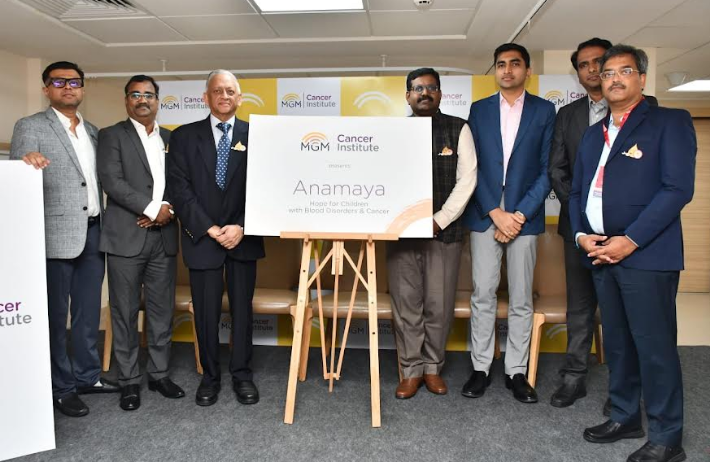
Through the Anamaya Program, MGM Cancer Institute has conducted extensive screening and awareness programs across Tamil Nadu and Andhra Pradesh, including tribal communities. Over the past six months, the institute has screened around 5,000 children for thalassemia and other blood disorders. The institute’s efforts have identified approximately 25 children with thalassemia, who are now being brought to MGM Cancer Institute for further evaluation and treatment in association with Saptha Foundation (A NGO which supports treatment of Thalassemia in children). The treatment expenses will be supported through funds from the government, NGOs, and concessions provided by the hospital.
In Andhra Pradesh and Tamil Nadu alone, approximately 10,000 individuals are affected by thalassemia major, contributing to the larger national count of nearly 100,000 patients. If untreated, this condition drastically reduces life expectancy, with most children not surviving beyond age 15 due to frequent blood transfusions and iron overload in vital organs such as the heart and liver. Currently, bone marrow transplantation (BMT) is the only permanent cure for thalassemia, allowing children to lead normal lives post-treatment.
Addressing thalassemia’s impact involves improving access to screening and care, enhancing healthcare infrastructure, and investing in research for novel treatments like gene therapy. A comprehensive strategy, including prevention programs and robust data collection, is essential for managing this disease effectively.
At the MGM Cancer Institute, the Department of Pediatric Hematology and Oncology offers holistic care for children, adolescents, and young adults with hemoglobinopathies. The institute’s mission is to treat these children by understanding their special needs and providing them with comprehensive, compassionate care from diagnosis through recovery.
Speaking about the program, Dr M Deenadayalan, HOD and Clinical Lead, Paediatric Haematology, Oncology, Blood and Marrow Transplantation, said, “Thalassemia is a significant public health concern in India, especially in the southern regions. National surveys indicate beta-thalassemia shows a notable prevalence, with carrier rates estimated at around 3-4% nationwide. However, these rates can surge up to 17% within certain communities, particularly those with high consanguinity or among tribal populations.”
He further added, “This program will be a bridge to the existing gap of uneven access to screening, identifying, and treating thalassemia, other blood disorders and cancers in children. As phase one of the program, our focus will be on thalassemia, which requires lifelong medical care, imposing a strain on the children and families. A multi-pronged approach is necessary, strengthening carrier screening, prenatal diagnosis, and genetic counselling, along with improved healthcare infrastructure and trained professionals.”
Speaking during the event Dr. M A Raja, Director, Oncology Services, MGM Cancer Institute, said, “Thalassemia is a disease diagnosed between birth and two years, and approximately 15000 babies are born in India every year with this. It is an inherited condition, and we in India have the highest number of thalassemia cases in the world. Proper screening and counseling can help to reduce the incidence of this disease because marriage among close relatives who are carriers without disease can give birth to babies with disease. Once a diagnosis is made, standard treatment is only repeated blood transfusions and supportive care. However, this is not curative and can cause heart failure, liver toxicity, and premature deaths. The ONLY curative option is a bone marrow transplant. MGM Cancer Institute is well equipped to offer this treatment to many unfortunate children affected by this disease. Our hospital with expert hematologists and well-trained nurses will help to transform the lives of such children by offering a permanent cure. We will continue your conduct camps for screening, early detection, and counseling in vulnerable populations.”
In addition to thalassemia, the program will extend its screening efforts to other childhood cancers and blood disorders, ensuring early detection and treatment for those in need. MGM Cancer Institute is committed to making a lasting impact in the fight against these conditions, one child at a time.
The Anamaya program was launched in the presence of Dr. M A Raja, Director, Oncology Services, MGM Cancer Institute; Dr. Ananth Mohan Pai Director – Medical Services, MGM Healthcare; Mr. Siva, COO, MGM Cancer Institute and Dr. Vimal Kumar G and Dr. Rishab Bharadwaj from the Paediatric Haematology, Oncology, Blood and Marrow Transplantation department.
- 0
- By Rabindra

20, Aug 2024
Fortune Hotels grows its footprint in Uttar Pradesh
Gorakhpur, 20 August 2024: Fortune Hotels, a member of ITC’s hotel group announced its latest signing in the state of Uttar Pradesh with the inking of an operating agreement for an upscale hotel in Gorakhpur; a strategic move to increasing its regional presence in the prosperous and one of the fastest growing states in India.
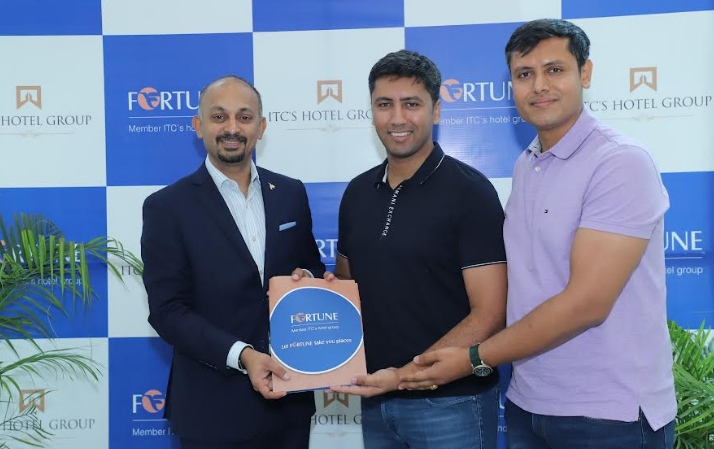
Commenting on the signing, Samir MC, Managing Director, Fortune Hotels, said “It was only prudent for us to further strengthen our presence in Uttar Pradesh given the state’s brimming potential of promising returns. We already have six strategic alliances in UP and signing of this agreement further exudes our commitment to the state. Fortune Park Gorakhpur will enable us to cater to all kinds of transient travellers as well as city guests. This up-and-coming region presents a promising opportunity, making it the perfect timing for forging such alliances. With this new property, we emphasize our focus to deliver exceptional hospitality experiences in emerging markets across India.”
Branded as Fortune Park Gorakhpur, the hotel, located in the heart of the city promises an unparalleled experience to city, pilgrim and business guests alike. Offering 74 contemporary well appointed rooms, multiple F&B outlets, modern meeting and banquet spaces and a blend of upmarket comfort, and state-of-the-art facilities, this hotel is poised to become a significant landmark in the area.
Expected to be launched by October 2026, the hotel is just a short walk from the railway station, 7.5 km away from the Gorakhpur International Airport and around 3 Kms from the ancient Gorakhnath Math, a temple of significance for the Nath monastic order group of the Nath tradition, which attracts numerous visitors and devotees throughout the year; making the hotels’ location very strategic.
Besides being a religious centre, Gorakhpur has also emerged as one of the most preferred destinations for businesses and investors alike with the growing IT and support startup ecosystem in the city along with an upcoming IT Park, making it a a pivotal metropolis of importance, situated on the banks of the Rapti River in the Purvanchal region of Uttar Pradesh.
A gateway to Eastern UP (Purvanchal), Bihar and Nepal, Gorakhpur is approximately 100 kms from the Nepal frontier, 193 kms from Varanasi, and 270 kms from the state capital of Lucknow, making it a very notable location in its region.
20, Aug 2024
Ambuja Cements’ CSR Efforts Boost Economic Progress in Rabriyawas Through 49 Farm Ponds
Rajasthan, 20 August 2024: Ambuja Cements, the cement and building material company of the diversified Adani Portfolio, is proud to support sustainable water resource management to boost the livelihoods of farming communities where it operates. Through CSR efforts, the Company has developed 49 farm ponds in the villages surrounding its Rabriyawas plant in the arid region of Rajasthan, creating a total water storage capacity of 2.22 lakh cubic metres this year. This initiative has not only addressed the water scarcity faced by local communities but also boosted agricultural productivity for the farmers.
The company’s efforts have substantially enhanced water availability in the region, positively impacting their daily lives by providing sustainable access to water. With these 49 new farm ponds utilising rainwater harvesting, they can easily access water for irrigation and cultivate between 150 to 170 acres of land during the Rabi season. By enabling crop cultivation during both Rabi and Zaid seasons, this initiative has increased crop intensity and expanded the cultivation area, with a minimum income rise of 35% to 40% for the farmers.
Take the example of Shobha Devi Prajapat, a local farmer from Rabriyawas village who calls the farm ponds a game-changer. She says, “We can now grow crops such as mustard, cumin, green gram, pearl millet, wheat, fennel, and vegetables year-round, increasing our income significantly.”
These sustainable water solutions by Ambuja Cements at villages near the Rabriyawas plant underscore their commitment to social responsibility and sustainable development, creating positive impacts, and fostering inclusive growth.
20, Aug 2024
Lawyer Desk Unveils AI-Powered “LawBook” Mobile App: The Ultimate Educational Tool for Law Students
National, 20th August’24- LawyerDesk.ai, a trailblazer in AI legal technology, proudly announces the launch of “Law Book”, an advanced mobile app designed to redefine legal education for law students across India. This cutting-edge app leverages artificial intelligence to provide an unparalleled learning experience, equipping students with the knowledge and skills they need to excel in their legal careers.
“LawBook” is a comprehensive educational platform brimming with features that cater to the diverse needs of law students. It combines traditional legal resources with innovative AI-driven tools to create a dynamic and interactive learning environment.
Key Features of LawBook:
- Case Generator: Generate case scenarios based on various types of law, allowing students to practice and hone their legal reasoning and argumentation skills.
- Legal Research: Access a vast database of legal texts, case laws, statutes, and journals, all easily searchable and regularly updated.
- Legal Drafting: Tools to assist in the creation of legal documents, helping students learn the intricacies of legal writing and formatting.
- Learning Tools: Engage with mind maps, notes, flashcards, and AI lawyer personas to enhance understanding and retention of legal concepts.
- Moot Court Simulation: Experience simulated moot court environments, complete with realistic case scenarios and role-playing, to practice courtroom skills.
- User-Friendly Interface: An intuitive design that ensures easy navigation and accessibility to all features.
“We are thrilled to introduce “Law Book”, an app that embodies our commitment to innovation in legal education,” said ANUSHITA KARUNAKARAM, CEO of LawyerDesk.ai. “By integrating advanced AI capabilities with comprehensive legal resources, Law Book provides a holistic learning experience that prepares law students for the complexities of the legal profession. Our goal is to bridge the gap between theoretical knowledge and practical application, ensuring our users are well-equipped to succeed.”
The development of Law Book involved extensive collaboration with legal educators and professionals to ensure the app’s content is both accurate and relevant. This collaborative effort guarantees that Law Book not only meets academic standards but also aligns with real-world legal practices.
20, Aug 2024
Volvo Group collaborates with Indian supply partners to accelerate its journey toward becoming climate-neutral by 2040
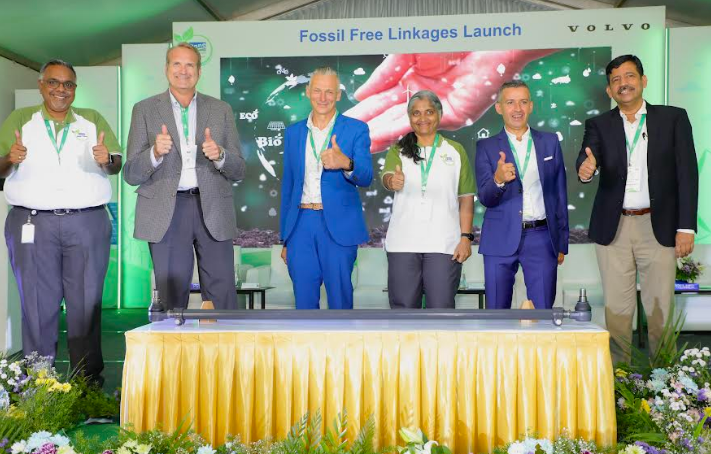
Volvo Group is committed to becoming a climate-neutral company by 2040, and this commitment includes its supply chain & global suppliers from India. In 2022, Volvo Group developed and started sourcing Fossil Free Castings from India. Today, Volvo Group has set a new milestone, expanding its fossil-free sourcing in India to additional components. The fossil-free components from Indian supply partners will be part of Volvo Group Trucks and potentially reduce CO2 emissions by 13,000 tons annually.
Volvo Group has collaborated with two key supply partners from Chennai, India – Rane (Madras) Ltd and Madras Engineering Industries Private Limited (MEI) in this endeavor.
In collaboration with Rane (Madras) Ltd, Volvo Group has developed fossil-free tie rods and linkages, essential components that steer the wheels of Volvo trucks. These products are manufactured using 100% renewable energy across the supply chain, eliminating the use of fossil fuels, and hazardous materials. The innovative approach also includes the use of fossil-free steel and electric vehicles for material movement, ensuring a truly sustainable production process.
Volvo Group has also collaborated with Madras Engineering Industries Private Limited (MEI) to create fossil-free ferrous castings, another critical component of vehicles. These castings, subjected to extensive stress and fatigue, are produced using 100% renewable energy and 100% metallic scrap without virgin materials like pig iron. The process is entirely landfill-free and devoid of toxic elements, resulting in products that are 100% recyclable.
The tie rods and linkages developed with RANE are estimated to lower CO2 emissions by 600 tons annually for Volvo. If implemented across other supply partners producing similar components, the reduction could amount to several thousand tons per year. Similarly, MEI’s fossil-free castings are expected to cut emissions by 12,400 tons of CO2 annually for Volvo, with the potential for broader industry impact if adopted by additional supply partners. Components from both supply partners are set to be introduced in Q1 2025.
The products manufactured in India have been certified by the Confederation of Indian Industry’s (CII) Green Products & Services Council, earning GreenCO and GreenPro certifications. These certifications affirm the products’ adherence to global sustainability standards and compliance with country-specific policies.
20, Aug 2024
StrateFix Consulting Partners with Surbhi Group to Transform HR and Management Practices
Surat, August 20th, 2024 – Stratefix Consulting, a business management consulting firm is thrilled to announce a new partnership with Surbhi Group, India’s leading textile brand, with exceptional strength and capabilities in various manufacturing segments like yarn, weaving, knitting, embroidery, and garments in the textile industry.
As a traditional family business, Surbhi Group has had to undergo significant transition to adopt more structured processes and performance management systems in order to meet the evolving demands of the textile industry.
Mr. Ratibhai Patel and Mr. Ravjibhai Patel, the head of the family and first-generation entrepreneurs, are visionary leaders and skilled executors, their qualities are clearly evident in the second-generation stakeholders of the organization.
Second-generation entrepreneurs, who are the current face of Surbhi Group, demonstrate the commitment to carrying forward the legacy of the brand through continuous innovation and strategic decision-making.
This collaboration between Stratefix and Surbhi exemplifies the dedication of the second-generation entrepreneurs to drive overall business growth through transformative leadership and employee development initiatives across the group.
Stratefix Consulting aims to help tackle several critical challenges faced by Surbhi, aiming to enhance their Human Resource practices and overall organisational efficiency. The objective is to streamline operations, improve recruitment and employee engagement, and support Surbhi’s future growth and expansion plans.
The aim behind this partnership is to address key issues such as an ineffective management structure, the absence of a dedicated HR department, and the need for better leadership training.
StrateFix Consulting would help Surbhi to implement a more organised management framework, establish a comprehensive HR department, and develop structured training programs across departments.
Mukul Goyal, Co-Founder of Stratefix Consulting, expressed his excitement about the partnership, stating, “We are delighted to partner with Surbhi and assist them in overcoming their organisational challenges. Our expertise in HR and management practices will help them enhance their operations and achieve their strategic goals. We are confident that this collaboration will lead to significant improvements and drive their success.”
Ritesh Patel, Director of Surbhi Textile Mills, commented, “We are excited to partner with Stratefix Consulting to identify gaps and address our organisational challenges. Their expertise in HR and management will be invaluable as we work to streamline our operations, enhance employment recruiting and management practices, and develop our core leadership team. We are confident that this collaboration will help us achieve our growth objectives and drive Surbhi’s continued success”.
This announcement marks an important milestone for both Stratefix Consulting and Surbhi Group. They are committed to delivering practical solutions that will make a real difference in Surbhi’s organisational performance. We look forward to a successful partnership that will contribute to Surbhi’s continued growth and success.
20, Aug 2024
BD Soft and Foxit Join hands to Bring Innovative PDF & eSign Products to the Indian Market
Mumbai, 20th August 2024: Foxit, a global leader in PDF, eSign, and AI-powered digital document solutions, is pleased to announce a strategic partnership with BD Soft, a prominent value-added IT security distributor in India. This collaboration will provide various growth opportunities and showcase Foxit’s advanced document management solutions in the Indian market. By leveraging BD Soft’s extensive channel partner network, Foxit expects to strengthen its presence in the South Asian region, marking a major milestone in its journey of innovation and growth as a leading PDF brand.
Recognized for its customer-centric and innovative approach, Foxit provides a suite of document productivity tools that meet the growing needs of Indian businesses across all industries, significantly contributing to India’s technological advancement as they transition to a fully digital environment. As more businesses adopt digital practices, Foxit’s advanced document solutions, including enterprise-level PDF editing, eSign, document security features, and AI-integrated tools, are essential for working in a paperless environment on any device, anywhere, anytime.
In terms of security, using third-party internet tools for file conversions often involves inherent risks, making it a necessity for businesses to find secure solutions. Foxit ensures robust protection for safe and efficient document management across desktop, mobile, and web platforms for millions of users worldwide. Beyond security, Foxit also provides tailored solutions for Indian SMEs and enterprises, facilitating a seamless digital transition with both on-premise or cloud platforms. With innovative offerings in secure document management and PDF control, Foxit empowers businesses to safeguard data, enhance productivity, and navigate the evolving digital landscape, ensuring long-term success against global threats.
Mr. Zakir Hussain, CEO of BD Soft, emphasized, “India’s burgeoning economy and digital transformation initiatives make it a strategic market for Foxit. With this partnership, we aim to bring the benefits of Foxit’s solutions to a diverse spectrum of users, including individuals, small and medium-sized enterprises, and large corporations, leveraging the extensive reach of our network. Our company envisions contributing to India’s growth story by empowering businesses with innovative document solutions that align with the country’s evolving business landscape.”
Commenting on the partnership, Ms. Jenny Li, President of APAC at Foxit, said, “Foxit’s collaboration with BD Soft Distribution Pvt. Ltd. heralds a new era of PDF innovation. Together, we forge a path of efficiency and excellence, offering businesses worldwide unparalleled solutions. Our strategic alliance combines Foxit’s industry-leading expertise with BD Soft’s dynamic reach, promising transformative results. With a shared commitment to customer satisfaction and technological advancement, we are redefining the standards of PDF solutions and empowering users with seamless experiences. Through this partnership, we are unlocking new possibilities, driving growth, and delivering value to our clients.”
BD Soft, renowned for its extensive reach with over 2,000 channel partners, will market Foxit’s PDF suite of solutions across India. BD Software Distribution offers a diverse range of software solutions for SMBs to facilitate rapid growth through digital transformation. Their portfolio includes Bitdefender, endpoint security, DLP solutions, risk management, threat monitoring, activity monitoring, mobile device management, web application firewall, security operations center, OCR, and digital document solutions, among others.
20, Aug 2024
Early Detection of High-Risk Melanoma: Prevention and Treatment Strategies

Dr. Shantling Nigudgi, Sr. Consultant Radiation/Clinical oncologist, HCG Cancer Centre, Kalaburagi
In today’s fast-paced world, our increasingly busy lifestyles often lead us to neglect our health and wellbeing. We spend more time indoors, surrounded by screens, and less time outdoors, enjoying nature. However, this shift in lifestyle has led to a rise in skin cancer cases, with melanoma being one of the most aggressive forms. As we strive for a balance between our personal and professional lives, it’s essential to prioritize our health and take proactive measures to prevent melanoma. By making simple changes to our daily habits, such as protecting our skin from the sun, conducting regular self-examinations, and adopting a healthy lifestyle, we can significantly reduce our risk of developing this life-threatening disease.
The Importance of Early Detection
Melanoma, a type of skin cancer, is a growing concern worldwide, with India being no exception. According to the Indian Journal of Dermatology, Venereology, and Leprology, melanoma accounts for 1-2% of all skin cancers in India. The importance of early detection cannot be overstated, as it significantly improves treatment outcomes and survival rates. The 5-year survival rate for melanoma patients with early-stage detection is around 92%, compared to 20% for those with advanced-stage detection.
Identifying Risk Factors
Identifying risk factors is essential for early detection. Individuals with a family history of melanoma, fair skin, previous melanoma, dysplastic nevi, UV radiation exposure, and genetic predisposition should be vigilant. Being aware of these risk factors can help individuals take proactive measures to prevent and detect melanoma early.
Prevention Strategies
Prevention is key in reducing the risk of melanoma. This includes using broad-spectrum sunscreen with SPF 30 or higher, wearing protective clothing, seeking shade, avoiding tanning beds, and conducting regular skin self-examinations. By adopting these prevention strategies, individuals can significantly reduce their risk of melanoma.
Early Detection Methods
Early detection methods include skin self-examination, dermatologist check-ups, and the ABCDE(asymmetry, border, color, diameter and evolving) rule, which involves monitoring moles for asymmetry, border irregularity, color variation, diameter greater than 6mm, and evolving changes. Regular skin checks can help identify suspicious moles or changes, enabling early detection and treatment.
Treatment Options
Treatment options vary depending on the stage and severity of melanoma. These include surgical excision, sentinel lymph node biopsy, immunotherapy, targeted therapy, and chemotherapy. Early detection enables prompt treatment, reducing the risk of metastasis, less invasive treatment options, improved cosmetic outcomes, and enhanced survival rates.
Early detection of high-risk melanoma is crucial in preventing and treating this aggressive form of skin cancer. Stay sun-safe, and prioritize your skin health! Regular skin checks, awareness of risk factors, and a proactive approach to prevention can make a significant difference in the fight against melanoma. By taking control of your skin health, you can reduce your risk of melanoma and improve treatment outcomes.
20, Aug 2024
UST AI Report: 93% of Big Firms See AI as Crucial, Yet Over 75% Struggle with Talent Shortage
Mumbai, 20 August 2024 : New research commissioned by UST, a leading digital transformation solutions company, finds that most organizations are clearly on board the AI (artificial intelligence) ship but lack a skilled AI workforce and need a compass to help navigate these uncharted waters. Obstacles to effective implementation frequently include a lack of in-house AI skills, increasingly complex regulatory requirements, and rising ethical concerns. These factors create uncertainty, slowing AI implementation and preventing the technology from reaching its full potential. This comprehensive survey on AI in the Enterprise surveyed 600 senior IT decision-makers in large companies ($500m+ revenue) across the US, UK, India, and Spain. The companies surveyed represent a combined revenue of more than $10 trillion.
The research uncovered three significant findings:
1. Clear management buy-in: AI enablement continues to be of paramount importance for large businesses, with more than half (54%) using and integrating AI throughout their organizations, nearly a third (28%) using it throughout the business but in an unstructured way, and 16% just starting to experiment with AI. Only 1% do not use AI and they have no plans to do so. Significantly, 92% say their company’s AI implementation aligns with their strategic goals, and 93% believe AI will be essential to success in the next five years. However, only a small portion, 8%, said that they do not face barriers to these goals. Despite the broad recognition of AI’s importance and strategic value, this highlights a significant challenge: most organizations encounter substantial obstacles that hinder AI implementation. Finally, approximately 9 in 10 (89%) say their organization needs to increase spending on AI implementation to keep up with its competitors.
2. Significant roadblocks remain: 44% described the AI implementation process as challenging, citing security concerns (40%), a shortage of in-house expertise (33%) and compliance and regulatory challenges (33%) as the top issues. The lowest-ranking barrier was “No clear understanding of the benefits” (14%), showing that there is clear consensus on the value of AI.
Looking more closely at concerns around the skills shortage, more than three-quarters (76%) say there is a severe shortage of AI-skilled personnel within their organization. Consequently, almost nine in 10 (89%) say their organization needs external guidance on implementing AI effectively, with more than half (57%) planning to engage with external third-party AI expertise in the next three years.
Two-thirds (67%) believe there are insufficient external advisors focusing on AI implementation, and more than a third (38%) consider external expertise less expensive than in-house. Furthermore, nearly a third (31%) of respondents cannot upskill their own workforce.
3. Lack of tools to navigate the complexity of ethics, regulation, and diversity concerns: 9 in 10 (91%) agree that their organization must have a responsible AI framework/policy. However, fewer than 4 in 10 (39%) consider their current approach “very effective”. Additionally, more than 9 in 10 believe more regulation is required for successful and responsible AI implementation in their industry (91%) and in companies across all industries (92%). The main reasons for this regulation should be to ensure data privacy (62%), better transparency (57%), and ethical usage (55%). Respondents say neither their government (71%) nor industry (64%) is doing enough regarding AI regulation.
Regarding their AI workforce, 80% say that diversity is crucial or very important. However, 32% believe their AI team is lacking diversity. In addition, 70% are concerned that this lack of diversity leads to biased outcomes.
“AI is a groundbreaking technology already accelerating innovation across industry sectors, improving productivity, and redefining what is possible in unimaginable ways. This research comprehensively shows AI’s myriad benefits and challenges for businesses. By shining a light on the dominant hurdles to effective AI integration, we hope to help enterprises identify the right tactics and facilitate greater adoption of AI,” said Krishna Sudheendra, Chief Executive Officer, UST.
Other key findings include:
· AI spending and ROI: 1 in 20 (5%) currently spend more than half of their technology budget on AI implementation – but almost 1 in 5 (18%) predict they will spend at this level within three years. On average, organizations expect to see a return on investment in AI technology in approximately two years. However, almost a quarter (23%) expect this to take four or more years.
· ESG benefits of AI: Almost 9 in 10 (89%) believe AI can help their organization work toward their net zero goals, and a similar proportion say that AI has significant ESG benefits (91%). Respondents believe AI improves sustainability measurements and reporting (68%), reduces carbon emissions/accelerates efforts to reach net zero (58%) and reduces resource consumption (55%).
“The absence of mature AI governance frameworks is a glaring problem that enterprises can no longer ignore. 90% of those surveyed agree that robust regulations are needed to guide its development and mitigate risks as AI becomes deeply embedded in society. Soon, AI regulations and privacy-first AI will become essential to modern platforms, with algorithmic transparency, explainability, and risk metrics ensuring that only ethically designed AI systems earn public trust. These findings show that we must accelerate efforts to develop and implement sound AI governance policies to create a future where AI systems fulfill their potential as powerful for the common good,” said Adnan Masood, Chief Architect – AI & Machine Learning, UST.
To help create that future, UST recently launched a groundbreaking initiative to train more than 25,000 employees – approximately 80% of its workforce – with cutting-edge Generative AI skills and knowledge. The program was announced just months after the unveiling of UST AlphaAI, which consolidates the company’s AI offerings to enhance business agility, streamline operations, and accelerate digital transformation journeys.
20, Aug 2024
Unit 42 Research Report Exposes Evolving Cybersecurity Risks Across Critical Industries
India, Mumbai– 20 August 2024 – Palo Alto Networks, the global cybersecurity leader, released its latest report, ‘2024 Unit 42 Attack Surface Threat Report’, revealing the rapidly evolving landscape of cybersecurity threats. The study, drawn from several petabytes of data collected throughout 2023, highlights the growing challenges organisations face in securing their IT infrastructure amid constant changes and the increasing likelihood of AI-driven attacks.
This report underscores that organisations in critical sectors such as insurance, pharmaceuticals, and manufacturing are seeing a relentless evolution in their attack surfaces, making them prime targets for cyber criminals exploiting AI-generated vulnerabilities. As businesses continue to expand their digital footprints, the test of tracking and protecting all assets becomes increasingly difficult. Many organisations struggle to inventory their internet-facing applications, leaving them exposed to cyber threats that often begin with the exploitation of software vulnerabilities.
Key findings from the report include:
Constantly Evolving Attack Surfaces: On average, an organisation’s attack surface introduces over 300 new services every month, accounting for nearly 32% of new high or critical cloud exposures. This rapid growth of new services without central oversight inevitably leads to misconfigurations and exposures, resulting in higher chances of a breach.
Increased Risks from Lateral Movement and Data Exfiltration: Organisations experienced 73% of high-risk exposures within IT and Networking Infrastructure, Business Operations Applications, and Remote Access Services, which can be exploited for lateral movement and data exfiltration.
Critical IT and Security Infrastructure Exposures: Over 25% of exposures involve critical IT and networking infrastructure, opening doors to opportunistic attacks. These include vulnerabilities in application-layer protocols and internet-accessible administrative login pages of routers, firewalls, VPNs, and other core networking and security appliances. Remote access services and business operation applications also constitute a significant portion of exposures, with each comprising over 23% of attack surface exposures.
High Vulnerability in Key Industries:
Media and Entertainment: The industry experienced the highest rate of new services added, exceeding 7,000 per month.
Telecommunications, Insurance, Pharma and Life Sciences: These industries saw substantial increases, with over 1,000 new services added to their attack surfaces.
Critical Industries: Financial services, healthcare, and manufacturing saw their attack surfaces add over 200 new services every month.
The report also highlights the need for organisations to adopt AI-driven tools like Cortex Xpanse which provides continuous asset discovery and inventory. This capability is essential for maintaining complete visibility into the attack surface and reducing security risks.
Anil Valluri, MD and VP, Palo Alto Networks India and SAARC said, “As digital transformation and cloud adoption accelerate, the attack surface becomes more dynamic and challenging to secure, heightening the risk of AI-driven attacks that can scan billions of IP addresses in minutes to exploit vulnerabilities. With nearly half of exposures linked to remote access services and core networking infrastructure, and 23% to business operations applications, maintaining real-time visibility and monitoring is crucial. Leveraging AI-driven solutions for continuous asset discovery and inventory is essential to ensure comprehensive visibility and mitigate security risks.”
To secure attack surfaces effectively, maintaining persistent and comprehensive visibility across all assets, is essential for identifying and responding to risks such as high-profile vulnerabilities. Monitoring for unsanctioned services or shadow IT is critical to differentiate between known and unknown assets. Prioritising remediation efforts on high-severity vulnerabilities, especially those that are internet-exposed, is also crucial. Moreover, organisations should implement processes to address critical exposure risks in real time, optimise cloud configurations, and enforce secure data handling practices. Finally, staying informed about emerging threats and regularly reassessing the organisation’s attack surface are key strategies to mitigate risks.


