


6, Aug 2024
Dhirubhai Ambani University appoints Prof. (Dr.) Avinash Dadhich as the Founding Director
6th August, India: Dhirubhai Ambani University (DAU) is pleased to announce the appointment of Prof. (Dr.) Avinash Dadhich as the Founding Director to lead the establishment of the proposed School of Law.
Dr. Dadhich’s blend of diverse experience, covering academia, legal consultancy, and practice, focuses on the law and regulation of AI, data privacy, and competition law.
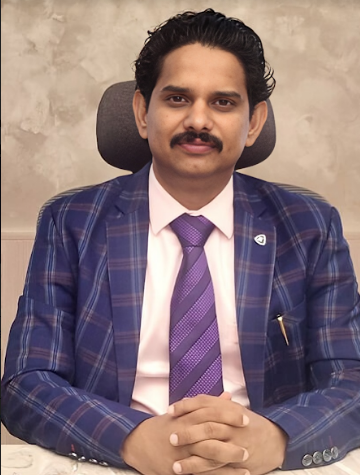
Dr. Dadhich expressed his enthusiasm about joining DAU, stating, “I am delighted to join DAU at this pivotal time when it is transforming into a multi-disciplinary university through the addition of various disciplines, including the School of Law. Late Shri Dhirubhai Ambani always stood for excellence on a global scale. I am excited to work with the DAU team on this journey to build a world-class institution in legal education.”
Invited by the USA government as an Antitrust IVLP Fellow, Dr. Dadhich received full scholarships for his Ph.D. from UK, LL.M. from France, and earned LL.B. from Delhi University.
In his academic career, he has held senior roles, including Director at Manipal Law School, MAHE, Bengaluru, and Dean at IFIM Law School, Bengaluru. He was invited as a visiting research fellow at the Max Planck Institute of IP and Competition, Munich; the Institute of European Studies, Brussels; and King’s College London.
In addition to being a legal scholar, Dr. Dadhich has also worked as an advocate in the Supreme Court of India and has consulted on legal matters at Deloitte and EY, Gide Loyrette Nouel, Paris, White & Case, Brussels, and the Competition Commission of India.
- 0
- By Rabindra

6, Aug 2024
ASPA’s Puneet Maithani Delivers Keynote at ASIA Security Conference on Anti-Counterfeiting and Brand Protection
New Delhi, India – August 06th, 2024 – Puneet Maithani, Associate Director of Industry Affairs at the Authentication Solution Providers’ Association (ASPA), delivered a compelling keynote address titled ‘ASPA: Leading the Fight Against Counterfeiting and Ensuring Product Authenticity’ at the ASIA Security Conference & Exhibition | Anti-Counterfeiting, Trademark & Brand Protection.
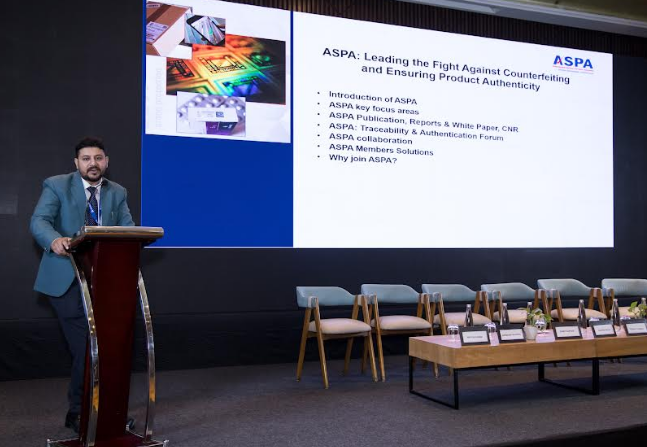
In his keynote, Puneet emphasized the urgency of the counterfeiting problem and highlighted ASPA’s mission to combat it through innovative authentication solutions. He detailed ASPA’s recent achievements, including launching its Middle East and Africa (MEA) chapters, and outlined the association’s four key focus areas: Awareness, Advocacy, Research, and Innovation.
Puneet discussed ASPA’s initiatives to raise awareness about counterfeiting, emphasizing the need to educate stakeholders and the public. ASPA’s programs have been crucial in spreading knowledge and fostering a proactive approach to combating counterfeit goods.
Advocacy and industry partnerships are essential components of ASPA’s strategy. Puneet spoke about collaborations with industry leaders to develop best practices for anti-counterfeiting. He mentioned ASPA’s initiatives, including panel discussions and sector-specific webinars, which engage key stakeholders and address industry issues. These webinars have been vital in reaching a wider audience. Puneet also highlighted ASPA’s flagship event, the Traceability & Authentication Forum, and the Counterfeit News Repository, a resource tracking media-reported counterfeiting incidents.
Research is another cornerstone of ASPA’s efforts. Puneet showcased studies and reports produced by ASPA, including the ASPA-CRISIL State of Counterfeiting report in India, which provide valuable insights to inform strategies against counterfeiting.
Innovation in anti-counterfeiting technologies was a focal point of the keynote. Puneet highlighted the advanced solutions ASPA members offer, such as security design, holograms, security inks, track and trace systems, NFC/RFID, and blockchain technologies, protecting over 15,000 brands worldwide.
In a related keynote, Mr. Manoj Kochar, ASPA President and IHMA Board Member, presented on the newly launched Security Image Register. The presentation, titled ‘Security Image Register – The Next Frontier for OVD Copyright,’ introduced this innovative tool designed to enhance the protection of Optical Variable Devices (OVDs) through advanced image registration technology.
In closing, Puneet emphasized the benefits of ASPA membership, which provides access to the latest technologies, research, and a robust network of industry experts—resources invaluable for companies in the fight against counterfeiting.
The ASIA Security Conference & Exhibition is a premier event that brings experts, brand owners, and policymakers together to discuss strategies for protecting trademarks and brands from counterfeiting. Puneet’s keynote underscored the critical role of awareness and the indispensable support of brand owners in the ongoing battle against counterfeit goods.
6, Aug 2024
Enhancing Cloud Security: Strategies Against Unexpected Risks

Harish Kumar GS, Head of Sales, India and SAARC, Check Point Software Technologies
In the dynamic and swiftly changing digital world, more organizations are turning to cloud-native solutions to fuel their business growth. Projections indicate that the cloud security market in India will grow by 31.45% between 2024 and 2029, reaching a market size of $125.70 million by 2029. According to a report by NASSCOM, cloud technology is set to comprise 8% of India’s GDP by 2026, potentially contributing between $310 and $380 billion to the economy and creating 14 million jobs by that time. With a dedicated and strategic approach, cloud investment could see an annual growth rate of 25-30% from 2022 onward, reaching $18.5 billion, thereby enabling India to fully leverage the cloud market.
Despite these promising prospects, the increasing dependency on cloud infrastructure necessitates stronger security measures. A recent survey reveals that 52% of Indian organizations consider cloud-related threats to be their primary cyber risk concern over the next year. This highlights the urgent need for comprehensive cloud security solutions to protect sensitive information and maintain the integrity of cloud environments. Cloud native security measures are primarily focused on safeguarding against identifiable threats, employing innovative technologies like big data and AI to monitor and preempt potential attacks. Despite these efforts, however, no system can ever be completely impervious to threats. Even with state-of-the-art protections in place, cloud security is never truly good enough if there remain unidentified vulnerabilities.
Security experts focus on known risk indicators.
Our industry typically focuses on examining potential avenues for exploitation by attackers and identifying methods for avoiding errors in our coding. However, the most detrimental attacks are those that catch us completely unaware, and we only become aware of their presence when they are already in the process of attacking us.
A brief history of cloud so far
It started around 12 years ago with our new ability to run much stronger algorithms.
- We were finally able to collect and analyze data in a big way… in fact that’s why we called it: big data.
- But we also needed a way to store this data in a cost-efficient way and hence virtual networks were born.
- Meanwhile with mobile applications blowing up all over the world, data suddenly needed to move around, be everywhere… and so, we got cloud ISPs. Cloud computing challenges were addressed by running everything as scalable code that’s broken down into services that run on virtual machines that become active on call.
- By this time, Machine Learning was introduced to optimize our data and generate deep insights.
- Kubernetes was introduced to provide further granularity for coding and running services.
- Crypto drove to the rise of GPU processing and generative AI became a thing.
- And finally, it was COVID that gave the cloud its biggest push.
Remote end points, data accessed from everywhere, and the speed of technology all require cloud services. Today, businesses small to large are already on the cloud or getting there.
The cloud is not a problem – it’s a solution.
The Cloud has become an integral part of our daily lives, having matured to a point where its presence is ubiquitous. As cloud professionals, we often find ourselves engrossed in resolving its associated challenges, and it is easy to forget just how magnificent the cloud truly is. The cloud has afforded us numerous benefits and possibilities that were once impossible to imagine. Admittedly, it has also presented its fair share of problems. However, it is imperative that we realize that the cloud is not the problem; it is the solution. By harnessing the benefits of the cloud, we can improve security measures in the coming years, and amplify what we do to the next level.
It’s all about data exchange:
Applications are based on two main channels of data exchange: The cloud front door, where users submit requests for various services from the cloud application via public internet, mobile networks, and VPNs. Then there’s the service door – from which code and data is continuously pushed into to keep the application running. So, basically, we protect the wiring. We try to understand each request that is made, and we have a set of tools to confirm that the exchange is safe.
Each user request is a potential threat….
But this wealth of data exchange through various channels and hybrid clouds… can also mean trouble. If you look at this simplified supply chain diagram, you can immediately see the many components that exchange data and can potentially serve as backdoors for hackers to penetrate your environment.
Each time data is exchanged between components, there is a risk that the exchange will be breached or manipulated. Add to that, the fact that you rely on so many 3rd party feeds and services exchanging data, that may also have their own set of vulnerabilities.
A cloud with many icons
Description automatically generated
We prepare our troops for battle and do everything you we can to protect our assets in the field… but our main target should be to avoid the war in the first place. To safeguard our business, we employ various security measures such as WAF for the front door, CSPM and workload protection for the cloud contents, and code scanning and network security for the end point. With these measures in place, we feel confident that we can handle any known risks. However, we cannot discount the possibility of unknown risks, which is why we remain vigilant and adaptable in our approach to security.
Let’s try to understand what we are protecting ourselves from starting with some basic definitions:
Known vulnerabilities means either stuff that we do ourselves such as:
- misconfigurations or hidden credentials,
- known vulnerabilities – which may allow malicious activity until patched and…
- dynamic risk indicators based a wide database of attack indicators such as suspicious behavioral patterns, malicious IPs, attack patterns etc.
- By continuously looking for these issues and indicators we can provide posture, protection, and zero-tolerance across your application network.
Unknown vulnerabilities may be:
- undiscovered software vulnerabilities, that may cause a software component to deviate from its original assignment and allow access or manipulation.
- vulnerable backdoors, some by design (for example a forgot password function) and unintentional backdoors – discovered by malicious actors or
and finally, simply new attack techniques and methods which hackers are busy inventing all the time and we don’t know about yet… - Because we don’t really know how to protect against these unknown risks – they are of-course exactly what attackers are looking for and that’s also why zero-day exploits have become so common.
CVEs are Unknown Until We Have a Signature
The basic way in which we communicate unknown vulnerabilities is by using CVEs or Common Vulnerability and exposure – it’s our way to keep security teams updated with the latest problems and often with their solutions and patches.
In 2022 alone, over 25,000 new CVEs were discovered by internet users worldwide according to Statista – that’s the highest reported annual figure to date. This means that on average, our poor security guy would start his morning with 68 CVEs, one third of which would be high or critical risks. That’s 68 NEW CVEs every single day of the year.
But it’s also interesting to point out that resolving a CVE takes 65 days on average, so until there is a stable patch to fix the core issue the only line of defense you have is you WAF, and your WAF is blind to unknown attacks until a signature is released.
Let’s continue this story focusing on log4shell as our main use case.
Log4Shell is a great example because it ticks all the boxes:
- Log4j is a java logging library that is used by hundreds of millions of machines. There can hardly be a large application that does not utilize it in some way or form.
- It was hacked over 800,000 times in its first 72 hours, both because it was easy to hack and allowed attackers to gain deep access.
- It’s almost impossible to evaluate the number of attacks since 2021 but we do have an estimate of over 1.5 billion dollars’ worth of damages so that should give you some kind of indication.
- And interestingly, 1 out of 4 apps still have problematic log4j versions, because you couldn’t get to all of them even if you tried.
- A pink background with white text and symbols
Description automatically generated
Log4shell also shows how things can get worse before they improve.
- In this case the vulnerability was discovered on November 24th and assigned a CVE number two days later.
- A week later in December first, there had already been evidence of exploitation in the wild.
- The real mess started on December 9th – which was the first time Apache publicly disclosed the vulnerability, this included a patch for the affected log4j2. I seemed that organizations could start their mitigation immediately; however, it took another five long days for Apache to realize that the even more popular log4j1 was in fact vulnerable as well, so patching had to start over.
- To make things even more complicated and additional CVE was published on Dec 17th disclosing many more exploit scenarios… in fact over a month later, issues and variants were still being disclosed, and only after 35 days, security teams were finally able to start patching critical assets. Now it’s simple math here folks – if it took 35 days to contain and on average it’s going to take you another 65 days to remediate, that means you are exposed to the worst kind of attacks for a hundred days!! That’s a lot of days.
- An attacker can easily attach a malicious string to a simple login or search request taking advantage of a java logging vulnerability.
- A diagram of a timeline
Description automatically generated with medium confidence
Log4Shell is an exploit of Log4j’s “message substitution” feature—which allowed for programmatic modification of event logs by inserting strings that call for external content. The code that supported this feature allowed for “lookups” using the Java Naming and Directory Interface (JNDI) URLs. So, all an attacker will need to do is to insert text with embedded malicious JNDI URLs into requests to software using Log4j in the LDAP logging Server—these URLs result in remote code being loaded and executed by the logger. Attackers have been exploiting the vulnerability to compromise virtualization infrastructure, install and execute ransomware, steal system credentials, take broad control of compromised networks, and exfiltrate data.
From Static Analysis to contextual AI
So, was there a way to block log4Shell? The simple answer is YES. And the way to do that is of course by using machine learning and artificial intelligence to their fullest potential.
In the past AI has allowed us great things – it started with the ability to optimize the way we handle large amount of data or to improve processes… and with the rise of CNAPP and data consolidation we can now look at our threat data as a whole and derive insights that help us improve and scale our security.
But what if we could use the same AI to look inwards rather than outwards? If we gain a deep understanding of the application’s normal behavior, we should be able to detect anything that falls outside of that norm and simply block it!
6, Aug 2024
Legrand Empowers Sea Sakthi Team to Win Townhall Cup at Monaco Energy Boat Challenge 2024
Mumbai, August 6th, 2024: Group Legrand India, a global leader in electrical and digital building infrastructure, proudly sponsored ‘Team Sea Sakthi’, the only Indian team that represented the country in the 11th Monaco Energy Boat Challenge 2024, organized by the Yacht Club de Monaco. Comprising 14 innovative students from Kumaraguru College of Technology, Coimbatore, Tamil Nadu, the team was dedicated to pioneering alternative power sources for marine vessels, championing a carbon-free future for the seas. Legrand’s unwavering commitment to innovation and sustainability was reflected in its support for these visionary students.
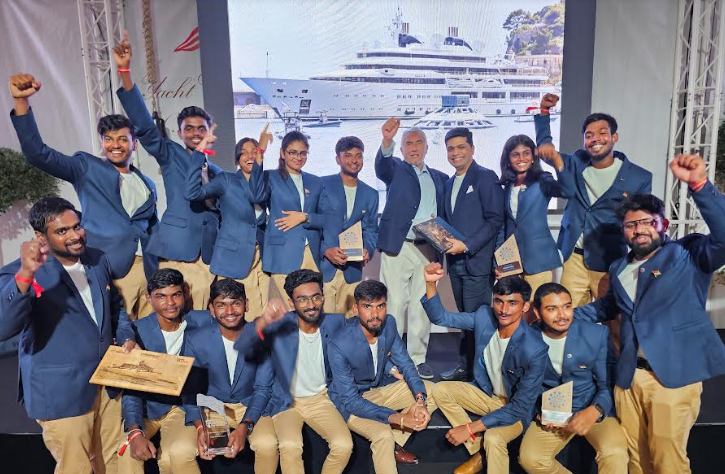
In their third consecutive participation, Team Sea Sakthi unveiled Yali 3.0, a cutting-edge boat featuring a twin propulsion system, custom-designed propellers, and an AI-driven navigation system with integrated Yacht OS. The team advanced to the quarterfinals in both the championship and slalom races on the event’s final day, securing multiple accolades including the Innovation Prize, the Design Prize, the Communication Prize, and the coveted Townhall Cup. Finishing 6th overall, Sea Sakthi brought immense pride to their institution and nation.
Beyond their impressive performance, the Sea Sakthi team had spearheaded sustainable technology projects. Their first initiative focused on developing low-cost, solar-powered autonomous boats to clean trash from Indian lakes, which enhanced water quality and public health. Additionally, they innovated cleaner, more efficient fishing boat technology to address the limitations of petrol-powered fishing boats, which had strained budgets, limited range, polluted waterways, and posed safety risks.
Mr. Tony Berland, CEO and Managing Director, Group Legrand India remarked, “We were thrilled to support these exceptional students in representing India for the third time at the Monaco Energy Boat Challenge 2024. Their dedication to sustainability and a thriving blue economy aligned perfectly with Legrand’s commitment to achieving carbon neutrality by 2050 and our broader environmental and community welfare initiatives. Such synergy of ideals paved the way for progress and prosperity.”
Group Legrand India’s support for Team Sea Sakthi underscored its dedication to fostering innovation and sustainability, both within its organization and in the wider community.
6, Aug 2024
Tata Passenger Electric Mobility and Tata Power Renewable Energy Team Up for Zero-Emissions Mobility in India
Bengaluru, August 6, 2024: Tata Passenger Electric Mobility Ltd. (TPEML), the market leader in passenger electric vehicles in India, and Tata Power Renewable Energy Ltd. (TPREL), a leading entity in India’s renewable energy landscape, a subsidiary of The Tata Power Company Ltd., have joined hands to drive zero-emissions mobility in India through a combined solution of Electric Vehicles and Solar Rooftop Systems. Through this collaboration, TPEML will enable customers to get a solar rooftop system installed through TPREL. In addition, both companies will promote EVs / EV Charging and Solar Rooftop Systems to their respective customers to drive awareness of the benefits of solutions.
Electric Vehicles (EVs), which have zero tailpipe emissions, and solar power systems, which generate emissions-free electricity, are both key enablers in India’s journey towards Net Zero emissions. The Government of India has been supporting EVs through multiple initiatives over the last several years, and the recently launched PM Surya Ghar Muft Bijli Yojana aims to provide subsidized solar rooftop installations to 1 crore households.
While both EVs and Solar Rooftop Systems deliver an independent business case for customers, combining the two solutions delivers several additional benefits to customers, such as:
· Reducing the total cost of ownership for EVs
· Reducing the electricity bill for EV customers
· Accelerating the payback for solar rooftop owners who buy an EV
· Providing 100% emissions free power for EVs
In addition, combining Solar Rooftop Systems with EVs de-couples the well-to-wheel emissions of EVs from the grid mix, thus offering a much faster path towards net zero emissions for the transportation sector.
Commenting on the collaboration, Mr. Shailesh Chandra, Managing Director, Tata Passenger Electric Mobility Ltd. and Tata Motors Passenger Vehicles Ltd. said, “India’s net zero journey can only be achieved by switching to EVs and renewable power. We see significant synergies between the customers of EVs and solar rooftop systems. Over 90% of EV customers use home charging and nearly 30% of our EV owners are already using Solar Rooftop Systems. Combining forces with Tata Power Renewable Energy Ltd., we intend to democratize zero-emissions mobility and decouple EVs from the grid, while reducing running costs for customers.”
Dr Praveer Sinha, CEO&MD Tata Power, said, “Combination of Solar rooftop and EV is a promising, cost-effective, sustainable solution for India and hence naturally complementary. Both solutions appeal to the same set of eco-friendly and value-conscious customers. We are excited to collaborate with Tata Passenger Electric Mobility Ltd. to drive greater adoption of Rooftop Systems and EVs and provide discerning customers with an opportunity to contribute to reducing emissions while saving money.”
Tata Power is fuelling the growth in the solar rooftop sector through its nationwide campaign on ‘GharGharSolar, Tata Power ke Sangh’. Tata Power plans to aggressively promote solar rooftop adoption through its extensive network of over 700 channel partners and retailers to cover every nook and corner of the country. Notably, the company has served over 1,00,000 satisfied customers across India. Tata Power has installed a substantial number of 101,924 home chargers and 5,600 public chargers across India.
Tata Power Renewable Energy Ltd. through its extensive EV charging network of 5,600 public charging points is strategically positioned across India to provide solar-powered charging solutions. Present across prominent highways and diverse locations such as hotels, malls, offices, hospitals, residential complexes, etc., TPREL is playing a pivotal role in accelerating e-mobility adoption across the country.
6, Aug 2024
API & ICP issue practical guidelines for doctors to enhance Hypertension care in India
August 5, 2024, National: The Association of Physicians of India (API) in collaboration with the Indian College of Physicians (ICP) have released the Guidelines on the Management of Hypertension in Indian Patients with Type 2 Diabetes Mellitus (T2DM). These guidelines address the pressing need for a detailed, region-specific protocol to manage the growing dual burden of hypertension and diabetes in India.
Hypertension and diabetes are among the leading lifestyle diseases in India, contributing significantly to morbidity and mortality. Studies indicate that over 50% of hypertensive patients in India are also diagnosed with T2DM, highlighting a significant overlap that poses unique challenges in patient care. The co-occurrence of these conditions amplifies the risk of cardiovascular complications and accelerates the progression of renal disease, making effective management strategies critical. Also, majority of these diseases are diagnosed and managed at the primary care level in India and thus there is a need for detailed guidelines charting out the entire management protocol, especially in Indian patients.
“While global guidelines provide a framework for managing hypertension in T2DM, the Indian and Southeast Asian populations differ significantly from Western populations in terms of ethnicity, clinical challenges, and drug responses. Recognizing this gap, the API and ICP have collaborated with leading physicians, cardiologists, diabetologists, and endocrinologists to develop a management protocol specifically for Indian patients. The guidelines emphasize the importance of early detection, comprehensive assessment, and a multi-faceted treatment approach” said Dr. Jyotirmoy Pal, President Elect (2025), API
Hypertension in individuals with T2DM greatly increases the risk of cardiovascular complications like heart disease, stroke, and peripheral artery disease. Assessing target organ damage and overall cardiovascular risk is essential to guide treatment intensity and preventive measures. Regular screening for microalbuminuria is recommended to identify those at risk of kidney dysfunction and future cardiovascular disease. Using specialized risk scores developed for individuals with diabetes is preferred over general population risk scores for more accurate cardiovascular risk assessment.
Given the high cardiovascular risk in T2DM, the guideline recommends a treatment of dual antihypertensive therapy, specifically combining Angiotensin Receptor Blockers (ARBs) with Calcium Channel Blockers (CCBs) for their effectiveness in reducing BP and safeguarding against cardiovascular complications Contd.
A notable inclusion in the 2024 guidelines is the recommendation of newer CCBs, with a specific focus on Cilnidipine. Introduced in India in 2007, Cilnidipine has shown promise in offering multiple benefits, not just in reducing BP, but also in protecting crucial organs, especially the kidneys. The guidelines suggest combining Cilnidipine with ARBs to maximize these benefits, while also considering patient-specific factors and comorbidities.
Additionally, Renin-angiotensin system (RAS) blockers should be integral to the treatment regimen, given their proven efficacy in randomized controlled trials (RCTs) for preventing and slowing the progression of diabetic kidney complications. It also recommends use of Newer anti-diabetic agents like SGLT2 inhibitors and GLP-1 receptor to improve glycemic control as well as confer macro & micro- vascular protection.
The API-ICP also recommends conditions where the patients should be further referred to specialists for better management of the disease.
One of the key features of the new guidelines is the emphasis on using multiple methods to detect and measure hypertension, including home blood pressure (BP) monitoring. This approach empowers patients to take an active role in managing their condition, improving adherence to treatment and long-term outcomes.
In addition, the guidelines advocate for the integration of lifestyle modifications to enhance treatment outcomes. For the first time, the ancient Indian practice of yoga is recommended as an adjunct therapy for managing hypertension in T2DM. Doctors are advised to recommend Yoga’s holistic benefits to patients for overall health outcomes.
Healthcare practitioners across India and beyond are encouraged to adopt these guidelines to enhance patient care and ensure the effective management of hypertension in diabetic patients. The guidelines are now available for reference in the Journal of Association of Physicians of India (JAPI), providing a valuable resource for clinicians striving to deliver the highest standard of care.
6, Aug 2024
Special Advisory: Tata Power-DDL Advises Caution During Independence Day Kite Flying Festivities
As the nation gears up to celebrate Independence Day with the vibrant tradition of kite flying, Tata Power-DDL (TPDDL), a leading power utility supplying electricity to over 2 million customers in North & North West Delhi, urges the residents of Delhi to prioritize safety, by indulging in the fun of kite flying away from Electrical Installations and Overhead Power Lines, as it could lead to possible power disruptions and/or electricity related accidents.
The metal-coated thread (commonly known as Manjha) used in flying kites can cause electric lines to trip when it comes in contact with the power lines. Since Metallic Manjha can also conduct electricity, it can lead to severe damage such as electrical shocks. Tripping of even one 33/66 KV overhead power lines can lead to the disruption of power supply of over 10,000 residents of an area and tripping of a single 11 KV line of over 2,500 residents.
Tata Power-DDL requests its customers to use kite string made of cotton or any other natural fiber instead of the metal coated thread- manjha, as per the Government regulations and be mindful of the electrical network.
As a part of enhancing public awareness and ensuring safety, Tata Power-DDL has intensified its outreach and aims to engage approximately 200,000 households in the JJ clusters and resettlement colonies. The company’s Social Impact Group (SIG) through its team of 1000 ABHA members have been instrumental in raising awareness about electrical safety within the local communities. In addition to community awareness, the discom has issued Safe Kite Flying Advisory and is distributing safety guideline leaflets, to educate the customers towards the importance of safety during kite flying activities. Tata power DDL has also engaged Radio FM for spreading awareness w.r.t. Safety during Kite Flying, in the interest of the public of Delhi. The discom is also conducting special awareness sessions in various Govt. and Private Schools of Delhi, for educating students about the hazards related to Kite Flying and how to deal with it.
With the help of cutting-edge Geospatial Techniques available at Advanced Distribution Management System (ADMS), Tata Power-DDL analyses the past trends of service disruptions and visualize the areas such as Jahangirpuri, Mangolpuri, Sultanpuri, Kirari, Bhaslwa, Burari, Badli, Karala, Wazirpur and Bawana etc. that are prone to get affected by kite flying-induced interruptions.
Sharing his insights on careful kite flying, Mr. Rajesh Bahl, Chief – Operations & Safety Tata Power-DDL said, “Kite flying is a cherished part of our Independence Day celebrations. However, it’s crucial to remember that the metallic kite-string can cause tripping of power lines when it comes in contact with the electrical network. It can have severe consequences including fatality. We urge all customers to celebrate Independence Day responsibly and keep kites away from power lines, transformers, and other electrical infrastructure for a safe Independence Day.”
By adhering to essential kite flying safety tips, electricals hazards can be avoided:
Choose open areas away from overhead power lines and electrical installations for kite flying.
Don’t use metal-coated kite string or ‘manjha’ as it can trip power lines and cause serious electricity-related accidents.
In case a kite gets stuck on power lines, do not attempt to retrieve it.
Educate children about the importance of safe kite flying practices and ensure they are supervised while flying kites.
For any emergencies or to report any unsafe situation/ untoward incident related to electrical network
For Kite Flying safety tips, log on to Tata Power-DDL’s Facebook Page and X (formerly Twitter) Handle.
Tata Power-DDL as a responsible entity prioritizes customer safety and encourages them to stay vigilant during the Kite Flying activity. The discom is also spreading awareness through its Social Media campaigns to educate citizens on how to have a safe and enjoyable Independence Day.
6, Aug 2024
A Royal Tete-a-Tete between Amrita Gandhi and Raghavendra Rathore at The Chanakya
The Chanakya exuded intellectual and regal charm as it hosted the ‘Royal Tête-à-Tête,’ an exclusive event featuring a captivating conversation between renowned lifestyle author Amrita Gandhi and royal designer Raghavendra Rathore, revered as the “Maharaja of Jodhpur.” The evening unfolded with a deep dive into the duo, offering unparalleled insights into the realms of luxury fashion, design, and royalty.
Amrita Gandhi explored the significant impact and distinctive appeal of globally celebrated domestic designers and international luxury brands. The segment uncovered the cultural intersections and evolving consumer preferences shaping the market dynamics. Brands like Ralph Lauren, Brioni, and Brunello Cucinelli, available at The Chanakya, were highlighted for their remarkable India connect to while maintaining international allure. Additionally, it was noted that iconic brands such as Saint Laurent, Hermes, and Chanel have also made significant strides with India-inspired shows, windows, and selected product collections.
Raghavendra Rathore’s distinguished contributions, including the establishment of the Raghavendra Rathore Foundation to empower underprivileged communities in India. His role in elevating Indian fashion on the global stage by dressing renowned international personalities, were thoroughly explored alongside his partnership with Zegna and the integration of artificial intelligence in his designs.
They welcomed a distinguished gathering of royalty and influential figures; Gracing the occasion were Mriganka Singh, Princess of Kashmir, Nirvan Singh from the Patiala Royal Family, and Princess Narjis Abedi of Rampur, and Actor Chayan Chopra bringing a touch of regal elegance. They were joined by lifestyle entrepreneur Tahir Sultan and renowned aesthetic physician Dr. Kiran Sethi, founder of Isya Aesthetics.
As a gesture of appreciation, attendees of this exclusive event received specially designed scarves and pocket squares crafted using artificial intelligence, exemplifying Rathore’s pioneering spirit in blending tradition with modernity.
The attendees were engaged in the enticing discussion, which provided a unique opportunity for industry leaders, visionaries, and enthusiasts to engage in meaningful conversations that are bound to shape the future of the fashion industry.
Mr. Saurabh Bharara, Head of DLF Luxury Malls, stated, “At DLF Luxury, we are dedicated to curating experiences that transcend conventional boundaries, and the ‘Royal Tête-à-Tête’ at The Chanakya embodies this vision. The insightful conversation between Amrita Gandhi and Raghavendra Rathore exemplifies the fusion of tradition and innovation that defines luxury today. Through such enlightening events, we continue to celebrate and promote the unique confluence of global luxury brands and indigenous craftsmanship, reinforcing The Chanakya’s stature as the leading destination for cultural and luxury discourse.”
Ms. Pushpa Bector, Senior Executive Director & Business Head of DLF Retail, remarked, “The Royal Tête-à-Tête at The Chanakya was a statement of our commitment to creating experiences that accord with the soul of luxury and fashion. This exclusive event beautifully bridged the past and present, offering our eminent guests a unique glimpse into the creative minds of Amrita Gandhi and Raghavendra Rathore. We are proud to showcase the cultural intersections and evolving consumer preferences that define the market today, highlighted by the presence of globally celebrated domestic designers and international luxury brands. The Chanakya remains at the forefront of these conversations, solidifying its position for New Delhi’s elite’s thought-provoking experiences.
The Royal Tête-à-Tête at The Chanakya left an indelible mark on the city’s social calendar, solidifying The Chanakya’s position as the destination for luxury and fashion in New Delhi.
6, Aug 2024
Reckitt Elevates Its ‘Self-Care Efforts for New Moms & Kids Under 5’ to Make Change at Grassroots Level
New Delhi, 06.08.2024: Reckitt, a global leader in health and hygiene, has significantly strengthened its pioneering ‘Self-Care for New Moms and Kids Under 5’ program in rural and tribal communities across India through new partnerships and targeted educational campaigns that emphasize proper nutrition, hygiene, and disease prevention. As part of the accelerated efforts, Reckitt has partnered with Plan India NGO to raise awareness and education regarding the issue and launched a new theme song to amplify the message.
The global leader in health unveiled the Self-Care theme song, ‘Maa E Maa,’ sung by internationally acclaimed Gujarati folk singer Geeta Rabari at the 8th CSR Health Impact Awards by the IHW Council in New Delhi. The song celebrates the nurturing bond between mothers and children. With evocative lyrics and a soulful melody, it raises awareness and honors the vital role of mothers in child development.
Notably, the ‘Self-Care Efforts for New Moms & Kids Under 5’ initiative, which Reckitt had recently aligned with the Ministry of Health and Family Welfare’s ‘Stop Diarrhoea Campaign,’ launched by J.P. Nadda, Union Minister of Health & Family Welfare, Government of India, aims to promote self-care as an essential component of primary healthcare.
The program carried out in partnership with Plan India, is designed to democratize self-care by focusing on key areas of well-being, including diet diversity, physical activity, and hygiene. The program aims to foster healthier lives and drive meaningful changes in attitudes and behaviors, ultimately improving health outcomes for mothers and young children.
Reckitt’s initiative is guided by the World Health Organization’s (WHO) Self-Care Guidelines 2022 and other comprehensive plans like the 7-Point Plan on Comprehensive Diarrhoea Control and the Integrated Global Action Plan for the Prevention and Control of Pneumonia and Diarrhoea (GAPPD). The program aims to educate new mothers and caregivers about essential self-care practices, encourage proper nutrition, hygiene, and lifestyle habits, engage local communities to drive health improvements, prevent diseases like diarrhea and pneumonia, offer nutritional counseling, and provide education on vital hygiene practices such as handwashing and clean water use. Additionally, the initiative supports health practices like antenatal check-ups, birth spacing, and overall well-being through activities such as yoga.
Ravi Bhatnagar, Director of External Affairs and Partnerships, SOA, Reckitt, expressed his enthusiasm for the initiative. He stated, “At Reckitt, our mission is to protect, heal, and nurture towards a cleaner, healthier world. We are committed to ensuring that access to top-quality hygiene, wellness, and nutrition is a fundamental right for everyone, not a privilege. Our ‘Self Care for New Mothers and Kids Under 5’ initiative, launched in 2023, specifically addresses the challenges isolated, economically disadvantaged communities face. By focusing on tribal areas in Rajasthan, Gujarat, and Maharashtra, this program builds on previous efforts like the Nutrition India Program and Reach Each Child, providing essential knowledge and resources to empower mothers and children.”
The initiative provides comprehensive support, including mental health, maternal nutrition, and disease prevention. By combining on-ground activities with digital campaigns, the project ensures broad outreach and support. Mohammed Asif, Executive Director of Plan International (India Chapter), highlighted the importance of self-care, particularly in underserved areas with limited healthcare access.
“Self-care is crucial for managing health, especially in underserved areas with limited healthcare access. It involves health promotion, disease prevention, and supporting mental well-being through balanced diets, exercise, and stress management. Self-care helps reduce healthcare costs and eases the burden on health systems, particularly benefiting low-income communities,” Mohammed Asif said.
Reckitt aims to empower 10 million mothers and children across targeted regions. The initiative’s alignment with WHO’s guidelines and the ‘Stop Diarrhoea Campaign’ utilizes door-to-door visits, health counseling, and culturally resonant awareness campaigns to improve health outcomes. Culturally relevant methods, such as wall paintings, community plays, and songs, are employed to maximize impact. Local health workers, like Gulabi Devi, play a vital role in delivering health messages, and regular stakeholder meetings ensure the program’s relevance and support.
The initiative has already impacted 64,000 women through household counseling in 210 villages across five districts in three states. It has reached 9 million people through digital platforms and 64.5 million through PR. The program has covered 78,000 households through visits and engaged 661,000 individuals via 300 ‘Nukkad Natak’ performances. Additionally, 28,000 children under five have been monitored for diarrhea and pneumonia.
6, Aug 2024
Volkswagen India expands its network in Kerala with the inauguration of six new touchpoints
Chandigarh, 6th August 2024: Volkswagen India continues to strengthen its network footprint in the state of Kerala with the inauguration of six new customer touchpoints. Expanding its presence in key markets across the state, the new touchpoints include city stores in Calicut, Trivandrum, and Kochi, as well as a new body shop facility in Kochi.
The addition of these outlets marks a significant expansion for Volkswagen in Kerala, growing its footprint to 21 sales and 16 service facilities in the state. This growth underscores the brand’s commitment to providing premium mobility solutions to the growing customer base in Kerala.
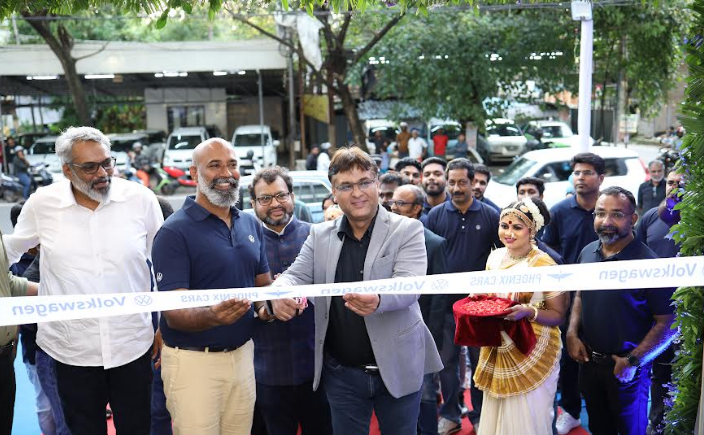
Mr. Ashish Gupta, Brand Director, Volkswagen Passenger Cars India, said, “Kerala has always been a key market for Volkswagen India with its dynamic economy and discerning customer base. The opening of these new touchpoints as well as the introduction of special celebratory Onam Edition of Taigun and Virtus, are a testament to our commitment to the Kerala market and our endeavor to provide premium, German-engineered vehicles to our valued customers here. With the expanded network, we are well-positioned to meet the increasing demand from the upcoming festive season while continuing to offer a seamless, transparent, and value-for-money products & services to our customers in Kerala.”
The new city stores will showcase Volkswagen India’s premium product portfolio of the 5-star GNCAP safety rated Taigun, Virtus as well as the Brand’s globally acclaimed Tiguan SUV. The Calicut city store features a two-car display, while the Trivandrum and Kochi outlets will each house displays of three cars from the Brand’s product portfolio.
The new body shop facility in Kochi, is equipped with 11 service bays and will also offer comprehensive services including Express Service and full-fledged body repair facilities This facility is designed to provide efficient, high-quality service to meet the needs of Volkswagen customers in the region.
Under the leadership of Mr. Ajit Bhaskaran, Managing Director of Pheonix Cars, there has been addition of two more Sales & Service facilities both at Kodungallur & Palakkad in the last six months in addition to the new city stores in Calicut .
Mr. Sabu Johny, Managing Director of EVM Motors will be leading the City Stores in Kochi and Trivandrum alongside the body shop in Kochi. Together, these touchpoints will cumulatively be staffed by a team of more than 110 skilled and trained sales and service executives, ensuring a seamless and customer-centric experience.
Rejoicing the upcoming festive spirit, the Brand has launched a special celebratory Onam Edition on the Virtus and Taigun that will feature Front Parking Sensors, Dual Tone Horn, Puddle Lamps, TSI Fender Badge and more.
The network expansion of Volkswagen in Kerala reflects the Brand’s ongoing dedication to increasing accessibility and enhancing the customer experience across India. With 200+ sales and 140+ service facilities nationwide, Volkswagen continues to set expand its presence amid a growing appetite for premium mobility in India.


