


10, Feb 2024
NMIMS Chandigarh SOL’s Legal Aid Camp Empowers Sarangpur Village with Legal Awareness and Support
Chandigarh, 10th February: The Legal Aid Clinic at SVKM’s NMIMS Chandigarh’s School of Law (SOL), in collaboration with the State Legal Services Authority (SLSA) of Chandigarh Union Territory (U.T.) and the Department of Social Welfare, Chandigarh, organised a Legal Aid Camp in Sarangpur Village, Chandigarh. The event was held on January 30 2024.
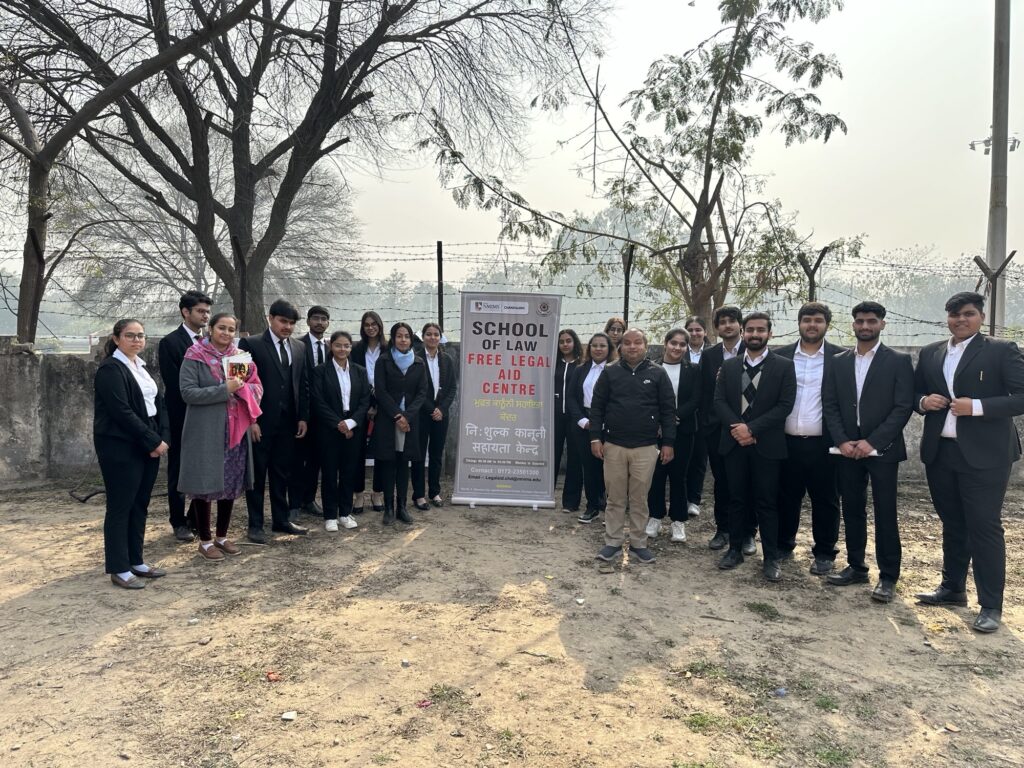
The Legal Aid Camp was conducted under the leadership of Ms. Mita Chadha, Assistant Professor and Faculty Convener, Legal Aid Clinic, SLSA and Department of Social Welfare, Chandigarh. It was attended by the members of the Legal Aid Clinic, NMIMS SOL Chandigarh; a team of esteemed delegates from the SLSA and the residents of Sarangpur village.
The event was held to create legal awareness and educate the residents of Sarangpur about the free legal aid available for the underserved. The objective was to help people understand their legal rights and access legal assistance when needed. As part of the awareness campaign, members of the Legal Aid Clinic went door-to-door to inform people about legal aid initiatives and the Legal Aid Clinic at SOL Chandigarh.
The event included a Nukkad Naatak (Street Play) performed by the members of the Legal Aid Clinic. The play raised awareness about women’s empowerment among the audience. Moreover, the event featured members of the SLSA addressing the gathering on a range of topics of social importance.
Mr. Shiv of SLSA set the tone of the event with his inspiring speech. Ms. Jasveer Kaur, Gender Discrimination Specialist, Department of Social Welfare, spoke about the existent social prejudices against the girl child in society. Addressing the audience, Ms. Sukhdev Kaur, Child Development Project Officer, walked through the various laws that could aid them. She encouraged them to openly share any legal matters they wished to discuss. Meanwhile, Ms. Mita Chadha introduced the Legal Aid Clinic to the attendees and assured them of free legal aid and assistance.
The event left the residents of Sarangpur motivated. It encouraged them to bring forward their grievances and seek assistance from the Legal Cell. The event was one of the several initiatives of the Legal Aid Clinic at NMIMS Chandigarh SOL and reflected its firm commitment to addressing issues of social importance and legal advocacy.
- 0
- By Rabindra

10, Feb 2024
DefSAT 2024 Wraps Up with SIA-India’s Focus Cybersecurity Cooperation
New Delhi,10th February 2024: SIA-India solidifies a cybersecurity partnership by signing an MoU with the Information Sharing and Analysis Center (ISAC) to enhance India’s cyber resilience. This collaboration aims to fortify defence mechanisms, foster information exchange, and promote proactive cyber defence practices in the space sector, safeguarding space operations’ integrity and security. With the participation of over 500 stakeholders, including government bodies, armed forces, policymakers, industry leaders, and diplomats, alongside a global audience via live stream, DefSAT 2024 reflects a significant step forward in India’s cybersecurity preparedness, in line with the visionary objectives of the Prime Minister and the Defence Ministry.
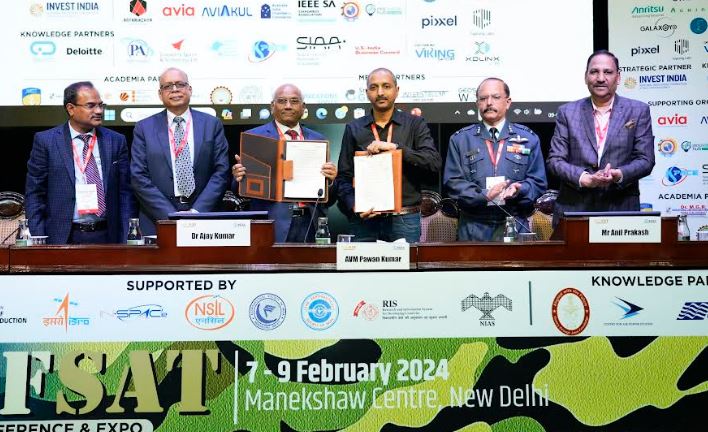
“Dr. Ajay Kumar, Former Secretary of the Ministry of Defence highlights the crucial role of defence space and calls for accelerated budget allocation, emphasizing the need for a larger investment in the rapidly evolving sector. With startups securing contracts and grants, there’s immense potential to leverage the vibrant ecosystem. Global private equity interest underscores India’s attractiveness. NavIC’s expansion into civil and defence sectors is imperative for strategic navigation, while robust cryptographic protocols are essential for satellite communication security. India’s quantum communication startups offer a pathway to significant advancements in the field.
“The Defence Acquisition Procedure has evolved significantly, fostering private innovation in sectors like satellites and space. To enhance this, the DAP should actively support innovation in services and manufacturing, simplifying the procurement of new technologies. Since these innovations may lack multiple suppliers initially, the DAP should empower authorities to readily procure these solutions.” Dr Ajay Kumar Added.
Mr. Mahaveer Singhvi IFS, Joint Secretary of New Emerging and Strategic Technologies (NEST), underscored the significance of AI, quantum, space, green hydrogen, and defence sectors, emphasizing the need to engage with all stakeholders and SIA-India for providing the ideal platform for collaboration. He highlighted the recent interim budget announcement, wherein the government unveiled a notable surge in support for the space sector, pledging an additional investment of $2 billion annually for the next decade. This commitment is poised to propel India’s space industry to new heights, projecting a market value of $44 billion and a contribution of 8-10% to the global space economy by 2033, with export sales expected to reach $11 billion within the same timeframe. Additionally, Mr. Singhvi highlighted the importance of enablers like technology transfer, data localization, trade dispute resolution, and IPR policies.”
Air Vice Marshal Pawan Kumar, VM, Director General of the Defence Space Agency (DSA) stressed the pivotal role of platforms like DefSAT, noting the protracted development timeline in a field where technology is paramount. He referenced Operation 1991, commonly known as Desert Storm, hailed as the pioneering “space war” that leveraged GPS, precision-guided weapons, and satellite communication as integral components rather than mere supplements. Reflecting on the costly and data-intensive nature of space ventures, he underscored the imperative of maximizing resource utilization and fostering civil-military fusion.
Lt. Gen. PJS Pannu, Chairman of the Defence Space Committee at SIA-India, envisions a transformative trajectory for the Indian Military, amalgamating the realms of Land, Air, and Sea into a seamlessly integrated force fortified by cyber security measures. This holistic approach encompasses Space, Cyber, and Digital (ICT) capabilities, underscoring the imperative for a cyber-secured environment. ISAC serves as the linchpin in this endeavour, providing a vital nexus for intelligence gathering on cyber threats to critical infrastructure.
The partnership between SIA-India and ISAC establishes a collaborative framework aimed at fortifying the nation’s space and defence cybersecurity posture and safeguarding essential assets from cyber risks. Gen. Pannu emphasizes the necessity for military engagement amidst our evolving security landscape. He underscores the pivotal role of cybersecurity in modern decision-centric warfare, citing the integration of cyber capabilities into concepts such as DARPA’s Mosaic Warfare.
The SIA-India is proud to have support from pivotal government entities and esteemed organizations such as Niti Aayog, ISRO, NSIL, IN-SPACe, DoT, DRDO, and Ministry of Defence.
10, Feb 2024
Historians Swapna Liddle and Alka Pande discuss Mughal Art and Architecture
Kolkata, February 10: The first day of the Apeejay Kolkata Literary Festival presented a captivating discussion between two stalwarts from Indian history and academia. Historians Swapna Liddle and Alka Pande discuss what lives on from the legacy of Mughal art and architecture. The session, ‘The Mughals and Us’, aimed to unravel the rich tapestry of Mughal art in modern times. Both historians conversed with Husna-Tara Prakash discussing the beauty of Mughal marvels.
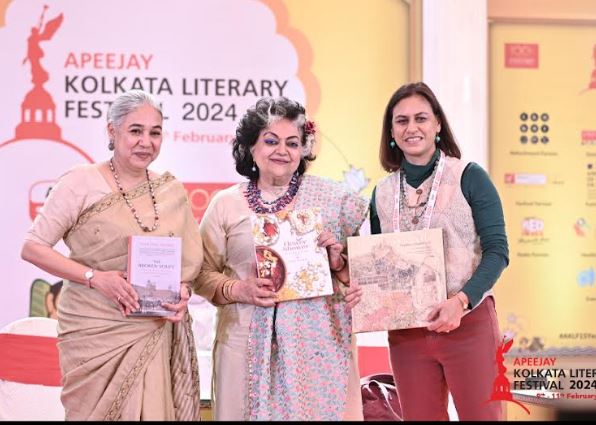
The event started with moderator Husna-Tara Prakash introducing the guests and drawing parallels between the Mughal cosmopolitan outlook and that of Kolkata and the region of Bengal at large. The session’s primary focus was on the impact of Mughal art and architecture in contemporary India and how assimilation lies at the heart of it.
Speaking on discussing the beautiful city of Shahajanabad, also known as Purani Dilli. Shahajanabad, as Liddle put it, was “…a microcosm or a representation of the larger empire. This was a feature that defined Delhi throughout the Mughal period.”
While discussing the confluence of cultures with moderator Husna Tara Prakash, Swapna Liddle emphasized how people tend to characterize the Delhi Sultanate and the Mughal Empire simply as “Islamic dynasties”, overlooking the hybridity and assimilation of various cultural factors lying at the centre of it. Speaking on art and architecture, she added that Mughal architecture had the tenacity to adapt to pre-existing styles, making them a testament to the same assimilation.
Celebrated art historian Alka Pande in congruence with Swapna Liddle’s observations stated, “Hybridity was in the consciousness of Mughal rulers. This is supported by the fact that most Mughal rulers had Rajput mothers.” Connecting stories of the Mughal era with Bengal, she added how Wajid Ali Shah, the Nawab of Bengal, had brought with him not just 500 men but the culture and food of Awadh, as well.
In the contemporary context, she opined how “from the food we eat to the clothes we wear, like salwar, churidars and kurta, the Mughals are relevant even today.” The speakers and moderator agreed that the Mughal Empire was a great example of assimilation between Hindu and Islamic traditions. The session ended with Alka Pandey stating, “We Indians have the power to absorb different cultures but can still retain our individuality.”
10, Feb 2024
Genpact Propels AI-First Strategy with New Executive Leadership Appointments
NEW DELHI, February 10 2024 – Genpact (NYSE: G), a global professional services firm focused on delivering outcomes that transform businesses, today announced two new executive leadership appointments. These appointments demonstrate the company’s continued focus on strengthening its executive team with transformative digital leaders to propel the company into its next chapter of growth, leveraging data, technology, and AI-first principles.
Vipin Gairola – Global Operating Officer
Vipin Gairola has been appointed Genpact’s Global Operating Officer and is leading the charge of transforming service delivery for Genpact’s clients by leveraging AI-led solutions. As Global Operating Officer, Gairola oversees Genpact’s global client operations, analytics, data, and technology across all countries. He is part of Genpact’s Leadership Council and will lead the company’s Operations and Cost Council. Gairola comes to Genpact from Accenture, where he served in several senior leadership roles over the past two decades. His most recent role was Chief Strategy Officer for Accenture Operations.
Vidya Rao – Chief Technology and Transformation Officer
Vidya Rao, Genpact’s Chief Information Officer, takes on an expanded role of Chief Technology and Transformation Officer. In this role, she will be at the forefront of reimagining Genpact’s internal processes, tools, technologies, and infrastructure with an AI-first approach. Furthermore, Rao will also play a crucial role in establishing a world-class data office to fortify Genpact’s data capabilities. This will enable Genpact to harness the power of data and drive insights to guide our AI and Automation initiatives effectively and shape our internal functions for the future.
“We are excited to have highly talented and transformative individuals in key leadership roles at Genpact. Vidya and Vipin’s appointment emphasizes our ongoing strategy to re-energize our leadership team to drive us into our next chapter of growth,” said BK Kalra, President and CEO, of Genpact. “More and more of our leadership has deep expertise in data, analytics, operations, and AI and their experience will play a pivotal role in how Genpact and our clients will do the work in an AI-driven world.”
10, Feb 2024
Acute Ear Infections in Children: Prevention and Treatment
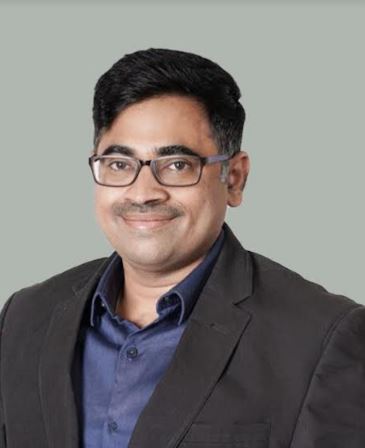
By Dr T.V. Vijay Kumar Consultant Neonatologist and Paediatrician
Ankura Hospital For Women & Children
Acute ear infections, also known as acute otitis media (AOM), are common childhood ailments characterized by inflammation and infection of the middle ear. These infections often result from bacterial or viral agents and can cause discomfort and pain for children. However, several preventive measures and treatment options can help manage and alleviate the symptoms associated with acute ear infections.
Prevention:
Breastfeeding: Breastfeeding infants for at least the first six months of life has been linked to a reduced risk of ear infections. Breast milk contains antibodies that help bolster the baby’s immune system, potentially reducing the likelihood of infections.
Avoiding Passive Smoking: Exposure to passive smoking increases the risk of ear infections in children. Parents and doctors should make efforts to keep children away from environments where smoking occurs.
Vaccinations: Following the recommended vaccination schedule can help prevent certain infections that may lead to acute ear infections. Vaccines such as the pneumococcal conjugate vaccine (PCV) and the influenza vaccine can significantly reduce the risk of ear infections caused by specific pathogens.
Promote Good Hygiene: Encouraging children to practice good hygiene, such as regular handwashing, can help minimize the spread of infections that may contribute to ear infections.
Limiting Pacifier Use: Prolonged pacifier use has been associated with an increased risk of ear infections. Limiting the use of pacifiers, especially during sleep, may help reduce this risk.
Treatment:
Antibiotics: In cases where the ear infection is bacterial and severe, a doctor may prescribe antibiotics. It’s essential to complete the full course of antibiotics as prescribed, even if symptoms improve before the medication is finished.
Pain Management: Over-the-counter pain relievers such as acetaminophen or ibuprofen can help alleviate discomfort associated with ear infections. Follow the recommended dosage based on the child’s age and weight.
Ear Drops: Ear drops containing analgesics or antibiotics may be prescribed to help alleviate pain and combat infection directly in the affected ear.
Warm Compresses: Applying a warm, moist compress to the affected ear can provide temporary relief from pain and help reduce inflammation.
Rest and Fluids: Encourage the child to rest and stay hydrated to support their immune system as they recover from the infection.
Observation: In some cases, particularly with mild infections and in older children, doctors may recommend a period of observation without immediate antibiotic treatment, as many ear infections resolve on their own without complications.
Surgical Intervention: In rare cases of recurrent or severe ear infections, surgical procedures such as tympanostomy tube insertion may be considered. These tubes help ventilate the middle ear and prevent fluid buildup, reducing the risk of future infections.
Conclusion:
Acute ear infections are a common childhood ailment that can cause discomfort and distress for both children and their doctors. However, with proper prevention measures and timely treatment, the impact of these infections can be minimized. By promoting good hygiene, adhering to vaccination schedules, and seeking appropriate medical care when needed, parents and doctors can help safeguard children against the risk of acute ear infections and support their overall health and well-being.
10, Feb 2024
Two-day International Conference on Comparative Law- 2024 organized by Amity Law School…
Amity Law School Noida organized the 5th International Conference on Comparative Law in collaboration with School of Business and Law, Edith Cowan University, Australia, from 9th -10th February 2024. The two-day Conference comprised of six themes- Modalities of Comparative Law, Comparative Constitutional Law, Comparative Criminal Law and Human Rights, Comparative IPR, Technology Law and Emerging Legal Domains and Comparative Business Law and Comparative Family Law.
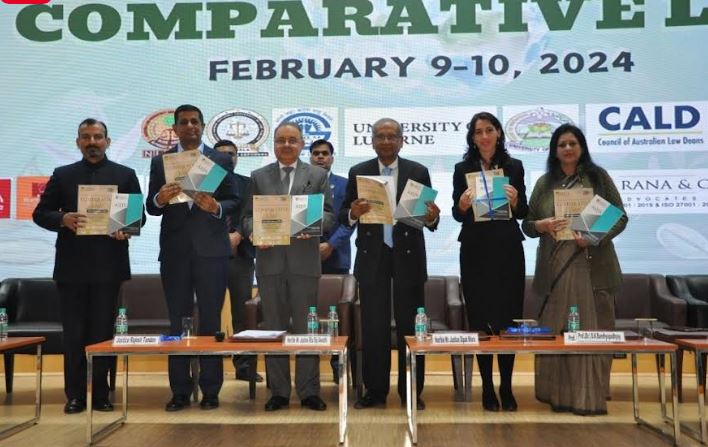
Addressing the law students of Amity, Chief Guest Hon’ble Mr. Justice Dipak Misra, Chief Justice of India (Retd), said, “The emergence of Comparative Law is attributable to several historical and legal developments, instilling a sense of belongingness and interconnectedness amongst the legal professionals from different parts of the world. There is a growing sense of urgency to understand and compare the laws, since the world is changing at a faster pace and therefore studying Comparative Law will be instrumental in influencing the policymakers of the Indian Judicial System to apply new concepts and ideologies to make it better.”
Introducing the Conference, Dr. Joshua N Aston, Associate Dean & Conference Co-Chair, School of Business and Law, Edith Cowan University, Western Australia, averred, “The Conference is a testament to collaboration and pursuit of knowledge across borders. It stands as a shining example of academic endeavours to enhance and develop the skills and knowledge of future law professionals. The collaboration is bound to foster cooperation and growth of various legal systems across the world and will inspire many generations of legal scholars.”
Emphasizing upon the significance of studying Comparative Law, Hon’ble Mr. Justice Rajesh Tandon, Judge (Retd.), Uttarakhand High Court, asserted, “The purpose of studying Comparative Law is to learn from other judicial systems of the world. There is always scope for improvement and Comparative Law provides an insight on how the other legal systems of the world function. The conference will allow legal professionals, learned members of the academia, research scholars and students to explore, assess and compare the legal order of any two or more countries.”
Guest of Honour Mrs. Cecilia Inés Silberberg, Embassy Counselor and Consul Argentina Embassy, said, “Comparative law is helpful in understanding, analyzing and comparing the legal systems, encompassing the spirit globalization. During the pandemic, technology was used more for data theft during the pandemic and government guidelines were ignored, therefore, being aware of international cyber laws is extremely crucial for cyber security.”
Prof. (Dr.) Manoj Kumar Sinha, Vice-Chancellor, Dharmashastra National Law University, Jabalpur, “Global developments, transnational governance, and complex economic interdependence, aided by the development of new communication and information technologies, have contributed to making the legal profession more complex and contemporary. Therefore, Comparative Law has become of tremendous significance for the growth of modern legal societies and the Conference will be highly beneficial for law students in understanding the judicial systems of other countries and influencing the policymakers of the Indian Judicial System to apply new concepts and ideologies to make it better.”
Hon’ble Mr. Justice Ritu Raj Awasthi, Chairperson, Law Commission of India, stated, “Constitutional Comparative Law allows for a broader perspective by embracing novel thoughts and ideas and incorporating them into the judicial system, promoting a more robust approach. Constitutional Comparative Law helps legal practitioners to understand different legal structures and facilitates exchange of ideas. Legal professionals should draw inspiration from successful legal systems of the world and derive new concepts from them.”
Prof. (Dr.) Balvinder Shukla, Vice -Chancellor, Amity University, Uttar Pradesh, said, “It is important for the students to study and compare the laws of different countries since it makes them aware about the judicial systems of different countries, thereby widening their horizon and developing their understanding of the legal systems. The two-day conference will not only bring new insights but also hep in collaboration in different areas such as student exchange programme, faculty exchange programme and cross-cultural exchange.”
Highlighting the significance of the Conference, Dr. D. K. Bandopadhyay, Chairman, Amity Law School, said, “Adopting a comparative approach helps to delve deep into one’s legal system to assess and appreciate the similarities and divergences amongst legislations, legal institutions, political frameworks, social ideologies, policies and rules in corresponding jurisdictions. With the advancement of trade, commerce and technology, the legal system have witnessed huge transformations, therefore it is pertinent to have knowledge of the best practices and adopt new methodologies for faster resolution of legal disputes.”
Also present during the Inaugural Session were Dr. Aditya Tomer and Dr. Shefali Raizada, Additional Directors, Amity Law School and a Conference Abstract Book was released on the occasion.
During the two-day Conference, more than 230 research papers were presented and representatives from different countries including Spain, France, Switzerland, Italy, Macedonia, Indonesia, Canada, Finland, USA, Germany, Sri Lanka, and International Universities such as Harvard Law School, USA, The University of Texas at Austin School of Law, USA, Universitat autònoma de Barcelona, Spain, SciencesPo Law School, Paris, France, University of Lucerne, Switzerland, amongst many others, participated in the Conference.
10, Feb 2024
Honda Motorcycle and Scooter India expands its Road Safety Awareness
Bidar,10th Feb,2024: Ensuring road safety is the topmost priority of HMSI. To promote responsible behavior on the roads and to aid in creating a more conscientious and safety-oriented society, the company frequently conducts Road Safety Awareness Campaigns across various regions of the country. HMSI firmly believes that such campaigns encourage individuals to adopt safe driving practices, fostering a culture of caution and consideration on the roads. One such campaign was recently held in the city of Bidar which left an indelible mark on the participants. On the premises of Kendriya Vidyalaya and Air Force School, HMSI saw an enthusiastic participation of more than 2000 school students and staff members.

HMSI firmly believes that imparting road safety awareness at an early age is imperative, and thus, promotes the inclusion of road safety educational curricula at both school and college levels. Understanding that young minds are receptive to learning, the company aims to empower the next generation with the knowledge and skills necessary for navigating roads responsibly. The road safety awareness campaign consists of highly interactive and engaging activities such as Road Safety Games, Safe Road Theory Sessions, Road Signage, and Riding posture training.
Since its inception, in the state of Karnataka, HMSI has imparted education to nearly 5 lakh adults and children, focusing on promoting responsible road usage and cultivating safe riding habits.
Honda Motorcycle & Scooter India’s CSR Commitment towards Road Safety:
In 2021, Honda globally made a vision statement for the year 2050 where it will strive for zero traffic collision fatalities involving Honda motorcycles and automobiles. In India, HMSI is working in line with this vision and the Government of India’s direction of reducing fatalities to half by 2030.
One critical aspect of achieving this goal is inculcating a positive mindset towards road safety in our children by the year 2030 and continuing to educate them thereafter. Road safety education at schools and Colleges is not only to create awareness but to inculcate a safety culture in young minds and turn them into safety ambassadors. It empowers future generations to become responsible and significantly contribute to a safer society.
HMSI wants to be a company that Society wants to exist and is strongly focusing on Road safety awareness to all sections of society with unique ideas catering to each segment from school kids to Corporations and society at large.
HMSI’s set of skilled safety instructors conducts daily programs at our 10 adopted traffic training parks (TTP) across India and 6 Safety Driving Education Centers (SDEC) to make road safety education accessible to every part of society, and the initiative has already reached over 5.7 million Indians. H MSI’s National Road Safety Awareness program made learning fun yet scientific through:
SCIENTIFICALLY DEVISED LEARNING MODULE: Honda’s skilled instructors set the foundation with theory sessions on road signs & markings, driver’s duties on the road, riding gear & posture explanation, and safe riding etiquette.
1. PRACTICAL LEARNING: A special training activity on Honda’s virtual riding simulator was executed for all to experience over 100 possible dangers on the road before actual riding.
2. INTERACTIVE SESSION: Participants were given danger prediction training known as Kiken Yosoku Training (KYT) which helps in enhancing rider/driver’s sensitivity to danger and ensures safe driving behavior on roads.
3. EXISTING DRIVERS HONING RIDING SKILLS: Students & school staff members who are already existing riders tested & honed their riding skills through slow riding activities and riding on narrow planks.
10, Feb 2024
Pvr Inox Introduces Italian Food Festival to Mark National Pizza Day
National, February 10, 2024: PVR INOX, the largest and the most premium cinema exhibitor in India announces the launch of its Italian Food Festival, offering a delightful culinary adventure alongside the cinematic experience. From February 9th to March 31st, indulge in authentic Italian flavors across 50+ cinemas in 100+ screens across 26 cities within the luxury of Luxe/Insignia auditoriums.

This exciting initiative goes beyond popcorn and nachos, offering a specially curated menu featuring the rich flavors and historical significance of three iconic Italian dishes Pizza Al Taglio, Tiramisu, and Ravioli e Spinaci.
Originating from the streets of Rome in the 1950s, Pizza Al Taglio, or “Pizza by the Cut” is characterized by its rectangular shape, thick crust, and diverse toppings. Offering a quick and affordable meal, it has transcended borders to become a global sensation.
Hailing from the Veneto region, Tiramisu, meaning “pick me up” in Italian, is a classic dessert crafted with layers of coffee-soaked cookie crumbled/sponge cake, mascarpone cheese, and cocoa. Born in the 1960s, it gained iconic status in the ’80s for its rich flavors and creamy texture.
Dating back to the 14th century in Genoa, Italy, Ravioli e Spinaci, or Spinach Ravioli, showcases the artistry of Italian pasta-making. Stuffed with a delightful mixture of spinach and cheese, this pasta dish has evolved over the centuries, adding a nutritional and flavorful twist.
PVR INOX sets itself apart in the realm of entertainment by seamlessly blending the worlds of fine dining and cinematic enchantment, crafting an unparalleled and memorable experience for patrons.
The convergence of exquisite cuisine with the mesmerizing magic of cinema transcends the ordinary, taking the movie-watching experience to new heights and transforming it into a truly special occasion. The fusion of sumptuous flavors and captivating visuals creates a multisensory journey, where every moment becomes a celebration of taste and storytelling. PVR INOX’s commitment to delivering this unique amalgamation ensures that each visit is not merely about watching a film but embarking on a cinematic adventure that engages all the senses, making it an unforgettable experience for movie enthusiasts and culinary connoisseurs alike.
Commenting on the occasion, Mr. Gautam Dutta, Co-CEO of PVR INOX Ltd said, “If PVR INOX is known for redefining cinema-going, it has done so by reimagining cinema F&B as well. In our endeavor to redefine the boundaries of culinary delight within the cinema space, we are thrilled to announce the launch of our captivating Italian Food Festival from February 9 to March 31. This festival promises an exquisite culinary journey featuring a curated selection of the finest and most iconic Italian delicacies skillfully crafted by our talented chefs. We extend a warm invitation to our patrons, urging them to indulge in the rich and authentic flavors of Italy while immersing themselves in the sheer joy of watching movies in our state-of-the-art cinemas.”
10, Feb 2024
Internshala signs MoU with IIT Madras Pravartak
10th February 2024, New Delhi: The career-tech platform, Internshala has signed an MoU with the IITM Pravartak Technologies Foundation. Under this partnership, both the organisations will offer co-branded skill trainings in a few hot in-demand tech skills including Ethical Hacking, Advanced Excel, Data Science, Machine Learning, SQL for Data Analytics, Business Analytics, VLSI Design, and MATLAB to the students. These will be 6-8 weeks long training programs offered through Internshala’s skilling engine, Internshala Trainings.
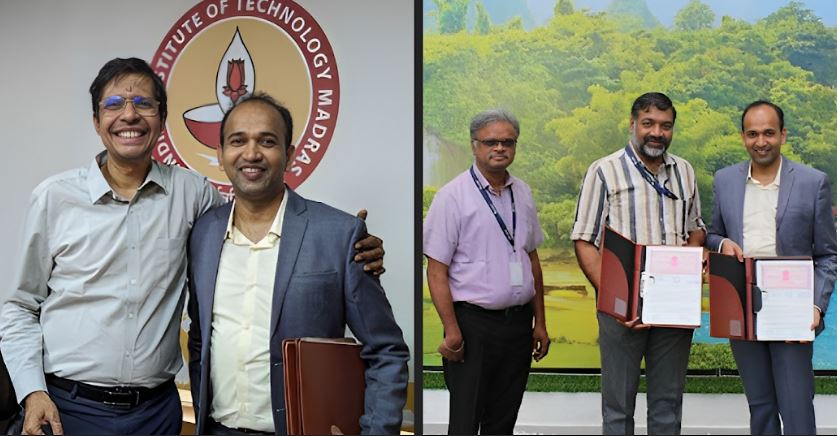
As a part of the agreement, Internshala will also provide internship placement assistance to the students of IITM Pravartak and IIT Madras. The platform will provide a wide range of internship opportunities. Additionally, on completion of the traininings, the learners will get a co-branded certificate by Internshala Trainings and IITM Paavartak.
On partnering with IITM Pravartak Technologies Foundation, the founder and CEO of Internshala, Sarvesh Agrawal said, “Being an alumnus of the esteemed IIT-Madras, I am truly elated that Internshala and IITM Pravartak have joined hands to offer skilling opportunities to Indian youth. Internshala is honoured to assist the students of IIT-M with much necessary placement assistance for internship and job opportunities.”
“In today’s age of rapidly advancing technology, skilling has become the need of the hour. Owing to this need and to make the Indian youth future-ready, Internshala has been constantly striving to bring well- designed training programs with up-to-date content in hot in-demand skills. With real-time access to industry requirements through our internship and job platform, we are able to bring out training programs which are aligned with industry needs.”
Further, Prof. V.Kamakoti, Director of IIT Madras, says, “With our Nation aiming to move fast toward a US 5-trillion-dollar economy, it is important that such job oriented skill development courses are offered jointly by premier institution like us with Internshala, to help the students bridge the gap between academia and industry. We look forward to more and more such opportunities with Internshala”.
10, Feb 2024
Reimagining waste: From E-waste drives to Eco-Bricks-Lessons in Responsible Production & Consumption
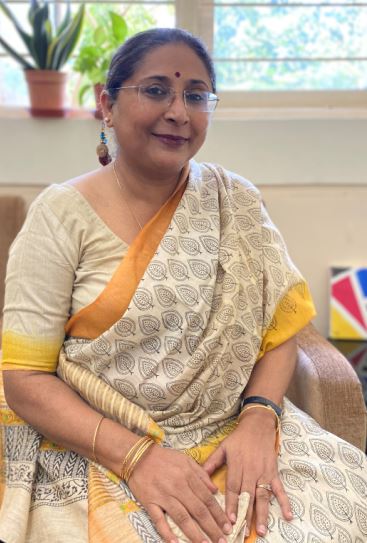
By Mrs. Damayanti Bhattacharya, Educationist and Principal of Jasudben M L School and Bloomingdales Pre-Primary
Reimagining waste: An overview
Waste stands at the intersection of environmental challenges, serving as both a predicament and a prospect in the realms of climate change and environmental degradation. On one hand, improper waste management contributes significantly to greenhouse gas emissions, with landfills emitting potent methane, exacerbating global warming, on the other hand, the extraction and disposal of materials, particularly in electronic waste, contribute to resource depletion and environmental pollution. However waste also holds a promise as a solution to offer avenues for energy generation while minimizing the environmental impact. By reimagining solutions to turn waste into a source of opportunities, to preserve the environment, calls for a comprehensive and forward-thinking approach to waste management, through innovation in waste management.
An innovative approach to waste management
Conventional waste disposal methods are increasingly inadequate in confronting the growing challenges of escalating waste production. A shift towards a sustainable future necessitates the adoption of innovative and visionary strategies to revolutionize the waste management landscape. Rethinking our approach to waste opens doors to opportunities for both environmental conservation and economic growth. Embracing forward-thinking solutions becomes imperative in order to effectively address the complex issues associated with waste and create a more resilient and sustainable waste management system for the future.
Industrial waste management
The proliferation of industrial establishments in developing countries, fueled by international trade and advancements in science and technology, has garnered attention from developed nations. This shift has spurred economically significant industrial developments. However, this surge in industrialization has also given rise to the pressing need for rapid advancements in waste management techniques to effectively handle the substantial volumes of waste generated across diverse industries. Waste management is crucial for collecting and treating waste emanating from all strata of society, especially for industries to manage waste from its initial generation to its final treatment and disposal phases. Adopting an industry-specific, waste management process, plays a pivotal role in addressing this challenge. Industrial waste, stemming from both the production process and the subsequent disposal of industrial products, poses a considerable threat to the environment. To mitigate the environmental impact, it becomes imperative to adopt a waste hierarchy approach—a life cycle system that aims to minimize waste generation and maximize the utilization of products derived from waste.
A circular model economy for production & consumption
The circular economy represents a paradigm shift in the way we produce and consume goods. This model emphasizes practices such as sharing, leasing, reusing, repairing, refurbishing, and recycling existing materials and products for as long as possible, extending the overall life cycle of products. The core objective is to minimize waste generation and maximize resource efficiency. When a product reaches the end of its life, the circular economy aims to keep its materials within the economic system through recycling, allowing them to be reused productively and creating additional value. This approach stands in contrast to the traditional linear economic model, characterized by a take-make-consume-throw-away pattern. The transition to a circular economy not only promotes sustainability by minimizing waste but also challenges the conventional notions of resource consumption and encourages a more resilient and responsible approach to economic activity.
From e-waste to eco-bricks: The future lies in effective waste management
Electronics manufacturers like Apple, Dell, and HP have initiated take-back programs, allowing consumers to responsibly recycle old devices and recover valuable materials. Material recovery from electronic waste is gaining traction, with companies exploring advanced recycling technologies to extract valuable metals. Sustainable product design focuses on modularity and repairability, enabling users to easily upgrade components, extending product lifespan, and reducing waste. Brands are increasingly incorporating recycled materials into manufacturing processes, minimizing environmental impact. Circular supply chain initiatives involve closed-loop systems and supplier engagement to ensure sustainability throughout production. Brands are rethinking packaging strategies with eco-friendly materials and exploring creative solutions like eco-bricks made from plastic waste for sustainable construction alternatives.
Why is the education sector important to a circular economy?
The education sector, spanning from primary to postgraduate levels, plays a crucial role in preparing students with the essential skills and knowledge needed to embrace circular thinking in their future careers. The shift from a lecture-based to a participatory education approach is crucial, with a primary focus on discussions about sustainable consumption and production. A comprehensive understanding of the consequences of our linear economy’s consumption patterns can empower young individuals to make sustainable choices as they grow older. For instance, educating children about the non-biodegradability of plastic, the impact of multi-layered plastic, and encouraging personal responsibility for waste recycling fosters a sense of civic duty. Integrating concrete examples in education ensures that children grasp from an early age how they can actively contribute to sustainability.
The goal is to achieve a harmonious balance that requires overcoming challenges such as technological barriers, economic considerations, and the need for widespread societal awareness and behavioral changes. In navigating this intricate landscape, waste emerges not just as a problem to be managed but as a potential catalyst for sustainable solutions in the face of pressing environmental concerns.


