


9, Oct 2026
The King and The Shepherd by Tristan Nettles now available from Histria Books
Histria Books is pleased to announce the release of The Shepherd and The King, the first two volumes in “A Bronze Age Tale” series. This series is published by Histria Fiction, an imprint of Histria Books dedicated to outstanding original works of fiction.
Pan is a shepherd, not a soldier. One bad night leaves him drunk in the dirt, and he wakes up in a war camp, bought as a slave by a general who believes his men should fear failure more than death. Pan is small, hurt and far from his flock. He is also certain that the army is about to walk into an ambush, and he knows because his sheep showed him. No one has any reason to believe a word he says. Pan says it anyway, and that decision is the first thing it costs him.
That is how The Shepherd begins. The King picks up with Pan older and carrying more than a staff. He has a life worth protecting, and a kingdom has begun to notice him. The question is no longer whether Pan will be heard. It is what he will do now that he is. This is a page-turner for readers who love a long, immersive historical adventure and an underdog worth following.

Praise for The Shepherd:
An original action/adventure novel set in antiquity, author Tristan Nettles’ novel “The Shepherd: A Bronze Age Tale” is a entertaining read from start to finish. Showcasing Nettles’ distinctive and narrative driven storytelling style — making it an especially and unreservedly recommended pick for community library Historical Fiction collections. — Midwest Book Review
Tristan Seth Nettles is an American author, combat veteran, and world traveler known for his intensely realistic storytelling. Born in Atlanta, GA in 1987, he overcame a severe speech impediment and a troubled youth before enlisting with the Marine Corps infantry and later earning a B.S. in Biology from the University of North Florida. His life has intersected at various times with crime, war, and technology, including a combat tour in Ukraine. Drawing from real-life grit, his writing explores the extremes of humanity with needle-like precision. Now, on his fourth passport, Nettles lives abroad, continuing to advocate for Ashley Oosthuizen’s release. His work fuses lived experience with historical scope, delivering fiction that is both timeless and deeply personal.
The Shepherd: A Bronze Age Tale, 248 pp., ISBN 978-1-59211-766-6; The King: A Bronze Age Tale, 510 pp., ISBN 978-1-59211-767-3 by Tristan Nettles are available at HistriaBooks.com and from all major book retailers. These titles are also available as eBooks. Titles published under the imprints of Histria Books are distributed in the United States and Canada by Simon & Schuster and in the rest of the world through Unified Book Distribution. For information on publishing with Histria Books, please visit HistriaBooks.com or contact us at info@histriabooks.com.
- 0
- By Neel Achary

8, Oct 2026
Suriname Ambassador Visits KIIT & KISS, Highlights Power of Education and India-Suriname Ties
Bhubaneswar,Oct 8 (UDN): KIIT and KISS had the honour of welcoming Her Excellency Ms Hanisha Jairam, Ambassador of Suriname to India, who visited the institutions and interacted with students, faculty and members of the KIIT and KISS communities.
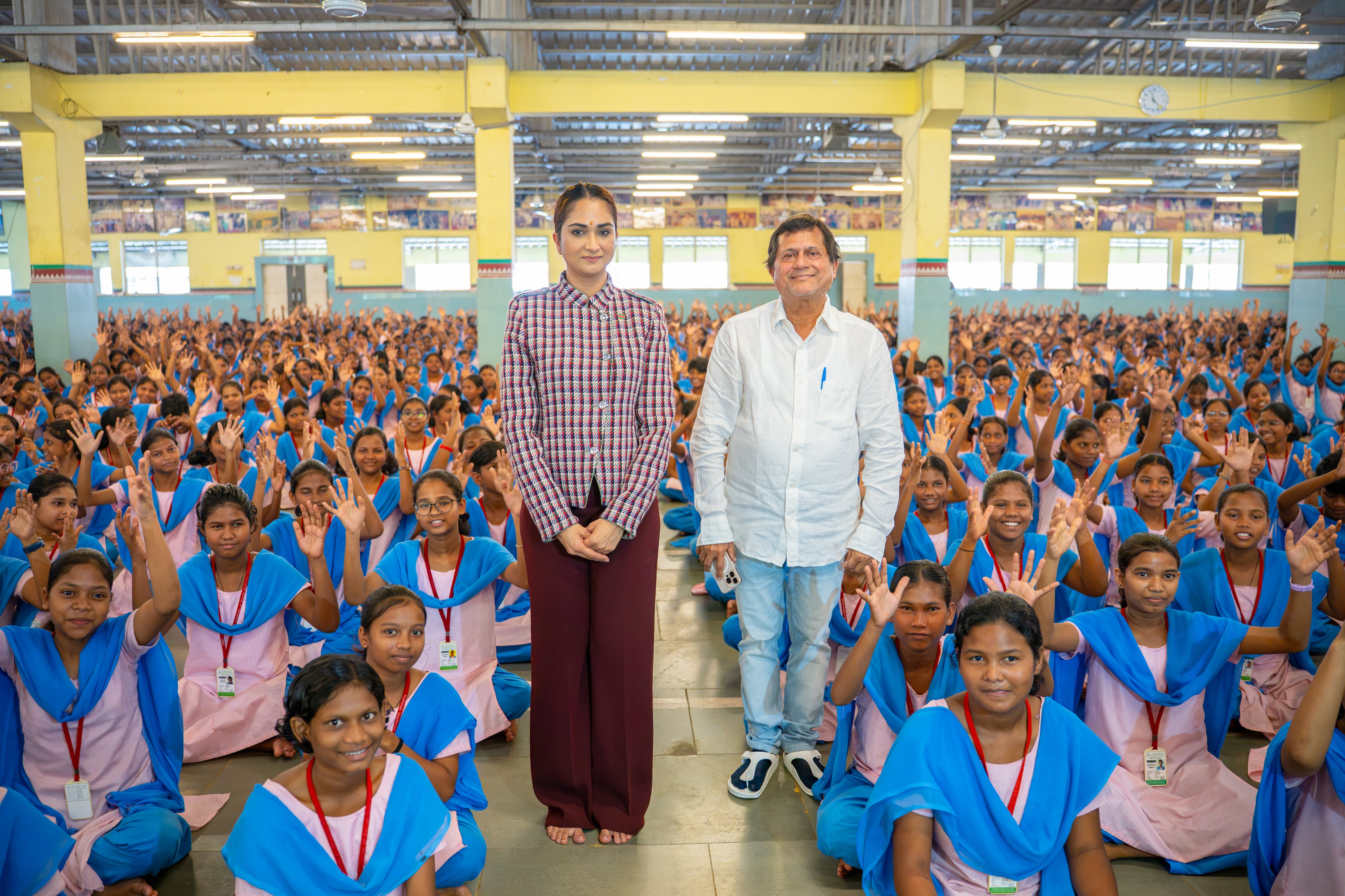
Very happy to welcome Her Excellency Ms Hanisha Jairam, Ambassador of Suriname to India, to KIIT & KISS. She went around our KIIT campuses, saw the facilities at KISS and spent time with my lovable KISSians. We also spoke about the long ties of history and culture between India and Suriname. She appreciated the confidence and smiles of my KISSians, encouraged them to dream big whatever their circumstances, and spoke about how educating a girl can help her whole family. My sincere thanks to her for spending time with our children and for her kind words.
— Achyuta Samanta (@achyuta_samanta) October 7, 2026
During her visit, the Ambassador toured the KIIT campuses and visited various facilities at the Kalinga Institute of Social Sciences (KISS), gaining an insight into its distinctive model of education, empowerment and social transformation. She also spent valuable time with the students of KISS, fondly known as the KISSians, and appreciated their confidence, enthusiasm and cheerful spirit.
Interacting with the students, Her Excellency encouraged them to dream big and pursue their aspirations irrespective of their circumstances. She particularly emphasised the transformative power of educating girls, noting that when a girl receives quality education, the benefits extend beyond her to her entire family and community.
The visit also provided an opportunity to discuss the longstanding historical and cultural connections between India and Suriname. The shared bonds between the two countries, shaped by history, people-to-people ties and cultural exchanges, were highlighted during the interaction.
Reflecting on the visit, Dr Achyuta Samanta, Founder of KIIT and KISS, expressed his sincere gratitude to Her Excellency for spending time with the students and for her encouraging words.
“We are deeply honoured to welcome Her Excellency Ms Hanisha Jairam to KIIT and KISS. Her interaction with our students was especially meaningful. Her message to our KISSians—to dream without limitations and to believe in the power of education—will remain an inspiration to them. We are also grateful for her appreciation of our students’ confidence and spirit. The enduring bonds between India and Suriname make this interaction particularly special,” said Dr Samanta.
Her Excellency’s visit reaffirmed the shared commitment to education, empowerment, cultural understanding and stronger people-to-people relations between India and Suriname. For the students of KISS, her interaction was a memorable and inspiring experience, leaving them with a renewed sense of confidence to dream bigger and strive for a brighter future.
7, Oct 2026
Nobel Chemistry 2026: Henri Kagan, Kenso Soai Win Prize for Solving Century-Old Molecular Mystery
Oct 7: French chemist Henri B. Kagan and Japanese chemist Kenso Soai have been awarded the 2026 Nobel Prize in Chemistry for pioneering discoveries that helped explain how molecular asymmetry, or homochirality, can emerge naturally.
Representational Image
The Royal Swedish Academy of Sciences announced the award on Wednesday, recognising the scientists for their groundbreaking work on non-linear effects and autocatalysis in asymmetric organic synthesis.
The two laureates will share a prize of 12 million Swedish kronor.
Breakthrough in a Long-Standing Chemical Puzzle
Many molecules found in nature, including amino acids, occur in two forms that are mirror images of each other. Although these forms have nearly identical chemical properties, living organisms overwhelmingly rely on only one of them.
This phenomenon, known as homochirality, has puzzled scientists for more than a century.
In conventional laboratory reactions, chemists often obtain roughly equal quantities of both mirror-image forms. Kagan and Soai’s research demonstrated that chemical reactions can instead be directed to strongly favour one molecular form, and in certain cases produce virtually only one.
“Henri Kagan and Kenso Soai have provided a solution to a chemical mystery that is over a century old: how homochirality can emerge spontaneously. The chemical reactions they have developed are spectacular,” said Heiner Linke, Chair of the Nobel Committee for Chemistry.
Kagan, Soai Built on Decades of Research
Kagan made a major breakthrough in 1986 when he developed a method that could influence the outcome of chemical reactions and produce a significantly higher proportion of one molecular mirror image.
Soai later built on this work. In 1995, he demonstrated a remarkable chemical reaction capable of developing towards a homochiral state.
His research reached another milestone in 2003, when he reported a reaction that produced only one of two possible mirror-image molecular forms—a phenomenon previously observed primarily in biological systems.
The discoveries opened new possibilities for understanding how molecular asymmetry could arise and become amplified through chemical processes.
Importance for Modern Medicine
The Nobel Academy said the laureates’ work has had a major influence on modern chemistry, particularly in the pharmaceutical industry.
The ability to selectively produce the desired mirror-image form of a molecule can be crucial because different molecular forms may interact differently with biological systems, directly affecting the effectiveness of medicines.
About the Nobel Laureates
Henri B. Kagan, born in 1930 in Boulogne-Billancourt, France, received his PhD from the Collège de France in 1960. He is Professor Emeritus at the former Université Paris-Sud.
Kenso Soai, born in 1950 in Hiroshima, Japan, earned his PhD from the University of Tokyo in 1979 and is Professor Emeritus at Tokyo University of Science.
Their combined discoveries have helped transform scientists’ understanding of asymmetric chemical reactions and provided important insights into one of chemistry’s most enduring questions: how nature came to favour one molecular mirror image over the other.
7, Oct 2026
Education in Ireland Fair in Chennai on 10th of October 2026 at Hyatt Regency.
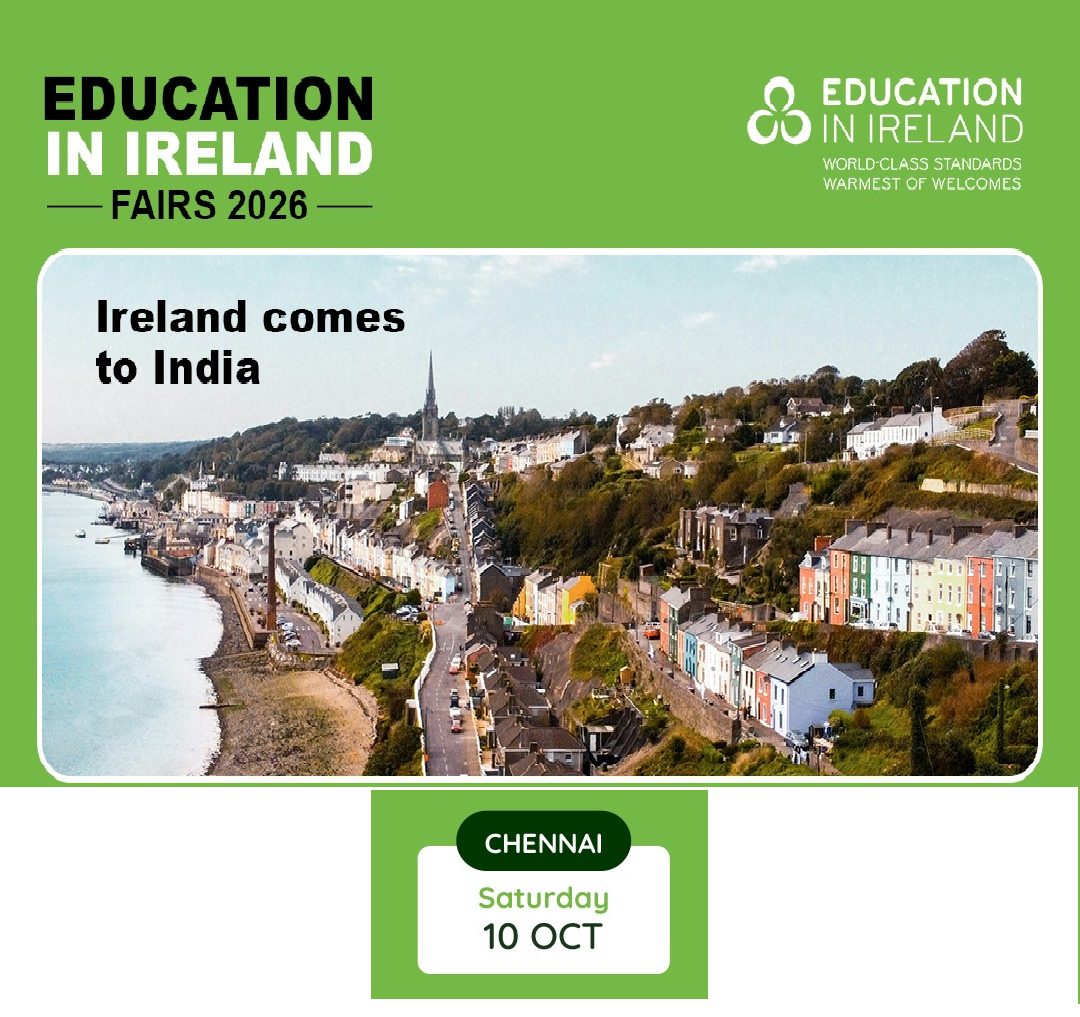
~ Students will interact directly with leading Irish institutions and learn about programmes at this high-quality study destination~
|
List of Participating institutions
|
||
|
Atlantic Technological University
|
Dublin Business School
|
|
|
Dundalk Institute of Technology
|
Independent College
|
Maynooth University
|
|
Munster Technological University
|
National College of Ireland
|
University College Dublin
|
|
South East Technological University
|
Trinity College Dublin, the University of Dublin
|
Technological University of the Shannon
|
|
Technological University Dublin
|
University College Cork
|
RCSI: University of Medicine & Health Sciences
|
|
University of Galway
|
University of Limerick
|
Dublin City University
|
6, Oct 2026
Japanese Tech Firms Scout Talent at NIT Rourkela, Offer Global Career Opportunities
Rourkela, Oct. 6 (UDN): National Institute of Technology (NIT) Rourkela hosted a special career seminar featuring senior representatives from several leading Japanese technology companies and organisations, giving students a closer look at international career, internship and industry opportunities.
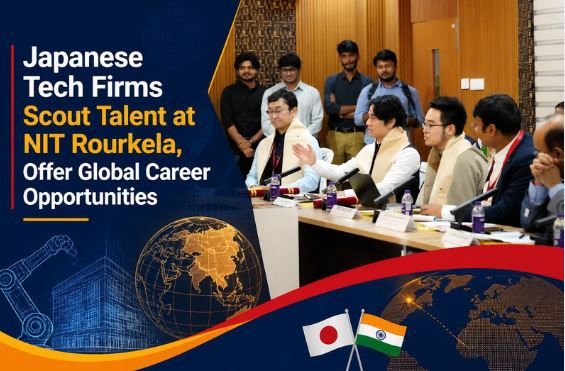
The “Career Seminar Global South-Japan Tech Talent Internship 2026” was organised by the institute’s Career Development Centre (CDC) in collaboration with the Global South-Japan Tech Talent Internship (GS-JTI), Deloitte Tohmatsu and Tech Japan.
The visiting delegation included representatives from Deloitte Tohmatsu, Tech Japan, NanoFrontier, Ridgeworks, GustoDevelopment, Nichi-In Software Solutions, MiDriq NbS, KH Industry and the Japan Science and Technology Agency (JST).
Focus on Industry-Ready Skills
The inaugural session was attended by NIT Rourkela Director Prof. K. Umamaheshwar Rao, Registrar Prof. Rohan Dhiman, deans, heads of departments and faculty members.
Addressing the gathering, Prof. Rao highlighted NIT Rourkela’s multidisciplinary academic ecosystem and emphasised the importance of combining strong academic foundations with practical, industry-oriented skills.
The Japanese delegation later visited several academic departments and laboratories, including Computer Science and Engineering, Electrical Engineering, Electronics and Communication Engineering, Chemical Engineering, Mechanical Engineering and Chemistry.
Students Explore Japan Career Pathways
The afternoon session featured presentations on the GS-JTI programme, employment opportunities with Japanese companies and the Talendy platform. Students also took part in interactive discussions and a round-table session with representatives from the visiting organisations.
The programme provided students with insights into overseas internships, recruitment pathways and the skills expected by technology companies in Japan.
The initiative is expected to further strengthen industry-academia collaboration between India and Japan while opening up more international career avenues for students of NIT Rourkela.
6, Oct 2026
Odisha Signs Strategic MoUs to Build Future-Ready Skilled Workforce
Bhubaneswar, Oct. 6 (UDN): The Odisha government has entered into a series of strategic partnerships with industry bodies, educational institutions and global organisations to strengthen the state’s skill development ecosystem and prepare young people for emerging employment opportunities.
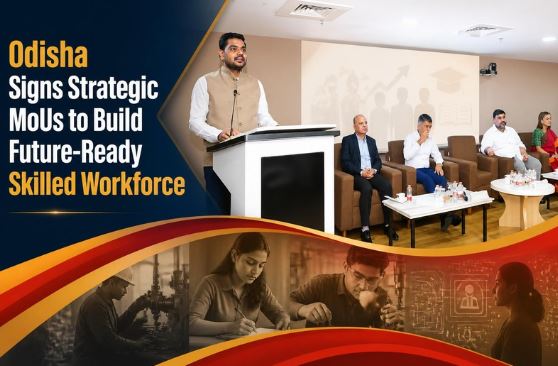
The Memoranda of Understanding (MoUs) were exchanged at a special programme held at the World Skill Center in Bhubaneswar, bringing together partners from diverse sectors to expand industry-linked training, technical education and innovation.
Industries, Skill Development and Technical Education Minister Sampad Chandra Swain described the partnerships as a major investment in Odisha’s human capital.
He said the collaborations would help create a skilled workforce capable of meeting the requirements of the state’s rapidly expanding industrial ecosystem while opening up better opportunities for training, employment and career advancement.
Focus on Emerging Technologies
The partnerships will focus on high-growth and future-oriented sectors, including Artificial Intelligence, cybersecurity, robotics, semiconductors, advanced manufacturing, emerging technologies, green jobs and automotive technology.
The MoUs are expected to facilitate the establishment and strengthening of Centres of Excellence, industry-led training programmes and modern curriculum development.
They will also support trainer capacity building, knowledge sharing, apprenticeships and placement opportunities, enabling students and trainees to gain greater exposure to advanced technologies and current industry practices.
Boost to Industry-Academia Linkages
The initiative aims to bridge the gap between classroom learning and industry requirements by encouraging greater collaboration between technical institutions and employers.
Officials said the partnerships would help ensure that skill training remains responsive to changing market demands and equips learners with practical, job-ready capabilities.
The programme also places emphasis on digital transformation, innovation and sustainable development, with green skills identified as an important area for future workforce development.
Greater Opportunities for Women and Underprivileged Youth
The government said the initiative will also seek to widen access to technical education and skilled employment for women and economically disadvantaged communities.
The partnerships are expected to create additional pathways for young people to acquire specialised skills and access emerging career opportunities.
The strategic partners include 1M1B Foundation, Calderys, CIEL HR Services, Cloos India, Delphi-TVS Technologies, F5 India, Godrej Consumer Products, Hettich Poddar Wood Working Institute, iFOREST, Mahindra Holidays & Resorts India, OASME, Semantics, Siksha O Anusandhan University, THK India and Utkal University.
Commissioner-cum-Secretary of the Skill Development and Technical Education Department Bhupendra Singh Poonia, Director of Technical Education and Training Chakravarti Singh Rathore, World Skill Center CEO Rashmi Ranjan Mohapatra, along with senior officials and industry representatives, attended the programme.
The government expects the partnerships to further strengthen Odisha’s position as a hub for technical education and skill development while creating a stronger pipeline of industry-ready talent for the state’s future economy.
6, Oct 2026
Three Scientists Share 2026 Nobel Prize in Physiology or Medicine for Breakthroughs in Optogenetics
Stockholm, Oct. 6: The 2026 Nobel Prize in Physiology or Medicine has been jointly awarded to Karl Deisseroth, Peter Hegemann and Georg Nagel for their pioneering discoveries involving light-gated ion channels and optogenetics.
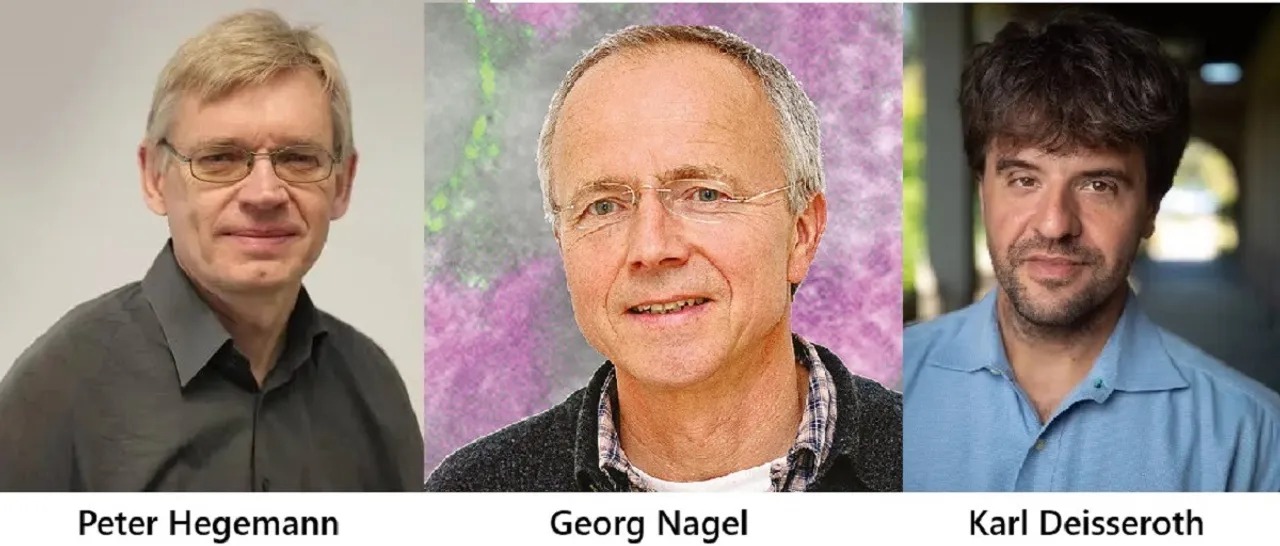
The Nobel Assembly at Karolinska Institutet announced the prestigious award, recognising scientific breakthroughs that have transformed the way researchers study and understand the brain and nervous system.
A breakthrough powered by light
The work of the three scientists laid the foundation for optogenetics, a revolutionary technique that allows researchers to control the activity of specific nerve cells using light.
At the heart of this technology are light-sensitive proteins known as channelrhodopsins. Hegemann and Nagel played a crucial role in discovering and characterising these light-gated ion channels, while Deisseroth helped establish optogenetics as a powerful tool for controlling neural activity and studying the brain.
In simple terms, optogenetics enables scientists to use pulses of light to switch selected nerve cells on or off with remarkable precision. This has opened new possibilities for investigating how neural circuits influence behaviour, emotions, memory and other complex brain functions.
Transforming neuroscience
Before optogenetics, studying the activity of individual groups of neurons with such precision was extremely difficult. The technique has since become an important tool in neuroscience, helping researchers investigate the biological mechanisms behind the brain’s functions and neurological disorders.
The breakthrough is also contributing to research aimed at developing new treatments. Light-sensitive proteins and optogenetic approaches are being explored in areas such as vision restoration, offering potential new avenues for patients with certain retinal disorders.
The Nobel Committee’s recognition of Deisseroth, Hegemann and Nagel highlights how a fundamental discovery about light-sensitive proteins can evolve into a technology capable of transforming modern neuroscience.
6, Oct 2026
KIIT-DU 22nd Convocation: Over 10,000 Graduates Receive Degrees, Eminent Leaders Call for Innovation
Bhubaneswar, Oct. 6 (UDN): The 22nd Annual Convocation of KIIT Deemed to be University (KIIT-DU) concluded here with more than 10,000 graduates receiving their degrees and eminent national and international speakers calling upon them to embrace innovation, seize emerging opportunities and remain committed to society.
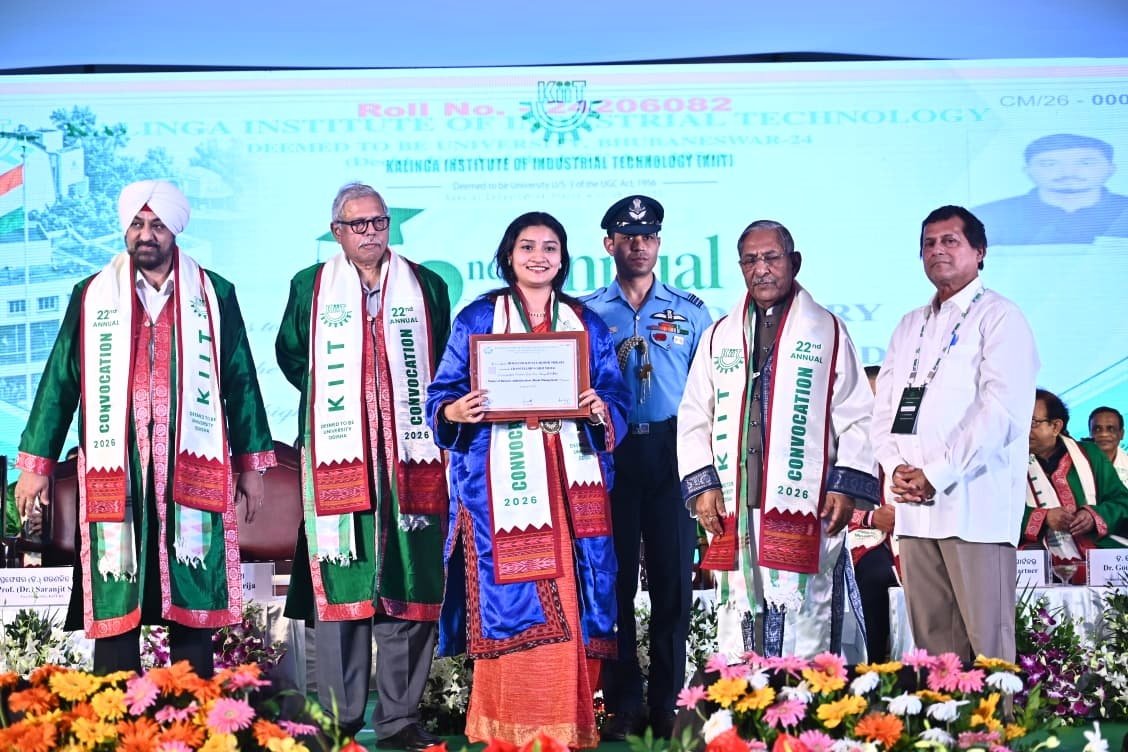
Pic Credit: x.com/achyuta_samanta
The three-day convocation brought together prominent figures from government, industry, academia, journalism and international institutions, who shared perspectives on technology, education, leadership and India’s evolving role in the global arena.
Nagaland Governor Nand Kishore Yadav lauded KIIT’s growth and described its journey as an example of vision, perseverance and determination. He also acknowledged the contribution of KIIT and KISS founder Dr. Achyuta Samanta, along with the university’s leadership, faculty and staff, to the field of education and national development.
Vice Chairperson of NITI Aayog Dr. Ashok Kumar Lahiri highlighted the growing influence of technology and modernisation, while stressing that India’s traditional values and cultural heritage must progress alongside technological development.
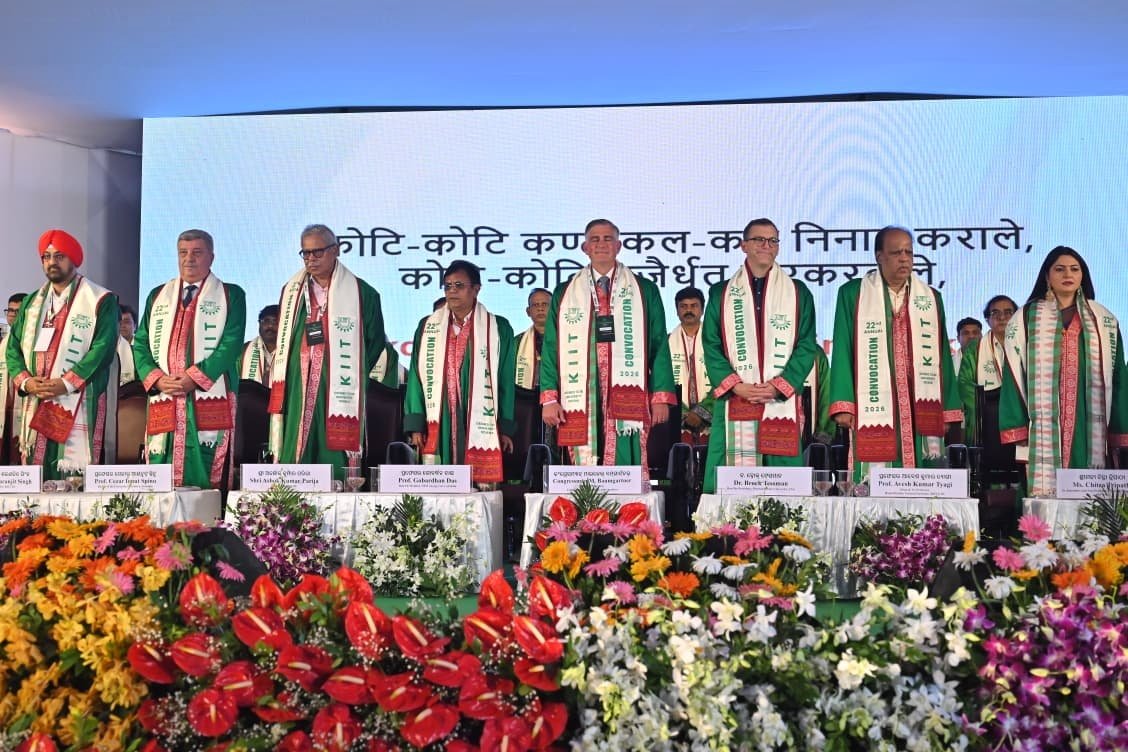
US Congressman Michael Baumgartner said educational institutions have an important role in promoting peace and stability across the world. Dr. Brock Tessman, President of Montana State University, USA, was also among the international academic leaders who addressed the gathering.
The convocation featured speakers from diverse sectors, including Motilal Oswal, Co-Founder, Group Managing Director and CEO of Motilal Oswal Financial Services; Dr. Goutam Roy Chowdhury, Chairman and Chancellor of Techno India Group and Techno India University, Kolkata; and senior journalist Chitra Tripathi of ABP News.
Motilal Oswal highlighted Dr. Samanta’s long-standing efforts in building KIIT and KISS and credited his dedication and sacrifices for the institutions’ growth since their establishment.
Other distinguished speakers included Prof. Gobardhan Das of NITI Aayog, Prof. Cezar Ionuț Spînu, Rector of the University of Craiova, Romania, and Prof. Avesh Kumar Tyagi, Dean and Senior Professor at Homi Bhabha National Institute.
Addressing the graduating students, Dr. Sanjiv Goenka, Founder and Chairman of RP-Sanjiv Goenka Group, said they were entering a period of immense opportunity as India continues to expand its economic and developmental ambitions. Dr. Ravi Pachamuthu, Chairman of SRM Group and Chancellor of SRM University Delhi-NCR, also addressed the graduates.
KIIT-DU Chancellor Ashok Kumar Parija presided over the convocation. KIIT founder Dr. Achyuta Samanta, Vice Chancellor Prof. Saranjit Singh and Pro Vice Chancellor (Administration)-cum-Registrar Prof. Jnyana Ranjan Mohanty were among the university’s senior leadership present during the event.
The three-day ceremony also recognised academic and extracurricular excellence through a range of medals and honours. The Founder’s Gold Medal, Chancellor’s Gold Medal, P.K. Bal Memorial Gold Medal, Paradeep Phosphates Ltd. Gold Medal, Nanibala Memorial Gold Medal, Krushna Chandra Panda Memorial Gold Medal and Dr. Wati Paramguru Memorial Gold Medal were among the top honours presented.
Students were also awarded the Vice-Chancellor’s Silver Medal, Dr. Nitish Kanta Silver Medal and Manju Rath Silver Medal for achievements in different fields.
With thousands of graduates stepping into professional and academic careers, the convocation marked the culmination of their university journey while placing renewed emphasis on innovation, responsible leadership and contribution to society.
6, Oct 2026
Odisha Student Polls 2026: AI Deepfakes, Fake News and Personal Attacks Face Strict Ban
Bhubaneswar, Oct. 6 (UDN): As Odisha prepares to bring back student union elections after an eight-year gap, the state government has introduced a stringent code of conduct aimed at keeping campus campaigning transparent, disciplined and free from digital misinformation.
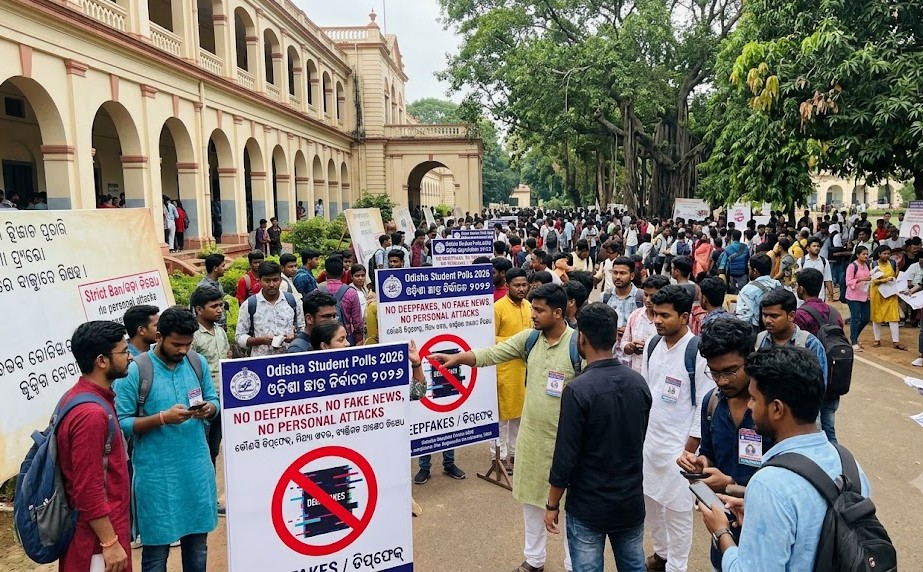
Representational Image
The Odisha Higher Education Department has scheduled student union elections across eligible colleges and universities for October 15, 2026. With social media now playing a major role in political and public campaigning, the latest guidelines place particular emphasis on regulating candidates’ online activities.
AI-generated content under the scanner
One of the most significant provisions is the restriction on the use of artificial intelligence to manipulate election-related content.
Candidates and their supporters will not be permitted to create or circulate fake videos, deepfakes, manipulated photographs or other AI-generated material designed to misrepresent or target rival candidates.
The move comes amid growing concerns over the rapid spread of synthetic media and the difficulty of distinguishing genuine content from digitally manipulated material.
No abusive campaigns or personal attacks
The election guidelines also require candidates to maintain decorum during online campaigning.
Abusive language, personal attacks, defamatory statements, unsubstantiated allegations and misleading claims will not be permitted.
Authorities have also warned against using social media platforms to spread false information with the intention of influencing students or damaging the reputation of opponents.
The emphasis is on ensuring that online campaigning remains focused on issues, student concerns and constructive debate rather than personal attacks.
Traditional campaign methods face restrictions
The restrictions extend beyond social media.
Under the election framework based on the Lyngdoh Committee recommendations, candidates will face restrictions on conventional publicity methods, including printed posters, pamphlets, loudspeakers and vehicle rallies on campus.
Where permitted, candidates may use handmade posters in designated areas, subject to institutional rules.
The objective is to prevent excessive campaign activity, damage to campus property and disruption of academic environments.
₹5,000 campaign spending ceiling
Candidates will also have to operate within a prescribed campaign expenditure limit.
The spending ceiling has been fixed at ₹5,000 per candidate, with candidates required to maintain and submit expenditure records as prescribed by the election authorities.
Post-election scrutiny of campaign expenses is intended to improve financial transparency and prevent excessive spending from influencing campus contests.
Political interference kept out
The guidelines also seek to preserve the independent character of student elections by discouraging direct political party involvement, funding and formal political affiliations.
The broader objective is to ensure that student representatives are elected on the basis of campus issues and student interests rather than external political influence.
Attendance and age rules
Eligibility requirements have also been specified for contestants.
As per the stated guidelines, candidates must be regular students and meet prescribed age and academic requirements. The framework includes a minimum 75% attendance requirement, while the age limits generally provide for candidates aged 17–22 years for undergraduate courses and up to 25 years for postgraduate courses, subject to applicable rules.
Candidates with criminal records are also barred from contesting under the prescribed eligibility conditions.
Eight years after the last campus polls
The October 15 election will mark the return of student union elections in Odisha after an eight-year hiatus.
With campuses preparing for the electoral process, the authorities face the challenge of balancing students’ right to campaign and participate in democratic activities with the need to prevent violence, misinformation, excessive spending and disruption of academic life.
The new digital provisions reflect a significant change from earlier campus elections: the election battlefield is no longer limited to the college campus—it also extends to smartphones and social media platforms.
For candidates and their supporters, the message is clear: campaign actively, but stay within the rules. In the 2026 student polls, a viral post could attract as much scrutiny as a physical campaign violation.
5, Oct 2026
World Skill Center to Launch Green Energy Centre of Excellence in Bhubaneswar
Bhubaneswar, Oct. 5 (UDN): Odisha is set to strengthen its clean-energy workforce with the establishment of a dedicated Green Energy (Solar) Centre of Excellence at the World Skill Center (WSC) in Bhubaneswar.
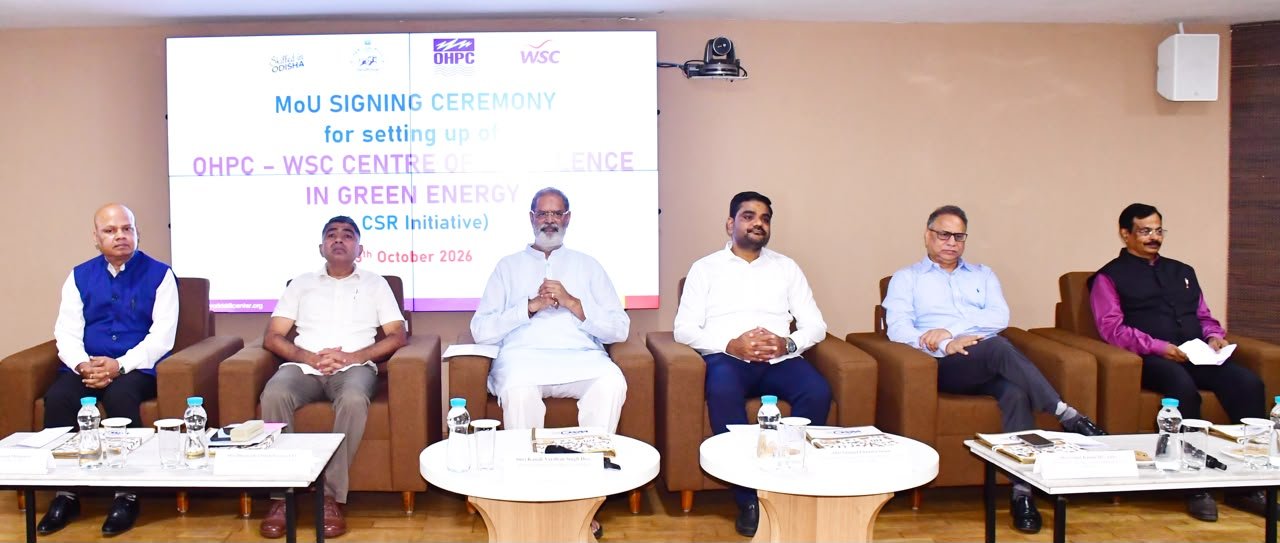
Pic Credit: x.com/EnergyOdisha
The new facility, being developed at the WSC’s Mancheswar campus, will focus on advanced solar technologies and industry-oriented training, preparing young people for emerging jobs in the renewable energy sector.
₹1.48 Crore CSR-Funded Project
The Centre of Excellence will be fully funded under the Corporate Social Responsibility (CSR) programme of the Odisha Hydro Power Corporation (OHPC). The project involves an investment of ₹1,48,75,009 during the financial years 2026–27 and 2027–28.
The initiative was announced on Monday in the presence of Deputy Chief Minister and Energy Minister Kanak Vardhan Singh Deo and Industry, Skill Development and Technical Education Minister Sampad Chandra Swain.
Spread across around 3,000 square feet at Kaushal Bhawan, the facility will feature practical demonstration systems covering rooftop solar, floating solar and solar-tracker technologies.
Focus on Advanced Solar Skills
The Centre will combine WSC’s existing expertise in electrical systems, industrial automation, advanced manufacturing and digital technologies with emerging clean-energy applications.
Training will include technologies such as Programmable Logic Controllers (PLC), SCADA, Industrial Internet of Things (IIoT), remote monitoring, digital twins, predictive maintenance and Energy Management Systems (EMS).
The hands-on approach is aimed at helping trainees move beyond classroom certification and gain the practical skills required for employment in the renewable energy industry.
300 Youth to Receive Training Every Year
The Centre is expected to train around 300 young people annually for specialised roles, including Solar PV Technicians, Operations and Maintenance Technicians, Site Supervisors and Energy Auditors.
Youth from all districts of Odisha will be eligible, with special outreach planned in areas where OHPC operates.
The programme will also emphasise gender inclusion, encouraging greater participation of women in the clean-energy workforce in line with Sustainable Development Goal 5.
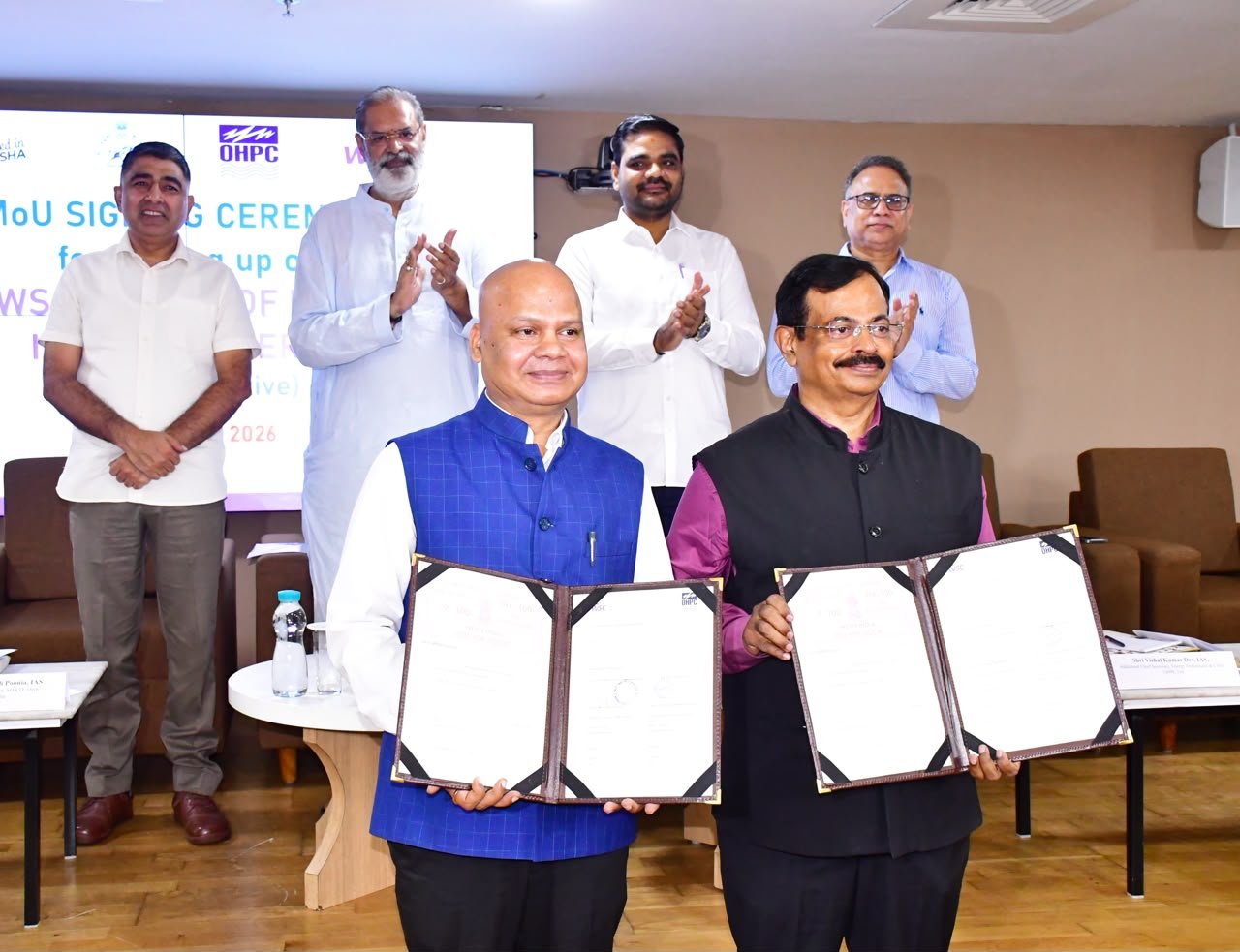
WSC Plans Wider Expansion
The event also saw the announcement of plans to expand the World Skill Center’s reach across Odisha.
The number of fully sponsored students at WSC is being increased from 60 to 100 annually from this year. A proposal has also been made to establish new WSC branches in Berhampur and Sambalpur, taking advanced technical skilling beyond Bhubaneswar.
Minister Sampad Chandra Swain said the Centre would play an important role in equipping Odisha’s youth with future-ready skills and creating sustainable employment opportunities in the solar and green-energy sector.
Senior officials, including Additional Chief Secretary, Energy, Vishal Kumar Dev; Commissioner-cum-Secretary, SDTE, Bhupendra Singh Poonia; WSC COO Rashmi Ranjan Mohapatra; and OHPC Director (HR) Sandeep Pattnaik, attended the MoU signing ceremony.


