


2, Apr 2024
Beverly Kay Johnson, MD, MSc, Joins NY Health

New York, NY, April 02, 2024 — New York Health (NY Health) is pleased to announce that board-certified Rheumatologist and Internist Beverly Kay Johnson, MD, MSc, has joined its team.
“We’re excited to have Dr. Johnson join the Rheumatology team. She brings a wealth of experience in Rheumatic diseases and will be a valuable asset as we grow the rheumatology practice,” said Dr. Chris Ng, Executive Director of NY Health.
Dr. Johnson specializes in Lupus, Rheumatoid Arthritis, Ankylosing Spondylitis, Psoriatic Arthritis, and is trained in musculoskeletal ultrasound. Dr. Johnson obtained her undergraduate and Doctor of Medicine degrees from Brown University in Providence, Rhode Island. Committed to improving public health and clinical research, she pursued and completed a Master of Science in Epidemiology at Columbia Mailman School of Public Health. Dr. Johnson has over ten years of experience running clinical trials, primarily in Lupus.
In addition to her clinical practice, Dr. Johnson is an Associate Professor of Medicine at Albert Einstein College of Medicine, and she is a voluntary attending at Montefiore Medical Center. She is involved in teaching and mentoring medical students, residents, and fellows. She speaks English and Spanish and is very committed to working with the underserved and Latinx community.
“I am excited to join NY Health to help patients with hematologic and oncologic diseases and rheumatologic conditions,” said Dr. Johnson. “I am thrilled to work in the neighborhood where I also live.”
In her free time, Dr. Johnson believes in giving back to the community, and she is an active member of the Central Park Conservancy Women’s Committee Playground Partners and the Wildlife Conservation Society. She has served on the family benefit committee for both groups for several years, and during COVID, she used her epidemiology training to serve as an advisor on how to run the family benefits safely. Dr. Johnson lives on the Upper East Side with her husband, three young children, and two rescue cats.
- 0
- By Rabindra

2, Apr 2024
Understanding Parkinson’s Disease at Right at Home
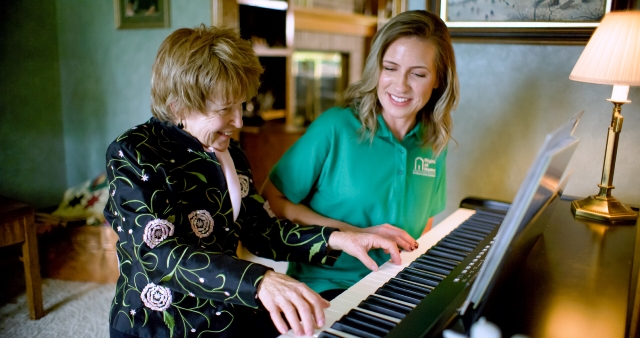
Arlington Heights, IL, April 02, 2024 –Right at Home (Northwest Suburban Chicago – North Barrington, Mount Prospect and West Dundee), a trusted name in caregiving services for over 20 years, is honored to announce the next free community speaker session aimed at educating and empowering the community about Parkinson’s disease. Our speaker session will take place at The Empty Corner: 214 E Grove St, Arlington Heights, IL, 60005 on Thursday, April 11, from 6pm to 8pm.
Unfortunately, Parkinson’s disease affects millions worldwide, and understanding its early signs, symptoms, and causes is vital for effective management and support. Right At Home is honored to host Jessica Bartsch from the Parkinson’s Foundation – Midwest Chapter as our speaker for this enlightening event.
Bartsch brings a wealth of knowledge and experience in Parkinson’s advocacy and support. Her presentation will cover various aspects of Parkinson’s disease, including identifying early warning signs, understanding symptoms, and exploring the underlying causes. Attendees will gain invaluable insights into how to recognize the onset of Parkinson’s and how to provide meaningful support to those affected.
“Our goal with this community speaker session is to raise awareness and foster understanding about Parkinson’s disease,” said Jeanette Palmer, owner of Right at Home agency. “We believe that education is key to empowering individuals and families to navigate the challenges associated with Parkinson’s effectively.”
Whether you are a caregiver, healthcare professional, or someone interested in learning more about Parkinson’s disease, this session promises to be informative and insightful.
Join Right at Home
on Thursday, April 11, at The Empty Corner in Arlington Heights, and be a part of this important conversation. Together, we can make a difference in the lives of those impacted by Parkinson’s disease.
1, Apr 2024
Announcing Spring DoD/VA & Gov Health IT Summit
National Harbor, MD, April 01, 2024 –Defense Strategies Institute is pleased to announce the 26th Biannual DoD/VA & Gov Health IT Summit, taking place at the Sunset Room in National Harbor, MD on May 1-2, 2024. The Summit will bring together leaders from across the VA, DHA, DoD, federal government, and industry to discuss efforts and future strategies to advance innovative health information technologies, capabilities, and solutions that improve the delivery and quality of Veteran/Active-Duty healthcare.
The Spring 2024 Summit will examine current and future initiatives to drive a seamless, unified experience for veterans, utilize innovative commercial technologies & capabilities, and advance the delivery of safe, integrated, patient-centered care. Senior leaders at this event will discuss efforts to expand access to Veteran healthcare services and the complex challenges of incorporating new HIT and medical solutions that will improve the delivery of healthcare to Veterans and active-duty military.
The Summit will feature high-level speakers including:
– Michael Parrish, SES, Chief Acquisition and Principal Executive Director for the Office of Acquisition, Logistics, and Construction (OALC)
– Don Johnson, SES, Assistant Director, Support/Component Acquisition Executive, DHA
– Neil Evans, MD, Acting Program Executive Director, Electronic Health Record Modernization Integration Office
– William Tinston, SES, Director, Federal Electronic Health Record Modernization (FEHRM) Office
– Brig. Gen. James Parry, USAF, Acting Director, Medical Operations, Office of the U.S. Air Force/U.S. Space Force Surgeon General
– BG Thad Collard, USA, Deputy Commander, U.S. Army Reserve Medical Command
– Col. Marcus Moss, USA, Chief, Solutions Delivery Division (SDD) & Risk Management Executive Division (RME), DHA
– Chanel Bankston-Carter, Acting Program Executive Director, VA Logistics Redesign Program Management Office
Topics to be covered at the 2024 Summit
– Leading VA in delivering world class care to the veteran community through innovation & partnership
– Providing sustained health services to enable Army readiness
– Leveraging emerging tech to enhance patient care & access
– Supporting DHA digital transformation through innovation & collaboration
– Deploying the Federal EHR to ensure interoperability & responsiveness
– Acquiring innovative, cost-effective solutions to effectively support service members, veterans, & families
– Improving the veteran digital experience by utilizing innovative technologies
DSI is now welcoming Sponsors and Exhibitors for the forum. Reserve your spot to showcase your organization’s cutting-edge technologies to attendees from VA, DHA, DoD, federal government, and industry. To learn more please contact Dudley Duverne at dduverne@dsigroup.org.
In order to allow for actionable discussion and dialogue amongst speakers and attendees, seating will be limited. Register now to reserve your seat. Active military and government and state personnel attend complimentary. Those interested in participating in the DoD/VA & Gov Health IT Summit can visit Defense Strategies Institute’s website at healthit.dsigroup.org
1, Apr 2024
The Gateway Family YMCA Hosts Cancer Survivor Retreat
Union, NJ,April 01, 2024 — The Gateway Family YMCA will be hosting a Cancer Survivor Retreat on Thursday, April 25 11:00-3:00pm at The Gateway Family YMCA – Wellness Center Branch, 1000 Galloping Hill Road, Union, NJ. More information and registration for this free community event is available at www.tgfymca.org/events.
The YMCA Cancer Survivor Retreat incorporates in-person community building, YMCA staff support and YMCA360 Livestream participation to connect with other YMCA’s across the country. Featuring guest speakers, inspiring stories, connection and more, the retreat is being hosted as a collaborative effort through a hybrid format. Registration is required, and lunch will be provided to all participants at The Gateway Family YMCA.
The Cancer Survivor Retreat on YMCA360 is scheduled to include the following sessions:
· 11:00-12:00pm – Another Support in the Cancer Journey: Palliative Care
· 12:30-1:00pm – Empowering Cancer Survivors Through Knowledge: Clinical Trials
· 2:00-3:00pm – Taking Care of Yourself While You are Living with Cancer
For individuals who cannot attend the event at The Gateway Family YMCA in person, a virtual option is available through the digital platform YMCA360, which is included free in all Full Privilege Memberships at The Gateway Family YMCA. For individuals in the community who would like to attend the Cancer Survivor Retreat from home, information is available at www.tgfymca.org/events on requesting access for this one-day event.
“Our commitment to digital innovation and community health equity and support have combined into this Cancer Survivor Retreat,” stated Melynda A. Disla, President/CEO, The Gateway Family YMCA. “With our mission centered on equity for all, we strive to be a leading voice in the community for health and well-being, providing resources and guidance so that everyone can achieve their goals and feel supported in spirit, mind and body.”
The Gateway Family YMCA is also hosting a new session of LIVESTRONG® at the YMCA program, a community program for cancer survivors, providing support and assistance in a small community format. The current program session is held through May, on Tuesdays and Thursdays 1:00-2:00pm. LIVESTRONG® at the YMCA is provided free for cancer survivors through financial assistance supported by YMCA’s Annual Support Campaign fundraising efforts.
As part of LIVESTRONG® at the YMCA, the Y engages cancer survivors through an approach that focuses on the whole person. Participants work with specially trained staff to build muscle mass and strength, increase flexibility and endurance, and improve functional ability. In addition to physical benefits, the program also focuses on the emotional well-being of survivors by providing a supportive community environment where people affected by cancer can connect during treatment and beyond.
The Gateway Family YMCA is a 501(c)(3) non-profit, health and community service organization of caring staff and volunteers dedicated to strengthening community and stands For Youth Development, For Healthy Living and For Social Responsibility. Serving the community since 1900, The Gateway Family YMCA provides programs and services throughout Eastern Union County and Northern Middlesex County through six YMCA branches in Elizabeth, Rahway and Union, and The Dudley House Veterans Transitional Housing Program in Plainfield.
28, Mar 2024
Trilife Hospital launches advanced Neurorehabilitation and Sports Medicine Center; 60,000 sq ft Outpatient Care Unit
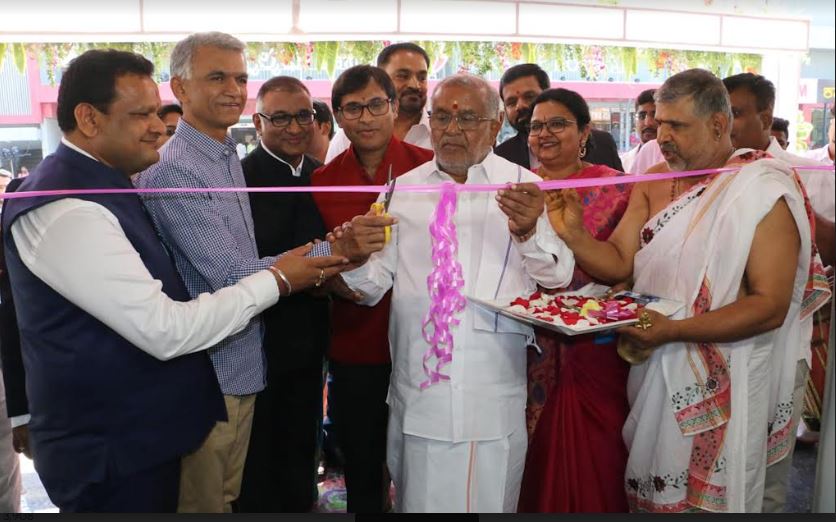
Bengaluru, 28th March 2024: Bengaluru-based Trilife Hospital expanded its operations with the launch of an advanced 40-bed Neurorehabilitation and Sports Medicine Center dedicated to pioneering advancements in neurological and rehabilitation and Sports Medicine. Trilife Hospital also launched a new, state-of-the-art outpatient care unit that aims to revolutionize the outpatient experience for people visiting the hospital. Spread over a 60,000 sq ft area, this facility is equipped with the latest technology and instrumentation and is among the largest of its kind in the city. Consultancies for various specialties are spread over four floors for easy patient access. The hospital aims at doubling its consultant fraternity in the next fourteen months and will introduce robotics for rehabilitation in a few months’ time.
Speaking at the inauguration Dr. Shafiq A.M CEO and Co-founder, Trilife Hospital said, “This state-of-the-art outpatient care unit will serve as a gateway to comprehensive healthcare, both from the perspective of routine health checkups to specialized consultations. We have equipped each of our experts with medical devices that employ cutting edge technology to enhance our patient’s well-being, resilience, and vitality, while enhancing quality of life.”
“The incidence of strokes in younger patients has increased dramatically in the recent past and is one of the reasons we chose to introduce rehab as a full-fledged medical specialty. We have dedicated a complete floor to Neurorehabilitation and Sports Medicine that will provide services for in-patients, out-patients and those who require longer rehab time. The unit will be staffed by a team of experienced physiotherapists who will work with expert physiatrists and specialists in orthopedics, neurology, and pain management. Apart from providing medical aid to patients requiring sports medicine, the unit will also cater to patients ranging from neonate to geriatric, encompassing women’s health, both antenatal and postnatal. Home care physiotherapists will also be available. Each patient will have a dedicated program depending on his or her medical requirement”
The neurorehabilitation unit will have a 24-hour doctor and ICU backup, trained nurses and medical staff, and will function as a Hyper Dependency Unit (step-down ICU) with high-end equipment including robotics for upper and lower extremities, and Hyperbaric Oxygen (HBO2) therapy to monitor patient vitals. They will focus on care for cardio-vascular treatment, the incidence of strokes in youngsters, rehab for bedridden patients, occupational therapy, and physiotherapy.
The state-of-the-art outpatient department and rehab unit was inaugurated in the presence of eminent leaders including Shri Krishnabyre Gowda, Hon. Minister of Revenue, Government of Karnataka, Shri G.T. Devegowda, Member of Karnataka Legislative Assembly, Dr, Shafiq AM, CEO and Co-Founder, Trilife Hospital, Dr. Prashanth R, Director and Co-Founder, Trilife Hospital, Shri. Ramachandra Gowda, Director, and Co-Founder, Trilife Hospital among others.
25, Mar 2024
Bahar Moghaddam, MD Joins NY Health

New York, NY, March 25, 2024 –New York Health (NY Health) is pleased to announce that board-certified rheumatologist Bahar Moghaddam, MD, has joined its team.
“We’re excited to have Dr. Bahar Moghaddam join our Rheumatology team,” said Dr. Chris Ng, Chief Medical Officer and Executive Director of NY Health. “She brings a wealth of experience in hands-on patient care and will be a valuable asset as we grow the rheumatology practice.”
Dr. Moghaddam is dedicated to the comprehensive care of patients with various rheumatologic disorders. Her expertise extends to the specialized management of conditions such as spondyloarthritis, Ankylosing Spondylitis, Psoriatic arthritis, arthritis associated with inflammatory bowel disease, and reproductive rheumatology. Notably, she provides compassionate care to women with rheumatic diseases, offering support in preconception counseling and throughout pregnancy.
Dr. Moghaddam enjoys the longitudinal patient relationships that a rheumatology career allows and the plentiful opportunities for counseling and patient education.
“I view clear communication and education as central elements of patient care,” Dr. Moghaddam said. “During visits, I spend considerable time educating my patients about their disease process, as understanding the disease is essential to understanding the treatment plan and promoting adherence to therapy. I strongly believe each patient’s values, beliefs, and lifestyle should be accounted for in selecting a treatment plan.”
Dr. Moghaddam obtained her BASc in Chemical Engineering and MSc in stem cell biology, as well as her medical degree, from the University of Toronto. She accomplished her internal medicine residency at the University of British Columbia. Subsequently, she returned to the University of Toronto for her fellowship in rheumatology, where she distinguished herself as Chief Resident. Throughout her training, Dr. Moghaddam conducted research focusing on lupus-related mortality, neuropsychiatric lupus, and spondyloarthritis. Dr. Moghaddam speaks fluent English and Farsi.
25, Mar 2024
Spectrum.Life Appoints Dr Paula Franklin as Independent Director
Lomdon, United Kingdom, March 25, 2024 –Spectrum.Life, a global leader in digital health solutions specialising in mental health, primary care and wellbeing, proudly announces the appointment of Dr Paula Franklin as a Director of the Board.
Paula has a long career in health internationally, having trained in the UK and worked as a hospital doctor and a GP before studying Public Health at Johns Hopkins University in Baltimore. Following this, Paula worked for the Children’s Defense Fund charity in Washington DC on US health policy and legislation. On returning to the UK in 1996, Paula joined Bupa where she held several senior medical roles, before eventually joining the senior leadership team as Chief Medical Officer Bupa Group. Paula is also on the Board of the Youth Sport Trust in the UK. Dr Franklin will also serve as the Chair of Spectrum.Life’s Clinical Advisory Board.
Paula has a wealth of experience in healthcare funding and delivery, digital transformation and innovation in health. Beyond health she is a leader in promoting inclusion and diversity, Paula also served as the Executive sponsor for Bupa’s global inclusion and diversity agenda. As a Trustee of the UK Bupa Foundation, she spearheaded initiatives supporting deprived communities and advocated for women and BAME colleagues in leadership. Dr Franklin’s impactful contributions earned her recognition, including being named one of the 100 most influential people of African, African Caribbean, and African American heritage in the UK by the Powerlist for three consecutive years, which honours men and women across a range of industries including business, science, technology and the arts.
Dr Paula Franklin expressed her enthusiasm, stating: “I feel privileged to become a Director of Spectrum.Life. I find their approach to digital health and wellbeing incredibly inspiring, and I look forward to contributing to the next chapter of the company’s international growth and cementing its position as a leader and innovator in digital health solutions. Furthermore, I’m honoured to be chairing Spectrum.Life’s Clinical Advisory Board, helping the company to continue to lead the way in best class clinical standards.”
Stuart McGoldrick, founder and Executive Chair of Spectrum.Life, expressed delight at Paula’s appointment, citing her strong track record in international clinical innovation governance and risk leadership: “Paula is an excellent addition to our Board, we are very excited about her joining us. I am delighted she has agreed to chair our Clinical Advisory Board, further solidifying our commitment to advancing high quality whole of health solutions.”
Dr Paula Franklin is a distinguished medical professional, in addition to her medical degree, she has qualifications including a Master’s in Public Health from Johns Hopkins University, an MBA from London Business School, an MA in Bioethics and Medical Law, and a diploma in counseling.
11, Mar 2024
Vijayawada’s FertiCARE IVF Centre Breaks Infertility Taboo with Joyous Baby Shower Celebration
Vijayawada, Andhra Pradesh, March 11, 2024: FertiCARE IVF Centre in Vijayawada marked a significant milestone in its journey towards eliminating the stigma associated with infertility by hosting a heartwarming baby shower celebration. This event, held in honor of mothers-to-be who have successfully conceived through In vitro fertilization (IVF), coincides with the center’s first anniversary.
Infertility remains a sensitive and often stigmatized issue in many societies, causing emotional distress and societal pressure for those experiencing it. In India, approximately 10-15% of married couples are affected by infertility, according to the Indian Society of Assisted Reproduction (ISAR). FertiCARE IVF Centre aims to challenge these societal norms by fostering a supportive environment where individuals and couples can seek fertility treatments without fear or judgment.
Dr. Prathyusha Javadi, Clinical Head at FertiCARE IVF Centre, expressed her gratitude to the patients, staff, and community for their unwavering support throughout the centre‘s inaugural year. We have been able to bring the joy of parenthood to many lives in this one year through our expertise, commitment, and compassionate approach. Our mission at FertiCARE IVF Centre goes beyond just helping individuals conceive; it’s about empowering them to embrace their journey towards parenthood with confidence and dignity.
The baby shower celebration serves as a testament to the triumphs of those who have overcome infertility with the help of advanced reproductive technologies offered at FertiCARE IVF Centre. The event not only celebrated the joyous journey towards parenthood but also highlighted the centre‘s commitment to providing compassionate care and personalized treatment options to its patients.
FertiCARE IVF Centre offers a comprehensive range of fertility treatments, including Intrauterine Insemination (IUI), In vitro fertilization (IVF), Intracytoplasmic Sperm Injection (ICSI), In vitro maturation (IVM), Preimplantation Genetic Testing for Aneuploidy (PGT-A), Preimplantation Genetic Testing for Monogenic Disorders (PGT-M), and Endometrial Receptivity Analysis (ERA). These advanced treatments are tailored to meet the unique needs of each patient, ensuring the highest chances of success.
As part of the First Anniversary celebrations, FertiCARE IVF Centre is delighted to extend a special offer to its patrons. Until March 31st, 2024, the centre is offering FREE Consultation, Scan, and IUI, along with an exclusive 50% discount on IVF procedures. This initiative reaffirms the center’s commitment to making fertility treatments more accessible and affordable for all.
“We are thrilled to mark our First Anniversary by extending this special offer to our valued patients. It is our fervent hope that this gesture will empower more individuals and couples to take the first step towards fulfilling their dreams of parenthood,” said Dr. Prathyusha.
FertiCARE IVF Centre invites the community to join them in celebrating life, love, and the journey towards parenthood. Dr Ujwala Jasti & Dr Sravani Reddy, Co-founders of FertiCARE Centre have participated in the celebrations.
1, Mar 2024
The Rise in Patients Requiring Revision Hip Replacement Surgery
 By Dr Aashish Arbat Performs Minimally Invasive Hip Replacement Using 3-Inch Incision Surgery Technique
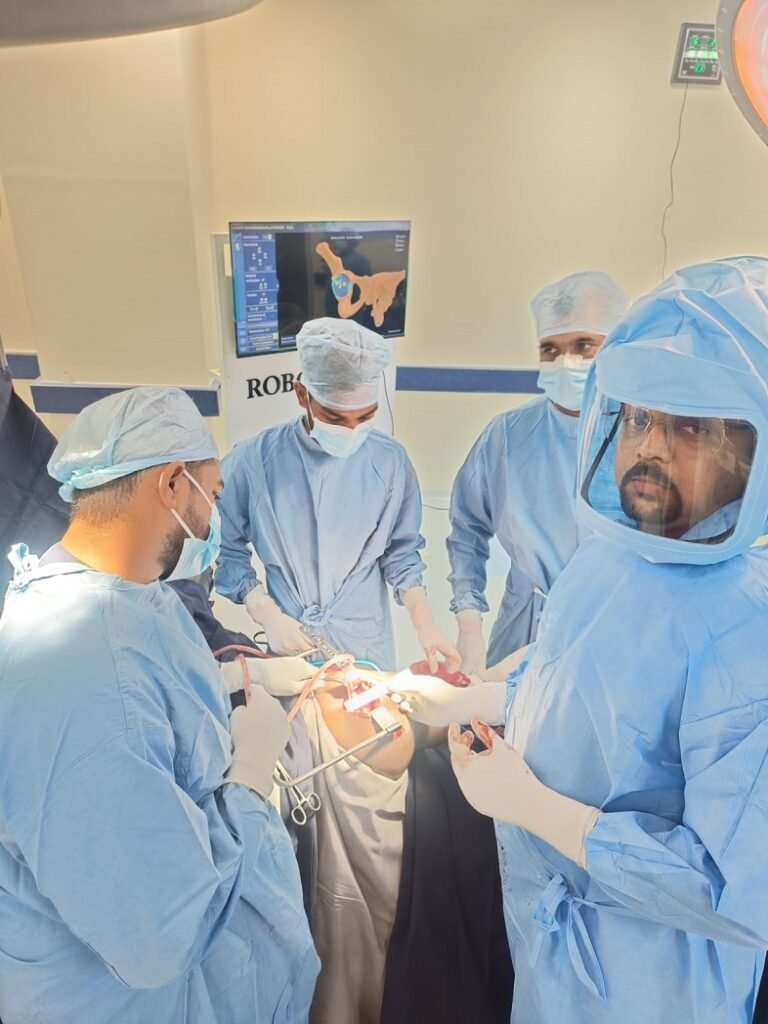
Pune, India – Ganpat Bhandwalkar, a 34-year-old male patient who has been battling chronic hip joint pain for the past nine months with no relief from Ayurvedic treatments, recently underwent a groundbreaking complicated Bilateral Uncemented Ceramic dual mobility hip replacement using a new surgical approach. Dr. Aashish Arbat, Joint Replacement surgeon at ONP Hospital in Pune, performed THR surgery where the damaged ball of the hip was removed and replaced with a prosthetic using the innovative 3-inch cut technique. This technique minimizes blood loss, prevents tissue damage, ensures equal leg length post-surgery and the patient can quickly return to normal activities.
Hip replacement surgery, also called total hip arthroplasty, is a procedure to replace damaged parts of the hip joint with artificial components. It’s usually done for people with severe osteoarthritis, rheumatoid arthritis, or other conditions that cause a lot of hip joint damage. The goal is to reduce pain, improve movement, and make life better for patients. The surgery involves removing damaged bone and cartilage and putting in artificial parts made of strong materials like metal or ceramic. It’s important to carefully assess patients before the surgery to make sure it’s right for them and to get the best results.
According to Dr. Aashish Arbat, a Joint Replacement surgeon at ONP and Jahangir Hospital, in Pune Maharashtra, “The rise in revision hip replacement surgeries after the COVID-19 pandemic has created an urgent demand for new approaches to ensure improved and sustained recovery. As the elderly population grows, there has been a natural increase in the number of hip replacement surgeries. Additionally, a significant number of younger patients aged between 35 and 45 are experiencing persistent hip pain due to AVN or genetic factors, as well as wear and tear, injuries, and lifestyle choices. Also, older implants have a limited lifespan, and the likelihood of needing revision surgery increases over time. The traditional THR surgery method is leading to more frequent revision surgeries to address wear and tear. Patients nowadays are more active and anticipate a better quality of life following their initial hip replacement.”
Dr. Aashish Arbat, explained the new procedure “In contrast to the traditional method, which involves a large incision through the muscles and hip joint from the back or side, the Anteriolateral approach also known as the Modified Watson Jones approach accesses the hip joint from the front. In traditional surgery, cutting through muscle layers causes extended healing time and significant postoperative pain. However, with the Modified Watson Jones approach by Dr Arbat, no muscles are cut, resulting in minimal postoperative pain and faster recovery. The patient is operated on in a supine position with a small incision on the front of the hip instead of the back. By moving muscles aside along their natural tissue planes without cutting them, the Modified Watson-Jones approach minimizes pain, reduces blood loss, and lowers the risk of dislocation by leaving most structures around the hip joint intact. Additionally, this approach shortens hospital stays and allows for earlier discharge home, ultimately reducing hospital costs.”
After the surgery, rehabilitation and physical therapy are important for helping patients recover and get the most benefit in the long run. Complications can include infection, implant dislocation, or the need for more surgery because the artificial parts wear out. So, it’s crucial to carefully consider each patient’s situation and perform the surgery with great care to get good results.
1, Mar 2024
Over 80 Unique Michelin Star Dishes & Culinary Delights to Pamper Flyers at SpiceJet
 Flying is no longer about moving from one destination to another. Rather, it’s a journey of the senses and soul, which promises to tantalize the taste buds and create lasting memories. Imagine savouring delectable culinary delights that not only elevate the mood but also empower girls with education and add a dash of fun with specially curated kids’ meals alongside a healthy array of unique dishes drawn from Michelin-starred chefs and noted cuisine kings. SpiceJet is pulling all stops to pamper its flyers by offering a carefully crafted menu of over 80 sumptuous hot meals sandwiches, munchies, ready-to-eat items, Jain meals and beverages.
Masterfully curated by Michelin-starred chef, author and filmmaker Vikas Khanna, this delectable addition to our onboard menu consists of four delightful dishes – Chicken Aloo Bukhara Biryani, Vegetable Biryani, Chicken Khurchan Roll and Paneer Bhurji Roll. A part of the proceeds from the sale of these new additions goes towards an NGO that promotes girls’ education in India.
India’s rich history of flavours is there for the taking via Karim’s straight from the Mughal kitchen to your tray, with scrumptious Chicken Reshmi Seekh Kebabs, Chicken Malai Tikkas, Chicken Tikkas and Chicken Shami Kebabs.
For the young flyers, the airline has curated a unique kid-friendly meal that comes in an aeroplane-shaped bag, featuring a veg burger, ragi bites, a chocolate bar, and juice. SpiceJet has also tailored Navratri culinary offerings specifically for the festive Navratra period. There’s also a variety of selections for the health-conscious as well, such as low-calorie salads, gluten-free meals, and diabetic-friendly options.
For those with a taste for the finer things in life, there’s a special Chef’s Choice section on the menu. After pre-booking their favourite item from these exotic Indian and world cuisine fares, passengers can savour them on their next flight. Other delectable dishes include Vegetable Pasta in Napolitana Sauce, Chinese specialities like Chicken Schezwan on a bed of fried rice, and the tantalizing Tawa Fish Masala. For a healthy and satisfying option, there’s Vegetable Millet Daliya, while the Chicken in Red Thai Curry, offers exotic flavours. There’s also a choice of savouring a lean and succulent Grilled Chicken Breast with Mushroom Sauce.
From diabetics to gluten-free meals and low-calorie salads for the health-conscious an exotic array of culinary delights is waiting to be explored and experienced.


