


17, Feb 2024
Revitalizing Movement Beyond Boundaries – Venture for Innovation in Physiotherapy Practice
Telehealth and Digital Rehabilitation: Implement telehealth solutions to reach patients beyond geographical boundaries. This enables physiotherapists to provide remote consultations, monitor exercises, and offer guidance, increasing accessibility to rehabilitation services.
Virtual Reality (VR) and Augmented Reality (AR): Integrate VR and AR technologies into physiotherapy exercises to make rehabilitation more engaging and effective. This can enhance patient motivation and compliance while providing a novel approach to movement therapy.
Data-driven Personalized Treatment Plans: Utilize data analytics and wearable devices to gather real-time information about patients’ movements and progress. This data can be used to tailor personalized treatment plans, optimizing outcomes and accelerating recovery.
Robotics and Exoskeletons: Explore the use of robotics and exoskeletons in physiotherapy to assist patients in performing movements and exercises. This can be particularly beneficial for individuals with mobility challenges, providing support and enabling more intensive rehabilitation.
Gamification of Rehabilitation: Incorporate game-like elements into physiotherapy exercises to make them more enjoyable and motivating. Gamification can encourage consistent participation and adherence to rehabilitation programs, especially in the case of long-term or repetitive exercises.
Cross-disciplinary Collaboration: Foster collaboration between physiotherapists and professionals from other fields, such as technology, engineering, and design. This interdisciplinary approach can lead to the development of innovative solutions that address the complex challenges in rehabilitation.
Biomechanics and Wearable Technology: Embrace advancements in biomechanics and wearable technology to assess and monitor movement patterns. This information can guide physiotherapists in designing targeted interventions and tracking progress more accurately.
Mind-Body Integration Techniques: Integrate mindfulness and relaxation techniques into physiotherapy practices. This holistic approach considers the interconnectedness of physical and mental well-being, promoting a more comprehensive and patient-centred rehabilitation experience.
Global Knowledge Exchange: Facilitate international collaboration and knowledge exchange among physiotherapy professionals. This can involve sharing best practices, research findings, and innovative techniques to enhance the global standard of physiotherapy care.
- 0
- By Rabindra

16, Feb 2024
Living with Vertigo: Tips for a Balanced Life
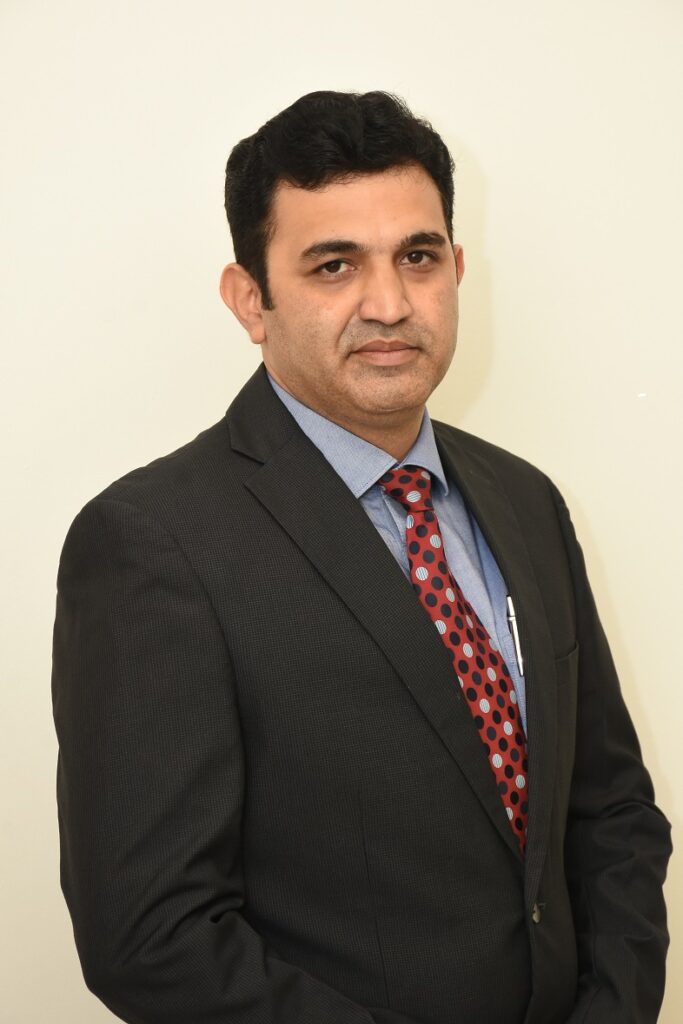
Dr. Jyotirmay S Hegde, HOD & Lead Consultant ENT, Aster Whitefield Hospital, Bengaluru
You might have experienced vertigo when you look down from a tall height and suddenly feel dizzy, with a sensation like butterflies in your stomach. This is called vertigo and it is a fairly common issue that most people face. This happens because your brain gets mixed signals about your body’s position, especially when you’re on the edge of a tall building or looking down from a height. This conflicting information can make you feel unsteady or dizzy, which is a common symptom of vertigo.
Vertigo covers a range of feelings such as feeling faint, light-headed, or unsteady, along with the sensation of spinning or motion while you’re still. It’s often connected to problems in the inner ear or brain. You don’t have to be at a high place to experience vertigo; it can happen even on a flat surface. You may feel like you’re spinning, tilting, swaying, or moving, which can affect your daily life and make it hard to keep your balance.
Vertigo can have various causes, and although there isn’t clear evidence directly linking it to genetics, some conditions that contribute to vertigo may have genetic components. Inner ear problems like Meniere’s disease or vestibular neuritis, a tendency to have migraines, aging, head injuries, certain medications, vestibular disorders, dehydration, and anemia can all play a role in causing vertigo. While genetic factors might make someone more prone to conditions related to vertigo, it’s usually a mix of genetic, environmental, and lifestyle factors that lead to its occurrence.
It’s important for everyone, especially women, to take care of their inner ear health to prevent vertigo. This means avoiding loud noises, protecting ears from infections, managing stress, and having a balanced diet with enough vitamin D and magnesium. Women may be particularly affected due to hormonal changes during pregnancy or menopause, which can influence inner ear function and make them more prone to vertigo. Additionally, conditions like osteoporosis, which are more common in women, can indirectly impact inner ear health. However, vertigo is a concern for both genders and is part of overall health maintenance and prevention strategies for everyone.
To manage vertigo at home, there are several self-care tips you can follow. These include making sure you drink enough water to stay hydrated, avoiding sudden movements that can trigger vertigo episodes, getting enough rest, and practicing relaxation techniques such as deep breathing or meditation. Specific physical therapy exercises like the Epley maneuver can also be helpful in relieving symptoms. It’s important to adopt a healthy lifestyle overall, which includes managing stress, getting adequate sleep, staying hydrated, and eating a balanced diet. These lifestyle changes can contribute to your overall well-being and may help reduce the impact of vertigo.
Lifestyle choices like stress, not getting enough sleep, being dehydrated, consuming too much caffeine or alcohol, and having poor eating habits can make vertigo worse or trigger it. Certain dietary factors such as dehydration, and consuming too much salt or caffeine, can make symptoms worse by affecting fluid balance, blood pressure, and how the inner ear works. While these lifestyle factors may not directly cause vertigo, they can make someone more likely to have episodes or make existing symptoms worse. Not getting enough sleep can affect how well your brain works, including its ability to maintain balance. If you don’t drink enough fluids, it can lower your blood volume and change your blood pressure, which affects the flow of oxygen to your brain and inner ear, leading to balance issues. Caffeine and alcohol can both affect blood flow and disrupt how the inner ear works, which can contribute to vertigo symptoms. Not having enough essential nutrients in your diet, like vitamin D and magnesium, can affect your overall health, including the health of your inner ear. A lack of these nutrients may contribute to conditions that cause vertigo.
Engaging in vestibular rehabilitation exercises can be beneficial for reducing vertigo symptoms by aiding in the adaptation and compensation of the vestibular system. It’s important for individuals experiencing vertigo to steer clear of activities that involve rapid head movements or positions that can trigger episodes. The outlook for vertigo varies depending on its root cause, with some cases being manageable or treatable while others may persist chronically or recur.
In summary, vertigo is a complex condition influenced by problems in the inner ear and lifestyle factors. Conditions like Meniere’s disease and migraines can contribute to its occurrence, and although genetic connections are being investigated, lifestyle aspects such as stress and diet also have a significant impact. Taking a comprehensive approach, including personalized guidance from ENT specialists or doctors, is essential for managing vertigo and enhancing overall well-being.
—
16, Feb 2024
Six safest position to hold a new born baby
By Dr.N.Senthil Kumar, MPT PhD
Mr. Srikanth. V MPT (Student)
Saveetha College of Physiotherapy, SIMATS, Thandalam, Chennai.
1. Cradle hold:
Baby parallel to your chest level, slide your hand from baby bottom up to support the head and neck. Kindly place your baby’s head into the crook of your elbow. Now move your hand from the neck to the bottom and hips. Bring your baby close to you.
2. Shoulder hold:
- This is one of the most natural holds for your new born. Here is how you should do it:
With the baby’s body parallel to yours, lift her to your shoulder height. Rest her head on your shoulder so that she can look behind you. Support her head and neck with one hand, and the bottom with another hand. This position allows your baby to hear your heartbeat.
3. Belly hold:
- Your baby will surely enjoy this baby hold. Here is how to handle the newborn:
Lay your baby with stomach facing down on one of your forearms with head up over the elbow. Let her feet land on either side of your hand, at an angle closer to the ground level. Lay your other hand across the baby’s back to make her feel secure. This baby positioning technique can be helpful for burping. Gently stroke the baby’s back to help release any trapped gas.
4. Hip hold:
- You can hold your baby’s hips once she gains complete control over her head and neck. So, try this position when your baby crosses three months. Here is how you can do this: Face your baby outward and make her sit on your hip bones. You should wrap your arm around her waist. Your baby will be able to look at things around her comfortably.
5. Face to face hold:
- This hold will let you interact with your baby. Here is how you can try the hold perfectly: Support your baby’s head and neck with one hand. Offer support to her bottom with another hand. Now hold the baby just below the chest facing you. Enjoy making her smile and have fun interacting with her.
6. Football hold:
- This hold also serves as a feeding position; you can use it while standing or sitting. Here is how you should do it: Support your baby’s neck and head with your hand, and the rest of her back with your same forearm. Adjust the baby’s head and neck with the other hand. Make the baby curl towards your body side, with her legs extended behind. Draw your little one closer to your chest. Use the other free hand for offering extra support to the head or feed the baby.
16, Feb 2024
BSE Listed Nutricircle Launches Health Supplement, My45Nutrients
NOIDA, February 16, 2024: Nutricircle, a BSE-listed R&D and science-based company, introduces another health supplement, My45Nutrients, under its nutraceutical category. My45Nutrients- Daily Dose of Goodness, made of plant extracts, tablets are designed to provide a comprehensive range of essential nutrients, including 8 vitamins, 29 amino acids + bio-nutrients, and 8 minerals. These nutrients are formulated to support various aspects of overall well-being.

Enriched with essential vitamins, minerals, antioxidants, amino acids, bio-nutrients, and natural plant extracts, My45 Nutrients supplement is designed to bolster immune function and promote overall vitality. This comprehensive formula protects cells from damage, contributes to the normal function of the immune system, helps support daily energy needs, increases the ability
to handle stress, controls anxiety, expert support for hair, contributes to the normal functioning of the nervous system & heart, and protects the skin. It is anti-inflammatory, repairs, and maintains, cartilage, bones, and teeth, and revitalizes the system to be energetic.
“The newest introduction to our gamut of health supplements, My45Nutrients stands out with a unique formula that includes essential nutrients sourced from plants, which helps in boosting immunity and bolsters the overall well-being of the body. With lifestyle issues seeing an upward graph, this product aims to address daily health needs, ensuring that everyone receives a well– rounded selection of vital nutrients to maintain and promote overall health said Hitesh M Patel, Promoter & Director, Nutricircle.
My45Nutrients is densely packed with all the necessary nutrients the body needs to support better health and wellness. This product comprises plant-based ingredients such as Korean Ginseng root extract, grape seed extract, PhyllanthusEmblica dried fruit extract (Amla), Moringa, stevia, Curcuma longa root powder (Turmeric), Ginger, Garlic, Tulsi and BacopaMonnieri. Nutricircle has tied up with Aghub, ICRISAT, IIMR, Nutrihub, and NIFTEM for product development and R&D.
My45Nutrients will be available on various online platforms as well as offline stores in cities- Mumbai, Gujarat, and Hyderabad, in the initial phase.
16, Feb 2024
Are you at risk of Preeclampsia
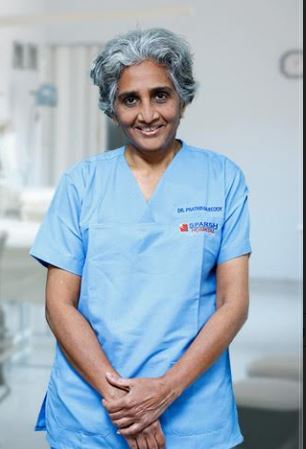
Are you an expecting Mom? While the joy of impending motherhood is certainly exciting, there’s important information to be aware of as you embark on this incredible journey. Preeclampsia is a syndrome that manifests during pregnancy, characterized by elevated blood pressure and signs of organ damage, typically affecting the heart, liver, and kidneys. This condition is usually identified after the 20th week of pregnancy and can impact both the expectant mother and the developing foetus.
Preeclampsia can be tricky to detect and one should be extra cautious of the symptoms and should not ignore even a small sign of it. Talking openly with the doctor will certainly help to manage the condition positively to ensure maximum protection for the baby and mother, says Dr. Prathima Reddy, Director & Lead Consultant, Department of Obstetrics and Gynaecology, SPARSH Hospital, Bangalore.
#Signs and Symptoms:
o Watch out for increased blood pressure (hypertension) often with headaches and visual disturbance.
o There can be swelling of hands and face or sudden weight gain.
o Continuous nausea or vomiting may imply severe preeclampsia.
#Risk Factors:
o These include having a family history of preeclampsia.
o Take heed if you are pregnant with twins or more, as well as if you are suffering from a previously existing illness (high blood pressure, diabetes, kidney disease and the like).
#Complications:
o The two incidences that come along with it are premature birth and low birth weight of the baby
o In severe instances, it may progress to eclampsia, marked by seizures, thereby posing serious risks to the mother’s life.
#Regular Prenatal Check-ups:
o Regular check-ups will help the physician monitor your blood pressure and preeclampsia symptoms during your visits.
o If preeclampsia is detected early chances are higher for both mother and baby to have a better prognosis.
#Lifestyle Modifications:
o To be in good health, it is necessary to have a balanced diet, especially fruits and vegetables and whole-grain products.
o Engage in physical activity under your physician’s supervision. This could involve following a recommended exercise routine tailored by your doctor.
o Stressed out? Try breathing deeply or signing up for prenatal yoga classes.
#Know When to Seek Help:
o Do not wait, call your doctor immediately if you notice any symptoms that could be worrying
o Preeclampsia can only be effectively managed through emergency medical attention.
#The Power of Support:
Have open conversations with your healthcare team, partner, and family regarding your concerns and the experiences you’ve encountered in this matter.
When a woman is aware of preeclampsia, she is empowered to take proactive steps to ensure the safe and healthy birth of her baby. In the exciting journey of motherhood, the path ahead is one of upward progress. Knowledge is key, so stay informed, remain vigilant, implement lifestyle adjustments, and approach pregnancy with confidence.
15, Feb 2024
Supporting the Diagnosis of Bone-related Diseases, FUJIFILM India Installs an Advanced DEXA Machine in Delhi
New Delhi, 15 February 2024: FUJIFILM India, a pioneer in diagnostic imaging solutions, has announced the installation of its powerful Dual-Energy X-ray Absorptiometry (DEXA) machine “FDX Visionary-DR” at the grand inauguration of the Center for Sports Injury in Delhi. The event took place on the 11th of February with the honourable dignitaries from centre alongside the presence of top sporting icons. The Center for Sports Injury is the premier sports health and wellness facility that specializes in Orthopedics, Sports Surgery, Sports Medicine, Sports Imaging, Sports Physiotherapy, Rehabilitation, Fitness and Counseling. The initiative aims to deliver high-quality and fast bone-density scans, commonly known as DEXA scans, to diagnose bone-related health conditions or evaluate the risk of developing such problems. With its innovative machinery, FUJIFILM India endeavors to make excellent diagnostic capabilities accessible to bone densitometry practitioners nationwide.
Bone-related health diseases such as osteoporosis are widespread in India, with estimates indicating that 61 million individuals suffer from this condition. Furthermore, the incidence of osteoporosis tends to occur 10 – 20 years earlier here, in comparison to Western countries. Tackling this, the bone densitometry scan serves as an effective tool to accurately predict the chances of fractures or abnormalities in the upcoming years. FUJIFILM India’s FDX Visionary-DR machine delivers a complete diagnostic experience with a wide range of applications and routine examinations for Orthopedics, Pediatrics, Lateral Spine, Morphometry and Whole Body. It features a breakthrough 3D-DXA technology that uses routine bone-mineral-density images to create 3D models of the femur, bringing in new information about bone structure for accurate diagnosis and adapted treatment procedures. Based on a 4-line, 64-element multi-array detector, the machine’s remarkable 2D Fan Beam is designed to provide the highest image resolution for a precise diagnosis and perform quick 15-second assessments per site, making it one of the most powerful solutions available in the market. Additionally, it offers advanced fat, muscle and lean medical parameters through its BODY COMPOSITION tool which is essential in sports medicine, weight management and medical practice fields.
“In India, the growing prevalence of bone-related health conditions highlights the urgent need for preventive measures in healthcare. As a leader in diagnostic imaging solutions, FUJIFILM India recognizes the critical role of early detection and timely intervention in mitigating the impact of bone-related diseases on patients and society as a whole. Thus, we are proud to introduce this FDX Visionary-DR machine in Delhi as it possesses the potential to revolutionize the bone health-related diagnostic imaging segment. Through breakthrough imaging technologies, strategic partnerships and awareness drives, our mission is to effectively diagnose, treat and manage bone health conditions and pave the way towards a healthier future for India” said, Mr. Chander Shekhar Sibal, Vice President & HOD, Healthcare Business, FUJIFILM India.
Osteoporosis occurs due to excessive bone loss, insufficient bone formation or a combination of both factors. Consequently, bones become weak, making them susceptible to fractures even from minor accidents or from everyday actions like sneezing or bumps in severe cases. Addressing this, dual-energy X-ray absorptiometry or DEXA scans measure bone loss by utilizing a minimal dose of ionizing radiation to generate images of internal body structures such as the hip, spine and forearm. It also helps with the periodic monitoring of body fitness parameters like densitometry and body composition analysis, examining the density of peripheral central body parts as well as visceral and subcutaneous fat analysis.
Dr Pushpinder – an eminent figure with over 30 years of Experience in the field of Sports Medicine, Joint Replacement Surgery & Arthroscopic Surgery (KEYHOLE SURGERY) nationally & internationally while embracing the meaningful installation said, “The alarming estimate of millions suffering from bone-related conditions like osteoporosis highlights a pressing issue which is affecting the quality of life across the nation. Also, the fact that these critical diseases tend to occur earlier in India, necessitates urgent attention to preventive care and supporting action to improve the situation. So, we take great pride in welcoming this sophisticated DEXA machine, courtesy of FUJIFILM India, at our facility to deliver reliable diagnostic services in Delhi and help communities lead a healthier life.”
FUJIFILM India reaffirms its commitment to reshaping India’s healthcare sector with the exceptional FDX Visionary-DR machine, equipping medical professionals with future-ready diagnostic technologies to provide crucial and urgent patient care.
15, Feb 2024
NTPC to set up patient-attendant waiting facility at AIIMS under CSR
The country’s largest power generation company, NTPC Ltd has signed an Agreement with All India Institute of Medical Sciences (AIIMS), New Delhi, on 13th February 2024 to set up a “Patient – Attendant Waiting facility/Shelter” in AIIMSThe proposed facility/shelter will facilitate and accommodate approx. 1,000 patients and their attendants every day 24×7. The facility/Shelter will have separate and specific need-based spaces for men, women, and the physically challenged and equipped with CCTVs, drinking water, a centralized pantry hall, etc. This basic facility will provide security, personal safety & protection from the weather and
also helps patients & their escorts to ease stress apart from providing privacy & safety.
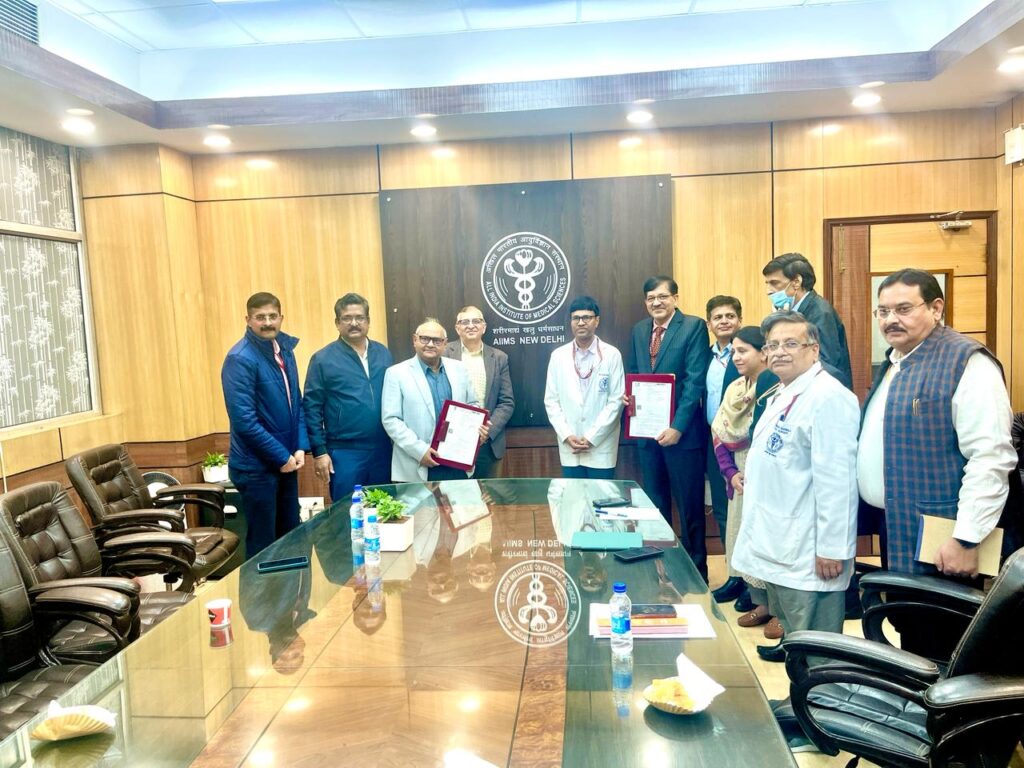
Dr. M Srinivas, Director, on behalf of AIIMS New Delhi, and Shri Upendra Mishra, DGM(CSR), CC on behalf of NTPC signed the agreement in the August presence of Shri Neeraj Kapoor, GM(CSR/R&R/LA), NTPC, Senior Doctors from AIIMS, New Delhi and other staff. This collaboration marks a significant milestone in NTPC‘s Corporate Social Responsibility (CSR)efforts, aiming to enhance healthcare infrastructure and support patient welfare.
15, Feb 2024
Wockhardt Hospitals, Mumbai Central organised Painting Competition on International Epilepsy Day to spread awareness on Epilepsy
Mumbai, February 15, 2024 – Wockhardt Hospital, Mumbai Central, in a commendable effort to raise awareness about epilepsy, organized a vibrant painting competition on the occasion of International Epilepsy Day. The event, held on February 13, 2024, witnessed enthusiastic participation from hospital nurses, doctors, and paramedical staff, who showcased their artistic talents while advocating for epilepsy awareness.
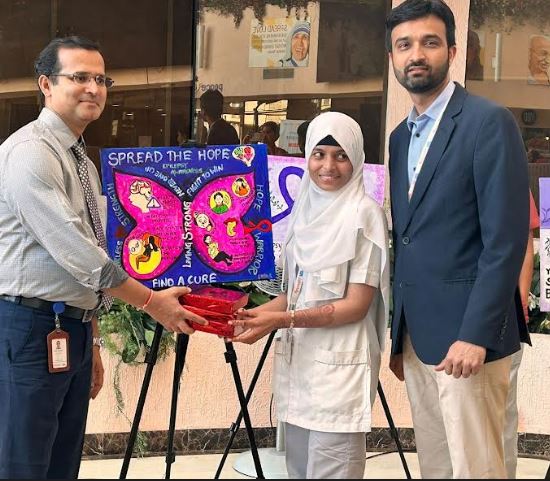
The theme of the competition, “Epilepsy: Breaking Barriers, Inspiring Hope,” aimed to foster understanding and compassion for individuals living with epilepsy, as well as to dispel myths and misconceptions surrounding the condition. Participants were encouraged to express their creativity and insights through their artwork, conveying messages of support, empowerment, and education.
As a neurologist deeply committed to enhancing epilepsy awareness, I am heartened by the remarkable creativity and dedication displayed by our hospital staff in today’s painting competition. Through their artwork, they not only express empathy and solidarity with individuals affected by epilepsy but also contribute significantly to breaking down barriers and fostering understanding. Events like these are essential in our collective effort to create a more inclusive and supportive community for those living with epilepsy.” Said Dr. Prashant Makhija, Consultant Neurologist at Wockhardt Hospitals, Mumbai Central
The competition saw a diverse array of artistic expressions, ranging from poignant portrayals of personal experiences with epilepsy to colorful representations of hope and resilience. Each artwork served as a powerful testament to the creativity and compassion of the hospital staff, as well as their dedication to raising awareness about epilepsy.
The event concluded with an exhibition of the artwork, providing an opportunity for hospital staff and visitors to admire the creativity and passion displayed by the participants. Wockhardt Hospital, Mumbai Central, reaffirmed its commitment to supporting initiatives that promote health education and community engagement, with plans for future events aimed at raising awareness about various health issues.
15, Feb 2024
Ruby Hall Clinic expands Critical Care Services with New ICU
Mumbai/Pune: Ruby Hall Clinic inaugurates its latest addition: a cutting-edge Intensive Care Unit (ICU), further strengthening its position as a leader in critical care medicine. This new facility, featuring 12 beds, including 2 private ones, marks a significant enhancement to the hospital’s existing critical care infrastructure.

The inauguration of the new ICU was made possible through the generous philanthropy of Maharookh and Farrokh N Cooper of Cooper Corporation. The Coopers, esteemed philanthropists, have consistently demonstrated their commitment to healthcare advancement at Ruby Hall Clinic, contributing significantly to various initiatives, from donating ambulances to upgrading the NTU to supporting pediatric cardiac surgeries in underserved populations. In the last four years alone close to 100 children have undergone life-changing cardiac surgeries.
Mr. Farrokh N. Cooper, Chairman and Managing Director, Cooper Corporation Pvt. Ltd said, “I am honored to contribute towards the enhancement of Critical Care Services at Ruby Hall Clinic, Pune. In times of need, it is crucial to strengthen our healthcare infrastructure. My heartfelt appreciation to Ruby Hall Clinic for their unwavering commitment to providing exceptional healthcare. Together, let us strive for a healthier and more resilient community.”
Dr. P.K. Grant, Chairman and Managing Trustee, of Ruby Hall Clinic said, “Ruby Hall Clinic is thankful to have individuals like the Coopers, whose unwavering commitment to philanthropy has left an indelible mark on our institution. Through their diverse and generous contributions, ranging from essential medical equipment to vital support for vulnerable populations, they have transformed the way we deliver care.”
14, Feb 2024
The Revolutionary Effect of Tele-Delivered Training on Reducing PCOS Symptoms
Dr.Jeslin.G.N (PT), Lecturer at Saveetha College of Physiotherapy, Chennai, MPT (Urology and Obstetrics), (PhD) Department of Urology and Obstetrics,
Saveetha College of Physiotherapy, SIMATS, Chennai
Telemedicine has revolutionized the healthcare industry, particularly in treating complex diseases like Polycystic Ovary Syndrome (PCOS). Despite the disease’s uncurable nature, effective management techniques can improve quality of life. Tele-delivered training offers a convenient method for people to control their symptoms from the comfort of their homes, enhancing their quality of life.
Convenience and Accessibility
Programs for tele-delivered training are exceptionally practical and readily available, bypassing both location as well as time limitations. There is no longer a requirement for participants to frequently make trips in person to healthcare institutions since they may get professional assistance and assets remotely. This ease of use guarantees that people receive regular assistance and education wherever they are, which is especially helpful for those with busy schedules or little availability of specialized care.
Individualized Method
The capacity of tele-delivered training to offer individualized support catered to each participant’s particular needs is one of its main advantages. Medical professionals can evaluate each patient’s symptoms, lifestyle, and needs via collaborative meetings and online discussions in order to create customized therapy regimens. Since they feel personally involved in handling their PCOS, participants are more engaged and stick to the treatment thanks to this customized approach.
Knowledge and Self-determination
Tele-delivered learning programs focus on independence and self-management, providing individuals with the necessary information and skills to manage PCOS symptoms. These classes cover stress management, medication management, nutrition, and exercise regimens, promoting informed decision-making and self- management, enhancing overall wellness and achieving better achievements.
Community Assistance
Remote instruction fosters camaraderie among individuals facing similar challenges, promoting interaction and support through social media networks, online forums, and virtual assistance circles. This empathy can reduce feelings of isolation and provide emotional support during PCOS management.
Conclusion
Tele-delivered training is a revolutionary approach to PCOS treatment, offering individualized assistance, community involvement, and availability. As technology advances, telemedicine will become increasingly important, enhancing healthcare delivery and improving PCOS patients’ lives.


