


18, Nov 2023
Unveiling the Vision Revolution: Artificial Intelligence Takes Center Stage in Combating Diabetic Retinopathy, A Global Health Imperative
. AI is revolutionizing disease detection through image-based screening for conditions like diabetic
retinopathy, age-related macular degeneration, glaucoma, and more
. 27.0% of diabetic patients suffer from diabetic retinopathy, resulting in around 0.4 million cases
of blindness worldwide
Mumbai, 18 November 2023: Diabetes Mellitus (DM) continues to be a pervasive health challenge worldwide, with countries grappling to address its staggering impact. Among the many complications arising from diabetes, Diabetic Retinopathy (DR) stands as a significant concern. This condition affects the blood vessels in the retina, often leading to vision loss and, in severe cases, blindness.
Recent statistics reveal the severity of this issue: globally, an estimated 27.0% of diabetic patients suffer from diabetic retinopathy, resulting in around 0.4 million cases of blindness worldwide. Alarmingly, diabetes is the primary cause of blindness among adults aged 20 to 74. Key risk factors contributing to DR include the duration of diabetes, uncontrolled blood sugar levels, hypertension, dyslipidemia, nephropathy, obesity, age, and gender.
“The awareness regarding diabetic retinopathy and associated visual complications varies significantly across different regions. Studies in India report a wide range of awareness levels, varying from 16.1% to 71.3%. This disparity emphasizes the critical need for standardized education and awareness programs targeting diverse communities.” Said Dr. T S Sujatha, General Ophthalmologist and Cataract Surgeon, at Dr. Agarwals Eye Hospital.
Early detection remains pivotal in managing diabetes-related complications. Timely identification of blood sugar irregularities allows for proactive steps to prevent irreversible damage to vital organs such as the heart, kidneys, nerves, blood vessels, and eyes.
The American Diabetes Association (ADA) underscores the importance of regular eye examinations for both type 1 and type 2 diabetes patients. For type 1 diabetes, an eye exam within five years of diagnosis is recommended, while individuals with type 2 diabetes should undergo their first eye exam at the time of diagnosis.
She further added, “Advancements in detecting diabetic retinopathy have been promising, including automated screening, optical coherence tomography, laser treatment, and pharmaceutical interventions like vascular endothelial growth factor inhibitors. Notably, the integration of artificial intelligence (AI) has opened new frontiers in medicine. AI-based technologies show promise in mass screening, early diagnosis, and accurate prognosis prediction. AI, a simulation of human intelligence by machines, involves the exposure of systems to databases for learning and subsequent improvement. Neural networks and complex algorithms enable AI systems to analyze vast amounts of data, resembling the cognitive abilities of humans.”
In ophthalmology, AI is revolutionizing disease detection through image-based screening for conditions like diabetic retinopathy, age-related macular degeneration, glaucoma, and more. Technologies like
Scikit-learn in Python programming and various commercially available software are being employed for diabetic retinopathy detection.
Furthermore, adopting a proactive approach to managing diabetes and preventing diabetic retinopathy is crucial. Strict glycemic control, hypertension management, lipid level regulation, regular exercise, and lifestyle modifications are recommended preventive measures. Regular eye exams and compliance with healthcare provider recommendations remain pivotal in averting vision loss.
Combating diabetic retinopathy requires a comprehensive approach, blending advanced technologies like AI with widespread awareness and proactive healthcare strategies. Through collective efforts, early detection and intervention can significantly reduce the burden of sight-threatening retinopathy, offering hope to millions affected by this global health crisis.
- 0
- By Rabindra

18, Nov 2023
Dr. Tushar Palve’s Mission Possible! Best healthcare for women
Mumbai: Covid; post-abuse trauma; breast cancer; complicated pregnancy & risky childbirth; a woman faces serious life-threatening health issues all the time. A good doctor can always help manage these peculiar health problems in women. Dr. Tushar Tatyaba Palve, superintendent of the Cama and Albless Hospital, is on a mission to provide that much-needed expert help to innumerable women patients in and around the Mumbai Metropolitan Region. He’s relentlessly pursuing his mission to ensure good health for women even before the pandemic struck us.
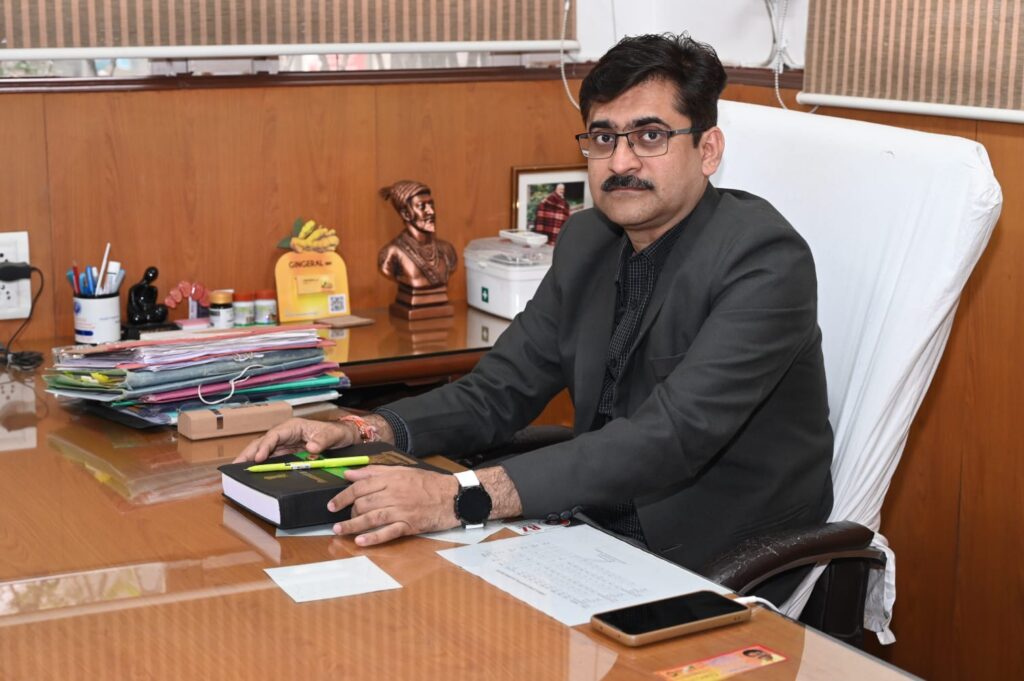
Dr. Tushar Palve was appointed as the Superintendent of the Cama & Albless Hospital in March 2020 during the first wave of the Corona pandemic. As a head of the hospital and nodal officer for COVID-19, Dr. Tushar Palve went beyond the call of duty to ensure the successful treatment of about 1600 Covid patients and 60 COVID-19-infected babies with a mortality rate of a mere 0.06 percent. So much was his dedication that he was personally collecting the samples on swabs for RTPCR at Cama Hospital’s Smart OPD! Some of Dr Tushar’s commendable contributions include setting up the first HDU at the hospital, a separate oxygen plant for COVID patients, a dedicated centralized oxygen supply to every bed, and a bio-medical waste converter.
Vaccination was a critical element in winning the war against Covid. Dr Tushar Palve led from the front here as well and conducted a whopping 75 vaccination camps. The Covid Vaccination Center (CVC) vaccinated close to 1.40 lakh citizens over a period of time, thus ensuring safety for all.
In the next important step, Dr. Tushar Palve targeted the rising breast cancer issue in MMR. Breast cancer can be treated successfully if detected at an early stage. Dr Tushar Palve conducted breast cancer awareness sessions and screening camps at remote areas of Thane, Palghar, Shahapur, and underprivileged areas of Mumbai. About 430 women were screened and a whopping 20% of them had breast cancer! Thankfully they could start the treatment immediately. The screening and awareness camps are also being held at various Government offices, banks, court premises, and rural areas. These are important and helpful for women who cannot access or afford mammography and other related tests.
One of the most important and modern aspects of women’s healthcare is trauma care. Recently, Dr. Tushar Palve started a One Stop Crisis (OSC) center at Cama Hospital. The OSC focuses on providing a safer and more comfortable environment for survivors of gender-based violence. It is the first such center in a women’s hospital in Mumbai. The OSC has been set up under the Central Government’s Nirbhaya Fund. The OSC will have five beds apart from access to counselors and lawyers to assist the victims of domestic abuse. Apart from this Dr Tushar Palve led the renovation and modernization of all wards at the Cama Hospital over a period. This directly benefits the patients who get access to the latest healthcare infrastructure at the Cama hospital.
Dr. Tushar Palve also has a green thumb – he has created a Miyawaki forest within the limited space of the Cama hospital with the help of Keshav Srushti, an NGO. This Miyawaki forest is now home to a whopping 125 species of flora and fauna. The total number of trees planted and happily growing in this forest is over 8500! More importantly, this forest is maintained with great love by the authorities involved.
Dr Tushar Palve has also published several research papers on COVID-19 patient management at national and international conferences. Dr Tushar Tatyaba Palve has received awards from the Government of Maharashtra as well as Kerala for his great work.
18, Nov 2023
With the focus on customer health, Simpli Namdhari’s launches ‘Choose Goodness’ to create awareness about safe-to-consume fruits & veggies
Bengaluru, India, November 18, 2023: Simpli Namdhari’s, India’s only 100% vegetarian omnichannel retailer launched the ‘Choose Goodness’ campaign across social media and in-stores, to raise awareness of foods that are safe to consume and educate customers on what goes into cultivating fruits and vegetables. Simpli Namdhari launched the campaign amidst growing concerns among consumers regarding the presence of toxic heavy metals in fruits and vegetables shelved at major retail outlets in Bengaluru.
The Choose Goodness campaign aims to bust myths surrounding the cultivation methods of most produce found in local stores and supermarkets. Given India’s low consumption of healthy fruits and vegetables compared to other plant-based products, Simpli Namdhari aims to also create awareness about the role of superfoods like exotic produce in bridging the nutrition gap and improving customer health. Additionally, Simpli Namdhari will introduce customers to its seed-to-plate model, emphasizing its commitment to quality control across the supply chain.

“Most customers have no idea how the fruits and vegetables available at their neighborhood kirana or supermarket are cultivated — Whether it is safe to consume or harmful. It’s largely because retailers procure their produce through a scattered supply chain. Now more than ever, there’s a need to create more awareness among customers about where the food really comes from, the potential impact on their health and the role retailers play in educating customers about it,” said Gurmukh Roopra, CEO, of Namdhari’s Group.
With a focus on customer health and well-being, Simpli Namdhari has taken steps to ensure all fruits and vegetables including exotic produce, served at its stores, are safe to consume. The company gets its fruits and vegetables tested every quarter by an NABL-certified third-party lab, where checks are conducted under 40 different categories. Fruits and vegetables shelved at Simpli Namdhari’s have been certified with an A+ Grade and follow the BRCGS food standards and GAP Protocol for field operations to test produce.
Namdhari’s Group cultivates crops at its farm in Bidadi or contracts the cultivation to farmers who use Namdhari’s Seeds and prescribed cultivation methods to produce the best-quality fruits and vegetables. Maintaining quality is a top priority, as the produce is not only shelved at Simpli Namdhari’s stores but also exported. In 2023 alone, Namdhari exported over 1,000 MT of fresh fruits and vegetables to the UK, Europe & Australia where every single shipment passed clearance of the highest quality.
17, Nov 2023
Six hours’ reconstructive surgery at Medica restores amputated finger after lift mishap
Kolkata, 17th November 2023: Medica Group of Hospitals, the leading healthcare chain in Eastern India, reaffirms its unwavering dedication to delivering exceptional medical care through the successful completion of a complex reimplantation surgery at its flagship facility in Kolkata. The intricate procedure was skillfully performed by the esteemed Plastic Surgeon, Dr. Akhilesh Kumar Agarwal, Consultant, Department of Plastic Surgery, Medica Superspecialty Hospital.
Sahil Kumar Paul, a 23-year-old male from Narendrapur, South 24 Parganas, West Bengal, experienced a traumatic incident where his little finger was accidentally amputated after getting caught in the doors of a lift. Acting swiftly, Sahil’s family contacted Medica Superspecialty Hospital, and with the guidance received, the family preserved the amputated part and arrived at the emergency department around 11 pm on Monday, 30th October 2023. Dr. Akhilesh Kumar Agarwal assessed his condition and led him through a complex surgery, around 12:30 am that same night, the surgery began, and it took more than six hours to reimplant the finger.
The finger was meticulously reimplanted, with all structures correctly reunited. K wires were used to fix the bone. A critical part of the treatment was the restoration of blood circulation through the blood vessels measuring smaller than 1 mm.
Sahil Kumar Das, employed at a BPO, shared his experience, and stated, “On the evening of 30th October, as I was returning from work, I had the accident in my apartment’s elevator around 8:45 PM. Enduring considerable pain, I was rushed to Medica with the preserved portion of my injured finger, where my surgery commenced at midnight. I was discharged on 5th November. I just finished my first weekly review with Dr. Agarwal and expect the plaster to be removed by next week. I can resume my routine activities in about eight weeks. I express my heartfelt gratitude to Dr. Agarwal and the entire Medica team for their swift response and support.”
Dr. Akhilesh Kumar Agarwal expressed his satisfaction with the outcomes, stating, “The success of this surgery highlights the importance of prompt action in such cases. We are pleased with the positive progress of Sahil. I would like to share for general awareness that in such accidents, there is often doubt regarding the appropriate procedure for transporting the patient to a medical facility. The initial step involves carefully isolating the severed body part, cleansing it with water, and then placing it in a water-resistant bag stored with ice. Subsequently, addressing bleeding concerns entails the application of a pressure bandage to stop hemorrhage. Lastly, expeditious transportation of the patient to the hospital is crucial to ensure prompt medical intervention.”
Ayanabh Debgupta, Joint Managing Director, Medica Group of Hospitals, said, “That we could save the limb of a 23-year-old young professional is certainly worth applauding. Timely intervention by Dr. Agarwal & team has helped Sahil with the complex reimplantation.”
17, Nov 2023
L V Prasad Eye Institute (LVPEI) shines spotlight on refractive errors in children: the overlooked vision challenge
1. As part of the Children’s Eye Care Week (13-19 November), L V Prasad Eye Institute (LVPEI), through its dedicated Children’s Eye Care Centres across its network, organizes various activities to raise awareness about refractive errors in children.
2. Uncorrected refractive error is one of the leading causes of blindness worldwide; 20% of India’s total visually impaired population suffers from uncorrected refractive errors.
3. 1-3-5, Give Good Eye Sight: An eye examination at one, three, and five years is paramount to early diagnosis and treatment of refractive errors and other eye problems in Children.
4. LVPEI is organizing the Children’s Eye Care Walk on Sunday, 19th November 2023, at 7:00 am, starting from its Kallam Anji Reddy Campus, Banjara Hills, Hyderabad.
Hyderabad, November 2023: Refractive errors occur due to natural differences in eyeball sizes, affecting how we process the images. To understand it, we can imagine our eye as a camera and the retina as its film – refractive errors occur when the eye’s shape doesn’t let light focus correctly on this “film” at the back of the eyes. Types of refractive errors include Myopia (nearsightedness), hypermetropia (farsightedness), and astigmatism (eye focus well in one direction). Children with these conditions often struggle with basic daily tasks. They may experience frequent headaches, eyestrain, and fatigue while reading and may even develop squint as they adapt to the refractive errors.
Recent data underscores the global significance of uncorrected refractive errors, emerging as a leading cause of blindness. In India, this concern is starkly evident, with 20% of visually impaired individuals grappling with unaddressed refractive errors—an alarming statistic that demands urgent attention. Particularly, the escalating prevalence of Myopia paints a dire picture. Without proactive measures, projections indicate that nearly half of the world’s population (5 billion) will be affected by 2050. The gravity of the situation is further highlighted in urban India, where an anticipated 48% of children may battle Myopia by 2050, transcending mere vision concerns to crystallize as a looming public health crisis.
The reasons for the surge in refractive errors are complex. Genetics play a role, with a higher likelihood of Myopia if one or both parents have it. Environmental factors, such as prolonged near-work, excessive screen time, and insufficient outdoor activities, predispose one to Myopia. Exposure to dust and smoke can cause eye allergies, and constant eye rubbing can increase the risk of astigmatism. The impact of these conditions on children is profound. Children adapt to their blurred vision, adjusting to close-range activities and avoiding tasks that require sharp focus, affecting their academic performance and taking a toll on their psychological well-being.
Dr Rohan Nalawade, Pediatric Ophthalmologist at LVPEI Hyderabad, emphasizes the significance of recognizing tell-tale symptoms of refractive errors, urging immediate consultation with an eye specialist upon their observation. “These crucial indicators include reading or watching television at a close distance, experiencing difficulty in seeing the blackboard clearly at school, frequent headaches and eyestrain, and squeezing or squinting of the eyes. Ignoring these signs may compromise visual health, making early intervention imperative for optimal eye care.”
Diagnosis and Treatment of Refractive Errors:
Eye examinations at one, three, and five years are paramount to diagnosing and treating refractive errors early. Thankfully, refractive errors are treatable with simple solutions like glasses or contact lenses. But, regular follow-ups to check for changes in glass prescription, treatment of lazy eye, and treatment of progressive refractive errors are crucial to ensuring optimal vision.
The following preventive measures can help in preventing refractive errors in our children:
1) Manage Screen Time: We encourage you to balance screen use and physical activities. A safe amount of screen time varies by age. Indian Academy of Pediatrics recommends that children below two years should not be exposed to any screen. Further, exposure should be limited to one hour of supervised screen time per day for children between two and under five years of age and less than two hours per day for children 6-10.
2) Encourage Outdoor Time: Children spending at least 60 minutes outdoors daily reduce their risk of Myopia by over 14%. Therefore, ophthalmologists promote outdoor play for overall well-being.
3) Follow the 20-20-20 Rule: Break every 20 minutes of near work with a 20-second break, focusing on an object 20 feet away. It helps relieve eye strain and discomfort.
4) Optimal Reading Habits: Maintain a 15-inch distance and a 60-degree angle while reading. Ensure well-lit environments to prevent eye strain.
“Undiagnosed and untreated refractive errors can lead to delayed milestones in children and negatively impact their academic performance, participation in co-curricular activities, and social behavior. Children with Myopia are at a higher risk of developing retinal detachment, glaucoma, cataracts and other eye diseases. Some of these eye disorders can result in irreversible vision loss. Hence, it is the collective responsibility of families, teachers, doctors, healthcare organizations, and government to ensure children’s health and well-being,” says Dr Ramesh Kekunnaya, Head, Child Sight Institute, L V Prasad Eye Institute.
As part of Children’s Eye Care Week, LVPEI invites you to participate in the Children’s Eye Care Walk on Sunday, 19th November 2023, at 7:00 am, starting from its Kallam Anji Reddy Campus, Hyderabad. Join us in creating awareness; through timely diagnosis and treatment of refractive errors in children, we can give them a ‘Clear Vision for a Bright Future’.
16, Nov 2023
Health Concerns for Elderly People in Winter
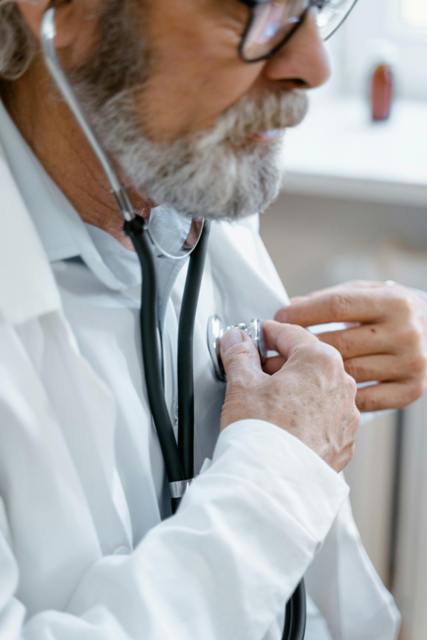
Elderly people, often referred to as seniors or older adults, are individuals who are typically aged 65 and older. This stage of life is characterized by various physical, psychological, and social changes.
Elderly individuals may face specific health concerns during the winter months. Here are some common issues and tips to address them:
Cold-related illnesses:
Hypothermia: Older adults are more susceptible to low body temperatures. Ensure they wear warm clothing, including layers, hats, and gloves, when going outside.
Frostbite: Protect extremities, such as fingers and toes, with warm clothing and limit exposure to extremely cold temperatures.
Respiratory issues:
Cold, dry air can exacerbate respiratory problems. Encourage the use of scarves or masks to warm and humidify the air before breathing it in.
Ensure proper ventilation in living spaces to prevent the buildup of indoor pollutants.
Slips and falls:
Ice and snow increase the risk of falls. Clear sidewalks and driveways of snow and ice promptly.
Encourage the use of proper footwear with slip-resistant soles.
Seasonal affective disorder (SAD):
Reduced sunlight during winter can contribute to depression. Encourage activities that bring in natural light and consider light therapy.
Monitor for signs of depression and seek professional help if needed.
Flu and respiratory infections:
The flu is more prevalent in colder months. Encourage vaccination and practice good hygiene, such as frequent handwashing.
Avoid close contact with sick individuals and crowded places.
Isolation:
Cold weather may discourage outdoor activities, leading to social isolation. Encourage regular social interactions, whether through visits, phone calls, or virtual connections.
Ensure the home is adequately heated to provide a comfortable living environment.
Chronic conditions management:
Cold weather can exacerbate chronic conditions like arthritis. Ensure proper management of medications and regular check-ups with healthcare providers.
Maintain a balanced diet and encourage physical activity suitable for their condition.
Dehydration:
Cold weather can contribute to dehydration as people may not feel as thirsty. Encourage regular fluid intake, even if they don’t feel thirsty.
Limit the consumption of caffeine and alcohol, as they can contribute to dehydration.
Medication management:
Ensure that medications are stored properly and are not exposed to extreme temperatures.
Regularly check medication supplies to avoid running out, especially if travel becomes difficult.
Emergency preparedness:
Prepare for power outages and have a plan in case of severe weather. Ensure access to essential supplies, medications, and emergency contacts.
It’s crucial for caregivers, family members, and neighbors to be vigilant and offer support to elderly individuals during the winter months, addressing both their physical and emotional well-being. Regular check-ins and assistance with daily tasks can go a long way in ensuring their health and safety.
16, Nov 2023
Ultimate Health Solutions Launches Innovative Product Line
Clearwater, FL, November 16, 2023: Ultimate Health Solutions, a trusted American brand dedicated to revolutionizing the health and wellness industry, proudly announces the release of an exciting range of cutting-edge products designed to enhance vitality and well-being.
These innovative additions include a probiotics yogurt maker, essential amino acids tablets and drink powders, amino complex tablets and drink powders, berberine, grass-fed beef organs, and male optimization products.
Ultimate Health Solutions is committed to providing its customers with the highest quality, science-backed, and all-natural products to support their journey to optimal health. Their new product offerings are a testament to this commitment.
Discover the Highlights of Ultimate Health Solutions’ New Product Line:
Probiotics Yogurt Maker: Their state-of-the-art probiotics yogurt maker is a game-changer in gut health. It has the remarkable ability to multiply any commercially available probiotic from billions into trillions of live cultures. With this device, health-conscious people can take control of their digestive health like never before. Optional accessories include 2 one-quart glass containers and additional yogurt jars sold separately.
Essential Amino Acids Tablets and Drink Powders: Crafted with precision, Ultimate Health Solutions’ essential amino acids products are designed to provide the body with the building blocks it needs for peak performance.
Amino Complex Tablets and Drink Powders: Their amino complex products are a powerhouse of essential nutrients, supporting muscle growth, energy, and overall wellness. They are also available in both tablet and drink powder form.
Berberine: Berberine has gained recognition for its potential to support heart health, regulate blood sugar, and promote overall wellness. Ultimate Health Solutions offers a premium-quality berberine supplement to help people take control of their health.
Grass-Fed Beef Organs: Packed with essential nutrients, their grass-fed beef organs are a rich source of vitamins, minerals and peptides, providing comprehensive support for the body’s wellness.
Male Optimization Product: Ultimate Health Solutions understands the importance of men’s health and well-being. Their male optimization product is carefully formulated to address specific needs, promoting vitality and peak performance.
What sets Ultimate Health Solutions apart is its unwavering commitment to providing products that are not only effective but also clean and natural. Their drink powders contain no chemical sweeteners, flavors, or dyes, and their amino tablets feature a certified organic coating without any binders.
15, Nov 2023
Vitamins Required for Our Body in Winter

Vitamins are essential organic compounds that play crucial roles in various physiological functions of the body. They are necessary for the proper functioning, growth, and maintenance of the body. Vitamins are classified into two main categories: water-soluble and fat-soluble.
In winter, it’s important to maintain a well-balanced diet to ensure you are getting essential vitamins and minerals to support your overall health. Here are some vitamins that are particularly important during the winter months:
Vitamin D:
Source: Sunlight is the primary natural source of vitamin D, but during winter, sunlight exposure may be limited. Good dietary sources include fatty fish (salmon, mackerel), egg yolks, and fortified foods (such as fortified milk and cereals).
Vitamin C:
Source: Citrus fruits (oranges, grapefruits), strawberries, kiwi, bell peppers, and broccoli are rich in vitamin C. It supports the immune system and helps the body absorb iron from plant-based foods.
Vitamin A:
Source: Sweet potatoes, carrots, spinach, kale, and other dark leafy greens are good sources of vitamin A, which is essential for maintaining healthy skin and mucous membranes, and for immune function.
Vitamin E:
Source: Nuts, seeds, spinach, and broccoli are rich in vitamin E. It acts as an antioxidant and helps protect cells from damage.
Vitamin K:
Source: Leafy green vegetables like kale, spinach, and broccoli are good sources of vitamin K. It is important for blood clotting and bone health.
B Vitamins (B6, B12, Folate):
Source: Whole grains, poultry, fish, eggs, and dairy products are good sources of B vitamins. They play a crucial role in energy metabolism, immune function, and nervous system health.
Zinc:
Source: Meat, dairy products, nuts, and seeds are good sources of zinc, which supports the immune system and helps with wound healing.
Iron:
Source: Lean meats, poultry, fish, beans, and fortified cereals are good sources of iron. Iron is important for preventing fatigue and supporting the immune system.
It’s important to obtain vitamins through a balanced diet, as the body either cannot produce them or produces them in insufficient amounts. Deficiencies or excesses of certain vitamins can lead to various health issues. While a diverse and balanced diet usually provides all the necessary vitamins, some people may benefit from supplements under the guidance of healthcare professionals.
Keep in mind that the information provided here is a general overview, and individual vitamin needs can vary based on factors such as age, sex, health status, and lifestyle.
Remember, it’s always best to get your nutrients from a varied and balanced diet. If you have specific dietary concerns or restrictions, consider consulting with a healthcare professional or a registered dietitian for personalized advice.
15, Nov 2023
HOSMAT Experience with International Cricket Tournaments in Bengaluru

Some key national and international cricket players who have been treated at HOSMAT during injury in international matches played in Bengaluru are Mohammad Hussain, SMH Kirmani, Lance Klusner, Andrew Flintoff, Nayan Mongia, John Wright, VVS Lakshman, Gautham Gambhir, R P Singh, Paul Collinwood, Javagal Srinath Venkatesh Prasad, Anil Kumble, Mohammed Azzaruddin, Sanjay Manjrekar, Sunil Joshi, Ajith Wadekar, Shikhar Dhawan, Manoj Prabhakar & many others. Moshrafe Mortaza the captain of the Bangladesh cricket team underwent a successful arthroscopic knee, ACL Ligament Arthroscopy in 2022 and is still good.
HOSMAT Hospital has covered the international cricket matches held in Bengaluru since 1994, in 15 test matches, 42 one-day international matches, 8 T-20 matches, and 3 world cups cricket that is in 1996, 2011 & 2023.
HOSMAT spelt fully reads as Hospital for Orthopaedics, SPORTS MEDICINE, Arthritis, and Accident Trauma. The founder of HOSMAT Hospital is Dr Thomas Chandy, is an experienced Orthopedic Surgeon (American Board Certified) and, he has a fellowship in Sports Medicine and Arthroscopy from the University of Oklahoma, US, and was working in the US for 16 yrs. Since 1993, the hospital is providing the Medical Services to the Karnataka State Cricket Association and playing a major role in treating, and rehabilitation of injured players national and international
The hospital is fully equipped and has handled various Indian and International players injuries, the hospital has a State of Art Physiotherapy dept to treat players. The Hospital can boast of the best equipment for sports-related injuries and is the closest hospital to the stadium and to the team hotel.
It has Specialists & 2 Neuro Surgeons, 250 beds, and 12 OTs. It also has a high-resolution MRI, CT scanner, Ultra Sound X-ray Fluoroscopy (C- Arms), which is available 10 minutes from the stadium.
At the Chinnaswamy stadium, doctors and staff from the hospital are stationed in the Players’ Medical Room (PMR) with 2 consultants in Orthopaedics and Emergency Medicine, One anaesthesia consultant. Well qualified Staff nurses and attenders.
The hospital also provides all the emergency equipment, which gives an immediate X-ray image and like a Portable digital x-ray machine, ours is the only in the world to have this, which are needed during the matches, a Portable Ventilator, Oxygen cylinders, Defibrillator, Cardiac Monitor, Pulse oximeter, and other basic equipment’s to check the BP and temperature. Suturing sets, Dressing sets, Splints of various sizes and Knee brace, spine braces arm slings, hand splints, etc.,
On the match day, 5 staff are on the ground near the boundary line and these staff are stationed to attend emergencies in the playing arena. This team is comprising of One Emergency Medicine specialist and Four trained Paramedics/Stretcher bearers well trained in trauma care/emergency department. As per the ICC guidelines, Drs and Staff are equipped with Spine Board and Cervical Collar of different Sizes. Intubation set, Laryngoscope, Defibrillator, Oxygen Cylinder 0f 10 L, Ambu bag. In the medical room, adjoining to the ground is one senior orthopaedic surgeon and one anaesthetist.
AMBULANCES:
The Hospital also provides 2 Advanced Cardiac Life Support Ambulances (ACLS) meant only for players.
These ACLS ambulance is manned by one trained paramedic along with a qualified nurse and a driver.
The hospital also provides Basic Life Support (BLS) with a dedicated ambulance meant for the Senior Members of KSCA.
The Hospital is equipped with a Dexa Scan which determines the bone density fat distribution, and bone strength / bone density in the body. All the members of Indian Cricketers both Men and Women have undergone Dexa scan in the year 2018 and 2019. To name a few MS Dhoni, Virat Kohli, Rohit Sharma, and among Women Harmanpet Kaur, Mithali Raj… Based on the Dexa Scan report the nutritionist of the team will prescribe the diet to each player.
In a nutshell, the hospital is the best equipped to take of players Injuries & Medical problems at Chinnaswamy stadium during all the international matches and since 1993 it is giving the best services. The hospital has given the medical services at Chinnaswamy stadium for the three world cups 1996 quarterfinal match between India and Pakistan, 2011 for all the five the world cup matches played at Chinnaswamy both Men and Women, and now in 2023, the hospital is going to cover all the matches including the practice sessions. The hospital has also taken care of spectators’ cricket ball injuries during the international matches.
14, Nov 2023
Choose Food That Support Your Immune System During Winter
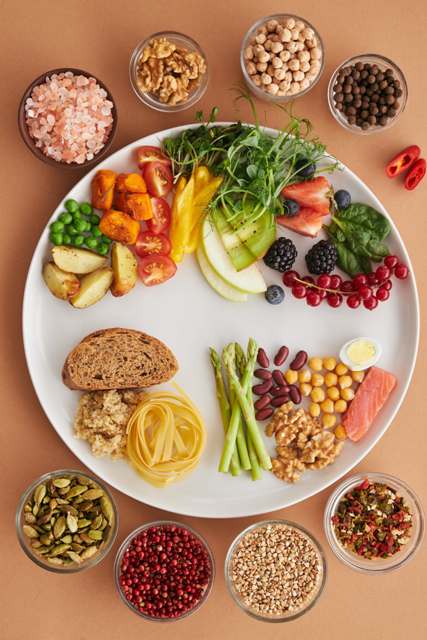
Food plays a crucial role in maintaining good health and well-being. The relationship between food and health is complex, as different foods provide various nutrients that our bodies need to function properly.
Winter foods can vary depending on cultural and regional preferences. These suggestions cover a range of options, so you can choose based on your personal taste and dietary preferences.
During winter, it’s important to choose foods that support your immune system, provide warmth, and offer essential nutrients. Here are some healthy food options for the winter season:
Winter Vegetables:
Incorporate hearty greens like kale, Swiss chard, and spinach into your meals. They can be added to soups, stir-fries, or enjoyed as a side dish.
Root vegetables like sweet potatoes, carrots, and beets.
Cruciferous vegetables such as broccoli, Brussels sprouts, and cauliflower.
Winter squash varieties like butternut and acorn squash.
Citrus Fruits:
Oranges, grapefruits, lemons, and tangerines are rich in vitamin C, which can help boost your immune system.
Berries:
While fresh berries may be less available in winter, you can opt for frozen berries, which retain their nutritional value. Berries are rich in antioxidants.
Dark Leafy Greens:
Spinach, kale, and Swiss chard are excellent sources of vitamins and minerals, including iron and calcium.
Nuts and Seeds:
Almonds, walnuts, chia seeds, and flaxseeds provide healthy fats, protein, and essential nutrients.
Whole Grains:
Quinoa, brown rice, oats, and barley offer complex carbohydrates and fiber, providing sustained energy.
Legumes:
Beans, lentils, and chickpeas are good sources of protein, fiber, and various vitamins and minerals.
Fatty Fish:
Salmon, mackerel, and sardines are rich in omega-3 fatty acids, which have anti-inflammatory properties.
Hot Soups and Stews:
Prepare soups and stews with a variety of vegetables, lean proteins, and whole grains. These can be both nourishing and comforting.
Herbal Teas:
Opt for warming herbal teas like chamomile, ginger, or peppermint, which can be soothing and help with digestion.
Spices:
Incorporate spices like cinnamon, ginger, turmeric, and garlic into your meals. These spices not only add flavor but also offer various health benefits.
Probiotic Foods:
Yogurt, kefir, and fermented foods like sauerkraut and kimchi can support gut health and boost your immune system.
Remember to stay hydrated by drinking an adequate amount of water throughout the day, even though it might be less tempting in the colder weather. Listen to your body and choose a variety of foods to ensure you’re getting a range of nutrients. Additionally, consider consulting with a healthcare professional or a nutritionist to ensure your winter diet meets your specific needs and health goals.


