


16, Nov 2023
Health Concerns for Elderly People in Winter

Elderly people, often referred to as seniors or older adults, are individuals who are typically aged 65 and older. This stage of life is characterized by various physical, psychological, and social changes.
Elderly individuals may face specific health concerns during the winter months. Here are some common issues and tips to address them:
Cold-related illnesses:
Hypothermia: Older adults are more susceptible to low body temperatures. Ensure they wear warm clothing, including layers, hats, and gloves, when going outside.
Frostbite: Protect extremities, such as fingers and toes, with warm clothing and limit exposure to extremely cold temperatures.
Respiratory issues:
Cold, dry air can exacerbate respiratory problems. Encourage the use of scarves or masks to warm and humidify the air before breathing it in.
Ensure proper ventilation in living spaces to prevent the buildup of indoor pollutants.
Slips and falls:
Ice and snow increase the risk of falls. Clear sidewalks and driveways of snow and ice promptly.
Encourage the use of proper footwear with slip-resistant soles.
Seasonal affective disorder (SAD):
Reduced sunlight during winter can contribute to depression. Encourage activities that bring in natural light and consider light therapy.
Monitor for signs of depression and seek professional help if needed.
Flu and respiratory infections:
The flu is more prevalent in colder months. Encourage vaccination and practice good hygiene, such as frequent handwashing.
Avoid close contact with sick individuals and crowded places.
Isolation:
Cold weather may discourage outdoor activities, leading to social isolation. Encourage regular social interactions, whether through visits, phone calls, or virtual connections.
Ensure the home is adequately heated to provide a comfortable living environment.
Chronic conditions management:
Cold weather can exacerbate chronic conditions like arthritis. Ensure proper management of medications and regular check-ups with healthcare providers.
Maintain a balanced diet and encourage physical activity suitable for their condition.
Dehydration:
Cold weather can contribute to dehydration as people may not feel as thirsty. Encourage regular fluid intake, even if they don’t feel thirsty.
Limit the consumption of caffeine and alcohol, as they can contribute to dehydration.
Medication management:
Ensure that medications are stored properly and are not exposed to extreme temperatures.
Regularly check medication supplies to avoid running out, especially if travel becomes difficult.
Emergency preparedness:
Prepare for power outages and have a plan in case of severe weather. Ensure access to essential supplies, medications, and emergency contacts.
It’s crucial for caregivers, family members, and neighbors to be vigilant and offer support to elderly individuals during the winter months, addressing both their physical and emotional well-being. Regular check-ins and assistance with daily tasks can go a long way in ensuring their health and safety.
- 0
- By Rabindra

16, Nov 2023
Ultimate Health Solutions Launches Innovative Product Line
Clearwater, FL, November 16, 2023: Ultimate Health Solutions, a trusted American brand dedicated to revolutionizing the health and wellness industry, proudly announces the release of an exciting range of cutting-edge products designed to enhance vitality and well-being.
These innovative additions include a probiotics yogurt maker, essential amino acids tablets and drink powders, amino complex tablets and drink powders, berberine, grass-fed beef organs, and male optimization products.
Ultimate Health Solutions is committed to providing its customers with the highest quality, science-backed, and all-natural products to support their journey to optimal health. Their new product offerings are a testament to this commitment.
Discover the Highlights of Ultimate Health Solutions’ New Product Line:
Probiotics Yogurt Maker: Their state-of-the-art probiotics yogurt maker is a game-changer in gut health. It has the remarkable ability to multiply any commercially available probiotic from billions into trillions of live cultures. With this device, health-conscious people can take control of their digestive health like never before. Optional accessories include 2 one-quart glass containers and additional yogurt jars sold separately.
Essential Amino Acids Tablets and Drink Powders: Crafted with precision, Ultimate Health Solutions’ essential amino acids products are designed to provide the body with the building blocks it needs for peak performance.
Amino Complex Tablets and Drink Powders: Their amino complex products are a powerhouse of essential nutrients, supporting muscle growth, energy, and overall wellness. They are also available in both tablet and drink powder form.
Berberine: Berberine has gained recognition for its potential to support heart health, regulate blood sugar, and promote overall wellness. Ultimate Health Solutions offers a premium-quality berberine supplement to help people take control of their health.
Grass-Fed Beef Organs: Packed with essential nutrients, their grass-fed beef organs are a rich source of vitamins, minerals and peptides, providing comprehensive support for the body’s wellness.
Male Optimization Product: Ultimate Health Solutions understands the importance of men’s health and well-being. Their male optimization product is carefully formulated to address specific needs, promoting vitality and peak performance.
What sets Ultimate Health Solutions apart is its unwavering commitment to providing products that are not only effective but also clean and natural. Their drink powders contain no chemical sweeteners, flavors, or dyes, and their amino tablets feature a certified organic coating without any binders.
15, Nov 2023
Vitamins Required for Our Body in Winter

Vitamins are essential organic compounds that play crucial roles in various physiological functions of the body. They are necessary for the proper functioning, growth, and maintenance of the body. Vitamins are classified into two main categories: water-soluble and fat-soluble.
In winter, it’s important to maintain a well-balanced diet to ensure you are getting essential vitamins and minerals to support your overall health. Here are some vitamins that are particularly important during the winter months:
Vitamin D:
Source: Sunlight is the primary natural source of vitamin D, but during winter, sunlight exposure may be limited. Good dietary sources include fatty fish (salmon, mackerel), egg yolks, and fortified foods (such as fortified milk and cereals).
Vitamin C:
Source: Citrus fruits (oranges, grapefruits), strawberries, kiwi, bell peppers, and broccoli are rich in vitamin C. It supports the immune system and helps the body absorb iron from plant-based foods.
Vitamin A:
Source: Sweet potatoes, carrots, spinach, kale, and other dark leafy greens are good sources of vitamin A, which is essential for maintaining healthy skin and mucous membranes, and for immune function.
Vitamin E:
Source: Nuts, seeds, spinach, and broccoli are rich in vitamin E. It acts as an antioxidant and helps protect cells from damage.
Vitamin K:
Source: Leafy green vegetables like kale, spinach, and broccoli are good sources of vitamin K. It is important for blood clotting and bone health.
B Vitamins (B6, B12, Folate):
Source: Whole grains, poultry, fish, eggs, and dairy products are good sources of B vitamins. They play a crucial role in energy metabolism, immune function, and nervous system health.
Zinc:
Source: Meat, dairy products, nuts, and seeds are good sources of zinc, which supports the immune system and helps with wound healing.
Iron:
Source: Lean meats, poultry, fish, beans, and fortified cereals are good sources of iron. Iron is important for preventing fatigue and supporting the immune system.
It’s important to obtain vitamins through a balanced diet, as the body either cannot produce them or produces them in insufficient amounts. Deficiencies or excesses of certain vitamins can lead to various health issues. While a diverse and balanced diet usually provides all the necessary vitamins, some people may benefit from supplements under the guidance of healthcare professionals.
Keep in mind that the information provided here is a general overview, and individual vitamin needs can vary based on factors such as age, sex, health status, and lifestyle.
Remember, it’s always best to get your nutrients from a varied and balanced diet. If you have specific dietary concerns or restrictions, consider consulting with a healthcare professional or a registered dietitian for personalized advice.
15, Nov 2023
HOSMAT Experience with International Cricket Tournaments in Bengaluru

Some key national and international cricket players who have been treated at HOSMAT during injury in international matches played in Bengaluru are Mohammad Hussain, SMH Kirmani, Lance Klusner, Andrew Flintoff, Nayan Mongia, John Wright, VVS Lakshman, Gautham Gambhir, R P Singh, Paul Collinwood, Javagal Srinath Venkatesh Prasad, Anil Kumble, Mohammed Azzaruddin, Sanjay Manjrekar, Sunil Joshi, Ajith Wadekar, Shikhar Dhawan, Manoj Prabhakar & many others. Moshrafe Mortaza the captain of the Bangladesh cricket team underwent a successful arthroscopic knee, ACL Ligament Arthroscopy in 2022 and is still good.
HOSMAT Hospital has covered the international cricket matches held in Bengaluru since 1994, in 15 test matches, 42 one-day international matches, 8 T-20 matches, and 3 world cups cricket that is in 1996, 2011 & 2023.
HOSMAT spelt fully reads as Hospital for Orthopaedics, SPORTS MEDICINE, Arthritis, and Accident Trauma. The founder of HOSMAT Hospital is Dr Thomas Chandy, is an experienced Orthopedic Surgeon (American Board Certified) and, he has a fellowship in Sports Medicine and Arthroscopy from the University of Oklahoma, US, and was working in the US for 16 yrs. Since 1993, the hospital is providing the Medical Services to the Karnataka State Cricket Association and playing a major role in treating, and rehabilitation of injured players national and international
The hospital is fully equipped and has handled various Indian and International players injuries, the hospital has a State of Art Physiotherapy dept to treat players. The Hospital can boast of the best equipment for sports-related injuries and is the closest hospital to the stadium and to the team hotel.
It has Specialists & 2 Neuro Surgeons, 250 beds, and 12 OTs. It also has a high-resolution MRI, CT scanner, Ultra Sound X-ray Fluoroscopy (C- Arms), which is available 10 minutes from the stadium.
At the Chinnaswamy stadium, doctors and staff from the hospital are stationed in the Players’ Medical Room (PMR) with 2 consultants in Orthopaedics and Emergency Medicine, One anaesthesia consultant. Well qualified Staff nurses and attenders.
The hospital also provides all the emergency equipment, which gives an immediate X-ray image and like a Portable digital x-ray machine, ours is the only in the world to have this, which are needed during the matches, a Portable Ventilator, Oxygen cylinders, Defibrillator, Cardiac Monitor, Pulse oximeter, and other basic equipment’s to check the BP and temperature. Suturing sets, Dressing sets, Splints of various sizes and Knee brace, spine braces arm slings, hand splints, etc.,
On the match day, 5 staff are on the ground near the boundary line and these staff are stationed to attend emergencies in the playing arena. This team is comprising of One Emergency Medicine specialist and Four trained Paramedics/Stretcher bearers well trained in trauma care/emergency department. As per the ICC guidelines, Drs and Staff are equipped with Spine Board and Cervical Collar of different Sizes. Intubation set, Laryngoscope, Defibrillator, Oxygen Cylinder 0f 10 L, Ambu bag. In the medical room, adjoining to the ground is one senior orthopaedic surgeon and one anaesthetist.
AMBULANCES:
The Hospital also provides 2 Advanced Cardiac Life Support Ambulances (ACLS) meant only for players.
These ACLS ambulance is manned by one trained paramedic along with a qualified nurse and a driver.
The hospital also provides Basic Life Support (BLS) with a dedicated ambulance meant for the Senior Members of KSCA.
The Hospital is equipped with a Dexa Scan which determines the bone density fat distribution, and bone strength / bone density in the body. All the members of Indian Cricketers both Men and Women have undergone Dexa scan in the year 2018 and 2019. To name a few MS Dhoni, Virat Kohli, Rohit Sharma, and among Women Harmanpet Kaur, Mithali Raj… Based on the Dexa Scan report the nutritionist of the team will prescribe the diet to each player.
In a nutshell, the hospital is the best equipped to take of players Injuries & Medical problems at Chinnaswamy stadium during all the international matches and since 1993 it is giving the best services. The hospital has given the medical services at Chinnaswamy stadium for the three world cups 1996 quarterfinal match between India and Pakistan, 2011 for all the five the world cup matches played at Chinnaswamy both Men and Women, and now in 2023, the hospital is going to cover all the matches including the practice sessions. The hospital has also taken care of spectators’ cricket ball injuries during the international matches.
14, Nov 2023
Choose Food That Support Your Immune System During Winter
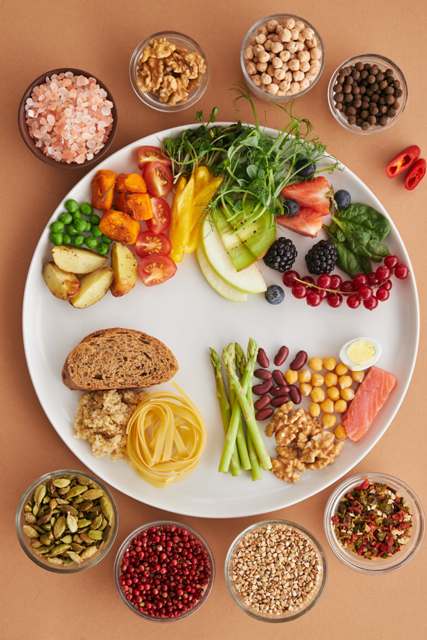
Food plays a crucial role in maintaining good health and well-being. The relationship between food and health is complex, as different foods provide various nutrients that our bodies need to function properly.
Winter foods can vary depending on cultural and regional preferences. These suggestions cover a range of options, so you can choose based on your personal taste and dietary preferences.
During winter, it’s important to choose foods that support your immune system, provide warmth, and offer essential nutrients. Here are some healthy food options for the winter season:
Winter Vegetables:
Incorporate hearty greens like kale, Swiss chard, and spinach into your meals. They can be added to soups, stir-fries, or enjoyed as a side dish.
Root vegetables like sweet potatoes, carrots, and beets.
Cruciferous vegetables such as broccoli, Brussels sprouts, and cauliflower.
Winter squash varieties like butternut and acorn squash.
Citrus Fruits:
Oranges, grapefruits, lemons, and tangerines are rich in vitamin C, which can help boost your immune system.
Berries:
While fresh berries may be less available in winter, you can opt for frozen berries, which retain their nutritional value. Berries are rich in antioxidants.
Dark Leafy Greens:
Spinach, kale, and Swiss chard are excellent sources of vitamins and minerals, including iron and calcium.
Nuts and Seeds:
Almonds, walnuts, chia seeds, and flaxseeds provide healthy fats, protein, and essential nutrients.
Whole Grains:
Quinoa, brown rice, oats, and barley offer complex carbohydrates and fiber, providing sustained energy.
Legumes:
Beans, lentils, and chickpeas are good sources of protein, fiber, and various vitamins and minerals.
Fatty Fish:
Salmon, mackerel, and sardines are rich in omega-3 fatty acids, which have anti-inflammatory properties.
Hot Soups and Stews:
Prepare soups and stews with a variety of vegetables, lean proteins, and whole grains. These can be both nourishing and comforting.
Herbal Teas:
Opt for warming herbal teas like chamomile, ginger, or peppermint, which can be soothing and help with digestion.
Spices:
Incorporate spices like cinnamon, ginger, turmeric, and garlic into your meals. These spices not only add flavor but also offer various health benefits.
Probiotic Foods:
Yogurt, kefir, and fermented foods like sauerkraut and kimchi can support gut health and boost your immune system.
Remember to stay hydrated by drinking an adequate amount of water throughout the day, even though it might be less tempting in the colder weather. Listen to your body and choose a variety of foods to ensure you’re getting a range of nutrients. Additionally, consider consulting with a healthcare professional or a nutritionist to ensure your winter diet meets your specific needs and health goals.
13, Nov 2023
Health Benefits of Natural Superfoods We Can Afford
The term “superfood” generally refers to nutrient-dense foods that are believed to offer exceptional health benefits due to their high concentration of beneficial nutrients, such as vitamins, minerals, antioxidants, and other compounds. However, it’s important to note that while certain foods are nutrient powerhouses, there’s no one-size-fits-all superfood, and a balanced diet is key for overall health.
“Superfoods” is a term used to describe nutrient-dense foods that are believed to offer exceptional health benefits. While there’s no official definition of a superfood, many natural foods are commonly considered to fit this category due to their high nutritional content.
There are several natural superfoods that offer impressive health benefits without breaking the bank. Here are a few:
Oats: They’re a fantastic source of soluble fiber, which helps with digestion, and they contain numerous vitamins and minerals.
Beans and Legumes: These are affordable sources of plant-based protein, fiber, vitamins, and minerals. They’re known to be great for heart health and managing blood sugar levels.
Leafy Greens (Spinach, Kale): Packed with vitamins, minerals, and antioxidants, they’re excellent for overall health. They’re versatile and can be used in various dishes.
Berries: While some berries can be pricey, options like frozen berries or seasonal varieties are often more affordable. They are rich in antioxidants and vitamins.
Eggs: A low-cost source of high-quality protein, eggs also contain essential nutrients like choline and various vitamins.
Legumes: Beans, lentils, and chickpeas are rich in fiber, protein, and essential nutrients.
Greek Yogurt: It’s a good source of probiotics, protein, and calcium. Opt for plain varieties without added sugar.
Sweet Potatoes: They’re rich in vitamins, minerals, and fiber, providing a healthy source of carbohydrates.
Nuts and Seeds: While some types can be a bit pricey, sunflower seeds, pumpkin seeds, and peanuts are often more budget-friendly. They provide healthy fats, protein, and various nutrients.
Garlic: Known for its immune-boosting properties, garlic is an affordable superfood that adds flavor to dishes.
Turmeric: A spice with powerful anti-inflammatory properties, it’s commonly used in many cuisines and is relatively inexpensive.
Incorporating these foods into your diet can offer a wide range of health benefits without straining your budget.
It’s also important to remember that while these foods are beneficial, a diet consisting of a variety of fruits, vegetables, whole grains, lean proteins, and healthy fats is crucial for overall health.
Always consult with a healthcare professional or a registered dietitian for personalized advice on nutrition and diet choices.
11, Nov 2023
Health Precautions to Take During Diwali Season

Diwali, the festival of lights, is a wonderful celebration but can also pose health challenges. The festivities often involve fireworks, which can lead to air and noise pollution, impacting those with respiratory issues or sensitivity to loud sounds. Additionally, indulging in rich sweets and treats during Diwali might not always align with a healthy diet. It’s essential to balance the enjoyment of traditional foods with moderation.
It’s a beautiful festival filled with joy and celebrations, but it also comes with some health risks, especially due to the use of firecrackers and the associated air and noise pollution. Here are some precautions to consider during the Diwali season:
Air Quality Precautions:
Avoid Firecrackers: Opt for eco-friendly ways to celebrate, like lighting diyas (lamps) or using eco-friendly crackers if necessary.
Stay Indoors: Especially during peak fireworks hours, stay indoors to reduce exposure to pollution.
Air Purifiers: Consider using air purifiers indoors to maintain better air quality.
Protect Your Ears:
Ear Protection: If you’re around firecrackers, consider wearing earplugs to protect your ears from the loud noises.
Fire Safety:
Keep Fire Safety Measures in Place: If you are lighting lamps or candles, ensure they are placed safely and away from flammable objects. Have fire extinguishers handy.
Supervise Children: If they’re handling fireworks, ensure they’re under adult supervision.
Eye Safety:
Protective Eyewear: If you’re handling fireworks, wear protective glasses to prevent eye injuries.
Pet Safety:
Comfort Pets: Many animals are frightened by the loud noises. Keep them indoors and create a safe space for them to reduce anxiety.
Healthy Eating:
Diet: Enjoy traditional Diwali treats in moderation. Opt for healthier versions of sweets or smaller portions.
Mindful Eating: With all the festive treats, try to balance your diet with healthy options and stay hydrated.
Physical Safety:
Mind Your Steps: Be cautious of any wires or debris from fireworks on the ground to avoid accidents.
Environmental Responsibility:
Eco-friendly Celebrations: Opt for eco-friendly decoration materials and minimize waste generation.
Respect Others:
Consider Neighbors: Be mindful of your neighbors who might not be celebrating and might be affected by the noise and air pollution.
Post-Diwali Clean-Up:
Dispose of Waste Responsibly: Dispose of used fireworks and other waste responsibly to keep the surroundings clean.
Diwali is a time for joy and togetherness, so prioritizing both enjoyment and well-being is key
By taking these precautions, you can enjoy the festivities of Diwali while ensuring your health and safety, as well as that of others and the environment.
10, Nov 2023
How to Take Care of Your Health in Winter

Winter brings its own set of health considerations. Colder temperatures can affect our bodies in various ways. Staying warm is essential to avoid issues like hypothermia and frostbite. It’s also common for people to experience seasonal affective disorder (SAD) due to reduced exposure to sunlight, which can impact mood and energy levels. Furthermore, the flu and colds tend to be more prevalent during the winter months due to people spending more time indoors and in close proximity to one another.
It’s crucial to take care of your health during this time. Dressing warmly, staying active, eating well, and maintaining good hygiene by washing hands frequently can all contribute to staying healthy during the winter. Additionally, ensuring you get enough vitamin D, either through diet or supplements, can help counteract the lack of sunlight. Emotional well-being is just as important, so finding ways to stay socially engaged and combat the winter blues can make a significant difference.
Taking care of your health in winter is crucial to stay well during the colder months. Here are some tips to keep yourself healthy:
Nutrition:
Balanced Diet: Focus on a balanced, nutritious diet with plenty of fruits, vegetables, lean proteins, and whole grains.
Vitamin Intake: Consider supplements like Vitamin D, as sunlight exposure might be reduced in winter.
Hydration: Stay hydrated even though you might not feel as thirsty as in hotter months.
Exercise:
Indoor Activities: Find indoor exercises that you enjoy, such as yoga, dancing, or home workouts.
Outdoor Activities: If weather permits, engage in outdoor activities like skiing, ice skating, or even brisk walks.
Hygiene:
Hand Hygiene: Maintain proper hand hygiene to prevent the spread of colds and flu.
Immune Support: Consider immune-boosting habits like getting enough sleep and managing stress.
Clothing:
Layer Up: Dress in layers to adapt to changing temperatures.
Protective Gear: Wear appropriate winter gear to protect against cold and wet conditions.
Skin Care:
Moisturize: Cold air can be harsh on the skin, so moisturize regularly.
Sunscreen: Don’t skip sunscreen even in winter to protect against UV rays.
Home Environment:
Heating: Keep your home warm but not too dry; consider using a humidifier to prevent dry air.
Cleanliness: Regularly clean and disinfect your home to prevent the spread of germs.
Health Check-ups:
Vaccinations: Ensure your flu shot and any other necessary vaccinations are up to date.
Regular Check-ups: Keep up with regular health check-ups to catch any issues early.
Mental Health:
Socializing: Keep in touch with friends and family to prevent feelings of isolation.
Self-Care: Prioritize self-care and take time for relaxation and stress management.
Taking care of your health in winter involves a combination of good nutrition, hygiene, exercise, and maintaining a healthy lifestyle. Remember, it’s about finding a balance that works for you and being mindful of your body’s needs during the colder months.
10, Nov 2023
Gut bacteria protects against diarrhoeal disease
Peer reviewed – Systematic review – people and animals
New Delhi, November 10, 2023: The severity of a diarrhoeal disease could be down to the bacteria in your gut – according to new research from the University of East Anglia.
Cryptosporidiosis is responsible for over 100,000 deaths annually – predominantly in children under five.
It also affects animals, and a new study published today shows that large animals – including primates – with less different kinds of bacteria in their gut are the more severely affected.
It reveals that introducing more diverse gut bacteria can improve outcomes – including reducing diarrhoea and the potential for the disease to spread.
The team, led by Prof Kevin Tyler at UEA’s Norwich Medical School, say that diet, probiotics and faecal transplant therapy could help target the disease by improving gut bacteria in people and animals.
Prof Tyler said: “The vast majority of infections and deaths happen in low-income countries, but outbreaks also occur in the UK and elsewhere in Europe.
“In the UK, the disease is currently re-emerging and cases this year are increasing dramatically, suggesting the disease is currently epidemic. There are no human vaccines and only one drug licensed for human use, which is not effective for many who are affected.
“So, understanding what that can improve outcomes is critical to tackling outbreaks.
“We wanted to know whether some of the variations in symptoms might relate to the make-up of an infected person or animal’s gut bacteria and whether that composition was in turn affected by having cryptosporidiosis.”
The team collected all studies that had looked at the composition of gut bacteria in mammals which were infected by cryptosporidium and for which the data had been made publicly available.
They compared these to answer questions about the significance of gut bacterial diversity and the effect of cryptosporidium infection.
Lead researcher Georgina Hurle, also from UEA’s Norwich Medical School, said: “The Cryptosporidium parasite is one of several microorganisms that cause diarrhoeal disease. It affects both babies and new-born livestock and it can be contracted either from animals or from people.
“Most people contracting cryptosporidiosis will recover naturally, but some people and animals will require treatment, suffer long-term consequences from the infection, and may even die.
“The severity of the disease is known to be affected by prior exposure, so adults are generally less severely infected and recover better.
“We found that more severely affected large animals such as cows, sheep and primates, have less different kinds of bacteria in their gut.
“We also found that having and even introducing more diverse gut bacteria can improve outcomes, reducing diarrhoea and potential for disease transmission.
“Gut bacteria composition can be affected by diet, by consumption of probiotics and pre-biotics and by therapies like faecal transplant therapy.
“Understanding the changes that accompany infections and outcomes provides an opportunity for such relatively affordable but novel therapies in targeting a disease for which very few interventions are currently available.
“This study is important in showing that these approaches may be effective at reducing disease severity in those affected and at-risk groups and populations.”
9, Nov 2023
How to Take Care of Your Dental Health at Home

Taking care of your teeth is crucial for overall health. Brushing your teeth twice a day, flossing, and regular dental check-ups can help prevent issues like cavities and gum disease. It’s also essential to watch your diet, as sugary foods and drinks can contribute to dental problems.
Taking care of your dental health at home is crucial for maintaining a bright smile and preventing dental issues. Here are some tips:
Brushing: Brush your teeth twice a day, in the morning and before bedtime. Use a fluoride toothpaste and a soft-bristled toothbrush. Brush for at least two minutes, covering all surfaces of your teeth.
Flossing: Floss daily to remove plaque and food particles between your teeth. This helps prevent cavities and gum disease.
Mouthwash: Consider using an antimicrobial or fluoride mouthwash to help kill bacteria and strengthen your teeth. However, it’s not a substitute for brushing and flossing.
Healthy Diet: Limit sugary and acidic foods, as they can contribute to tooth decay. Opt for a balanced diet rich in fruits, vegetables, and whole grains.
Hydration: Drink plenty of water throughout the day. Water helps rinse away food particles and keeps your mouth hydrated.
Replace Your Toothbrush: Change your toothbrush or toothbrush head every three to four months, or sooner if the bristles are frayed.
Protect Your Teeth: If you play sports or grind your teeth at night, consider wearing a mouthguard to protect your teeth from injury or damage.
Avoid Tobacco: Smoking and using tobacco products can contribute to gum disease and tooth decay. Quitting can significantly improve your oral health.
Regular Dental Check-ups: Even if you take excellent care of your teeth at home, regular dental check-ups are essential. Your dentist can catch potential issues early and provide professional cleanings.
Limit Alcohol and Caffeine: Excessive alcohol and caffeine intake can contribute to a dry mouth, which increases the risk of cavities. Moderation is key.
Remember, good oral hygiene at home, combined with regular dental check-ups, is the foundation for a healthy smile.


