


9, Nov 2023
XITE College Organizes Successful Free Eye and Vision Check-Up Camp
Jamshedpur, November 9, 2023 — XITE College, known for its commitment to
student welfare and community health organized a successful Free Eye and
vision check-up camp at its premises on November 7, 2023. The camp aimed to
provide essential eye care services to the college community, including students,
staff and faculty.
The event, which witnessed the participation of more than 100 individuals, was
enabled by ASG Eye Hospital, Jamshedpur, a leading name in eye care services.
Under the guidance and leadership of Mr. Ashish Singh, Head of Branding and
Communication at XITE College, the camp was efficiently organized and
coordinated.

Dr. Fr. Mukti Clarence, the Vice Principal of XITE College, lent his invaluable
support to the initiative, underscoring the institution’s commitment to the well–
being of its community. The camp wouldn’t have been successful without the
dedicated efforts of the support staff, including William Dungdung, Alban
Kerketta and Sarju Singh ensured a smooth and organized experience for
all participants.
The camp not only provided free eye and vision check-up services but also
raised awareness about the importance of regular eye check-ups and
maintaining good eye health. It reflected XITE College’s commitment to the
health and well-being of its students and staff.
XITE College continues to be a leader in community welfare and healthcare
initiatives, focusing on its mission to create a healthy and thriving environment
for all.
- 0
- By Rabindra

9, Nov 2023
Vedanta Sesa Goa’s Four-Week Health Check-up & Awareness Camp
Primary School Students in Bicholim Taluka Set to Benefit from Vedanta Sesa Goa’s Four-Week Health Check-up & Awareness Camp
Vedanta Sesa Goa’s Specialised Health Camp for students is poised to benefit about 500
students, residing in nearby communities, over the next month.
Goa, 9th November 2023: In line with its unwavering commitment towards the health & wellness of the communities, Vedanta Sesa Goa launched a health campaign covering over 500 primary school children in the Bicholim Taluka. The initiative is aimed at spreading awareness about myriad health-related aspects and providing guidance on healthy lifestyle & importance of physical activity. In its four-week duration, the initiative will cover 20 schools in Bicholim, Mayem, Mulgao, Pilgao, & Sirigao.
The inaugural health checkup was conducted at Govt. Primary School, Bhavkai, Mayem, which was well-received by the students, who willingly participated in the activity. The students were eager to learn more about various health-related aspects, that would help transform them into healthier individuals.
During the event, the Ms. Sneha Fadte, Principal, Govt. Primary School, Bhavkai, Mayem, expressed her appreciation for Vedanta Sesa Goa’s initiative & acknowledged the beneficial impact of the health check-up & awareness camps. She also expressed her hope that the initiative will significantly improve the lifestyle and well-being of the students, ultimately helping them grow into healthier and stronger individuals capable of scaling newer heights in life.

The health camps encompassed activities such as general health checkups for students, administration of medicines & various awareness sessions on ‘Good food habits for improved health.’ The initiative was led by Dr. Purushottam Raut of the Mobile Health Unit, Vedanta Sesa Goa.
Expressing her thoughts on the occasion, Leena Verenkar, Head-CSR & ESG said, “We at Vedanta Sesa Goa have always been committed to the well-being of the communities, especially women and children. Through this initiative, Sesa Goa aims to curb pediatric issues. We will forever remain committed to fulfilling our responsibility of transforming communities and contributing to their prosperity & well-being, paving the way for a brighter tomorrow.”
Previously, Sesa Goa conducted specialized health camps, between the 25th of August’23 and to 10th of September’23 for high school students studying in nearby schools, namely Govt. High school, Mulgao, Govt. High School Shirodwadi, Mulgao, Ideal High School, Pilgao, Mahamaya High School Mayem & Govt. High School, Sirigao.
Vedanta, in line with its philosophy of ‘giving back’ to society, has been undertaking numerous health-related initiatives under Project Swath Jagruti health camps were conducted in high schools in the first phase and the second phase aims to cover primary schools, specialized health camps for women, sponsoring the medical needs of TB patients, and Mobile Health Units.
8, Nov 2023
Smiles Child Development Centre opened to address developmental disability, a neurological illness which is on the rise in children post covid

Hyderabad, November 08, 2023…..Smiles Child Development Center opened in the city at Road No. 14, Banjara Hills on Wednesday to address the growing incidences of children developing autism-like symptoms due to poor social contact they went through during the COVID
The unique centre was inaugurated by Renuka B, MD of Butta Group and Founder of Meridian Educational Society and Seema Sikri, Associate Director of Hyderabad City Security Council.
Autism symptoms such as lack of eye contact, attention span, doing things repetitively, inattentiveness, delayed speech, no response to calling out their name, poor social contact, and addiction to mobile phones are seen in a significant number of children in the age group of up to 14 years and their number is on the rise said Sangeeta Rajesh, ISB alumni, the lady behind Smiles Child Development Center.
These symptoms can be reversed to normal behaviour after therapy, said Sangeeta Rajesh, Smiles Child Development Center. But Hyderabad the city which is known for the best healthcare infrastructure lacks amenities and needs counselling and therapy services, facilities required for treating autistic children and Autism look-a-like children.
The only second of its kind and the biggest (5000 sq ft) centre with all under service is set up at an investment of little over rupees two crore
The centre is the need of the hour as a significant percentage of the child population in the city in the age group of up to 14 years is developing autism-like symptoms, Sangeeta added.
Schools are unable to keep students, parents are caught off guard not knowing what to do.
Smiles Child Development Center once opened is the biggest in the city, making children school ready.
Smiles added massive infrastructure/facilities such as Therapy Balls (Peanut Balls etc.), a Trampoline, a Multi-Sensory Gym, Kids Toilet Training, a Home Suite, Occupational Therapy Equipment, Balancing Exercise Equipment, Monkey Bar, Multi Swing System, Floating Bridge etc. required to address the problem, Sangeeta said.
Autism is the world’s third most common developmental disability, a neurological illness. In the city, it is now emerging as a big health issue. Low awareness, lack of minimum required facilities and poor diagnosis, lack of well-trained professionals is a challenge, Sangeeta said.
Sangeeta Rajesh is an academician with rich experience in remedial instruction.
She earlier associated Euro Kids, Meridian School, DRS Kids, Educom Solutions and others. She established Smiles School at Himayatnagar about 15 years back to make special children and children with learning disabilities and made hundreds school-ready and are leading a happy life.
Sangeeta was a curriculum designer, trainer and consultant. She worked on reviving long-forgotten Indian traditional childhood games. She has over eight lakh followers on Facebook.
7, Nov 2023
Cardiovascular Exercises for Your Health

Exercise is a physical activity performed to improve or maintain physical fitness and overall health. Regular exercise offers numerous benefits, both for the body and the mind
“Cardio” is a term commonly used to refer to cardiovascular exercise, also known as aerobic exercise. Cardiovascular exercise is a type of physical activity that increases your heart rate and breathing, improving the efficiency and strength of your cardiovascular system, which includes your heart and blood vessels.
Cardiovascular exercises, often referred to as cardio exercises or aerobic exercises, are essential for maintaining good health. They help improve your cardiovascular system, strengthen your heart, and provide various other health benefits. Here are some popular cardio exercises for your health:
Running: Running is an excellent high-impact cardio exercise that can improve your cardiovascular fitness, burn calories, and strengthen your leg muscles.
Walking: Brisk walking is a low-impact alternative to running and is suitable for people of all fitness levels. It can help improve heart health and aid in weight management.
Cycling: Riding a bicycle, whether indoors on a stationary bike or outdoors, is a great way to get your heart rate up and strengthen your leg muscles.
Swimming: Swimming is a full-body workout that is gentle on the joints, making it an excellent option for individuals with joint problems. It improves cardiovascular fitness and tones muscles.
Jumping Rope: Jumping rope is an inexpensive and highly effective cardio exercise that also improves coordination and balance.
Dancing: Whether it’s Zumba, hip-hop, or ballroom dancing, dancing is a fun way to get your heart rate up and improve your cardiovascular health.
Rowing: Using a rowing machine provides a full-body workout, engaging both your upper and lower body while boosting cardiovascular endurance.
Aerobics: Aerobic classes or videos incorporate a variety of movements like stepping, kicking, and jumping, helping improve heart health and overall fitness.
High-Intensity Interval Training (HIIT): HIIT involves short bursts of intense exercise followed by short rest periods. It’s a time-efficient way to improve cardiovascular fitness and burn calories.
Stair Climbing: Climbing stairs or using a stair climber machine is an effective way to work your lower body and increase your heart rate.
Hiking: Hiking in natural environments not only provides cardiovascular benefits but also connects you with nature, reducing stress.
CrossFit: CrossFit workouts incorporate a combination of strength and cardiovascular exercises to build overall fitness.
Kickboxing: This martial arts-based cardio workout combines punches and kicks with high-intensity intervals.
Remember to consult with a healthcare professional or fitness expert before starting a new exercise routine, especially if you have underlying health conditions or are new to exercise. It’s important to choose exercises that you enjoy, as this will help you stay motivated and make it easier to maintain a regular fitness routine. Aim for at least 150 minutes of moderate-intensity aerobic exercise or 75 minutes of vigorous-intensity aerobic exercise per week, as recommended by health guidelines, to maintain good cardiovascular health.
6, Nov 2023
Health Benefits of Sound Sleep

Sound sleep is a term often used to describe a state of deep and restful sleep. It refers to a sleep quality in which a person enjoys uninterrupted, undisturbed, and rejuvenating rest. Achieving sound sleep is essential for overall health and well-being because it allows the body and mind to recover, repair, and refresh
Getting a good night’s sleep is crucial for overall health and well-being. Here are some of the significant health benefits of sound sleep:
Improved cognitive function: Adequate sleep is essential for maintaining optimal cognitive function, including better memory, concentration, problem-solving, and decision-making skills.
Enhanced mood and emotional well-being: Quality sleep is closely linked to emotional regulation. A lack of sleep can lead to irritability, mood swings, and an increased risk of developing mood disorders like depression and anxiety.
Physical health: Sound sleep is vital for physical health in numerous ways, including:
a. Immune system support: Adequate sleep helps your body’s immune system function optimally, making you less susceptible to infections.
b. Weight management: Lack of sleep can disrupt the balance of hunger-regulating hormones, leading to weight gain and obesity.
c. Cardiovascular health: Chronic sleep deprivation is associated with an increased risk of heart disease, high blood pressure, and stroke.
d. Diabetes risk: Poor sleep patterns can contribute to insulin resistance and an increased risk of type 2 diabetes.
Pain management: Sleep is essential for the body’s natural healing and repair processes, and it can help reduce chronic pain and improve overall pain tolerance.
Hormonal balance: Sleep plays a critical role in regulating hormones like cortisol (stress hormone), growth hormone, and sex hormones, helping to maintain hormonal balance in the body.
Immune system support: Sound sleep helps your body’s immune system function optimally, making you less susceptible to infections.
Cellular repair and growth: During deep sleep, the body undergoes a process of tissue repair and growth, helping to maintain overall health and well-being.
Better cardiovascular health: A consistent sleep pattern is associated with a reduced risk of heart disease, high blood pressure, and stroke.
Enhanced athletic performance: Athletes often see improvements in physical performance, reaction times, and endurance with proper sleep.
Improved skin health: Quality sleep can help reduce the appearance of wrinkles, dark circles, and other signs of aging, as it supports skin regeneration and repair.
Hormonal regulation: Adequate sleep helps maintain a healthy balance of hormones, contributing to overall well-being and a stable mood.
Longevity: Several studies have suggested that individuals who consistently get enough sleep tend to live longer and have a better quality of life.
To reap these health benefits, it’s recommended that adults aim for 7-9 hours of quality sleep per night, though individual sleep needs may vary. Creating a conducive sleep environment and adopting healthy sleep habits can help improve the quality of your sleep and promote better overall health.
4, Nov 2023
Health Benefits of Daily Exercise
Exercise is a physical activity that is performed to maintain or improve physical fitness and overall health. It is an important component of a healthy lifestyle and has numerous benefits for the body and mind
Engaging in daily exercise can have numerous health benefits for both your physical and mental well-being. Here are some of the key advantages of incorporating regular exercise into your routine:
Weight management: Regular physical activity can help you maintain a healthy weight or lose excess body fat. It burns calories and boosts your metabolism, making it easier to achieve and maintain a healthy body weight.
Cardiovascular health: Exercise strengthens the heart and improves circulation. It can lower blood pressure, reduce the risk of heart disease, and improve cholesterol levels. Aerobic exercises, such as running, swimming, and cycling, are particularly effective for cardiovascular health.
Muscle and bone health: Exercise, especially resistance training, helps build and maintain muscle mass and bone density. This can reduce the risk of osteoporosis and fractures, particularly as you age.
Mental well-being: Physical activity stimulates the release of endorphins, which are natural mood elevators. Regular exercise can help reduce symptoms of anxiety, depression, and stress, and improve overall mental health.
Improved sleep: Regular physical activity can lead to better sleep quality, helping you fall asleep faster and enjoy deeper, more restorative sleep.
Enhanced flexibility and balance: Certain types of exercise, such as yoga and Pilates, can improve flexibility and balance, reducing the risk of falls and injuries, especially in older adults.
Increased energy levels: Regular exercise can boost your energy and endurance, making everyday activities easier to handle.
Immune system support: Exercise can help strengthen the immune system, reducing the risk of illness and enhancing your body’s ability to fight off infections.
Reduced risk of chronic diseases: Regular physical activity is associated with a lower risk of chronic conditions like type 2 diabetes, certain types of cancer, and stroke.
Cognitive benefits: Exercise may improve cognitive function, memory, and concentration. It has been linked to a reduced risk of cognitive decline and neurodegenerative diseases like Alzheimer’s.
Social engagement: Participating in group activities or team sports can promote social connections and boost your overall well-being.
Stress reduction: Physical activity can be an excellent way to relieve stress and manage daily pressures, helping you maintain better mental health.
Better self-esteem: Achieving fitness goals and feeling physically strong can boost your self-confidence and self-esteem.
It’s important to note that the benefits of exercise can vary depending on the type, duration, and intensity of the activity. The key is to find a form of exercise you enjoy and can sustain over time. It’s also essential to consult with a healthcare professional before starting a new exercise regimen, especially if you have underlying health conditions or concerns.
3, Nov 2023
Healthy Habits for a Healthy Life
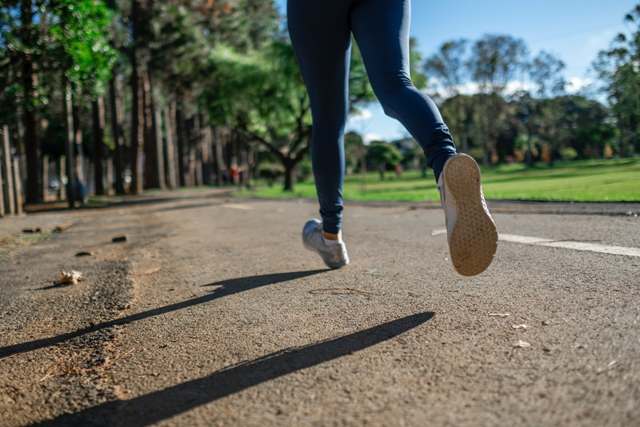
“Health is wealth” is a well-known saying that emphasizes the importance of good health as a valuable asset. This phrase highlights the idea that having good health is one of the most precious and valuable things in life. Without good health, it can be challenging to enjoy life to its fullest or achieve one’s goals and aspirations. Maintaining a healthy lifestyle through proper diet, regular exercise, and other health-promoting habits is seen as an investment in one’s well-being and overall quality of life. In contrast, poor health can lead to various physical, emotional, and financial challenges. So, taking care of your health is often considered a wise and valuable investment.
Healthy habits are essential for maintaining a healthy life. They not only promote physical well-being but also contribute to mental and emotional health. Here are some key healthy habits to incorporate into your daily life:
Balanced Diet: Eat a variety of nutrient-dense foods, including fruits, vegetables, whole grains, lean proteins, and healthy fats.
Control portion sizes to prevent overeating.
Stay hydrated by drinking plenty of water throughout the day.
Regular Exercise: Aim for at least 150 minutes of moderate-intensity aerobic exercise or 75 minutes of vigorous-intensity exercise per week.
Incorporate strength training exercises for muscle health and bone density.
Find physical activities you enjoy to make exercise a sustainable habit.
Sufficient Sleep: Aim for 7-9 hours of quality sleep each night.
Maintain a consistent sleep schedule to regulate your body’s internal clock.
Create a comfortable and relaxing sleep environment.
Stress Management: Practice stress-reduction techniques such as meditation, deep breathing, yoga, or mindfulness.
Set realistic goals and prioritize tasks to reduce stress.
Get support from friends, family, or a mental health professional if needed.
Regular Check-ups: Schedule routine health check-ups with your healthcare provider.
Follow recommended screenings and vaccinations for your age and risk factors.
Be proactive in addressing any health concerns or symptoms.
Hygiene and Sanitation: Wash your hands frequently with soap and water to prevent the spread of germs.
Maintain good personal hygiene, including oral care, regular bathing, and clean clothing.
Keep your living spaces clean and well-ventilated.
Stay Hydrated: Drink an adequate amount of water daily to maintain proper bodily functions.
Limit the consumption of sugary beverages and excessive caffeine.
Avoid Harmful Substances: Limit or eliminate the use of tobacco, alcohol, and recreational drugs.
Be cautious with prescription medications and follow your healthcare provider’s instructions.
Maintain a Healthy Weight: Aim for a healthy body weight and body mass index (BMI).
Focus on gradual, sustainable weight management through diet and exercise.
Social Connections: Build and maintain strong social relationships for emotional support.
Spend time with loved ones, engage in social activities, and seek community involvement.
Continuous Learning: Stimulate your mind through reading, learning new skills, or pursuing hobbies.
Challenge your brain with puzzles, games, and intellectual activities.
Positive Self-talk: Cultivate a positive self-image and practice self-compassion.
Challenge negative thoughts and focus on self-improvement.
Gratitude and Mindfulness: Practice gratitude by regularly reflecting on the things you’re thankful for.
Embrace mindfulness to stay present in the moment and reduce stress.
Environmental Responsibility: Contribute to a healthy planet by reducing waste, conserving energy, and supporting sustainable practices.
Remember that adopting and maintaining healthy habits is a lifelong journey, and it’s essential to be patient with yourself. Make gradual changes, set realistic goals, and seek support from professionals or support networks when needed. The key is to create a balanced and sustainable lifestyle that promotes your overall well-being.

3, Nov 2023
Rocky Mountain Hospital for Children Named Colorado Parent Magazine’s Family Favorite Hospital for Seventh Year in a Row
Denver, CO, November 03, 2023 , Rocky Mountain Hospital for Children (RMHC) is proud to have been voted Colorado Parent Magazine’s Family Favorite Hospital for the seventh consecutive year. RMHC at Presbyterian/St. Luke’s Medical Center, located at 20th and N. High Street in Denver, Colorado, serves the entire Rocky Mountain Region and is the anchor facility for the HealthONE system of comprehensive pediatric care.
“Being voted the Family Favorite Hospital by the readers of Colorado Parent is a truly meaningful recognition from our community, and comes as a result of the hard work and dedication by our doctors, nurses, and colleagues,” said Maureen Tarrant, President and CEO of Presbyterian/St. Luke’s Medical Center and Rocky Mountain Hospital for Children. “Our mission is – and always has been – to improve more lives in more ways. I am incredibly grateful for the passion, strength, compassion and commitment to excellent patient care shown by all our teams.”
RMHC is honored to provide world-class healthcare. At RMHC, teams work to strengthen connections between the “hospital” world and that of pediatric patients and families. Their work is inspired by the intersection of medical innovation, a care like family approach and the colorful worlds children create through their imagination, energy and talent. Whether a child needs a minimally invasive surgical specialist or a family needs high-risk care for their unborn child, RMHC teams understand and collaborate to help patients get back to their worlds quickly.
2, Nov 2023
Daily Healthy Diet to Live Healthy

Health and diet are closely interconnected, and what you eat can have a significant impact on your overall well-being. Maintaining a healthy diet is essential for overall well-being. Here’s a general guideline for a daily healthy diet that you can follow. Keep in mind that individual dietary needs may vary, so it’s essential to consult with a healthcare professional or registered dietitian for personalized recommendations:
Fruits and Vegetables:
Aim for a variety of colorful fruits and vegetables, as they provide essential vitamins, minerals, and antioxidants.
Consume at least 5 servings of fruits and vegetables daily.
Whole Grains:
Choose whole grains like brown rice, quinoa, whole wheat, oats, and whole-grain pasta.
Whole grains are a good source of fiber and important nutrients.
Lean Protein:
Include lean protein sources like skinless poultry, lean cuts of beef or pork, fish, tofu, legumes, and beans.
Fish, particularly fatty fish like salmon and trout, provide omega-3 fatty acids, which are beneficial for heart health.
Dairy or Dairy Alternatives:
Opt for low-fat or fat-free dairy products or fortified dairy alternatives (e.g., almond milk, soy milk) for calcium and vitamin D.
If you’re lactose intolerant or follow a vegan diet, ensure you get enough calcium and vitamin D from other sources.
Healthy Fats:
Use unsaturated fats like olive oil, avocado, and nuts in moderation.
Limit saturated and trans fats, which can increase the risk of heart disease.
Portion Control:
Pay attention to portion sizes to prevent overeating and maintain a healthy weight.
Hydration:
Drink plenty of water throughout the day to stay hydrated. Herbal teas and diluted fruit juices can be good options as well.
Limit Added Sugars:
Minimize the consumption of sugary beverages, candies, and processed foods high in added sugars.
Limit Sodium:
Reduce your intake of high-sodium foods, such as processed snacks, canned soups, and fast food.
Meal Planning:
Plan your meals and snacks in advance to make healthier choices and avoid impulse eating.
Balanced Meals:
Aim for a balanced distribution of macronutrients (carbohydrates, proteins, and fats) in each meal.
Mindful Eating:
Pay attention to your body’s hunger and fullness cues. Avoid eating when you’re not hungry and stop when you’re satisfied.
Avoid Overly Restrictive Diets:
Avoid extreme diets that eliminate entire food groups or severely restrict calories unless medically necessary.
Listen to Your Body:
Learn to recognize your body’s unique nutritional needs and adjust your diet accordingly.
Cook at Home:
Preparing your meals at home allows you to have better control over ingredients and portion sizes.
Regular Exercise:
A healthy diet should be complemented by regular physical activity to maintain overall health.
Moderation:
Enjoy occasional treats in moderation to prevent feelings of deprivation.
Remember that no single diet is suitable for everyone, and individual dietary needs may vary based on factors like age, activity level, and any underlying health conditions. It’s important to consult with a healthcare professional or a registered dietitian to create a personalized nutrition plan that meets your specific needs and goals.
1, Nov 2023
Here is why there is no harm in going to the gym while fasting during Karva Chauth; shares essential dieting tips to stay healthy and fit
Karwa Chauth is a Hindu festival observed by married women who fast from sunrise to moonrise for the long life and well-being of their husbands. While fasting is a personal decision, many women who frequent the gym might be unsure about how to carry on with their exercise regimen without endangering their health.
There is no harm in going to the gym while fasting during Karva Chauth, till the time you are giving your body energy-providing foods. One must ensure that your body has enough fuel to run the entire show at the gym. How to do that? We have listed 10 essential tips for those who don’t want to ditch their diet and fitness routine but still celebrate this auspicious Hindu festival.
TheHealthSite.com explained on why there is no harm in going to the gym while fasting during Karva Chauth; shared essential dieting tips to stay healthy and fit
Check them out here:
Eat a Healthy And Balanced Sargi (Pre-Dawn Meal)
The most important part of this festival is the Sargi thali, which consists of all the foods that you can consume while fasting. In case you want to know how to make this festival a little extra healthy for you, here is the answer

Add foods that are rich in complex carbohydrates, protein, good fats, and liquids to your sargi. Why so? This will help in giving you consistent energy throughout the day. Some good Sargi options include:
· Milk with Nuts with Oats
· Dal and veggies on roti
· Fruit-topped yoghurt with granola
· protein powder, yogurt, and fruits combined to make a smoothie
Stay Hydrated
Drink lots of water, coconut water, and buttermilk to avoid dehydration-induced health complications.
Avoid Sugary Drinks And Processed Foods
Avoid adding any sugary drinks, or processed foods to your sargi when fasting for Karva Chauth. Why? These foods can lead to blood sugar spikes, and crashes, which can make you feel tired and sluggish.
Eat Healthy Fats
For general health and well-being, healthy fats are essential. Nuts, seeds, avocados, and olive oil are good sources of good fats.
Include Protein In Every Meal
Building and mending muscle tissue require protein. Lean meats, poultry, fish, eggs, dairy products, legumes, and nuts are all excellent sources of protein.
Eat Small, Frequent Meals
Eating small, frequent meals helps to keep the blood sugar levels stable and prevent hunger pangs.
Eat Complex Carbohydrates
The body uses complex carbs to provide long-lasting energy. Whole grains, fruits, and vegetables are excellent providers of complex carbs.
Here are some additional tips for gymgoers who are fasting on Karwa Chauth:
· Modify Your Workout Routine: Lower your workout’s intensity or duration if you’re feeling weak or exhausted.
· Focus on compound exercises: Exercises that target many muscle groups simultaneously are more effective.
· Listen To Your Body: If you’re not feeling well, take a break from exercising and get some rest.


