


3, Sep 2024
Century Pulp and Paper appoints Ajay Gupta as the CEO
Mumbai, 3 September: With over two decades of experience, Gupta has an impressive track record of transforming large-scale operations and establishing globally competitive manufacturing facilities.
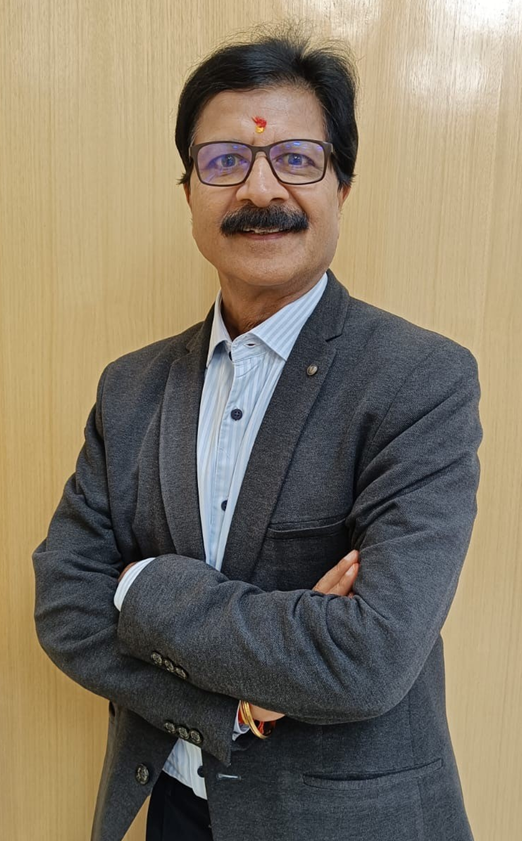
Before joining Century Pulp & Paper, Gupta served as Senior President and Unit Head at Grasim Industries Limited | Pulp & Fibre Mr. Ajay Kumar Gupta brings a wealth of experience in textile manufacturing – Pulp & Fibre businesses and a proven track record of driving success and growth in his previous roles. He is an acclaimed stalwart in business automation & is known for the turnaround of business units towards sustainable profitability.
His career also includes leadership roles at APRIL, where he led the construction of the world’s largest integrated Greenfield Viscose manufacturing facility, and at Archean Group Company, where he spearheaded the establishment of a marine chemical complex in Gujarat.
Gupta’s academic background includes stellar institutions like BITS Pilani, IIM Bangalore & INSEAD – The Business School for the World.
- 0
- By Rabindra

3, Sep 2024
OAP Transforms into OAP Mediatech, Redefining the Future of Media Solutions
National, September 03, 2024: Outdoor Advertising Professionals (I) Pvt. Ltd., widely recognized as OAP, is proud to announce its rebranding to OAP Mediatech Private Limited, reflecting its evolution into a comprehensive media solutions provider. Since its inception in 2002, OAP has been at the forefront of the Out-of-Home (OOH) advertising industry, closing the financial year of 2022-2023 with a remarkable revenue of Rs. 373 Crores.
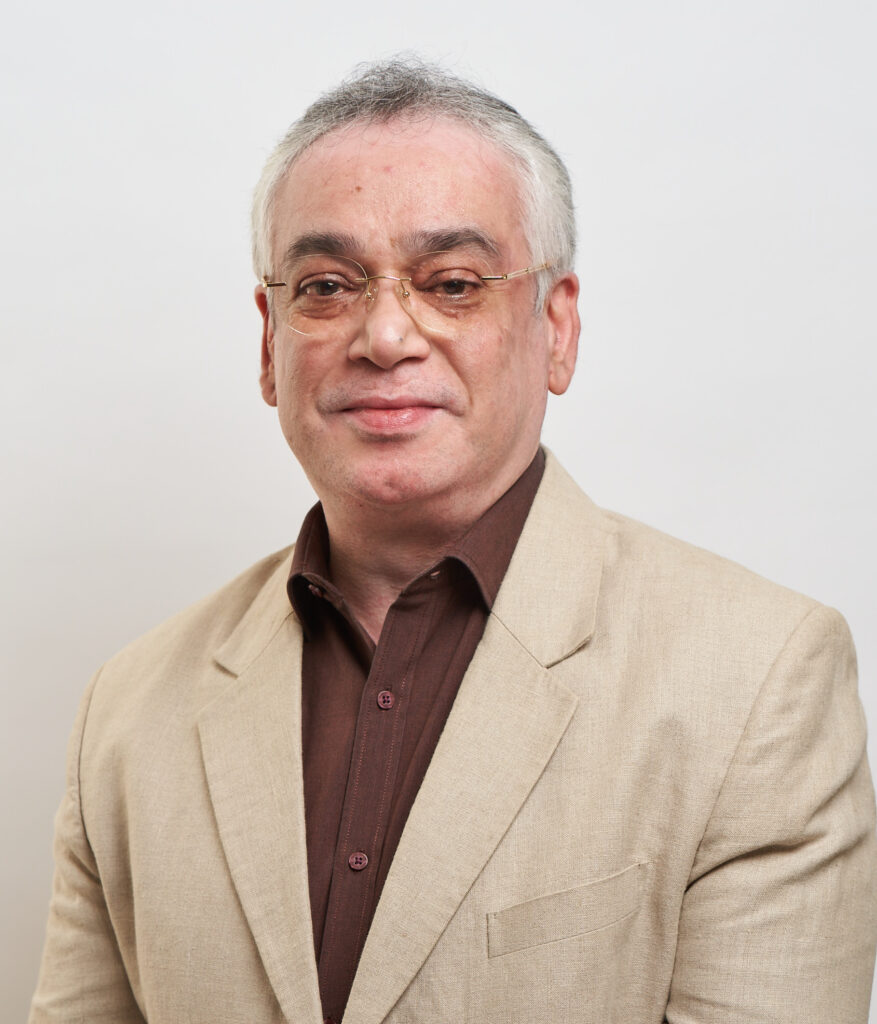
OAP Meditech appointed Yash Punjabi as Business Director to lead the planning, and strategy team for ATL Media. Yash brings a wealth of experience from GroupM and OMD. Vipul Mehta has joined very recently as Head Buying and Operations. Vipul is a veteran having multimedia experience at Dentsu, Zenith Optimedia and Graphene before joining OAP Mediatech.
The rebranding to OAP Mediatech aligns with the company’s enhanced focus on leveraging technology, data, and research to offer a wider range of services beyond traditional OOH media. This strategic shift underscores the company’s dedication to innovation and its commitment to understanding and influencing consumer behavior across various media platforms.
Speaking of the announcement, Abhijit Sengupta, CEO, said “OAP was launched as an OOH specialist agency. Over time, we expanded our services beyond OOH, incorporating research, data, and technology. Our new name, OAP Mediatech, reflects our broader capabilities and commitment to connecting clients with a variety of services across different platforms.”
He further added, “Post pandemic in a short span of time, we’ve launched many new services like ProLocator for OOH, a location intelligence planning tool, and now are working on attribution and reverse targeting. We’re also conducting large-scale EEG studies for AIS (Attention Impact Score) and have deployed ProVisualiser, a survey tool using advanced computer vision technology.”
3, Sep 2024
Nida Rides to Global Glory as First Indian Woman in FEI Endurance World Championship
Kochi 03rd, September, 2024: Indian equestrian Nida Anjum Chelat, continues to make history on the global stage by competing in the FEI Endurance World Championship for Seniors. Building on her outstanding success in last year’s FEI Junior Championship, Nida is once again set to make history and bring pride to India. The 22-year-old from Tirur, Kerala, will proudly represent India at the FEI Endurance World Championship for Seniors, taking place in Monpazier, France, on September 7th, 2024. This prestigious event, conducted by the International Equestrian Federation (FEI), is a landmark moment for Indian equestrian sports as this achievement places her among titans of global equestrian sports who have honed their craft in countries known for their deep-rooted equestrian traditions and facilities.

Nida will compete aboard her mare, Petra del Rey, against 144 riders from 40 countries. Accompanied by her backup horse, Design du Claud, a stallion, Nida will tackle the gruelling 160-kilometer course. Competing against the stalwarts of the global equestrian sports from powerhouses like UAE- Bahrain – Italy – Spain -France – Uruguay- Argentina- Britain-Hungry —nations that have long dominated the endurance championships—Nida’s entry is nothing short of a milestone. These are countries that have invested heavily in their equestrian programs, with resources, training facilities, and a history of producing world-class riders. With challenges in resources and facilities compared to her global counterparts, Nida’s journey for the FEI Endurance World Championship for Seniors is a moment of immense pride for India.
“I am incredibly excited and honoured to represent India at the Endurance World Championship for Seniors,” said Nida Anjum Chelat.“The experience and confidence gained from last year’s Junior Championship have fueled my drive for this challenge. It’s incredibly inspiring to receive so much love and support from everyone around me, and it motivates me to give my very best for our country on the global stage.” She shared.
The FEI championships are among the most esteemed in the equestrian world and competing in them places Nida among the top endurance riders globally. The competition demands not just physical fortitude but an unbreakable bond between rider and horse, as they navigate a course that truly tests their mettle. The championship is renowned for testing the endurance, skill, and synergy between rider and horse, with challenging loops designed to push both to their limits.
Nida has already made history by becoming the first Indian to complete the FEI Equestrian World Endurance Championship for Juniors and Young Riders last year. She accomplished the 120 km course in just 7 hours and 29 minutes, competing alongside 70 riders from 25 countries with her horse, Epsilonn Salou.
As Nida gears up to make history again at the FEI Endurance World Championship for Seniors, her journey serves as an inspiration to aspiring equestrians in India and a proud moment for the nation, standing firm among the world’s best and making the nation proud. Race can be followed on the Yamamah App.
3, Sep 2024
CMD Highlights IREDA’s Push for Lower Borrowing Costs and Green Taxonomy at CII Financing 3.0 Summit
Mumbai, 3rd September 2024: Shri Pradip Kumar Das, Chairman & Managing Director of Indian Renewable Energy Development Agency Limited (IREDA), today underscored the company’s commitment to reducing borrowing costs and enhancing the bankability of India’s renewable energy sector. Speaking at the CII Financing 3.0 Summit in Mumbai, Shri Das highlighted the critical role that a Green Taxonomy plays in the rapid development of India’s green energy sector.
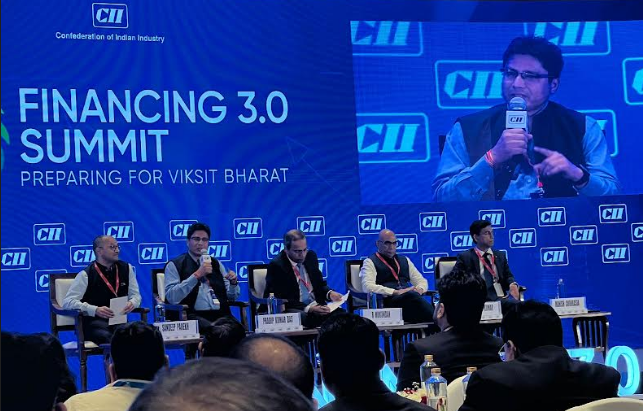
In his address on “Green Financing, Climate Risks and Sustainable Taxonomy: Way Forward,” Shri Das emphasized that IREDA’s focus extends beyond just improving its Net Interest Margin (NIM). The company is evenly dedicated to encouraging a healthy ecosystem that supports the cohesive growth of renewable energy across India. He noted that the global financial community increasingly views the green sector as a significant business opportunity, yet the lack of a Green Taxonomy remains a barrier to broader green investment.
Shri Das outlined several initiatives aimed at reducing borrowing costs, including a significant proposal for IREDA’s inclusion under Section 54EC of the Income Tax Act. This inclusion would grant capital gains tax exemptions on bonds issued by IREDA, thereby facilitating access to lower-cost funds, benefiting the entire green energy sector.
He also informed the audience that IREDA had submitted a draft Green Taxonomy to the Ministry of New & Renewable Energy (MNRE) one and a half years back. As announced by the Hon’ble Finance Minister in her budget speech, Climate Taxonomy is poised to increase the availability of capital for climate adaptation and mitigation projects. Shri Das stated that the implementation of this Green Taxonomy would not only accelerate India’s journey towards its Net Zero goals but also enable the nation to attract substantial global green funding by providing a clear list of activities covered under the taxonomy.
In a significant move towards promoting green investment, CMD, IREDA suggested allocating up to 5% of Assets Under Management (AUM) from domestic pension and insurance funds into Green Bonds. This strategic suggestion aims to strengthen bond markets and attract increased global and local investments in the green sector.
Shri Das also pointed out that with 27% of its workforce being women, IREDA most likely has the highest female employee participation among CPSEs, underscoring the company’s commitment to inclusive growth. He also mentioned that the company is exploring the feasibility of offering financing to retail and small and medium enterprises (SMEs) in the renewable energy sector, areas that currently lack sufficient attention.
3, Sep 2024
Pentonic Celebrates India’s Artistic Brilliance at The Great Indian Art Fair
Kolkata, 03rd September, 2024 – Pentonic, a flagship brand of Linc Limited and a leading name in the Indian writing instrument industry, has announced the launch of ‘The Great Indian Art Fair’. This vibrant fair is a celebration of India’s rich cultural heritage, uniting artists, creators, and enthusiasts in a collective appreciation of the diverse artistic expressions that define the nation.
For decades, Pentonic has been synonymous with innovation in writing instruments, blending sleek design with superior functionality to transform thoughts into words and ideas into reality. With the Great Indian Art Fair, Pentonic extends this tradition, showcasing its commitment to artistic expression by spotlighting the beauty and depth of Indian art. The fair features exhibitions, workshops, and live art sessions, all of which will showcase the beauty and depth of Indian art, from traditional forms to contemporary interpretations, using Pentonic pens as the medium of choice.
“The Great Indian Art Fair is more than just an event,” explains Yorick Pinto, Senior Creative Director at BC Web Wise. “It’s a movement that ignites a uniquely Indian spirit of creativity within everyone.”
“We are thrilled to present The Great Indian Art Fair, a tribute to the incredible diversity of Indian art and culture,” says Mayank Sagar, Assistant Marketing Manager at Linc Limited. “At Pentonic, we believe in the boundless potential of Indian artists, and this event is our way of celebrating and nurturing that creativity. We invite everyone to join us on this artistic journey and experience the magic of Indian art through the lens of Pentonic.”
For those looking to immerse themselves in this artistic journey, the Great Indian Art Fair is an invitation to explore, create, and be inspired.
3, Sep 2024
Skoda Auto India launches all-new Slavia Monte Carlo
Mumbai, September 3, 2024 –Škoda Auto India has launched the all-new Slavia Monte Carlo edition in India. Taking the sport theme further, the company also introduced an all-new Sportline range within the Kushaq and Slavia line up and announced a path-breaking offer for these cars upping the value and choice quotient for Indian customers.

Commenting on the new introductions, Mr. Petr Janeba, Brand Director, Škoda Auto India said, “The Monte Carlo badge has a strong connect with customers, reflecting the spirit of sport and victory. I am happy to share that we launch the Slavia Monte Carlo today. This is part our strategy to grow the Škoda brand in India, which is one of the largest markets for us outside Europe. This special car will have a strong appeal with customers looking for unique, subtle and sporty aesthetics, projecting a discrete sense of style. It is homage to our 112 years in Rallye Monte Carlo, 129 years of rich heritage, and 24 years in India. We have also introduced two new trims – Slavia Sportline and Kushaq Sportline — reflecting our intent to keep the range evolving and contemporary, offering greater choice and value to customers. The Sportline is perfect for customers who seek the sporty aesthetics of the Monte Carlo at a more accessible price point. Together with the new Monte Carlo and Sportline offerings, we look forward to substantially growing the Škoda family in India.”
The anniversary offer
As the launch of this all-new range marks the 112th anniversary since the company’s debut at Rallye Monte Carlo, Škoda Auto India have lined up benefits for customers buying the sport-inspired Monte Carlo and Sportline range of the Kushaq and Slavia. The first 5,000 customers booking any of these four cars will receive benefits of ₹30,000. The offer is operational immediately and will be valid until September 6, 2024.
Monte Carlo in the metal
At the heart of this car beats the proven and tested 1.0 and 1.5 TSI engines. The 1.0 TSI is available with a six-speed manual and automatic. And the 1.5 TSI sends power to the front wheels through a seven-speed DSG. The cars come exclusively in the Tornado Red and Candy White colours. Both these options come with a contrasting Deep Black roof as standard. The Window Garnish houses an all-black theme as do the ORVMs. The black treatment continues to the Radiator Grille Surround, the Garnish around the Fog Lamp, and over the Black R16 Alloy wheels.
Continuing the subtle embellishments is the Monte Carlo badging on the front fenders and the Darkened Taillights. Sporty, black spoilers adorn the car’s front and side skirts and are also on lip of the boot at the rear. The rear also gets a Black Sporty Rear Diffuser and a Black Bumper Garnish. Rounding off the Monte Carlo highlights outside are the subtle and classy door handles finished in Dark Chrome and all the lettering in the exteriors of the Slavia Monte Carlo are in Black.
Monte Carlo within
Inside, the car wears the Monte Carlo Red Theme interior in the all-black sporty cabin. The Décor Frame, Air vents all adorn black. As do the Lower dashboard, the Centre Console Décor, and the Handbrake push button. The steering wheel and gear knob replace their chrome inserts for all black ones. The dark, sporty theme allaying Škoda Auto’s rally roots, continue in the rest of the interior with the and handles all taking on a dark demeanour.
To lend the black interiors with dashes of sporty dynamism are subtle slashes of red across the interiors. The centre of the dash has a single red element continuing through the vents. The Monte Carlo Leatherette seats in Black are bordered by red elements. The two-spoke steering wheel also gets red stitching on them, and the black and red Monte Carlo Theme extends to the infotainment system and the driver’s virtual cockpit. However, the first visual homage before entering this sporty cabin is the Monte Carlo inscribed scuff plates by the front doors. And the driver will immediately notice the Sporty Alu Pedals in the footwell area as they stand out in this red and black Monte Carlo themed décor.
The Sportline
Škoda Auto India also expanded the Kushaq and Slavia range with the debut of the Sportline across the two best-selling Škoda cars. In a move that is the result of customer feedback, Škoda Auto India have now introduced the Sportline, which adds to the existing Classic, Signature, Monte Carlo, and Prestige variants of the Kushaq and Slavia furthering choice and value for customers.
The enhancements
The Sportline trim of both the Kushaq and the Slavia get the blacked-out design elements from the Monte Carlo like the taillights, aero kit and other details. The Slavia Sportline gets R16 Black alloy wheels and the Kushaq is shod with R17 Black alloys. The Sportline also gets LED Headlamps and DRLs in both the Kushaq and Slavia
Features within
The Sportline, like the rest of the Kushaq and Slavia line-up, comes standard with six airbags. In addition, this sporty trim gets an electric sunroof, alloy foot pedals, a connectivity dongle, rain-sensing wipers and an auto-dimming internal rear-view mirror among various other features.
Enhanced choice and safety
With the addition of the Sportline, the Kushaq and Slavia range further expands with both cars now available in the Classic, Signature, Sportline, Monte Carlo and Prestige variants. Every Škoda comes standard with a minimum of six airbags. Further, the Kushaq and the Slavia have a full 5-star rating for adult and child safety under Global NCAP. The Superb and the Kodiaq are rated the same under Euro NCAP. With the addition of the Slavia Monte Carlo and the Sportline trim across the Kushaq and Slavia, Škoda Auto India has further expanded its fleet of 5-star safe cars.
3, Sep 2024
TECNO Set to Launch Mobile No. 1: SPARK GO 1
New Delhi,3rd september 2024: TECNO, India’s stylish smartphone brand, is about to drop its latest blockbuster: Mobile No. 1, the TECNO SPARK GO 1. This mind-blowing device is set to be all yours for just ₹7,299. Get ready to level up without emptying your wallet— because living large doesn’t mean going broke! The SPARK GO 1 is now available online and will be available in the nearest retail outlets from 6th September onwards.

Featuring a stunning segment 1st 120Hz refresh rate for buttery-smooth scrolling, 8GB* RAM for lightning-fast multitasking, and dual stereo speakers with DTS for booming, crystal-clear audio, the SPARK GO 1 keeps you ahead of the game, whatever you’re up to.
Plus, living up to the legacy of the SPARK series and with the promise of 4+ years of lag-free performance, it’s a perfect fusion of accessible tech and durability. Additionally, built with you in mind, the special feature of Segment’s First AI Noise cancellation is there to make taking calls supremely easy in the noisiest of environments and keep the party going!
Addressing the launch, Arijeet Talapatra, CEO of TECNO Mobile India, said “We are excited to introduce the TECNO SPARK GO 1, a smartphone that truly stands out as the No. 1 Mobile in its segment. Spark Go1 is set to exceed the expectations of today’s users, offering unmatched speed, smoothness, and productivity for everyday use. The SPARK GO 1 is a testament to our dedication to creating products that enhance the everyday lives of our users, without compromising on quality or innovation.”
What makes SPARK GO 1 stand out as the Mobile No. 1:
The Performance Rockstar!
The TECNO SPARK GO 1 sets a new benchmark in smartphone performance, offering over 4+ years of smooth, lag-free performance, setting a new standard in its class. Engineered for durability and consistency, it ensures a reliable user experience from day one through 50 months and beyond, outperforming others in its segment.
Super-Hit Smoothness!
With segment 1st 120Hz refresh rate display, the TECNO SPARK GO 1 delivers ultra-smooth scrolling and seamless media experiences. Whether you’re browsing, binge-watching, or flipping through photos, everything flows effortlessly, making it the go-to choice for a glitch-free digital adventure.
Blockbuster Speed!
Engineered for peak performance, the SPARK GO 1, with 8GB* RAM, offers super-fast multitasking and smooth app switching. It’s the only model in its segment offering over 4+ years of lag-free performance with 8GB* RAM and 120Hz Refresh rate ensuring a consistently efficient and responsive experience for all your daily tasks.
3, Sep 2024
StoxBox: Views on Auto Wholesale Update
By-Sagar Shetty, Research Analyst
In August 2024, auto wholesale figures exhibited mixed trends across various segments. Passenger Vehicles (PVs) continued to face challenges due to high inventory levels and stagnant retail demand. Conversely, the Two-Wheeler (2W) segment led growth, driven by a sustained recovery among first-time buyers and favorable conditions in the rural economy. Inventory buildup in this segment is expected with the onset of Onam and Ganesh Chaturthi. The domestic Commercial Vehicle (CV) segment experienced a decline, attributed to seasonal monsoon effects and persistent weakness post-general elections. Tractor OEMs also reported diminishing growth, as the full impact of the monsoon is yet to be realized. Looking ahead, Onam is anticipated to play a crucial role in boosting demand next month. However, growth in northern regions may remain subdued due to the Pitrupaksha and Shradh periods, limiting purchases of any big-ticket item. A more significant uptick in growth is expected with the onset of Durga Puja in October.
3, Sep 2024
PM Modi Praises iRaste Road Safety Project, Advocates National Rollout: Jayesh Ranjan
Hyderabad, 3rd September, 2024……..: International Institute of Information Technology Hyderabad (IIITH) celebrated its 27th Foundation Day today. Sri Jayesh Ranjan, Special Chief Secretary for Information Technology, Telangana was the chief guest.
Sri Jayesh Ranjan also viewed a showcase of IIITH’s seminal works with wide impact that have benefited society. These ranged from using AI for oral cancer detection, iRASTE road safety project, computational drug discovery, geospatial solutions for nature conversation – from lakes to tigers, earthquake and drone-based building safety assessments, brain mapping, shape-shifting drones, ornithopter, language technologies, lipSync and language translations, smart city research and implementations.
Speaking on the occasion, Sri Jayesh Ranjan said, “We are happy that IIITH ranks highly on many parameters, and is considered to be among the best engineering institutes in the country in various fields, especially AI. The Telangana government is proud that IIITH exists in Hyderabad. Interestingly the iRaste road safety project, a collaboration between the Telangana Government, IIIT Hyderabad and Intel was recently presented to Prime Minister Sri Narendra Modi who greatly appreciated it and wants to see it implemented across the country”.
This year’s Foundation Day also included the presentation of the inaugural edition of alumni awards. The Alumni Outstanding Service Award for 2024 was given to Soujanya Lanka B.Tech CSE -1998, Ph.D -2003 and Vipul Kedia B.Tech CSE (Hons) -1999. This is the highest honor IIITH confers on its alumni. The institute also felicitated the winners of the Outstanding Service award for the years 2024 and 2023 at the event.
From just 50 students in the first batch to around 2000 students in 28 programs, the institute is now widely ranked as the No 1 institute in AI (computer vision, machine learning and data mining, and Natural Language Processing) in India, and Asia’s 2nd best institute for robotics. The institute has grown to include 29 research centres, a Technology innovation hub for AI Data Banks, Data Services and Data Analytics (TIH-Data), and an Applied Artificial Intelligence Research Centre (INAI) in collaboration with Intel. IIITH’s Kohli Centre on Intelligent Systems, set up in 2015 with funding from the Tata Consultancy Services (TCS) continues to be a leading center on Intelligent systems bringing together sharpest minds of India to take research from lab to land for sustainable social impacts. IIITH’s alumni are nearly 6000 strong now and are making a meaningful impact in different institutions, in different roles, and across different geographies.
Research-led education from the undergraduate level has enabled IIITH to contribute much to society through technology solutions. The institute has always endeavored to produce competent, creative, and caring individuals who are eager and ready to take up the challenges the world offers.
The Centre for Innovation & Entrepreneurship (CIE) of IIIT Hyderabad Foundation completed 15 years of innovation this year. CIE has incubated more than 300 startups and generated employment for 2000+ youth. With 80 incubated companies and about 350 employees working in them, CIE holds its position as one of the largest academic incubators in the country. It is complemented by an Atal Innovation Centre and a BIRAC BioNEST incubator.
Going forward, the institute plans on scaling up to 250+ faculty and 5,000+ students in the next 25 years, maintaining a strong focus on academic research and applied/translational research with social impact, and connecting computing with bigger issues such as sustainability, privacy, responsible AI etc.
Speaking on the occasion Prof P J Narayanan said, “Today marked the grand finale of the institute’s extended Silver Jubilee celebrations that began on September 2nd, 2022. These events have fostered a strong bond with our alumni community. The institute also introduced the Alumni Awards to honor graduates who have excelled in their professional careers or contributed significantly to society or the institute. The inaugural awardees were celebrated today. It is deeply gratifying to witness the accomplishments of our alumni. Meanwhile, the institute continues to advance in research and increase its global impact. We look forward to accelerating this progress in the coming years, in collaboration with the Government of Telangana, NGOs, and industry partners.”
3, Sep 2024
Brick&Bolt Unveils State-of-the-Art Experience Centre in Noida
Noida, Uttar Pradesh, September 2024 – Brick&Bolt, India’s leading tech-enabled construction company known for its innovative solutions, is proud to announce the launch of its first Experience Centre (EC) in Noida. Located at Sector 10, Gautam Buddha Nagar, this state-of-the-art facility marks a significant milestone in the company’s ambitious growth plan to revolutionize the construction industry across the nation.

Spanning 2,740 sq. ft., the new Experience Centre, combined with office space, is designed to provide customers with an immersive experience of Brick&Bolt’s offerings. Property owners from Noida, Delhi, Greater Noida and Ghaziabad, looking for high-quality construction services but want a more transparent, trustworthy and efficient partner, can walk in to the Experience centre to explore a comprehensive range of products and solutions tailored to meet various construction needs, including the Basic Package, Classic Package, Premium Package, Royal Package, and the Dahlia Package.
Founded in 2018 by Mr Jayesh Rajpurohit and Mr Arpit Rajpurohit, Brick&Bolt was established with the mission of redefining the construction experience for property owners. The company offers a comprehensive suite of services from design to execution, ensuring seamless delivery, exceptional quality, and customer satisfaction. Key features include over 3,200 customizable floor plan options, 100% money safety with an ESCROW payment mechanism, and a trademarked Quality Assessment System (QASCON) that involves 3 levels of auditing with 470+ quality checks on every project.
Speaking about the launch, Mr. Jayesh Rajpurohit, Co-Founder and CEO of Brick&Bolt, said, “We anticipate strong engagement from the Noida and NCR market, with the launch of our first Experience Centre in Noida. This region holds immense potential, and our goal is to attract new customers by providing a seamless, omnichannel experience that blends the best of both online and in-person interactions. By showcasing our comprehensive solutions and personalized services, we aim to establish a robust presence and drive significant footfall to the Experience Centre, ensuring that our brand becomes the go-to choice for home and commercial construction in this region.”
While the Noida EC offers the same high-quality products and solutions available at other Brick&Bolt locations nationwide, the company ensures that its offerings cater to diverse tastes and needs suited to the region. “We maintain a uniform brand standard to ensure that every customer, regardless of location, receives the same high-quality experience and offerings,” added Arpit Rajpurohit, Co-Founder and CTO of Brick&Bolt. “While we take note of local preferences, our core products and solutions remain aligned with our brand values.”
Brick&Bolt has been at the forefront of driving the shift from an unorganized to an organized construction sector, setting new standards for transparency, efficiency, and quality. Since its inception, the company has completed 7.54 million sq. ft. of construction, encompassing 4,500 units across top-tier cities such as Delhi, Gurgaon, Noida, Ghaziabad, Faridabad, Pune, Bangalore, Hyderabad, Chennai, and Mysore.
In the near future, Brick&Bolt aims to expand their residential and commercial construction projects across India’s top 25 cities, including Kolkata, Lucknow, Kochi, Nagpur, and Coimbatore, among others, with a goal of delivering
over 35,000 units during this journey. By leveraging technology, they aim to revolutionize urban living and contribute to the development of vibrant, modern communities. Through this expansion, they aim to enhance their market presence while also catering to the growing demand for quality construction in India’s rapidly urbanizing landscape.


