


31, Aug 2024
India Faces Alarming Rise in Cyber Threats; Managed WAAP Solutions Essential for Protection
Bengaluru, 31st August 2024 –Indusface, an institutionally funded Application Security SaaS firm with over 5,000 customers across 95 countries, has released its ‘State of Application Security Report’ for Q2 2024 (April – June 2024). The report uncovers a 115% rise in cyberattacks, with the company’s AppTrana WAAP platform successfully blocking over 2.37 billion threats during this period. On average, 960K attacks were blocked per website.
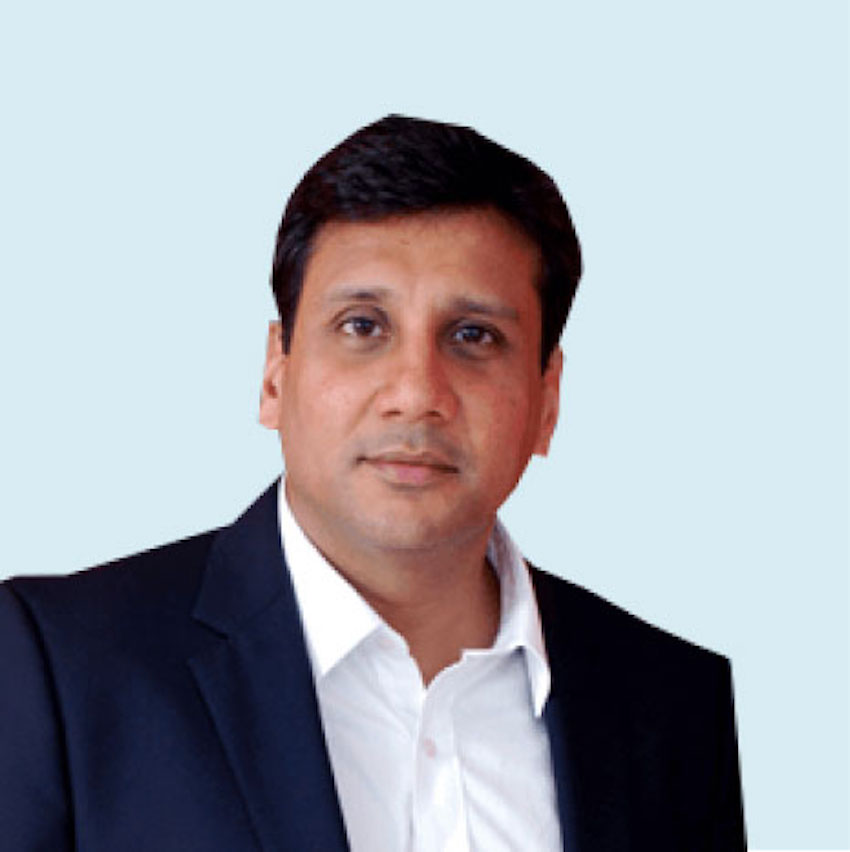
Bot attacks rose by 213% in Q2 2024 compared to Q2 2023, with over 276 million incidents recorded. DDoS attacks also surged, reaching a total of 835 million, affecting 60% of all sites monitored. In total, 6 out of 10 sites witnessed a DDoS attack, whereas 9 out of 10 sites experienced a bot attack.
Power and energy companies faced up to 25 times more attacks than the industry average, likely because non-regulated industries with less stringent security requirements are soft targets for hackers.
The banking, financial services, and insurance (BFSI) sectors witnessed 45%-60% higher bot attacks. 90% of BFSI sites and all healthcare sites were targeted by bad bots that are typically used for account takeover, card cracking, skimming, and other attacks.
SQL injection attacks are the top vulnerability in the banking, financial services, insurance, healthcare, and retail sectors, reinforcing the importance of protecting critical customer data, including PII, credit card information, and others that these applications host. Additionally, the manufacturing industry faced 10 times higher cross-site scripting (XSS) attacks than other sectors.
The report also reveals a staggering 1,200% increase in attacks targeting vulnerabilities, driven by the proliferation of cyber exploitation tools. The accessibility of technologies like LLMs (e.g., ChatGPT) has lowered the barrier for novice hackers, significantly intensifying the threat landscape. A total of 25K critical and high vulnerabilities were found, with 31% of these vulnerabilities open for 180+ days.
“Attacks exploiting known vulnerabilities have surged by 1200%, and bot attacks have risen by 200%. This increase could be attributed to the widespread adoption of large language models (LLMs), particularly among less experienced hackers. Despite these attacks largely following predictable patterns, we anticipate significant changes on the horizon. For instance, advanced bots are increasingly targeting enterprise applications, while SMBs are facing a rise in DDoS attacks. Blocking sophisticated bots remains challenging even for enterprises with robust security tools and dedicated teams, while SMBs often lack the budget for effective managed solutions to combat DDoS attacks.” Said, Ashish Tandon, Founder and CEO of Indusface.
“Given the recent debates around business continuity vs security, I hope that the leadership doesn’t compromise on security while also demanding security vendors to demonstrate fail-safe mechanisms” added Ashish.
Additionally, the Small and Medium Businesses (SMBs) globally faced over 559 million attacks. DDoS is the number one attack vector, with each website/app seeing 124% more DDoS attacks compared to enterprise apps. This could be because DDoS attack monitoring requires either a managed WAAP or specialised, 24×7 security operations centres (SOC) which SMBs can ill-afford.
The report indicates the critical need for robust, managed security solutions. Of the total attacks, 59% were mitigated using application-specific security policies, highlighting the importance of tailored protection. The remaining 41% were shielded by out-of-the-box security policies.
- 0
- By Rabindra

31, Aug 2024
LoanTap and South Indian Bank partner for Retail Loans
31st August, Mumbai: LoanTap, one of the fastest-growing fintech companies in India, has partnered with South Indian Bank (SIB), a major private sector bank headquartered in Thrissur. This strategic partnership aims to enhance the customer experience by combining LoanTap’s agile, tech-driven approach with SIB’s extensive banking expertise.Under this collaboration, LoanTap will leverage its advanced platform to share qualified leads with SIB for retail loan offerings. A streamlined lead generation is anticipated to improve loan processing efficiency and deliver a more personalized customer experience.
This partnership is expected to drive growth in the retail loan segment, benefiting a broad base of customers across India. By bridging the gap between traditional banking and modern fintech solutions, this collaboration is a step forward in paving the way for more seamless and accessible financial services.
Mr. Ameet Venkeshwar, CBO, LoanTap, said, “We are excited about this alliance and expect it to enhance customer satisfaction while broadening access to retail loan products across the country. LoanTap’s tech-driven approach will complement South Indian Bank’s vision of providing innovative, customer-centric financial solutions. We are also positive that this move will drive significant growth for both LoanTap and South Indian Bank.”
South Indian Bank Official’s Quoted: “We are delighted to announce our partnership with LoanTap, which is poised to enhance our retail loan portfolio significantly. Their tech-driven approach aligns perfectly with our vision, and we are confident that this collaboration will propel us to new heights in delivering innovative and accessible financial solutions to customers.”
31, Aug 2024
Flip it like a Boss, itel flips to the future with another Bold Innovation
New Delhi, 31st August 2024: Recognizing the rising trend among Gen Z and millennials seeking a break from the constant connectivity of smartphones, itel, India’s leading mobile phone brand in the sub-10K segment, is introducing the perfect solution: the Flip One. This device offers all the essential features—internet, texting, calling, and a camera—without the overwhelming distractions of modern smartphones. The Flip One provides a straightforward way to stay connected while helping users remain present in the moment.

Speaking on the upcoming launch, Mr. Arijeet Talapatra, CEO, itel India, Said “As the market leader with a 45% share and an impressive 90% brand loyalty, itel continues to redefine the feature phone landscape with relentless innovation. The upcoming launch of the itel Flip One is not just another addition to our lineup; it’s a breakthrough in the industry. Meticulously researched and thoughtfully designed – the Flip One introduces a rare and cutting-edge flip function—a feature typically reserved for premium smartphones. The Flip One stands out not just for its functionality but for its sophisticated design, setting a new benchmark in the market. This launch underscores our dedication to providing our users with exceptional, trendsetting products that meet their ever-evolving needs.”
itel solidifies its leadership in the feature phone market with an unparalleled 90% brand loyalty, driven by relentless innovation and industry-first features that keep it ahead of the competition
The Flip One introduces a new level of interactive experience, designed for one-handed operation, and is both lightweight and portable. Its leather back design adds a textured elegance, making it a statement piece. Equipped with Bluetooth support, Type-C charging, and a BT caller feature, the Flip One allows users to sync their smartphone contacts and handle calls directly from the feature phone.
Additionally, it boasts a non-removable battery akin to smartphones, a glass-designed keypad, and support for 13 Indian languages. Available in three colors, the Flip One redefines what a feature phone can offer. This device stands out as an ideal choice for both keypad enthusiasts and smartphone users, serving as an excellent secondary option for those who value versatility.
31, Aug 2024
LoanTap Unveils BICRI Score at Global Fintech Fest 2024
31st August 2024, Mumbai: LoanTap, a leading fintech company, is preparing for the launch of its latest innovation, the BICRI (Business Indicator for Credit Ratings in India) Score, at the Global Fintech Fest 2024 which will take place from 28th August to 30th August at the Jio World Convention Centre in Mumbai. BICRI is an AI-backed framework that is set to revolutionize credit assessment for micro-retailers, by providing an exhaustive and accurate evaluation of their creditworthiness.
This innovation aligns with LoanTap’s vision of contributing to a financial ecosystem that’s inclusive by providing a standardized scoring system for the assessment of micro-retailers’ creditworthiness. With the evaluation of critical parameters including financial data, credit history, social parameters, and trade history, BICRI can help the underserved segments of the market get better access to credit. This score will further help distributors and lenders extend a better, more calculated and risk-assessed credit to the micro-retailers.
Mr. Satyam Kumar, CEO and Co-founder, of LoanTap, said: “We’re really excited about BICRI’s launch and are confident that it will significantly contribute to fulfilling our vision of an inclusive space. Not only that, this framework will also make the credit assessment of micro-retailers in the MSME segment more precise by considering non-traditional parameters during evaluation. With this recommendation engine, lenders and distributors can efficiently onboard new retailers in the relevant relationship category.”
31, Aug 2024
Kotak Unveils Falcon Forex Card Exclusively for UAE Travelers
Bengaluru, 31st August 2024 – Kotak Mahindra Bank Limited (“KMBL/Kotak”) today unveiled Kotak Falcon Card – a single currency prepaid forex card for the growing number of Indians travelling to the United Arab Emirates (UAE). Kotak Falcon Card’s USP is the safety & convenience and cumulative savings up to Rs 20,000* it offers, making it lucrative for aspirational Indians.
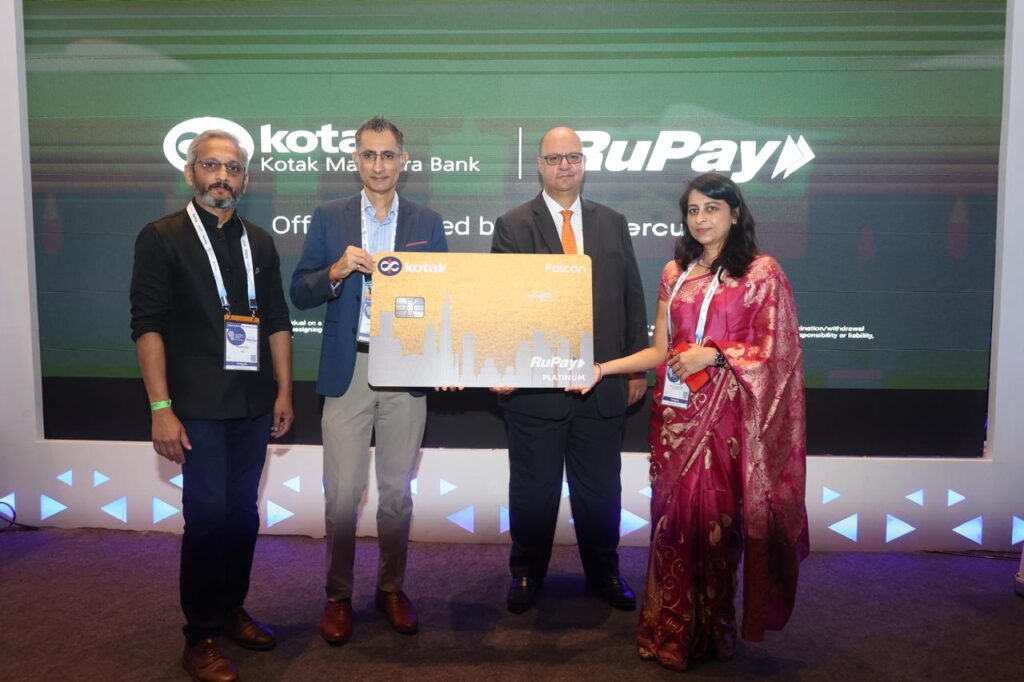
Travelers using Kotak Falcon card for payments in UAE will get instant discounts at 100+ tourist attractions, adventure sports, shopping, dining, and unique experiences. Additional benefits include complimentary insurance cover, 24*7 reload service, instant refund, and hassle-free card replacement
The Kotak Falcon Card was unveiled at the Global Fintech Fest in Mumbai by Rohit Bhasin, President – Head Affluent, NRI, Business Banking and Chief Marketing Officer, Kotak Mahindra Bank; Muzaffer Hamid, CEO, Mercury Payments Services; and dignitaries from NPCI.
UAE represents an eclectic blend of modernity and luxury. It is also India’s third largest trading partner
Kotak Falcon Card – single currency prepaid forex cardwith an integrated financial and digital payment system. It is no surprise then that 2.46 million overnight travellers visited Dubai in 2023^ – the highest from any country, as per news reports. The large Indian diaspora, direct flights from many cities across the country and growing aspiration for international travel including first trip abroad continues to attract more Indians every year to the UAE.
Key Benefits:
• Safety & convenience of making payments during travel through prepaid forex card as against cash
• Travellers using Kotak Falcon card in UAE will get instant discounts at 100+ tourist attractions, adventure sports, shopping, dining, and unique experiences.
• Up to 50% off on tickets to explore various tourist attractions.
• Up to 20% discounts across restaurants.
• Falcon forex cards will be accepted across all major merchant outlets and tourist attractions in the UAE.
Rohit Bhasin says, “As part of our focus to be most preferred bank for aspirational Indians, we are delighted to unveil a compelling value proposition – Kotak Falcon Card – exclusively for UAE travellers. The single currency prepaid forex card is a unique offering for the growing number of Indians traveling to the UAE, including first-time int’l travellers and provides them safety & convenience on payments made in the UAE and fantastic savings on payments towards leisure activities.”
Muzaffer Hamid says, “By enabling the Kotak Falcon Card, Mercury is advancing our vision of inclusive payments. We are partnering with NPCI International and Kotak Mahindra Bank to expand RuPay’s presence in the UAE, making financial services more accessible and reflecting our commitment to democratizing payments for the broader market.”
Kotak Falcon Card will be available for customers in the next two months.
31, Aug 2024
Malaika Arora and Mira Kapoor Shine at Grazia Indie Beauty Superstars 2024
31th August, 2024: Grazia India, a trendsetter in beauty, fashion, lifestyle recently launched ‘Grazia Indie Beauty Superstars’, dedicated to celebrating and honouring the exceptional rise of Indian beauty brands that have redefined the industry in recent years. A comprehensive list of awards, Grazia Indie Beauty Superstars features a dynamic mix of brands, experts, content creators and celebrities. The list features 60 products across categories – Make-up, haircare, skincare and body care. In addition to this, Grazia India recognized icons & experts leading the beauty trends and industry. Malaika Arora was bestowed with Beauty Glamazon, Mira Kapoor as the Beauty Muse of the Year, Kriti Sanon as Beauty Entrepreneur Of The Year and Masaba Gupta was recognized in the Brilliance In Beauty category.

Followed by, Sandhya Shekar as the Make-Up Artist of the year, Amit Thakur as the Hair Artist Of The Year, Palak Tiwari as Beauty Rising Star and Alaya F as the Social Media Beauty Star.
Grazia Indie Beauty Superstars also recognized Mrunal Panchal as Make-Up Influencer of the Year, Isha Sutaria as the Skinfluencer of the Year, Mitali Sagar & Summiyya Patni as
Hairfluencers Of The Year and Shalini Kutti as Breakthrough Beauty Influencer Of The Year.
The event was held at the exquisite AER, Four Seasons, Mumbai and brought together a vibrant mix of the beauty industry’s most influential figures, from beauty and style icons to influencers, entrepreneurs, and brand curators over networking brunch.
Mehernaaz Dhondy, Editor-in-Chief of Grazia India, “Grazia India has always led the charge in identifying and celebrating the game-changers of the industry. With Grazia Indie Beauty Superstars 2024, we have not only recognized these brands but have honoured the visionaries who have revolutionized the beauty landscape with their innovative approaches, unwavering ethics, and deep understanding of modern consumer needs.”
Rohit Gopakumar, Director, Times Entertainment Division (Worldwide Media, Entertainment TV & Digital Network), said, “The beauty landscape has transformed significantly with the rapid rise of Indian beauty brands. At Grazia, we are excited to spotlight these innovative brands and provide the ever-evolving Indian consumer with a curated list to guide their choices.”
31, Aug 2024
FTCCI organised an interactive session to make people aware of ESI benefits
Hyderabad, August 31, 2024……The Federation of Telangana Chambers of Commerce and Industry (FTCCI) has organised an interactive meeting on ESAI Benefits & Employee’s Rights to Health. It was held at FTCCI premises at Red Hill on Thursday night
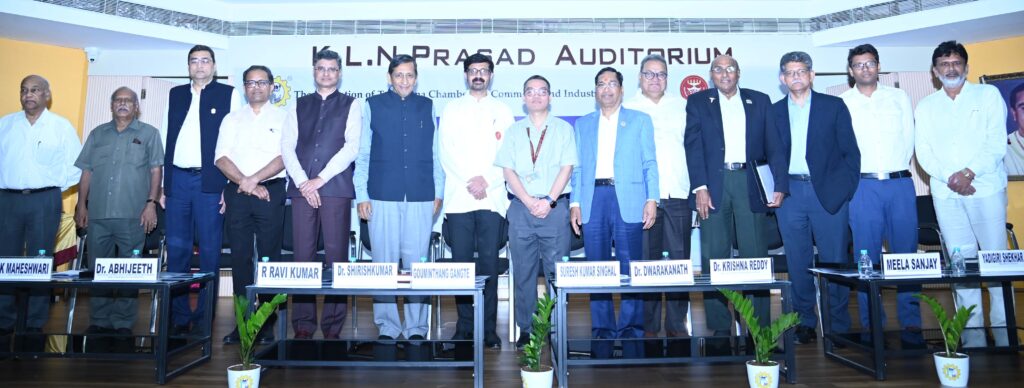
Several experts participated. They include Dr Dwarakanatha Reddy, Chair; Dr Krishna Reddy Nallamalla, CEO of Access Health International; Yadagiri Shekhar Rao, State President of PRAJNA; Dr. Shirishkumar G Chavan, Dean, ESIC Medical College & Hospital; Dr Abhijeet M. Dashetwar, Prof at ESIC Super Speciality Hospital, Dr Imran Ahmed Siddiqui, Senior Specialist, ESIC, Super Speciality Hospital
The program addressed the rights and benefits for employees; the advantages of ESI Medical Services, ESIC Hospital and Services, the importance of screening etc and other
Speaking on the occasion Mr. Suresh Kumar Singhal said ESI stands for Employees’ State Insurance, a social security scheme in India that provides medical care and financial support to employees. But many industrial workforces are familiar with its facilities. A program like this will help create awareness about their rights and benefits. He appreciated the Health Committee of FTCCI for organising such a useful program.
Dr Shirishkumar G Chavan, Dean, ESIC Medical College & Hospital said ESIC Medical College and Hospital Sanathanagar is NABH Accredited. So also, it’s blood bank. It is the first ESI Blood Bank in the state to get NABH accreditation. We have medical colleges, four in the south and four in the North. We also have two dental, and two nursing colleges. We have a 33-acre campus of which we are using 22 acres and in balance, an 11-acre 300-bed hospital is being planned. ESIC Sanathnagar can proudly boast of the latest and multi-disciplinary facilities on par with the best of the best corporate hospitals, he said
Our superspeciality hospital performed the first Renal Transplant in ESIC. We also performed ABO incompatible Renal Transplant. It also performed the first Open Heart Surgery in ESIC. It is also the first among ESICs to perform stereotactic Biopsy (STB) procedures for Brain Lesions. We also have another distinction of using Precision Medicine to decrease Organ Rejection. We were the first of its kind in ESIC in this regard, he shared.
He further added that ESIC has done 47, 295 dialysis procedures in the year 2023 as against 4559 in the year 2019.
Dr Abhijeet M. Dashetwar, Prof at ESIC Super Speciality Hospital spoke about their ambitious initiative called Touching Million Hearts, a comprehensive screening and health awareness program. It is a mission to screen IPs and their families for cardiac, kidney and brain ailments. People are spending their lifetime savings on diagnosis only. By the time it is diagnosed and treatment is required, they are broken. That is when they realise that they have an ESIC card and approach us. Instead, if they come even before they would save trauma and money, he added.
Dr Krishna Reddy Nallamalla, CEO of Access Health International said companies must cultivate a system where few employees volunteer to be ambassadors for good health and create awareness among their colleagues.
Dr Gouminthang Gangte, Regional Director of ESIC said information about various services of ESIC are just a click away. You just scan and get information. We are planning to set up more dispensaries. There is a proposal to construct a few new hospitals shortly in the state, he shared.
31, Aug 2024
Shilton Paul Bows Out with Victory as ASOS Rainbow AC Wins 2-0 in Farewell Match
Kolkata, 31th August 2024: Shilton Paul, the stalwart goalkeeper, played the final match of his illustrious career and marked the end of an era. In an emotional and memorable game held on Friday, 30th August 2024 at Bibhutibhushan Bandyopadhyay Stadium, Shilton took to the field for the last time, representing ASOS Rainbow AC, where he has left an indelible mark.
Shilton Paul, who has been a pillar of strength for ASOS Rainbow AC, officially retired with this match as his last in professional football. Fans and teammates gathered to offer him one last cheer as he took to the field, closing a remarkable chapter in his career.
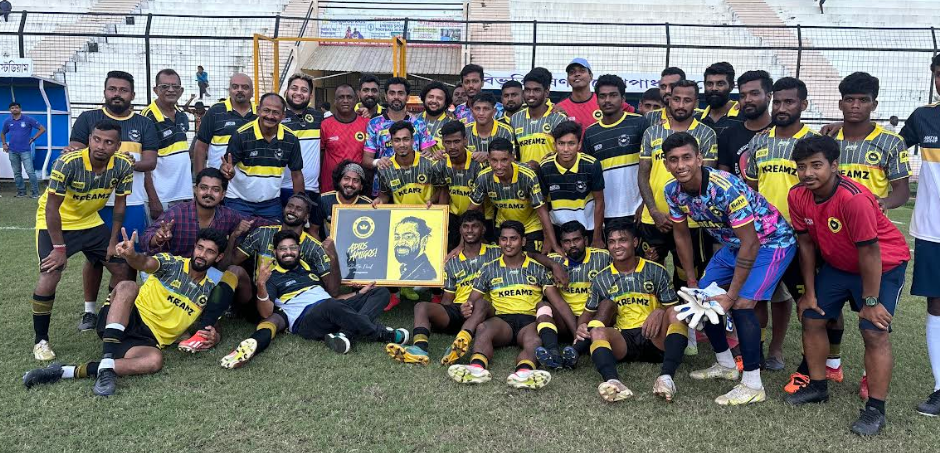
The match, which saw ASOS Rainbow AC face off against George Telegraph SC, concluded with a 2-0 victory for ASOS Rainbow AC. The win was a fitting tribute to Shilton’s extraordinary career, as the team rallied to ensure his final game ended on a high note.
Throughout his tenure with ASOS Rainbow AC from 2023-2024 to 2024-2025 and his journey through Kolkata Maidan, Shilton Paul’s performances were nothing short of legendary. His contributions in the I-League, marked by stellar saves in high-stakes matches, have left an indelible mark on the club and the sport. His leadership both on and off the field has been instrumental in the team’s success, setting a standard of excellence and dedication that will inspire future generations.
Shilton Paul, Indian Footballer, emotionally expressed, “I have been part of ASOS Rainbow Athletic Club for the past two years and during this time, I’ve witnessed firsthand the deep connection between Bengal and football. The club’s owners are true sports enthusiasts with a genuine passion for the game. Personally, I have a great admiration for the team and the way they provide top-notch facilities for their players. As I retire from the club today, I reflect on what has been a wonderful journey. I look forward to seeing the club reach new heights and I am committed to staying connected and involved with the team in the future.”
Anirban Aditya, Chairman, Aditya Group, stated, “While this season didn’t meet our usual standards, we ended on a high note with a 2-0 victory in our final game. We’re delighted to have celebrated Shilton’s last match with a win and we wish him all the best as he embarks on his next chapter. Shilton will remain a vital part of our club and we’re excited to announce the opening of the ASOS Rainbow Shilton Academy in Rajarhat this October, right after Durga Puja. Our commitment remains strong and we look forward to returning even stronger in the future.”
As ASOS Rainbow AC celebrates this 2-0 victory, the club, players, and fans reflect on the invaluable contributions of Shilton Paul. His legacy will continue to inspire and resonate within the world of football.
31, Aug 2024
Indian Racing Festival: Chennai is all set for historic night races
Chennai, Aug 31: As the Indian Racing Festival 2024 edition is all set to revv up for the country’s first-ever night race, as Chennai gears up for an electrifying weekend that promises to make history with a perfect backdrop of the iconic Island Ground under the twinkling starlight.
Nestled in the heart of this vibrant metropolis, the 3.5 km street circuit features 19 turns, multiple chicane and fast straights, including the striking Napier Bridge, painted in a chequered flag design as the zooming formula cars and the drivers will zoom by the War Memorial. Presented by Kingfisher Soda and promoted by Racing Promotions Pvt Ltd, the night race will be nothing short of a spectacle and a monumental step forward for Indian motorsports.
Supported by the Tamil Nadu government, this race aims to elevate Chennai’s status as a motorsport capital by offering fans an unparalleled experience. With packed houses in attendance having close to 9,000 spectators the streets of Chennai will be transforming itself to etch themselves among the global few when it comes to having Night Street Circuit in the world.
Dr. Atulya Misra, Additional Chief Secretary to Youth Welfare and Sports Development said, ” Lot of efforts have been undertaken to bring this milestone night circuit to life in the streets of Chennai. It is not only a prestigious moment for India but will also propel Chennai and Tamil Nadu in the global map as a strong Motorsports destination. While every effort is going into the smooth execution of the race and create a thrilling street circuit which will not only be a spectacle to watch out for but also will be as competitive as one can imagine. This is not just a race; it’s a celebration of speed, skill, and the spirit of Chennai.”
With IRL cars expected to exceed speeds of 200 kmph, the street track is set to push drivers to their limits as they strive to master the circuit configurations and maneuver for maximum speed and impact and on the grid which rums amidst multiple landmarks such as the centuries-old Fort St. George and the renowned Marina Beach in the whole stretch.
“We have done the hard yards to ensure that spectators enjoy the races in comfort and safety, and we are hopeful that India will be able to witness a grand success. We are indeed grateful to the Government of Tamil Nadu, the SDAT team, and every other department that helped us to put this landmark race together,” said Akhilesh Reddy, Chairman and Managing Director of Racing Promotions Private Limited (RPPL), promoters of IRF.
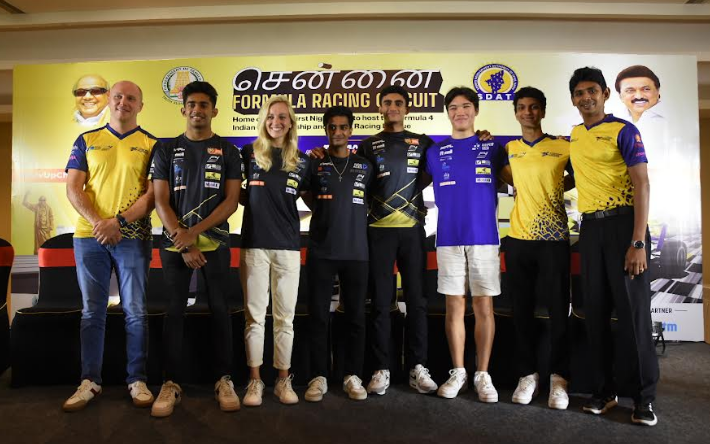
As the excitement builds for the upcoming Indian Racing League event, some of the participating racers shared their thoughts on what this moment means to them. Their words reflect not only their passion for the sport but also the significance of the event in the broader context of Indian motorsport.
The six city-based franchise teams of Indian Racing League (IRL)– Chennai Turbo Chargers, Goa Aces JA Racing, Speed Demons Delhi, Bangalore Speedsters, Shrachi Rarh Bengal Tigers, and Hyderabad Blackbirds along with eight teams (includes six teams of IRL and two more teams. Ahmedabad Apex Racers and Godspeed Kochi) will be speeding as part of the FIA Formula 4 India Championships, are all charged up for this historic weekend.
Chethan Korada, the first Asian racer ever to win a race using prosthetic feet expressed his excitement on getting an opportunity to drive at the night circuit said, “It’s a great honor to be part of this event, and I’m deeply grateful to the government for this incredible opportunity. Racing has been my passion for the last 18 years, and I’ve competed in nearly every motorsport during that time. Reaching this point hasn’t been easy, and I want to thank Arman Ibrahim for the scholarship that made this possible. Racing on roads I’ve known since childhood is truly a dream come true, and I’m looking forward to the race.”
With experience of driving as part of European Formula 4 teams, India origin driver, Nikhil Bohra who is representing Shrachi Rarh Bengal Tigers said, “It is such a glamorous event that is not only a statement for Indian motorsport, but it’s just a statement around the world. I mean, to do this in a country with over one billion people is next level. I just have a huge respect for everyone who put this together. So, thank you for inviting me back, and I’m looking forward to this weekend.
The Goa Aces woman driver, Gabriela Jikova who had a podium finish in Round 1 said, “Motorsport, much like on the men’s side, has traditionally been male-dominated, but we’re seeing a significant change. Today, more women are getting involved, and this is evident in the Indian Racing League, where we have a growing number of female participants. Comparing it to my early days in karting, there were far fewer girls back then. It’s exciting to see women’s motorsport growing, and I’m thrilled to be a part of it. We’re doing our best on the track, and I believe we’re doing a great job. Thank you.”
In the first round at Madras International Circuit on August 24-25, the Bengal Tigers excelled, with all drivers scoring points. Alister Yoong won Race-2, and Ruhaan Alva secured P3 in Race-1. In the Formula 4 segment, Australia’s Hugh Barter rebounded from a last-lap retirement in Race-1 to win the next two races, including a remarkable victory from P15 on the grid.
The event kicks off at 2 pm on both Saturday and Sunday, offering spectators plenty of entertainment, including car stunts and “hot laps” by bike riders.
JK TYRE-FMSCI INDIAN NATIONAL RACING CHAMPIONSHIP
The Round-2 of the 29th JK Tyre-FMSCI Indian National Racing Championship, made up of Formula LGB4 class with a 24-car grid, will run concurrently, and thus, it will set another landmark by becoming the first domestic motor racing competition to have night races.
Last weekend’s double-header witnessed some of the closest racing in recent memory, with the low-cost, entry-level Formula cars going wheel-to-wheel at tremendous pace. Dark Don team-mates, Bala Prasath (Coimbatore) and Tijil Rao (Bengaluru) survived the hectic competition to win a race apiece.
KEY INFORMATIONS FOR SPECTATOR MOVEMENT
To be a part of the first ever night race in Chennai, attendees are directed to specific gates and box offices based on their seating and ticket categories:
● Box Office 1 – Gate No. 2: Serves Grandstand 1, with entry from Muthuswamy Road/Bridge.
● Box Office 3 – Gate No. 4: Serves Grandstands 2, 3, 4 & 5, with parking at Kalavaram Ground and entry from Wallajah Road to Press Club Road.
● Box Office 4 – Gate No. 5: For the Media Stand, meeting at Tamil Nadu State Guesthouse, with entry from Wallajah Road to Press Club Road.
● Box Office 5 – Gate No. 6: Caters to Gold, Platinum, and Premium Lounges, with parking at Madras University and entry from Kamarajar Road.
30, Aug 2024
AI not a threat to human touch in the events industry
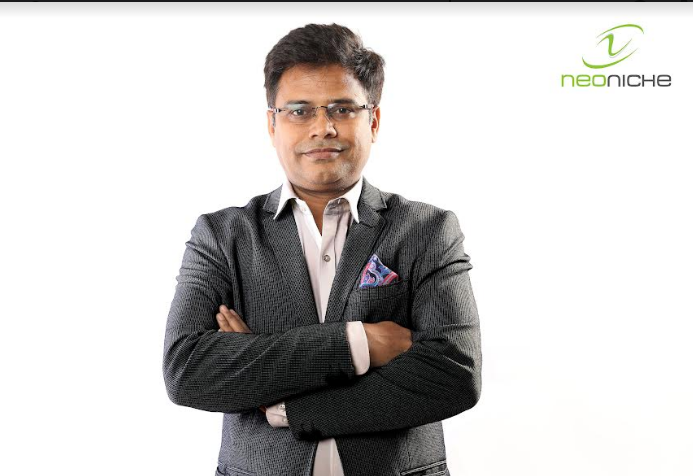
India, 30th August 2024: In a landscape increasingly shaped by automation and artificial intelligence (AI), remarkable opportunities emerge for industries. While reports indicate that AI could displace up to 23% of jobs in India by 2040 and estimate a range of 9% to 26% job losses by 2030, particularly in roles susceptible to automation, Prateek N Kumar, Founder and CEO of NeoNiche Integrated Solutions, India’s leading digital-first, full services experiential-marketing company says that the events industry is poised to harness AI as a powerful ally rather than a threat.
The essence of events lies in creating memorable experiences, fundamentally requiring human creativity, emotional connection, and logistics management. These irreplaceable qualities manifest through personalization and empathy, which AI cannot replicate. Whether orchestrating a wedding, corporate gathering, or private celebration, the nuances of human relationships and the art of hospitality remain irreplaceable assets.
The Human touch shines through creative expertise and innovation, be it delivering immersive experiences, or continually adapting to trends as per client preferences. This dynamic creativity cannot be programmed or emulated by AI, underscoring the necessity of human skills in these creative processes.
Moreover, the unpredictable nature of events often presents unforeseen challenges requiring quick decision-making and adept problem-solving skills. The experience and intuition of event professionals are central to navigating complex logistics, coordinating multiple vendors, and managing last-minute hurdles. While AI can support these functions, its limitations underscore the need for human oversight.
“In an era where automation and artificial intelligence are reshaping industries, the events sector stands as a testament to the irreplaceable value of human touch. While reports indicate a substantial displacement of jobs due to AI, our industry thrives on the unique blend of creativity, personal connections, and cultural sensitivity—elements that machines cannot replicate. Embracing AI as a powerful ally allows us to streamline operations, enhance customer insights, and optimize resources without undermining the essential human experiences that define remarkable events”, said Prateek N Kumar Founder and CEO of NeoNiche Integrated Solutions.
“By integrating AI thoughtfully, we can create tailored, immersive experiences that resonate deeply with our clients while ensuring our teams can focus on the strategic, creative aspects of event management. In this fast-evolving landscape, leveraging AI isn’t just an option—it’s crucial for maintaining competitive advantage and delivering unforgettable experiences.”, he added.


