


12, Sep 2023
Breaking the Silence Fall Summit Returns on September 19, 2023

Tampa, FL, September 12, 2023 — The much-anticipated Breaking the Silence Fall Summit is back for its third installment, scheduled to take place on September 19, 2023. This inspiring virtual event will run from 11:00 AM to 6:00 PM EST, bringing together a lineup of renowned speakers, including the esteemed keynote speaker, George Chanos, former Attorney General of Nevada.
Breaking the Silence Fall Summit is a transformative platform designed to encourage individuals to share their stories of triumph over trauma and inspire others to overcome their past. With a diverse array of speakers, all contributing authors to an empowering book collaboration, this event promises to be a day of inspiration, healing, and personal growth.
George Chanos, a prominent legal figure and former Attorney General of Nevada, will headline the summit as the keynote speaker. His extensive experience and unique perspective on overcoming challenges make him an ideal choice to kickstart this empowering event.
Joining George Chanos are a host of remarkable speakers, each with their own compelling stories and insights to share:
Elyse Howard
Trent Brock
Sue Bowles
Courtney Bates-Walker
Sarah Daniel
Janet Martin
Jan Canty
Stephanie Miller
Lena Cebula
Nicoll Norelli
Claudia Wassiczek
Morgan Guinn
Renita Gibbs
Lori Arbel
Nichole Myles
Helena Georgiou
Pearl Chiarenza
Stacy Peasall
Tina Quant
Joseph James
Martha Kartaqui
Michelle Jewsbury
The Breaking the Silence Fall Summit aims to foster a community of support and empowerment, where individuals can openly discuss their journeys of resilience and personal growth. By sharing these stories, the summit seeks to inspire others facing similar challenges to find the strength within themselves to heal and thrive.
This virtual event will offer attendees the opportunity to engage with these inspirational speakers, participate in interactive sessions, and gain valuable insights into the power of resilience.
- 0
- By Rabindra

6, Sep 2023
Moneycontrol exclusive interview: Prime Minister Narendra Modi on G20, global issues, economy, and more
New Delhi, Sep 6, 2023: In an exclusive interview to Moneycontrol days before India readies to host the G20 Leaders Summit, PM Narendra Modi spoke at length on global issues, India’s growth prospects and its role in G20 and the overall economy.
In an hour-long conversation at his 7, Lok Kalyan Marg office with Network 18 Editors, the Prime Minister also shared his views on inflation and the dangers of freebies.
Full transcript:
Q: What was your vision for G20 in India when the Presidency moved to us?
A: If you see our motto for the G20, it is ‘Vasudhaiva Kutumbakam – One Earth One Family One Future’. This captures our outlook towards the G20 Presidency aptly. For us, the whole planet is like one family. In any family, each member’s future is deeply connected with that of every other member. So, when we work together, we progress together, leaving none behind.
Further, it is well known that we have followed the approach of Sabka Saath, Sabka Vikas, Sabka Vishwas, Sabka Prayas in our country over the last 9 years. It has yielded great dividends in bringing the country together to pursue progress and deliver the fruits of growth to the last mile. Today, there is international recognition for the success of this model, too.
This is our guiding principle in global relations as well.
Sabka Saath – bringing the world together to face collective challenges that affect all of us.
Sabka Vikas – taking human-centric growth to every country and every region.
Sabka Vishwas – winning the trust of every stakeholder through recognition of their aspirations and representation of their voices.
Sabka Prayas – utilising every country’s unique strength and skill in furthering the global good.
Q: You will be hosting world leaders during a time of war and great geopolitical uncertainty. The international order has not been as unstable as this since the Second World War. Amid such a situation, the theme of the G20 summit is Vasudhaiva Kutumbakam, or One World, One Family, One Future. How are the presidents and prime ministers you meet responding to your call for Vasudaiva Kutumbakam and a human-centred approach to solving international problems?
A: To answer this question, it is important for me to speak a little bit about the backdrop in which India became the G20 President. As you said, a pandemic followed by conflict situations posed a lot of questions to the world about existing development models. It also pushed the world into an era of uncertainty and instability.
Over the last many years, the world has been keenly watching India’s growth across many sectors. Our economic reforms, banking reforms, capacity building in the social sector, work on financial and digital inclusion, the pursuit of saturation in basic necessities such as sanitation, electricity and housing, and unprecedented investment in infrastructure have been hailed by international organisations and domain experts. Global investors also showed their confidence in India by creating records in FDI year after year.
So, when the pandemic struck, there was curiosity about how India would fare. We fought the pandemic with a clear and coordinated approach. We took care of the needs of the poor and vulnerable. Our digital public infrastructure helped us reach them directly with welfare assistance throughout. The world’s largest vaccine drive provided 200 crore doses free. We also shipped vaccines and medicines to over 150 countries. It was recognised that our human-centric vision of progress had worked pre-pandemic, during the pandemic and after it. At the same time, our economy was a global bright spot for a long time and continued to be so even when the world was facing the multi-dimensional impact of a conflict.
Meanwhile, over the last 9 years, the world has also witnessed that India was willing to bring various countries together through various initiatives such as the International Solar Alliance and the Coalition for Disaster Resilient Infrastructure, among others. Therefore, there was a widespread acknowledgement of India’s words, work and vision as both inclusive and effective, nationally and internationally. At such a time when global trust in our country’s capabilities was at unprecedented levels, we became the G20 President.
So, when we laid out our agenda for the G20, it was welcomed universally, because everyone knew that we would bring our proactive and positive approach to help find solutions for global issues. As the G20 President, we are also launching a bio-fuel alliance that will help countries meet their energy needs while also empowering a planet-friendly circular economy.
When global leaders meet me, they are filled with a sense of optimism about India due to the efforts of 140 crore Indians across various sectors. They are also convinced that India has a lot to offer and must play a larger role in shaping the global future. This has also been witnessed in their support for our work through the G20 platform.
Q: You have described India’s Presidency of the G20 as the People’s Presidency. Instead of confining it to one or two cities, G20 events have been hosted across the country. What made you decide about the novel idea of democratising G20?
A: Many people are aware of my life after I became Chief Minister of Gujarat. But for many decades before that, I had played organisational roles, both in apolitical and political setups. As a result, I have been blessed with the opportunity to visit and stay in almost every district of our country. For a naturally inquisitive person like me, learning about different regions, the people, unique cultures and cuisines, and their challenges, among other aspects, was a tremendous educative experience. Even as I marvelled at the diversity of our vast nation, there was one common thing that I observed across the country. People of every region and every section of society had a ‘can do’ spirit. They took on challenges with great resourcefulness and skill. They had great self-belief even amidst adversity. All they needed was a platform that empowered them.
Historically, in the circles of power, there was a certain reluctance to think beyond Delhi, particularly Vigyan Bhavan, for hosting national and international meets. This may have been due to convenience or lack of confidence in the people.
Further, we have also seen how even the visits of foreign leaders would be restricted to mainly the national capital or a couple of other places. Having witnessed the capabilities of the people and the wonderful diversity of our country, I developed a different perspective. So, our government has worked on changing the approach since day one.
I have hosted several engagements with global leaders around the country.
Let me quote a few examples. The then-German Chancellor Angela Merkel was hosted in Bengaluru. French President Emmanuel Macron and the then-Japanese Prime Minister Shinzo Abe visited Varanasi. Portuguese President Marcelo Rebelo de Sousa was hosted in Goa and Mumbai. Bangladesh Prime Minister Sheikh Hasina visited Shantiniketan. The then-French President Francois Hollande visited Chandigarh.
Many global meets have also been held in different places outside Delhi. The Global Entrepreneurship Summit was held in Hyderabad. India hosted the BRICS Summit in Goa and the Forum for India-Pacific Islands Corporation Summit in Jaipur. I can go on quoting examples, but the pattern that you can observe here is that this is a great change from the prevailing approach.
Another point to note here is that many of the examples I have quoted are of states that had non-NDA governments at the time. This is also a testament to our firm belief in cooperative federalism and bipartisanship when it comes to national interest.
This is the same spirit that you can see in our G20 Presidency too.
By the end of our G20 Presidency, there will have been over 220 meetings in 60 cities across all 28 states and 8 union territories. More than 1 lakh participants from approximately 125 nationalities will have visited India. Over 1.5 crore individuals in our country have been involved in these programmes or have been exposed to various aspects of them. Holding meetings of such scale and hosting foreign delegates is an endeavour that calls for great capacity building in terms of infrastructure, logistics, communication skills, hospitality and cultural activities, among others. Our democratisation of the G20 Presidency is our investment in the capacity building of the people, especially youth, of various cities across the country. Further, this is yet another example of our motto of Jan Bhagidari – we believe people’s participation is the most important factor in the success of any initiative.
Q: The G20 was set up in 1999 in response to the Asian financial crisis. While a number of international institutions that were established after the Second World War no longer seem fit for purpose, do you think that G20 has been able to fulfil its mandate?
A: I think it would not be right on my part, with India being the President of the G20 right now, to do an evaluation of the G20’s journey over the years.
But I think it is a good question which needs a larger exercise to arrive at the answer. Soon, the G20 will be nearing 25 years of establishment. Such a milestone is a good opportunity to evaluate what objectives the G20 set out with and how far it has been able to achieve them. Such introspection is a necessity for every institution. It would have been wonderful if the UN had undertaken such an exercise when it turned 75 years old.
Coming back to the G20, it would also be a good idea to seek the views of nations outside the G20, especially from the Global South, when it reaches the milestone of 25 years. Such inputs would be very valuable to chart the future course for the next 25 years.
I would like to mention that there are many countries, academic institutions, financial institutions and civil society organisations that continuously interact with the G20, provide ideas and inputs, and also convey expectations. Expectations are built only where there is a track record of delivery and there is trust that something will be accomplished.
India, too, has been active in this forum even before becoming G20 President. From terrorism to black money, from supply chain resilience to climate-conscious growth, we have made important contributions to the evolving discussions and actions over the years. There have also been appreciable developments in global cooperation on these issues after they were raised at G20. Of course, there is always scope for improvement, such as greater involvement of the Global South, and a bigger role for Africa, amongst others. These are the areas that India is working on, during its G20 Presidency.
Q: On one side, there is a lot of talk about the bifurcation of the global order, with blocs led by the United States and China. But on the other side, India has been advocating for a multipolar world and a multipolar Asia. How do you think India is reconciling competing and even divergent interests among G20 nations?
A: We live in a highly interconnected and interdependent world. The impact of technology transcends boundaries and borders.
At the same time, it is also a reality that every country has its own interests. So, a continuous effort to create a consensus on common goals is important. Different forums and platforms for dialogue are the place for this.
The new world order is multipolar. Every country agrees with another country on a few issues and disagrees on others. Having accepted this reality, a way forward is worked out based on their own national interests. India is also doing the same. We have close relations with many different countries, some of which find themselves on different sides on certain issues. But one common factor is both such countries have strong ties with India.
Today, the pressure on natural resources and infrastructure is increasing. At such a time, it is vital that the world strongly stands against the ‘might is right’ culture. It must be recognised that shared prosperity through optimum utilisation of resources is the only way ahead.
In such a context, India has a resource that is perhaps more important than any other kind of resource – human capital which is skilled and talented. Our demography, especially the fact that we are home to the largest population of youth in the world, makes us extremely relevant for the planet’s future. It also gives nations of the world a strong reason to partner with us in the pursuit of progress. In maintaining healthy relations with countries across the globe, I must also commend the role of the Indian diaspora. As a link between India and different countries, they play an influential and important part in India’s foreign policy outreach.
Q: India has been a strong advocate of reformed multilateralism as a priority for G20 so that we have an international order that is just and equitable. Can you elaborate on our vision for reformed multilateralism?
A: Institutions that cannot reform with the times cannot anticipate the future or prepare for it. Without this ability, they cannot create any real impact and end up as irrelevant debating clubs.
Further, when it is seen that such institutions cannot act against those who violate the global rules-based order or worse, get hijacked by such entities, they risk losing credibility. There is a need for credible multilateralism powered by institutions that embrace reform and treat various stakeholders with consistency, equality and dignity.
So far, we spoke about institutions. But beyond this, a reformed multilateralism also needs to focus on going beyond the institutional sphere to tap into the power of individuals, societies, cultures and civilizations. This can only be done by democratising international relations, and by not making government-to-government relations the only medium of contact. Increasing people-to-people contact through avenues such as trade and tourism, sports and science, culture and commerce, and mobility of talent and technology, amongst others, will create a true understanding between different nations, their aspirations and their points of view.
The interconnected nature of our world today can become a strength for peace and progress if we focus on a people-centric policy.
Q: A notable element of your diplomacy has been that India is friends with nearly every country in the world, which is a rarity. From the US to Russia and West Asia to Southeast Asia, you have solidified relationships across the board. Do you think that today India is the trustworthy voice of the Global South in the G20?
A: There are many factors behind the strengthening of India’s relationships with various countries across regions.
After many decades of instability, in 2014, the people of India voted for a stable government that had a clear agenda for development.
These reforms empowered India to not only strengthen its economy, education, health and welfare delivery but also gave the country the ability to become part of global solutions in various domains. Whether it is space or science, technology or trade, economy or ecology, India’s actions have been lauded worldwide.
Whenever any country interacted with us, they knew they were interacting with an aspirational India that was looking to partner with them in their progress while also taking care of its own interests. This was an India that had a lot to contribute to every relationship and naturally, our global footprint increased across regions and even countries that saw each other as adversaries became friendlier with us.
Further, when it comes to the Global South, these are countries with which we empathise. Since we too are part of the developing world, we understand their aspirations. At every forum including the G20, India has been raising the concerns of the countries of the Global South.
As soon as we became the President of the G20, we held the Voice of Global South Summit, which made it clear that we were a voice for the inclusion of those who felt excluded from the global discourse and institutional priorities.
We have given importance to our ties with Africa over the years. Even at the G20, we have given momentum to the idea of the inclusion of the African Union.
We are a nation that looks at the world as one family. Our G20 motto itself says that. In any family, every member’s voice matters and this is our idea for the world too.
Q: This is an El Nino year and the effects of climate change are more visible than ever in the form of flooding and fires. Even though developed countries talk a lot about climate change, they are not meeting their main climate pledge of providing $100 billion in finance by 2020. In contrast, there is an unending supply of money for wars. As a leader who is in tune with the aspiration of the Global South, what is your message to rich nations that are a part of the G20 on this issue?
A: I think there is a need to understand that the way forward is related to changes in scope, strategy and sensitivity. First, let me tell you how a change in scope is needed. The world, whether it is developed or developing countries, needs to accept that climate change is not only a reality but a shared reality. The impact of climate change is not regional or local but is global.
Yes, there will be regional variances in how it plays out.
Yes, the Global South will be affected disproportionately.
But in a deeply interconnected world, anything that affects such a huge population of the planet will surely have an impact on the rest of the world too. Therefore, the solution will have to be global in its scope.
The second factor in which change is needed is in terms of strategy. A disproportionate focus on restrictions, criticism and blame cannot help us tackle any challenge, especially when we seek to do it together. So, there is a need to focus on what positive actions are needed, such as energy transition, sustainable agriculture and lifestyle transformation among others, and give them a greater push.
The third factor in which change is needed is sensitivity. There is a need to understand that the poor and the planet, both need our help. Different countries of the world, especially the Global South, are at the receiving end of the impact of the climate crisis, despite having done very little to create the problem in the first place. But they are ready to do whatever it takes to help the planet, provided the world is ready to do whatever it takes to also help them take care of their poor people. So, a sensitive and empathetic approach that focuses on resource mobilisation and technology transfer can do wonders.
Q: You have been a strong advocate of clean and renewable energy. Even though there is resistance from some energy-rich countries to the accelerated deployment of renewables and the phasing down of fossil fuels, India has shown a steadfast commitment on this issue. What should G20 members do collectively and individually to show that they are indeed dedicated to clean energy deployment?
A: I had earlier mentioned taking a constructive, rather than purely restrictive approach in the response to the climate crisis. Over the last 9 years, India has been exemplifying it.
Let us first speak of the strides we have taken domestically. In the Paris meeting, we had said that we would ensure that 40 percent of our energy would come from non-fossil fuel sources by 2030. We achieved this in 2021 itself, 9 years ahead of our promise. This was made possible not by reducing our energy consumption but by increasing our renewables. The installed capacity of solar energy went up 20-fold. We are among the top 4 nations in the world in terms of wind energy.
The government has been working on providing incentives for the electric vehicle industry. The industry has responded with greater innovation and the people are responding to it with greater openness to try the alternative. The behaviour transformation to avoid the use of single-use plastic became a people’s movement. Safe sanitation and cleanliness are now the social norm. The government is working to popularise natural farming and our farmers are also looking to increasingly adopt it.
Growing and consuming millets, our very own Shree Anna, is now an important topic in our national discourse and is shaping up to be the next mass movement. So, there is a lot that is happening in India that has made a massive impact. Naturally, we have also spearheaded global efforts to bring countries together to care for our planet.
The International Solar Alliance has reached out to the world with the mantra of ‘One World One Sun One Grid’. This has resonated globally and over 100 countries are members. This will help replicate our solar success story in many sun-rich countries.
India has also led the Mission LiFE initiative that focuses on Lifestyle for Environment. If you observe our cultural ethos and traditional lifestyle principles, they are based on moderation and being conscious of the environment. These principles are now going global with Mission LiFE.
Further, there is another way to look at it, which I have explained in multiple forums. Just like health-conscious people make every decision in their lives based on how the decision will impact their health in the long term, there is a need for planet-conscious individuals.
Each lifestyle decision, if made with the planet’s welfare in mind, will benefit our future generations. This is why I said we must move from mindless and destructive consumption to mindful and deliberate utilisation. If you have observed the trajectory of my answer, it is completely focused on taking responsibility and making things happen. Whether it is one country or a collective, when it comes to the climate crisis, it is taking responsibility and making things happen that will make a difference.
Q: While there is increasing inter-connectedness in the world, we are also seeing a trend towards greater national autonomy in securing supply chains as well as their diversification. Do you think geopolitics is now a determining factor in decision-making for global corporations, and what is India doing under the G20 umbrella to facilitate smooth global trade?
A: Geopolitics and related factors can have a significant impact on decision-making in international trade. Instances of unilateralism and isolationism driven by such factors can contribute to supply chain disruptions and impact livelihoods, especially in critical sectors.
This is why, today, investment in creating reliable global value chains is gaining importance.
At the same time, geopolitical factors alone cannot help. Countries need to offer stable policies that encourage trade, industry and innovation. During its G20 Presidency, India is playing a significant role in strengthening the multilateral trading system and promoting rules-based global trade.
We have been able to get global deliberations going on removing bottlenecks that impede the integration of MSMEs in international trade, developing frameworks that could make global value chains resilient towards future shocks and embracing the need to build consensus on WTO reforms.
Q: Unilateral decisions and beggar-thy-neighbour mercantilist policies by some rich and powerful countries are distorting international trade. We are seeing more and more bilateral trade agreements as well as the decline of the World Trade Organisation’s relevance. This affects developing countries more than anyone else. What is the way forward for G20 if we must have equitable trade policies that promote development in the poorest countries?
A: As part of its Presidency, India has been supporting agendas that promote a stable, transparent and fair-trade regime that benefits everyone. The essential role of the multilateral trading system with WTO at its core has been acknowledged while also being committed to working towards necessary reforms, including strengthening WTO rules, restoring the dispute settlement mechanism and concluding new mutually beneficial WTO agreements.
India has also been advancing the interests of the developing world, including the interests of nations not represented in the G20, such as the countries of the African Union.
Further, perhaps for the first time in the history of G20, the troika is with the developing world—Indonesia, India, and Brazil. This troika can amplify the voice of the developing world, at a crucial time when there are increased tensions due to global geopolitics.
Equitable trade policies are certainly a key area of thrust at the G20, as this directly benefits the whole world in the long term.
Q: Debt vulnerabilities have increased for several low-income and middle-income countries. What more do you think must be done by lender G20 states to help these poorer nations overcome debt distress and attain sustainable growth?
A: India’s G20 Presidency in 2023 has placed great emphasis on addressing the global challenges posed by the debt crisis in low-income and middle-income countries.
We have been diligently advocating for the interests of the Global South in this crisis. We are working on strengthening multilateral coordination to facilitate coordinated debt treatment for debt-distressed countries.
At a meeting of G20 Finance Ministers and Central Bank Governors, it was acknowledged that good progress has been made in the debt treatment of both countries covered under the Common Framework and outside the Common Framework.
Additionally, to accelerate debt restructuring efforts, the Global Sovereign Debt Roundtable (GSDR), a joint initiative of the IMF, World Bank, and the Presidency, was launched earlier this year. This will strengthen communication and foster a common understanding among key stakeholders, both within and outside the Common Framework, for facilitating effective debt treatments.
However, there is a larger movement that is happening beyond all these institutional mechanisms. In this information age, news about the debt crisis in one country is travelling to many other countries. People are analysing the situation and awareness is spreading. This is helpful for other countries to take precautionary steps to avoid a similar situation in their own countries, with the people’s support.
In our own country too, on multiple platforms, I have spoken about the need to be alert against financially irresponsible policies. The long-term implications of such policies destroy not only the economy but also society. The poor pay a heavy price. Yet again, the good thing is that people are becoming increasingly aware of the problem.
Q: India has been a pioneer in creating and deploying digital public infrastructure at a scale never seen before. Whether it is UPI or Aadhaar or ONDC, the applications that are being built on top of this infrastructure are having a multiplier effect on the economy. On a global scale, how do you see India’s contribution making a difference?
A: For a long time, India was globally known for its tech talent. Today, it is known for both its tech talent and tech prowess, especially in digital public infrastructure. As you mentioned, a number of initiatives and platforms that took off over the last 9 years are having a multiplier effect on the economy. However, India’s tech revolution has not only had an economic impact but also a deep social impact.
The human-centric model that I was speaking about earlier in our discussion is clearly visible in the way we have used technology. For us, technology is a means to empower people, reach the unreached and take growth and welfare to the last mile.
Today, due to the Jan Dhan – Aadhaar – Mobile (JAM) Trinity, even the poorest and the most vulnerable are feeling empowered because no one can snatch their rights away. The way technology helped us reach crores of people during the pandemic with assistance will always be remembered.
Today, when foreign delegates visit India, they are amazed to see street vendors asking customers to pay through a QR code through UPI. No wonder, India accounted for almost half of the real-time digital transactions that happened in the world! Even other countries are keen on associating with the UPI, so much so that Indians find themselves having the option of paying through UPI even outside India!
Today, lakhs of small entrepreneurs are getting the benefit of having a level playing field in becoming a part of public procurement through the Government e-Marketplace.
During the pandemic, it was a tech platform COWIN which helped us take over 200 crore vaccine doses to the people, free of cost. We also made the platform open-source for the whole world to use.
The ONDC is a futuristic initiative that will revolutionise the tech field by creating a level playing field on digital platforms for a number of different stakeholders.
Drones empowering people with property rights through SWAMITVA scheme, our surge to over a century of unicorns – there are a number of other such achievements that we can discuss. But the important thing is the impact this is having on the world.
Looking at India, countries of the Global South are excited about the opportunity of empowering the poor at a much faster rate, without any leakages, due to technology. This will give momentum to their growth.
Further, having been recognised for our abilities in the tech domain, India’s vision for the future
of global technology is being welcomed at various global platforms.
For example, during our G20 Presidency, a framework to govern digital public infrastructure has been adopted by the Digital Economy Ministers, laying the foundations for the One Future Alliance.
Further, whether it is crypto or cyber terrorism, India’s call for global cooperation on approaching tech-related issues is seen as credible. Because we are a nation that has a deep experience in innovation and adoption of technology in the public domain.
Q: Inflation is a major problem for most countries, including India. Easy monetary and fiscal policies during Covid and the Ukraine war have made inflation the most pressing global economic issue. Is there scope for a better response by rich G20 nations, now and in the future, so that developing countries do not bear the brunt of inflation that is imported into their economies?
A: Inflation is a key issue that the world faces. First, the pandemic and then the conflict have
changed the global inflation dynamics. As a result, both advanced countries and emerging economies are facing high inflation. This is a global issue that needs close cooperation.
During our G20 Presidency, there was a meeting of G20 Finance Ministers and Central Bank Governors. This forum has recognised that there is a need to ensure that policies taken by each country to combat inflation do not lead to negative repercussions in other countries. Further, for this, there is an understanding that timely and clear communication of policy stances by Central Banks is crucial.
As far as India is concerned, we have taken a number of steps to control inflation. Even in the face of adversities and global dynamics, India’s inflation was two percentage points lower than the global average inflation rate in 2022. Yet, we are not resting at that and are continuing to make pro-people decisions to boost ease of living. For example, recently on Raksha Bandhan, you saw how we reduced the prices of LPG for all consumers.
Q: India is currently the fifth-largest economy in the world. We are projected to become the third-largest economy in 2027. What are the implications for G20 and for the rest of the world of a stronger and more prosperous India?
A: India became the fifth-largest economy and it is indeed something that is important. But the way our country did it, I think, is as important. It is a feat achieved because there is a government that is trusted by the people and in turn, the government too trusts the capabilities of the people.
It is a privilege and honour for us that the people have placed unprecedented trust in us. They gave us a majority mandate not just once, but twice. The first mandate was about promises. The second, even bigger mandate, was about both performance and the future plan we had for the country. Due to this political stability, every other sector could see deep structural reforms. The economy, education, social empowerment, welfare delivery, infrastructure – I can keep on mentioning sectors that have seen reforms.
As a result, foreign direct investment into India is breaking records year after year, export records are being broken in both services and goods, Make in India has taken off with great success across sectors, startups and mobile manufacturing have done wonders, infrastructure creation is happening at a pace never seen before and all of these adding up to a huge number of job opportunities for our youth. The benefits of growth are being taken to the last mile. A comprehensive social security net protects our poor while the government is assisting them at every step in their battle against poverty. With over 13.5 crore of our people coming out of multidimensional poverty in just 5 years, an aspirational neo-middle class is taking shape and this section of society is poised to push growth even further.
It must specifically be noted that women are emerging as the driving force of our growth journey. Many development initiatives are seeing them come to the forefront, be it financial inclusion, entrepreneurship or cleanliness. From space to sports, start-ups to self-help groups, every sector that is on an upswing is seeing women taking the lead. With the G20, now, the message of women-led development is making waves all over the world – this is the power of Indian women. The cumulative momentum building up from the empowerment of the poor, youth, women and farmers will certainly make India one of the top 3 economies of the world in the near future.
India’s growth is not only good for Indians but also for the world. India’s growth is clean and green growth. India’s growth is being achieved with a human-centric approach that can be replicated in other countries too. India’s growth helps further the interests of the Global South. India’s growth helps bring a sense of reliability and resilience to the global supply chain. India’s growth is for the global good.
Q: Prime Minister, you are 72 years old, but your energy levels will put much younger people to shame. What keeps you hungry and active?
A: There are many people across the world who make complete use of their energy, time and resources towards a mission. It is not that I am alone or exceptional in this respect.
For many decades before I entered politics, I was actively working with society at the grassroots level, amidst the people. One of the benefits of this experience was that I came across many deeply inspiring people who dedicated themselves completely to a cause. I learnt from them.
A second aspect is the difference between ambition and mission. When someone works due to ambition, any ups and downs that they encounter can unsettle them. Because ambition comes from attachment to position, power, comforts, etc.
But when someone works for a mission, then there is nothing to gain personally and therefore, ups and downs cannot affect them. Being devoted to a mission is a constant source of unending optimism and energy. Further, a sense of mission is also accompanied by a sense of detachment from unnecessary matters which helps focus energy fully on the important things.
My mission is to work for the development of my country and my people. This gives me great energy, especially because there is a long way to go for us.
I had mentioned earlier as well that even before I became the Chief Minister of Gujarat, I had visited and stayed in almost every district in India like a common man. I have seen first-hand, lakhs of examples of people living hard lives. I have seen their determined spirit and strong self-belief in the face of great adversities. We have a great history and all the ingredients for greatness are still there in our people.
I have firm faith that our country has a lot of untapped potential and has a lot more to offer to the world. All our people need is a platform from which they can do wonders. The creation of such a strong platform is my mission. It keeps me motivated all the time. Apart from this, of course, when one is devoted to a mission, at a personal level, it takes discipline and daily habits to maintain a healthy body and mind, which I certainly take care of.
6, Sep 2023
Veto4India: Haq Banta Hai! India Deserves a Permanent Seat at the United Nations Security Council
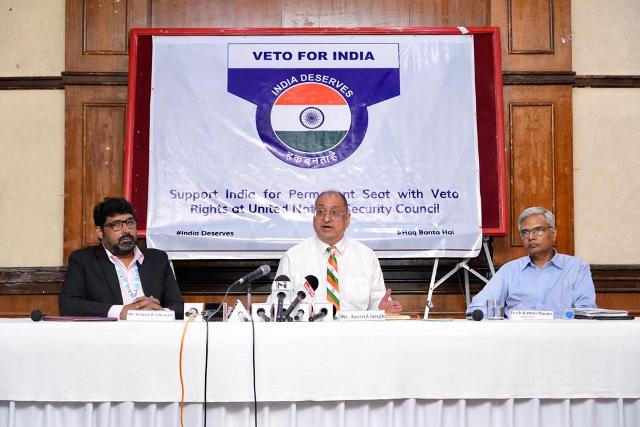
New Delhi, September 6, 2023 –Today, history was made as concerned citizens, distinguished experts, and passionate advocates gathered at the Pass Club of India in New Delhi for the “Veto4India: Haq Banta Hai! India Deserves” event. This landmark occasion marked a significant step in the ongoing movement to secure a Permanent Seat for India at the United Nations Security Council (UNSC).
The event, held from 3:00 PM to 5:00 PM on Tuesday, September 5, 2023, witnessed distinguished guests Shri Arvind Singh, Founder of Veto4India, Ambassador Shri Anil Trigunayat IFS (Retd.), Shri Melwyn Williams Chirayath (Cine Actor, Writer, Director, Producer, Festival Consultant & Curator, Entrepreneur & Culture Journalist), and Shri Desh Rattan Nigam, Supreme Court Advocate.
An enlightening skit was also performed by Shri Ram Centre Professionals amid a lively Question & Answers Session, where participants voiced their thoughts and concerns.
Shri Arvind Singh, Founder of Veto4India, said, “Today, we gather not just as citizens, but as stewards of India’s destiny, demanding the recognition our nation deserves on the world stage.”
Melwyn Williams Chirayath, said, : “India’s cultural richness, innovation, and diversity make it a potent force for positive change. Let us unite to ensure that this vibrant tapestry finds its rightful place in shaping international affairs.”
Desh Rattan Nigam, Supreme Court Advocate, said,: “In the halls of justice and diplomacy, we advocate not only for India’s aspirations but for justice itself. India’s seat at the UNSC isn’t just a seat; it’s a seat for justice, equity, and progress.”
The “Veto4India” movement was initiated by Arvind Singh, an alumnus of IIM Ahmedabad, who firmly believes that India, with its remarkable achievements and contributions on the global stage, deserves a permanent seat at the UNSC. The movement has gained immense momentum, with over 30,000 individuals signing the petition on change.org.
India’s rise as the world’s most populous country, coupled with its status as the fastest-growing economy and the largest democracy, underscores the importance of recognizing its worth and providing it with the representation it deserves at the United Nations. India’s significant contributions to UN Peacekeeping missions further emphasize its role as a responsible global citizen.
Arvind Singh’s call for India to be granted a permanent seat at the UNSC is resonating with people both in India and around the world. The online petition has garnered substantial support and continues to grow. As the movement gains traction, the international community is closely watching to see if India will finally receive the recognition it merits.
Arvind Singh, an ex-international banker, who has returned to India after three decades overseas, is dedicating his time and efforts to the cause of nation-building. His mission to secure a permanent seat for India at the UNSC has garnered the support of experts, retired Indian Foreign Service Officers, and concerned citizens who believe that India’s inclusion at the highest decision-making table will strengthen the United Nations and foster a more balanced and inclusive global agenda.
6, Sep 2023
5 popular crime shows on Indian television that were beloved by viewers
Crime shows have consistently garnered a strong following on Indian television, captivating viewers with their gripping narratives centered around criminal investigations and the relentless pursuit of justice. Let’s revisit five iconic crime investigation series that made a lasting impact on audiences:

Savdhaan India: This highly acclaimed crime series, primarily hosted by the renowned actor Sushant Singh and aired on STAR Bharat, delves into real-life crime incidents. The show’s major objective is to create awareness amongst the viewers and sheds light on the challenges faced by victims and law enforcement officials. Fans can look forward to the upcoming season of Savdhaan India with the new theme “Criminal Decoded,” set to premiere on September 26th, Monday to Saturday at 10.30pm on STAR Bharat.

Crime Patrol: Sony Entertainment Television’s long-standing crime show, hosted by Anup Soni, brings to life actual criminal cases from India. Its primary objective is to make its viewers understand the crimes various criminal activities happening around which are unknown to many and offer insights into the investigative process.

C.I.D.: Holding the distinction of being the longest-running series on Indian television, “C.I.D.” airs on Sony Entertainment Television. The series revolves around a team of Crime Investigation Department officers, led by ACP Pradyuman, Senior Inspector Abhijeet, and Senior Inspector Daya. Together, they tackle complex and intriguing criminal cases, often involving murder and other serious offenses.

Suraag: Airing in the 1990s on DD channel, “Suraag” featured Sudesh Berry as a CID officer who partners with his assistant to crack the most perplexing cases. The show gained recognition for its portrayal of their team’s ability to solve seemingly unsolvable cases, especially those involving murder. The show’s strong performances kept viewers eagerly anticipating each new episode.

Karamchand: Originally broadcast on Doordarshan in 1985, “Karamchand” starred Pankaj Kapur and offered a unique blend of entertainment. This 1980s television gem was remembered fondly by many viewers for its ahead-of-its-time storytelling. The witty banter between Karamchand and his assistant Kitty added an extra layer of enjoyment, making it a hit among audiences.
These shows continue to send shivers down the spines of the audience, offering both entertainment and immense love from their viewers.
5, Sep 2023
Rahul Shivshankar to join Network18 as Consulting Editor
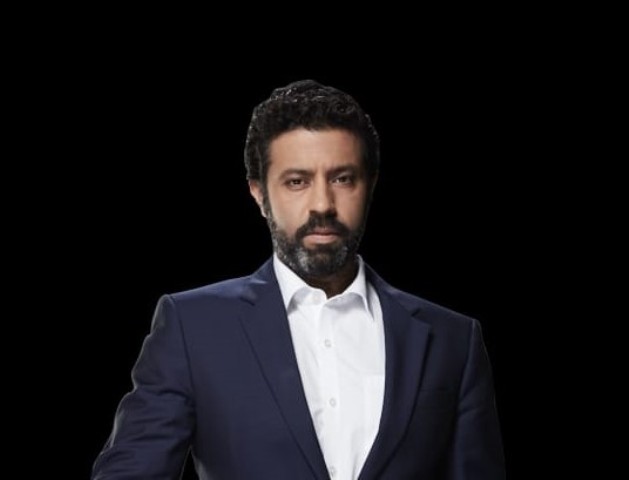
New Delhi | 5 September 2023: Noted TV news editor and anchor Rahul Shivshankar is all set to join Network18 Group as a Consulting Editor.
He will join the stellar line-up of TV news anchors, editors and writers at India’s largest news network.
Commenting on his new role, Shivshankar said, “I am very excited to be associated with Network18, which has evolved into the country’s most influential news network on the back of its unflinching commitment to reporting the facts that speak truth to the people.”
“It is a privilege to add to the plethora of sober reflections, critical news analysis, and balanced voices that are already platformed on the network by some of the news industry’s leading lights,” he added.
Shivshankar will contribute across platforms at the network.
The group presently runs India’s top TV news brands such as CNN-News18, News18 India, CNBC TV18, CNBC Awaaz and News18 regional channels. The network is also home to some of India’s top digital news brands such as Moneycontrol, Firstpost, News18.com, among others.
Welcoming Rahul Shivshankar to the group, Puneet Singhvi, CEO (Digital) & President-Corporate Strategy, Network18 said, “Rahul is a distinctive journalist and editor with an unparalleled audience connect. He has been the face of prime time TV journalism and a leading newspaper columnist for almost two decades. His work will add a fresh dimension to our coverage of big events, both on TV and digital.”
A news industry veteran with nearly three decades of experience in print and television journalism, Shivshankar began his career as a reporter with Times of India, where he broke a large number of stories and started writing for the edit page as one of the youngest leader writers at the paper.
Later, he became part of the core team that launched Times Now and continued to rise through the ranks.
As Editor-In-Chief of Times Now, he played a pivotal role in catapulting the channel to its next phase. He has interviewed many important newsmakers including Narendra Modi, Benjamin Netanyahu, Boris Johnson, Bill Gates, Hillary Clinton, Mike Pompeo, Anthony Fauci and many others.
Shivshankar has received critical acclaim for his coverage of the 26/11 Mumbai Terror attacks. He was invited to contribute to an anthology of investigative narratives about the attacks published by Roli Books. He has also authored a soon-to-be released book on the 2024 Elections, commissioned by Penguin Random House.
5, Sep 2023
IMAGINE DRAGONS LIVE IN VEGAS Streaming on HULU NOW

Today, Imagine Dragons unveil a new single entitled “Children of the Sky (a Starfield song)” inspired by the blockbuster Sci-Fi role-playing game, Starfield™, which arrives in stores and online next Wednesday, September 6, 2023. Listen to “Children of the Sky (a Starfield song)”
Imagine Dragons crafted “Children of the Sky (a Starfield song)” with the universe of Starfield in mind. Its rapturous orchestration reflects an introspective questioning about our place in the universe and the big questions of life, with moments of drama amplified by way of a seismic signature hook.
Stay tuned for the premiere of an official music video.
About the song, Imagine Dragons frontman and avid game aficionado Dan Reynolds commented, “Bethesda created iconic games we’ve been playing for most of our lives, and we’re honored to have collaborated on this song for Starfield. The song, like the game, asks some of the most difficult questions we face as humans trying to find our place in the universe.”
Starfield composer Inon Zur said, “I’m so excited and honored to reveal that I have collaborated with the legendary group Imagine Dragons to create CHILDREN OF THE SKY (A STARFIELD SONG). The band has created an amazing, emotional, and memorable song, and I joined them in crafting the Starfield motif into the song as well as iconic elements from the Main Theme and the Starfield orchestral treatment. The outcome is a massive celebration for Starfield and I hope that the group’s fans as well as gamers from all over the world will find it as exhilarating and magnificent as we all feel.”
5, Sep 2023
Commonwealth Secretary-General intensifies climate finance campaign at Africa Climate Summit

The Commonwealth Secretary-General, the Rt Hon Patricia Scotland KC, is seeking to ramp up global support for greater climate finance commitments at the Africa Climate Summit, taking place 4 to 6 September in Nairobi, Kenya.
The summit, held under the theme ‘Driving Green Growth and Climate Finance Solutions for Africa and the World’, is a critical juncture for the African continent to mobilise action in the lead up to the UN Climate Change Conference COP28 in November.
Vulnerable countries and populations in Africa are particularly exposed to the impacts of climate change, such as unpredictable weather patterns and more extreme weather, which affects millions of lives, livelihoods and homes.
In Nairobi, the Secretary-General is scheduled to meet with various Heads of State from the region as well as world leaders, including the United Nations Secretary-General António Guterres, to advocate actions that will unlock billions in climate finance to support vulnerable nations, as well as improve access to those funds.
This includes delivering on the annual commitment of US$100 billion in climate finance promised to developing nations since 2009, and the operationalisation of an inclusive and fit-for-purpose Loss and Damage Fund, which was agreed last year at COP27 to help vulnerable countries cope with the devastating impacts of climate change.
The Secretary-General said: “I urge leaders, the international community, the private sector and civil society – together, we must all step up and drive this transformation. The means and the solutions to realise our ambitions under the Paris Agreement are already available to us – there is no excuse for a delay in action. Ignoring the consequences of inaction will hurt the most vulnerable the hardest, not to mention the generations that follow.”
The Secretary-General is leading a delegation of senior experts from the Commonwealth Secretariat, who will also be sharing key insights and best practices garnered from flagship programmes such as the Commonwealth Climate Finance Access Hub (CCFAH), the Commonwealth Blue Charter, the Commonwealth Sustainable Energy Transition Agenda and the Commonwealth Living Lands Charter: A Call to Action on Living Lands (CALL), including their enhanced focus in supporting the Africa region.
On Tuesday 5th September, the Secretary-General will take part in a high-level panel alongside the President of Somalia, H.E. Hassan Sheikh Mohmaud, the President of Mozambique H.E Filipe Jacinto Nyusi and the Vice President of Colombia H.E Francia Elena Marquez Mina, focusing on unlocking the potential of a “regenerative blue economy” in Africa and globally.
During the mission, the Secretary-General will also hold a dialogue with environment and climate ministers from across the Africa region, to discuss expectations and key concerns ahead of the UN Climate Change Conference COP28.
Discussions will feed into the first ever Commonwealth Environment and Climate Ministers’ Meeting, to take place in the margins of the United Nations General Assembly meetings in New York on 21 September.
1, Sep 2023
Japanese tourists visit Morarji Desai National Institute of Yoga
New Delhi, Sept 1, 2023:
A group of 15 Japanese tourists participated in a yoga session at Morarji Desai National Institute of Yoga (MDNIY). The yoga session was conducted by yoga therapist Ms. Madhu Khurana, and a yoga demonstration was presented by yoga practitioner Ms. Shruti.

MDNIY Director, Mr. Vikram Singh, warmly welcomed the group of tourists. He provided them with information about the various activities and programs offered by the institute. During this visit, the Japanese tourists engaged in a dialogue session with the institute’s Director, Mr. Vikram Singh, who provided participants with the opportunity to gain a deeper understanding of the ancient yoga teachings and traditions. At the end of the program, the guests shared their positive experiences and praised the institute for its pioneering efforts in promoting yoga.
It must be noted that yoga resonates deeply with the Japanese people. Honorable Prime Minister Narendra Modi, in an event held on August 30, 2019, at the Vigyan Bhawan in New Delhi, honored Mr. Kimura of Japan Yoga Niketan with the ‘Prime Minister’s Yoga Award-2019’ in the ‘ International Category ‘ for his outstanding contribution to the promotion and development of yoga in Japan.
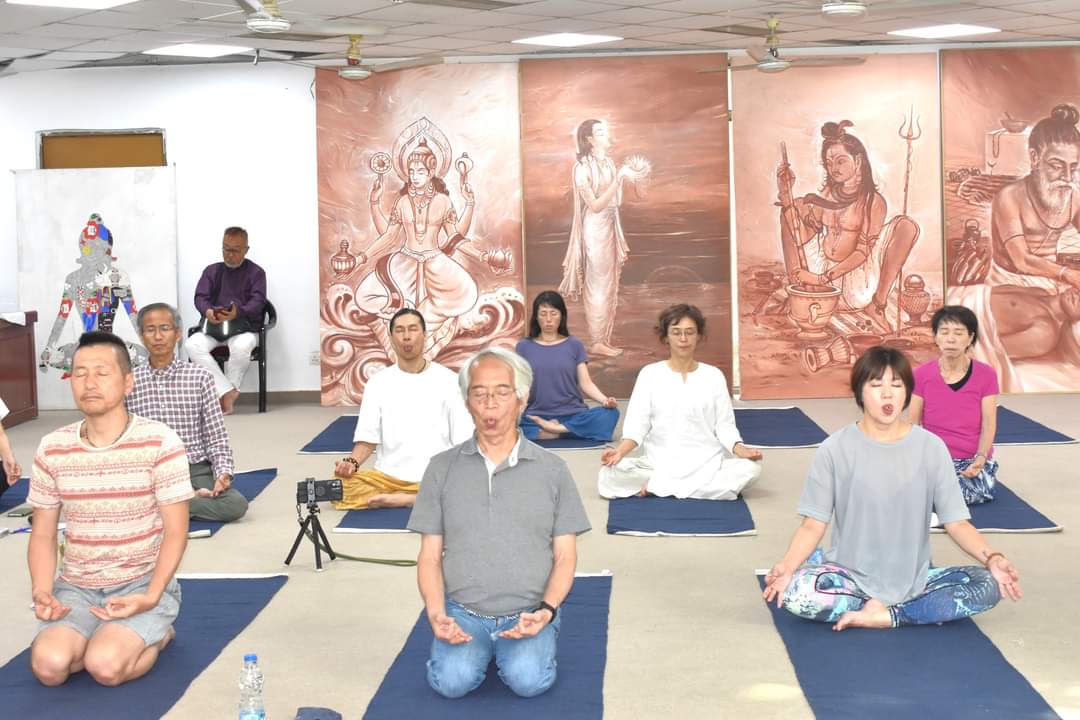
In this context, it is well-known that yoga is an ancient tradition in India, dating back thousands of years, which establishes harmony between physical, mental, and spiritual activities for the excellence of the body and mind. On December 11, 2014, the United Nations General Assembly declared June 21 as ‘International Day of Yoga.’ This proclamation was made in response to the dedicated efforts and special appeal of India’s Prime Minister, the Honorable Mr. Narendra Modi.

During the program, Mr. Mudit Sharma, Administrative Officer at MDNIY, and Ms. Manjot Kaur, a dietary specialist at MDNIY, were also present and made valuable contributions to the successful execution of the event.
31, Aug 2023
Entrepreneurs Premier League, led by Delhi NCR Entrepreneurs, commence its third season
New Delhi, 31st August 2023: The stage is set for yet another exhilarating season of the Entrepreneurs Premier League (EPL), where business acumen meets sportsmanship, and innovation is celebrated in the spirit of healthy competition. The highly anticipated third season of EPL promises to be bigger, better, and bolder as it brings together a cohort of 90 dynamic entrepreneurs forming six teams to battle for the championship title.
EPL Season 3 kicks off with great excitement on the 27th of August, 2023, at the Vinay Marg Sports Complex, Chanakyapuri. This season will witness the fusion of entrepreneurial brilliance and sporting fervor, all under one roof. The grand finale is scheduled to take place on the 8th of October.
This year’s league showcases a diverse line-up of six teams, each fueled by the passion of visionary entrepreneurs. The participating teams are Toreto Bang, Mavericks, UAPL XI, Modi Infosol XI, XSYS DKDC Stars, and KVE SuperGiants.

Expressing his enthusiasm, Vikram Singh, Creator and Director, Akra stated, “Entrepreneurship is about pushing boundaries, and EPL embodies this spirit. This league brings together innovative minds and showcases the fusion of sports and business. We’re excited to witness the dynamic energy and camaraderie among entrepreneurs.”
In its mission to elevate entrepreneurship and innovation, EPL Season 3 is proud to be backed by some outstanding sponsors who believe in the power of nurturing dreams. The league is supported by Akra as their title sponsor. Jersey Sponsors are Casa Aaurum, Visa Waley, PS – Usha Pipe and Steel, SRB Retail, Sriram Hariram Jewellers, DRM Technology Solutions, NS Telecom, KVE Enterprises, Passionworksx, DKDC. Cap Sponsors Finezza, Whitenights, Lower Sponsors 2 Little Monkeys, Beverage Partner Toreto, Clearsip, Social Media Partner Rad Digital, Gifting Partners Gujral Insurance, VVN, Karma, Graneri Overseas, Fragrance Partner Kelyn Medical Partner Max, NGO Partner Deepalaya, Cake Partners Sugary Delights, Risata, Machan Sponsors White links, UAPL, Nimble Scaffolding, Alventana and Adgcraft Communications being the PR Partner.
Joining the visionary founders for the league’s third season are Karan Verma, Co-founder at Faad Network Pvt. Ltd., Anchit Jindal, Proprietor, Anchit Traders, Aditya Bhasin, Founding Partner of Xsys Solutions; Tarun Modi, Sr. Manager at Modi Infosol Pvt Ltd; and Dheeraj Gupta, Managing Partner of Peritia Law Chambers. Together, they are driving the league forward with renewed enthusiasm and innovation.
EPL Season 3 promises an unforgettable blend of sportsmanship, entrepreneurial zeal, and camaraderie.
30, Aug 2023
Saudi Arabia Unveils 20 “Blue Holes” Found in the Red Sea and Initiates Program for Research and Conservation
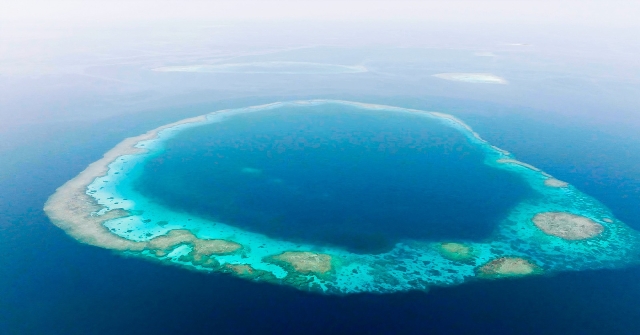
Riyadh, Saudi Arabia, August 30, 2023— His Excellency the Minister of Environment, Water and Agriculture, Engineer Abdulrahman Al-Fadhli, Chairman of the Board of Directors of the National Center for Wildlife, unveiled a ground breaking discovery during a workshop organized by the Center. The discovery of “blue holes” in the Red Sea marks a significant milestone in marine exploration and conservation efforts.
The workshop, titled “Blue Holes in Saudi Arabia,” brought together renowned local and international experts, as well as specialized scientific bodies, to delve into the study of these unique marine ecosystems. The National Center for Wildlife will spearhead extensive research and conservation initiatives to protect these newfound treasures.
In 2022, over 20 blue holes were discovered along the southern Saudi coasts of the Red Sea. These awe-inspiring geological formations boast an exceptional biodiversity, serving as a sanctuary for marine creatures including sea turtles, fish, marine mammals, and invertebrates. The discovery of these blue holes presents an unprecedented opportunity to unlock the secrets and ecological significance of this untapped underwater world.
The CEO of the National Center for Wildlife, Dr. Mohammed Qurban, emphasized the importance of this discovery for both environmental preservation and sustainable tourism. By safeguarding these pristine environments, the Kingdom aligns with the Saudi Green Initiatives and its commitment to increase the percentage of protected areas to 30% of the nation’s territory by 2030.
Furthermore, the study and evaluation of the marine environments in the Red Sea contribute to the rehabilitation of affected areas, ensuring the long-term health and resilience of these delicate ecosystems. This discovery not only promises ecological benefits but also presents a unique opportunity for economic diversification through sustainable tourism.
The National Center for Wildlife, in collaboration with its partners, will conduct comprehensive studies, research, and risk assessments to better understand and protect these invaluable marine environments. The engagement of national researchers, employees, and esteemed international experts will propel the Kingdom toward adopting best scientific practices in the field of marine conservation.
As the Saudi government continues its dedication to environmental sustainability, the discovery of the blue holes in the Red Sea stands as a testament to the Kingdom’s commitment to preserving its natural heritage.