


9, Oct 2026
From Soil to Smart Farming: How Technology Is Reshaping India’s Agricultural Economy
Artificial intelligence, agricultural drones, digital marketplaces and smart irrigation are opening new possibilities for Indian agriculture, helping farmers improve productivity, manage risks and discover fresh sources of income.
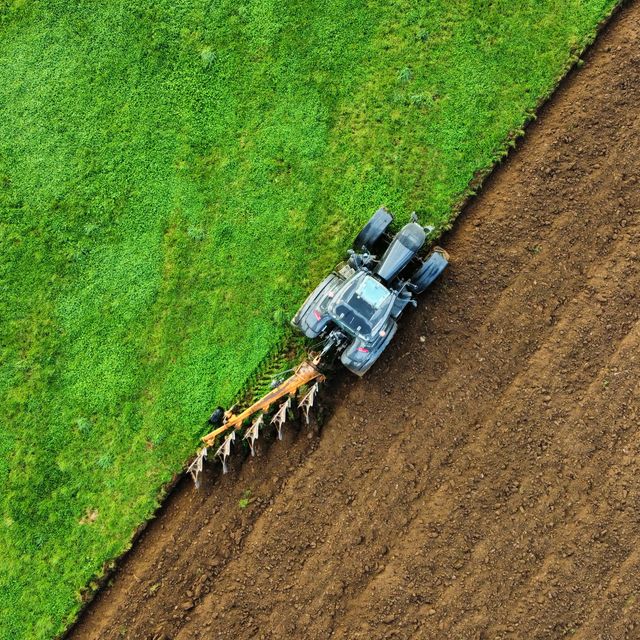
India’s agricultural landscape is undergoing a quiet but significant transformation. Across the country’s villages and farming communities, technology is creating new ways to grow crops, manage resources and connect agricultural produce with markets. While traditional knowledge and farmers’ experience remain indispensable, digital tools are increasingly helping them make more informed decisions in a changing economic and climatic environment.
The shift is about more than modernising cultivation. It is about strengthening the entire agricultural value chain—from choosing the right crop and managing water to reducing post-harvest losses, accessing buyers and creating new rural businesses.
Agriculture and allied activities contribute around 18 per cent of India’s Gross Value Added (GVA), making the sector an important pillar of the economy. Foodgrain production reached an estimated 357.73 million tonnes in the 2024–25 crop year, highlighting India’s substantial production capacity and the importance of farming to national food security.
Yet higher production does not automatically translate into higher farm incomes. Unpredictable weather, rising input costs, limited storage and fluctuating market prices continue to challenge farmers. Technology offers practical ways to address some of these pressures while opening new opportunities for rural entrepreneurship and economic growth.
Artificial Intelligence Brings Timely Advice to Farmers
For a farmer, a timely decision can make a considerable difference to the season’s outcome. Knowing when to sow, how to respond to a pest outbreak or when to irrigate can influence both crop quality and cultivation costs.
Artificial intelligence and mobile-based advisory services are making agricultural information more accessible. Farmers can increasingly use digital platforms to obtain weather updates, crop management guidance, pest alerts and information about government support programmes.
Government initiatives such as the Kisan e-Mitra chatbot help farmers access information about agricultural schemes in regional languages. Bharat-VISTAAR, an AI-based agricultural advisory initiative, represents a further step towards bringing agricultural information and digital guidance together in a more accessible format.
The potential is considerable. When reliable agricultural data is combined with local weather information, crop requirements and expert knowledge, digital tools can help farmers make more informed decisions.
However, the success of AI in agriculture will depend on the quality of its recommendations. Advice must reflect local growing conditions and remain understandable to farmers with different levels of digital literacy. Technology works best when it complements farmers’ experience and the guidance of agricultural experts.
Agricultural Drones Turn Innovation into Rural Opportunity
Agricultural drones are introducing greater speed and precision to selected farm operations. They can help monitor crops, identify areas requiring attention and apply agricultural inputs where appropriate.
For farmers, these services can reduce the time and labour required for certain tasks. Their effectiveness, however, depends on crop conditions, equipment quality, operator training and safe application practices.
The financial model is equally important. Many small and marginal farmers may find it difficult to purchase and maintain drones individually. Shared services and affordable rental models can make the technology more accessible without placing a heavy financial burden on individual cultivators.
This creates opportunities for rural entrepreneurs, trained drone operators and women’s self-help groups to provide agricultural services and earn additional income. In this way, a technology designed to support cultivation can also become a source of employment and enterprise in rural communities.
Digital Markets Help Farmers Look Beyond the Local Mandi
Growing a good crop is only half the challenge; selling it at a fair price is equally important.
Farmers have traditionally depended on local mandis and established trading networks. These markets remain essential, but limited price information, transport costs and restricted buyer access can sometimes reduce farmers’ bargaining power.
Digital platforms such as the electronic National Agriculture Market (e-NAM) aim to broaden market access by connecting agricultural markets through online trading and information services.
By March 2026, e-NAM had integrated 1,656 mandis across 23 states and four Union Territories, with more than 1.80 crore farmers registered, according to reported government figures.
For farmers, digital market access can make it easier to compare prices and explore trading opportunities. For agricultural businesses, it can improve connections with producers and support more organised procurement.
Nevertheless, digital access must be backed by physical infrastructure. Transparent grading, accurate weighing, efficient transportation, suitable storage and timely payments remain critical to ensuring that farmers can turn market information into better commercial outcomes.
Smart Irrigation Makes Every Drop Count
Water availability is becoming an increasingly important consideration for agricultural planning. In areas affected by irregular rainfall or water stress, efficient irrigation can help farmers manage one of their most valuable resources.
Drip irrigation delivers water close to plant roots, while soil-moisture sensors help assess when irrigation may be needed. Automated systems can support more precise water management, reducing unnecessary use when properly designed and maintained.
When combined with weather forecasts and crop-specific guidance, these technologies can help farmers plan irrigation more effectively. The benefits vary according to soil conditions, crop type, local climate and the cost of installation.
Making efficient irrigation affordable for smaller farms will be important to expanding adoption. Access to financing, technical support and suitable maintenance services can help farmers use these systems more effectively over time.
Agriculture Is Creating a New Generation of Rural Businesses
Technology’s influence extends well beyond the field. India’s agricultural economy offers opportunities in machinery rentals, drone services, soil testing, food processing, cold storage, packaging and logistics.
Young entrepreneurs can build businesses that solve practical problems for farmers, from arranging equipment during peak cultivation periods to helping transport produce to processing units and buyers.
Food processing is particularly important because it can increase the value of agricultural produce before it reaches consumers. Better storage and cold-chain facilities can also help preserve perishable crops and reduce losses after harvest.
Farmer-producer organisations and cooperatives can strengthen these opportunities by helping cultivators purchase inputs collectively, share equipment, negotiate with buyers and access services that might otherwise be too expensive for individual farmers.
This broader approach creates the possibility of a more diversified rural economy—one in which livelihoods depend not only on growing crops but also on the businesses and services that support agriculture.
Closing the Gap Between Technology and the Small Farmer
Despite its promise, agricultural technology is not equally accessible everywhere. Small landholdings, limited internet connectivity, affordability concerns and gaps in digital literacy can slow adoption.
Farmers also need confidence that the tools they use are reliable and relevant to their circumstances. AI recommendations require dependable data, drones need trained operators, and digital marketplaces work best when supported by efficient transport and storage.
Addressing these challenges will require collaboration among government institutions, agricultural universities, technology companies, financial institutions and farmer organisations. Regional-language services, practical demonstrations, affordable equipment and accessible financing can help ensure that technological progress reaches small and marginal farmers as well as larger agricultural enterprises.
The objective should not be to replace traditional knowledge with machines, but to combine generations of farming experience with tools that improve decision-making and reduce avoidable risks.
The Future of Farming Lies in Better Returns for Farmers
India’s agricultural transformation will ultimately be judged by its impact on farmers’ livelihoods. Higher production matters, but so do lower costs, reduced crop losses, stronger bargaining power and access to dependable markets.
Artificial intelligence can improve access to information, drones can support efficient farm operations, digital platforms can connect producers with buyers, and smart irrigation can help conserve water. Meanwhile, rural enterprises in processing, storage and logistics can create additional employment and help retain more economic value within farming communities.
The next stage of progress will depend on making these solutions affordable, practical and widely accessible. Technology must serve the farmer’s needs, rather than becoming another expense that is difficult to recover.
The real promise of smart farming is not simply producing more food—it is building an agricultural economy in which farmers make better decisions, rural businesses thrive and a greater share of the value created by every harvest reaches the people who grow it.
- 0
- By Neel Achary



