


29, Oct 2026
The Business of Diwali Gifting: How Small Brands Are Turning Festive Joy into Business Opportunities
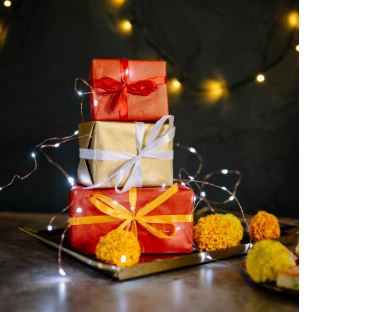
Pic Credit: Pexel
Diwali brings homes to life with glowing diyas, colourful decorations, festive sweets and the joy of exchanging gifts. But behind every beautifully packed hamper and carefully crafted present is another story—one of entrepreneurs working hard to turn their creativity into a livelihood. For small business owners, the festival is more than a time of celebration. It is an opportunity to reach new customers, generate income and bring their products into the homes of people looking for something special.
As gifting preferences evolve, consumers are exploring options beyond conventional gift boxes. Personalised hampers, handmade decorations, homemade treats and locally produced goods are finding a place in festive shopping. This shift is giving independent brands an opportunity to compete through originality, personal attention and thoughtful presentation. For many entrepreneurs, a single festive order can become the beginning of a long-term customer relationship.
Diwali Gifting Creates Opportunities for Small Businesses
The festive season can bring a welcome increase in demand for businesses selling sweets, clothing, decorative products, candles, flowers, home accessories and gift hampers. While large retailers benefit from their established networks, smaller businesses can attract customers by offering distinctive products and flexible services.
A home baker might prepare special Diwali sweet boxes, while a local entrepreneur could curate hampers featuring regional snacks, handmade candles and artisanal products. Craft-based businesses can also introduce festive collections that combine traditional designs with contemporary preferences.
These opportunities are particularly valuable for businesses operating with limited resources. Seasonal orders can help generate additional revenue, introduce a brand to new buyers and provide useful insights into customer preferences. However, turning festive interest into sustainable profit requires careful pricing, reliable production and effective order management.
Personalised Gifts Make Celebrations More Meaningful
Gifting is not simply about purchasing an item. It is also about expressing appreciation, strengthening relationships and making someone feel remembered. This emotional connection is creating opportunities for small businesses that specialise in personalised products.
Customised hampers, engraved keepsakes, handwritten messages, name-printed accessories and carefully selected gift boxes allow customers to add a personal touch to their celebrations. Small brands can use this flexibility to offer products for different budgets, relationships and occasions.
Personalised gifting can also extend beyond families and friends. Businesses looking to appreciate employees, thank clients or strengthen professional relationships may seek customised festive hampers and branded gifts.
For entrepreneurs, the key is to balance customisation with operational efficiency. Clear ordering deadlines, accurate product descriptions and realistic delivery commitments can help prevent last-minute pressure and maintain customer trust.
Home-Based Entrepreneurs Turn Creativity into Income
One of the most encouraging aspects of the festive gifting market is the opportunity it offers people who want to start small. Baking, candle-making, jewellery design, packaging, textile crafts and decorative work can all become the foundation of a home-based business.
Digital platforms have made it easier for entrepreneurs to display their products, connect with buyers and accept orders without immediately investing in a physical shop. Social media pages, messaging services and online marketplaces can help small brands reach customers beyond their immediate neighbourhoods.
For many first-time entrepreneurs, Diwali can serve as a practical testing ground. It provides an opportunity to understand which products attract attention, how much customers are willing to pay and what improvements are needed in packaging or delivery.
Yet a rise in orders does not automatically mean higher profits. Business owners must account for ingredients, materials, packaging, delivery charges and the time required to complete each order. Careful planning can help them avoid overcommitting and protect the quality of their products.
Handmade Gifts Bring Traditional Crafts into Modern Homes
From earthen diyas and decorative pottery to handwoven products and regional handicrafts, traditional products remain an important part of Diwali celebrations. They also provide opportunities for artisans and small manufacturers to connect with customers seeking gifts with a distinct cultural identity.
For local craftspeople, festive demand can help generate income and bring greater attention to skills passed down through generations. Small brands can support this process by presenting handmade products attractively, explaining their craftsmanship and making them accessible through online and offline channels.
The opportunity lies in combining tradition with changing consumer preferences. Contemporary colours, practical designs and thoughtful packaging can make traditional products appealing to younger buyers and modern households without losing their cultural character.
Choosing locally made gifts can also help direct spending towards independent producers. For consumers, this offers a way to make festive purchases more personal; for artisans, it can create opportunities to reach markets beyond their local communities.
Festive Food Businesses Find Room to Grow
Food remains central to Diwali, from traditional sweets and savoury snacks to homemade delicacies shared with friends and relatives. This makes festive gifting an attractive opportunity for small food businesses, home bakers and independent confectioners.
Instead of competing only on volume, smaller brands can differentiate themselves through regional recipes, distinctive flavours, assorted gift boxes and carefully presented products. Options for different budgets can also help businesses appeal to a wider customer base.
Quality and reliability are essential in this segment. Customers expect fresh products, safe packaging and timely delivery, particularly when gifts are being sent to relatives or professional contacts. Food entrepreneurs must also consider hygiene, ingredient labelling, shelf life and applicable food-safety requirements.
A positive festive experience can help turn a one-time buyer into a regular customer who returns for birthdays, family gatherings and other celebrations throughout the year.
Digital Platforms Help Small Brands Reach New Customers
A small gifting business no longer needs a prominent storefront to attract attention. Digital platforms allow entrepreneurs to showcase their products, share customer feedback and communicate directly with potential buyers.
Photographs, short videos and behind-the-scenes content can help customers appreciate the effort involved in creating handmade or customised gifts. Digital catalogues with clear prices, product details and ordering instructions can also make the buying process easier.
However, online visibility is only one part of the process. Businesses must be prepared to respond to enquiries, manage orders accurately and communicate delays when necessary. Delivery planning becomes especially important during the festive rush, when high demand can place pressure on suppliers and courier services.
For small brands, building trust through consistent service is often more valuable than attracting a large number of one-time buyers.
Managing Costs While Meeting Festive Demand
The excitement of a busy Diwali season can quickly turn into a challenge if businesses are not prepared. Rising material costs, packaging expenses, delivery charges and the need for additional labour can reduce profits, even when sales are strong.
Entrepreneurs can manage these pressures by planning inventory early, setting order cut-off dates and focusing on products they can produce reliably. Advance bookings can provide a clearer picture of demand, while carefully calculated pricing helps ensure that each sale contributes to the business rather than simply covering material costs.
Small businesses must also decide which orders they can realistically fulfil. Accepting more work than available time or resources allow can lead to delayed deliveries, inconsistent quality and dissatisfied customers.
A well-managed festive season is not necessarily the one with the most orders. It is the one in which a business serves customers reliably while maintaining healthy margins.
Corporate Gifting Opens Another Market
Diwali gifting is also an opportunity for small brands to work with companies, offices and professional service providers. Businesses often look for gifts for employees, clients and partners, creating demand for customised hampers and products that reflect their identity.
Small entrepreneurs can respond with locally sourced products, personalised packaging and gift combinations tailored to different budgets. A thoughtfully curated hamper featuring regional foods, handmade décor or useful everyday items can help a small brand stand out.
Corporate orders may offer larger sales volumes, but they require careful coordination. Entrepreneurs need to confirm quantities, payment terms, branding requirements and delivery schedules before accepting an order.
Building a reliable reputation in this segment can create opportunities for repeat business during other festivals, employee celebrations and year-end events.
Turning Festive Sales into Long-Term Business Growth
Diwali can introduce a brand to new customers, but the real value often lies in what happens after the celebrations end. A customer who appreciates the product quality, packaging and service may return for another purchase or recommend the business to others.
Entrepreneurs can use customer feedback to improve their products, identify popular items and plan future collections. Keeping in touch with customers in a respectful way and offering products for other occasions can help maintain interest beyond the festive period.
The most sustainable businesses treat Diwali as an opportunity to build a customer base rather than as a single sales event. Consistent quality, transparent pricing and dependable service can turn seasonal attention into lasting growth.
A Festival of Light and Opportunity for Small Businesses
The business of Diwali gifting reflects the close relationship between celebration and entrepreneurship. Every handmade diya, box of sweets, personalised hamper and carefully crafted keepsake represents the effort of someone working to earn an income, develop a skill or build a business.
For small brands, the festival offers an opportunity to showcase their creativity and connect with customers looking for meaningful gifts. For artisans and home-based entrepreneurs, it can provide valuable seasonal income and a chance to expand their reach. For consumers, choosing independent businesses can make festive gifting more personal while supporting local enterprise.
Ultimately, the future of small gifting brands will depend on more than seasonal demand. Creativity must be supported by sound financial planning, consistent quality and genuine customer care. When these elements come together, Diwali can become more than a busy shopping season—it can be the beginning of a stronger and more sustainable business journey.
- 0
- By Neel Achary



