


5, Oct 2026
Hitachi High-Tech opens Advanced-Technology Innovation Center Mumbai, India which is predominantly focusing on analytical systems for chemical and industries including biopharmaceuticals
Building a two-site demonstration laboratory system together with the semiconductor-focused facility in Bengaluru, Hitachi High-Tech aims to strengthen the provision of digitalized assets in the India market and also accelerating HMAX Industry
TOKYO, Oct. 5, 2026 /PRNewswire/ — Hitachi High-Tech Corporation (“Hitachi High-Tech”), has established a demonstration laboratory Advanced-Technology Innovation Center Mumbai for analytical systems in Mumbai, India (“Mumbai Lab”) on October 1st to respond to the increasingly sophisticated needs for R&D and quality control mainly in the biopharmaceuticals, environmental, material, and other chemicals and industrial fields. The Mumbai Lab is operated by Hitachi High-Tech India Private Limited, an Indian subsidiary of the Hitachi High-Tech Group, and it supports customers in solving their analysis and evaluation challenges through demonstrations using actual analytical systems, application proposals, evaluation of customer samples, and technical consultation.
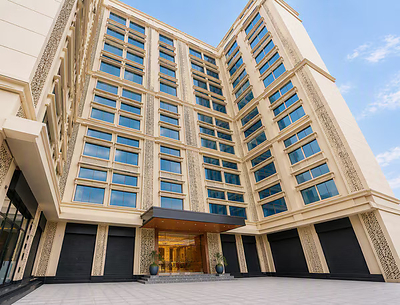
In 2025, Hitachi High-Tech established the Advanced-Technology lnnovation Center lndia as a demonstration laboratory site focusing on the semiconductor field in Bengaluru (“Bengaluru Site”). Using the installed electron microscopes, including the state-of-the-art Field Emission Scanning Electron Microscope (FE-SEM) SU8600, and various other devices and digital technologies, the laboratory provides efficient support as a smart laboratory for tasks such as sample evaluation, failure analysis and process verification, and promotes collaborative creation with customers.
At the Mumbai Lab, analytical systems such as spectrophotometers, liquid chromatographs, thermal analyzers and titrators are provided to facilitate solution proposals and collaborative creation to solve customer problems, mainly in the biopharmaceuticals, environment, materials, and other chemicals and industrial fields. With the Bengaluru site supporting the semiconductor field and the Mumbai Lab supporting the chemicals and industrial fields, Hitachi High-Tech maintains a two-site solution provision infrastructure in India that caters to the rapidly growing semiconductor, electronics, and chemicals and industrial fields, thereby expanding the points of contact and collaborative creation opportunities with customers.
By further strengthening the provision of digitalized assets that support HMAX Industry, Hitachi Group’s next-generation solution, we will contribute to solving customer issues and driving global industrial transformation through the use of physical Al.
Main Features
The Mumbai Lab is looking to collaborate with the Bengaluru site to provide the following values, mainly to customers in the chemicals and industrial sectors in India.
(1) Proposals and collaborative creation of solutions to problems in order to meet a wide range of analytical needs, and an environment for evaluation using actual equipment
To meet a wide range of needs from biopharmaceuticals to chemicals and materials, actual analytical products offered by the Hitachi High-Tech Group are installed in the lab, such as spectrophotometers, liquid chromatographs, thermal analyzers, amino acid analyzers, and potentiometric titrators. Comprehensive solutions are proposed for customer business issues by combining multiple devices, and through evaluation and verification using actual equipment on site. The laboratory not only showcases the equipment but also serves as a platform for collaborative creation with Hitachi High-Tech experts through proof of concept (PoC) using customer samples and application development before equipment deployment.
(2) Advantages of a full-fledged chemical analysis environment and location
The laboratory is located in the MIDC (Maharashtra Industrial Development Corporation) area of Thane, an easily accessible city located approximately a 60-minute drive away from Mumbai Airport. Furthermore, as the facility meets the safety and environmental standards established by India required for analytical evaluation of chemical substances, customers can conduct evaluation and verification using actual samples with peace of mind.
Future Developments
Hitachi High-Tech aims to dramatically reinforce customer points of contact in growth markets by establishing and operating a two-site lab system in India, while enabling regions to autonomously deliver value. In addition to the collaboration between the two sites, the company will contribute to the development of science and technology in India and the development of next-generation human resources by holding regular hands-on workshops, collaborating with academic institutions, and receiving student internships. Hitachi High-Tech will continue to identify the real issues that affect customers and contribute to the advancement of R&D, quality control, and industry in India through cutting-edge analytical and analysis technologies and application proposals.
About Hitachi, Ltd.’s Connective Industries Sector
At Hitachi High-Tech, which belongs to the Industrial Solutions Business Unit of Hitachi, Ltd.’s Connective Industries (CI) Sector, and is focusing on HMAX Industry, a next-generation solutions group that combines domain knowledge and advanced Al with data from a rich installed base of products (digitalized assets). Hitachi High-Tech aims to become a leading company in physical Al, and through its core focus of providing industrial solutions centered on these technologies, aims to maximize lifetime value for our customers and transform industries globally to achieve a prosperous society.
Related Links
– About Hitachi High-Tech India Private Limited
– About Advanced-Technology Innovation Center India
Trademark Notice
All trademarks and product names are the property of their respective owners.
About Hitachi High-Tech
Hitachi High-Tech provides cutting-edge technologies, products and services to society and customers with its corporate vision of “Changing the World and Future with the Power of Knowledge” to contribute to a sustainable global environment, healthy, safe and secure lives, and the sustained development of science and industry. We manufacture and sell clinical analyzers, biotechnology products and radiation therapy systems in the healthcare field, semiconductor manufacturing and inspection equipment in the semiconductor field, as well as analytical systems and electron microscopes used in environmental fields and materials research. We are also engaged in a wide range of business areas globally, providing high added-value solutions in battery, communication infrastructure, railway inspection, digital and other industrial and social infrastructure fields. We provide solutions through a deeper understanding of the issues facing society and our customers to contribute to realizing a sustainable society. The company’s consolidated global revenues for FY2025 were approx. JPY 821.7 billion.
For further information, visit https://www.hitachi-hightech.com/global/en/
Business Contact
Divyanshu Sharma
Marketing & Business Operation Dept., Business and Strategy Div.,
Hitachi High-Tech India Private Limited
Email: htin.customer@hitachi-hightech.com

 View original content to download multimedia:https://www.prnewswire.com/in/news-releases/hitachi-high-tech-opens-advanced-technology-innovation-center-mumbai-india-which-is-predominantly-focusing-on-analytical-systems-for-chemical-and-industries-including-biopharmaceuticals-302896630.html

- 0
- By Sai Krishna

5, Oct 2026
Stryker Launches Mako 4 SmartRobotics™ in India, Advancing the Next Generation of Robotic-Assisted Joint Replacement
NEW DELHI, Oct. 5, 2026 /PRNewswire/ — Stryker, a global leader in medical technologies, announced the launch of Mako 4 SmartRobotics™ (Mako 4), the fourth generation of Mako, bringing its latest robotic-arm assisted technology to India. Designed to support a more integrated clinical and operational experience, Mako 4 combines patient-specific planning, robotic technology and haptic guidance in a single system across three applications: Mako Total Knee, Mako Partial Knee and Mako Total Hip with Advanced Primary and revision.
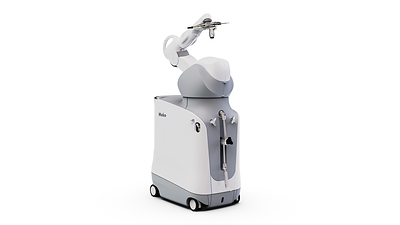
Building on more than two decades of innovation, Mako 4 pairs 3D CT-based planning with AccuStop™ haptic technology to support surgeons in planning and executing procedures according to each patient’s individual anatomy. The platform provides real-time intraoperative guidance, helping deliver greater precision and control during joint replacement procedures[1][2][3].
“India’s healthcare landscape is evolving rapidly, with growing demand for advanced treatments that support active, healthy lives,” said Aman Rishi, Vice President & General Manager, India, Stryker. “At Stryker, we are committed to bringing innovation that empowers surgeons and supports the future of healthcare in the country. We’re proud to bring Mako 4 to India, helping raise the standard of care and expand access for joint replacement patients nationwide.”
The launch builds on the global Mako platform, which has supported more than 2.5 million procedures across 47 countries, demonstrating its growing role in robotic-assisted orthopaedic surgery.
About Stryker
Stryker is a global leader in medical technologies and, together with its customers, is driven to make healthcare better. Stryker offers innovative products and services in MedSurg, Neurotechnology and Orthopaedics that help improve patient and healthcare outcomes. Alongside its customers around the world, Stryker impacts more than 150 million patients annually. More information is available at www.stryker.com.
[1] Bell SW, Anthony I, Jones B, MacLean A, Rowe P, Blyth M. Improved Accuracy of Component Positioning with Robotic-Assisted Unicompartmental Knee Arthroplasty: Data from a Prospective, Randomized Controlled Study. J Bone Joint SurgAm. 2016;98(8):627-635.
[2] Zhang J, Ng N, Scott CEH, et al. Robotic arm-assisted versus manual unicompartmental knee arthroplasty : a systematic review andmeta-analysis of the MAKO robotic system. Bone Joint J. 2022;104-B(5):541-548. doi:10.1302/0301-620X.104B5. BJJ-2021-1506.R1
[3] Hampp EL, Scholl L, Faizan A, Sodhi N, Mont MA, WestrichG. Comparison of Iatrogenic Soft Tissue Trauma in Robotic-Assisted versus Manual Partial Knee Arthroplasty SurgTechnolInt. 2021;39:419-426.
 View original content to download multimedia:https://www.prnewswire.com/in/news-releases/stryker-launches-mako-4-smartrobotics-in-india-advancing-the-next-generation-of-robotic-assisted-joint-replacement-302894365.html

5, Oct 2026
SleepyCat Expands Its Retail Footprint Across India
GURUGRAM, India, Oct. 5, 2026 /PRNewswire/ — As India’s consumption landscape moves beyond the traditional metro markets, SleepyCat is taking its sleep experience to a wider audience with an expanded retail footprint across Indore, Jaipur, Zirakpur, Ludhiana, Visakhapatnam, Kakinada and Surat.

This expansion marks another step in the brand’s effort to make quality sleep products more accessible while bringing its experience-led mattress shopping journey closer to you.
For a category as personal as sleep, the ability to see, feel, and experience a mattress before making a purchase can make all the difference. With its growing network of Sleep Studios, SleepyCat is bringing this offline experience to more of India’s fast-growing cities, giving people the opportunity to move beyond online specifications and discover what actually feels comfortable for them.
Sleep Shopping, Now Closer to You
Buying a mattress is different from buying other home essentials. One can compare dimensions, materials and features online, but comfort is something one ultimately needs to experience for themselves.
That is where SleepyCat’s growing network of Sleep Studios comes in.
As the brand expands beyond India’s major metros, the aim is to give customers an opportunity to walk into a SleepyCat Studio, explore different mattress options, understand their features and, most importantly, try them out.
Whether one’s moving into a new home, upgrading their existing mattress or simply looking for better sleep, having a physical space to explore options can make the process more comfortable and informed.
Bringing the SleepyCat Experience to More Cities
SleepyCat’s retail expansion now reaches several cities that are seeing changing lifestyles, growing urban communities and increasing demand for convenient, experience-led shopping.
The brand’s expanding presence includes:
- Indore
- Jaipur
- Zirakpur
- Ludhiana
- Visakhapatnam
- Kakinada
- Surat
For customers, that means the SleepyCat experience is becoming easier to access without necessarily having to travel to a larger metro.
Why Try a Mattress Before Buying One?
Think about one’s usual shopping experience. One might spend time comparing products online, read reviews and look at specifications before making a purchase.
But with a mattress, there’s another question that matters: “Does this feel right for me?”
At a SleepyCat Studio, customers can actually lie down and experience different mattresses for themselves. They can explore different comfort levels, understand the materials and speak to the SleepyCat team about their sleep preferences.
If a person sleeps on their side, prefer a firmer surface, want additional support or simply don’t know where to begin, the in-store experience gives an opportunity to explore rather than simply choose from a screen.
Designed Around the Way One Sleeps
There’s no universal definition of a perfect mattress.
One’s sleeping position, preferred firmness, body type, room environment and even whether one shares their bed can influence what feels comfortable to them.
SleepyCat’s mattress range is designed to offer different comfort experiences, including memory foam, latex and hybrid options. The expanding retail network allows to experience these options in person and understand the differences before making a decision.
The experience can be particularly useful if this is the first time one’s buying a mattress or upgrading after several years and aren’t sure what has changed.
Beyond the Mattress
The SleepyCat retail experience extends beyond mattresses. Customers can also explore products designed to complete their sleep environment, including pillows, mattress protectors, toppers, bed frames and other sleep essentials.
This gives an opportunity to think about the sleep setup as a whole rather than treating the mattress as an isolated purchase.
A Retail Expansion Built Around Experience
SleepyCat’s expansion across Indore, Jaipur, Zirakpur, Ludhiana, Visakhapatnam, Kakinada and Surat represents a move toward making its physical retail experience available to more people across India.
As shopping habits evolve, the line between online convenience and offline experience is becoming less distinct. One may discover a product online, research it on their phone and then want to experience it in person before making the final decision.
SleepyCat’s growing network of Sleep Studios brings these two parts of the journey together.
So, whether in Indore or Jaipur, Zirakpur or Ludhiana, Visakhapatnam or Kakinada, or Surat, take a more hands-on approach to choosing your next mattress.
Because when choosing something, you’ll spend roughly a third of your life using, sometimes the best way to know if it’s right is simple: try it, take your time, and see how it feels.
 View original content to download multimedia:https://www.prnewswire.com/in/news-releases/sleepycat-expands-its-retail-footprint-across-india-302897982.html

5, Oct 2026
Blokees Debuts 90+ New Products at Wonder Festival Shanghai 2026
SHANGHAI, Oct. 4, 2026 /PRNewswire/ — From October 3 to 4, Assembly Character Toys Brand Blokees exhibited at Wonder Festival Shanghai 2026, featuring nearly 500 products across its two core categories, Blokees Model Kits and BLOKEES WHEELS. More than 90 new products made their debut, highlighting Blokees’ continued expansion across product categories, IPs and consumer segments.

The Blokees Model Kits portfolio covers hero collecting, model kit collecting, animal-themed products and fashion-oriented products, featuring more than 10 global IPs including ULTRAMAN, TRANSFORMERS, Saint Seiya, Evangelion and DC. Products for collectors aged 16 and above were a key focus, with nearly 40 products exhibited across Champion, Champion Lite, Fantastic and Legend series , including more than 20 new products making their debut. Notably, DC made its first commercial appearance in the Legend series.
Blokees continues to expand its product ecosystem. Blokees also exhibited the latest products from its TERRAVENTURE Series and DaaLaMode Series. The TERRAVENTURE Series features animal-themed model kits based on Jurassic World, while the DaaLaMode Series combines assembly, articulation, and fashion play, expanding Blokees’ offerings across different consumer segments.
In the Blokees Wheels category, Blokees exhibited its C, E, and S Series, featuring IPs including Transformers, Ultraman, and Batman. New products based on Cyberpunk 2077, Fast & Furious × Ford and Fast & Furious × Dodge were also exhibited for the first time, further expanding the category’s offerings for vehicle enthusiasts.
Beyond products, Blokees also exhibited winning works from the “Dawn” and “Awakening” seasons of the 2026 BFC Creation Contest. Through BFC, Blokees connects players worldwide through creation and sharing, with the community now spanning 21 countries and regions.
Blokees will continue to strengthen its two core categories and expand its global product and creator ecosystem under its strategy of “Universally appealing, Stepwise pricing, Globally promoting.”
 View original content to download multimedia:https://www.prnewswire.co.uk/news-releases/blokees-debuts-90-new-products-at-wonder-festival-shanghai-2026-302897726.html

5, Oct 2026
Payward and Singapore Gulf Bank Partner to Bring 24/7 Settlement to Institutional Digital Asset Markets
Payward has integrated SGB Net, Singapore Gulf Bank’s real-time clearing network, allowing institutional clients in Asia and the Gulf region to settle instantly at any hour. SGB will also onboard Kraken Prime as an additional source of digital asset liquidity.
SYDNEY, Oct. 5, 2026 /PRNewswire/ — Payward, the unified financial infrastructure platform behind Kraken, and Singapore Gulf Bank (SGB), a fully licensed digital bank regulated by the Central Bank of Bahrain, today announced a strategic partnership to bring always-on settlement to institutional digital asset markets available to specific jurisdictions only.
With this partnership, Payward has integrated SGB Net, SGB’s real-time multi-currency clearing network. It allows institutional clients of both firms to now settle transactions instantly, 24 hours a day, seven days a week. The settlement offering initially starts with US dollar transactions for a select number of clients, with plans to expand to more clients and additional currencies over time.
Settlement between banks and trading venues have historically taken days and been held to fixed cut-off times, even as digital asset markets trade around the clock. Through SGB Net, an SGB client can deposit funds with Payward and put them to work instantly, at any hour. SGB is also partnering with Kraken Prime, Payward’s full-service prime brokerage solution, to access liquidity for its digital asset offerings. Over the coming months, it will draw on Payward’s markets to price trades for its own customers.
SGB launched SGB Net in 2025 for digital asset businesses with growing operational needs, and the network has since scaled to process more than $20 billion in fiat transactions each month. SGB is backed by Mumtalakat, Bahrain’s sovereign wealth fund, and by Singapore’s Whampoa Group, and it onboards corporate clients digitally across markets.
“Exchanges, payment providers, OTC desks and fintechs all run into the same banking constraint. Settlement stops when the business day does, while their markets do not. SGB has built settlement infrastructure that reflects the future of digital asset banking and payments,” said Mark Greenberg, Chief Commercial Officer of Payward. “Every regulated bank we connect with this way brings us closer to a world where settlement and cross-border payments happen in real time, wherever our clients are.”
“Access to liquidity is only useful if clients can move funds when they need to,” said Shawn Chan, Chief Executive Officer, SGB. “By connecting SGB Net with Payward and partnering with Kraken Prime, we are bringing settlement and liquidity closer together, giving clients more flexibility in how they fund and manage their digital asset activity.”
To support clients across borders and asset classes, SGB offers corporate and personal banking accounts to businesses and individuals worldwide, combining multi-currency accounts, international payments and remote account opening with access to digital asset services.
The partnership is part of enhancing Payward Banking, the money layer behind the Payward platform, which modernizes how clients move cash across deposits, payments, cards, custody, and lending. As digital asset markets and traditional banking offerings converge, clients expect their cash to move as quickly as the assets they trade. Working with leading regulated banks lets Payward bring that speed to new markets, and Payward will keep adding banking partners to offer a broader suite of banking services to clients worldwide.
About Payward:
Payward, Inc. is a unified financial infrastructure platform that powers a family of products advancing an open, global financial system. Built on a single shared architecture, Payward enables customers to hold, trade, earn, pay, and invest across asset classes without friction or fragmentation.
At its core, Payward provides the infrastructure layer behind Kraken and a growing set of purpose-built products, including NinjaTrader, Breakout, xStocks, and CF Benchmarks.
Payward separates infrastructure from product expression. Each product surface is designed for a specific customer segment, regulatory regime, and use case, while operating on the same global foundation:
- One global liquidity pool
- One unified risk and margin engine
- One collateral and settlement system
- One compliance and licensing framework
This shared architecture allows Payward to scale efficiently, launch new products at low marginal cost, and serve diverse global markets while maintaining consistent risk management, regulatory integrity, and operational resilience.
For more information about Payward, please visit www.payward.com.
About Singapore Gulf Bank:
Singapore Gulf Bank (SGB) is the bank for all of finance, serving businesses and individuals worldwide. Backed by Whampoa Group, a Singapore-based investment holding company, and Mumtalakat, Bahrain’s sovereign wealth fund, SGB is fully licensed and regulated by the Central Bank of Bahrain.
For more information, visit https://www.sgb.com/
 View original content:https://www.prnewswire.co.uk/news-releases/payward-and-singapore-gulf-bank-partner-to-bring-247-settlement-to-institutional-digital-asset-markets-302897780.html

5, Oct 2026
Seatrium and Karpowership Extend Collaboration with Ninth FSRU Conversion
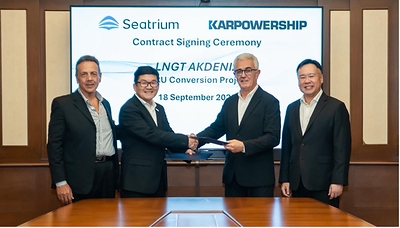
SINGAPORE, Oct. 5, 2026 /PRNewswire/ — Following the successful naming and sail away of LNGT Türkiye, Seatrium Limited (“Seatrium” or the “Group“) and its strategic partner Karpowership are advancing their long-standing collaboration with the ninth Floating Storage Regasification Unit (“FSRU“) conversion project, LNGT Akdeniz. The vessel will form part of the LNG fleet of Kinetics, Karpowership’s energy transition initiative. The award follows the delivery of seven FSRUs since 2018 and the ongoing conversion of LNGT Karadeniz, the partnership’s eighth FSRU project.
Mr Gokhan Kocak, Chief Technical Operations Officer, Karpowership, said, “The successful delivery of LNGT Türkiye and the award of LNGT Akdeniz are important milestones in the continued growth of Karpowership’s LNG-to-Power business. Together, these FSRUs strengthen our ability to provide reliable and flexible energy solutions to markets where energy security is critical. Seatrium has been a key enabler of this journey, consistently delivering high-quality FSRU conversions that support our operational requirements and long-term growth plans. As global demand for flexible energy infrastructure continues to grow, we look forward to advancing our ongoing projects and exploring new opportunities together.”
Mr Alvin Gan, Executive Vice President, Repairs and Upgrades, Seatrium, said, “What began as a bold vision in 2018 has evolved into a strong and enduring partnership built on trust, shared success and a commitment to excellence. The award of LNGT Akdeniz, our ninth FSRU project with Karpowership and the second unit in Karpowership’s next-generation FSRU series, is a testament to the strength of this collaboration and further reinforces Seatrium’s position as a global leader in floating LNG infrastructure solutions. Featuring a regasification capacity of up to 600 MMscfd[1], LNGT Akdeniz will play a vital role in supporting reliable and flexible energy supply. We are grateful to Karpowership for its continued trust and confidence in Seatrium, and we look forward to building on this successful partnership to deliver innovative energy solutions for the future.”
The newly awarded LNGT Akdeniz project involves the conversion of an LNG carrier into a FSRU, with work scheduled to commence in the first quarter of 2027. Seatrium’s scope includes the engineering, conversion, integration, installation and commissioning of regasification equipment and associated systems. Upon completion, LNGT Akdeniz will enhance LNG import and regasification capabilities in its target market, supporting energy security and a reliable supply of cleaner energy.
Following the award of LNGT Karadeniz, LNGT Akdeniz is the second project to materialise under the previously announced Letter of Intent (LOI) between the two parties. Apart from three FSRU conversions, the LOI had also provided for the potential integration of up to six new-generation Powerships, creating opportunities for both companies to support evolving global energy needs through integrated floating energy solutions.
With a track record of 22 successful FSRU and FSU conversion projects completed since 2007, Seatrium is a global leader in floating LNG infrastructure solutions, setting industry benchmarks in engineering excellence and project execution. Karpowership, meanwhile, operates the world’s only Powership fleet, comprising 45 vessels, while Kinetics, its energy transition initiative, will expand its LNG fleet to 12 vessels with the addition of LNGT Akdeniz. Together, these capabilities reinforce the companies’ ability to deliver integrated floating power and LNG infrastructure across global markets.
About Karpowership
Karpowership is a global energy company specializing in fast-track and integrated power solutions. With a fleet of 45 Powerships and a total installed capacity exceeding 8,500 MW; the company delivers turnkey energy solutions wherever and whenever they’re needed.
As the only owner, operator, and builder of the world’s only Powership fleet, Karpowership offers a plug-and-play solution that can be directly connected to the grid and start generating electricity in less than 30 days.
In addition to its signature Powerships, Karpowership offers floating LNG solutions, with a fleet of 12 LNG assets, including the ones in the pipeline, that is composed of FSRUs and LNG carriers. Its LNG-to-Power model supports a cleaner and flexible energy future.
With over 30 years of experience, Karpowership remains committed to delivering sustainable, reliable power; empowering nations and communities beyond the grid.
Discover more: Website | LinkedIn
About Seatrium Limited
Headquartered and listed in Singapore, Seatrium Limited is a leading provider of specialised engineering solutions for the global offshore, marine, and energy sectors. Seatrium plays a pivotal role in delivering offshore energy infrastructure assets globally that is the backbone of some of the world’s essential energy systems.
With over 60 years of proven expertise, Seatrium operates across 15 countries through an integrated network of advanced yards, engineering and technology centres; supported by a diverse and dedicated workforce of more than 24,000 employees.
Seatrium’s diversified business positions it to play a critical role in the global energy transition. Its core business segments mainly include Oil & Gas Newbuilds and Conversions; Offshore Wind; Repairs & Upgrades. Its expanding product portfolio includes FPSOs, FPUs, Offshore Converter Platforms and a wide range of offshore installation vessels, amongst others.
Longstanding customer relationships with the world’s largest energy majors, asset operators and owners, and Transmission System Operators underscore Seatrium’s ability to consistently deliver high standards of safety, quality and timeliness.
Amidst the global energy transition, Seatrium has robust capabilities in developing new technologies and solutions (such as Carbon Capture & Storage and New Energies). Guided by a culture of innovation; and core values prioritising people, safety and sustainability; Seatrium strives to create enduring value for all stakeholders, engineering towards a sustainable energy future.
Discover more: Website | LinkedIn
[1] MMscfd, or million standard cubic feet per day, is a standard measure of gas flow rate.


 View original content to download multimedia:https://www.prnewswire.co.uk/news-releases/seatrium-and-karpowership-extend-collaboration-with-ninth-fsru-conversion-302897800.html

4, Oct 2026
CSL and Alentis announce global partnership to develop and commercialise lixudebart for rare kidney and liver diseases
Alentis to receive US$355 million initial payment and up to US$1.2 billion in commercial milestones, with global profits shared
MELBOURNE, Australia and BASEL, Switzerland, Oct. 4, 2026 /PRNewswire/ — CSL and Alentis Therapeutics today announced they have entered into an exclusive global collaboration agreement to co-develop and co-promote lixudebart, which has the potential to become a first-in-class therapy targeting claudin-1 across a range of kidney, liver and other diseases.
Lixudebart is currently being evaluated in the ongoing Phase 2 RENAL trial in patients with ANCA (antineutrophil cytoplasmic antibodies)-associated vasculitis with rapidly progressive glomerulonephritis (AAV-RPGN), a rare and potentially life-threatening autoimmune disease that can cause irreversible kidney damage and end-stage renal disease.
With a novel mechanism of action, lixudebart exerts potent anti-inflammatory and anti-fibrotic effects to potentially prevent and reverse organ damage in ANCA-associated vasculitis (AAV) and numerous other kidney, liver and lung diseases. The ongoing phase 2 trial is designed to translate these mechanistic effects into meaningful clinical impact.
The collaboration brings together Alentis’ scientific expertise as the leading clinical-stage biopharmaceutical company targeting claudin-1 and CSL’s global development and commercialisation capabilities in nephrology, with a shared goal of bringing innovative and highly impactful treatment options to patients with rare kidney and liver diseases. In addition to AAV-RPGN, the two companies will advance lixudebart as a novel treatment for focal segmental glomerulosclerosis (FSGS), a rare progressive kidney disease, and for primary sclerosing cholangitis (PSC), an autoimmune chronic liver disease.
“This partnership enables us to dramatically accelerate the development of lixudebart in several indications in parallel,” said Dr Mark Pruzanski, Chief Executive Officer of Alentis Therapeutics. “We are convinced CSL’s demonstrated clinical development and commercialisation capabilities in AAV and kidney diseases makes them the right partner to bring lixudebart to patients. More broadly, this furthers the validation of claudin-1 as a novel therapeutic target and we are excited about the potential to accelerate the advancement of our other clinical stage assets and preclinical pipeline.”
“Patients diagnosed with ANCA-associated vasculitis with rapidly progressive glomerulonephritis face rapid kidney function decline, leaving them at risk of irreversible damage even with currently available treatments,” said Dr Bill Mezzanotte, EVP, Head of R&D, CSL. “We believe lixudebart has the potential to become an important new therapeutic option to help improve kidney function and prevent progression to end-stage kidney disease, first in AAV-RPGN and hopefully also in focal segmental glomerulosclerosis, while potentially showing similar benefit on liver function in primary sclerosing cholangitis. Our partnership with Alentis reflects CSL’s commitment to building a leading global nephrology franchise, and our strategic intent to create high-value external partnerships.”
Under the agreement, CSL and Alentis will jointly develop and co-promote lixudebart. CSL will make an initial payment to Alentis of US$355 million, with Alentis eligible to receive up to an additional US$1.2 billion in commercial milestone payments. In addition to these payments, CSL will fully fund the completion of the ongoing Phase 2 RENAL trial and planned Phase 3 trial in AAV-RPGN, the Phase 2 trials in FSGS and PSC and other supporting development activities. Once commercialised, global profits will be shared 55 per cent to CSL and 45 per cent to Alentis.
About AAV-RPGN
ANCA (antineutrophil cytoplasmic antibodies)-associated vasculitis with rapidly progressive glomerulonephritis (AAV-RPGN) is a rare, severe and potentially fatal autoimmune disease in which the body’s immune system attacks small blood vessels in the kidney. RPGN is characterized by rapid loss of kidney function over a very short period (days to weeks). Despite potent immunosuppressive treatment, most patients develop significant or total loss of kidney function.
About Lixudebart
Lixudebart (formerly known as ALE.F02) is an investigational monoclonal antibody that selectively targets exposed claudin-1, a key driver of inflammatory and fibrotic signalling pathways in numerous fibrotic diseases of the kidney, liver, lung, intestine and other solid organs. In an interim analysis of 26 patients with AAV-RPGN in the ongoing Phase 2 RENAL trial, lixudebart showed promising improvement in kidney function as assessed by eGFR and proteinuria at 24 weeks. In the Phase 1b FEGATO trial in 41 patients with advanced F3/F4 liver fibrosis, lixudebart demonstrated improved liver function at 6 weeks. In both studies lixudebart showed dose-dependent claudin-1 target engagement, along with a favourable safety and tolerability profile. Lixudebart has been granted Orphan Drug designation by the FDA for the treatment of Idiopathic Pulmonary Fibrosis (IPF).
About CSL
CSL (ASX:CSL; USOTC:CSLLY) is a leading global biopharma company with a dynamic portfolio of lifesaving medicines, including those that treat haemophilia and immune deficiencies, vaccines to prevent influenza, and therapies in iron deficiency, dialysis and nephrology. Since our start in 1916, we have been driven by our promise to save lives using the latest technologies. Today, CSL – including our three businesses, CSL Behring, CSL Seqirus and CSL Vifor – provides lifesaving products to patients in more than 100 countries and employs almost 29,000 people. Our unique combination of commercial strength, R&D focus and operational excellence enables us to identify, develop and deliver innovations so our patients can live life to the fullest. For inspiring stories about the promise of biotechnology, visit CSL.com/Vita. For more information about CSL, visit CSL.com.
About Alentis
Alentis is a clinical-stage, privately held biotechnology company pioneering first-in-class antibodies and antibody-drug conjugates (ADCs) targeting claudin-1 for fibrosis and oncology indications. Beyond the company’s lead antibody for fibrosis, lixudebart, Alentis is developing oncology candidates ALE.P02 and ALE.P03. These are claudin-1 targeted ADCs with a tubulin inhibitor payload and topoisomerase‑I inhibitor payload, respectively. ALE.P02 was granted Fast Track designation by FDA for the treatment of advanced or metastatic claudin-1 expressing squamous cancers, irrespective of the organ of origin. Both ADCs are currently in Phase 1/2 studies enrolling patients with a variety of solid tumor types.
Alentis was founded on the groundbreaking research in the laboratory of Prof. Thomas Baumert, MD, at the University of Strasbourg and the French National Institute of Health and Medical Research (Inserm). The company is headquartered in Basel, Switzerland. Visit www.alentis.ch
 View original content:https://www.prnewswire.co.uk/news-releases/csl-and-alentis-announce-global-partnership-to-develop-and-commercialise-lixudebart-for-rare-kidney-and-liver-diseases-302897834.html

4, Oct 2026
Blokees Debuts 90+ New Products at Wonder Festival Shanghai 2026
SHANGHAI, Oct. 4, 2026 /PRNewswire/ — From October 3 to 4, Assembly Character Toys Brand Blokees exhibited at Wonder Festival Shanghai 2026, featuring nearly 500 products across its two core categories, Blokees Model Kits and BLOKEES WHEELS. More than 90 new products made their debut, highlighting Blokees’ continued expansion across product categories, IPs and consumer segments.
The Blokees Model Kits portfolio covers hero collecting, model kit collecting, animal-themed products and fashion-oriented products, featuring more than 10 global IPs including ULTRAMAN, TRANSFORMERS, Saint Seiya, Evangelion and DC. Products for collectors aged 16 and above were a key focus, with nearly 40 products exhibited across Champion, Champion Lite, Fantastic and Legend series , including more than 20 new products making their debut. Notably, DC made its first commercial appearance in the Legend series.
Blokees continues to expand its product ecosystem. Blokees also exhibited the latest products from its TERRAVENTURE Series and DaaLaMode Series. The TERRAVENTURE Series features animal-themed model kits based on Jurassic World, while the DaaLaMode Series combines assembly, articulation, and fashion play, expanding Blokees’ offerings across different consumer segments.
In the Blokees Wheels category, Blokees exhibited its C, E, and S Series, featuring IPs including Transformers, Ultraman, and Batman. New products based on Cyberpunk 2077, Fast & Furious × Ford and Fast & Furious × Dodge were also exhibited for the first time, further expanding the category’s offerings for vehicle enthusiasts.
Beyond products, Blokees also exhibited winning works from the “Dawn” and “Awakening” seasons of the 2026 BFC Creation Contest. Through BFC, Blokees connects players worldwide through creation and sharing, with the community now spanning 21 countries and regions.
Blokees will continue to strengthen its two core categories and expand its global product and creator ecosystem under its strategy of “Universally appealing, Stepwise pricing, Globally promoting.”
View original content to download multimedia:https://www.prnewswire.co.uk/news-releases/blokees-debuts-90-new-products-at-wonder-festival-shanghai-2026-302897726.html
3, Oct 2026
Chandigarh University Research Scientists gets 17 lakh grant from Punjab State Council for Science & Technology; to build skilled manpower for nature conservation and Ecotourism
Chandigarh University to Train Youth as Nature Conservators and Ecotourism Guides, Creating Conservation-Linked Livelihoods
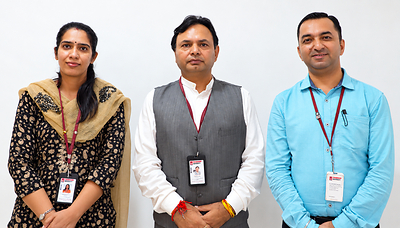
CHANDIGARH, India, Oct. 3, 2026 /PRNewswire/ — The Department of Biosciences at Chandigarh University has secured a grant of over Rs 17 lakhs from Punjab State Council for Science & Technology (PSCST) under the Green Skill Development Programme (GSDP) of the Ministry of Environment, Forest and Climate Change (MoEF&CC), Government of India for conducting a three-month specialized training programme on ‘Nature Conservator-cum-Ecotourism Guide’ aimed at building a skilled workforce in nature conservation, sustainable and responsible tourism and green entrepreneurship.
Notably, the GSDP initiative was developed with an aim to create skilled workforce for environment and forest-related sectors with training designed to support gainful employment and self-employment.
Sanctioned by the Punjab State Council for Science & Technology (PSCST) through its Environmental Information, Awareness, Capacity Building and Livelihood Programme (EIACP) Hub, the programme will train 20 participants through a combination of classroom learning, practical training, field exposure and entrepreneurship-oriented skill development.
Prof (Dr) LK Attri, Head of the Department of Biosciences Chandigarh University and Principal Investigator of the programme, along with experts including (Prof) Dr. Sandeep Guleria from the Department of Tourism & Hospitality Management Chandigarh University and Dr. Sangeeta from the Department of Biosciences from CU will contribute to the academic and practical delivery of the programme.
Sharing the details about the programme, Dr LK Attri, Head of the Department of Biosciences said, “The three-month programme will provide participants with extensive practical exposure, with the proposed training structure comprising approximately 35–40 per cent theory and 60–65 per cent practical and skill-based learning. Participants will be trained in areas including biodiversity assessment, identification of flora and fauna, wildlife and bird observation, nature interpretation, ecosystem understanding, sustainable tourism planning, ecotourism operations, hospitality, environmental monitoring, digital marketing, business planning and entrepreneurship.”
Prof (Dr) Attri added, “A significant component of the programme will be field-based learning. Participants are expected to visit ecologically and tourism-relevant locations including the Siswan Ecotourism Project, Sukhna Wildlife Sanctuary, Chandigarh Biodiversity Park, Chhatbir Zoological Park, Ropar Wetland, Morni Hills, Pinjore Heritage Gardens, Timber Trail, organic farms, village homestays in the Shivalik region, Hoshiarpur Eco Resort, Kalesar National Park and Harike Wetland. Such exposure will enable trainees to understand how conservation, visitor management, interpretation and local livelihood opportunities can be integrated at actual destinations.”
Prof (Dr) Sandeep Guleria from the Department of Tourism & Hospitality Management Chandigarh University said, “The programme carries a defined employment outcome with the sanction requiring 50 per cent gainful placement of trained candidates in relevant sectors. This places employability and livelihood generation at the centre of the training rather than limiting the programme to academic certification. The potential career opportunities emerging from the training span nature guiding, ecotourism operations, wildlife and birding activities, rural tourism, homestay management, hospitality, destination interpretation, conservation-related work and nature-based entrepreneurship. These skills can contribute to the growing demand for trained professionals in Punjab’s nature conservation, ecotourism and sustainable tourism sectors. The sanctioned amount will cover course materials and training kits, boarding and lodging, transportation and field visits, honorarium, and other expenses for the three-month residential training programme for 20 trainees and resource persons.”
Dr Sangeeta, Department of Biosciences, Chandigarh University, shared that initiative is also expected to strengthen collaboration between academia, government agencies, conservation organisations, tourism stakeholders and local communities. Its field-oriented design can provide participants with direct understanding of protected areas, wetlands, biodiversity parks, rural tourism sites and community-based tourism models while also introducing them to the operational and entrepreneurial dimensions of the sector. For Chandigarh University, the grant adds another dimension to its engagement with green skills by connecting scientific training, tourism education and livelihood development. With nature-based tourism increasingly requiring trained personnel who understand both ecological systems and visitor needs, the programme is positioned to develop professionals capable of contributing to conservation as well as responsible tourism.
The programme comes at a time when ecotourism and nature-based tourism are increasingly recognised for combining responsible travel with biodiversity conservation, ecosystem protection, environmental awareness and sustainable livelihood generation. Unlike conventional tourism, ecotourism places greater emphasis on environmental protection, community participation, cultural preservation and nature-based enterprises. Punjab’s diverse natural assets, including the Shivalik foothills, wetlands, riverine habitats, forests, biodiversity parks and wildlife sanctuaries, offer significant scope for developing such responsible tourism models and generating conservation-linked livelihood opportunities.
With expertise coming together from Chandigarh University’s Departments of Biosciences and Tourism & Hospitality Management, the interdisciplinary training will combine ecological knowledge with nature interpretation, biodiversity documentation, sustainable tourism practices, hospitality, destination management and enterprise development, preparing participants for responsible tourism and conservation-related livelihoods. The initiative aligns with the broader objectives of GSDP to develop green-skilled human resources equipped for sustainable development, with programmes across the country covering nature conservation, ecotourism and livelihood-oriented training. Through the sanctioned programme, Chandigarh University will train 20 participants in a specialized green skill, combining field-based learning, practical training and employability-focused outcomes to support the development of skilled manpower for Punjab’s nature conservation, ecotourism and sustainable tourism sectors.
About Chandigarh University
Chandigarh University is a NAAC A+ Grade University and QS World Ranked University. This autonomous educational institution is approved by UGC and is located near Chandigarh in the state of Punjab. It is the youngest university in India and the only private university in Punjab to be honoured with A+ Grade by NAAC (National Assessment and Accreditation Council). CU offers more than 109 UG and PG programs in the field of engineering, management, pharmacy, law, architecture, journalism, animation, hotel management, commerce, and others. It has been awarded as The University with Best Placements by WCRC.
Website address: https://www.cuchd.in/
 View original content to download multimedia:https://www.prnewswire.com/in/news-releases/chandigarh-university-research-scientists-gets-17-lakh-grant-from-punjab-state-council-for-science–technology-to-build-skilled-manpower-for-nature-conservation-and-ecotourism-302897631.html

2, Oct 2026
Gareth Parker-Jones named Head of Education, Rendeavour, and Founding Master of Wellington College International Kenya
TATU CITY, Kenya, Oct. 2, 2026 /PRNewswire/ — One of the UK’s leading educators, Parker-Jones, will join Wellington Kenya as Founding Master a year ahead of the school’s official opening, in September 2028. He will be joined by his wife, Amanda Parker-Jones, who has been appointed Head of Teacher Development for the school.
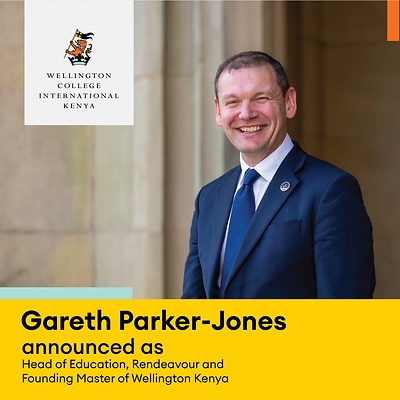
Developed by Rendeavour, Africa’s new city builder, in partnership with Wellington College, Wellington Kenya is the second school in the Wellington College Education family in Africa, alongside Rendeavour’s Wellington College International Lagos, and part of a wider network of 12 super premium British schools spanning the UK, China, Thailand, India, Indonesia and the United States.
Located in Tatu City, Africa’s leading new city, Wellington Kenya is a co-educational boarding and day school for pupils aged 3 to 18, attracting families locally, regionally and globally. With access to Kenya’s breathtaking landscapes, bountiful wildlife, rich cultural diversity, temperate weather and remarkable athletic excellence, Wellington Kenya is set within Tatu City’s 5,000 acres of lush parks, running and equestrian trails, legendary coffee estates, indigenous trees, lakes and rivers.
Regarding his appointment, Gareth Parker-Jones said, “Wellington College International Kenya delivers a genuinely world-class education in arguably the most beautiful environment on Earth, carrying the full weight of the Wellington name. Backed by the scale, expertise and ambition of Rendeavour, Wellington Kenya is a great success story in international education, and I could not be prouder to lead it as Head of Education, Rendeavour, and Founding Master.”
Commenting on the appointment, James Dahl, 15th Master of Wellington College, said, “I am absolutely thrilled to be welcoming Gareth Parker-Jones to the Wellington College Education family. Gareth is one of the UK’s leading heads and has had a transformational impact at Rugby School, raising standards, developing a vibrant and growing family of schools in England and around the world, and acting as a thoughtful and thought-provoking ambassador for the sector. I have known Gareth for many years and have the deepest respect for him both personally and professionally; Wellington College International Kenya could not be in better hands. We congratulate Gareth, Amanda and the family in this exciting new chapter, and I very much look forward to working alongside such accomplished educationalists.”
The appointment of Parker-Jones, who has a strong background in boarding, signals the scale of ambition of Wellington Kenya. Alongside its day school provision, boarding will be an important part of Wellington Kenya’s identity, character, community and pastoral offer from day one. This will give families the flexibility of both day and boarding options, while ensuring that the boarding experience is delivered to the same exacting standard as Wellington College Education family of schools around the world.
Stephen Jennings, Founder and CEO of Rendeavour, added, “To attract a Founding Master of Gareth’s renown and experience is itself a statement of our intent and the ambition we hold for the school. Having spent considerable time with Gareth and his wife, Amanda, I have no doubt whatsoever that we have found the perfect leaders for building one of the best school in the world. Great cities are built around great institutions, and world-class education is central to attracting families, employers, and investment over the long term. Wellington Kenya will set a new benchmark for educational excellence – establishing a world-class school in the heart of East Africa, so families no longer need to look abroad for extraordinary schooling. Gareth’s appointment gives us the leadership, warmth, and vision to turn that ambition into reality from day one. Our goal is to build a learning community that seamlessly combines Wellington’s global educational heritage with a strong local identity, one that will serve families across the region for generations.”
WCIK Contact
Deborah Stanford
Head of Admissions & Marketing at Wellington Kenya
Admissions@wellingtoncollege.ke
Media Contact
Prudence Karimi
Pkarimi@tatucity.com
+254 795 368 905
 View original content to download multimedia:https://www.prnewswire.co.uk/news-releases/gareth-parker-jones-named-head-of-education-rendeavour-and-founding-master-of-wellington-college-international-kenya-302897219.html



