


9, Sep 2026
Cleveland Clinic, RIKEN and IBM Team Advance to Finals for 2026 ACM Gordon Bell Prize
Joint research team modeled a 12,635-atom protein, the largest-known to be simulated using quantum computers.
Breakthrough was achieved through quantum and classical methods working together, expanding quantum-centric supercomputing’s potential in life sciences research.
CLEVELAND and WAKO, Japan and YORKTOWN HEIGHTS, N.Y., Sept. 9, 2026 /PRNewswire/ — A multidisciplinary team from Cleveland Clinic, RIKEN and IBM (NYSE: IBM) has been named as a finalist for the 2026 Association for Computing Machinery (ACM) Gordon Bell Prize for simulating the largest biologically meaningful molecules ever modeled with quantum computers, reaching a scale of 12,635 atoms. To achieve these results, the team united the strengths of quantum and classical computing methods in a framework known as quantum-centric supercomputing.
The ACM Gordon Bell Prize recognizes outstanding achievement in high-performance computing and is one of the field’s most prestigious honors. The 2026 winner will be announced at the International Conference for High-Performance Computing, Networking, Storage, and Analysis (SC26), taking place Nov. 15–20, 2026 in Chicago.
The origins of the project are rooted in the team’s investigation into how computation in drug discovery can be improved. Doing so rests on two fundamental challenges: first, modeling the movement of atoms as biological processes unfold; and second, accurately computing their energies. Particularly the second challenge is well-suited for quantum computers, which operate by the laws of quantum mechanics.
In the work, initially published in May 2026, the team calculated the electronic structure of two large protein complexes using the IBM Quantum Heron processors running within the IBM quantum computers at Cleveland Clinic in the United States and RIKEN in Japan. The calculations were executed alongside two of the world’s most powerful supercomputers, Fugaku at RIKEN and Miyabi-G, which is operated by the University of Tokyo and University of Tsukuba. The quantum computers used up to 94 qubits to run nearly 6,000 quantum operations within certain parts of the problem, which was essential to the computation’s accuracy and success. Fugaku and Miyabi-G were used to reassemble the results and allow the team to gain a complete representation of each molecule.
The results reflect the team’s innovative approach alongside the rapid maturation of quantum computing. Using the sample-based quantum diagonalization by IBM and RIKEN (featured on the cover of Science Advances) along with embedded wavefunction methods adapted by Cleveland Clinic to the question at hand, the team was able to report the first-known simulation of a 303-atom protein achieved with quantum computers. Less than a year later, the team first scaled their method roughly 40 times while also achieving 210 times improvement in accuracy. In updated results recently published in September, the team advanced the work even further. Most notably, they were able to further improve the accuracy of their computations of the binding energies of the molecular system, which reflect how tightly the molecules are bound together and can predict how they could interact with other systems.
In addition, the team validated the workflow on a third supercomputer, JHPC-quantum GPU supercomputer “ROQUO,” RIKEN’s newest system in a way that eliminated the need for complex manual operations and data transfers – pointing toward faster, more accessible research. By orchestrating CPUs, GPUs, and QPUs together, the team minimized the need for manual transfers and further reduced errors — an early demonstration of how classical and quantum computing can work in concert on complex scientific problems.
Taken together with the earlier results, these updates reflect continued progress on both the accuracy of computed binding energies and the time-to-solution enabled by the automated workflow.
The quantum-classical techniques developed by the team continues to reduce the computational overhead required to directly represent the chemistry of molecular systems with accuracy and is pushing the frontiers of what is possible with quantum-centric supercomputing in the field. The work has demonstrated a path to further increase the accuracy of how molecular system can be calculated and is a step towards helping researchers better predict how medicines may interact with protein targets.
The research team includes Kenneth Merz Jr, Akhil Shajan, Danil Kaliakin, Fangchun Liang of Cleveland Clinic, Yuichi Otsuka, Tomonori Shirakawa, Lukas Broers, Han Xu, Miwako Tsuji, Mitsuhisa Sato, Seiji Yunoki of RIKEN Center for Computational Science, and Ryo Wakizaka, Yukio Kawashima, Jun Doi, Hitomi Takahashi, Toshinari Itoko, Hiroshi Horii, Thaddeus Pellegrini, Javier Robledo Moreno, Kevin J. Sung, Ella Fejer, Robert Walkup, Seetharami Seelam, Mario Motta of IBM.
To read the full study, visit: https://arxiv.org/abs/2605.01138
Research Support
This research is supported by NEDO (New Energy and Industrial Technology Development Organization), an organization under the jurisdiction of Japan’s Ministry of Economy, Trade and Industry (METI)’s “Research and Development of Quantum-Supercomputers Hybrid Platform for Exploration of Uncharted Computable Capabilities” (Project Leader: Mitsuhisa Sato) as part of the “Project for Research and Development of Enhanced Infrastructures for Post 5G Information and Communications Systems (JPNP20017).”
About Cleveland Clinic
Cleveland Clinic is a nonprofit multispecialty academic medical center that integrates clinical and hospital care with research and education. Founded in 1921 by four renowned physicians with a vision of providing outstanding patient care based upon the principles of cooperation, compassion and innovation, Cleveland Clinic has pioneered many medical breakthroughs, including coronary artery bypass surgery and the first face transplant in the United States. Cleveland Clinic is consistently recognized in the U.S. and throughout the world for its expertise and care. Among Cleveland Clinic’s 83,000 employees worldwide are more than 6,600 salaried physicians and researchers, and 21,900 registered nurses and advanced practice providers, representing 140 medical specialties and subspecialties. Cleveland Clinic is a 6,725-bed health system that includes a 173-acre main campus near downtown Cleveland, 23 hospitals, 300 outpatient facilities, including locations in northeast Ohio; Florida; Las Vegas, Nevada; Toronto, Canada; Abu Dhabi, UAE; and London, England. In 2025, there were 15.9 million outpatient encounters, 343,000 hospital admissions and observations, and 336,000 surgeries and procedures throughout Cleveland Clinic’s health system. Visit us at clevelandclinic.org. Follow us at x.com/CleClinicNews. News and resources are available at newsroom.clevelandclinic.org.
About RIKEN
RIKEN is Japan’s leading national comprehensive research institute in the natural sciences, conducting research across a broad range of fields including physics, engineering, chemistry, mathematical and information sciences, computational science, biology, and medical science. The RIKEN Center for Computational Science (R-CCS) operates the world-class supercomputer Fugaku, providing computing resources to a wide range of users in universities, research institutions, and industry, and carries out research and development under the banner of “The Science of computing, by computing, and for computing”, contributing to the advancement of computational science and computer science.
For more information, visit https://www.riken.jp/en/.
About IBM
IBM is a leading global hybrid cloud and AI, and business services provider, helping clients in more than 175 countries capitalize on insights from their data, streamline business processes, reduce costs and gain the competitive edge in their industries. Thousands of governments and corporate entities in critical infrastructure areas such as financial services, telecommunications and healthcare rely on IBM’s hybrid cloud platform and Red Hat OpenShift to affect their digital transformations quickly, efficiently and securely. IBM’s breakthrough innovations in AI, quantum computing, industry-specific cloud solutions and business services deliver open and flexible options to our clients. All of this is backed by IBM’s legendary commitment to trust, transparency, responsibility, inclusivity and service.
For more information, visit https://research.ibm.com.
Media contacts
Alicia Reale-Cooney
Cleveland Clinic
realeca@ccf.org
216.408.7444
R-CCS, Computational Science Promotion Division Outreach Group
r-ccs-koho@ml.riken.jp
Danielle Cerasani Estevez
IBM Research Communications
dcerasani@ibm.com
 View original content to download multimedia:https://www.prnewswire.co.uk/news-releases/cleveland-clinic-riken-and-ibm-team-advance-to-finals-for-2026-acm-gordon-bell-prize-302872881.html

- 0
- By Sai Krishna

9, Sep 2026
TerraPay Connects its Wallet Interoperability Network, Xend to Alipay+, Strengthening Global Payments Interoperability
DUBAI, UAE, Sept. 9, 2026 /PRNewswire/ — TerraPay, a global money movement company, and Alipay+, Ant International’s unified wallet gateway, today announced a strategic partnership to enable seamless cross-border QR payments for digital wallets, significantly enhancing global payments interoperability for users across Latin America, the Middle East and Africa.
In the initial phase, 15 of the digital wallets across Africa that are connected to Xend, TerraPay’s wallet interoperability network, will be able to pay at more than 150 million merchants across Alipay+’s global merchant ecosystem. The partnership also expands TerraPay’s cross-border payment capabilities from account-to-account to global in-store acceptance.
Pay Like a Local, anywhere in the World
Many continue to face friction when transacting across borders. While their digital wallet works seamlessly locally, often when travelling, they revert to cash, foreign exchange counters, and payment methods that feel unfamiliar and costly.
Through the Xend, TerraPay’s wallet interoperability network, wallet partners across the world piloting with Africa, can enable their users to pay directly at Alipay+’s global merchant ecosystem. Wallet users can simply scan a QR code to pay, using the same wallet they already trust.
“The home wallet on your phone, that is from Kenya or Colombia or any country, should work the same way in Singapore or China or anywhere in the world, as easily as it does at home,” said Ambar Sur, Founder and CEO, TerraPay. “That’s the promise of Xend. This partnership with Alipay+ is a major step toward making cross-border wallet payments as natural as paying locally.”
Supporting a growing mobile economy
As digital wallets become the preferred payment option, users increasingly expect their trusted financial interfaces to work seamlessly across borders, merchants, and payment ecosystems. Wallet providers have built powerful domestic ecosystems – loyal users, trusted rails, meaningful scale, yet cross-border utility remains limited.
Xend, TerraPay’s wallet interoperability network solves this by connecting to a global ecosystem, via Alipay+, through a single integration, enabling wallet providers to offer their customers something genuinely new: the ability to spend internationally, without switching apps or carrying cards. Alipay+ connects over 50 international payment partners to more than 150 million merchants across 220 destination markets, including through over 10 national payment systems.
“By bringing TerraPay’s network of wallets to Alipay+, we’re helping more people and businesses connect across borders, creating new pathways for growth, and unlocking new opportunities,” said Edward Yue, General Manager of Alipay+ Global Power Center, Ant International. “This reflects our joint commitment towards a more connected and inclusive global commerce ecosystem.”
Ant International is a leading global digital payment, digitisation and financial technology provider, offering a unified techfin platform supporting financial institutions and merchants of all sizes to achieve inclusive growth. It’s unified wallet gateway, Alipay+, provides cross-border payment and digital services that help connect global merchants to consumers.
About TerraPay
TerraPay simplifies global money movement, providing a single connection to one of the most expansive cross-border payment networks, regulated across multiple markets. Our network enables payments to receiving and sending countries worldwide, reaching a vast network of mobile wallets, bank accounts, and cards. We make money transfers instant, reliable, transparent, and fully compliant for its partners, connecting them to 7.5Bn+ bank accounts, in 156+ countries. We work behind the scenes as the trusted partners for some of the world’s most innovative financial players, from banks and digital wallets to MTOs, corporates and fintech platforms. On a mission to create a borderless financial world, TerraPay launched Xend – the first-of-its-kind wallet interoperability network, enabling secure, real-time cross-border payments, to and from 3.7B wallets through a single, unified connection. TerraPay is headquartered in London, with offices in cities including, Dubai, Miami, Milan, Singapore, Bogota, Johannesburg, Kampala, Bangalore.
Learn more at www.terrapay.com
About Alipay+
Ant International’s Alipay+ is a unified wallet gateway with cross-border payment and digitisation services that help connect global merchants to consumers. Consumers enjoy seamless payments a broad choice of deals and the convenience of digital services using their preferred payment app/e-wallet while travelling abroad. Many small and medium-sized businesses already use Alipay+ digital tools to enhance efficiency and achieve omni-channel growth.
Media Contacts
TerraPay: juveria.n@terrapay.com
Ant International / Alipay+: pr@ant-intl.com
Forward-looking statements in this release are subject to risks and uncertainties. Transaction volumes and network reach figures are approximate and subject to change.
 View original content to download multimedia:https://www.prnewswire.co.uk/news-releases/terrapay-connects-its-wallet-interoperability-network-xend-to-alipay-strengthening-global-payments-interoperability-302872683.html

9, Sep 2026
Casio to Release G-SHOCK Featuring Refined Metal Beauty with Multi-Component Construction
Nano-Processing Technology Used to Create a Lustrous Three-Dimensional Dial
TOKYO, Sept. 9, 2026 /PRNewswire/ — Casio Computer Co., Ltd. announced today the release of a new addition to the G-STEEL line of G-SHOCK shock-resistant watches. Combining signature G-SHOCK toughness with a sleek metal exterior, the new GST-W1000 brings out the beauty of metal with a multi-component construction featuring different finishes applied to individual surfaces.

Ever since its debut in 1983, G-SHOCK timepieces have been delivering innovation in functionality, construction, and design, with shock-resistant construction at their core. The G-STEEL line features metal watches that express toughness using advanced metalworking technologies, with particular attention to form and finish.
The new GST-W1000 is a shock-resistant watch that accentuates the textural appeal of the metal by using multiple individually finished components. The exterior employs a new construction that combines four carefully finished metal components instead of using a single bezel component to cover the center case. In addition, the innovative exterior design conceals the mounting screws on the sides while maintaining shock resistance, creating an integrated appearance from the bezel to the bracelet. Four distinct finishes — straight hairline, circular hairline, mirror, and honing — are applied to bring out the refined beauty of the metal.
The dial features a three-dimensional geometric texture created using nano-processing technology from Yamagata Casio, the “mother factory” of G-SHOCK. The radial finish creates distinct reflections across the dial surfaces extending outward from the center. As the wrist moves, each surface catches the light differently, creating changing patterns of shading and luster.
The watch also incorporates TOUGH MVT. 2 for precision timekeeping. Building on the capabilities of the original TOUGH MVT.,*1 TOUGH MVT. 2 detects external disturbances such as impacts and magnetic fields and performs self-regulating control by automatically correcting the hand positions to maintain accurate time display.
|
*1 A solar-powered analog movement with automatic time correction, engineered for outstanding precision, reliability, and usability. |

 View original content to download multimedia:https://www.prnewswire.co.uk/news-releases/casio-to-release-g-shock-featuring-refined-metal-beauty-with-multi-component-construction-302869751.html

8, Sep 2026
CJ 4DPLEX Partners with ATLAS Biograferne To Debut Denmark’s First-Ever SCREENX
ATLAS Biograferne Cinemas becomes the first in Denmark to feature 270-degree panoramic SCREENX auditorium
BURBANK, Calif., Sept. 8, 2026 /PRNewswire/ — CJ 4DPLEX, the world’s leading producer of premium cinema formats and immersive theater experiences, and ATLAS Biograferne, an independent multiplex cinema located in Rødovre, Denmark, today announced the debut of the country’s first 270-degree panoramic SCREENX auditorium, marking the format’s long awaited arrival in the Danish market.

Nestled in the western part of Greater Copenhagen within Rødovre Centrum shopping complex, ATLAS Biograferne has earned a reputation as one of Denmark’s well-regarded independent and highly ambitious cinemas, drawing moviegoers from across the greater Copenhagen area and beyond. The addition of SCREENX reflects the theater’s longstanding commitment to premium moviegoing and marks a defining moment for Danish cinema audiences, delivering their first-ever access to CJ 4DPLEX’s acclaimed 270-degree panoramic format.
ATLAS Biograferne multiplex will feature a beautifully designed space with 76 seats and a 126 foot-wide panoramic screen, placing audiences at the center of the action and delivering a format unlike anything else available in Denmark. SCREENX seamlessly extends the image beyond the main screen and across the surrounding walls of the auditorium. Together, these elements transform traditional moviegoing into a fully panoramic event unlike anything previously available to Danish audiences.
“Denmark represents an exciting new chapter for SCREENX, and we couldn’t be more thrilled to bring this experience to Danish audiences for the first time,” said Don Savant, Chief Business Officer, CJ 4DPLEX. “We’re incredibly grateful to our partners at ATLAS Biograferne for sharing our vision for the future of premium cinema and for helping us introduce SCREENX to this important market. ATLAS Biograferne is the perfect home for our first SCREENX auditorium in Denmark, and we look forward to welcoming moviegoers into a truly immersive cinematic experience unlike anything they’ve seen before.”
In a joint statement, Emil and Marie Mark Nørholm, owners of ATLAS Biograferne, said: Becoming the first cinema in Denmark to offer SCREENX is something we are enormously proud of. At ATLAS Biograferne, our commitment to delivering exceptional cinematic experiences has always been at the core of what we do, and this partnership with CJ 4DPLEX marks an exciting new chapter in that mission. The chance to give our audience two more sides to the story is both exhilarating, incapsulating, and simply gives our audience a new premium experience. And isn’t that what cinemas is all about?”
The announcement builds on CJ 4DPLEX’s existing 4DX presence in Denmark, where the company has already brought its multisensory premium format to audiences in partnership with Nordisk Film Cinemas at Aarhus Bio, Lyngby Kinopalæet, and Field’s in Copenhagen, as part of a broader push deeper into the Nordic region.
Through this partnership, CJ 4DPLEX and ATLAS Biograferne are redefining what premium cinema looks like in Denmark, giving audiences an entirely new way to experience films on the big screen. Denmark’s first SCREENX auditorium will be located at ATLAS Biograferne, Rødovre Centrum 96, 2610 Rødovre, Denmark.
About CJ 4DPLEX
CJ 4DPLEX is a proud subsidiary of CJ Group, Korea’s leading lifestyle and culture company. Headquartered in Sangam, Seoul, we design and develop immersive cinema technologies that inspire audiences worldwide. Guided by creativity, technology, and cultural vision, we are committed to redefining the future of cinema starting right here in Korea.
CJ 4DPLEX is redefining the moviegoing experience across many countries worldwide, working with the world’s top exhibitors to deliver SCREENX, 4DX and ULTRA 4DX to audiences everywhere. From the United States to Europe, Asia, and the Middle East, our global presence keeps growing driven by our mission to make immersive storytelling the standard in cinema. Innovation drives us to connect people beyond language and borders through shared experiences.
About SCREENX
SCREENX is the world’s most immersive platform, breaking free from the boundaries of a single screen to place audiences at the heart of the story.
With visuals flowing seamlessly across the walls, SCREENX connects film and space, creating moments of true natural immersion. Every sequence is curated to reflect the director’s vision, turning each film into a journey only SCREENX can deliver.
About ATLAS Biograferne
ATLAS Biograferne is an independent Cinema, located in the western part of Greater Copenhagen.
The company is owned by Emil & Marie Mark Nørholm, since 2013 when they built the 7-screen luxurious cinema. ATLAS Biograferne was the cinema with the highest growth rate in 2025. The introduction of SCREENX in the Danish market marks yet another manifestation of the ambitious cinema. “We constantly strive for the joint experiences. That is what the cinema can – give us a joint experience, and therefore we should always strive at improving this cinema experience. The introduction of SCREENX will definitely give our audiences an unique and premium experience.”
 View original content to download multimedia:https://www.prnewswire.co.uk/news-releases/cj-4dplex-partners-with-atlas-biograferne-to-debut-denmarks-first-ever-screenx-302872888.html

8, Sep 2026
oneworld Partners with Popular App Timeshifter to Help Round the World Travellers Beat Jet Lag
Science-based, personalised jet lag plans provided for every Round the World journey purchased on oneworld.com
FORT WORTH, Texas, Sept. 8, 2026 /PRNewswire/ — The oneworld® Alliance is helping customers adjust to new time zones faster and lose fewer days to jet lag on Round the World journeys through a new partnership with Timeshifter – the world’s most-downloaded jet lag app, with more than 1.7 million users.
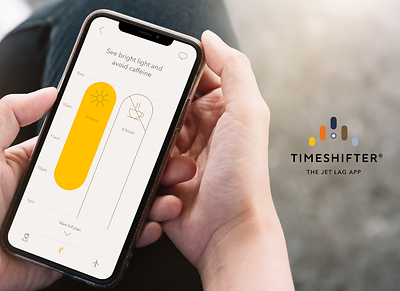
Effective immediately, customers purchasing Round the World trips on oneworld.com will receive a complimentary Timeshifter subscription that covers their entire itinerary, considering every flight and time zone shift from departure to final return.
“Our partnership with Timeshifter will help Round the World customers arrive ready to enjoy each new destination by supporting better sleep and faster adjustment to new time zones,” said Roger Blackburn, vice president of Loyalty and Commercial for oneworld, in remarks from the stage at the oneworld Loyalty Summit in Dallas/Ft. Worth. “Jet lag has a significant impact on health and wellbeing. This new partnership provides oneworld an opportunity to do what we do best: deliver a premium, elevated experience at every opportunity along the journey.”
Timeshifter is based on the latest circadian science, and advice is personalised to each customer’s flight itinerary, typical sleep pattern, chronotype and personal preferences.
“Timeshifter is trusted by astronauts, Formula One teams and professional athletes, and we are excited to be working with oneworld to provide this same circadian science to oneworld’s customers, improving their health and enjoyment when they cross time zones,” said Mickey Beyer-Clausen, CEO of Timeshifter. “Air travel has optimised nearly every part of flying except for what crossing multiple time zones can do to the traveller – a gap our partnership with oneworld will help to close.”
What is jet lag?
Jet lag is not a sleep problem but a temporary misalignment between a person’s internal circadian clock and local time at their destination. The circadian clock keeps sleep, alertness, digestion, immune function, and dozens of other systems, synchronized to a 24-hour day, and takes its cues from light and darkness.
When travellers cross several time zones, the light-dark cycle shifts by hours, while the circadian clock moves only about an hour a day on its own. The only way to adjust to new time zones quickly is by timing light exposure and light avoidance precisely. If the timing is wrong, it will make jet lag worse.
“This is just the latest example of the creative ways we are engaging with premium partners who bring true value and an elevated experience to oneworld customers,” said Ole Orvér, CEO of oneworld.
About Timeshifter
Timeshifter is the global leader in circadian technology, translating circadian science into breakthrough products and solutions that improve human performance, safety, and health. In 2018, Timeshifter made jet lag history with its first product – now the most-downloaded jet lag app in the world. Building on this success, Timeshifter introduced a groundbreaking app to help shift workers improve their sleep, safety, health, and quality of life. Timeshifter’s concierge services support astronauts, NBA players, Formula 1 drivers and Olympic athletes perform at their best.
Round the World with oneworld:
oneworld offers the most comprehensive alliance Round the World product across its network of nearly 1,000 destinations. On average, customers book seven stops, with trips lasting for around three months. More information about oneworld’s Round the World fares, including destination inspiration and how to book is available at oneworld.com.
About oneworld
oneworld brings together 15 world-class airlines – Alaska Airlines/Hawaiian Airlines, American Airlines, British Airways, Cathay Pacific, Fiji Airways, Finnair, Iberia, Japan Airlines, Malaysia Airlines, Oman Air, Qantas, Qatar Airways, Royal Air Maroc, Royal Jordanian and SriLankan Airlines to nearly 1,000 destinations. oneworld member airlines work together to consistently deliver a superior, consistent travel experience, with special rewards and privileges for its frequent flyers, including earning and redeeming miles and points across the entire alliance network, access to airport lounges, priority check in, boarding, extra baggage allowances and more. Learn more about the oneworld Alliance at oneworld.com.
Follow us on Facebook, Instagram, X and LinkedIn.
Contact:
press@oneworld.com
 View original content to download multimedia:https://www.prnewswire.co.uk/news-releases/oneworld-partners-with-popular-app-timeshifter-to-help-round-the-world-travellers-beat-jet-lag-302872771.html

8, Sep 2026
Frost & Sullivan and PT Dirgantara Indonesia Collaborate to Advance Indonesia’s Dual-Use Aerospace Ecosystem
Strategic initiative aims to strengthen capabilities across Indonesia’s aerospace value chain and create a platform for local and global collaboration, investment and industrial growth
LONDON, Sept. 8, 2026 /PRNewswire/ — Frost & Sullivan and PT Dirgantara Indonesia (PTDI) are collaborating on an ambitious initiative to help build and strengthen a dual-use aerospace ecosystem for Indonesia.
The initiative is focused on developing national capabilities across the aerospace value chain – spanning aircraft development, production, operation and maintenance, as well as advanced manufacturing, maintenance, repair and overhaul (MRO), unmanned aircraft systems (UAS), supply-chain localisation and international partnership development.
The ambition extends beyond the capabilities of any single organisation. Frost & Sullivan and PTDI aim to support the development of a broader national aerospace platform through which Indonesian and international organizations can participate, invest and collaborate.
The initiative is designed to help strengthen Indonesia’s long-term aerospace and industrial capabilities, support greater technological and industrial sovereignty, create skilled employment opportunities and generate wider economic impact.
Data-Driven Ecosystem Development
Frost & Sullivan’s Enterprise Grid MetaBrain will support the initiative by enabling data-driven decision-making, ecosystem orchestration, investor engagement and scenario-based planning.
By bringing together market intelligence, ecosystem insights and structured planning, the platform will help identify opportunities across the aerospace value chain and translate long-term ambitions into actionable pathways for development and growth.
The collaboration brings together the expertise and leadership of PTDI, including Gita Amperiawan, President Director (CEO); Moh. Arif Faisal, Director of Commerce and Development; and Dena Hendriana, Director of Production, alongside Frost & Sullivan leaders Aroop Zutshi, Global Managing Partner & Executive Board Member, and Subhranshu Shekhar Das, Executive Board Member & MetaBrain Lead Architect.
The initiative reflects a shared ambition to create an aerospace ecosystem capable of bringing together industry participants, technology providers, investors and other stakeholders while strengthening Indonesia’s position within the global aerospace value chain.
About PT Dirgantara Indonesia
PT Dirgantara Indonesia (PTDI) is an Indonesian aerospace company engaged in the design, development and production of aircraft, as well as associated aerospace services and capabilities.
About Frost & Sullivan
Frost & Sullivan, the Growth Pipeline Company, enables clients to accelerate growth and achieve best-in-class positions in growth, innovation, and leadership. The company’s Growth Pipeline as a Service provides the CEO’s Growth Team with transformational strategies and best-practice models to drive the generation, evaluation, and implementation of powerful growth opportunities. For over 60 years, Frost & Sullivan has partnered with investors, corporate leaders, and governments to identify, prioritise, and execute transformational growth strategies.
Your Transformational Growth Journey Starts Here: Schedule Your Growth Pipeline Dialog™ with the Frost & Sullivan team.
Media Contact:
Kristina Menzefricke
Marketing & Communications
Global Customer Experience, Frost & Sullivan
kristina.menzefricke@frost.com
 View original content:https://www.prnewswire.co.uk/news-releases/frost–sullivan-and-pt-dirgantara-indonesia-collaborate-to-advance-indonesias-dual-use-aerospace-ecosystem-302872711.html

8, Sep 2026
Metabolon Verus™ Metabolomics Profiling Kit Now Available to Order
A successful multi-site ring trial and early access program demonstrate the reproducibility, scalability, and biological insight of the Metabolon Verus™ Metabolomics Profiling Kit across laboratories worldwide
MORRISVILLE, N.C., Sept. 8, 2026 /PRNewswire/ — Metabolon, Inc., the global leader in providing metabolomics solutions advancing a wide variety of life science research, diagnostic, therapeutic development, and precision medicine applications, today announced that the Metabolon Verus™ Metabolomics Profiling Kit is now available to order, moving Metabolon’s first metabolomics kit from early access into full commercial availability.

First announced in May 2026 at the 74th ASMS Conference on Mass Spectrometry, the Metabolon Verus™ Metabolomics Profiling Kit is designed to extend Metabolon’s market-leading capabilities beyond centralized services and into laboratories worldwide, combining sample preparation, quality control, automated compound annotation, and access to Metabolon’s Integrated Bioinformatics Platform (IBP) in a single standardized workflow.
During the Early Access Program, 10 laboratories across five countries ran the Metabolon Verus™ Metabolomics Profiling Kit on their own instruments, applying it to studies spanning microbiome research, allogeneic stem cell transplantation, delirium, pulmonary fibrosis, and traumatic brain injury. Their hands-on experience across these applications drove the refinements to training, documentation, and customer support.
Metabolon also completed a ring trial for the Metabolon Verus™ Metabolomics Profiling Kit across eight independent laboratories worldwide, using a fed-fasted study of plasma and sex-based signatures in urine samples. In addition to comparisons between labs, results from each site were benchmarked against an accurate truth dataset and two targeted panels with 8-point calibration for 27 analytes. Metabolon generated the accurate truth dataset by running the same fed-fasted samples at its headquarters using the same kit methods, with results meticulously curated by its expert scientists. Across all eight sites, labs detected an average of 735 metabolites per plasma sample set, with 89% metabolite overlap between labs and an average of 90 pathways represented per set. Metabolite abundance correlated with the accurate truth dataset at a median coefficient of 0.91, and fold-change differences between fed and fasted states and significant metabolites were strongly conserved in each of the eight labs.
“Reproducibility remains one of the biggest barriers to scaling metabolomics,” said Dr. Annie Evans, Head of Core R&D at Metabolon, who presented the ring trial results at the Metabolomics Society meeting in Buenos Aires in June 2026. “What stood out was not only how well the ring trial readout from the labs matched in terms of metabolite count and number of significant metabolites, but also how well the fold-change in response between fed-fasted correlated. It is an amazing result, really emphasizing reproducibility of the workflow and the quality of the analytical pipeline that can drive the results.”
As multiomics analysis becomes more established across academic research, CROs, biotechs, and pharmaceutical companies, sponsors still face the same practical obstacle: results from each omics layer arrive on different timelines and in different formats, so joint analysis requires reconciling data across platforms before the science can even start. The Metabolon Verus™ Metabolomics Profiling Kit is designed to close that gap. Transcriptomics, proteomics, metagenomics, and clinical data can be seamlessly integrated into a single platform to provide a more holistic view, enabling a deeper understanding of the complex biological system under study. Because the kit returns results in five days, it offers the flexibility to align with sequencing platform turnaround times or other omics methods, giving researchers greater efficiency, scalability, and control over their timelines. The result is a genuine multiomics readout, rather than several separately timed datasets stitched together after the fact, that accelerates multiomics research and supports longitudinal, multi-cohort studies for CROs, biotechs, and pharma sponsors.
“Making Metabolon Verus available to order is an important milestone for Metabolon and for the broader metabolomics community. It’s our first decentralized product, encapsulating 25 years of experience,” said Ro Hastie, CEO of Metabolon. “We set out to make high-quality metabolomics more accessible without compromising the scientific rigor, reproducibility, or biological insight researchers expect from Metabolon. The results of our early access program and ring trial give us strong confidence that Metabolon Verus delivers on that promise in laboratories around the world.”
The Metabolon Verus™ Metabolomics Profiling Kit delivers:
- Consistent, comparable data everywhere it runs, through standardized sample preparation and acquisition workflows that eliminate site-to-site variability.
- Confidence in the data before analysis even starts, with built-in quality assurance and quality control that ensure every dataset meets Metabolon’s minimum quality threshold.
- Just days from raw data to processed metabolite results, through automated data processing and compound identification that remove the manual curation bottleneck.
- Enough biological breadth to answer more than one question, from a reference library of more than 1,500 metabolites across 100 biochemical sub-pathways spanning metabolic disease, exposome, the microbiome, kidney and liver function, and beyond.
- Plug metabolomics into your multiomics portfolio without heavy development or informatics investment, adding Metabolon-standard metabolomics for deeper mechanism-of-action, safety, and translational insights.
- A path from data to decision with Metabolon’s intuitive Integrated Bioinformatics Platform for statistical analysis, pathway mapping, visualization, collaboration, and multiomics integration.
- A faster route to running metabolomics in-house, backed by training and scientific support that help laboratories establish and scale metabolomics capabilities without months of method development.
For more than 25 years, researchers have sent samples to Metabolon to access the company’s metabolomics technology and expertise. With the Metabolon Verus™ Metabolomics Profiling Kit, laboratories can now run a standardized Metabolon workflow in-house while remaining connected to the company’s data-processing infrastructure, compound annotation capabilities, bioinformatics tools, and scientific expertise.
The Metabolon Verus™ Metabolomics Profiling Kit is now available to order in North American markets, with international availability in early 2027. To learn more or place an order, visit:
https://www.metabolon.com/metabolon-verus-metabolomics-profiling-kit/
About Metabolomics
Metabolomics, the large-scale study of all small molecules in a biological system, is the only omics technology that provides a complete current-state functional readout of a biological system. Metabolomics helps researchers see beyond individual genetic variation, capturing the combined impact of genetic and external factors, such as drugs, diet, lifestyle, and the microbiome, on human health. By measuring thousands of discrete chemical signals that form biological pathways in the body, metabolomics can reveal important biomarkers, enabling a better understanding of a drug’s mechanism of action, pharmacodynamics, and safety profile, as well as individual responses to therapy.
About Metabolon
Metabolon, Inc. is the global leader in metabolomics, with a mission to deliver biochemical data and insights that expand and accelerate the impact of life sciences research and complement other ‘omics’ technologies. With more than 25 years of metabolomics leadership, 15,000+ projects, 4,000+ publications, and ISO 9001:2015, CLIA, and CAP certifications. Metabolon’s Global Discovery Panel is powered by the world’s largest proprietary metabolomics reference library, while Metabolon’s expanding portfolio of solutions enables researchers to access Metabolon-standard metabolomics through both centralized services and in-house workflows. The Metabolon Verus™ Metabolomics Profiling Kit extends Metabolon’s validated methods into laboratories worldwide, enabling researchers with LC-MS capabilities to generate standardized, reproducible metabolomics data on-site through streamlined workflows, embedded quality controls, automated compound annotation, and direct access to Metabolon’s Integrated Bioinformatics Platform. Metabolon’s industry-leading data, translational science, and bioinformatics expertise help customers and partners address some of the most challenging questions in the life sciences, accelerating research and enhancing development success. The company offers scalable, customizable metabolomics and multiomics solutions—from discovery and targeted services to decentralized in-house metabolomics—that support customer needs across academic research, biopharma, core facilities, and CROs, from early discovery through clinical trials and product life-cycle management. For more information, please visit www.metabolon.com and follow us on LinkedIn and X.
 View original content to download multimedia:https://www.prnewswire.co.uk/news-releases/metabolon-verus-metabolomics-profiling-kit-now-available-to-order-302856967.html

8, Sep 2026
Rain Expands Global Payouts to More than 80 Countries in 50 Currencies
Payouts build on Rain’s existing money movement technology, which enables partners to offer virtual accounts, onramps, and offramps and give users even more ways to spend stablecoins
Key facts
- Rain’s expanded global payouts capability broadens its money movement technology.
- Rain’s partners can now support payouts to more than 80 countries in 50 currencies from stablecoins, with expansion to 95 countries and more than 60 currencies by the end of the year.
- Global payouts support business-to-business (B2B), business-to-consumer (B2C), consumer-to-consumer (C2C), and consumer-to-business (C2B) transactions, whether a partner is sending funds to their own account or to someone else’s.
- Global payouts are available now for select beta partners, with broader availability expected by the end of the year.
NEW YORK, Sept. 8, 2026 /PRNewswire/ — Rain, the enterprise-grade infrastructure for stablecoin payments, announced today an expansion of its global money movement technology platform, enabling partners to send payouts to more than 80 countries in 50 currencies, and plans to reach 95 countries and more than 60 currencies by the end of the year. The expanded capability gives Rain’s partners one way to pay others in the currency they actually use, from a single stablecoin balance. It supports business-to-business (B2B), business-to-consumer (B2C), consumer-to-consumer (C2C), and consumer-to-business (C2B) payouts, whether a partner is sending funds to their own account or to someone else’s.
Rain’s global payouts capability closes the last-mile gap for stablecoins by connecting onchain infrastructure with legacy rails. Partners fund payouts directly from the stablecoin balances they already hold, and Rain orchestrates the conversion of stablecoins to local currency through licensed partners.
Stablecoin cards were Rain’s original answer to making stablecoins spendable in the real world. The purchase is authorized like any other card transaction at the point of sale, but behind the scenes, Rain settles with the card networks in stablecoins, while the merchant gets paid in fiat. But card transactions represent just one way users want to use their stablecoins. A business in Bogotá still needs to pay a supplier in Lisbon. A contractor in Buenos Aires still needs pesos to pay their landlord for rent.
An expansion across pay-ins and payouts
Virtual accounts already let partners move money between fiat and stablecoins, covering both pay-ins and payouts. Rain’s global payouts extend the payout side of that stack to local currencies and local rails in more than 80 countries.
Together, the two capabilities mean a partner can bring pesos onchain through a virtual account in Mexico, hold them as stablecoins, and separately initiate a payout to a vendor in Argentina. Once the payout is initiated, a licensed partner would deliver Argentine pesos to the recipient’s bank account.
“Partners don’t want to stitch together several vendors every time they need to pay someone in a new country,” said Charles Yoo-Naut, CTO and co-founder of Rain. “They want one platform that powers the whole flow of funds, from stablecoins to local currency, wherever that money needs to land. Rain’s global payouts product is the next step in building that platform.”
Built for how partners actually move money
Rain built global payouts around the flows its partners already need it for:
- Neobanks can offer money movement and payments services to their own consumer or business customers, without building and maintaining local banking relationships in every market themselves.
- Marketplaces can pay a global base of sellers and drivers in their local currencies from a single stablecoin balance instead of prefunding an account in every country they operate in.
- Contractor platforms can distribute payments to freelancers across borders, regardless of where they live.
- Businesses can pay suppliers abroad from their onchain balance without requiring that vendor to accept stablecoins.
Settlement time depends on the rail and the destination. Many corridors settle in real time, others take up to two business days.
Rolling out now
Global payouts is live today with a select group of beta partners, and will roll out more broadly across Rain’s partner base over the coming months. Interested partners can work with their Account Manager to join the beta program and interested prospects can contact Partnerships at sales@rain.xyz.
Frequently Asked Questions
Question: What are global payouts?
Answer: Global payouts are the latest capability in Rain’s global money movement product suite. It lets partners send money to recipients in more than 80 countries and 50 currencies, landing as local currency in the recipient’s own bank account, with plans to reach 95 countries and more than 60 currencies by the end of the year. The capability covers business-to-business (B2B), business-to-consumer (B2C), consumer-to-consumer (C2C), and consumer-to-business (C2B) payouts, whether a partner is sending funds to their own account or to someone else’s. Global payouts is live today with a select group of Rain partners and will expand to new partners over the coming months.
Question: What kinds of payments does Rain global payouts support?
Answer: Rain supports business-to-business, business-to-consumer, consumer-to-consumer, and consumer-to-business payouts. Common use cases include marketplace seller payouts, contractor payments, consumer payments, and supplier or vendor payments.
Question: Does Rain offer more than stablecoin cards?
Answer: Yes. Rain enables card issuing, rewards, embedded wallets, virtual accounts, and on/offramps via one platform. Expanding global payout capabilities means partners get the convenience of a single stack, with the flexibility and modularity to use only the pieces they need underneath it.
Question: What are Rain’s money movement capabilities?
Answer: Rain provides a full suite of money movement technology, enabling partners to access global payouts, onramps and offramps, and virtual accounts in several currencies. Virtual accounts already support both pay-ins and payouts, moving money between fiat and stablecoins in multiple currencies. Global payouts expands the payout side of that stack specifically, extending Rain’s reach to local-currency payouts across more than 80 countries through local payment rails.
Question: Who are global payouts built for?
Answer: Partners with a global base of recipients to pay: marketplaces paying sellers and drivers, contractor platforms hiring across borders, businesses paying suppliers and vendors abroad, and neobanks offering money movement services to their own consumer or business customers.
About Rain
Rain is the global stablecoin payments platform for enterprises, neobanks, platforms, developers, and AI agents. Our technology allows partners to move, store, and use stablecoins instantly and compliantly through global payment cards, rewards, on/offramps, stablecoin and fiat wallets, and cross-border rails. As both a Visa and Mastercard Principal Member, Rain issues cards that work at more than 175 million merchant locations in over 200 countries and territories. Built natively for stablecoins and trusted by more than 100 organizations worldwide, Rain delivers secure, scalable infrastructure that makes money move freely and instantly around the world. Learn more at https://www.rain.xyz/.
Media Contact:
Joseph Gallo
Communications Director, Rain
joseph@rain.xyz
 View original content to download multimedia:https://www.prnewswire.co.uk/news-releases/rain-expands-global-payouts-to-more-than-80-countries-in-50-currencies-302871743.html

8, Sep 2026
KERING LAUNCHES ITS KERING GENERATION AWARD IN INDIA IN PARTNERSHIP WITH RELIANCE BRANDS LIMITED
MUMBAI, India, Sept. 8, 2026 /PRNewswire/ — Kering is proud to announce the launch of its Kering Generation Award in India. It’s the first time this initiative is introduced in the region.
At Kering’s headquarters in Paris, Marie-Claire Daveu, Chief Sustainability & Institutional Affairs Officer at Kering and Jaspreet Chandok, Group Vice President Reliance Brands Limited have signed a Memorandum of Understanding to collaborate on the launch of the Kering Generation Award in India, promoting sustainability and circular innovation in the fashion industry, aiming to drive meaningful change and elevate sustainable fashion initiatives.
Since 2018, inspired by the Group’s sustainability signature ‘Crafting Tomorrow’s Luxury’, Kering has been running this Award program across several countries including China, Japan and MENA to identify promising change-making startups and technologies covering fashion. Through this Award, Kering strengthens its commitment to fostering visionary talent and advancing sustainable solutions that minimize the environmental and social impact of fashion activities all along its processes, from raw materials to end of life of the products.
The first Indian edition of this Award program will specifically seek to identify start-ups that proposes circular initiatives, having a direct impact on resources protection. The award will collaborate with R|Elan™ Circular Design Challenge in partnership with the United Nations in India as the exclusive nominating partner. Together, Kering and Reliance Brands Ltd. commit to drive impactful change by promoting sustainable practices and supporting visionary fashion initiatives that shape a responsible future.
The Award ceremony will be held at the Embassy of France during the Fashion Week in Delhi on October 13, 2026, bringing light to the Franco-Indian Year of Innovation.
“Expanding the Kering Generation Award to India is a natural and strategic next step in our mission to support visionary impact startups that are shaping the future of luxury,” said Marie-Claire Daveu, Kering’s Chief Sustainability and Institutional Affairs Officer. “India is not only a massive and rapidly growing market for the luxury sector, but also a thriving hub for innovation and entrepreneurship. We are convinced that empowering the region’s most promising entrepreneurs at the intersection of fashion, beauty and innovation will accelerate the breakthrough circular solutions needed to transform our industry.”
“The future of luxury will be shaped not only by creativity, but by the ability to innovate responsibly. India is home to exceptional talent reimagining materials, technology and circular business models, and this partnership with Kering provides an important global stage for those innovators. We are proud to bring together Reliance Brands’ experience in building fashion ecosystems with Kering’s leadership in sustainability to champion solutions that can influence the future of the industry. Building on R|Elan™ Circular Design Challenge, this collaboration further strengthens our commitment to nurturing innovation that is both commercially viable and environmentally responsible,” said Jaspreet Chandok, Group VP Reliance Brands Limited.
About Kering
Kering is a global, family-led luxury group, home to people whose passion and expertise nurture creative Houses across couture and ready-to-wear, leather goods, jewelry, eyewear and beauty: Gucci, Saint Laurent, Bottega Veneta, Balenciaga, McQueen, Brioni, Boucheron, Pomellato, Dodo, Qeelin, Ginori 1735, as well as Kering Eyewear. Inspired by their creative heritage, Kering Houses design and craft exceptional products and experiences that reflect the Group’s commitment to excellence, sustainability and culture. This vision is expressed in our signature: Creativity is our Legacy. In 2025, Kering employed 44,000 people and generated revenue of €14.7 billion.
About the Kering Generation Award
In 2017, as part of its Sustainability strategy, Kering joined the “Plug and Play – Fashion for Good” accelerator to identify more sustainable and innovative materials and processes in Europe. In 2018, in partnership with Plug and Play China, Kering launched the first edition of the “Kering Generation Award” to support Chinese startups with a positive environmental and social impact. Since then, the “Kering Generation Award” has been launched in Japan, and then in Saudi Arabia with the support of the Fashion Commission.
About Reliance Brands Limited
Reliance Brands Limited (RBL), a subsidiary of Reliance Retail Ventures Ltd. (RRVL), was established in 2007 with a mandate to launch, scale, and nurture global fashion and lifestyle brands in India across the luxury to premium spectrum. Its portfolio today includes some of the world’s most iconic names such as Armani Exchange, Balenciaga, Bally, Bottega Veneta, Brooks Brothers, Burberry, Canali, Coach, Diesel, EA7, Elan Cafe, Emporio Armani, Ferragamo, Gas, Giorgio Armani, Hamleys, Hugo Boss, Hunkemoller, Iconix, Jimmy Choo, Kate Spade, La Martina, Lenscrafters, Maje, Max&Co., Michael Kors, Mothercare, Muji, Paul & Shark, Paul Smith, Pottery Barn, Pottery Barn Kids, Pret A Manger, Sandro, SKIMS, Stella McCartney, Steve Madden, Superdry, Tiffany & Co., Tod’s, Tory Burch, Tumi, Valentino, Versace, Villeroy & Boch, West Elm, Zegna, and more.
RBL currently operates over 1,855 doors across India, including standalone stores and shop-in-shops. In addition to building international brand partnerships, the company has invested in leading Indian designer labels and made key global acquisitions, including Hamleys, the world’s oldest toy retailer, now operating across 12 countries with over 175 stores globally.
For more information, please visit: https://relianceretail.com/partner-brands.html


 View original content to download multimedia:https://www.prnewswire.com/in/news-releases/kering-launches-its-kering-generation-award-in-india-in-partnership-with-reliance-brands-limited-302872335.html

8, Sep 2026
PM Narendra Modi Witnesses Perfios’ Showcase of the AI-Powered Future of Banking at GFF 2026
Unveils India’s first Agentic AI Operating System for inclusive credit delivery across rural, MSME, and youth economic pillars
MUMBAI, India, Sept. 8, 2026 /PRNewswire/ — In a major milestone for India’s financial technology sector at the Global Fintech Fest (GFF) 2026, Perfios, India’s leading B2B SaaS TechFin, was selected among an elite cohort of six technology companies to present its AI breakthroughs for BFSI directly to Hon’ble Prime Minister Narendra Modi.
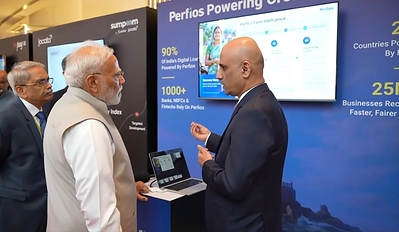
The high-profile showcase highlighted Perfios’ role as the technological backbone of India’s evolving financial ecosystem. Perfios unveiled its next-generation Agentic AI Operating system – a smart, autonomous operating system designed to help banks evaluate credit based on everyday real-world data, making formal loans accessible to millions of underserved citizens across India.
Moving beyond traditional software wrappers, Perfios demonstrated how its AI agents operate as autonomous, self-learning entities built on Perfios’ two decades of experience in the Banking, Financial Services, and Insurance (BFSI) sector. With 90% of India’s digital loans powered by Perfios, 1,000+ Banks, NBFCs and fintechs relying on its technology, and its solutions powering financial institutions across 20+ countries, Perfios is helping enable faster and fairer access to credit for 25M+ businesses.
“Presenting our vision directly to Prime Minister Narendra Modi was an extraordinary honour for all of us at Perfios,” said Nitin Chugh, Managing Director and Group CEO, Perfios. “During the showcase, we demonstrated how Agentic AI can drive meaningful change across rural communities, MSMEs and Young India. For instance, a rural woman cattle grazer seeking credit could be assessed using everyday signals such as dairy collection payouts, milk yield history and UPI transactions to build a credible credit profile and unlock formal credit. From helping small shop owners access government schemes to guiding young adults with smart budgeting, our AI agents are making financial services simpler, faster and fairer for everyone.”
During the live interaction with PM Modi, Perfios highlighted how its AI technology transforms lives across three key pillars of India’s economy:
- For Rural India: Turns daily dairy collection payouts and UPI records into a trusted credit profile, giving rural farmers direct access to formal bank loans.
- For Small Businesses (MSMEs): Combines GST, trade, and banking data in seconds to help small business owners quickly find and apply for government funding schemes like PM Mudra (PMMY) and PM Vishwakarma.
- For Young India: Analyzes earning, saving, and spending habits to offer personalized budgeting advice and timely investment guidance.
The interaction with the Prime Minister showcased India’s Agentic AI growth story and the role of homegrown innovation in shaping the future of financial services.
At GFF 2026, from September 9 to 11, Perfios will showcase ‘Agents You Can Bank On’, its portfolio of eight specialized AI solutions spanning the financial services ecosystem, at Booth i1.
- Lending featured CAM, Agentic Underwriting and Data Intelligence Bridge (DIB), supporting automated credit assessment, AI-assisted underwriting and intelligent document processing and orchestration.
- Fraud and Compliance featured Clari5 Genie and DPDP Suite, enabling AI-led fraud and AML investigations and supporting organisations in operationalising compliance with India’s Digital Personal Data Protection Act.
- Insurance featured Agentic Distribution and Health Claims and Agentic PAS, applying AI across onboarding, distribution, underwriting, claims and fraud intelligence.
- Customer Servicing and Origination featured CognifAI Assist, combining AI voice assistance with secure visual co-browsing to guide customers through complex servicing and origination journeys.
- Collections featured Orca AI, a multi-agent AI orchestration platform designed to determine the right collections action in real time while operating within defined compliance and policy guardrails.
About Perfios:
Founded in 2008, Perfios is a global B2B SaaS TechFin serving the Banking, Financial Services and Insurance industry in 20 countries, empowering 1000+ financial institutions. Through their pioneering software platforms and products, Perfios helps financial institutions to take big leaps by shaping their origination, onboarding, decisioning, underwriting and monitoring processes at scale and speed. Perfios delivers 8.2 billion data points to banks and financial institutions every year to facilitate faster decisioning and significantly accelerates access to credit and financial services for their clients’ customers. Headquartered in Bangalore, with offices worldwide and with 75+ products and platforms, and over 500+ APIs, in Perfios, their clients have a confident and a robust start-to-end tech platform.
 View original content to download multimedia:https://www.prnewswire.com/in/news-releases/pm-narendra-modi-witnesses-perfios-showcase-of-the-ai-powered-future-of-banking-at-gff-2026-302872412.html



