


24, Aug 2026
Tamil Nadu Announces LPG Support Scheme to Ease Household Burden
Chennai, Aug 24: In a move aimed at providing direct relief to families facing rising household expenses, the Tamil Nadu government has announced a new scheme under which eligible households will receive the cost of three LPG cylinders every year.
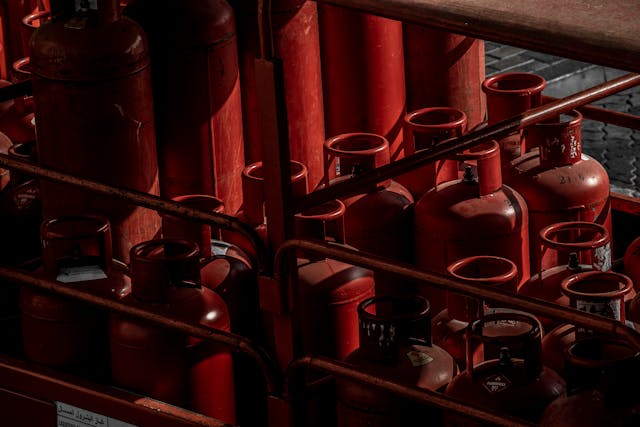
Chief Minister C. Joseph Vijay announced the ‘Annapoorani Super Six’ scheme in the State Assembly on Monday. The programme is scheduled to begin from Pongal 2027 and is expected to benefit around 1.30 crore eligible families across Tamil Nadu.
Under the initiative, the cost of three domestic LPG cylinders purchased by eligible beneficiaries will be reimbursed through Direct Benefit Transfer. The assistance will be credited directly to the bank accounts of eligible women heads of households after the cylinders are booked and delivered, based on official billing records.
Families with an annual income of up to ₹2.5 lakh will be covered, along with economically disadvantaged households, small and marginal farmer families, families of persons with disabilities and other vulnerable sections, subject to the scheme’s eligibility conditions.
The government has estimated an annual financial allocation of approximately ₹4,000 crore for the programme.
For many families, LPG is an essential household expense. Every cylinder purchase requires families to set aside money that could otherwise be used for food, education, healthcare and other daily necessities.
The new scheme is intended to reduce this recurring financial pressure and provide greater stability to households managing tight budgets.
The announcement comes amid concerns over global energy disruptions, LPG supply and cooking-gas costs. The government has said the initiative is aimed at reducing the financial burden on families and strengthening household welfare.
The initiative also places women at the centre of benefit delivery, with financial assistance being transferred directly to eligible women heads of households.
Preparatory work for the programme is expected to continue ahead of its planned rollout during Pongal 2027.
The scheme aims to provide practical financial support to eligible families and help them manage one of the most important everyday household expenses, ensuring greater stability and dignity in daily life.
- 0
- By Neel Achary

24, Aug 2026
MedPlus Recognised as ‘Leading Pharmacy Chain Across India’ at ABP Ananda Swasthya Samman 2026

August 24, 2026: MedPlus Health Services, a leading retail pharma chain in India, has been honoured with the prestigious ‘ABP Ananda Swasthya Samman 2026’ in the category of ‘Leading Pharmacy Chain Across India.’ Mr. Yogesh Babu, National Head – Retail Operations, MedPlus Health Services received the award from Dr. Sharadwat Mukhopadhyay, Cabinet Minister – Dept. Of Health & Family Welfare, West Bengal, Dr. Shankar Ghosh, Cabinet Minister – Dept. of Parliamentary Affairs & the Dept. of Tourism, West Bengal, and Dr. Joydeb Roy, a prominent medical professional in West Bengal, at a glittering award ceremony held in Kolkata.
This recognition marks a significant milestone for MedPlus and reflects the trust it has built among millions of consumers by making medicines and healthcare products accessible, reliable and affordable.
Founded in 2006 by Gangadi Madhukar Reddy, MedPlus has revolutionised the organised retail pharmacy chain segment in India, with a focus on providing branded and quality medicines at affordable costs. The company played a pioneered bringing discounts on branded medicines to customers, introducing a 10% discount in 2006. Today, MedPlus offers discounts of 50-80% on its private-label products and 20% on other branded medicines, helping consumers access quality healthcare products at competitive prices.
MedPlus currently operates more than 5,500 stores across 10 states, including Telangana, Andhra Pradesh, West Bengal, Karnataka, Tamil Nadu, Kerala, Maharashtra, Madhya Pradesh, Chhattisgarh and Odisha.
Commenting on the recognition, Mr. Yogesh Babu, National Head – Retail Operations – MedPlus Health Services, said, “We are firmly committed to serving our customers with the finest quality medicines at affordable prices. This recognition from ABP Ananda reinforces our commitment to making quality healthcare more accessible to consumers across the country.”
“Being recognised by a respected institution such as ABP Ananda is a matter of pride for the entire MedPlus family. The award is not just a recognition of the organisation, but also of the thousands of colleagues at MedPlus, who work every day across our stores and operations to serve customers with quality, value and trusted care,” he added.
ABP Ananda Swasthya Samman is a platform that recognises and celebrates organisations, healthcare professionals, and institutions making a meaningful contribution to the healthcare ecosystem. The awards acknowledge excellence, leadership and innovation across different segments of healthcare and bring together leading names contributing to a healthier India.
24, Aug 2026
Indian Railways Launches Special Drive to Ensure Safe Drinking Water at Stations
Indian Railways has launched a special cleanliness and disinfection drive across its network to strengthen the safety and hygiene of drinking-water facilities and ensure passengers have access to clean and potable water at railway stations.
As part of the initiative, Zonal Railways will inspect and maintain the complete drinking-water supply chain, including water sources, treatment plants, filtration systems, underground and overhead tanks, water booths, taps and dispensing points. The focus is on preventive maintenance and regular water-quality monitoring rather than relying only on testing at the final point of supply.
During the drive, drinking-water tanks will be drained, desludged, scrubbed and disinfected. Railway authorities will also check tank covers, vents and overflow points to prevent contamination by birds, animals and algae. Damaged tanks, pipelines and filters will be repaired or replaced wherever necessary.
The inspection will also focus on preventing cross-connections between potable and non-potable water systems. Pipelines forming part of the drinking-water network will be checked for leakages, with corrective measures taken to prevent contamination as well as unnecessary water loss.
Special attention will be given to drinking-water facilities dependent on hand pumps and borewells. Zonal Railways will verify that water drawn from these sources remains free from contamination and meets the requirements for safe potable use.
The Railway Board has also directed comprehensive inspections of water coolers and purification systems. Cooler tanks will be cleaned, while leakages in coolers, pipelines and taps will be repaired promptly. UV and RO purification systems will be checked for proper functioning, with servicing, filter replacement and overhauling undertaken wherever required.
The same hygiene and quality-control measures will be extended to Water Vending Machines. Railway authorities will conduct physical, chemical and bacteriological testing of water samples from selected sources, treatment outlets, tanks, coolers, vending machines and drinking-water taps or booths. Daily residual-chlorine monitoring will also be carried out, with re-chlorination or other corrective action wherever necessary.
The Railway Board has further asked Zonal Railways to expedite sanctioned projects for replacing old overhead and underground tanks and constructing new ones. Station-wise deficiencies identified during the special drive will be recorded along with corrective action taken, enabling closer monitoring and time-bound resolution.
The action plan also covers drinking-water infrastructure in Railway colonies and workplaces. Through regular inspection, cleaning, disinfection, infrastructure upgrades and systematic water-quality testing, Indian Railways aims to strengthen its drinking-water management system and ensure safe, clean and hygienic water for both passengers and railway personnel.
24, Aug 2026
Altered Metabolism in Zombie-Like Cells Helps Promote Destructive Inflammation as We Age
When our immune system detects a pathogen or injury, it sets off biological alarm bells. This alert brings in a variety of immune and other cells to deal with the threat and heal any harm done.
This rapid response to danger—called inflammation—is critical for our health, but it should only last as long as needed to stop infections and heal our wounds. As we grow older, however, we accumulate a type of cell that promotes chronic inflammation—and which has been linked to many age-related diseases.
Scientists at Sanford Burnham Prebys Medical Discovery Institute, Mayo Clinic and their international collaborators published findings July 29, 2026, in Nature revealing a new connection between energy-producing mitochondria and this sustained inflammation. They also found that blocking a related gene reduced inflammation and promoted healthier aging in mice.
Normally, some cells in our body are able to divide. This ability underpins our growth into adults and ability to recover after injury. As we age, more of our cells are prone to becoming zombie-like senescent cells that are no longer dividing to make new cells.
“Senescent cells are not completely inert,” said co-corresponding author Peter Adams, PhD, the Jeanne and Gary Herberger Leadership Chair in Cancer Research at Sanford Burnham Prebys. Adams also is director of and professor in the Cancer Genome and Epigenetics Program.
“They remain metabolically active and have an inflammatory program causing them to secrete inflammatory molecules.”
Cells “running” this inflammatory program are considered to exhibit the senescence-associated secretory phenotype (SASP) that is linked to age-related pervasive inflammation and many chronic diseases.
Led by the lab of senior and co-corresponding author João Passos, PhD, a professor of Physiology at Mayo Clinic, the research team searched for molecular drivers of SASP with the goal of finding a way to prevent it or reduce it.
“It turns out that there is a convergence of at least two biological pathways related to mitochondria,” said Adams. “One alters how DNA is stored to promote areas related to SASP, and the other boosts the expression of the exposed SASP genes.”
While senescent cells remain metabolically active, the mitochondria in charge of their energy production are unusual. The scientists discovered a new quirk in which senescent mitochondria conducting metabolism also produce more acetyl-CoA. This molecule interacts with spool-like histone proteins that hold DNA like a thread. Without changing the DNA, acetyl-CoA loosens its histone spool and opens up inflammatory genes for transcription into proteins.
On its own, this metabolic signal sent through acetyl-CoA is not enough to make senescent cells continuously spill out inflammatory molecules. The other requirement is an uptick in immune signals caused by DNA and RNA seeping out of damaged mitochondria and triggering the immune system. These signals activate inflammatory transcription factors that home in on the SASP genes exposed by overabundant acetyl-CoA.
“After seeing how these two independent pathways intersect, we wanted to see if interrupting one could prevent their partnership in promoting SASP,” said Adams.
The research team turned to a drug called CTPI-2. It blocks the activity of a transport protein that carries a component required to produce acetyl-CoA. When tested in mice, CTPI-2 suppressed inflammation across tissues as well as improved tissue function and healthspan during aging.
“Even though the immune signaling from leaky mitochondria was still present, disrupting the metabolic signal made SASP genes less accessible and produced functional benefits,” said Adams. “Using selective inhibitors such as CTPI-2 to reduce acetyl-CoA and, in turn, inflammation is a novel therapeutic strategy that should be explored.
Also, more broadly, this research shows that targeting metabolic signals that influence DNA accessibility may represent a new approach for mitigating age-associated inflammation and functional decline.”
Hélène Martini, PharmD, PhD, a postdoctoral researcher in the Passos lab at Mayo Clinic, is first author of the publication.
24, Aug 2026
Om Patel and Deepshika Vinayagamurthy Lift UNIFI–ITF Junior Tennis Cup 2026 Titles

Chennai, Aug 24: Fifth seed Om Patel and top seed Deepshika Vinayagamurthy, the reigning Junior National Champion, emerged champions in the Boys’ and Girls’ Singles respectively at the UNIFI–ITF Junior Tennis Cup 2026, played at the SDAT Tennis Stadium, Nungambakkam, Chennai.
Boys’ Singles – Final
S5 Om Patel bt S3 Om Verma 1-6, 6-3, 6-1
S1 Deepshika Vinayagamurthy bt S8 Savitha Bhuvaneswaran 6-4, 6-3
24, Aug 2026
HCL Group’s 50th Anniversary Celebrations Continue in Vijayawada with Sid Sriram Concert
Vijayawada, August 24, 2026: HCL Group continued its celebrations marking 50 years of its journey with a special employee concert in Vijayawada, on 22 August, featuring acclaimed singer and composer Sid Sriram. Held at the HCLTech campus, the concert brought together more than 3,000 employees from HCL Group and the Shiv Nadar Foundation for an evening of music and celebration.
The concert was attended by Roshni Nadar Malhotra, Chairperson, HCL Group and HCLTech, Rahul Singh, Chief Operating Officer, Corporate Functions, HCLTech, Vijay Guntur, Head of CTO & Ecosystems, HCLTech and Shiva Prasad, Centre Head, HCLTech Vijayawada, who joined employees in Vijayawada as they celebrated the Group’s golden jubilee. Sid Sriram took to the stage with some of his most popular songs, with employees singing and dancing along through the evening.
The Vijayawada concert follows similar celebrations held earlier in Noida, Lucknow and Chennai as part of a special concert series marking HCL Group’s 50th year. While HCL marked its official 50th anniversary on August 11, the celebrations have continued across locations, bringing employees together to celebrate the people and shared journey that have shaped the organisation over five decades.
The Vijayawada concert is the fourth in HCL Group’s special 50th anniversary concert series, with celebrations continuing across locations as the Group marks five decades of its journey.
24, Aug 2026
India and Mauritius Move to Deepen Energy Partnership
Port Louis, August 24, 2026: India and Mauritius have taken fresh steps to strengthen bilateral cooperation in the energy sector, with discussions focusing on energy security, petroleum supplies and the wider transition towards a more resilient and sustainable energy system.
Union Minister for Petroleum and Natural Gas Hardeep Singh Puri met Mauritius Prime Minister Navinchandra Ramgoolam during his recent visit to the island nation. The two leaders discussed opportunities to further expand cooperation in the energy sector, while India reiterated its commitment to supporting Mauritius in meeting its energy-security and energy-transition priorities.
The discussions come against the backdrop of growing global concerns over energy supply disruptions and price volatility. For Mauritius, a geographically isolated island economy that relies significantly on imported petroleum products, dependable fuel supplies are particularly important for maintaining economic activity, transportation and essential services.
As part of the expanded cooperation, India and Mauritius exchanged a Government-to-Government Memorandum of Understanding covering cooperation in the oil and gas sector. The agreement is expected to create a broader framework for collaboration and strengthen institutional engagement between the two countries in the energy domain.
A major component of the partnership is a long-term agreement between Indian Oil Corporation and the State Trading Corporation of Mauritius for the supply of petroleum products. Under the arrangement, Indian Oil Corporation will meet Mauritius’ import requirements for key products including motor spirit, high-speed diesel and aviation turbine fuel.
The long-term supply arrangement is significant for Mauritius because predictable access to petrol, diesel and aviation fuel can help improve supply stability and reduce exposure to sudden disruptions in international energy markets. It also strengthens India’s position as a reliable energy partner in the Indian Ocean region.
For India, the agreement represents more than a commercial fuel-supply arrangement. Energy cooperation is increasingly becoming an important element of India’s broader engagement with Indian Ocean countries, combining economic partnerships with regional connectivity, energy security and development cooperation.
The partnership also creates opportunities for cooperation beyond conventional petroleum supplies. The two sides have indicated a shared interest in supporting energy transition, opening potential avenues for discussions around cleaner technologies, renewable energy and more sustainable energy systems alongside traditional oil and gas cooperation.
The latest developments build on a broader India-Mauritius strategic relationship. During Prime Minister Narendra Modi’s meeting with Prime Minister Ramgoolam in June 2026, the two countries reviewed bilateral cooperation and reaffirmed the importance of the Enhanced Strategic Partnership, including collaboration in sustainable development and the blue economy.
From a business perspective, stronger energy ties could provide greater certainty for Mauritian industries and consumers while creating opportunities for Indian energy companies to expand their regional presence. Stable fuel availability is particularly important for sectors such as transportation, tourism, aviation, manufacturing and logistics.
The India-Mauritius energy partnership therefore reflects a broader shift towards long-term and diversified energy relationships. With the latest oil and gas cooperation framework and fuel-supply agreement, both countries are positioning energy security as a key pillar of their economic partnership while keeping the door open for deeper cooperation in the transition to cleaner and more resilient energy systems.
23, Aug 2026
Gold Surges Over 5 percent Weekly as Weaker US Dollar Fuels Bullion Rally
New Delhi: Gold prices registered a strong weekly advance of more than 5 per cent, supported by a weakening US dollar and growing investor interest in bullion as a hedge against economic and financial uncertainty. Spot gold climbed to around $4,624 per ounce on Friday, touching its highest level in more than three months and marking the precious metal’s third consecutive weekly gain.
The rally gathered pace after the US dollar came under pressure following the Treasury Department’s plans to expand purchases of longer-dated government bonds. The move raised questions among investors about the outlook for US debt and the currency, prompting greater demand for alternative stores of value such as gold. A weaker dollar also makes gold cheaper for buyers holding other currencies, further supporting international demand.

Gold’s latest surge has also been reinforced by technical momentum. The metal moved above its 200-day moving average, a level closely watched by traders, strengthening expectations of further gains. Analysts have identified the $4,700 region as an important potential target if the upward momentum continues, although prices remain sensitive to changes in US monetary policy, bond yields and currency movements.
The rally has extended beyond gold, with other precious metals also recording gains during the week. Silver, platinum and palladium all moved higher, reflecting broader demand for metals amid currency and macroeconomic uncertainty. While physical gold demand in India remained relatively subdued because of elevated prices, stable demand in China and continued financial-market buying have helped sustain the international bullion rally.
23, Aug 2026
BRICS Nations Unanimously Adopt Chennai Declaration on Science and Innovation
New Delhi: BRICS countries have unanimously adopted the Chennai Declaration, reaffirming their commitment to building a resilient, inclusive and future-ready framework for cooperation in science, technology and innovation. Union Minister Dr Jitendra Singh announced the adoption at the concluding session of the 14th BRICS Science Ministerial Meeting, held under India’s BRICS Chairship.
The Chennai Consensus places a people-centred and humanity-first approach at the core of BRICS cooperation, with emphasis on sustainable development, inclusive growth and the use of emerging technologies to improve people’s welfare and quality of life. The framework also reflects the expanding scope of collaboration among BRICS nations through thematic working groups, young scientist initiatives, innovation programmes and joint research efforts.
Dr Jitendra Singh said the discussions reaffirmed the central role of science, technology and innovation in creating a more resilient and sustainable future. The declaration is expected to strengthen collaborative research, innovation and knowledge-sharing among BRICS countries while supporting technological solutions to shared development challenges.
23, Aug 2026
UIDAI Extends Free Aadhaar Biometric Updates for Children Till September 30
New Delhi: The Unique Identification Authority of India (UIDAI) has announced that mandatory biometric updates for children aged 5 to 17 years will remain free of cost until September 30, 2026. The facility covers updates to fingerprints, iris scans and photographs and is aimed at ensuring that children’s Aadhaar records remain accurate as they grow.
Under the current fee structure, mandatory biometric updates carried out once between the ages of 5 and 7 years, and once between 15 and 17 years, are free. For children aged 7 to 15 years, the biometric update is also being provided free of charge until September 30, 2026. UIDAI has advised parents and guardians to complete the update within the specified period to avoid applicable charges later.
The biometric update must be completed at an Aadhaar enrolment or update centre, as the process involves capturing the child’s photograph, fingerprints and iris details. UIDAI has highlighted the importance of keeping children’s biometric information updated to support smooth Aadhaar authentication and access to various services. Parents can locate their nearest Aadhaar centre through the official UIDAI website.


