


22, Aug 2026
NBA Releases Rs.2.82 Crore to States, UTs and ICAR Institute Under Biodiversity Benefit-Sharing Mechanism
New Delhi, August 22, 2026: The National Biodiversity Authority (NBA) has released ₹2.82 crore under India’s Access and Benefit-Sharing (ABS) framework, directing funds towards biodiversity conservation, sustainable resource use and community-oriented activities. The latest disbursement includes ₹2.80 crore for 27 State Biodiversity Boards (SBBs) and three Union Territory Biodiversity Councils (UTBCs), along with ₹2.01 lakh for the ICAR-Indian Institute of Horticultural Research (ICAR-IIHR), Karnataka.
The funds have been generated from ABS payments linked to the commercial use of India’s biological resources. NBA received ₹2.94 crore from Advanta Enterprises Ltd., formerly UPL Limited, for the utilisation of genetic resources associated with several horticultural hybrids, including eight cauliflower hybrids, five hot pepper hybrids, five okra hybrids and six tomato hybrids. Since the biological resources had been obtained through the acquisition of another company and could not be linked to specific farmers, communities or a single geographical origin, an expert committee was constituted to recommend an appropriate benefit-sharing mechanism.
Based on the committee’s recommendations approved by the NBA, ₹2.80 crore has now been distributed among states and UTs. The allocation was determined with reference to the cultivation of the relevant horticultural crops across different parts of the country. Gujarat received the highest allocation at ₹44.59 lakh, followed by West Bengal with ₹41.24 lakh and Madhya Pradesh with ₹32.73 lakh. Odisha received ₹32.57 lakh, while Bihar was allocated ₹30.86 lakh. Chhattisgarh, Uttar Pradesh, Andhra Pradesh, Tamil Nadu and Maharashtra were among the other major recipients.
The State Biodiversity Boards and UT Biodiversity Councils are expected to use the funds for a range of biodiversity-related initiatives. These include updating and documenting People’s Biodiversity Registers, conserving biological resources in natural and controlled settings, restoring degraded ecosystems, strengthening Biodiversity Heritage Sites, building the capacity of Biodiversity Management Committees and supporting livelihood opportunities for local communities. The recipient bodies are required to submit utilisation certificates and expenditure statements within one year.
In a separate transaction, the NBA received ₹7.15 lakh from Sumitomo Chemical India Ltd., Mumbai, formerly Excel Crop Care, as ABS payment for access to two microbial strains developed at ICAR-IIHR: Pseudomonas fluorescens 1% WP (strain IIHR-Pf-2) and Trichoderma harzianum 1% WP (strain IIHR-Th-2). As these biological resources originated from a public research institution and were used for research and commercial purposes, 30% of the ABS amount, equivalent to ₹2.01 lakh, is being transferred to ICAR-IIHR. The institute will utilise the funds for repository maintenance, research, biodiversity surveys, taxonomy capacity building and conservation activities.
The latest release forms part of the NBA’s broader effort to strengthen implementation of the Biological Diversity Act, 2002, and ensure that economic benefits generated through the use of biological resources are channelled towards conservation, sustainable utilisation and socio-economic development. According to the NBA, cumulative ABS disbursements have now reached ₹185 crore, equivalent to about USD 19.34 million.
The initiative also supports India’s international commitments under the Convention on Biological Diversity and the Nagoya Protocol on Access and Benefit-Sharing. It is aligned with the Kunming-Montreal Global Biodiversity Framework, particularly Target 13, which promotes fair and equitable sharing of benefits arising from the utilisation of genetic resources and relevant digital sequence information.
- 0
- By Neel Achary

22, Aug 2026
Bhubaneswar to Get 2.3-km Six-Lane Road Linking Guru Kelucharan Park to Patia Railway Station
Bhubaneswar, Aug. 22 (UDN): Bhubaneswar is set to get a new 2.387-km six-lane road corridor connecting Guru Kelucharan Park with Patia Railway Station, a project aimed at easing traffic congestion on the busy Jaydev Vihar–Nandankanan stretch and improving connectivity in the city’s rapidly growing northern suburbs.
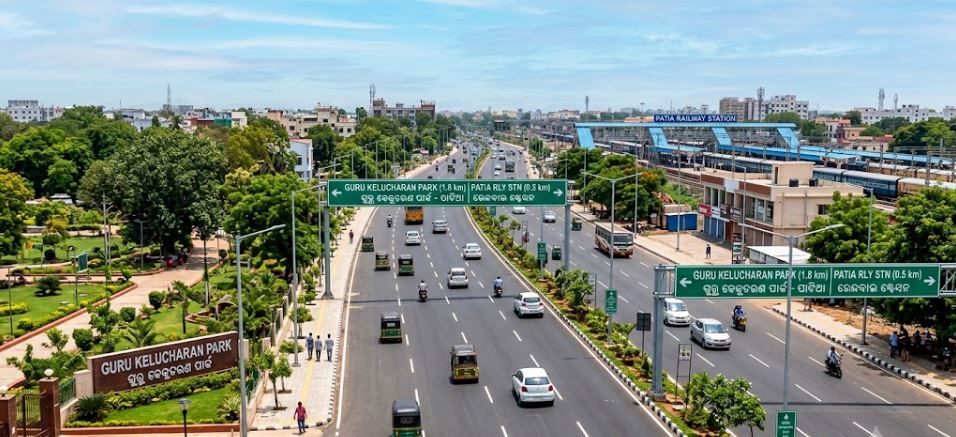
Representational Image
Odisha Housing and Urban Development Minister and Bhubaneswar Development Authority (BDA) Chairman Krushna Chandra Mahapatra laid the foundation stone for the Rs 55.85-crore project on Friday.
The road is being developed under the Comprehensive Development Plan (CDP) as part of the Right Side Road Network (RSRN) to strengthen the city’s transport infrastructure.
Modern Urban Corridor
The 45-metre-wide corridor will pass through Patia, Chandrasekharpur and Gadakana mouzas before terminating at Patia Railway Station.
Designed as a modern urban road, the project will feature six traffic lanes, street lighting, pedestrian footpaths, stormwater drainage and a dedicated utility corridor for essential services. Officials expect the construction to be completed within 18 months.
Alternative Route to Ease Congestion
The new road is expected to provide commuters with an alternative to the congested Jaydev Vihar–Nandankanan corridor, reducing travel time during peak hours and improving access to Patia Railway Station.
Officials said the project would also enhance pedestrian safety and urban mobility through improved footpaths and drainage infrastructure.
Affordable Housing Project Reviewed
After the foundation ceremony, Mahapatra inspected the Affordable Housing Project (AHP) at Gadakana, where the BDA is constructing 680 housing units under the Engineering, Procurement and Construction (EPC) model.
The housing project is intended to expand affordable residential options for eligible beneficiaries while complementing Bhubaneswar’s broader urban infrastructure and development initiatives.
22, Aug 2026
Dynamics of the Icelandic Ice Sheet Altered the Chemistry of North Atlantic Seawater
Aug 22: Environmental physicists reveal fluctuations over the past 230,000 years based on the isotopic composition of deep-sea sediment samples Over the past 230,000 years, the growth and retreat of the Icelandic ice sheet have led to major changes in the seawater chemistry of the North Atlantic, caused by the interaction between volcanism and ice in Iceland. Scientists at the Institute of Environmental Physics at Heidelberg University have demonstrated this using sediment cores from the northeastern Atlantic – the Rockall Plateau.
The researchers analyzed the isotopic composition of the rare-earth element neodymium in these drill cores. According to their findings, the isotopic signal fluctuated significantly over the course of glacial and interglacial periods, following the “rhythm” of the ice ages, as shown by the studies led by Prof. Dr. Norbert Frank.
The isotopic composition of neodymium in seawater is one of the most commonly used tools for reconstructing how ocean circulation has changed in the recent geological past. The method is based on the central assumption that the chemical “fingerprints” characteristic of the composition of large water masses have remained largely constant over time. Research by the Heidelberg scientists now suggests that this fixed isotopic composition no longer applies to the North Atlantic during glacial periods. Their analyses of deep-sea sediments from the Rockall Plateau show that the chemistry of North Atlantic seawater has changed repeatedly and significantly. The researchers attribute these changes to volcanic material from Iceland.
Their investigations are based on the fact that different types of continental rock exhibit different isotopic signatures. The ratio of the specific isotopes 143Nd and 144Nd of neodymium dissolved in seawater reflects the rocks from which the rare-earth element was extracted. As the ice sheet in Iceland advanced during a glacial and carved its way through the Icelandic basaltic bedrock, it produced large quantities of fine, highly reactive rock dust. This material was released into the surrounding North Atlantic Ocean, where it dissolved and released neodymium with a distinct radiogenic signature – enriched in 143Nd.
Analysis of neodymium isotopes from the ODP Site 982 sediment core on the Rockall Plateau shows that the upper water masses of the North Atlantic were consistently much more radiogenic during glacial maxima than during the warm interglacial periods, and that these fluctuations correlated closely with the volume of the Icelandic ice sheet.
The Heidelberg scientists developed a so-called box model that allowed them to reproduce their analyses of the deep-sea sediment samples. According to the model, the changes in seawater chemistry resulting from volcanic input were not strongly linear but rather responses to the dynamics of the ice in Iceland – they peaked during periods of rapid glaciation.
“The isotopic signal followed the rhythm of the ice ages almost step by step,” says Dr. Antao Xu. “This suggests that the Icelandic ice sheets themselves were the driving forces behind the repeated reshaping of the North Atlantic’s seawater chemistry over the past 230,000 years.” The research findings also show that the ice sheet regulated the influx of micronutrients such as iron. This likely had an impact on marine life and the carbon cycle during the ice ages, according to Dr. Xu, who is a member of the “Physics of Environmental Archives” research group led by Prof. Frank.
“The results of our research underscore that ice sheet systems at high latitudes play a crucial role in regulating ocean chemistry,” emphasizes Prof. Frank. According to the scientist, the findings have far-reaching implications. “They urge caution regarding the assumption that there are fixed isotopic fingerprints that can be used to reconstruct past ocean circulation. Furthermore, they reveal a previously underestimated connection between the cryosphere, continental weathering, and ocean chemistry.”
The latest research was part of a project funded by the German Research Foundation that investigated how ocean circulation and geochemical cycles evolved during major climate change phases in the past. It is based on sediment cores from an expedition conducted by the Ocean Drilling Program / International Ocean Discovery Program, which were provided by the IODP Bremen Core Repository at MARUM – Center for Marine Environmental Sciences at the University of Bremen. The results of the Heidelberg study were published in “Science Advances”.
22, Aug 2026
Centre Moves to Stabilise Sugar Prices, Rules Out Ethanol Link
New Delhi, Aug 22: The Centre has stepped up efforts to keep sugar prices stable and ensure adequate supplies for consumers, while clarifying that the recent rise in prices should not be attributed to ethanol production.

The government said sugar prices increased from Rs 48.18 per kg on July 20 to Rs 55.70 per kg on August 20. It attributed the rise to lower-than-expected sugar production, weather-related crop damage, higher demand ahead of the festive season, tightening global supplies and concerns over hoarding and speculation.
Sugar production during the current season is expected to be around 306 lakh tonnes, compared with the initial estimate of about 343 lakh tonnes. Despite the lower production, the government said stocks remain sufficient to meet domestic demand until the next crushing season.
The Centre has taken several steps to improve availability and prevent excessive price increases. These include stockholding limits and measures to discourage hoarding, along with steps to increase supplies in the domestic market.
The government has also clarified that the quantity of sugar diverted for ethanol production has declined in recent years. The share fell from around 12 per cent in 2022-23 to about 9 per cent in 2025-26, while nearly three-fourths of ethanol production now comes from grains, particularly maize.
The Centre is closely monitoring sugar prices and availability and will take further measures if necessary. The focus remains on maintaining sufficient supplies, protecting consumers from sharp price movements and ensuring stability across the sugar sector.
22, Aug 2026
Odisha Clears 14 Investment Projects Worth INR 2,780 Crore, Over 14,000 Jobs Expected
Bhubaneswar, Aug. 22 (UDN): The Odisha government has approved 14 investment proposals worth Rs 2,780 crore, paving the way for industrial expansion across 10 districts and the creation of more than 14,000 employment opportunities.

Representational Image
The proposals were cleared by the State Level Single Window Clearance Authority (SLSWCA), chaired by Chief Secretary Anu Garg, covering investments in sectors ranging from food processing and chemicals to pharmaceuticals, textiles, steel and medical devices.
Major Projects Receive Approval
Among the biggest proposals is a Rs 500-crore investment by Haldiram Snacks Food Pvt. Ltd. to set up a snacks and baked products manufacturing unit in the state.
Prasol Chemicals Ltd has been cleared to establish a phosphorous-based derivatives manufacturing plant with an investment of Rs 450 crore, while Mahanadi Coalfields Ltd (MCL) has received approval for a Rs 405.35-crore private railway siding project in Angul district to strengthen industrial logistics.
Investments Across Key Sectors
The approved projects span a diverse range of industries, including textile and apparel, agro and food processing, chemicals, pharmaceuticals, medical devices, steel, iron and ferro alloys, and steel downstream manufacturing.
Projects to Span 10 Districts
The investments will be spread across Angul, Bolangir, Cuttack, Dhenkanal, Ganjam, Keonjhar, Khordha, Nayagarh, Nuapada and Sundargarh districts, reinforcing the state’s efforts to attract industrial investment beyond major urban centres.
Officials said the approved projects are expected to boost manufacturing capacity, improve industrial infrastructure and generate substantial employment across Odisha.
22, Aug 2026
Aludecor Launches Weather-Responsive Intelligent Louvers with Global Remote Access
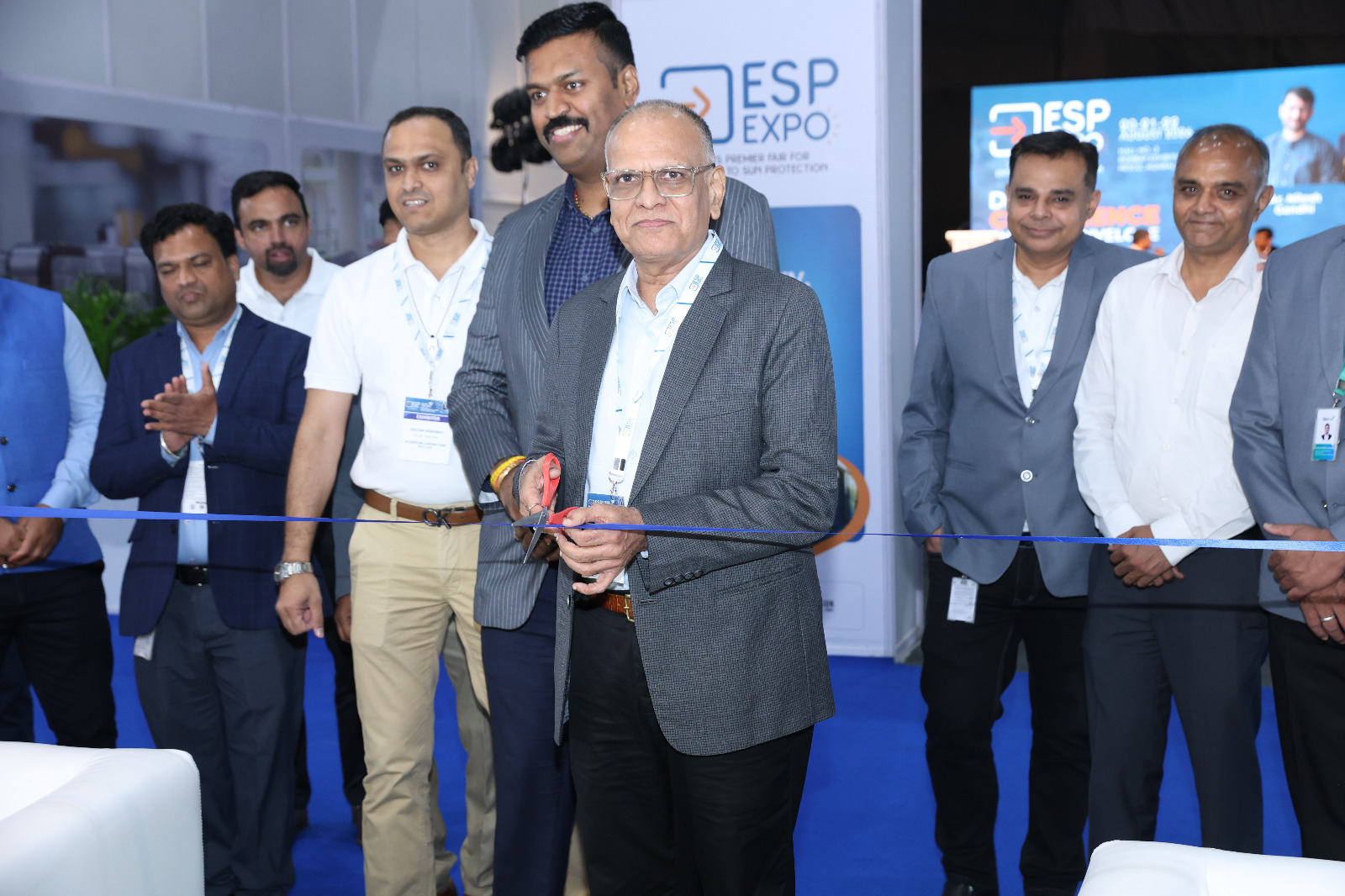
Mumbai, 22 August 2026: As buildings increasingly rely on large, glazed façades, managing heat gain, glare and indoor comfort has become an important consideration in modern building design. Addressing this need, Aludecor, one of India’s leading aluminium composite panel and façade product manufacturers, has unveiled Alubreeze Intelligent Louvers, India’s first indigenously developed intelligent louver system designed to be controlled from anywhere in the world and even to make building façades responsive to changing environmental conditions.
Alubreeze Intelligent Louvers can sense, respond and adjust. The motorised metal sun louver system uses environmental inputs such as sunlight, rain and wind to automatically adjust louver positions, helping manage solar exposure, glare and weather conditions while giving building owners and facility teams greater control over façade operations.
“The façade should do more than define a building’s appearance; it should actively contribute to how the building performs. With Alubreeze Intelligent Louver System, we are making the façade more responsive to its environment, bringing together design, performance and intelligent control in one system,” said Mr. Ashok Kumar Bhaiya, Chairman & Managing Director, Aludecor.
Built on Aludecor’s Alubreeze Architectural Louver Systems, the intelligent system combines a controller, 24V linear actuator, environmental inputs and AluSync Cloud. It can be monitored and operated through a mobile application or web dashboard, while BMS and API integration allows it to connect with wider building automation systems. Hall-sensor feedback enables the system to verify louver position, supporting closed-loop control.
The system is designed to respond to different façade conditions. Louvers can adjust to reduce glare and solar exposure during periods of intense sunlight, with their positions programmable through the day. They can also automatically adjust to the sun’s intensity and move to a protective position during rainfall and strong wind conditions. This allows the façade to function as an active building-performance layer rather than simply as a static architectural element.
The Alubreeze Architectural Louver System is available in fixed and intelligent configurations, giving architects the flexibility to select passive or adaptive façade solutions depending on project requirements. Single and double louver configurations are available in 30°, 45° and 90° angles, with profiles ranging from 100 mm to 600 mm depending on the configuration. The louvers can be installed horizontally or vertically.
Both configurations of Alubreeze including the static metal sun louvers contribute to building energy performance by reducing the effective Solar Heat Gain Coefficient (SHGC) of glazed façades and helping improve the Energy Performance Index (EPI). Independent studies indicate potential cooling-energy savings of 18–40% in climates comparable to India, with actual performance dependent on factors such as climate, glazing, façade orientation, window-to-wall ratio, controls and building usage.
The louvers can be deployed across commercial offices, institutional buildings, hospitality projects, airports and transit infrastructure, parking façades, atriums, canopies, pergolas and public buildings. The system is designed to allow architects to balance solar control and daylight comfort with the visual language of the building, with a range of profiles, angles and finishes available.
With Alubreeze, Aludecor aims to expand the role of architectural louvers from passive shading elements to responsive façade systems that can interact with the building, its occupants and its environment.
22, Aug 2026
Taj Agra Invites Guests to Embrace the Monsoon with a Special Staycation Experience

Agra, 21 August 2026: Taj Agra invites guests to make the most of the monsoon season with a specially curated staycation experience that brings together relaxed stays, dining and wellness benefits. Designed for guests seeking a leisurely getaway in Agra, the Monsoon Staycation offers attractive savings across accommodation, food and beverages, and spa and salon services.
The offer includes 25% savings on breakfast-inclusive stays, with daily breakfast at the designated dining venue. Guests can also enjoy 25% savings on food and beverages and 25% savings on spa therapies and salon services during their stay.
Speaking about the offer, Bikram Pradhan Revenue Manager, Taj Agra, said, “The monsoon season offers a wonderful opportunity to slow down, reconnect and enjoy a more leisurely getaway. Through our Monsoon Staycation, we are delighted to welcome guests to Taj Agra for a relaxed and enriching experience, with thoughtfully curated dining and wellness benefits. We look forward to creating memorable stays that allow guests to pause, unwind and enjoy the season in comfort.”
Key Offer Details
● 25% savings on breakfast-inclusive stays
● Daily breakfast at the designated dining venue
● 25% savings on food and beverages during the stay
● 25% savings on spa therapies and salon services
● Up to 8% NeuCoins on bookings and eligible spends
● Standard Wi-Fi during the stay
The Monsoon Staycation is available for bookings from 18 July to 23 August 2026, with stays valid from 18 July to 30 September 2026. The offer provides guests with an opportunity to experience a relaxed monsoon escape while making the most of Taj Agra’s dining and wellness experiences.
Located in the historic city of Agra, Taj Agra combines contemporary hospitality with the rich cultural legacy of the destination, offering a comfortable setting for leisure getaways, celebrations and business stays.
21, Aug 2026
India’s FDI Reform Gains Momentum as 29 Investments Worth ₹4,895 Crore Reported

New Delhi: India’s revised foreign direct investment (FDI) framework is beginning to facilitate faster investment flows, with 29 FDI investments involving proposed investments of ₹4,895.65 crore reported under the new regime up to August 20, 2026.
The investments cover a diverse range of sectors, including Information Technology, Artificial Intelligence, Information & Communication, manufacturing, pharmaceuticals, data centres and transport services, reflecting continued overseas interest in India’s expanding digital, industrial and services economy.
The investments have been reported by investors and entities based in Mauritius, the United States, the Republic of Korea, Japan, Singapore, Luxembourg and the Cayman Islands. The geographical spread highlights the continuing interest of international investors in India as a destination for capital and technology.
The revised framework is designed to simplify and accelerate foreign investment by removing the requirement for prior government approval in cases where ownership from Land Bordering Countries (LBCs) is non-controlling and limited to up to 10 per cent. The reform is aimed at providing greater regulatory certainty, reducing transaction timelines and improving the overall ease of doing business.
The changes were introduced through Press Note 2 of 2026 and the subsequent amendment to the Foreign Exchange Management (Non-debt Instruments) Rules, 2019, notified on May 1, 2026. Under the revised rules, the beneficial ownership test is applied at the level of the investor entity. Investors with non-controlling LBC ownership of up to 10 per cent can therefore invest through the automatic route, subject to applicable sectoral caps, entry routes and other regulatory conditions.
Importantly, eligible investors can proceed without seeking any additional government approval after reporting the prescribed information to the authorities. This represents a significant shift from the earlier regulatory approach under Press Note 3 of 2020, under which foreign investors with even a small degree of beneficial ownership originating from an LBC were required to obtain prior government approval.
The earlier requirement had been viewed as a source of uncertainty and additional transaction time for international investors, particularly in cases involving minimal and non-controlling LBC ownership. The revised framework seeks to address these concerns while maintaining the necessary regulatory safeguards.
The reporting of 29 investments worth nearly ₹4,900 crore indicates that the policy change is already supporting greater clarity and predictability for foreign investors. As India continues to attract capital into emerging areas such as AI, data infrastructure, advanced manufacturing and pharmaceuticals, the streamlined FDI regime could further strengthen the country’s position as a competitive global investment destination.
21, Aug 2026
PM Modi Engages with Space Startup Leaders, Urges India to Lead Global Space Economy
New Delhi: Prime Minister Narendra Modi interacted with the CEOs and founders of 20 Indian space startups at Seva Teerth, highlighting the growing role of private enterprise in strengthening India’s position in the global space industry.
The interaction brought together entrepreneurs working across a wide spectrum of space technologies, including launch vehicles, reusable semi-cryogenic propulsion systems, avionics, satellites, advanced propulsion, space and defence intelligence, space-debris removal, and AI-powered hyperlocal weather and climate intelligence. The startup leaders outlined the rapid advances being made by India’s private space sector and shared their vision for its next phase of growth.
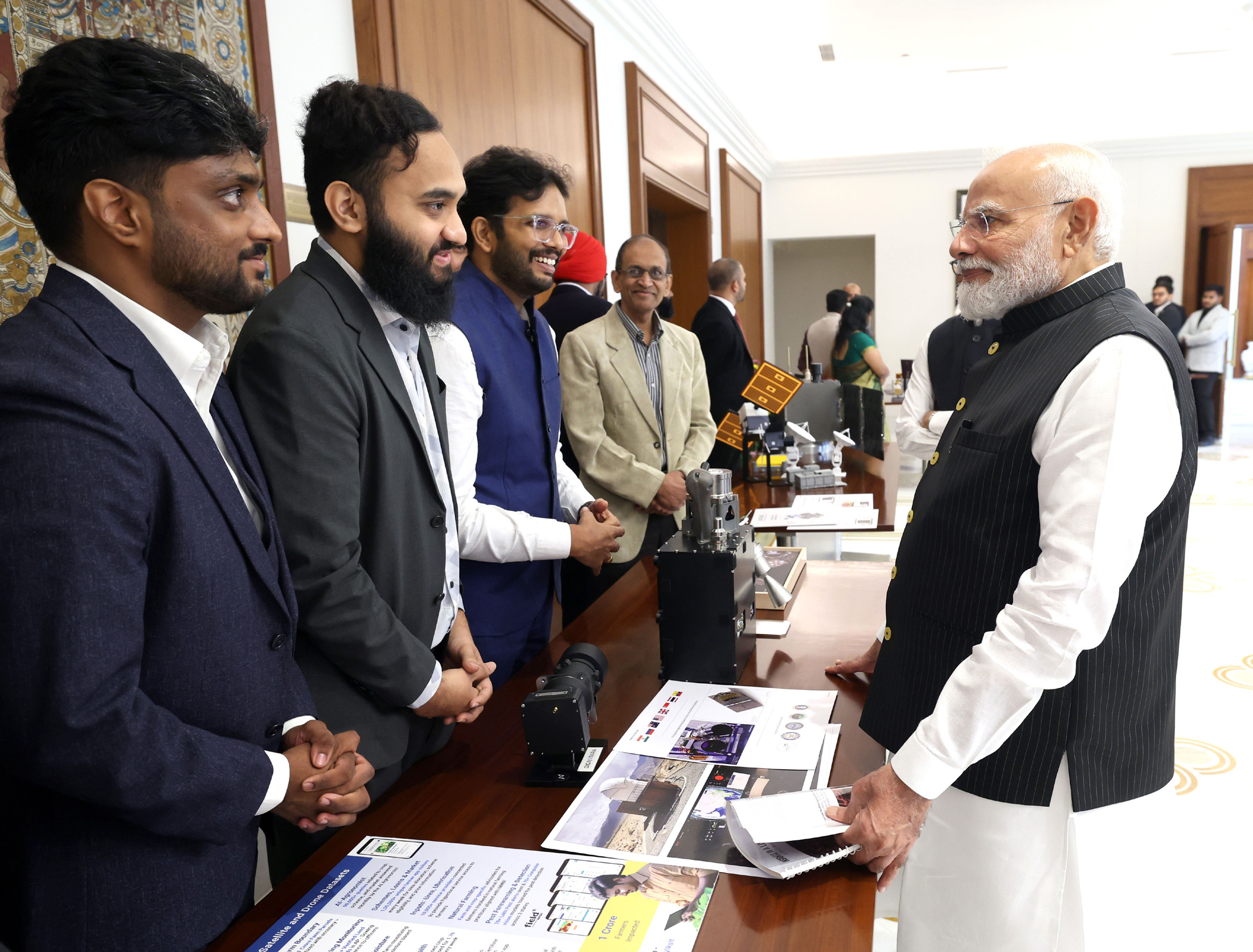
The founders highlighted their efforts to develop critical capabilities and technologies indigenously, noting the strong support provided by the government and increasing collaboration within the industry. They said the opening of the space sector to private participation had created significant opportunities for entrepreneurs and encouraged companies to develop innovative solutions for both domestic and global markets. Several companies are also showing interest in adopting technologies emerging from India’s private space ecosystem.
Prime Minister Modi congratulated the startup leaders for taking the initiative in an emerging and strategically important sector. He said the confidence demonstrated by private space companies has reinforced the vision behind opening the sector to private participation. With several countries either unable or unwilling to make large investments in space, he noted, India has a major opportunity to expand its global footprint and emerge as a leading space power.
The Prime Minister urged companies to look beyond conventional applications and explore ways in which space technologies can directly improve people’s lives. He called for stronger collaboration between space startups and organisations in sectors such as agriculture, environment and education. For instance, space-debris companies could work with environmental organisations to scale their solutions, while companies developing space-based agricultural technologies could collaborate with agricultural universities and government departments to help farmers make better-informed decisions and improve productivity.
Calling for the creation of a world-class space ecosystem, Modi said India should aspire to become the country the world looks to whenever space is discussed. He also underlined the potential of the sector to attract global talent, investment and companies to India.
The Prime Minister further encouraged space startups to establish closer links with Atal Tinkering Labs, saying early exposure to space technology could stimulate curiosity and innovation among schoolchildren and inspire the next generation of space entrepreneurs and scientists.
The meeting was attended by leaders of 20 startups, including Skyroot Aerospace, Agnikul Cosmos, Pixxel, Dhruva Space, GalaxEye, PierSight, Bellatrix Aerospace, Digantara, SatSure, Suhora Technologies, Manastu Space, Astrobase, TakeMe2Space, VyomIC, Cosmoserve Space, OrbitAID Aerospace, SkyServe (Hyspace), Serendipity Space, Vassar Labs and mistEO.
The interaction underlined a broader transformation underway in India’s space economy—one in which private innovation, government support and cross-sector collaboration are increasingly coming together to build a globally competitive space ecosystem.
21, Aug 2026
PVR INOX to Open 25,000-Sq.-Ft. Multiscreen Multiplex at Bhumika Realty’s The Icon in Faridabad
Delhi NCR, Aug 21: Bhumika Realty, the real estate arm of Bhumika Group, today announced a partnership with PVR INOX Limited for a 25,000 sq. ft. multiscreen multiplex at The Icon, its mixed-use development on Delhi-Mathura Road in Sector 27A, Faridabad.
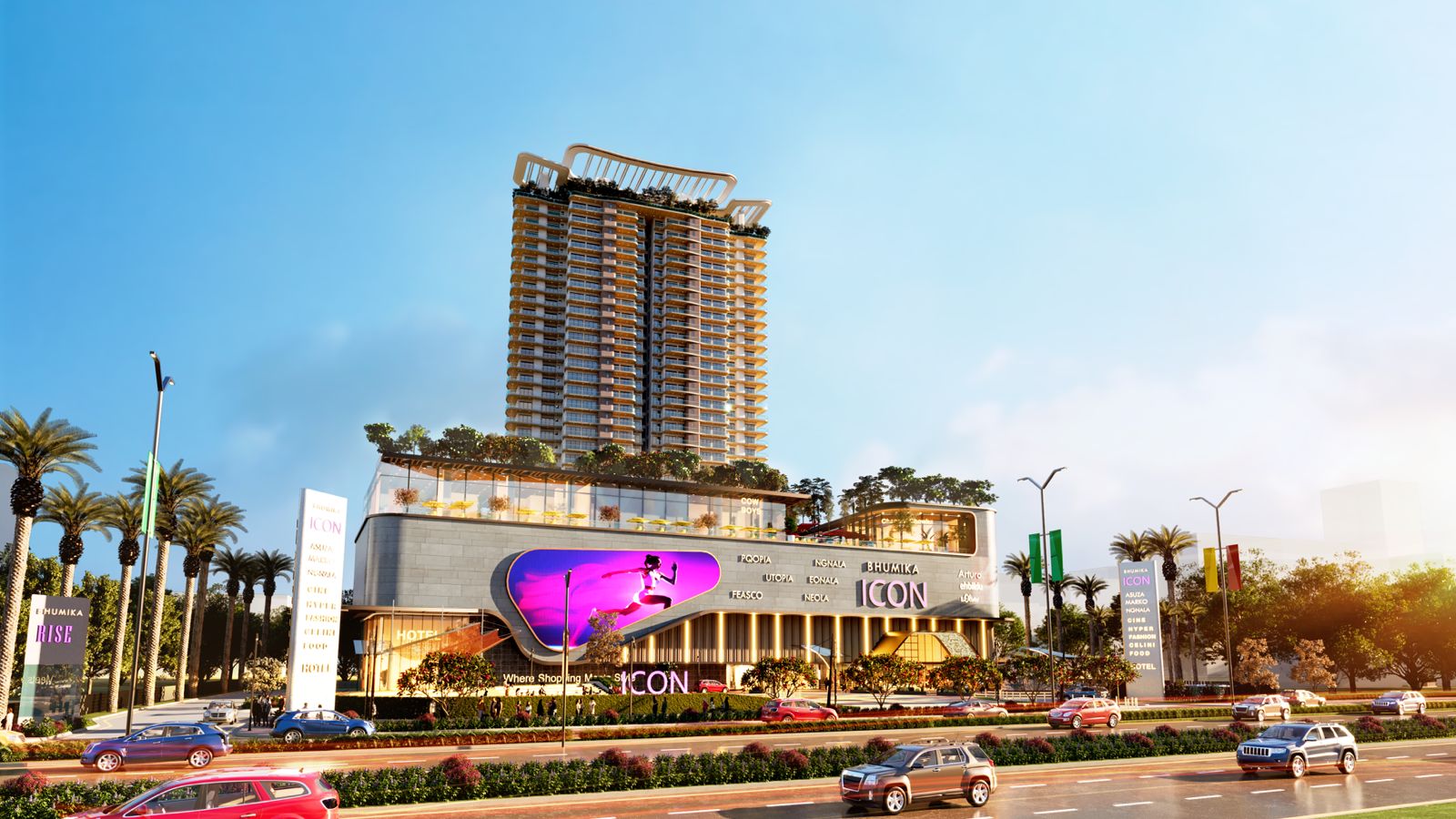
The agreement marks the second association between the two companies, following PVR INOX’s presence at Urban Square, Udaipur. The repeat partnership comes as Bhumika Realty expands its portfolio of mixed-use and retail developments across high-growth markets.
At The Icon, PVR INOX will occupy approximately 25,000 sq. ft. across the second and third floors. The multiplex is planned to commence operations alongside the opening of the mall.
The cinema will form part of The Icon’s wider mix of premium retail, entertainment, hospitality and residences. The development is intended to serve the established catchment around Sector 27A as well as the wider Faridabad & South Delhi market.
Uddhav Poddar, CMD, Bhumika Group, said:
“PVR INOX’s association with The Icon, following our partnership at Urban Square, is a strong endorsement of the quality and positioning of the development. As we expand into high-growth markets, we are focused on building assets that can attract leading national brands and generate sustained consumer demand. PVR INOX adds an important entertainment component to The Icon and strengthens its overall proposition.”
Located on NH-19, Delhi-Mathura Road, in Sector 27A, Faridabad, The Icon is a RERA-approved mixed-use development comprising premium retail, residences and hospitality. The project has been designed by Bentel Associates of South Africa.
The development is located within an established residential and commercial catchment and has direct frontage on the Delhi-Mathura Road corridor. Its location is expected to allow it to serve both nearby residential communities and consumers from across Faridabad and adjoining areas.
The partnership builds on PVR INOX’s existing presence at Urban Square, Udaipur, Bhumika Realty’s retail and entertainment development in Rajasthan. The two projects represent Bhumika Realty’s strategy of combining retail, entertainment and other consumer-facing uses within larger mixed-use developments.
The Icon is among Bhumika Realty’s key developments in Delhi-NCR, alongside its broader portfolio spanning retail, residential, hospitality and mixed-use projects.


