


16, Oct 2026
Travelers will let AI hunt for hotel deals, but not plan the trip, Mews survey of 3,250 travelers finds
New York, NY | Oct 16: Travelers will let AI watch hotel rates (63%) and translate on the spot (56%) but far fewer want it planning their itinerary (44%) or personalizing the room (41%). That’s according to a new survey of 3,250 travelers from Mews, the operating system for hospitality, and it comes down to one question: is the task a chore or a choice?
A price alert or a translation doesn’t need anyone to know a guest personally. It just needs to be accurate and fast. An itinerary or a room setup is personal by definition, and 57% of travelers say they would rather stay in control of their trip than hand over those decisions to AI acting on their behalf. That’s where hoteliers come in.
Guests trust the data they share, not the data gathered about them
Travelers are far more comfortable with AI drawing on what they’ve knowingly shared with a hotel, such as stated preferences (61%) and past stay history (56%), than on what’s collected about them, such as online behavior (43%) or external and social data (34%). Guests aren’t turning away from personalization. They care where it comes from, and it lands best when it’s built on what they chose to share rather than what’s been assumed.
Comfort with shared data is strongest in the US, where 63% are happy for AI to draw on their past stay history. Spain is the market most swayed by data transparency: 72% would be more willing to use AI-enabled services if they had transparency and control over their data.
The pattern holds across markets
In every country surveyed, travelers are less willing to use AI once it’s running a moment of the stay than when it’s helping them plan ahead. UK travelers show the functional mindset most clearly: they’re the least likely to rate personalization during a stay as important (30% vs. 40% on average).
Italy and Spain are the most enthusiastic markets. Italian travelers are the most likely to expect check-in with no front desk at all (58% vs. 42% on average) and the most optimistic about AI’s role five years from now (51% vs. 39% on average, the only market significantly above it). Overall, Spain has the most positive attitude to AI (58%), and the two countries are the only ones significantly more positive than the rest of the sample.
“Guests have told us where AI helps, and where it doesn’t,” said Josef Starýchfojtů, CPTO of Mews. “Having clever technology is great, but firstly, we should know whether guests want a task done for them or want to be part of it. Get that wrong and even good AI feels intrusive. We’re building for human hospitality: technology handles the mundane, repetitive admin, and hotel teams have more time for their guests.”
What this means for hoteliers
Let AI take on the admin, such as price tracking, translation, and instant communication, so your team has more time for the moments their guests will remember. Deliver personal touches based on what guests have told you directly and be selective about where automation goes. The hotels getting the most value from AI aren’t the ones with the most automation. They’re the ones that know which moments to keep human.
This survey took place in July 2026 and covered 3,250 travelers across France, Germany, Italy, the Netherlands, Spain, Sweden, the UK and the US.
- 0
- By Neel Achary

16, Oct 2026
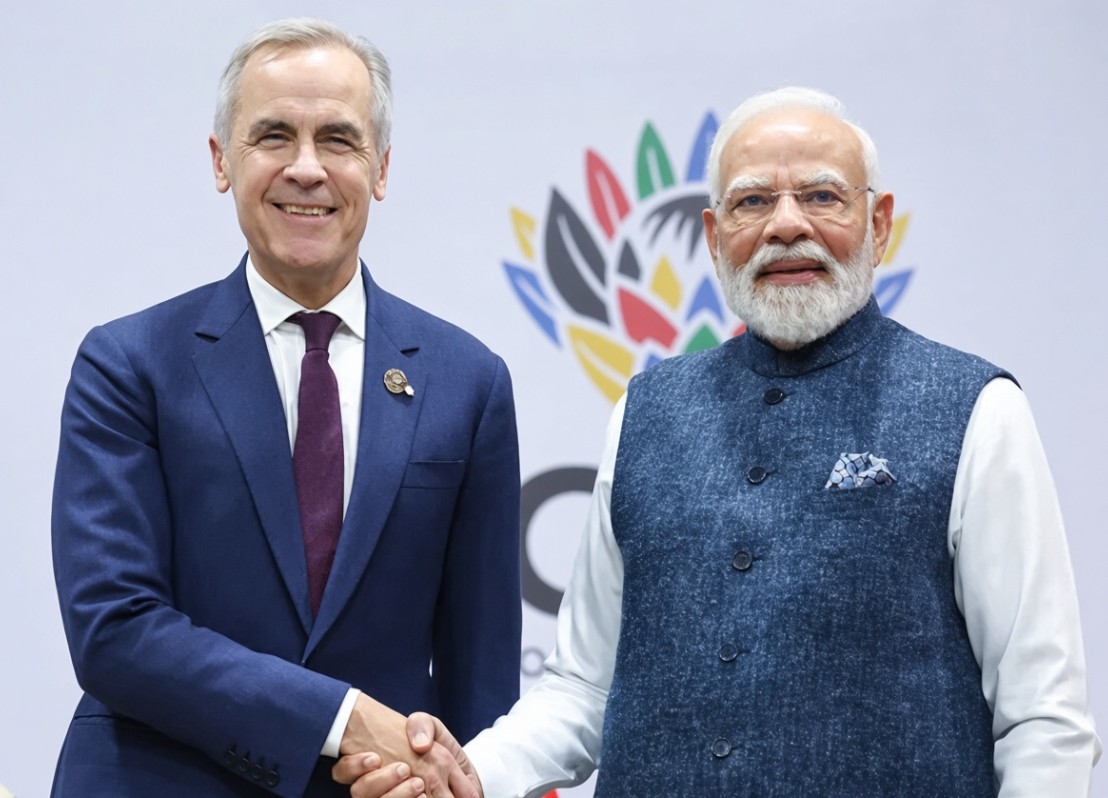
PM Modi to Visit Canada on December 11 to Push Trade Deal and Strategic Cooperation
New Delhi, Oct 16: Prime Minister Narendra Modi is scheduled to undertake a two-day official visit to Canada from December 11, with trade negotiations, energy cooperation, technology and regional security expected to feature prominently on the agenda.
File Photo
The proposed visit follows a recent telephone conversation between Modi and Canadian Prime Minister Mark Carney, during which both leaders reportedly expressed their commitment to strengthening bilateral ties and advancing cooperation across key sectors.
The visit is expected to provide fresh momentum to efforts to rebuild and deepen relations between the two countries, with a focus on achieving tangible outcomes in economic and strategic engagement.
Trade Deal in Focus
The proposed Comprehensive Economic Partnership Agreement (CEPA) is expected to be a key priority during the discussions. Canadian authorities have reiterated their commitment to advancing negotiations, while both sides are looking to expand bilateral commerce and create new opportunities for businesses.
The two countries are seeking to strengthen trade ties, with negotiators aiming to double bilateral trade before 2030. Cooperation in agriculture and energy is also expected to remain central to the broader economic agenda.
Beyond trade, discussions are likely to cover technology partnerships and developments in the Indo-Pacific region, where both countries have an interest in promoting stability and strengthening economic links.
Diplomatic Engagement Gains Momentum
Preparations for the December visit are already underway, with senior officials and business representatives engaging with their Indian counterparts in New Delhi.
Canadian Foreign Minister Anita Anand recently met Modi and External Affairs Minister S. Jaishankar during her visit to the Indian capital. The discussions focused on reviewing progress in bilateral relations and identifying areas where cooperation could be expanded.
Anand also highlighted the importance of the longstanding relationship between India and Canada, pointing to the people-to-people connections built through families, students and entrepreneurs over several generations.
The diplomatic engagement is expected to help establish the groundwork for the two prime ministers’ upcoming meeting.
Major Canadian Trade Mission Visits India
Alongside diplomatic preparations, Canadian Minister of International Trade Maninder Sidhu is leading a trade delegation of around 300 business representatives on a visit to India.
The Team Canada Trade Mission aims to identify commercial opportunities, encourage business partnerships and strengthen links between companies in both countries.
The scale of the delegation reflects the importance being attached to private-sector engagement as India and Canada seek to expand economic cooperation. Business discussions are expected to complement government-level negotiations ahead of the December summit.
Ukraine and Regional Security Also on the Agenda
The two leaders have also discussed wider international issues, including the Russia-Ukraine war and the need for greater global stability.
According to the account of their recent conversation, Carney acknowledged Modi’s diplomatic efforts to support a peaceful resolution to the conflict. Modi, meanwhile, indicated that India and Canada were working together towards a more stable international environment.
The December visit is expected to offer both sides an opportunity to advance discussions on trade, energy, technology and security while reinforcing diplomatic engagement.
With high-level meetings and business consultations already taking place, the visit could mark an important step in efforts to translate renewed political dialogue into concrete economic and strategic outcomes.
16, Oct 2026
Odisha to Launch Door-to-Door Voter Survey on October 26 Ahead of 2027 Local Elections
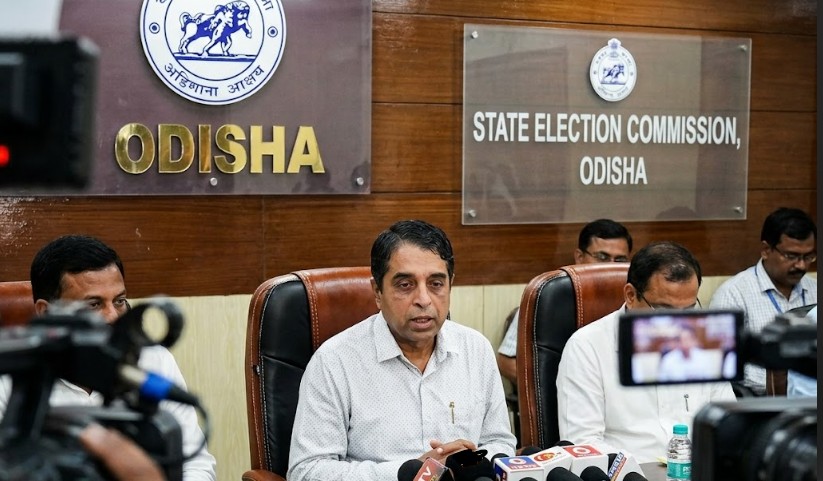
Bhubaneswar, Oct 16: The Odisha State Election Commission will launch a statewide door-to-door voter survey from October 26 to November 7 to identify and rectify discrepancies in electoral rolls ahead of the upcoming panchayat and urban local body (ULB) elections, which are likely to be held in 2027.
Representational Image
The exercise aims to ensure that all eligible voters are included in the electoral rolls and that the names of ineligible voters are removed.
Field Teams to Verify Voter Details
State Election Commissioner Madhusudan Padhi said teams comprising Booth Level Officers (BLOs), Anganwadi workers, ASHA workers and other field personnel would visit households across the state to verify voter information.
Eligible voters whose names have been deleted from the electoral rolls will be able to apply for their re-inclusion. Similarly, citizens will have the opportunity to file objections against the inclusion of ineligible voters.
The verification drive is intended to improve the accuracy of voter lists before the state conducts its next round of rural and urban local elections.
Pilot Survey Reveals Gaps in Electoral Rolls
A pilot survey conducted by the Commission highlighted discrepancies in the existing electoral rolls. According to the findings, 7.61 per cent of ineligible voters were still listed, while 4.87 per cent of eligible voters were missing from the rolls.
The statewide survey will seek to address these gaps and ensure that the electoral rolls accurately reflect the eligible electorate.
Major Expansion of Rural Polling Booths Proposed
The Commission has also proposed a significant increase in the number of polling booths in rural areas. The total number is expected to rise from approximately 39,000 to 91,000 to facilitate the electoral process.
Voting in rural elections will be conducted using ballot papers, while electronic voting machines (EVMs) will be used for urban local body elections.
Final Electoral Roll Targeted for February 10, 2027
As per the proposed schedule, the draft electoral roll is expected to be published in January 2027. The Commission aims to publish the final electoral roll by February 10, 2027.
The door-to-door verification campaign is a key preparatory step for the anticipated 2027 panchayat and urban local body elections, with the Commission focusing on improving the accuracy and reliability of voter lists across Odisha.
16, Oct 2026
Odisha Extends Antyodaya Gruha Yojana Till 2029, Approves 2.91 Lakh Additional Houses
Bhubaneswar, Oct 16: In a major push towards providing permanent housing to economically weaker and vulnerable families, the Odisha government has approved the construction of an additional 2,91,666 houses under the Antyodaya Gruha Yojana and extended the scheme’s implementation period by two years, till 2029.
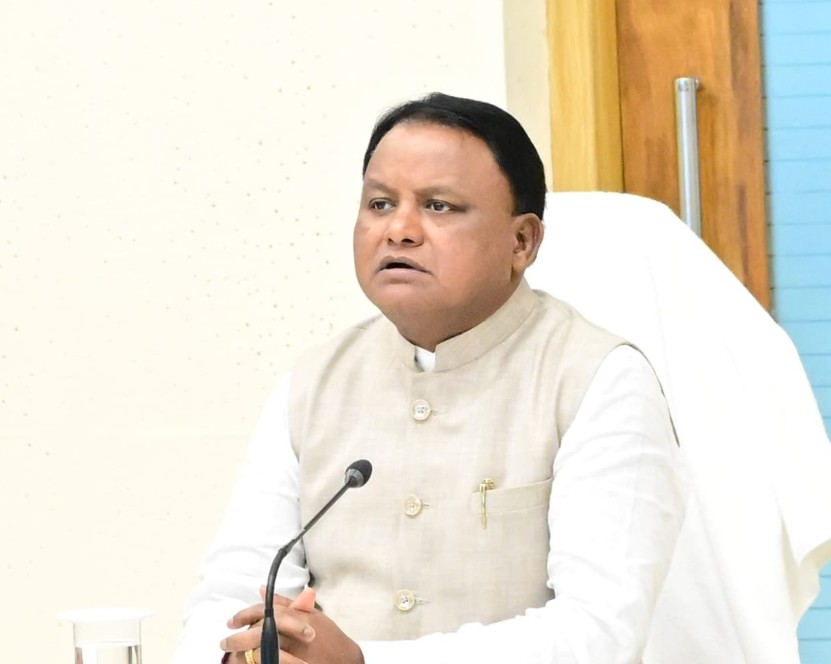
Chief Minister Mohan Charan Majhi announced the decision on Thursday, stating that the move would help more eligible families secure permanent homes and accelerate the state’s goal of ensuring housing for all.
The extension, which moves the scheme’s deadline from 2027 to 2029, is expected to expand the programme’s reach and provide housing assistance to more families in need.
₹7,550 Crore Outlay to Remain Unchanged
Despite the addition of nearly 2.92 lakh houses, the total financial outlay for the Antyodaya Gruha Yojana will remain unchanged at ₹7,550 crore.
As part of the revised financial plan, the state government has decided to divert ₹3,500 crore from the housing repair component towards the construction of new houses.
The reallocation is intended to support the expanded construction target within the existing budgetary provision.
Focus on Families Left Out of Other Housing Schemes
The Antyodaya Gruha Yojana primarily targets poor and vulnerable households that need permanent housing but have not qualified for assistance under the Pradhan Mantri Awas Yojana (PMAY).
The state government had initially set a target of providing houses to five lakh families under the scheme. With the approval of an additional 2,91,666 houses and the extension of the implementation period, the programme is expected to cover more eligible beneficiaries.
The initiative forms part of the state’s broader efforts to address housing shortages among disadvantaged households and improve their living conditions.
Higher Incentives for Timely House Construction
Alongside the expansion of the scheme, the government has revised the financial incentives available to beneficiaries who complete their houses within the stipulated timeframe.
Under the revised structure, beneficiaries completing construction within five months will receive an incentive of ₹35,000, compared with the earlier incentive of ₹20,000 for completion within four months.
Similarly, those completing their houses within seven months will now be eligible for an incentive of ₹20,000, up from the earlier ₹10,000 offered for completion within six months.
The revised incentives are intended to encourage faster construction while providing beneficiaries with a more flexible completion period.
Push Towards Housing for All
The expansion of the Antyodaya Gruha Yojana marks a significant step in Odisha’s efforts to improve access to permanent housing for economically disadvantaged families.
With the extended deadline, additional housing approvals and revised beneficiary incentives, the state government aims to accelerate construction and bring more vulnerable households under the scheme.
The success of the expanded programme will depend on the timely implementation of approved projects and the effective delivery of assistance to eligible beneficiaries across Odisha.
16, Oct 2026
Odisha to Develop Lightning Safety Roadmap for 2027–2030, Focus on Early Warning Systems
Bhubaneswar, Oct 16: The Odisha government will formulate a comprehensive lightning safety roadmap for 2027–2030, with a strong emphasis on accurate forecasting, timely early warnings, public awareness and rapid emergency response to reduce lightning-related deaths and damage across the state.
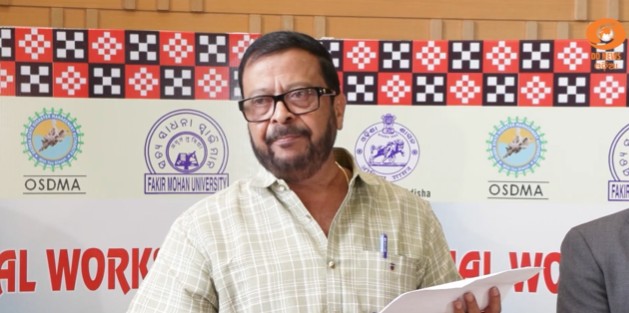
Revenue and Disaster Management Minister Suresh Pujari announced the initiative on Thursday while inaugurating a two-day National Workshop on Lightning Safety organised by the Odisha State Disaster Management Authority (OSDMA) in Bhubaneswar.
The proposed roadmap aims to strengthen the state’s preparedness for lightning-related disasters through improved technology, coordinated response mechanisms and greater community participation.
Technology to Strengthen Lightning Forecasting
Addressing the workshop, India Meteorological Department (IMD) Director General Mrutyunjay Mohapatra highlighted the importance of adopting advanced technologies to improve lightning detection and forecasting.
He emphasised the potential use of satellite data, artificial intelligence (AI) and machine learning to enhance the accuracy of lightning predictions and provide more timely warnings to vulnerable communities.
Improved forecasting capabilities are expected to help authorities identify potential risks earlier and communicate alerts more effectively, enabling people to take precautionary measures before lightning strikes occur.
Focus on Vulnerable Communities
OSDMA Managing Director Rajesh Prabhakar Patil stressed the need to strengthen early warning systems and ensure that safety information reaches people at risk.
Farmers, outdoor workers and students were identified among the vulnerable groups requiring greater protection, particularly during thunderstorms and severe weather events.
The initiative is expected to place greater emphasis on public awareness, community-level preparedness and the dissemination of lightning safety messages to help prevent avoidable casualties.
National Workshop to Shape Action Plan
The workshop, being held on October 15 and 16, will bring together scientists, researchers, meteorological experts and disaster management officials from leading national institutions.
Participants will deliberate on strategies to improve lightning preparedness, develop standard operating procedures (SOPs) and establish a coordinated framework for prevention, warning dissemination and emergency response.
The discussions will contribute to the preparation of an action plan titled “Lightning-Safe Odisha: Action Plan 2027 and Roadmap 2027–2030.”
Towards a Lightning-Safer Odisha
Lightning remains a significant natural hazard, making timely warnings, public education and effective emergency response essential components of disaster risk reduction.
Through the proposed roadmap, the Odisha government aims to strengthen its institutional preparedness and improve protection for communities exposed to lightning risks.
The initiative is expected to provide a structured framework for integrating scientific advances with practical safety measures, with the broader objective of reducing fatalities, limiting damage and building a more disaster-resilient Odisha.
16, Oct 2026
Urban Youth Unemployment Rises to 19% in September; Rate Among Young Women Hits 26.6%
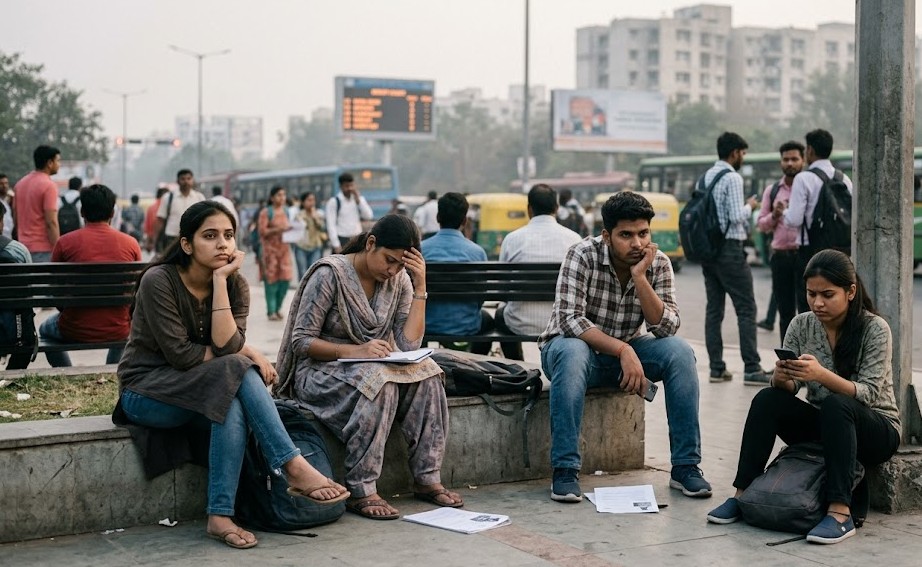
New Delhi, Oct 16: Unemployment among urban youth aged 15–29 years in India increased to 19 per cent in September 2026, up from 18.7 per cent in August, with young women continuing to face a significantly higher unemployment rate than their male counterparts, according to the latest government data.
Representational Image
The September Monthly Bulletin of the Periodic Labour Force Survey (PLFS), released by the Ministry of Statistics and Programme Implementation (MoSPI) on Thursday, highlighted persistent challenges in urban youth employment despite improvements in some labour market indicators.
Young Women Face Higher Unemployment
The unemployment rate among urban women aged 15–29 years rose from 26.4 per cent in August to 26.6 per cent in September. Among young urban men, the rate increased from 16.2 per cent to 16.4 per cent during the same period.
The figures underline the continuing disparity in employment opportunities between young women and men in urban India.
Urban youth unemployment has also maintained an upward trend since May 2026, when it stood at 17.5 per cent.
At the national level, the unemployment rate among youth edged up from 15.1 per cent in August to 15.2 per cent in September. In contrast, rural youth unemployment declined slightly from 13.3 per cent to 13.2 per cent.
Labour Force Participation Shows Improvement
Despite the rise in urban youth unemployment, some indicators of employment and workforce participation showed improvement during September.
The urban Worker Population Ratio (WPR) for people aged 15 years and above increased from 47 per cent in August to 47.2 per cent in September, marking its highest level since October 2025.
Urban female Labour Force Participation Rate (LFPR) also recorded a notable increase, rising by 0.5 percentage points from 25.4 per cent to 25.9 per cent. According to the ministry, this was the highest level recorded since October 2025.
However, the rise in participation was accompanied by an increase in unemployment among urban women aged 15 years and above, with the rate climbing from 8.9 per cent to 9.2 per cent.
Overall Unemployment Remains Stable
India’s overall unemployment rate among people aged 15 years and above remained unchanged at 5 per cent in September, the same as in August. However, it was lower than the 5.2 per cent recorded in September 2025.
Urban unemployment edged up from 6.8 per cent to 6.9 per cent, while the rural unemployment rate increased from 4.1 per cent to 4.2 per cent.
The figures indicate that, although the overall unemployment rate remained stable compared with the previous month, employment pressures persisted across both urban and rural areas.
Survey Covers More Than 3.7 Lakh People
The September PLFS estimates are based on a survey covering 3,70,513 people across rural and urban India.
The latest data presents a mixed picture of the country’s labour market. While workforce participation and the proportion of employed people in urban areas improved, rising unemployment among young people, particularly women, remains a significant concern.
The figures highlight the importance of expanding employment opportunities and improving access to jobs for India’s growing young workforce, especially in urban areas where competition for suitable employment remains intense.
15, Oct 2026
The Real Cost of Private Charter’s Race to the Bottom
Private charter broking is coming under pressure from two directions. Customers are becoming more price-conscious, while digital tools are making aircraft availability and pricing easier to compare. In highly competitive markets, this is increasing the pressure on brokers to respond faster and reduce margins.
At Corporate Jet Investor Dubai 2026, a panel of charter industry leaders discussed what this means for service quality, accountability and the future role of the broker. Steffen Fries, Special Advisor to the Group CEO at Chapman Freeborn, said the challenge is particularly visible in the Middle East, where price can become the deciding factor before the operational details of a charter have been fully considered.
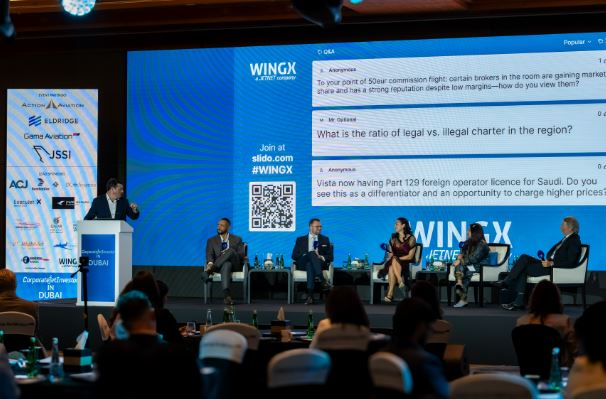
“In many markets, someone can begin selling a USD 100,000 flight without first demonstrating that they understand the operational and regulatory requirements behind it,” said Fries. “That does not mean every small or new broker lacks expertise. There are excellent brokers of all sizes. The problem arises when limited experience is combined with promises that an operator cannot fulfil.”
The pressure to compete on price
According to Fries, buyers in the Middle East may negotiate over the final USD 500 or USD 1,000 of a charter price without always understanding what separates one proposal from another.
An available aircraft and an attractive quote do not necessarily make an itinerary workable. Permit lead times, airport opening hours, customs availability, crew duty limits, runway conditions and fuel requirements can all affect whether the flight can operate as proposed.
“If a broker makes an unrealistic promise, both the broker and the operator lose credibility when it cannot be delivered,” Fries explained. “An experienced broker manages the expectations of the customer and the operator before the flight takes place.”
Price pressure can also increase exposure to grey-market charters, where private aircraft are offered for paid passenger flights without the necessary commercial operating authority. The aircraft may look no different from a compliant charter aircraft, making the distinction difficult for passengers to recognise.
The UK Civil Aviation Authority advises paying passengers to confirm who will operate their flight and whether the operator holds the correct certificates, insurance and licences. The US Federal Aviation Administration similarly recommends asking to see the operator’s Air Carrier or Operating Certificate.
“The passenger cannot identify a grey-market aircraft simply by looking at it,” said Fries. “This is where a credible broker has an important responsibility. We must verify the operator and aircraft rather than offering an unsuitable option simply because it is cheaper.”
Fries said grey-market activity is a particular concern in the Middle East because of the region’s large population of privately owned aircraft. While owners may use their aircraft privately, accepting payment for passenger transport can turn a journey into a commercial operation subject to different requirements.
An unauthorised commercial flight may be delayed or grounded if irregularities are identified during an inspection. For customers using private aviation to save time and reduce uncertainty, the cheapest proposal can therefore become the most disruptive.
An industry-led standard
Fries believes greater accountability should not necessarily mean another layer of government regulation. Instead, established brokers, operators and industry bodies could work together to define common professional standards.
These could set minimum expectations around operational knowledge, operator due diligence, insurance, contractual transparency and customer care, helping buyers distinguish between brokers offering professional oversight and those competing primarily on price.
“This is not about protecting larger brokers from competition,” said Fries. “Competition challenges established companies to improve, and that is healthy. What damages the market is making promises without the knowledge or resources required to deliver them. When a customer has a poor experience, trust in the wider industry is affected.”
AI will expose brokers that add little value
Artificial intelligence is likely to bring greater transparency to charter pricing and aircraft availability. As customers gain faster access to market information, brokers whose role is limited to finding an aircraft and forwarding a quote may find it increasingly difficult to justify their place in the transaction.
“If the broker’s only role is to find an aircraft and a price, technology may eventually make that role obsolete,” said Fries. “But complex charter operations involve much more than that. Someone still needs to bring together permits, airport requirements, customs, crew considerations, ground transport and contingency planning.”
AI could also help brokers anticipate operational problems earlier by identifying periods when fuel services, customs availability or airport capacity are likely to be constrained. Fries expects better use of data to make planning faster and more predictable, while allowing experienced brokers to focus on judgement, risk management and customer support.
“The role of the broker will change, but it will not disappear,” he concluded. “As information becomes easier to access, judgement and accountability become more important. Customers are not only paying for an aircraft. They are paying for someone to anticipate what could go wrong and make sure the journey works as promised.”
15, Oct 2026
HATOR Announces its Arrival in the UK, Advanced Skyfall Magnetic Keyboards, Shipping Now
Zoetermeer, Netherlands – October 15, 2026 – HATOR Gaming B.V. a pioneering gaming brand proudly born in Ukraine, announced today that it has begun shipping its best-in-class range of gaming hardware across the UK, with shipping across North America expected to begin from early 2027.
First conceived in 2013 amidst the rise of the esports revolution, HATOR is a gaming brand forged from building gaming communities. Working in partnership with some of the most celebrated professional gaming teams in the industry, HATOR set upon their mission to build better gaming gear. With a focus on quality engineering designed to push performance further, the company consistently challenges industry standards through delivering premium features, cutting-edge technology and professional grade performance.
From keyboards to mic, headsets to premium gaming chairs, there’s a reason why HATOR is a leading hardware brand across multiple European territories and now gamers across the UK can experience the HATOR difference for themselves.
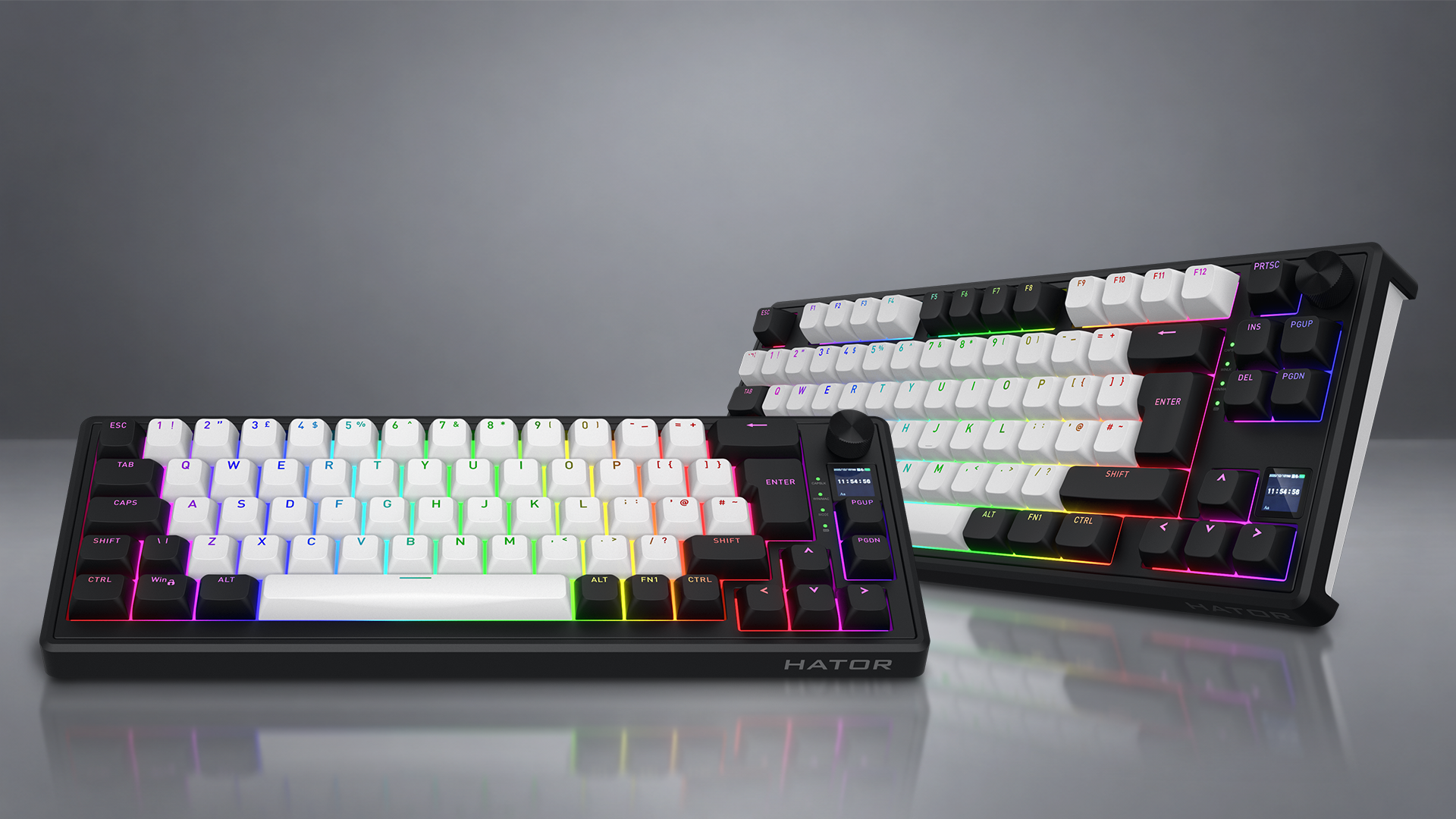
For their debut release across the UK, HATOR is delighted to introduce the Skyfall MAG Ultima 8K Wireless Keyboard. Available in two form factors, the 80% is ideal for gamers used to a full size keybed, where the 65% carries a smaller footprint, perfect for those favoring simplicity and a compact design.
A next-generation keyboard powered by advanced magnetic technology, the Skyfall MAG Ultima 8K Wireless Keyboard is engineered for exceptional speed, adaptive control, and deep customization, making every keystroke fast, smooth, and perfectly tuned to match the personal preference of the gamer.
Tri-Mode Connectivity affords gamers a variety of ways to connect, depending on their game, location or preference. Choose between a flawless wired connection, Bluetooth® 5.3 or 2.4 GHz wireless connection. Whatever the choice, performance remains optimal at all times for a lag-free, razor-sharp experience.
Continuing the theme of speedy performance, the Skyfall MAG Ultima 8K features an industry leading 8000Hz polling rate when using the keyboard in both wired and 2.4 GHz wireless modes. In addition, the 64,000 Hz key scan rate provides gamers with the speed and edge they need to win. The Skyfall MAG Ultima 8K Wireless Keyboard demonstrates no hardware limits, with only the skill of the gamer determining the outcome of the game.
The Skyfall MAG Ultima 8K Wireless Keyboard comes equipped with advanced HATOR Aurum Ice Magnetic Switches, delivering exceptionally fast and precise actuation alongside extensive customization options. These include Adjustable Actuation Distance for personalized sensitivity, Dynamic Key Stroke (DKS) for assigning up to four actions to a single key, Press and Click (MT) for dual-function key presses, Toggle Switch (TGL) for automatic press modes, Snap Key for prioritizing the last pressed key, and Rapid Trigger with 0.01 mm precision for near-instant key reactivation.
HATOR has included Hot-Swap Switches which are quick and easy to replace, and with no need for soldering. Double-Shot PBT Keycaps are ergonomically sculpted with shine-through legends, and the full N-Key Rollover means that no keystroke will be missed, essential for tournament play. Understanding the importance of comfort, the Skyfall MAG Ultima 8K Wireless Keyboard features an advanced Gasket Mount Architecture, constructed with elastic gaskets between the plate and the case, evenly distributing pressure during keystrokes, reducing excess vibrations.
Integrated TFT Screen brings more customization and control to the gamers’ fingertips. Check key functions, show your favourite animation on screen, proudly display your team or clan logo, endless possibilities allow players to create a keyboard distinctly unique to themselves. Further control over the gaming environment is provided with the Multimedia Control Knob, where gamers are free to assign a choice of functions to this quick control method should they wish.
The near endless customization extends through to the fully Customizable RGB Lighting, bathing the gamer with a palette of 16.8 million colors, with each key fully adjustable.
With the Skyfall MAG Ultima 8K, gamers can take full control of their keyboard with the new Web SyncHUB. Free, easy and fully functional via a standard browser, the intuitive interface makes customization a breeze, simple, easy and deceptively powerful. Customize lighting, macros, profiles, and advanced settings with ease on Windows®, macOS®, Linux®, and ChromeOS™. No software to download, no time-consuming installation. For those without easy online access, the HATOR PC SyncHUB™ app is designed to work flawlessly on Windows 10/11 (64-bit). Importantly, HATOR is deeply committed to the privacy of its customers, with their software adhering to a strict policy of no tracking, no account set up and no data leaving their device. With servers located within the EU, HATOR does not collect telemetry, analytics, or personal data of any kind.
Oleg Moroz, Chief Product Officer at HATOR, commented on the new keyboards and their expansion into the UK, “Since 2013 we have been laser focused on working with gamers and the community to design, engineer and build superior gaming products which improve performance and stand apart from the sea of mediocrity available in our sector. Nowhere is this philosophy more evident than with our new range of Skyfall magnetic keyboards. Our engineers have delivered what we believe to be advanced engineering, innovation, a feature set unlike any other, and with a price designed to pleasantly surprise the passionate gamer. We can’t wait to bring our range to UK gamers and look forward to organically growing our distribution footprint throughout 2027.”
The full specification of the Skyfall MAG Ultima 8K Wireless Keyboard, is as follows:
-
Connection type: 2.4GHz, BT5.3, USB
-
Polling rate: up to 8000Hz
-
Battery capacity: Skyfall Wireless 65: 4000mAh / Skyfall Wireless 80: 8000mAh
-
Battery life: – With backlight: up to 24 hours / Without backlight: up to 533 hours
-
Charging time: up to 16 hours
-
Backlight: RGB with the ability to customize each key individually
-
Switch Type: HATOR Aurum Ice Magnetic linear
-
Switch life: 100M clicks
-
Pressing force: 45 ±5%gf
-
Pre Travel: Adjustable by software
-
Total travel: 3.5 ±0.1 mm
-
Keycaps material: Double shot PBT keycaps
-
Keycaps profile: OMA
-
Additional Features: – Hot-swappable switches / Gasket Mount / Multi-layer noise-cancelling system / Multimedia control knob / TFT screen: 0.85″
-
System Compatibility: Windows 10/11, macOS, LINUX, ChromeOS
Package Contents:
-
Skyfall MAG Ultima 8K Wireless Keyboard
-
2.4GHz wireless dongle
-
Detachable USB-A to USB Type-C cable
-
User key for removing keycaps
-
Additional branded keycap
-
User manual
The HATOR Skyfall 80 MAG Ultima 8K Wireless Keyboard retails for an MSRP of £94.99 and is available to purchase today via: https://hator.com/collections/
The HATOR Skyfall 65 MAG Ultima 8K Wireless Keyboard retails for an MSRP of £84.99 and is available to purchase today via:
https://hator.com/products/
15, Oct 2026
Phonak launches Roger On Sphere™: the first AI-powered remote microphone to separate speech from noise in real time
Stäfa, Switzerland – October 15, 2026 – Phonak today announced Roger On Sphere™, the world’s first remote microphone powered by a deep neural network (DNN) that separates speech from background noise in real time. It helps people with hearing loss follow conversations in busy restaurants, meetings, family gatherings and social events, over distance and in groups, where hearing aids alone may not be enough.
“Roger has transformed communication in demanding listening environments for nearly two decades,” said Alain Kertész, Senior Director Roger. “Roger On Sphere brings AI-driven speech separation to a remote microphone, giving users greater clarity and confidence in situations that were previously difficult to manage.”
Clearer speech in more situations
Roger On Sphere combines Phonak Sphere technology with the proven Roger wireless protocol. It continuously analyzes the surroundings and separates speech from noise in every microphone mode and at every noise level.
Compared with its predecessor, it delivers an additional 3 dB signal-to-noise ratio benefit. This is equivalent to roughly 50% less noise power, allowing users to communicate in environments with twice the noise level.¹
One microphone for work, home and social life
The device automatically adapts its microphone mode to meetings, lectures, online calls, restaurants, family gatherings and car journeys, so users do not need to adjust settings.
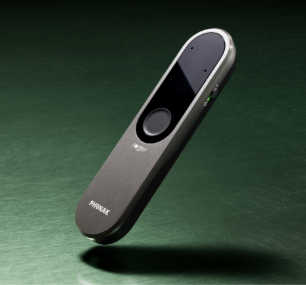
Key features:
- AI-powered real-time speech-from-noise separation through RogerSense OS™
- Automatic adaptation across multiple listening situations
- Reliable, low-latency Roger wireless transmission
- Broad compatibility with hearing aids, cochlear implants and other hearing solutions, including products across the Sonova portfolio such as Phonak Naída and Virto hearing aids and Advanced Bionics cochlear implant systems
- Enhanced hardware design and updated myRogerMic experience
By making conversations easier to follow and reducing listening effort, Roger On Sphere helps people take a fuller part in life at work, at home and in social settings. Phonak encourages hearing care professionals to demonstrate the device in the clinic so clients can experience the benefits firsthand.
Phonak Roger On Sphere is available in most markets as of mid-November 2026.
References
1 Roh M, Gigandet X, & Sans M. (2026). Expand your world, with Roger On Sphere. Phonak Insight.
* Based on a 3 dB SNR benefit in typical operating range
15, Oct 2026
BioLab Holdings Launches EmeraNova™ to Advance the Future of Tissue Restoration


