


12, Jul 2026
Record Participation at SIP Abacus Championship Underscores Growing Interest in Mental Mathematics
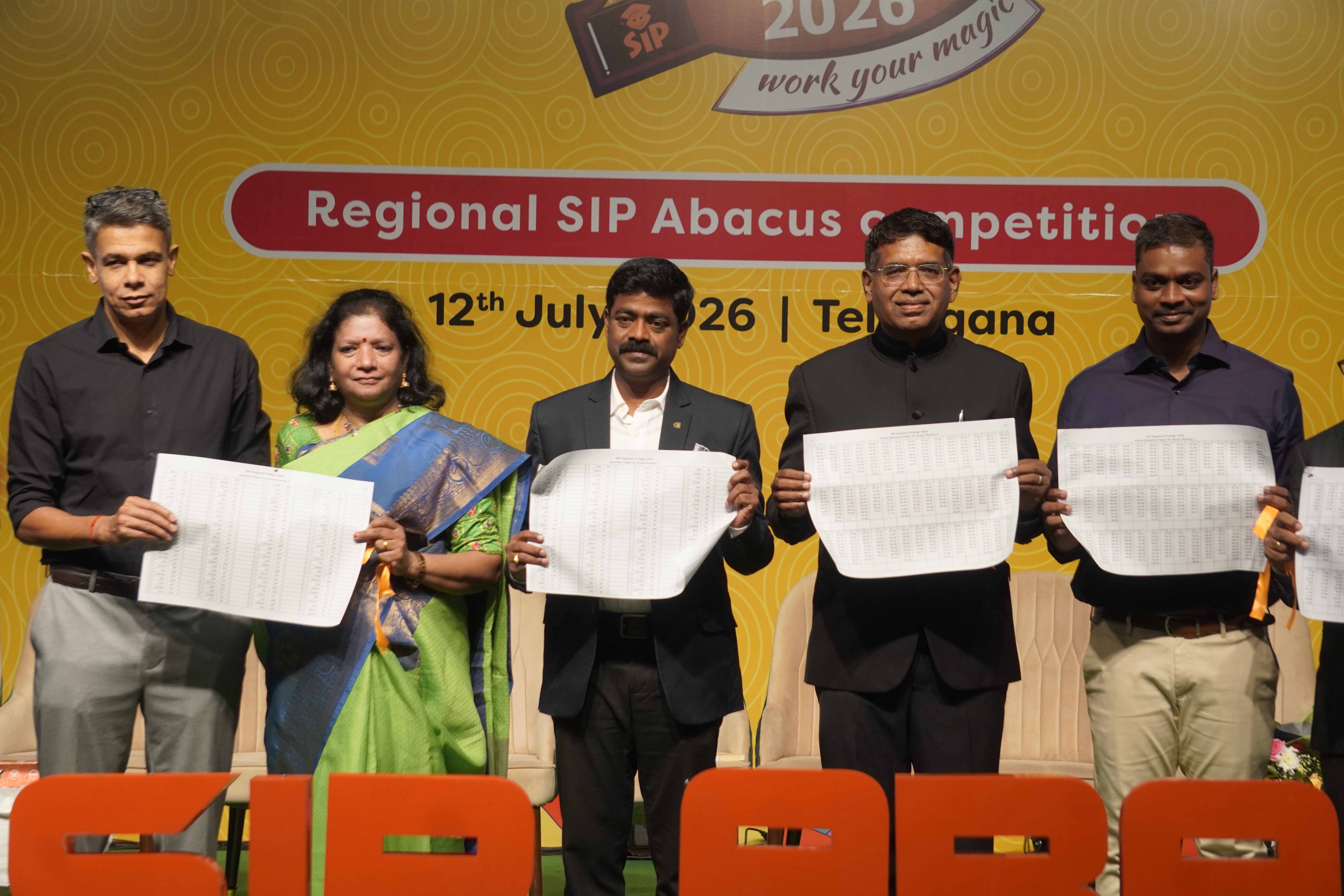
Hyderabad, July 12: More than 3,200 children aged between 5 and 14 years from across Telangana participated in the 22nd Telangana Regional Prodigy Championship 2026, organised by SIP Abacus, one of India’s leading children’s skill development organisations and a six-time Limca Book of Records holder. Held at Classic Convention Three, Shamshabad, the event is regarded as one of Telangana’s largest Mental Mathematics championships.
The championship was inaugurated by Pannuru Prabhakar, Principal, ARCA Global International School, in the presence of Dinesh Victor, Founder and Managing Director, SIP Academy India.
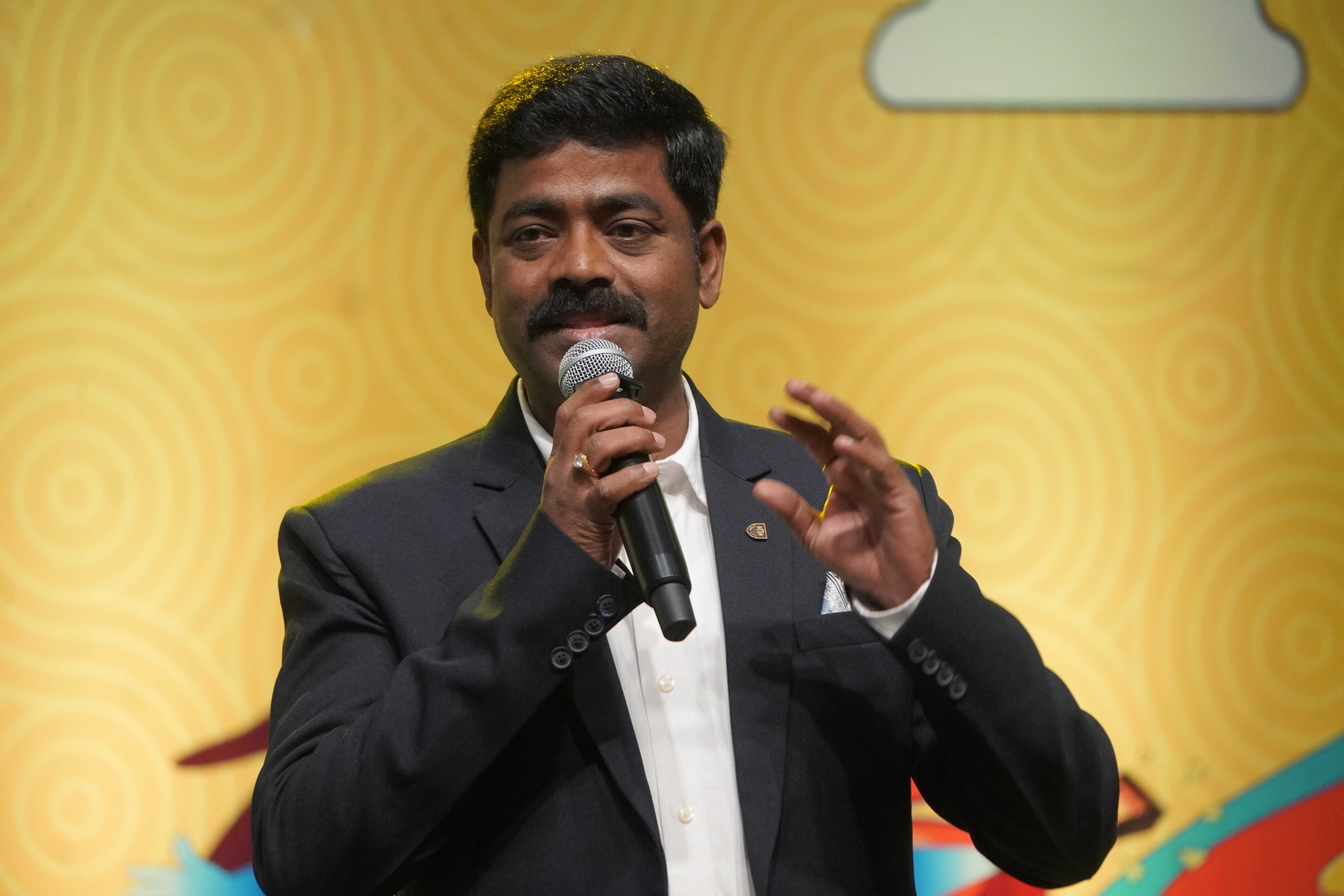
Addressing the gathering, Pannuru Prabhakar highlighted the timeless significance of Mathematics by quoting the renowned Sanskrit verse:
“Yathā śikhā mayūrāṇāṁ nāgānāṁ maṇayo yathā, tadvad vedāṅgaśāstrāṇāṁ gaṇitaṁ mūrdhani sthitam.”
Explaining its meaning, he said, “Just as the crest is the most distinguished feature of a peacock and the jewel is the most prized possession of a cobra, Mathematics occupies the highest position among all sciences and branches of knowledge. Ancient India recognised the importance of Mathematics centuries ago, and its relevance remains undiminished even in the era of Artificial Intelligence.”
Speaking on “Abacus Training in the Age of AI,” Dinesh Victor challenged the common misconception that children no longer need mental arithmetic because computers and Artificial Intelligence can perform calculations instantly.
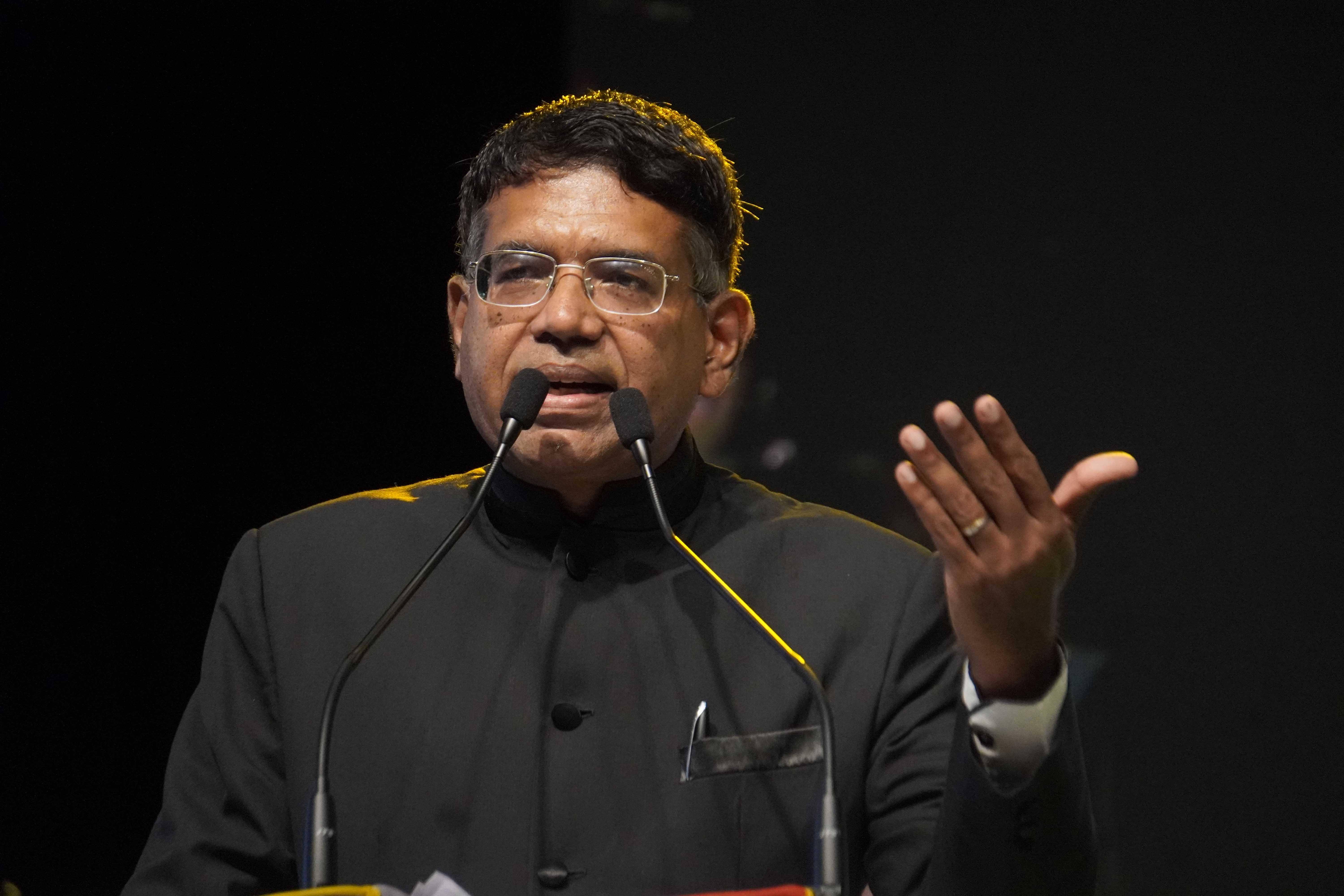
“The reality is exactly the opposite. AI can provide answers, but Abacus training develops the mind that asks the right questions. AI gives information; Abacus builds brain power,” he said.
He explained that Abacus training strengthens concentration, memory, visualisation, analytical thinking and processing speed—fundamental human abilities that technology cannot replace.
“As AI becomes smarter, Mathematics becomes more important than ever. Artificial Intelligence can automate calculations, but it cannot replace reasoning, judgement, creativity or critical thinking. These are the skills children will need to succeed in the future,” he added.
Echoing the same view, Pannuru Prabhakar said, “AI makes calculations easier; Abacus makes thinking stronger. The objective of Abacus education is not merely faster arithmetic but training the brain to focus, process information rapidly and think systematically.”
He observed that in an AI-driven world, children require strong logical reasoning and mental discipline to evaluate information critically and determine whether an answer truly makes sense.
Highlighting the growing challenge of digital distractions, Dinesh Victor said today’s children are growing up surrounded by screens, instant answers and shrinking attention spans.
“Abacus training provides a powerful cognitive workout that enhances concentration, memory retention, visualisation, confidence, numerical ability and overall academic performance,” he said.
Drawing a powerful analogy, he remarked, “AI is like a high-speed vehicle. Abacus helps build a better driver. A powerful machine is useful only when guided by a well-trained mind. In the age of AI, the ability to think will be more valuable than the ability to calculate.”
Concluding his address, he said, “AI may replace manual calculations, but it cannot replace a well-trained mind. That is why Abacus remains relevant—and perhaps more important than ever—in the age of Artificial Intelligence.”
One of the championship’s most anticipated attractions was the Concentration Round, conducted immediately after the main competition.
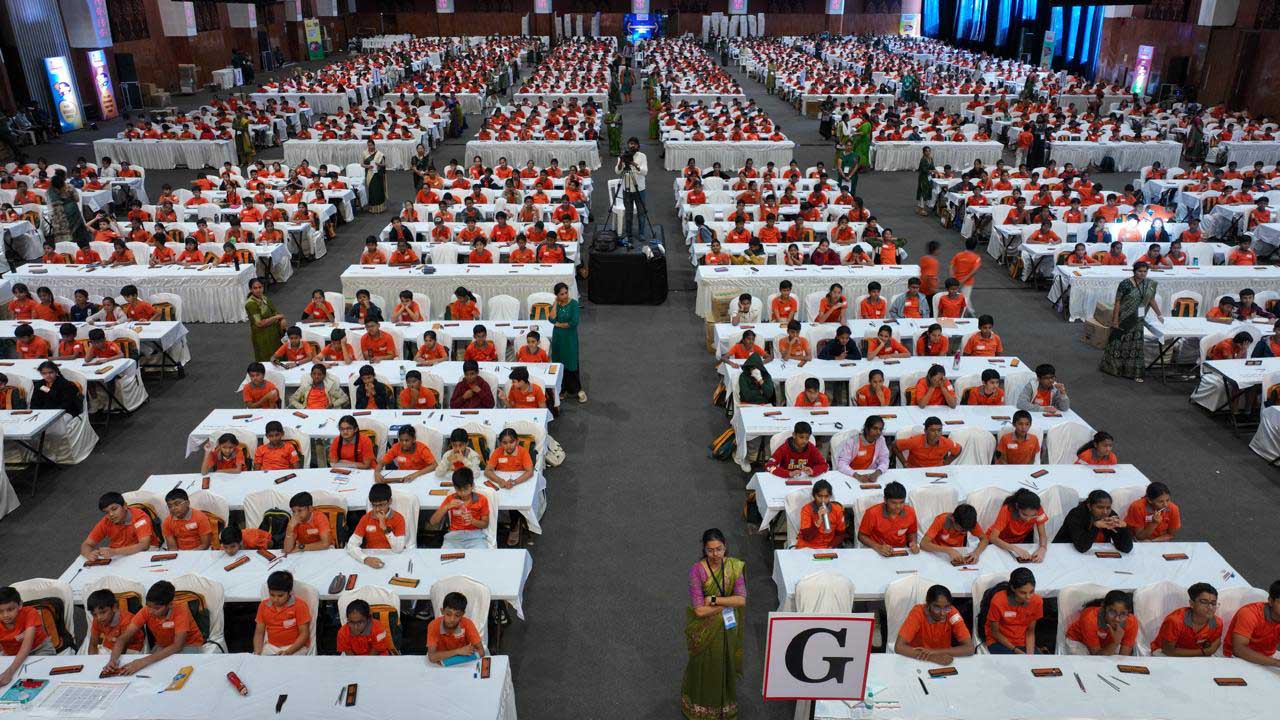
Unlike conventional examinations that demand complete silence, this innovative challenge required children to solve complex mental arithmetic problems while loud music played in the background. Participants sang, danced, moved around and continued solving calculations with remarkable speed and accuracy.
The exercise tested the children’s ability to maintain focus and concentration despite continuous distractions—a cognitive skill that is becoming increasingly valuable in today’s fast-paced, technology-driven world.
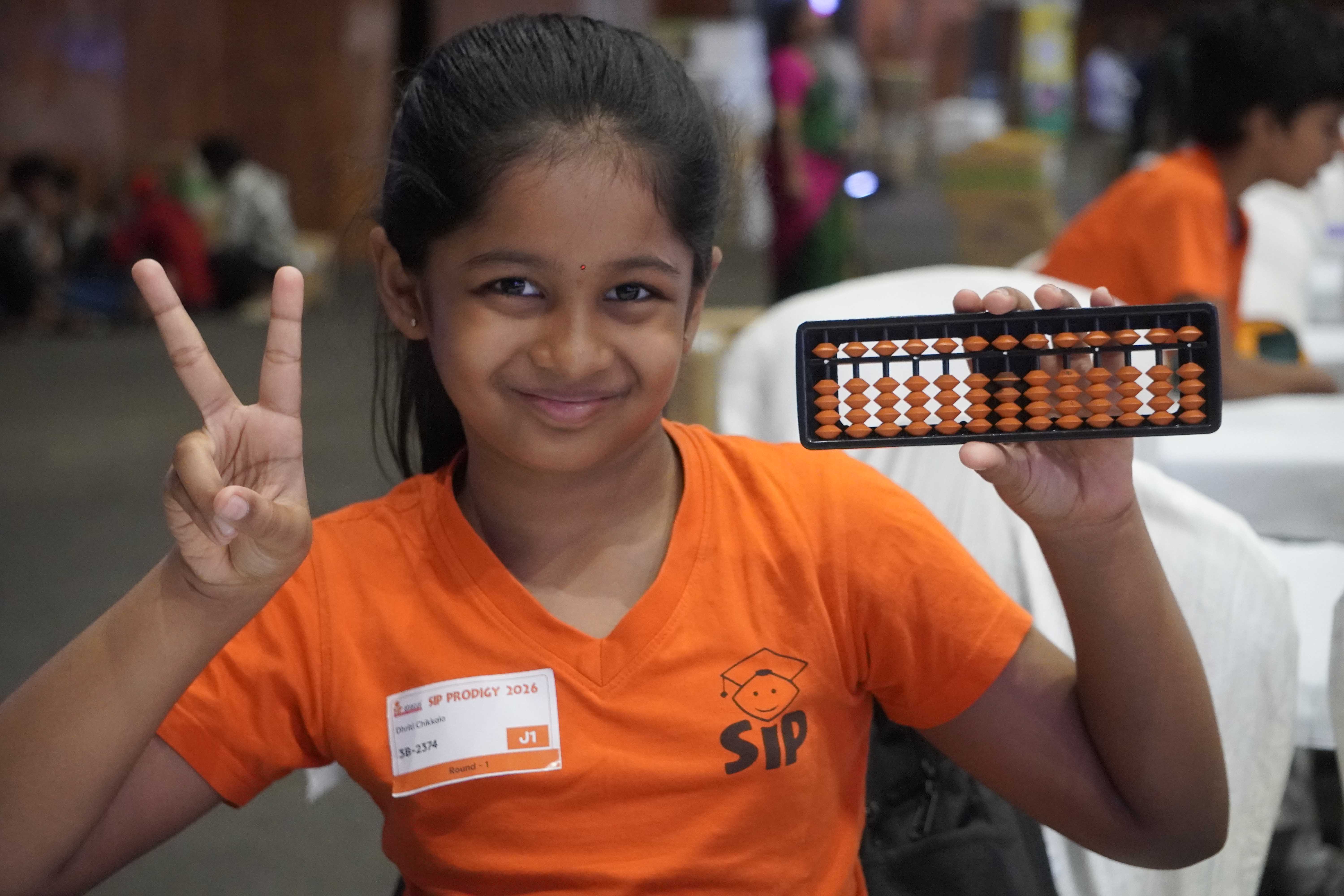
The Regional Prodigy Championship is SIP Abacus’s flagship annual competition, providing young learners with a platform to demonstrate the concentration, memory, speed, accuracy and analytical abilities developed through years of Abacus and Mental Mathematics training.
The record participation at this year’s championship reflects the growing recognition among parents and educators that while Artificial Intelligence can perform calculations, developing strong thinking skills, logical reasoning and mental discipline remains essential for children’s future success.
- 0
- By Neel Achary

11, Jul 2026
Debt Syndication: Bridging India’s MSME Credit Gap
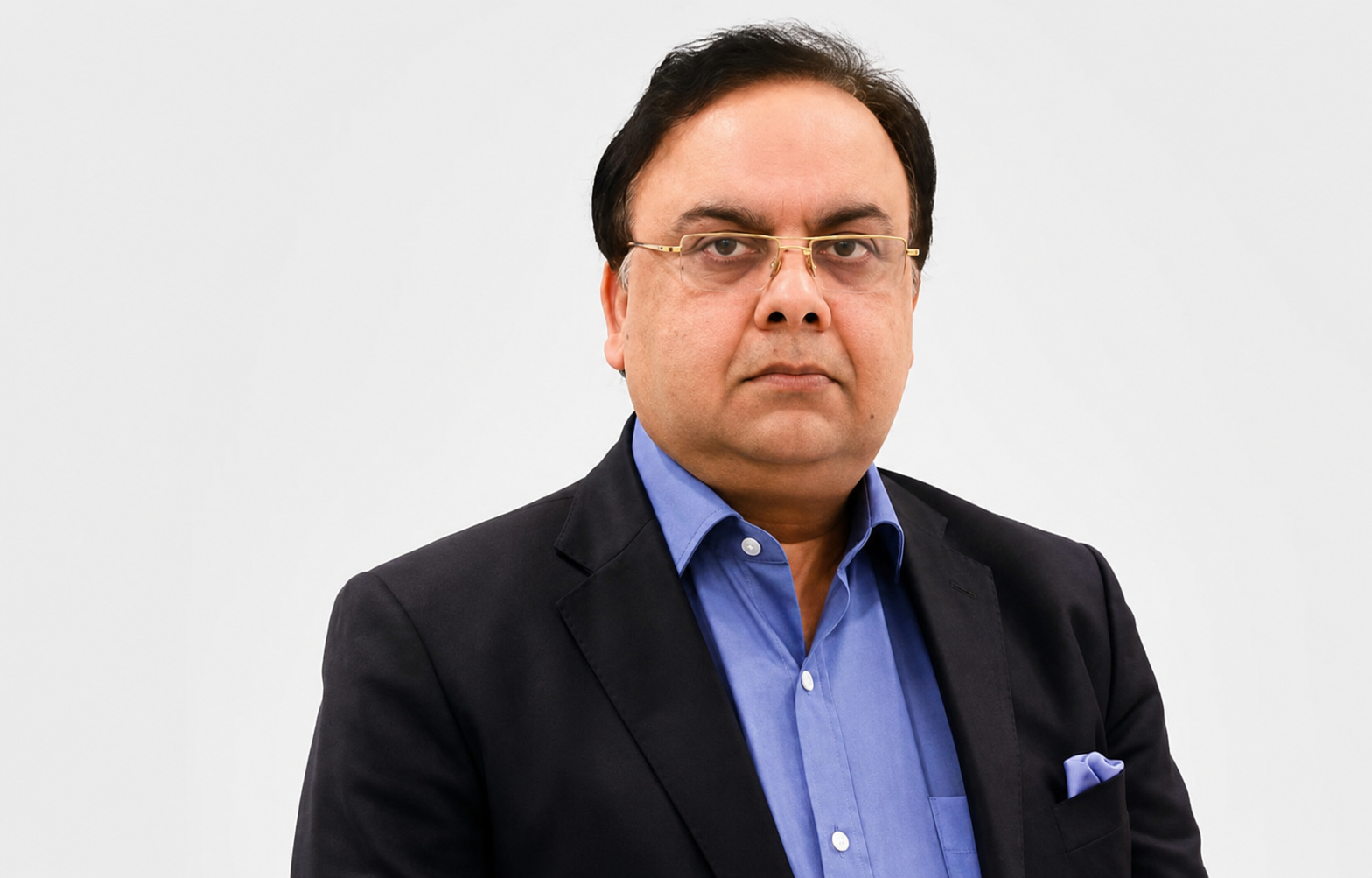
-Mr. Narinder Wadhwa, MD & CEO, SKI Capital Services Ltd.
With India’s growth increasingly driven by its MSME and mid-corporate ecosystem, access to timely and structured capital has become a critical enabler of scale.
With both private and public equity markets becoming more selective and valuation-sensitive, mobilising capital through debt markets is emerging as a highly relevant and practical funding option for growing businesses. Over the past few years, equity investors—both public market participants and private equity funds—have become more cautious due to global interest rate cycles, tighter liquidity and higher scrutiny on profitability and governance. In such an environment, structured debt solutions such as debt syndication are gaining prominence as a reliable pathway for companies to raise growth capital without diluting ownership. This makes the discussion around debt syndication particularly timely and relevant.
The opportunity becomes even clearer when viewed through the lens of India’s MSME ecosystem. India has more than C.3 crore MSMEs, which contribute nearly 30% to the country’s GDP, about 45% of manufacturing output and close to 40–4C% of exports, while also employing over 11 crore people. Despite their importance, access to formal credit remains severely constrained. Estimates from the RBI and IFC suggest that India’s MSME sector faces a credit gap of roughly $330 billion (around ₹27–30 lakh crore), reflecting the mismatch between financing demand and the availability of structured lending. In fact, only a small proportion of MSMEs are able to access formal institutional finance, leaving a large segment dependent on informal sources or suboptimal borrowing structures.
At the same time, the broader credit ecosystem in India is expanding rapidly. Bank credit to businesses and MSMEs has been rising steadily, with total MSME credit alone crossing around ₹40–45 lakh crore in recent years, indicating both strong demand and growing institutional participation. Parallelly, alternative credit channels such as private credit funds and AIFs are also expanding. India’s private credit market deployed about $12.4 billion across 1CC transactions in 2025, representing roughly 35% year-on-year growth, signalling a rapidly deepening ecosystem of non-bank capital providers. This growing pool of capital—from banks, NBFCs, AIFs and private credit funds—creates a powerful opportunity for structured financing solutions.
This is precisely where debt syndication becomes a strategic bridge between capital providers and businesses seeking growth financing. Instead of relying on a single lender, companies can raise larger funding pools through a consortium of lenders, allowing for better risk distribution, competitive pricing and repayment structures aligned with cash flows. For MSMEs and mid-sized corporates that are expanding capacity, entering new markets or funding capex, syndication provides access to institutional capital that may otherwise remain fragmented across the financial system.
As India aims to become a $5 trillion economy and eventually a developed economy by 2047, the ability to efficiently channel credit to productive enterprises will be critical. Structured debt markets and syndication platforms will play an increasingly important role in bridging the massive financing gap in the MSME sector. In that sense, the theme of debt syndication is not only relevant but also represents one of the most significant opportunities in India’s evolving credit landscape.
11, Jul 2026
India Sees Strong Bank Deposit Growth, Reflecting Positive Economic Sentiment
Mumbai, July 11: Rising bank deposits in India indicate stronger capital flows, improved savings, and growing confidence in the country’s economic outlook.
The increase in deposits is expected to strengthen banking sector liquidity and support credit growth during the first quarter. Experts believe the trend reflects positive sentiment among households and businesses.
Higher deposit mobilisation will provide banks with greater capacity to support lending and contribute to overall economic growth.
The banking sector is expected to maintain steady momentum, supported by stable financial conditions, rising credit demand, and improving investment activity.
11, Jul 2026
Centre Issues Guidelines for National Anthem, Song
New Delhi, July 11: The Central Government has issued fresh guidelines on the correct script, pronunciation, and rendition of the National Anthem and National Song to ensure uniformity during official and public events.
The guidelines stress maintaining the original words, proper pronunciation, and approved format while singing or reciting national symbols.
The move aims to create greater awareness and ensure respectful presentation of the National Anthem and National Song across schools, government offices, and public institutions.
Authorities have advised all organisations to follow the prescribed guidelines and avoid any changes or incorrect usage during programmes.
11, Jul 2026
New JMU Research Challenges Sleep Training Norms
July 11: New research by Jennie Rosier, associate professor in the School of Communication Studies at James Madison University, is challenging one of the most widely accepted parenting practices in the U.S.: cry-it-out sleep training.
In “Dispelling Cry-It-Out Sleep Training Myths and What to Do Instead,” Rosier and a team of interdisciplinary scholars argue that infant night waking is not a behavioral problem to fix, but a normal and developmentally expected part of infancy. Drawing from psychology, neuroscience, anthropology, and attachment research, the book questions whether popular sleep-training methods widely promoted by pediatricians, media and parenting influencers are as effective or benign as commonly believed.
The book takes a critical look at both extinction (“cry-it-out”) and controlled crying methods, highlighting:
- Evidence that infant night waking is biologically typical
- Concerns about how reduced caregiver responsiveness may affect stress regulation and attachment
- Methodological flaws in studies claiming sleep training success
- Practical, evidence-based alternatives that support sleep without leaving infants to cry alone
At a time when exhausted parents are often told independent sleep is essential, Rosier’s work reframes the conversation: What if the issue isn’t babies’ sleep but our expectations?
Why this matters now:
- Sleep training remains one of the most searched parenting topics online
- A growing cultural shift toward responsive parenting and attachment-based approaches
- Rising mental health concerns among new parents navigating conflicting advice
Rosier can discuss:
- Why sleep training became “authoritative” advice in Western culture
- What research says about infant sleep development
- Whether babies are capable of “self-soothing”
- Realistic sleep expectations for the first year
- Evidence-based alternatives to cry-it-out methods
“Parents have been told for decades that infants need to be trained to sleep independently, and that their nighttime waking is a problem to fix. But the evidence tells a different story. Waking at night is a normal, biologically expected part of infancy, not a behavioral flaw,” said Rosier.
“This new research challenges parents and practitioners to reconsider long-held assumptions about ‘cry-it-out’ methods and to recognize that responsiveness, not withdrawal, supports healthy development,” added Rosier.
11, Jul 2026
Government Focuses on Policy Reforms to Boost Electronics Exports
New Delhi, July 11: The Commerce Secretary has stressed the importance of a predictable and stable policy environment to help India achieve its ambitious target of $150 billion in electronics exports.
Addressing industry stakeholders, the Secretary highlighted the need to strengthen domestic manufacturing, enhance supply chain capabilities, and improve India’s competitiveness in the global electronics market.
The government emphasized that consistent policies, greater industry collaboration, and increased investment in technology and innovation will be crucial for expanding electronics production and exports.
The discussions also focused on improving ease of doing business, supporting manufacturers, encouraging research and development, and integrating Indian companies into global value chains.
India’s electronics sector has witnessed significant growth in recent years, supported by rising demand, manufacturing initiatives, and increased investment. A strong policy framework will further help the sector attract investments, create employment opportunities, and enhance India’s position as a global electronics manufacturing hub.
The Commerce Ministry reaffirmed its commitment to working with industry stakeholders to build a competitive and sustainable electronics ecosystem and achieve long-term export growth.
11, Jul 2026
Colours of India 2026 by Swaranjali Delhi to Celebrate India’s Cultural Diversity in Sri Vijaya Puram
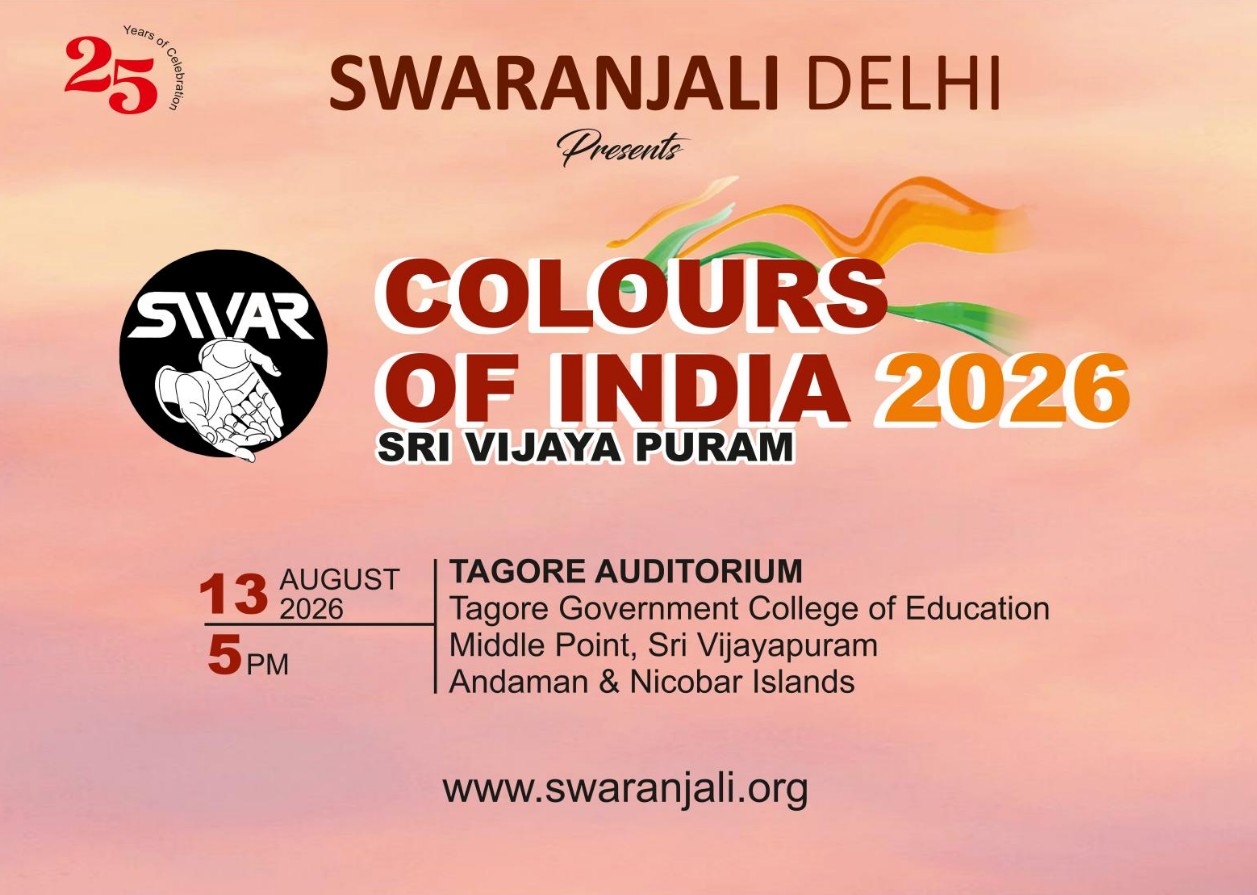
July 11: Swaranjali Delhi is proud to announce “Colours of India 2026”, a grand cultural extravaganza showcasing the vibrant diversity of Indian classical music, dance, and folk traditions. The event will be held on 13 August 2026 at 5:00 PM at the Tagore Government College of Education Hall , Middle Point, M G Road, Sri Vijaya Puram, Andaman & Nicobar Islands,
The festival aims to bring together artists from different parts of India, creating a platform that celebrates the country’s rich artistic legacy while fostering cultural unity and harmony.
The evening will commence with an energetic group dance presentation by Vikash Dance Akademi, Port Blair, followed by a distinguished Classical Vocal Recital by Pt. Bhutnath De of Jharkhand, accompanied on tabla by Pt. Susamoy Mishra. Audiences will also witness a captivating Solo Sitar Recital by Vidwan Subrata De, accompanied by Pt. Susamoy Mishra.
The program will further feature performances by Daksh Akademi, Port Blair, an elegant A major highlight of the evening will be the concluding performances by Hakimpara Nritya Malancha, Siliguri, under the guidance of Guru Vidushi Sangita Chaki. The group will present a series of classical and devotional performances including Ganapati Shlokam, Saraswati Shlokam, Durga Kirtanam, Shiva Kirtanam, and Kathak recitals by talented young artistes.
The grand finale, themed “Colours of India,” will take the audience on a cultural journey across the nation through vibrant folk dance traditions representing Bengal, Assam (Bihu), Nepal, Odisha (Sambalpuri), Tripura, Rajasthan, Maharashtra, Kashmir, Gujarat, and Punjab. The evening will culminate with a stirring rendition of Vande Mataram by the Hakimpara Nritya Malancha ensemble.
Anchor: Smt Rashida Iqbal

“Colours of India 2026” seeks to celebrate India’s cultural plurality and strengthen bonds of peace, unity, and mutual appreciation through the universal language of art and music. The organizers extend a warm invitation to art enthusiasts, cultural patrons, tourists, students, and residents of the Andaman & Nicobar Islands to be a part of this memorable celebration.
Acknowledgements: The organizers gratefully acknowledge the support of Chairperson -Municipal Council- PortBlair, Tagore Government College of Education- Sri Vijaya Puram, Shri Ayush Raj & Team, Shri Ajesh Aggarwal & Smt. Sunita Aggarwal ,Smt. Princy ,Shri L. Rajendra , Mr. & Mrs. Ratna Wagh (ABSS Pune), Shri Mridul Nath (RMS Audio Hyderabad), Smt. Ruma Mishra- Dhwani Foundation (Delhi), Shri Debraj & Smt. Mary Das (Jamshedpur), Shri Sanjit Debnath (Maa Tara- Port Blair), Mr. Amit Mishra -RepairnFix (Faridabad) & Locally- Daksh Dance Akademi, Vikash Akademi, Muktadhara- Sri Vijaya Puram.
Media Partner: Shreyas Webmedia Solutions, Bhubaneswar
The Details Program Schedule–
Opening Group Dance – Vikash Dance Akademi, Port Blair
Classical Vocal Recital – Pt. Bhutnath De (Jharkhand), accompanied by Pt. Susamoy Mishra on Tabla
Solo Sitar Recital – Vidwan Subrata De (Delhi), accompanied by Pt. Susamoy Mishra on Tabla
Group Dance Presentation – Daksh Akademi, Port Blair
Bharatanatyam Recital – Ms. Rajasi Wagh, Pune
Vocal Recital – Mrs. Vineet Talukdar, Port Blair
Hakimpara NrityaMalancha, Siliguri- The troupe will present a series of classical and devotional performances:
Ganapati Shlokam – Hrishita Das, Doli Mahanta, Kasturi Das Barman, Prakriti Thapa & Shrestha Sarkar
Solo Bharatnatyam – Smt. Rimpi Saha Banik
Kathak Solo – Avipsha Adhikari
Saraswati Shlokam – Doli Mahanta
Durga Kirtanam – Shrestha Sarkar
Shiva Kirtanam – Kasturi Das Barman
Avata Shyam – Prakriti Thapa
Shiva Kirtanam – Hrishita Das
Kathak Presentation – Guru Vidushi Sangita Chaki
Grand Finale: Colours of India- A vibrant celebration of India’s diverse folk traditions featuring:-
Bangla Folk Dance – Doli Mahanta, Shrestha Sarkar & Avipsha Adhikari
Bihu (Assam) – Sharmistha Das, Moupia Adhikari & Priti Karmakar
Nepali Folk Dance – Prakriti Thapa
Sambalpuri Folk Dance (Odisha) – Hrishita Das & Kasturi Das Barman
Tripura Folk Dance – Avipsha Adhikari
Rajasthani Folk Dance – Shrestha Sarkar & Prakriti Thapa
Marathi Folk Dance – Kasturi Das Barman, Hrishita Das & Doli Mahanta
Kashmiri Folk Dance – Avipsha Adhikari
Gujarati Folk Dance – Sharmistha Das, Moupia Adhikari, Keya Das Barman & Priti Karmakar
Punjabi Folk Dance – Hrishita Das, Kasturi Das Barman, Doli Mahanta & Shrestha Sarkar
Vande Mataram – Grand Finale Presentation by Hakimpara NrityaMalancha, Siliguri. This concluding segment promises to showcase the rich cultural tapestry of India through music, movement, and tradition.
Anchor- Smt Rashida Iqbal
RSVP
9910300319 | 9933211868 | 9818300319 | 7695021548
Website: www.swaranjali.org | www.nrityamalancha.com
11, Jul 2026
Rajasthan Records Highest Female Presence in Higher Education
Jaipur, July 11: Rajasthan has recorded the highest female participation rate in colleges while overall college admissions in the state have declined for the second consecutive year, reflecting a significant trend in women’s access to higher education.
The latest data highlights the growing presence of female students in higher education institutions across Rajasthan, with women accounting for a substantial share of college enrollments. The increase in female participation indicates improved awareness, accessibility, and opportunities for women pursuing higher studies.
However, the state has witnessed a decline in overall student admissions for the second year in a row, raising concerns among education stakeholders about factors affecting college enrollment. Experts have pointed to changing demographics, economic challenges, and shifting education preferences as possible reasons behind the trend.
Education officials said efforts are being made to encourage more students to pursue higher education through improved infrastructure, scholarship support, skill-based programmes, and greater access to quality institutions.
The rise in female participation is being viewed as a positive development, highlighting the progress made in promoting women’s education and empowerment. Authorities are focusing on addressing challenges linked to declining admissions while ensuring continued growth in higher education opportunities across the state.
11, Jul 2026
SHANTI Act Implementation Takes Centre Stage at NITI Aayog Meet
New Delhi, July 11: NITI Aayog held consultations with key stakeholders to discuss the implementation framework of the SHANTI Act, focusing on three major pillars aimed at strengthening the country’s development and regulatory ecosystem.
The discussions brought together representatives from government departments, industry, experts, and other stakeholders to deliberate on strategies for effective implementation of the Act and ensuring coordinated efforts among all concerned parties.
The stakeholders highlighted the importance of developing a robust framework, enhancing institutional coordination, promoting innovation, and ensuring smooth execution of initiatives under the SHANTI Act.
During the consultations, emphasis was placed on creating an efficient mechanism that supports sustainable growth, improves governance, and encourages greater participation from various sectors.
NITI Aayog underscored the importance of collaborative efforts between policymakers, industry leaders, and experts to achieve the objectives of the Act and translate its vision into actionable outcomes.
The stakeholder engagement is part of NITI Aayog’s efforts to build a comprehensive implementation roadmap and ensure that the benefits of the SHANTI Act reach all relevant sectors effectively.
11, Jul 2026
Piyush Goyal Calls for Stronger Productivity Ecosystem
New Delhi, July 11: Union Minister for Commerce and Industry Piyush Goyal chaired a meeting of the National Productivity Council (NPC) to review initiatives aimed at strengthening India’s productivity ecosystem and enhancing the country’s global competitiveness.
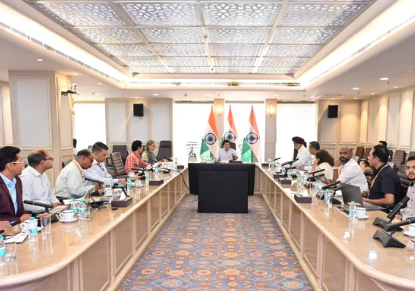
Pic Credit: https://x.com/PiyushGoyal
During the meeting, the Minister emphasized the need to foster a culture of productivity, innovation, and efficiency across industries, services, and government institutions. He called for greater adoption of modern technologies, digital transformation, skill development, and best management practices to improve operational efficiency and drive sustainable economic growth.
The discussions focused on expanding the reach of productivity initiatives, promoting capacity building among industries—particularly Micro, Small and Medium Enterprises (MSMEs)—and encouraging collaboration between government, academia, and industry to enhance productivity standards.
Goyal underscored the importance of productivity as a key driver of economic development, employment generation, and global competitiveness. He urged the National Productivity Council to intensify awareness programmes, training, consultancy services, and research initiatives that help businesses improve quality, reduce costs, and increase efficiency.
The meeting also reviewed the Council’s ongoing programmes and explored strategies to strengthen institutional support for productivity enhancement in line with the government’s vision of building a globally competitive and self-reliant economy.
The National Productivity Council continues to play a pivotal role in promoting productivity-led growth by providing training, consultancy, and capacity-building support across various sectors of the economy.


