


3, Jul 2026
Indian Business Titans Join Global AI Commission
July 3: Prominent Indian industrialists including Sunil Bharti Mittal, Mukesh Ambani, and Lakshmi Mittal are among 44 founding members of the newly launched “AI for Good Global Commission,” aimed at guiding the responsible and inclusive use of artificial intelligence.
The commission brings together global leaders from business, policy, and technology to explore how AI can be used to address major challenges such as healthcare, education, climate change, and economic development.
According to the announcement, the initiative focuses on ensuring that AI development remains safe, ethical, and beneficial to society, while also encouraging innovation and cross-border collaboration.
The participation of leading Indian business figures highlights the country’s growing role in shaping global conversations on emerging technologies and their impact on the future economy.
- 0
- By Neel Achary

3, Jul 2026
India Urged to Strengthen Carbon Markets Amid EU Carbon Tax Pressure
July 3: Indian industry leaders are urging the government to strengthen the country’s carbon markets, as the European Union’s Carbon Border Adjustment Mechanism (CBAM) begins to reshape global trade dynamics.
They warn that the EU’s carbon-linked import tax is pushing exporters to account for emissions more strictly, which could affect the competitiveness of Indian goods in international markets if domestic systems are not strengthened in time.
Experts say a well-functioning carbon trading system in India would help industries manage rising compliance costs while also encouraging cleaner and more efficient production practices.
Sectors such as steel, cement, and chemicals are expected to feel the impact the most, as they are highly emissions-intensive and closely linked to export demand.
Industry representatives are now calling for faster policy action to build a stronger carbon market framework, saying it is essential for protecting trade interests while supporting India’s long-term climate commitments.
3, Jul 2026
Nifty Ends Above 24,270, Posts Weekly Gain on Positive Global Cues
July 3: India’s benchmark equity index, the Nifty, closed above the 24,270 mark at the end of the week’s trading session, registering a gain of around 1% for the week amid positive global market sentiment and sustained investor confidence.
The rally was supported by favourable international cues, improving risk appetite among investors, and buying interest across key sectors. Market participants also tracked global economic developments and expectations surrounding monetary policy, which contributed to the positive momentum.
Analysts noted that strong participation from domestic investors and selective buying in heavyweight stocks helped the benchmark index maintain its upward trajectory despite intermittent market volatility.
The week’s performance reflects continued resilience in the Indian equity market, with investors remaining optimistic about the country’s economic outlook and corporate earnings. Market experts expect global developments, domestic macroeconomic indicators, and quarterly earnings announcements to remain key drivers of market sentiment in the coming weeks.
3, Jul 2026
Odisha, Japan Forge Strategic Partnership for INR 67,000-Crore Green Energy and Industrial Projects
Bhubaneswar, July 3 (UDN): Odisha took a major step towards strengthening its economic partnership with Japan on Thursday by signing a Memorandum of Cooperation (MoC) with IHI Corporation and ACME Group to jointly explore large-scale investments in green energy, advanced manufacturing and industrial infrastructure.
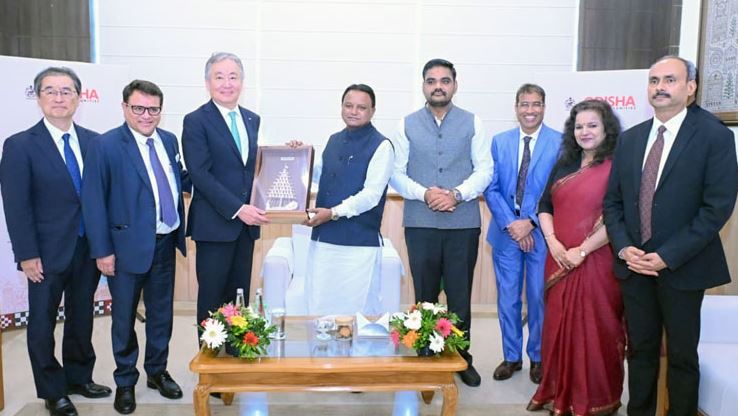
The agreement was signed during an Interaction with Japanese Business Delegates hosted by the Odisha Government, reaffirming the state’s growing reputation as a preferred destination for global investments and clean energy projects.
Under the proposed collaboration, projects worth nearly ₹67,000 crore are planned across Odisha, with the potential to generate around 7,000 direct employment opportunities.
The proposed investments include a 0.4 million tonnes per annum (MTPA) green ammonia project at Gopalpur Tata SEZ, involving an investment of ₹20,000 crore and expected to create nearly 3,400 jobs. The project will also include a jetty-less floating terminal with an additional investment of ₹1,000 crore.
Another major proposal involves setting up a 0.8 MTPA green ammonia plant at Paradip with an estimated investment of ₹34,000 crore, generating employment for around 3,600 people. In addition, a green methanol project with an investment of ₹12,000 crore has also been proposed as part of the collaboration.
The partnership is expected to facilitate technology transfer, accelerate the adoption of clean energy technologies and promote sustainable industrial development in Odisha. It also aims to strengthen the state’s position as a key hub for green hydrogen, green ammonia and advanced manufacturing in eastern India.
The business interaction brought together senior representatives from the Odisha Government, Japanese industries, the Embassy of Japan, the World Bank Group, industry associations and leading industrial enterprises to explore opportunities across sectors such as renewable energy, aerospace, shipbuilding, steel, chemicals, logistics, industrial infrastructure and engineering.
Speaking on the occasion, Chief Minister Mohan Charan Majhi said the collaboration marks another milestone in Odisha’s industrial growth journey and reflects the deepening economic ties between Odisha and Japan. He invited Japanese companies to partner with the state in creating globally competitive industries that promote innovation, technology transfer and quality employment.
Industries Minister Sampad Chandra Swain said Odisha continues to offer a favourable investment climate backed by progressive industrial policies, modern infrastructure and responsive governance. He reiterated the government’s commitment to facilitating timely implementation of investment proposals.
Representatives of IHI Corporation and ACME Group expressed confidence in Odisha’s industrial potential, highlighting the state’s strategic location, abundant natural resources and investor-friendly ecosystem. They said the partnership would combine Japanese technological expertise with Odisha’s industrial strengths to develop globally competitive clean energy projects.
Officials said the initiative is expected to boost ancillary industries, create opportunities for MSMEs and skilled youth, and support India’s transition towards a low-carbon economy while further strengthening the long-standing economic partnership between Odisha and Japan.
3, Jul 2026
Artha Bharat Launches Gift City’s First Artha Bharat FinMet Physical Gold Fund
Gandhinagar , Mumbai, July 3: Artha Bharat Investment Managers IFSC LLP, a fund management entity in India’s premier financial hub, has debuted the Artha Bharat FinMet Physical Gold Fund – the first-ever physical commodity fund – and the first gold fund to be launched from GIFT City. The launch of the fund follows IFSCA’s formal notification of commodity trading as a financial product under the IFSCA Act, effective January 2026. This landmark launch will create a new milestone following the enabling regulatory framework created by the GIFT City regulator.
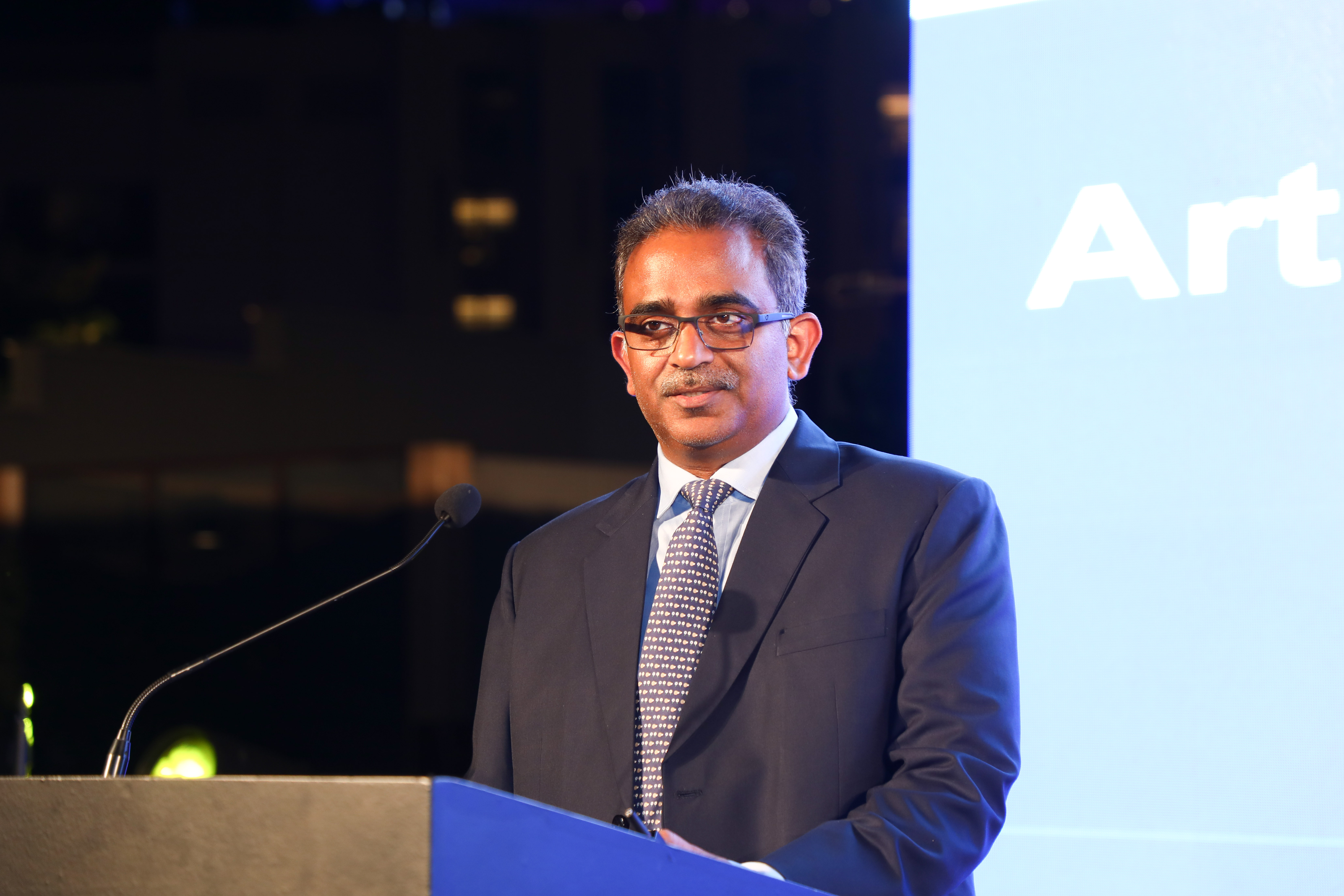
“We are grateful to the International Financial Services Authority for working with the industry to develop a robust regulatory framework that rewards and encourages innovation in product offering that will help establish GIFT City as the preeminent IFSC of the region,” said Sachin Sawrikar, Managing Partner, Artha Bharat Investment Managers IFSC LLP.
Strategic Partnership & Investment Objective
The open-ended, passively managed fund is launched in partnership with Singapore-based precious metals specialist FinMet, who serves as the investment advisor. The scheme is designed to track international spot gold prices with minimal tracking error, allocating at least 95% of its assets to London Bullion Association standard gold bars traded on the GIFT City headquartered India International Bullion Exchange . IIBX is a JV of NSE, NSDL, CDSL, MCX and a BSE subsidiary.
The fund offers weekly subscriptions and redemptions, providing investors with liquidity rarely available in physical commodity-based fund structures. The Artha Bharat FinMet Physical Gold Fund also has a highly competitive total expense ratio of 0.65% per annum.
Unique Redemption & Secure Storage
“Our scheme will invest in physical gold stored in IIDI insured vaults within GIFT City — regulated by IFSCA,” said Sawrikar. GIFT City’s first physical gold backed fund also has another unique USP. “Another first with our scheme is that investors will have an option to receive certified physical gold bars or equivalent cash when they wish to redeem their units in the scheme,” added Sawrikar.
The Case for Gold: Performance and Diversification
With gold currently trading approximately 28% below its January all-time high, Artha Bharat views this as a strategic entry point for medium to long term investors. India has been one of the world’s top two to three consumers of gold globally with conventional wisdom of the Indian housewife urging investments into gold as a store of value and an insurance for a rainy day. Gold has delivered exceptional returns to investors, with a CAGR of 13.7% over the last 10 years, 20.4% over the last 5 years, and an impressive approximately 20% over the last year .
“Gold offers three structural advantages that make it indispensable in any portfolio: near-zero correlation with equities, freedom from counterparty and sanctions risk, and competitive long-run returns,” said Sawrikar.
These three structural advantages are:
- Near Zero Correlation: A 0.02 correlation factor with the S&P 500.
- No Counterparty Risk: The only international reserve asset free from sovereign credit risk or sanctions exposure.
- Competitive Returns: Gold compounded at 12.1% p.a. since 2001, outperforming the S&P 500’s 10.4% total return over the same period.
“Gold stood firm in 2022 when bonds and equities fell simultaneously, challenging the traditional 60/40 framework. Gold is the genuine third leg of a resilient portfolio, not a bond substitute,” states Sawrikar.
Global Expertise and Secure Custody
By utilizing IIDI-insured, IFSCA-regulated vaults, the fund offers “strategic diversification” through segregated storage independent of Western custodian networks.
FinMet brings a wealth of global bullion network access, advising the fund on IIBX trading protocols, LBMA pricing, and central bank activity. The scheme will offer weekly subscriptions and redemptions, providing liquidity alongside institutional-grade security.
Catalysing India’s Gold Trading Ecosystem: The IIBX Imperative
The Artha Bharat FinMet Physical Gold Fund is more than a product launch, it is a deliberate act of ecosystem building. The India International Bullion Exchange (IIBX), launched in July 2022 at GIFT City as India’s first international bullion exchange, has struggled to establish sustained trading volumes. After rising from 411 kg in FY2022–23 to 92 tonnes in FY2024–25, volumes collapsed to barely 600 kg year-to-date in FY2025–26. Critically, the activity that has driven IIBX to date has been almost entirely commercial import-led, by jewelers with no meaningful participation by institutional investment funds holding gold as a financial asset.
The Artha Bharat FinMet Physical Gold Fund will be the first investment fund to hold physical gold on IIBX, introducing a new category of participant and a qualitatively different source of demand: long-term institutional investment flows rather than short-cycle import transactions.
“IIBX was built to be world-class infrastructure for gold trading and storage, regulated, transparent, and LBMA-standard. But infrastructure only realises its potential when it has sustained utilisation. Our fund will be the first institutional investment vehicle to use IIBX and IIDI vaults not for import, but for holding gold as a long-term financial asset. We hope this catalyses other fund managers, family offices, and institutional investors to follow, and in doing so, fulfil the original vision of GIFT City as a global hub for gold finance, not merely a conduit for jewelry imports,” said Sawrikar.
3, Jul 2026
Housing Affordability Holds Firm Across Most Major Indian Cities: Report
July 3: Housing affordability remained largely unchanged across six of India’s eight major cities, indicating continued resilience in the residential real estate market despite evolving economic conditions, according to a recent industry report.
The report attributes the stable trend to steady income growth, relatively stable home loan rates, and balanced residential property prices in most urban markets. Together, these factors have helped preserve homebuying capacity for prospective buyers.
Although affordability moderated in two cities due to rising property prices and financing costs, the overall outlook for the housing sector remains positive. Demand continues to be driven primarily by end-users, supported by improving consumer sentiment and sustained interest in home ownership.
According to the report, stable affordability is expected to support continued growth in the residential real estate sector, with developers focusing on demand across both mid-income and premium housing segments.
3, Jul 2026
RBI Initiative Drives Growth in NRI Deposits
July 3: Banks across India have reported an increase in Non-Resident Indian (NRI) deposits following the implementation of the Reserve Bank of India’s (RBI) new deposit scheme, reflecting growing confidence among overseas Indians in the country’s banking system.
The uptick in deposits is attributed to the RBI’s measures aimed at making NRI deposit products more attractive and improving the flow of foreign currency into the domestic financial system. The initiative is expected to strengthen banks’ foreign currency resources while supporting overall liquidity.
Banking industry officials noted that the enhanced deposit inflows underscore the effectiveness of the RBI’s policy measures in encouraging greater participation from the Indian diaspora. The additional funds are expected to help banks diversify their funding base and support credit growth across sectors.
The increase in NRI deposits also highlights sustained confidence in India’s economic outlook and financial stability. Industry experts believe that continued policy support and favourable market conditions could further boost overseas deposits in the coming months.
3, Jul 2026
Quick Commerce Emerges as a Structural Shift in Urban Retail: Report
July 3: Quick commerce has transitioned from being a convenience-focused service to a permanent structural shift in India’s urban retail landscape, reshaping consumer purchasing behaviour and retail business models, according to a recent industry report.
The report states that rapid delivery platforms are now becoming an integral part of everyday shopping, with consumers increasingly using them to purchase groceries, household essentials, personal care products, electronics, and other daily-use items.
The growth of the sector is being driven by changing consumer preferences, expanding delivery networks, improved last-mile logistics, and a wider range of products available through quick commerce platforms. At the same time, retailers and consumer brands are strengthening their presence in the segment as it emerges as a key sales and customer engagement channel.
According to the report, the continued expansion of quick commerce is expected to accelerate the digital transformation of India’s retail sector, prompting businesses to adapt their supply chains, inventory management, and fulfilment strategies to meet rising demand for faster deliveries.
3, Jul 2026
Odisha’s Vande Bharat Network Expands, Offering Faster Connectivity Across Key Cities
Bhubaneswar, July 3: Odisha’s rail connectivity has received a major boost with multiple Vande Bharat Express services linking the state with key destinations in eastern and southern India. The semi-high-speed trains have significantly reduced travel time while providing passengers with modern amenities and enhanced travel comfort.

Representational image
The Vande Bharat network now connects major cities including Bhubaneswar, Puri, Brahmapur, Rourkela, Visakhapatnam, Howrah, Tatanagar and Raipur, strengthening inter-state connectivity for business travellers, tourists and daily commuters.
Most of the services operate six days a week, with specific weekly maintenance days depending on the route. Railway authorities have advised passengers to check the train’s operating schedule before booking tickets.
Bhubaneswar–Visakhapatnam Vande Bharat (Train Nos. 20841/20842)
The train departs Bhubaneswar at 5:15 a.m. and reaches Visakhapatnam at 11:00 a.m. On the return journey, it leaves Visakhapatnam at 3:30 p.m. and arrives in Bhubaneswar at 9:30 p.m. The service operates six days a week and remains off on Mondays.
Howrah–Puri Vande Bharat (Train Nos. 22895/22896)
Connecting West Bengal with Odisha, the train departs Howrah at 6:10 a.m. and reaches Puri at 12:35 p.m. The return service leaves Puri at 1:40 p.m., with scheduled halts at Bhubaneswar and Cuttack, before arriving in Howrah at 8:30 p.m. The train does not operate on Thursdays.
Puri–Rourkela Vande Bharat (Train Nos. 20836/20835)
The service starts from Puri at 5:00 a.m., reaches Bhubaneswar at 6:00 a.m., and arrives in Rourkela at 12:45 p.m. On the return trip, it departs Rourkela at 2:10 p.m. and reaches Puri at 9:40 p.m. The train remains off on Tuesdays.
Brahmapur–Tatanagar Vande Bharat (Train No. 20892)
Departing Brahmapur at 5:15 a.m., the train reaches Bhubaneswar at 6:40 a.m. before arriving at Tatanagar at 2:50 p.m. The service operates six days a week, except Tuesdays.
Rourkela–Howrah Vande Bharat (Train No. 20872)
This service leaves Rourkela at 1:35 p.m. and reaches Howrah at 7:50 p.m. It operates six days a week and remains off on Tuesdays.
Raipur–Visakhapatnam Vande Bharat (Train No. 20829)
Running through Titlagarh and Rayagada in Odisha, the train departs Raipur at 5:45 a.m. and reaches Visakhapatnam at 1:50 p.m. The service operates six days a week and does not run on Thursdays.
Equipped with modern features such as automatic doors, comfortable seating, onboard passenger information systems, CCTV surveillance and enhanced safety mechanisms, the Vande Bharat Express trains have emerged as a preferred choice for faster and more convenient travel.
Railway officials have advised passengers to verify train timings, operating days and seat availability before planning their journey, as schedules may be revised periodically due to operational requirements.
3, Jul 2026
SEBI Proposes INR Fee Payment for FPIs, FVCIs to Ease Compliance
July 3: The Securities and Exchange Board of India (SEBI) has proposed allowing Foreign Portfolio Investors (FPIs) and Foreign Venture Capital Investors (FVCIs) to pay registration and renewal fees in Indian rupees (INR), aiming to simplify compliance and reduce transaction complexity for foreign investors.
The move is intended to streamline administrative procedures, eliminate foreign currency payment requirements, and improve ease of doing business in India’s capital markets.
The proposal is currently under consideration and will be implemented after regulatory approvals and stakeholder consultations.


