


1, Jul 2026
Rtn. Vineetha Chinappa Installed as the New President of Rotary Club of Bangalore
Mr. Bhat began by reflecting on the universal human desire to improve lives – our own and those of others. He invoked the concept of creative destruction, not as a cold economic principle, but as a necessary act of renewal for society. “We must destroy old assumptions about money-making,” he urged, “and replace them with value creation.” For him, this was not a capitalist’s creed but a call to reimagine purpose in service.
Drawing parallels between Tata Trust and Rotary, Mr. Bhat offered a compelling comparison. The Tata Trust, he explained, was designed by the visionary Jamshedji Tata to give back to society many times over. Today, 66% of Tata Sons’ shares are owned by the Trust, ensuring that dividends from Tata Group companies flow back into philanthropic initiatives. This structure, he said, was “magical in its design and humbling in its impact.” Rotary, in his view, mirrored this ethos with its disciplined execution, strong governance, and culture of service. Both institutions, he noted, thrive on accountability and the ability to deliver tangible results on the ground.
Yet Mr. Bhat did not shy away from hard truths. He pointed to India’s per capita spend of $228, far below nations like China, Vietnam, Bangladesh, and Malaysia. This gap, he argued, is where Rotary can play a vital role – by channelling resources purposefully and creating lasting impact. He reminded the audience that India has “democratised aspiration,” with millennials demanding purposeful corporate action. Young people, he said, are no longer content with token gestures; they want to see governance, culture, and CSR initiatives that truly matter. Rotary, with its sharp focus and credibility, is well-positioned to meet this challenge.
His appeal was clear: Rotary must embrace creative destruction, shed outdated notions, and sharpen its impact. “Purpose is perpetual,” he declared, “and Rotary has the ability to be purposeful, sharper, and impactful in creating governance structures that endure.”
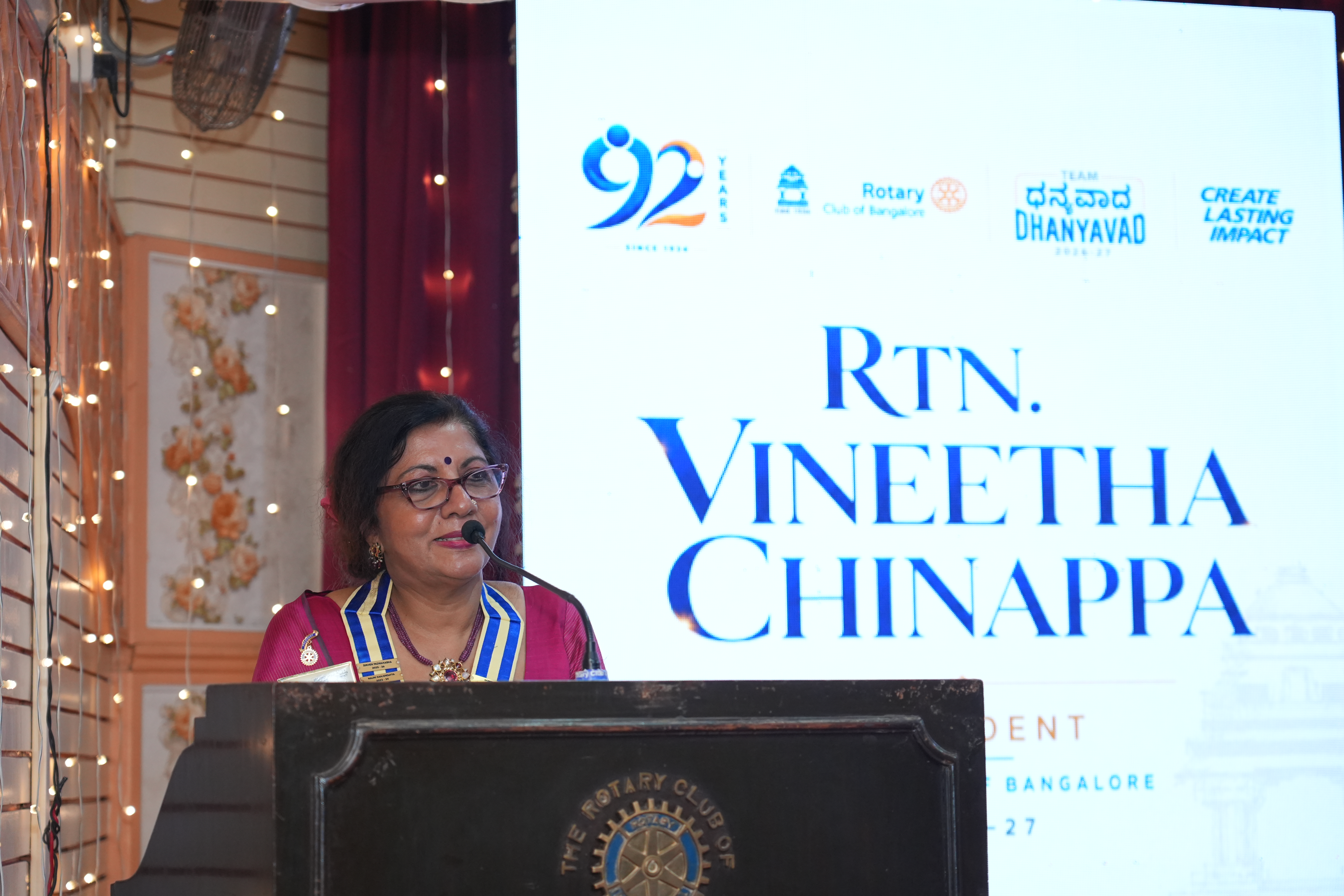
The evening also marked a new chapter for Rotary Bangalore, as Rtn Vineetha Chinappa was installed as the new President alongside the Secretary and a full-fledged Board for the year 2026-27. In her acceptance speech, Vineetha struck a tone of warmth and resolve. “Vision, commitment, and service – Dhanyaavad – gratitude is the essence of Rotary,” she said. For her, gratitude was not about nostalgia but about carrying forward a legacy with responsibility.
Her priorities for the year were clear: environment, lakes, and water conservation. “Restore, conserve, and educate,” she emphasised, “bringing people together for common purpose is the key function of RCB.” She dismissed the idea of chasing numbers, instead pledging to revive long-standing projects with compassion and action. Diversity of causes, she noted, is Rotary’s strength, and she set an ambitious target of Rs 10 crore worth of projects to make the year impactful. Her words carried both humility and determination, promising continuity with innovation.
The installation ceremony was presided over by District Governor Mr. A.K.S. Ravishankar Dakoju, who inducted the new Board for 2026–27. Six new members were also welcomed into the fold, adding fresh energy to the club’s ranks. Immediate Past President Mr. Sukheen Padmanabha and Secretary Kavitha Muthappa signed off their duties with trademark smiles, embodying the spirit of cheerful service that Rotary is known for.
The evening thus became more than a ceremonial transition; it was a dialogue between tradition and transformation. Mr. Bhat’s call for creative destruction resonated with Rotary’s ethos of purposeful service, while Vineetha’s vision for conservation and continuity grounded the club’s mission in practical action. Together, they sketched a roadmap where governance meets gratitude, and where service is not just an act but a philosophy.
As the gathering dispersed, one could sense that Rotary Bangalore stood at a threshold. The new Board carried the weight of legacy and the promise of renewal. With creative destruction as its guiding star and gratitude as its compass, the club seemed poised to sharpen its impact, deepen its purpose, and continue its journey of serving society – many times over.
- 0
- By Neel Achary

1, Jul 2026
Strong Demand Pushes Retail Leasing Up 17.6 pc in Q2
New Delhi, July 1: India’s retail leasing activity reached 2.4 million square feet (MSF) in Q2, registering a 17.6% year-on-year increase, driven by strong demand from retailers despite constrained supply conditions, according to a recent report.
The growth reflects continued expansion in organized retail space, with brands across fashion, food and beverage, electronics, and lifestyle segments actively leasing premium high-street and mall spaces.
The report highlighted that limited availability of quality retail space in key urban markets has led to tighter supply, even as demand from retailers remains strong and diversified across segments.
Industry experts said the sustained leasing activity underscores resilience in consumer demand and growing confidence among retailers in India’s consumption-driven market.
The trend is expected to continue as developers gradually add new retail inventory, while established brands expand their physical presence across major cities.
1, Jul 2026
SHE-LEAPS Initiative Aims to Drive Data-Led Growth and Empower 6 Crore ‘Lakhpati Didis’
New Delhi, July 1: The SHE-LEAPS initiative is being positioned as a key framework to accelerate data-driven development and support the government’s goal of empowering 6 crore ‘Lakhpati Didis’ across the country.
The programme focuses on leveraging data, technology, and digital tools to strengthen women-led entrepreneurship, improve access to financial services, and enhance livelihood opportunities for women in rural and semi-urban areas.
Officials said the initiative aims to integrate women self-help groups and micro-enterprises into a more structured digital ecosystem, enabling better tracking of income growth, credit access, and market linkages.
By promoting data-backed decision-making, SHE-LEAPS is expected to help identify gaps in skill development, expand income-generating opportunities, and improve the scalability of women-led enterprises.
The initiative aligns with broader efforts to promote financial inclusion and strengthen grassroots entrepreneurship, with a focus on enabling sustainable income growth for women across sectors such as agriculture, handicrafts, services, and small-scale manufacturing.
Authorities said the programme will play a significant role in advancing the vision of creating a large base of financially empowered women entrepreneurs, contributing to inclusive and data-driven economic growth.
1, Jul 2026
India’s Data Centre Industry to Grow to Dollar 6.8 Billion by FY30
New Delhi, July 1: India’s data centre industry is projected to grow significantly, reaching an estimated $6.8 billion by FY30, driven by rising digital adoption, cloud computing demand, and expanding data consumption across sectors, according to a recent industry report.
The report highlights that rapid digitalisation, increasing internet penetration, and the growth of data-intensive technologies such as artificial intelligence, fintech, and e-governance are expected to be key growth drivers for the sector.
It also notes that India is emerging as a major data infrastructure hub in the Asia-Pacific region, supported by strong policy backing, improved connectivity, and growing investments from global and domestic players.
Industry experts said the expansion of data centres will play a crucial role in supporting the country’s digital economy, enhancing data security, and enabling scalable cloud infrastructure for enterprises and government services.
The sector’s growth is also expected to generate employment opportunities and attract further investments in allied infrastructure such as power, cooling systems, and network connectivity.
1, Jul 2026
Window Magic Unveils ‘Window Magic Atelier’, Launches Ultra-Luxury Fenestration Range ‘WM AURA’ for Indian Market
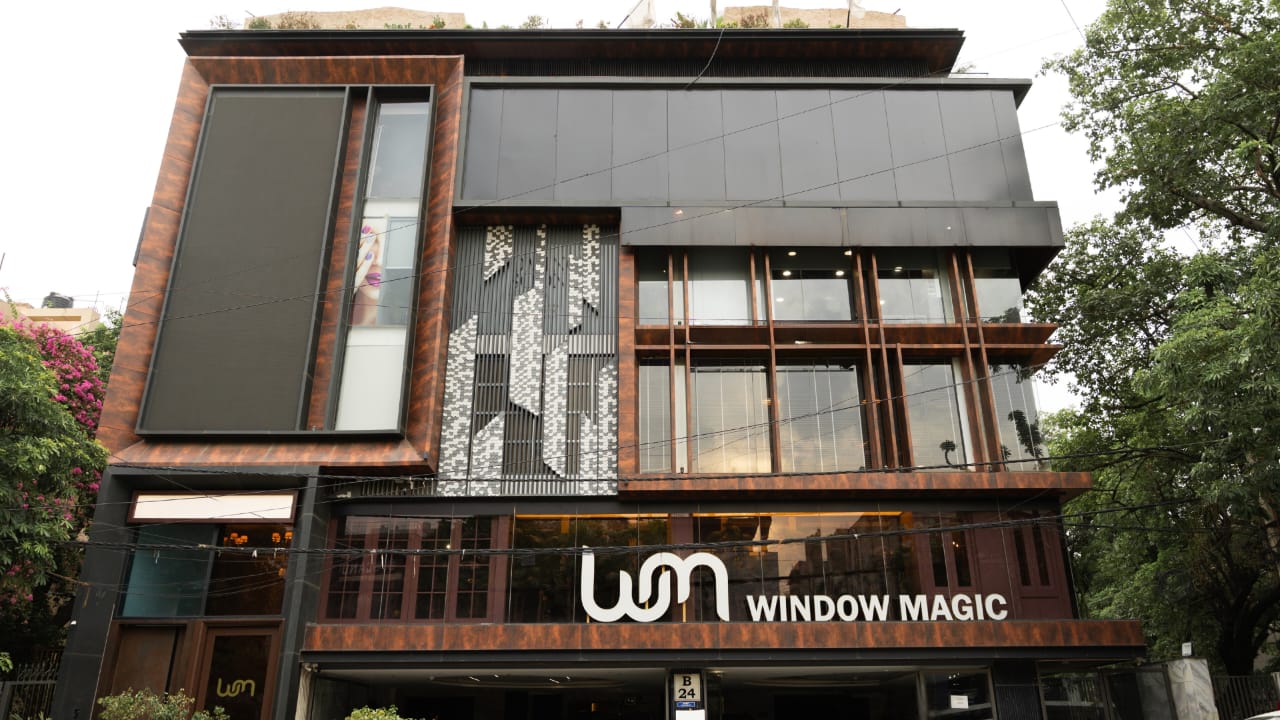
New Delhi, 1st July: Window Magic, one of India’s leading providers of luxury uPVC and aluminium fenestration solutions, today announced the opening of ‘Window Magic Atelier’, India’s first-of-its-kind luxury fenestration experience centre, located at the prime South Delhi location. This also marks the launch of WM AURA, Window Magic’s ultra-luxury fenestration range, developed in strategic collaboration with one of Europe’s most renowned pioneers in advanced aluminium architectural systems.
Envisioned as an immersive destination for architects, developers, interior designers, and discerning homeowners, Window Magic Atelier reimagines how luxury doors, windows, and façade systems are experienced. The centre showcases the brand’s latest innovations, design capabilities, and luxury solutions through curated experiential zones that blend functionality, aesthetics, and architectural excellence.
The launch represents a significant milestone in Window Magic’s growth journey and reinforces its commitment to serving India’s rapidly evolving luxury real estate sector. It also marks a new chapter in the company’s global aspirations through its collaboration with European brand, bringing together Greek engineering expertise and Indian market understanding.
During the launch of Window Magic Experience Centre, Mr. Manish Bansal, Director & CEO, expressed, “We are delighted to unveil Window Magic Atelier, a first-of-its-kind luxury fenestration experience centre in the heart of New Delhi. As consumer aspirations evolve and luxury real estate continues to redefine modern living, there is a growing demand for solutions that seamlessly combine aesthetics, innovation, and performance. Window Magic Atelier has been envisioned as a destination where architects, developers, and homeowners can experience the future of luxury fenestration firsthand. The launch of WM AURA further strengthens our commitment to bringing world-class aluminium systems to India and setting new benchmarks in the luxury segment.”
At the heart of the Atelier is WM AURA, an exclusive aluminium systems portfolio designed for luxury residences, luxury commercial developments, and iconic architectural projects. Engineered with precision and crafted for performance, the range features sleek sliding systems, expansive glass façades, minimalist aesthetics, and superior thermal and acoustic performance, enabling modern spaces to seamlessly integrate light, openness, and sophistication.
1, Jul 2026
Cabinet Clears Major Tunnel Project in Delhi
New Delhi, July 1: The Union Cabinet has approved a major infrastructure project worth ₹6,969.67 crore for the construction of a six-lane tunnel that will connect the Dwarka Expressway with Nelson Mandela Marg in Delhi.
The project is aimed at significantly improving urban connectivity, reducing travel time, and easing traffic congestion in key parts of the National Capital Region. Once completed, the tunnel is expected to provide a seamless high-speed corridor linking major arterial routes in Delhi.
Officials said the project will enhance last-mile connectivity to Dwarka Expressway and strengthen the capital’s road infrastructure network by offering an alternative underground route for high-density traffic movement.
The tunnel is also expected to improve traffic flow on surface roads, reduce congestion at major intersections, and contribute to smoother vehicular movement across southwest Delhi.
The government said the project reflects its continued focus on developing modern, high-capacity infrastructure to meet the growing mobility needs of urban India and support long-term economic activity in the region.
1, Jul 2026
India’s Passenger EV Registrations Surge 90 pc in Q1 FY27
New Delhi, July 1: India’s passenger electric vehicle (EV) registrations recorded a sharp 90% year-on-year increase in Q1 FY27, reflecting accelerating adoption of clean mobility across the country.
The strong growth was driven by rising consumer preference for electric mobility, expanding charging infrastructure, and the introduction of new EV models across segments. Improved affordability and supportive policy measures also contributed to the surge in registrations.
Industry observers said the rapid rise highlights a significant shift in India’s automotive market, with electric vehicles gaining wider acceptance among urban and semi-urban buyers. Fleet operators and ride-hailing services have also contributed to higher demand.
The trend underscores the country’s transition towards sustainable transportation and reduced dependence on fossil fuels, aligning with broader climate and energy goals.
Experts expect EV adoption to continue its upward trajectory in the coming quarters as manufacturers expand offerings and infrastructure strengthens further.
1, Jul 2026
AVer Expands Global Presence with New South Korea Subsidiary to Accelerate Local Market Growth
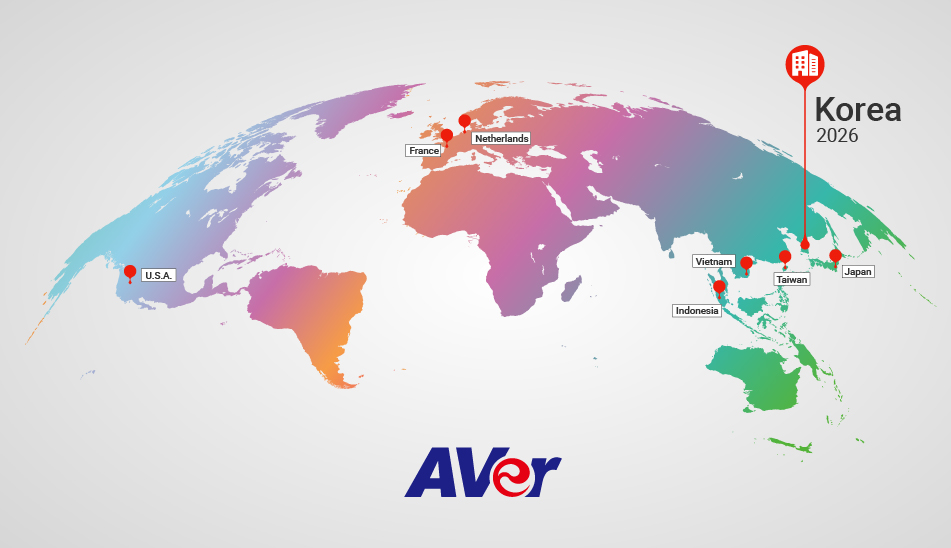
Taipei, Taiwan – July 1: AVer Information Inc., an award-winning provider of AI audio-video solutions, today announced the establishment of a new subsidiary in South Korea. This strategic move marks a key milestone in AVer’s continued expansion across Asia and reinforces its commitment to building a robust global organization that serves customers worldwide. The new subsidiary will act as a local hub to accelerate the adoption of AVer’s professional AV, video conferencing, and medical solutions in the Korean market.
David Kuo, President of AVer Information Inc., said, “Markets today evolve quickly, and organizations must possess both the strength of global resources and the flexibility of a local team. By establishing a dedicated subsidiary in South Korea, we are bringing decision-making closer to our customers, enabling faster response times and more tailored solutions for local demand.”
The establishment of AVer Korea is far more than a simple business expansion; it represents a critical strategic move to enhance the group’s financial performance and overall operational synergy.
lDeepening local partnerships and existing channels: AVer has built a strong foundation with local partners in South Korea over the years. With the establishment of the new subsidiary, AVer will integrate and revitalize its existing distributors and reseller channels, upgrading isolated sales into a comprehensive, locally-rooted service network. At the same time, AVer will be able to work closely with Korean technology supply chains and software ecosystems, enabling deep integration and the development of exclusive, highly localized solutions.
lStrengthening financial performance: By empowering AVer Korea to lead high-margin product lines — such as intelligent collaboration systems, AI Auto Tracking cameras, and medical grade PTZ cameras — AVer can more precisely target markets with strong, non-discretionary demand and optimize channel deployment. This approach is expected to significantly shorten sales cycles and drive more stable revenue growth for AVer. In addition, the South Korean subsidiary will leverage the deep R&D expertise and high-quality, integrated manufacturing capabilities of AVer’s Taiwan headquarters, avoiding duplicated setup costs and further enhancing the group’s overall profitability.
As South Korea continues to invest in enterprise digital transformation and telehealth, the South Korean subsidiary is positioned to deliver timely, precise AI-powered AV solutions that meet evolving industry needs. By combining local agility with global expertise, AVer aims to support organizations in improving communication, collaboration, and care delivery, while driving the company’s next phase of growth.
1, Jul 2026
Sensex, Nifty End Higher on FMCG, Banking Boost
Mumbai, July 1: Indian equity benchmarks ended the trading session in positive territory, supported by strong buying interest in FMCG, banking, and realty stocks, which helped lift overall market sentiment.
The Sensex and Nifty closed higher as investors remained upbeat amid sectoral strength and selective stock-specific momentum. FMCG stocks led the gains, followed by banking and realty counters, which witnessed steady accumulation throughout the session.
Market participants said optimism in domestic demand-driven sectors, along with improved investor sentiment, contributed to the positive close. Broader markets also reflected a stable trend, indicating sustained participation across segments.
Analysts noted that the upward movement was driven largely by sector rotation, with investors focusing on fundamentally strong companies in key consumption and financial sectors.
Overall, the session reflected resilient market sentiment, with benchmark indices managing to end the day on a firm note despite global uncertainties.
1, Jul 2026
Lt Gen Sandeep Jain Assumes Charge as Vice-Chief of the Army Staff
New Delhi, July 1: Lieutenant General Sandeep Jain has assumed charge as the Vice-Chief of the Army Staff, taking over a key leadership position in the Indian Army.
An experienced officer with a long and distinguished service record, Lt Gen Jain has held several important command and staff appointments over the course of his career, contributing to both operational leadership and strategic planning within the force.
As Vice-Chief of the Army Staff, he will assist the Chief of the Army Staff in overseeing critical areas including operational preparedness, force modernisation, training, and overall administrative coordination across the Army.
His appointment comes at a time when the Indian Army continues to focus on enhancing combat readiness, advancing modernisation efforts, and strengthening joint capabilities across the armed forces.
The transition marks an important development in the Army’s senior leadership structure.