


14, Oct 2026
Moldova’s Tech Ecosystem Reaches New Milestone as MITP Surpasses 3,000 Active Resident Companies
CHIȘINĂU, Moldova, Oct 14: Moldova Innovation Technology Park (MITP), Europe’s first nationwide e-Park, has surpassed 3,000 active resident companies, marking a new milestone in the rapid expansion of the Republic of Moldova’s technology sector. The milestone comes as MITP companies continue to record double-digit growth, expand internationally and increase their role in the country’s economy.
MITP started operations in 2018 with 338 resident companies. Eight years later, it brings together more than 3,000 active businesses and over 27,000 employees, while company founders and investors represented in the ecosystem come from more than 50 countries. Approximately 90% of the products and services developed by MITP residents are intended for export, connecting Moldova-based technology companies with customers and markets around the world.
“Reaching 3,000 active residents is much more than a numerical milestone. It reflects a structural change in Moldova’s economy and the role technology now plays in its development. MITP has become one of the country’s main drivers of economic development, combining local entrepreneurship, exports, foreign investment and highly skilled jobs. At the same time, we are increasingly seeing Moldovan companies evolve from outsourcing-led business models towards developing their own products, intellectual property and scalable solutions for international markets,” said Marina Bzovîi, Administrator of Moldova Innovation Technology Park.
“Our role is to make this transition easier. MITP provides a predictable framework in which startups can launch, test and grow their businesses, while an expanding ecosystem of instruments helps companies attract investment, access international markets and bring global talent to Moldova. From the IT Visa and simplified business environment to startup financing and innovation support, we want Moldova to be a place where technology companies can build global businesses and global teams.”
MITP’s latest figures show that this growth is spread across a broad and increasingly diversified business base. In the first half of 2026, residents generated MDL 10.7 billion (Eur 0.5B) in combined sales, 19.1% more than during the same period of 2025. At the end of June, companies with active resident status employed more than 27,150 people (3.3% of country’s workforce).
Local entrepreneurship is at the core of the ecosystem. Eighty-six percent of MITP residents are locally owned companies, while foreign-owned businesses account for 14% of residents and approximately 26% of total sales. The figures illustrate a model in which Moldovan-founded companies provide the scale of the ecosystem while international investors contribute capital, expertise and connections to global technology markets.
The data also challenge the perception that technology-sector growth is concentrated among a handful of large employers. Companies with fewer than 50 employees generated 55% of all MITP resident sales in the first half of 2026, while companies with fewer than 250 employees generated approximately 82%. Around two-thirds of MITP sales were generated outside the Park’s 35 largest companies.
This structure reflects an economy increasingly driven by knowledge, intellectual property and the ability of relatively small teams to serve international markets. It also creates conditions for Moldovan technology companies to progress beyond service-based models and build products with the potential to scale internationally. The growing economic weight of the ecosystem is already visible at national level: MITP residents’ activity accounted for 5.3% of Moldova’s GDP in 2025.
MITP is simultaneously expanding the infrastructure around these companies. Its IT Visa programme provides resident businesses with a simplified framework for bringing foreign executives, investors and highly qualified technology specialists to Moldova, reducing immigration and hiring barriers for companies building international teams.
For early-stage innovation, the newly launched Moldova Innovation Fund, operated by MITP, adds a financing mechanism for technology projects moving from ideas through validation and prototyping towards market-ready products. The Fund has an initial budget of more than EUR 1 million, with four funding rounds planned over 24 months for pre-seed and early-stage projects.
The Park’s core operating model remains a simplified 7% single tax on sales revenue, together with digital-first administration and virtual residency. The stability of the tax regime is guaranteed by the state until the end of 2035, providing technology businesses with a long-term and predictable framework for investment and growth.
MITP resident companies are projected to generate approximately MDL 20 billion (Eur 1B) in combined revenue in 2026, further strengthening the technology sector’s contribution to Moldova’s exports, employment, investment attraction and transition towards a higher-value, knowledge-based economy.
- 0
- By Neel Achary

14, Oct 2026
NIT Rourkela Develops Patented Jackfruit Peel-Based Material to Remove Fluoride from Groundwater
Rourkela, Oct 14 (UDN): Researchers at the National Institute of Technology (NIT) Rourkela have developed a patented water-purification material made from discarded jackfruit peels that removed more than 90 per cent of fluoride from contaminated groundwater during laboratory tests.

The innovation offers a potential sustainable approach to tackling fluoride contamination by turning agricultural waste into a useful resource for water treatment.
The research team converted discarded jackfruit peels into activated carbon and modified the material with zirconium to improve its ability to capture fluoride from water. According to the institute, the material achieved over 90 per cent fluoride removal in approximately 10 minutes under tested laboratory conditions.
The research was carried out by Prof. Susmita Mishra of the Department of Chemical Engineering and Dr. Pratima Minz, a research graduate at the institute. The team has secured a patent for the technology.
Excessive fluoride in drinking water can cause dental and skeletal fluorosis, making effective and affordable treatment particularly important in regions where groundwater contains elevated fluoride levels.
Existing treatment methods, including reverse osmosis and ion exchange, can have limitations such as water wastage, mineral removal and the generation of waste that requires proper management. The newly developed material could offer an alternative, although its practical performance and cost-effectiveness are yet to be established outside laboratory conditions.
Laboratory experiments recorded fluoride-removal efficiencies ranging from more than 90 per cent to 97 per cent within 10–20 minutes, at tested fluoride concentrations of around 1–5 milligrams per litre. Researchers estimated the material’s synthesis cost at approximately Rs 37 per gram, based on electricity and chemicals used in the process.
The technology has reached Technology Readiness Level 4 (TRL 4), meaning it has been validated at the laboratory level. The next stage involves developing a physical prototype and assessing its durability, long-term performance, operating costs and effectiveness under real-world conditions.
If further testing proves successful, the technology could eventually support decentralised water-treatment systems, particularly in rural and semi-urban communities with limited access to reliable purification infrastructure.
By converting an agricultural by-product into a potential water-treatment solution, the NIT Rourkela research could open a new avenue for sustainable groundwater purification. However, field trials and further validation will be essential before the material can be considered ready for wider public use.
14, Oct 2026
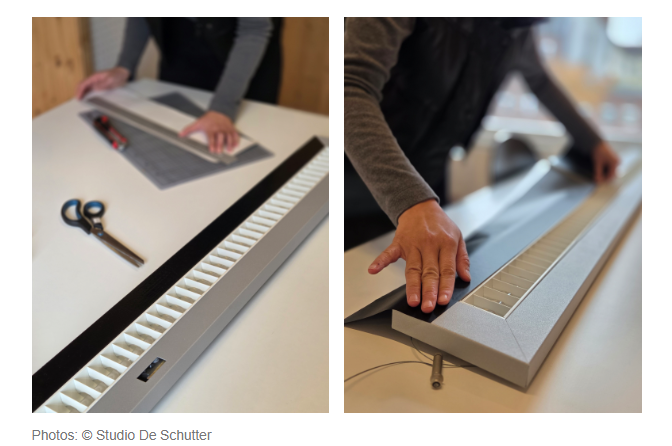
Two Build Back Better GREEN Awards for Studio De Schutter
|



14, Oct 2026
Agomoni Nritya Utsav 2026 Concludes Successfully in Siliguri
A grand celebration of dance, devotion and India’s rich cultural heritage
i
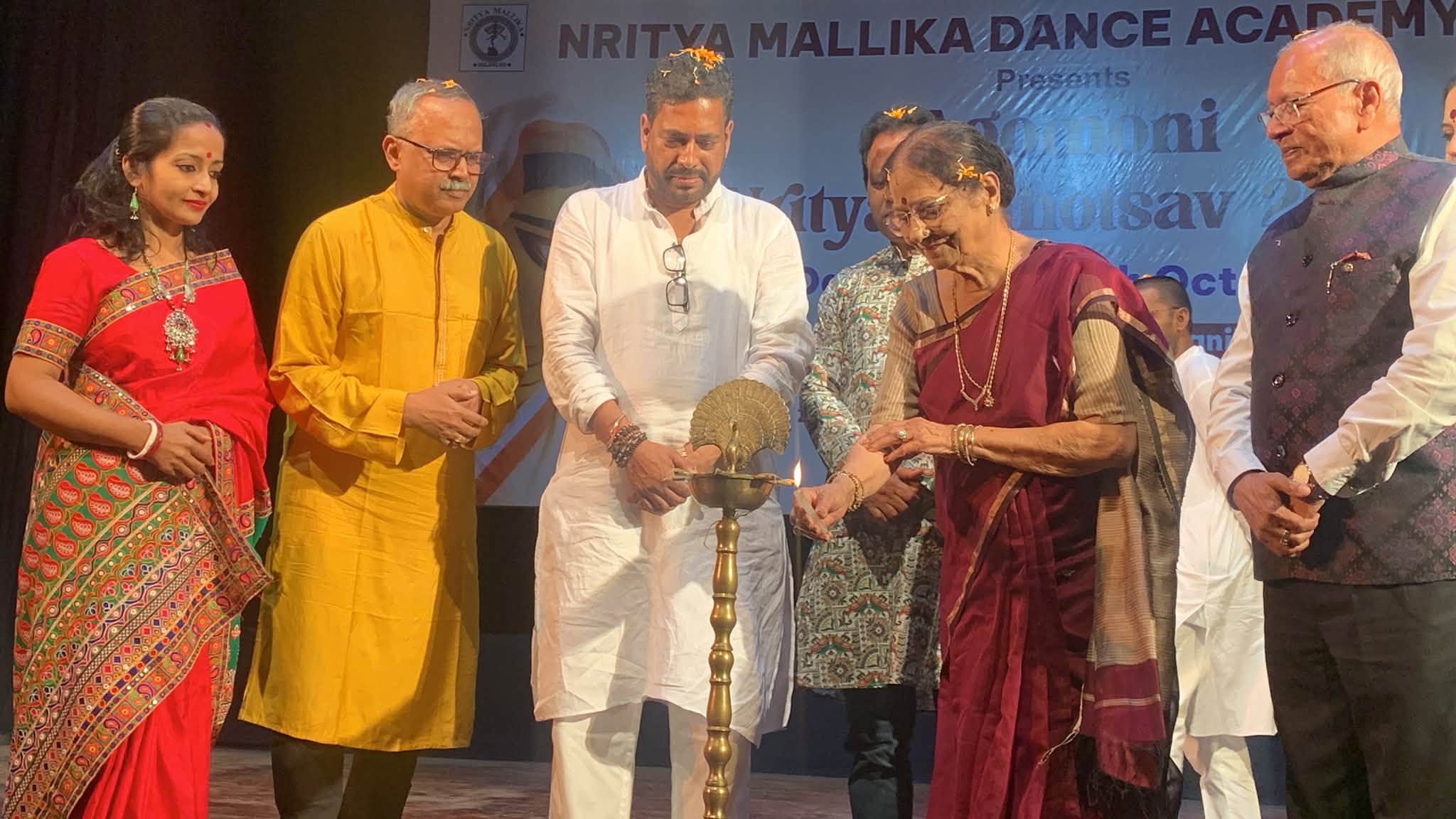
Siliguri, Oct 14: The two-day Agomoni Nritya Utsav 2026, organised by Nritya Mallika Dance Academy, Siliguri, concluded successfully with vibrant performances, enthusiastic participation and a celebration of India’s rich cultural diversity. Dedicated to welcoming Maa Durga, the festival brought together eminent gurus, distinguished guests, established artists and young dancers on a common platform to celebrate the beauty of Indian dance, music and tradition.
The festival commenced on 7 October at Dinabandhu Mancha, Siliguri, in the presence of several distinguished personalities, including renowned dancer and SNA Awardee Guru Dr. Shobha Koser of Chandigarh, Dr. Shankar Ghosh, Hon’ble MLA, Vidushi Dr. Samita Koser, Shri Sajal Koser, Dr. Upendra Sharma and Vidushi Sangita Chaki, along with other eminent personalities from the cultural fraternity.
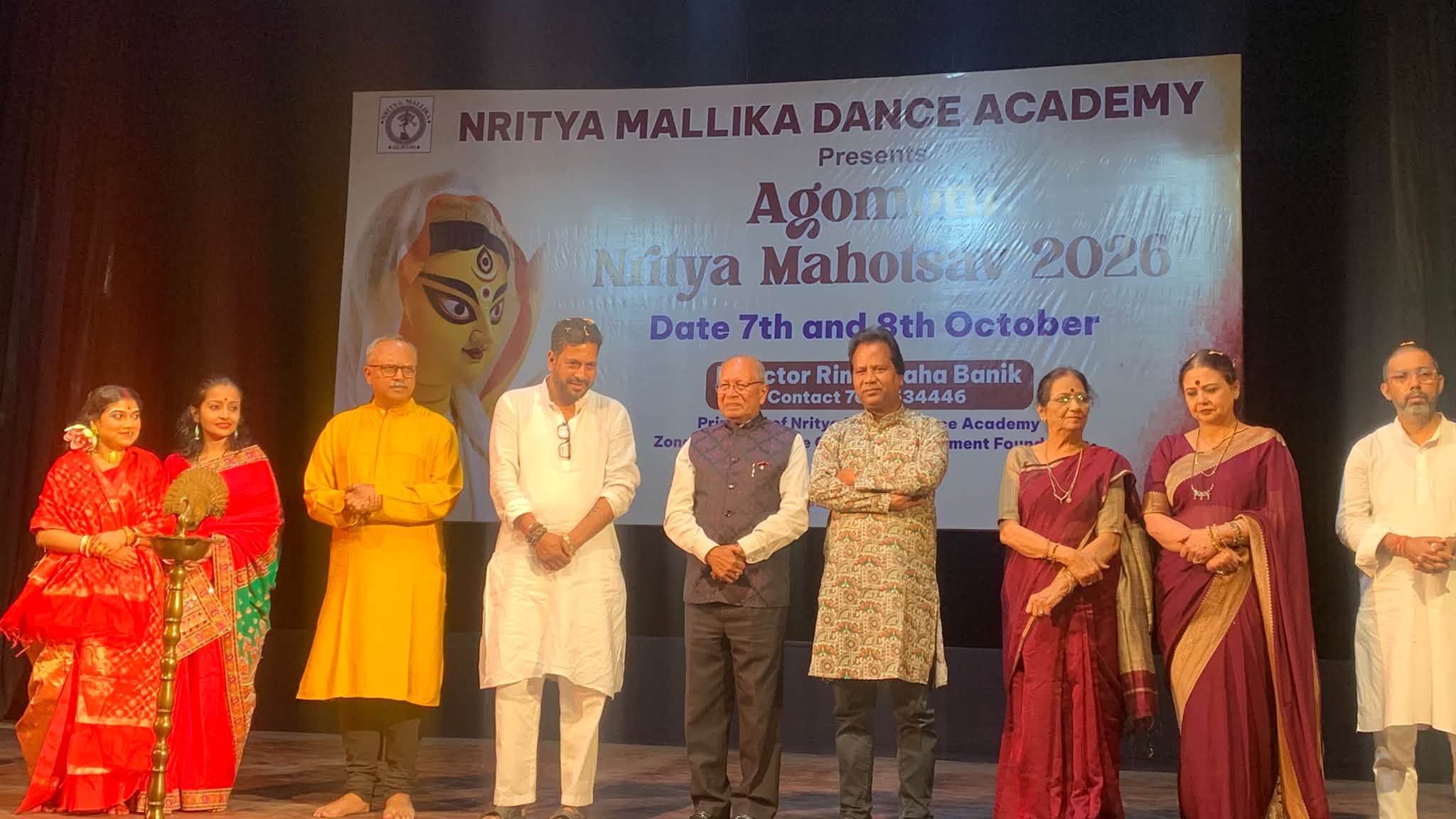
One of the most touching moments of the inaugural programme was the heartfelt welcome and special felicitation accorded to Guruma, Guru Dr. Shobha Koser. The students and artists of Nritya Mallika Dance Academy expressed their profound respect, love and gratitude through this emotional gesture, creating an atmosphere filled with devotion, affection and joy.
Nearly 250 students of Nritya Mallika Dance Academy participated in the first day’s programme, presenting an impressive range of classical dance, Agomoni, Devi Vandana, Mahishasura Mardini and other devotional and thematic performances. The dance-drama Dashadike Durga emerged as a special attraction, receiving an overwhelming response from the audience and beautifully portraying the power, grace and divine presence of Maa Durga.
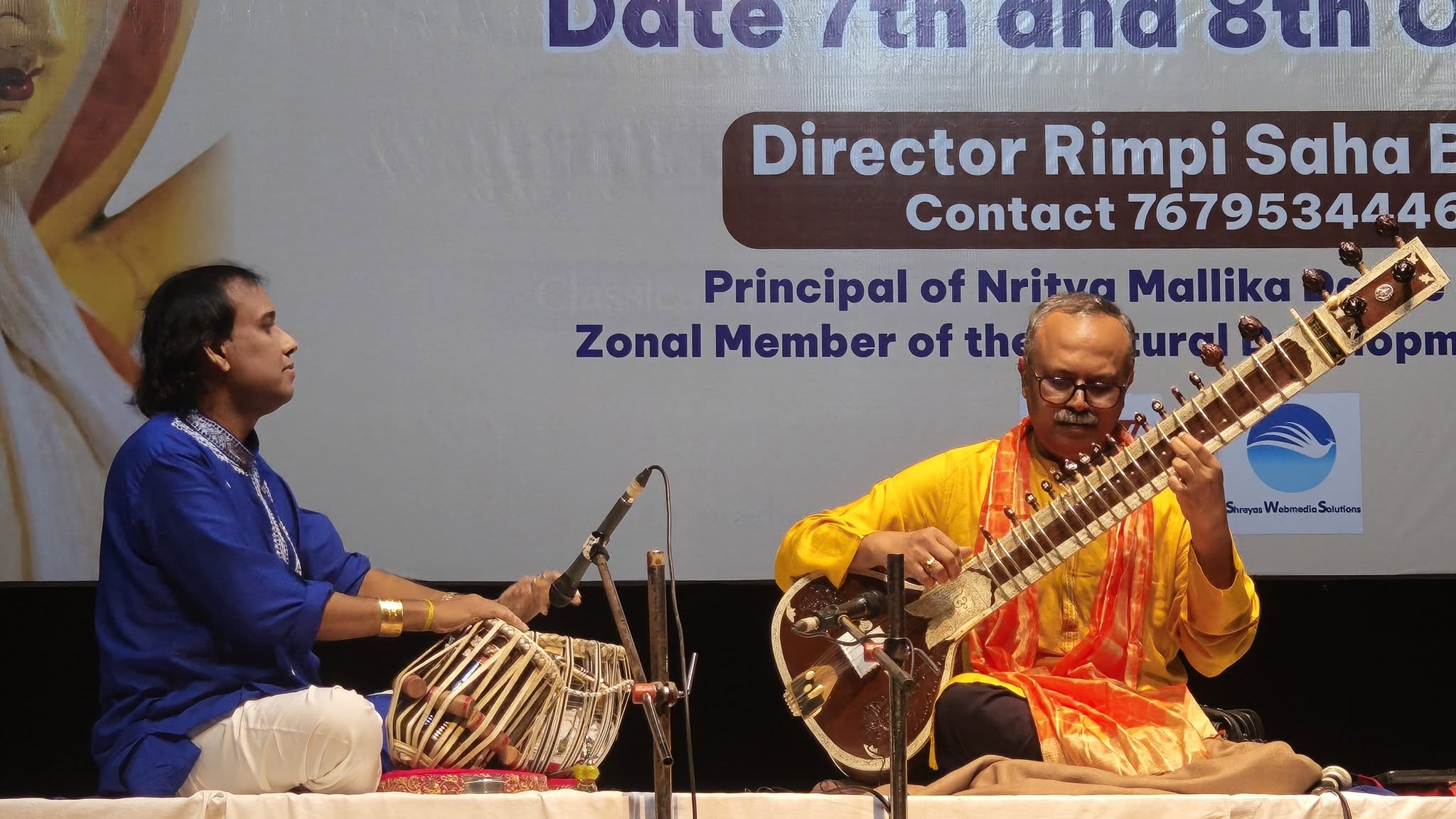
A significant highlight of the evening was the musical presentation by renowned sitarist Shri Subrata De, who travelled specially from Delhi to participate in the festival. Accompanied by tabla artist Shri Subir Adhikari, his soulful sitar recital enriched the dance presentations with musical depth, rhythm and emotional expression. The harmonious interplay of classical music and dance created a memorable experience for the audience.
The second day, held on 8 October at Rabindra Mancha, Shaktigarh, Siliguri, transformed the festival into a vibrant interregional Nritya Mahotsav. Dancers and artists from different parts of Eastern and North-Eastern India came together to showcase the richness and diversity of their respective dance traditions.
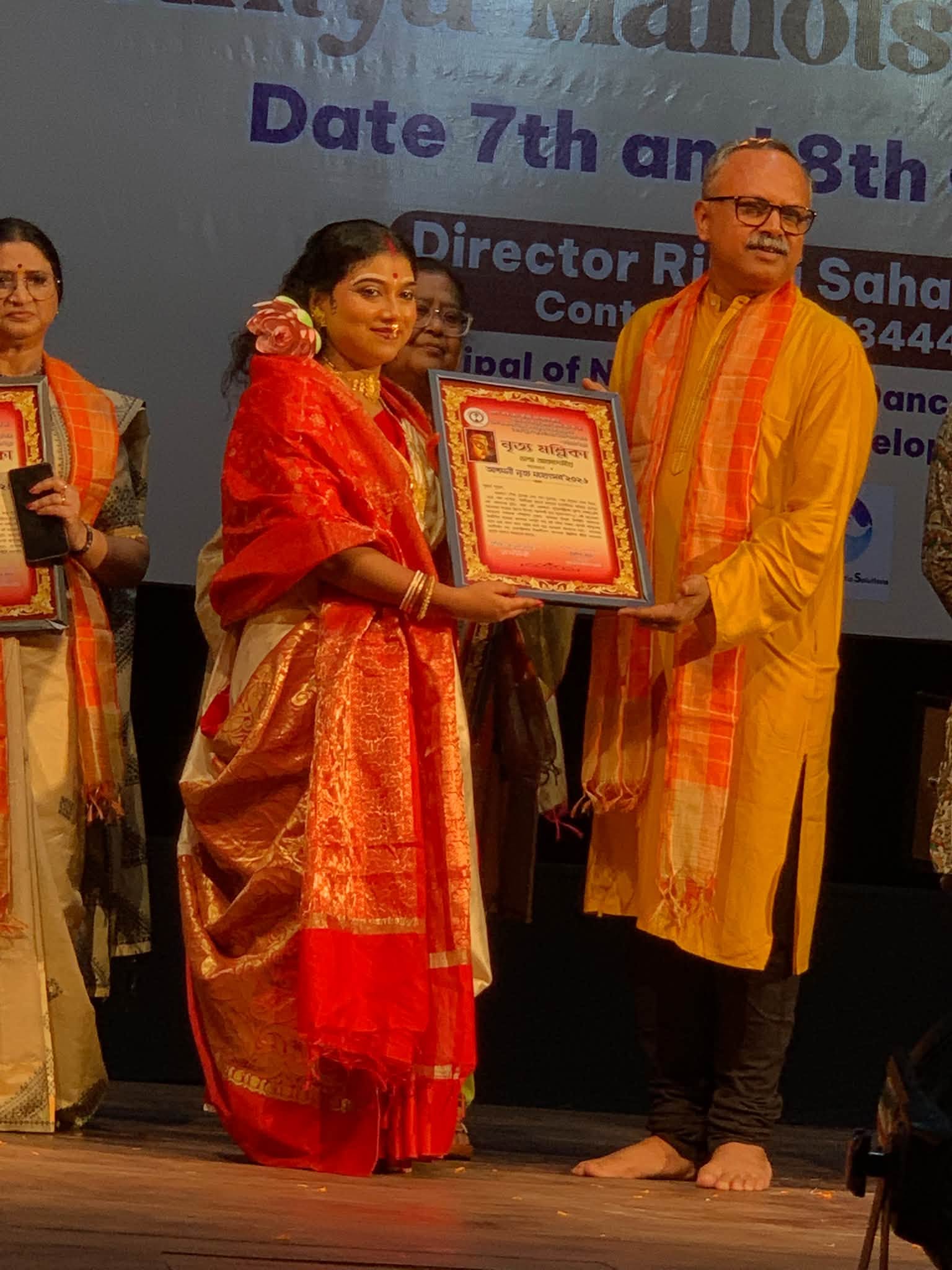
More than 45 talented artists from Assam participated, alongside dancers representing Alipurduar, Dinhata, Sikkim, Darjeeling and other regions. Around 150 dancers came together on one stage, presenting a colourful array of artistic expressions and cultural traditions. The programme featured a total of 72 dance performances across the festival, making it a remarkable celebration of artistic talent, dedication and cultural exchange.
The gathering of artists from diverse regions reflected the festival’s broader vision of building cultural bridges, encouraging mutual respect and strengthening unity through the universal language of dance. Beyond its devotional significance, Agomoni Nritya Utsav served as a meaningful platform for young performers to gain exposure, develop confidence and connect with the wider artistic community.
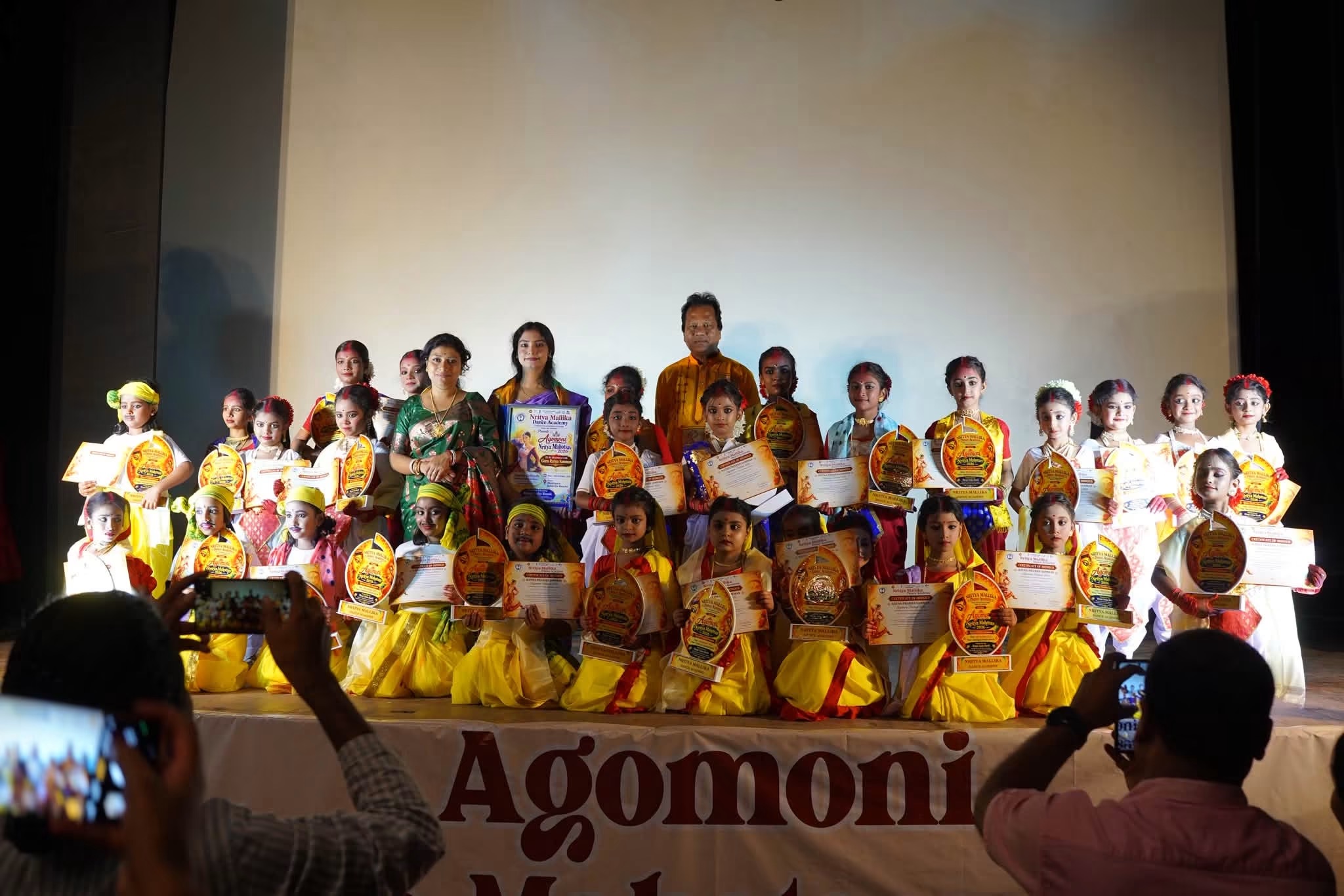
Speaking on the successful conclusion of the festival, Smt. Rimpi Saha Banik, Founder Director of Nritya Mallika Dance Academy, congratulated all the participating dancers, teachers and supporters and expressed her heartfelt gratitude to the artists who travelled from different places to perform on a common stage.
Sharing her vision, she said, “The more opportunities and platforms we provide to dancers, the more they can develop their talents, enhance their skills and gain the confidence to move forward in their artistic journeys.”
She emphasised that encouraging young dancers, recognising their abilities and providing meaningful performance opportunities are essential for nurturing the next generation of artists. With this objective, Nritya Mallika Dance Academy has consistently organised cultural programmes and dance events throughout the year, striving to bring artists from different regions together and promote artistic excellence, cultural exchange and harmony.

On behalf of the academy, Vidushi Smt.Rimpi Saha Banik conveyed her sincere thanks & gratefulness to Guruma, the distinguished guests, participating artists, students, parents, teachers, supporters, organisers and audiences whose valuable cooperation and enthusiastic participation contributed to the festival’s success. Thanks to our Media Partners like CA TV , Shreyas Webmedia Solutions & Shri Sugunan K.
The two-day Agomoni Nritya Utsav 2026 concluded on a note of joy, gratitude and renewed commitment to preserving and promoting India’s rich cultural heritage. The festival reaffirmed Nritya Mallika Dance Academy’s dedication to creating greater opportunities for emerging dancers and building larger platforms where talent, tradition and creativity can flourish.
Looking ahead, the academy aspires to organise more innovative and enriching cultural initiatives, bringing together an even greater number of dancers and artists from across India. Through such endeavours, it hopes to inspire the younger generation, strengthen cultural bonds and carry forward the timeless legacy of Indian dance and artistic expression with renewed enthusiasm and dedication.
14, Oct 2026
Global Virus Network Adds Six Centers of Excellence and New Affiliate Across Four Continents
New members bring expertise in emerging viruses, surveillance, respiratory and arboviral diseases, One Health, antiviral development and pandemic preparedness
TAMPA, FL, USA (October 14, 2026)– The Global Virus Network (GVN), a coalition of leading medical virologists representing more than 100 Centers of Excellence and Affiliates in more than 40 countries, today announced six new Centers of Excellence and one Affiliate in Austria, Brazil, China, India, Panama, Switzerland and the United States. Collectively, the new members bring expertise in emerging and re-emerging viruses, respiratory and arboviral infections, how viruses cause disease, vaccines and antivirals, genomic and wastewater surveillance, diagnostics, and One Health.
The new members include the Institute of Virology, Medical University of Innsbruck in Austria; the Molecular Microbiology Laboratory, Institute of Health Sciences, Feevale University in Brazil; the National Institute of Pathogen Biology, Chinese Academy of Medical Sciences & Peking Union Medical College in China; the Institute of Life Sciences in India, which joins as an Affiliate through the Manipal Institute of Virology–Manipal Academy of Higher Education GVN Center of Excellence; the Instituto de Investigaciones Científicas y Servicios de Alta Tecnología in Panama; the Geneva Centre for Emerging Viral Diseases, University Hospitals of Geneva in Switzerland; and the Cornell University Department of Microbiology & Immunology and Department of Public & Ecosystem Health in the United States.
“No one group can cover all classes of virology,” said Robert C. Gallo, MD, GVN Co-founder and Chair of its Scientific Leadership Committee. “You need strong basic science, different areas of expertise and scientists around the world who know each other and work together, which is why we founded the GVN. We don’t know what the next serious viral threat will be or where it will come from, so these relationships need to be there before it happens.”
Dr. Gallo is also founding director of the University of South Florida Institute for Translational Virology and Innovation, a GVN Center of Excellence; James P. Cullison Professor of Medicine at the USF Health Morsani College of Medicine; and director of the Microbial Oncogenesis Program at the Tampa General Hospital Cancer Institute.
“These new Centers significantly expand the breadth, depth and scope of expertise and capacity across the GVN,” said Mathew Evins, Chief Executive Officer, Treasurer and Founding Board Member of GVN. “They strengthen the network across disciplines, institutions and regions of the world, adding scientific capabilities and infrastructure that will be important in addressing emerging viral threats.”
Institute of Virology, Medical University of Innsbruck — Austria
Directed by Gisa Gerold, PhD, Professor and Director of the Institute of Virology at the Medical University of Innsbruck, the new Center of Excellence contributes expertise in
arboviruses and respiratory viruses. Its work includes chikungunya vaccine research, vaccine- and infection-induced antibody responses and studies of respiratory syncytial virus epidemiology.
“Rapid communication among scientists is critical during outbreaks and epidemics,” said Dr. Gerold. “Through GVN, we look forward to strengthening those international connections while contributing our expertise in arboviruses and respiratory viruses to preparedness and response efforts.”
Molecular Microbiology Laboratory, Institute of Health Sciences, Feevale University — Brazil
Directed by Fernando Rosado Spilki, DVM, MSc, PhD, Vice-Rector for Research, Graduate Studies and Extension and Full Professor, Feevale University, the laboratory studies emerging and neglected viruses affecting humans, wildlife, domestic animals and environmental health. Its work includes environmental and clinical virology, molecular surveillance, metagenomics, wastewater-based epidemiology and viral persistence.
“Joining GVN will allow us to deepen our collaborations with virologists around the world, particularly through joint research and multicenter studies on emerging and re-emerging viruses,” said Dr. Spilki. “It also creates important opportunities for our students and early-career researchers to work with and learn from scientists across the GVN network.”
National Institute of Pathogen Biology, Chinese Academy of Medical Sciences & Peking Union Medical College — China
Directed by Yuelong Shu, PhD, Director of the National Institute of Pathogen Biology, the new Center of Excellence conducts fundamental and applied research focused on preventing and controlling infectious diseases. The institute houses major research programs in respiratory health, pathogen systems biology, and infection prevention and control, with capabilities in structural biology, molecular and cellular imaging, multi-omics, high-throughput sequencing and bioinformatics.
“Long-term scientific partnerships are essential to understanding and preparing for emerging viral threats,” said Dr. Shu. “Joining GVN will give us new opportunities to share research and laboratory resources, participate in scientific exchanges and develop joint research on emerging viruses and pandemic preparedness.”
Institute of Life Sciences (ILS) — India | Affiliate
Directed by Soma Chattopadhyay, MSc, PhD, Scientist G in the Infectious Disease Biology Division of ILS, the Affiliate studies molecular virology, antiviral drug discovery, viral pathogenesis and host-virus interactions, with particular expertise in arboviruses and respiratory viruses. Its research infrastructure includes BSL-2 and BSL-3 laboratories, antiviral screening platforms, immunological assays and proteomics.
ILS joins GVN as an Affiliate through the Manipal Institute of Virology–Manipal Academy of Higher Education Center of Excellence. The affiliation supports collaborative research and advanced training in emerging and re-emerging viral infections.
“We look forward to working with GVN scientists on emerging and re-emerging viral infections and expanding opportunities for translational research,” said Dr. Chattopadhyay. “Just as important is training the next generation of investigators in virology, outbreak preparedness and pandemic response through joint programs and scientific exchanges.”
Instituto de Investigaciones Científicas y Servicios de Alta Tecnología (INDICASAT-AIP) — Panama
Directed by Timothy Thomson, MD, PhD, Director and Group Leader at INDICASAT-AIP, the new Center of Excellence conducts research in infectious diseases, genomics, drug discovery, computational biology, biotechnology, and One Health. Its scientific platforms include genomics, bioinformatics, advanced microscopy, medicinal chemistry and metabolomics.
“Emerging and re-emerging viral diseases are a global concern, but they also have distinct regional impacts,” said Dr. Thomson. “Through GVN, we hope to strengthen collaborative research and surveillance while contributing our experience and partnerships in Panama, Latin America and the Caribbean.”
Geneva Centre for Emerging Viral Diseases, University of Geneva and Geneva University Hospitals— Switzerland
Directed by Isabella Eckerle, MD, DTMH, Full Professor and Director of the Geneva Centre for Emerging Viral Diseases, University of Geneva and Geneva University Hospitals, the Center of Excellence integrates clinical care, diagnostics, surveillance, translational research and field response for emerging and highly pathogenic viral infections. It hosts three National Reference Centres and is a World Health Organization Collaborating Centre for epidemic and pandemic diseases.
Its scientists have participated in responses to Ebola, Marburg, COVID-19 and mpox and are active in national and international surveillance and outbreak-response programs. The center also brings expertise in diagnostic development, viral phenotyping and the study of emerging viral diseases.
“Our work brings together clinical care, diagnostics, surveillance and research, and those connections are especially important when a new viral threat emerges,” said Dr. Eckerle. “Through GVN, we look forward to expanding international collaboration on diagnostics and the exchange of samples to strengthen preparedness and outbreak response.”
Cornell University Department of Microbiology & Immunology and Department of Public & Ecosystem Health — United States
Directed by Gary Whittaker, PhD, James Law Professor of Virology and Research Director at the Graduate Field of Public Health & Planetary Health, the new Center of Excellence brings together Cornell University’s Department of Microbiology & Immunology and Department of Public & Ecosystem Health, along with other departments. The Center includes 19 faculty members at Cornell’s Ithaca campus and Weill Cornell Medicine in New York City. Researchers study a broad range of human, animal, and vector-borne viruses, including coronaviruses, influenza viruses, flaviviruses, alphaviruses, henipaviruses, poxviruses, and HIV.
The Center’s work spans viral pathogenesis and immunology, vaccines and antivirals, diagnostics, epidemiology and disease modeling. With faculty based in Cornell’s College of Veterinary Medicine, it also brings a strong One Health component that connects human, animal, and environmental health.
“Cornell brings together scientists working across human, animal and vector-borne viruses, with expertise ranging from virology and immunology to epidemiology, vaccines, antivirals and disease modeling,” said Dr. Whittaker. “Joining GVN gives us an opportunity to put those strengths to work with colleagues across the network on emerging viral threats, while creating new international research and training opportunities for our faculty and trainees.”
GVN Centers of Excellence are leading virology institutions with deep expertise in multiple areas of viral research and a shared commitment to international collaboration. Affiliates partner with an established Center, providing opportunities for mentorship, scientific exchange and collaboration.
14, Oct 2026
Odisha Approves INR 284.07 Crore Scheme for Free Textbooks for 28.7 Lakh Class 9 and 10 Students
Bhubaneswar, Oct 14 (UDN): The Odisha government has approved a five-year scheme worth ₹284.07 crore to provide free textbooks to approximately 28.7 lakh students in Classes 9 and 10 studying in government and government-aided secondary schools.
Representational Image
The scheme, approved by the state Cabinet at a meeting chaired by Chief Minister Mohan Charan Majhi in Bhubaneswar on Tuesday, will run from the 2025–26 academic year to 2029–30.
Chief Secretary Anu Garg announced the decision during a post-Cabinet briefing, stating that the initiative would extend free textbook benefits to students who are not already covered under existing provisions for Scheduled Caste (SC) and Scheduled Tribe (ST) students, who currently receive textbooks free of cost.
Scheme Aims to Reduce Financial Burden and Dropouts
The initiative aims to ease the financial burden on families, particularly those from economically weaker sections, by eliminating the cost of textbooks for eligible students.
The government expects the scheme to encourage school enrolment, reduce dropout rates and facilitate the transition from elementary to secondary education by removing financial barriers.
According to Garg, the scheme has an estimated outlay of ₹284.07 crore over five years and is expected to cover around 28.7 lakh beneficiaries.
Textbooks to Be Distributed Before Academic Sessions
The School and Mass Education Department will oversee the implementation of the scheme and ensure that textbooks reach schools before the beginning of each academic session.
The distribution process will include paper procurement, printing, transportation and delivery to schools. These activities will be undertaken through a transparent and competitive process in accordance with the Odisha General Financial Rules and applicable procurement guidelines.
The department will also conduct field-level verification of student details to ensure that all eligible beneficiaries receive the textbooks.
With the initiative, the state government aims to improve access to secondary education, support students from financially disadvantaged backgrounds and strengthen school retention across Odisha.
14, Oct 2026
PM Modi Extends Navratri Wishes on Day 4, Seeks Maa Kushmanda’s Blessings for Prosperity and Good Health
New Delhi, Oct 14: Prime Minister Narendra Modi on Wednesday extended greetings to the nation on the fourth day of Sharad Navratri, invoking the blessings of Maa Kushmanda and wishing people happiness, prosperity, good health and renewed hope.

In a message shared on social media platform X, Modi highlighted the significance of the fourth manifestation of Goddess Durga and expressed hope that the deity’s divine energy would bring positivity and well-being into the lives of citizens.
The Prime Minister also shared devotional content dedicated to the Goddess, encouraging a spiritual observance of the auspicious occasion.
Uttar Pradesh Chief Minister Yogi Adityanath and Delhi Chief Minister Rekha Gupta also extended their greetings to devotees on the occasion.
Yogi Adityanath prayed for Maa Kushmanda’s blessings, wishing devotees health, happiness, prosperity, energy and positivity. Rekha Gupta described the Goddess as the primordial creative force of the universe, praying for peace, auspiciousness and the welfare of all.
Maa Kushmanda, worshipped as the fourth form of Goddess Durga during Navratri, is associated with creative energy, light and the sustaining power of life. According to Hindu belief, her divine smile brought the universe into existence. Devotees worship her to seek strength, good health, prosperity and happiness.
Sharad Navratri is a nine-day festival dedicated to the nine manifestations of Goddess Durga. Devotees mark each day with prayers, rituals and offerings, seeking the blessings of the divine feminine power.
The festival concludes with Vijayadashami, also known as Dussehra, which symbolises the triumph of good over evil.
14, Oct 2026
Odisha Generates 45 Million Tonnes of Fly Ash Annually, Steps Up Push for 100% Utilisation
Bhubaneswar, Oct 13 (UDN): Odisha generates approximately 45 million tonnes of fly ash every year from thermal power plants, prompting the state government to intensify efforts to achieve complete utilisation of the industrial by-product while minimising its environmental and public health impacts.
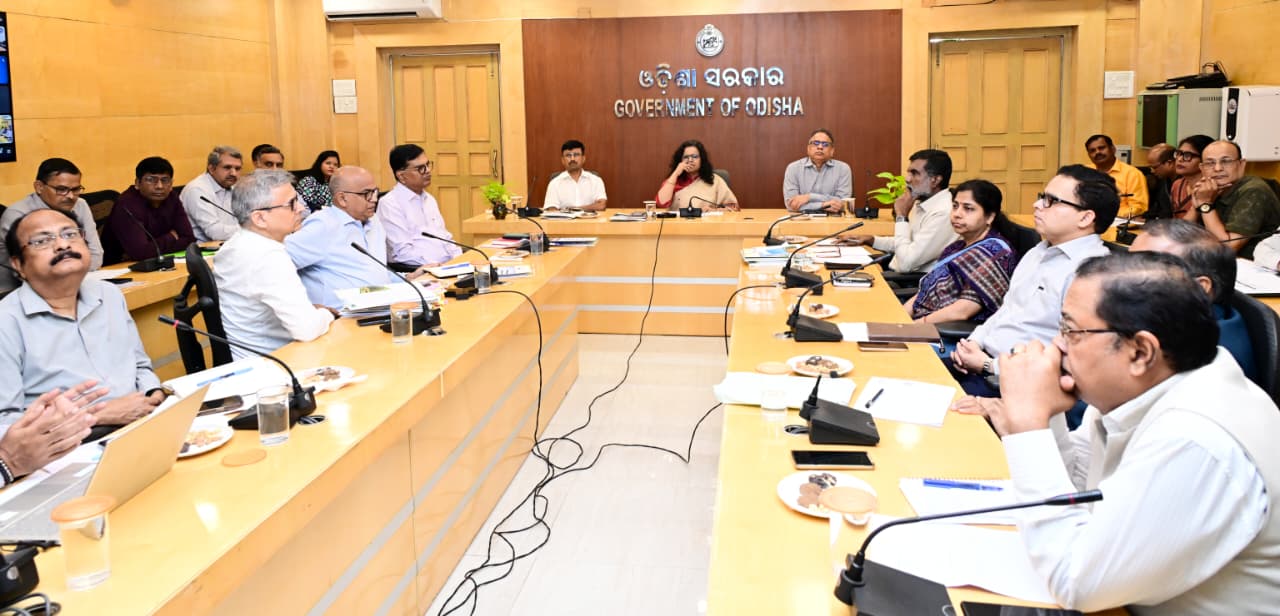
Pic Credit: x.com/spcbOdisha
The issue came up for discussion at a meeting convened by the Odisha State Pollution Control Board (OSPCB) at Lok Seva Bhawan on Tuesday. The meeting was chaired by Chief Secretary Anu Garg and focused on strengthening monitoring mechanisms, ensuring safe transportation and expanding the industrial use of fly ash.
According to data presented at the meeting, Odisha achieved a fly ash utilisation rate of 98.63 per cent during 2025-26. The government is now seeking to close the remaining gap and move towards 100 per cent utilisation through stricter enforcement, improved logistics and greater adoption of fly ash-based products.
Five Districts Under Special Focus
Jharsuguda, Sundargarh, Sambalpur, Angul and Dhenkanal have been identified as key districts requiring focused attention on fly ash management. Collectors of these districts participated in the meeting virtually to discuss local challenges and possible interventions.
Officials expressed concern over the transportation of fly ash in uncovered or inadequately covered vehicles. Such practices can cause dust pollution, contaminate soil and water, and potentially damage agricultural land.
The meeting stressed that fly ash must be transported in fully covered vehicles and handled in accordance with environmental regulations. Its use for filling low-lying areas and abandoned mine voids must also follow prescribed procedures, including proper site preparation, transportation management and subsequent land reclamation.
Fly Ash to Be Promoted as an Industrial Resource
Emphasising the need to view fly ash as a valuable resource rather than waste, officials discussed expanding its use across construction and manufacturing sectors.
Potential applications include cement production, ready-mix concrete, geopolymer-based construction materials, sintered ash aggregates, road construction and embankments.
The meeting also explored measures to encourage the production of fly ash-based goods, support micro and small enterprises, and establish cement grinding units near thermal power plants. Such initiatives could help create sustained demand and reduce the burden of long-term ash storage and disposal.
Identifying abandoned mines suitable for fly ash utilisation was another measure discussed, subject to compliance with environmental safeguards.
GPS Tracking, Digital Certificates Proposed
To strengthen accountability and prevent illegal dumping, the OSPCB proposed a technology-based system to monitor fly ash transportation and disposal.
The proposed mechanism would incorporate GPS-enabled vehicle tracking, QR code-based digital consignment certificates, monitoring of approved transportation routes and verification of deliveries at designated destinations. Automated alerts would also help authorities identify route deviations and potential violations.
The meeting further discussed revising standard operating procedures for filling low-lying areas, strengthening district-level task forces and establishing a dedicated fly ash management cell within the OSPCB.
Coordinated Action for Environmental Protection
Chief Secretary Anu Garg called for stronger coordination among government departments, the Pollution Control Board, district administrations, industries and other stakeholders to improve compliance and reduce the environmental risks associated with fly ash.
Senior officials from the Chief Minister’s Office and departments dealing with Energy, Electronics and Information Technology, Forest, Environment and Climate Change, Panchayati Raj and Drinking Water, and Rural Development attended the meeting, along with representatives of industrial organisations.
With annual generation estimated at 45 million tonnes, effective utilisation and responsible handling of fly ash remain important environmental priorities for Odisha. The proposed measures seek to strengthen regulatory oversight while expanding industrial applications, with the ultimate objective of achieving 100 per cent utilisation and reducing the risks associated with improper disposal.
14, Oct 2026
Sambalpur Set for Rs 10-Crore Women’s Safety Overhaul Under Nirbhaya Initiative
Sambalpur, Oct 13 (UDN): Women’s safety infrastructure in Sambalpur district is set for a significant upgrade, with the administration proposing nine initiatives worth an estimated Rs 10 crore under the Nirbhaya initiative. The proposed measures include expanded CCTV surveillance, emergency response vehicles, dedicated police patrols, pink e-rickshaws and assistance centres to improve the safety and accessibility of public spaces for women and girls.
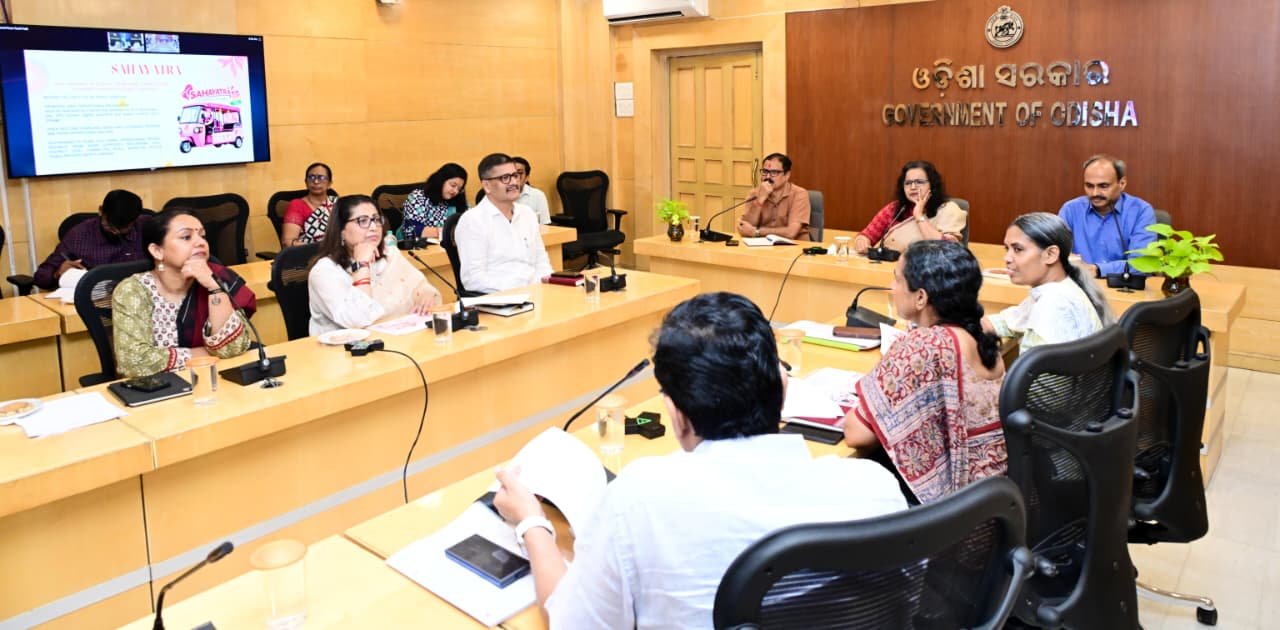
Pic Credit: x.com/SecyChief
The initiatives were reviewed at a high-level meeting chaired by Chief Secretary Anu Garg at Lok Seva Bhawan on Tuesday. Additional Chief Secretary of the Home Department Hemant Sharma and Director General of Police Vinaytosh Mishra attended the meeting, while Sambalpur Collector Siddheshwar Baliram Bondar joined virtually to present the district’s proposed action plan.
Nine Initiatives to Strengthen Women’s Safety
Under the ‘Shakti Sarathi’ initiative, 15 two-wheelers will be deployed for patrols by women police personnel, enabling quicker response to complaints and emergencies.
The proposed ‘Pratikriya’ scheme will provide 15 emergency response vehicles along with drones to support assistance and rescue operations. Meanwhile, the ‘Drushti’ initiative envisages the installation of 800 CCTV cameras at 210 strategic locations to strengthen surveillance and improve monitoring of public spaces.
The administration has also proposed five police assistance centres under ‘S-Stop’ to provide support and improve access to police services.
For safer and more convenient mobility, ‘Sahayatra’ will introduce 40 pink e-rickshaws aimed at providing women with affordable transport options.
Under ‘Nirbhaya Sadan’, four assistance centres are proposed at the district court complex, railway station, Burla medical area and district headquarters hospital. These centres are intended to make support services more accessible to women in need of assistance.
The ‘Sathi’ initiative includes plans for six toilets equipped with nursing facilities, while ‘Jatra’ proposes real-time tracking systems for buses operated by 50 educational institutions to strengthen student safety during transit.
The ninth initiative, ‘Sachetana’, will focus on awareness campaigns, self-defence training, health education and community-based programmes to promote women’s safety and empowerment.
Focus on Awareness and Interdepartmental Coordination
During the meeting, Chief Secretary Anu Garg stressed the need to involve adolescent boys in awareness campaigns to encourage respectful behaviour towards women, promote gender sensitivity and foster a stronger sense of social responsibility.
She also underscored the importance of coordinated efforts among the police, Health Department, Women and Child Development Department, School and Mass Education Department, and local administration to ensure effective implementation of the proposed measures.
The planned interventions seek to combine surveillance, emergency response, safer transportation and public awareness to address women’s safety concerns through a coordinated approach.
Once implemented, the initiatives are expected to strengthen Sambalpur’s women’s safety network and improve access to assistance across key public locations. The proposals represent a comprehensive district-level push to create a safer and more inclusive environment for women and girls.
14, Oct 2026
Odisha Cabinet Approves 16 Proposals Across 11 Departments
Bhubaneswar, Oct 13 (UDN): The Odisha Cabinet on Tuesday approved 16 proposals from 11 departments during its 48th meeting, chaired by Chief Minister Mohan Charan Majhi at Lok Seva Bhawan in Bhubaneswar.
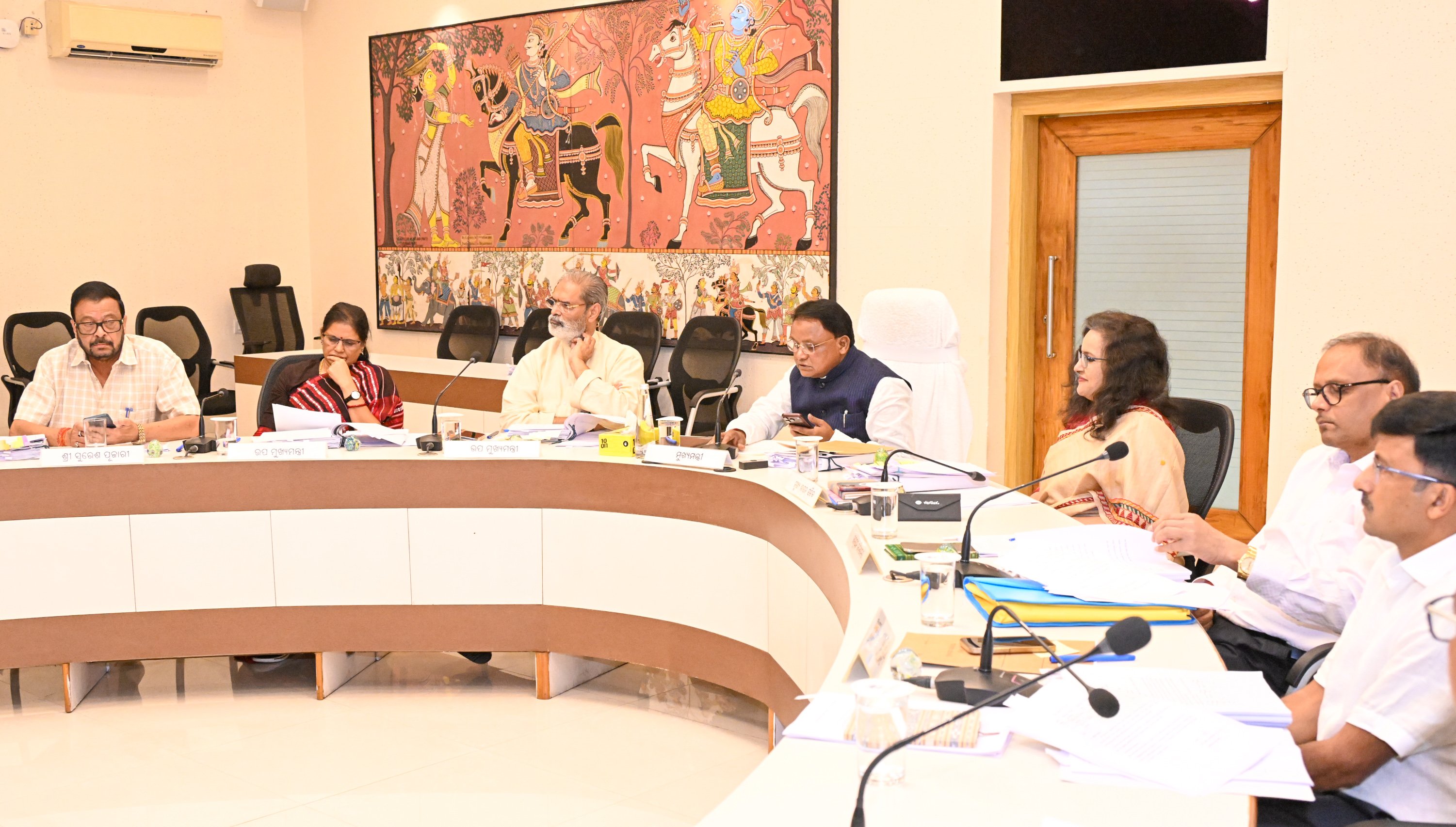
Pic Credit: x.com/CMO_Odisha
Following the meeting, the Chief Minister informed the media that the Cabinet had also adopted a resolution congratulating Prime Minister Narendra Modi on completing 25 years of tenure.
Chief Secretary Anu Garg subsequently briefed the media on the key decisions taken during the meeting, outlining the proposals cleared across various departments.
The Water Resources Department and the School and Mass Education Department accounted for three approved proposals each. The Fisheries and Animal Resources Development Department secured approval for two proposals each.
The Industries Department, Skill Development and Technical Education Department, Finance Department, Electronics and Information Technology Department, Agriculture and Farmers’ Empowerment Department, Housing and Urban Development Department, and Revenue and Disaster Management Department each had one proposal approved.
In addition, the Cabinet cleared a proposal under the Parliamentary Affairs Department concerning the prorogation of the seventh session of the 17th Odisha Legislative Assembly.
The meeting covered a broad range of departmental matters, with all 16 proposals receiving Cabinet approval. The decisions reflect the state government’s ongoing administrative and policy agenda across key sectors.
The meeting was attended by senior government officials, while the Chief Minister and the Chief Secretary provided details of the proceedings and the decisions taken.


