


1, Jul 2026
Engineering the next generation of semiconductor materials, one layer at a time
News Release: Engineering the next generation of semiconductor materials, one layer at a time
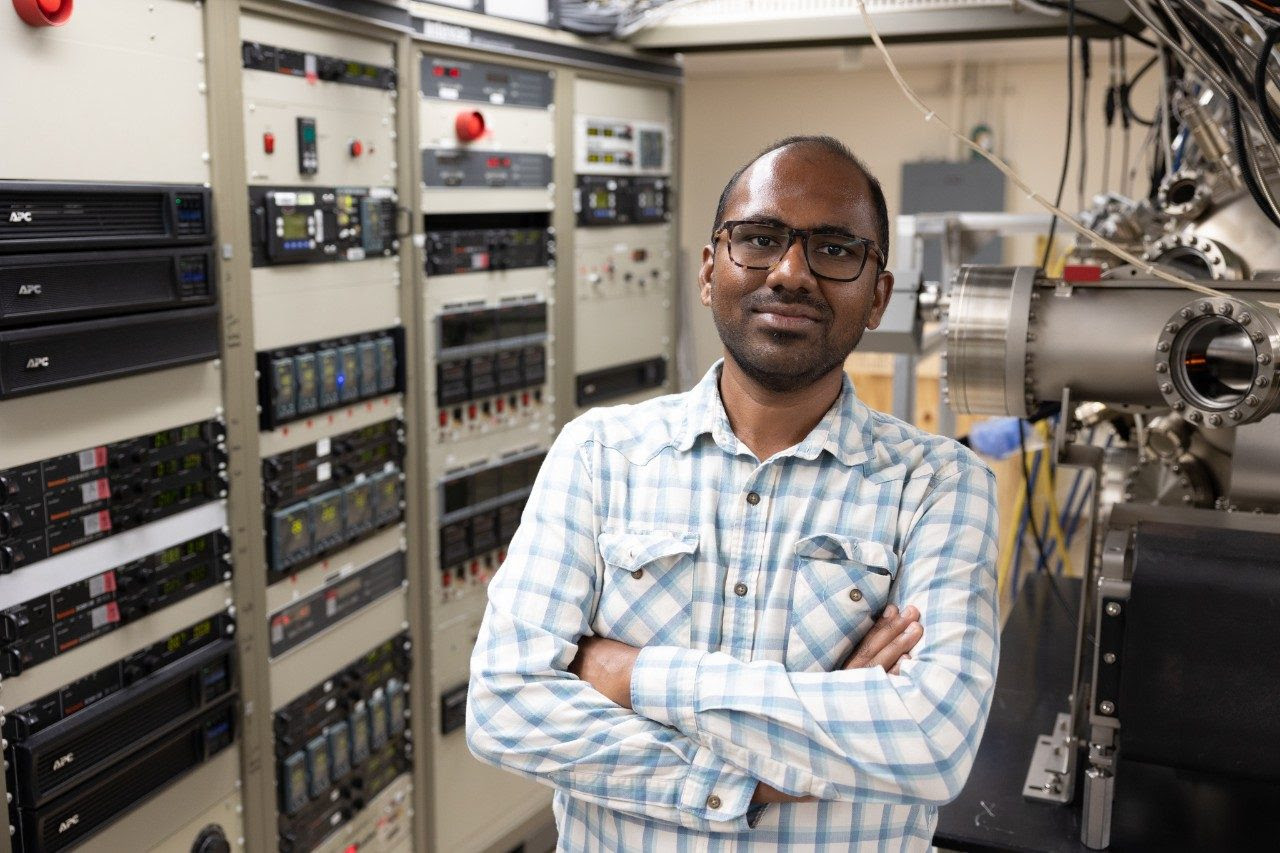
July 1, 2026 — Silicon is an essential element for creating semiconductors, the building blocks of all modern-day computing technologies. However, as devices continue to shrink, engineers are approaching the limits of what silicon can achieve.
It’s time for some new materials.
As a Ph.D. student in the Advanced Devices and Sustainable Energy Laboratory (ADSEL), Sengunthar Karthikeyan is helping to reinvent the foundation of semiconductors at the atomic level.
“The aim is to address the challenges in incorporating novel semiconductors in the future,” Karthikeyan said. “I’ve really enjoyed the hands-on research, growing material systems that have the potential to create different types of electronic and photonic devices, such as transistors, lasers, and photodetectors on the same platform.”
Creative solutions
Semiconductors are materials such as silicon with the ability to conduct or insulate against electricity. They serve as the microscopic on/off switches inside all modern electronics. As components have shrunk, engineers have encountered new challenges: electrons leaking through physical barriers in a process called tunneling and power density causing overheating. Silicon is also inefficient at emitting light, limiting its usefulness for photonic applications.
In the ADSEL group, Karthikeyan, his advisor Mantu Hudait, professor in the Bradley Department of Electrical and Computer Engineering, and fellow Ph.D. students experiment with elements such as indium, gallium, aluminum, tin, and germanium to create new materials that can replace silicon in future electronic systems. Components forged from new materials made from various combinations — such as indium-gallium-aluminum-
“ADSEL has given me an opportunity to analyze and understand the science behind the structure properties and co-relate them to device performance metrics,” said Karthikeyan. “I’ve been inspired to investigate numerous creative solutions before letting logistics interfere.”
For example, Karthikeyan spent nearly 14 hours carefully etching through a semiconductor layer to reach a target interface just nanometers thick. After missing the area on his first attempt, he repeated the experiment. He was able to successfully capture data used to characterize the material for future laser and photodetector applications. The efforts were detailed in his inaugural paper, Lattice‑matched GeSn with enhanced carrier confinement, published in the Journal of Materials Chemistry C.
What’s ahead
After completing his internship at Intel this summer, Karthikeyan will join the front end of line in the semiconductor industry, where he’s excited to bridge the gap between fundamental materials research and practical technology. His ultimate goal is to develop a way for transistors, lasers, and photodetectors to be manufactured together on the same semiconductor wafer.
“Karthikeyan’s contributions have strengthened our research in meaningful ways,” said Hudait. “His future impact will be significant. I’m excited to see him carry forward the curiosity, discipline, and integrity he has shown in our research group.”
Original study: DOI.10.1039/D3TC01018J
- 0
- By Neel Achary

1, Jul 2026
Abraham Accords, IMEC corridor: 53 local authorities across Northern Israel unite in a historic, unprecedented alliance to shape the region’s future
Against the backdrop of profound regional transformations, driven by the Abraham Accords and the development of the India–Middle East–Europe Economic Corridor (IMEC), 53 local authorities in northern Israel have, for the first time, forged an unprecedented regional alliance aimed at strengthening regional cooperation and accelerating economic development.
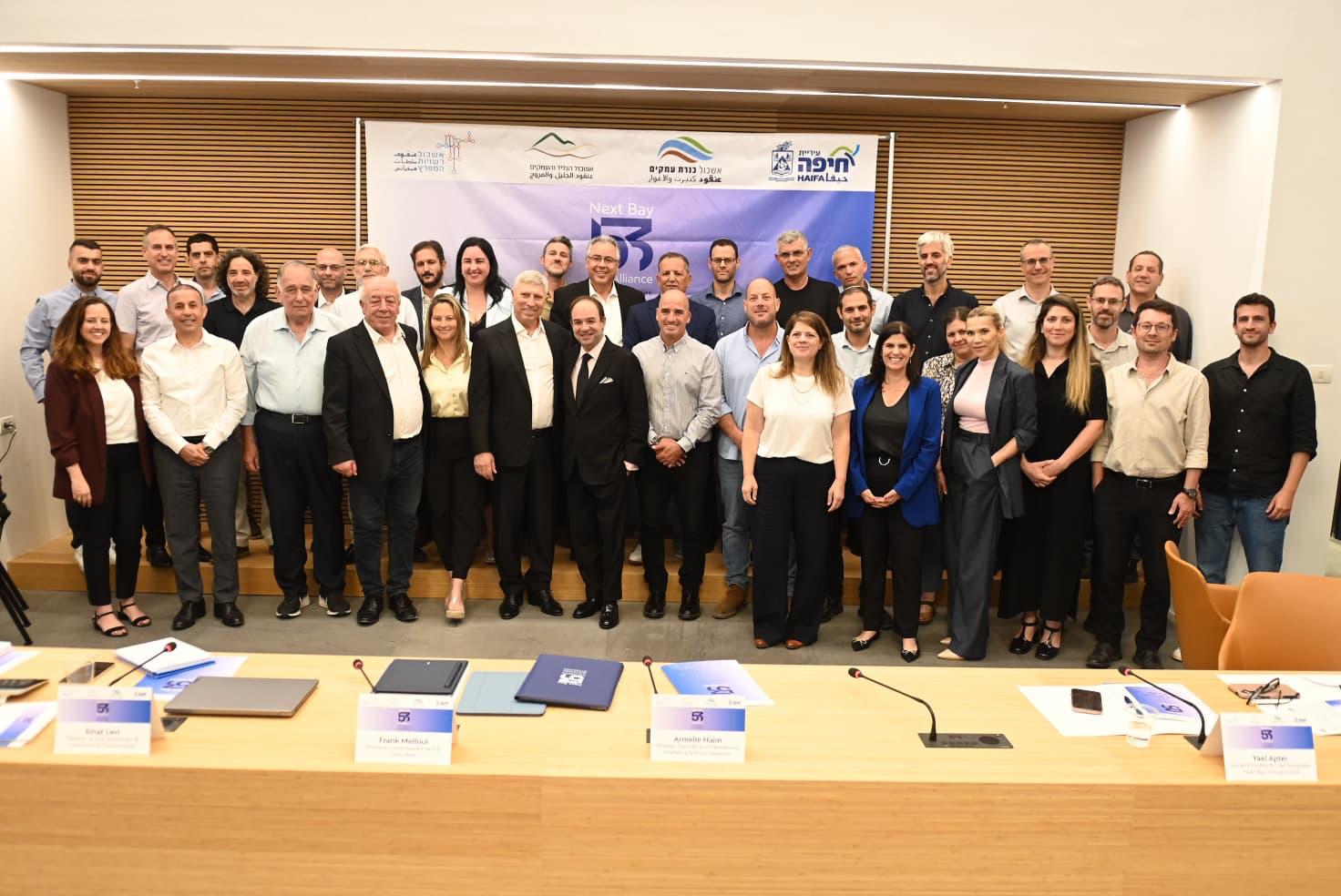
This regional initiative, named the “Next Bay 53-City Alliance,” brings together 53 local authorities stretching from Haifa Bay to the Beit She’an Valley and the Galilee, a strategic geographic, economic and social region home to more than 2 million residents, including Jewish, Arab, Druze, Bedouin, Circassian, Bahá’í, and Ahmadi communities.
The alliance aims to strengthen northern Israel’s position as the country’s gateway to regional connectivity, foster cooperation among local authorities, and leverage the opportunities created by the India–Middle East–Europe Economic Corridor (IMEC) to promote economic growth, innovation, job creation, and regional development.
Thanks to its strategic location and infrastructure, northern Israel, including the Port of Haifa, one of the largest ports in the Eastern Mediterranean, is a key logistics hub along the IMEC Corridor. As Israel’s maritime gateway to the region, it represents a major strategic asset for expanding trade and connectivity between Asia, the Middle East, and Europe.
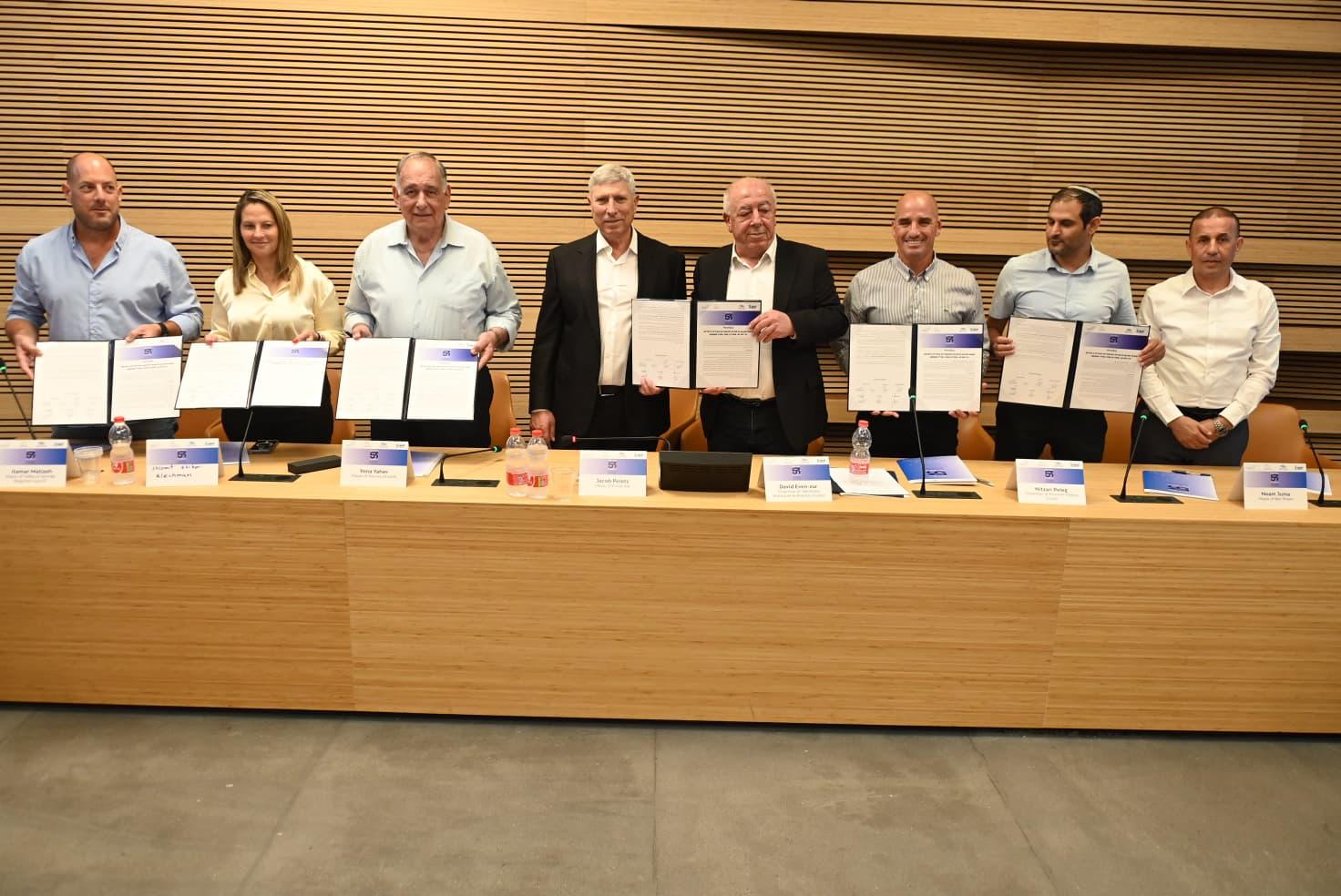
The Next Bay 53-City Alliance was jointly founded by the Haifa Bay Local Authorities Cluster, the Kinneret Valleys Cluster, the Galilee and Valleys Cluster, the Municipality of Haifa, the Municipality of Beit She’an, and the Emek HaMaayanot Regional Council.
Last Thursday, their respective leaders signed the Alliance’s founding charter. The signing ceremony was followed by a panel discussion featuring senior officials from the Ministries of Foreign Affairs, Economy, Interior, Energy, Transport, Communications, and Regional Cooperation, focusing on the policy priorities and collaborative actions needed to position northern Israel within the India–Middle East–Europe Economic Corridor (IMEC).
Earlier this month, Frank Melloul was appointed Ambassador of the Next Bay 53-City Alliance to help raise the Alliance’s international profile and promote its vision and objectives on the global stage.
David Even Tzur, Chairman of the Haifa Bay Local Authorities Cluster and Mayor of Kiryat Yam, said: “Haifa Bay and northern Israel are home to a unique human mosaic. By bringing our local authorities together, we will be better positioned to seize the opportunities created by the Abraham Accords and the IMEC Corridor, driving economic growth, innovation, and regional development. The potential is tremendous.”
Munir Zbeidat, Head of the Basmat Tivon Local Council and Chairman of the Forum of Bedouin Local Authorities in Northern Israel, said: “The Arab, Bedouin, and Circassian communities are committed to being an integral part of the regional vision advanced by the Forum of 53 Local Authorities. We want to be full partners in this initiative, contributing to its economic development momentum and working together to create jobs, foster growth, and expand opportunities for all residents of northern Israel.”
Yaakov Peretz, Mayor of Kiryat Ata, said: “The IMEC Corridor is a powerful example of the strategic opportunities emerging for our region, reinforcing northern Israel’s position as a major engine of growth for the country. This initiative has the potential to create tens of thousands of jobs, strengthen economic resilience, attract new investment, and accelerate regional development for the benefit of all residents of northern Israel.”
Yona Yahav, Mayor of Haifa, said: “The IMEC Corridor is far more than an infrastructure and transport project. It is a strategic opportunity to create high-quality jobs, attract international investment, strengthen the local economy, and improve the quality of life for millions of people. As Israel’s leading northern metropolis, Haifa is proud to play a central role in this initiative.
For decades, Haifa—and the wider region—has served as Israel’s gateway to the world: a port city, a center of trade, research, industry, innovation, and multiculturalism.”
Shlomit Shihor Reichman, Vice Chair of the Galilee and Valleys Cluster and Head of the Emek Yizreel Regional Council, said: “The IMEC initiative is far more than an economic or transport corridor. It is a regional opportunity to strengthen partnerships, advance infrastructure, innovation, employment, and tourism, and create new engines of growth for the benefit of the region’s residents. Broad cooperation among local authorities and partners across sectors is the key to unlocking this potential.”
30, Jun 2026
TV9 Bangla Unveils India’s Biggest Education Expo and Celebrates Academic Excellence Through Uttaran Academic Excellence Honour

Kolkata, 30 June 2026: TV9 Bangla successfully organised India’s Biggest Education Expo, featuring leading educational institutions offering information on a wide range of academic disciplines and professional courses. The expo provided students and parents with a unique opportunity to explore higher education options and make informed decisions after their board examinations.
The event was inaugurated by distinguished dignitaries including Hon’ble Minister Smt. Agnimitra Paul, for Urban Development & Municipal Affairs, Government of West Bengal; along with Mr. K. Vikram, COO – National & International, TV9 Network; Mr. Amritanshu Bhattacharya, Managing Editor & Business Head, TV9 Bangla; Mr. Ashish Beriwala, Director, SRMB Srijan; and Mr. Shiva Kumar, Assistant Director, KL University.
Designed as a one-stop destination for aspiring students, the expo showcased educational opportunities, emerging career paths, industry-relevant courses, and skill-based programmes aimed at preparing students for an increasingly competitive and evolving job market.
As part of the day’s celebrations, TV9 Bangla also hosted the fifth edition of Uttaran Academic Excellence Honour, recognising and felicitating meritorious students from backward and tribal communities who have excelled despite facing significant socio-economic challenges. The ceremony recognised exceptional students including Labani Mondal, Adrija Gan, Manimala Besra, Sagar Mondal, Alia Paul, and several others who have achieved academic success despite numerous challenges. It also honoured educational institutions that have made remarkable contributions to academic excellence, innovation, student development, and societal progress.
The event was graced by Dr. Sukanta Majumdar, Union Minister of State for Education and Development of Northeastern Region, and Dr. Shankar Ghosh, Cabinet Minister for Parliamentary Affairs and Tourism, among other eminent dignitaries.
Speaking on the occasion, K. Vikram, COO – National & International, TV9 Network, said:
“Uttaran Academic Excellence Honour is our humble initiative to acknowledge and celebrate institutions that have demonstrated an outstanding commitment to academic excellence, innovation in education, student development, and societal impact. These institutions are not merely centres of learning; they are catalysts for change and progress. At TV9 Bangla, we believe that quality education is one of the strongest pillars of a prosperous society. Through this initiative, we aim to highlight stories of commitment, perseverance, innovation, and leadership that truly deserve recognition and appreciation.”
Educational institutions honoured during the ceremony included:
Adamas University; Brainware University; Budge Budge Institute of Technology; Centurion University of Technology and Management; Dr. B.C. Roy Engineering College, Durgapur; Guru Nanak Institute of Dental Sciences & Research; Guru Nanak Institute of Technology; International Institute of Nursing & Research (A Unit of Nirmala Foundation); University of Engineering & Management; JIS University; JT College of Management Studies, Kolkata; Kingston Educational Institute; MCKV Institute of Engineering; NCSM Foundation; Nopany Institute of Healthcare Studies; NSHM Knowledge Campus, Durgapur; OmDayal Group; Praxis Business School, Kolkata; Sanaka Educational Trust; Santiniketan Medical College & Hospital; Sister Nivedita University; Shadajharmoni; Sikkim Manipal Institute of Technology; Supreme Knowledge Foundation; TEM Management College; The Bandhan School; and Vidyasagar Pharmaceutical College of Education (JNMS Educational Hub).
TV9 Bangla acknowledges the support of its valued partners and sponsors, including Novesta Group, Lalbaba Rice, Khukumoni Sindoor & Alta, and AKMA Group, whose contribution helped make the initiative a grand success.
30, Jun 2026
Union Home Minister Amit Shah Launches FCRA 2.0 Portal and e-OCI Card in Delhi

New Delhi: Union Home Minister Amit Shah on Tuesday launched the FCRA 2.0 portal and e-OCI card facilities in Delhi, marking another step toward the government’s vision of “Minimum Government, Maximum Governance” championed by Narendra Modi.
The upgraded FCRA 2.0 portal is designed to offer organisations receiving foreign contributions a more user-friendly and transparent digital platform, reducing paperwork and streamlining compliance processes. The government said the new system will also strengthen regulatory oversight of foreign contributions, helping safeguard national interests while improving efficiency through digital governance.
30, Jun 2026
Scality and OVHcloud accelerate European digital sovereignty with new cloud storage offering
Partners unveil a sovereign, cyber-resilient storage platform designed for the most demanding AI workloads, combining high-performance object storage, cloud-native infrastructure, and full data control, with no dependence on third-party hyperscalers
SAN FRANCISCO, June 30, 2026 – Scality, a global leader in data infrastructure software for the AI era, and OVHcloud, a global cloud provider and European cloud leader, today announced an expanded technology partnership and a new joint storage platform built for European digital sovereignty. The solution gives organizations full control over sensitive data, with no dependency on U.S. hyperscalers, while delivering the performance and resilience required for the most demanding AI workloads.
Deployment options include a 100% dedicated sovereign cloud and on-premises via the OVHcloud OPCP (On-Prem Cloud Platform), with backup replication across multiple availability zones (multi-AZ).
The expanded partnership addresses two urgent business needs: maintaining control over sensitive data in an increasingly demanding regulatory environment and providing private infrastructure capable of supporting the most intensive artificial intelligence workloads.
Sovereign infrastructure, uncompromised performance
Today, digital transformation faces a contradiction: organizations want the agility of the cloud but cannot afford to expose critical data to foreign jurisdictions. This challenge is particularly acute in healthcare, finance, defense, and public services, where strict regulations such as European GDPR, DORA, NIS2, and HIPAA for the U.S. require data localization and complete control over information assets.
The combination of Scality and OVHcloud OPCP solutions directly addresses this challenge. Scality RING and Scality ARTESCA provide massive, resilient, S3-compatible object storage deployed directly on the customer’s on-premises infrastructure. OPCP adds cloud-native orchestration, a managed services catalog, and deployment automation, all built on a foundation independent of foreign public cloud providers.
Beyond the on-premises layer, this alliance also extends to a dedicated storage offering on OVHcloud Bare Metal infrastructure through the HGR-STOR range. This setup enables organizations to easily deploy off-site backups with private S3 compatibility, integrated with leading cyber-resilience tools such as Veeam and Commvault, all hosted directly by OVHcloud. A key advantage is the guarantee of 100% dedicated servers, with no resource sharing with other customers, providing predictable performance and maximum isolation. It also supports a robust business continuity plan (BCP) by enabling controlled failover to OVHcloud infrastructure in the event of a disaster or primary site outage.
For end users, the result is a modern, seamless, sovereign cloud experience with predictable costs and without the legal risks associated with U.S. hyperscalers.
AI close to the data
Artificial intelligence requires vast amounts of data and computing power, but it is equally demanding in terms of latency and confidentiality. Training models or performing inference on mission-critical data, like medical records, financial transactions, and industrial telemetry, requires processing it where it resides.
The joint Scality-OVHcloud OPCP platform addresses this need end-to-end. Scality’s high-performance object storage, which is GPU-direct compatible and optimized for AI data pipelines, integrates natively with OPCP’s managed on-premises infrastructure. Organizations can train models, run MLOps pipelines, and deploy AI applications in near real time directly within their own environments, without compromising data security or regulatory compliance.
“OVHcloud and Scality share the same conviction: sovereignty is not a barrier to innovation — it is the prerequisite. By combining our high-performance object storage with the OPCP platform, we empower companies to scale their AI projects without ever sacrificing control over their data.”
– Emilio Roman, Chief Revenue Officer, Scality
“The OVHcloud OPCP platform was designed so that software vendors and their customers can benefit from the power of the cloud wherever they need it: on their own premises. Scality is the natural and recognized partner for high-performance storage solutions for the most critical data. Together, OVHcloud and Scality provide a sovereign infrastructure backed by more than 25 years of OVHcloud expertise and ready for AI.”
– Sylvie Houliere Mayca, Managing Director France Belux & MEA, OVHcloud
The joint solution was featured at VivaTech, June 17–20, in Paris Expo Porte de Versailles.
30, Jun 2026
Identification of NovelBRCA2Mutations in Patients with Multiple Primary Lung Cancer
A genomic study links rare inherited BRCA2 mutations to primary lungadenocarcinomas
Although lung cancer is often linked to environmental exposures and acquired mutations, some patients develop multiple independent tumors, suggesting a potential role for inherited genetic susceptibility. While the contribution of germline pathogenic variants (GPVs) in several tumors is studied, their significance in lung cancer remains unknown. Now, researchers have explored the genetic basis of multiple primary lung cancers, offering insights into novel BRCA2 GPVs which could serve as targets for therapeutic strategies.
Lung cancer remains the leading cause of cancer-related deaths worldwide and is generally thought to arise from mutations acquired over a lifetime through environmental exposures. However, clinicians are increasingly encountering patients with not just one, but multiple tumors in their lungs. At Fujita Health University Hospital in Japan, 7.5% (53/699 cases)of lung cancer surgeries involved patients with synchronous or metachronous multiple lung lesions, far more than would be expected. Whether these additional tumors represented cancer spreading within the lungs or reflected an inherited predisposition to developing multiple independent cancers remains unclear.

To explore this, a team of researchers led by Professor Motoshi Suzuki from the Department of Molecular Oncology, Fujita Health University, Japan, along with a graduate student Dat Quoc Tran from the Department of Molecular Oncology, Fujita Health University, Japan, employed genomic sequencing techniques. They hypothesized that hidden genetic factors, rather than chance alone, might explain at least some of these cases. Their findings were published in Volume 34 Issue 6 of the journal Oncology Researchon May 21, 2026.
“Although germline pathogenic variants (GPVs) have transformed the understanding and management of some cancers, their role in lung adenocarcinoma(LUAD) has remained largely unexplored,” says Prof. Suzuki.
The researchers analyzed 26 LUADtumors from 11 patients with multiple lung cancers using targeted next-generation sequencing covering 143 cancer-related genes. By comparing mutation profiles across tumors and validating shared variants with Sanger sequencing, they distinguished inherited germline variants from tumor-acquired mutations. To determine whether similar alterations occurred more broadly, they also screened 125 tumors from an independent cohort of 123 patients withLUAD.
The results revealed that nine of the 11 patients had true multiple primary lung cancers, while one had intrapulmonary metastasis and one exhibited features of both conditions, underscoring the value of combining genomic profiling with conventional pathology for accurate diagnosis. More strikingly, the researchers identified two previously unreported truncating germline variants inBRCA2. One was detected across three independent tumors in a single patient, while the second was found in an unrelated patient who lacked the common driver mutations typically associated withLUAD. These findings suggest that inherited BRCA2 alterations may contribute to susceptibility to multiple primary lung cancers.
The study also points toward important clinical applications. Molecular profiling could help physicians distinguish multiple primary tumors from intrapulmonary metastases, enabling more accurate staging and treatment decisions. Furthermore, identifying inherited BRCA2 alterations raises the possibility that some patients may benefit from therapies already used for other BRCA-associated cancers. “We identified BRCA2 likely GPVs in patients with multiple primary LUAD. Thus, PARP inhibitors and other molecularly targeted approaches directed at BRCA2-related DNA repair deficiencies may eventually become viable treatment options for patients with these specific genetic backgrounds,”says Prof. Suzuki.
Overall, the study provides compelling evidence that inherited genetic susceptibility may contribute to the development of primaryLUAD. By uncovering two novel likely pathogenic BRCA2 variants and demonstrating the power of integrated genomic profiling, the research opens new avenues for precision diagnosis, targeted therapy, and future efforts to identify and manage patients at increased genetic risk.
30, Jun 2026
Tezos’ Ushuaia Upgrade Goes Live, Unlocking Greater Bandwidth for Data-Intensive Applications
Paris, France—30 June, 2026—The Tezos protocol has been successfully upgraded, with no fork or disruption to the network, following an on-chain governance process which saw broad participation from bakers (validators) and other community members. The activation marks another step along the Tezos X roadmap, advancing Tezos’ scalability and laying the groundwork for a greatly improved staking experience as well as post-quantum security. Developed by Nomadic Labs, Trilitech, and Functori, Ushuaia is Tezos’ 21st protocol upgrade – proposed, adopted, and seamlessly activated through on-chain governance by network stakeholders.
Yann Régis-Gianas, Head of Engineering at Nomadic Labs, said, “With Ushuaia, Tezos Layer 1 does exactly what a modern settlement layer should do: increase data availability for the applications arriving with Tezos X, while preparing the cryptographic migration path long before quantum risk becomes urgent. It is a pragmatic upgrade: more capacity today, and safer foundations for tomorrow.”
Following the activation of the Ushuaia upgrade on mainnet, Data Availability Layer (DAL) bandwidth has increased to 10MB/s, opening the door for applications on Tezos to move 15x more data than before. Tezos can now support hundreds of thousands of transactions per second without data publication becoming a bottleneck, making it well suited for games, high-frequency DeFi, and other data-intensive applications. Rather than being a hardware-driven leap, the increase comes from a combination of software optimizations and updated protocol parameters. Security remains unchanged; the same attestation thresholds, rewards, and redundancy factors apply, meaning decentralization isn’t being traded for throughput. Ushuaia also makes DAL attestation dynamic, so operations like fast withdrawals on Etherlink (Tezos EVM), are now confirmed noticeably faster.
The Ushuaia protocol code also includes further features that have not been activated on mainnet, but are now available on testnet for community assessment and feedback ahead of potential activation in a later protocol upgrade. These include the introduction of quantum-resistant user keys via the NIST-standardized ML-DSA-44 post-quantum signature scheme. While this feature remains on testnet for now, its introduction marks an early first step towards quantum readiness, well before any real threat materializes. Also coming to testnet with Ushuaia is enshrined liquid staking, a mechanism enabling users to deposit XTZ into a protocol-recognized contract and receive sTEZ, an FA2.1 token that increases in value relative to XTZ, as staking rewards accrue. It lets users keep funds liquid while participating in staking, without relying on centralized third-parties. The accrual model also simplifies accounting and DeFi integration. The feature is still being developed in cooperation with the broader Tezos community, and mainnet activation is being targeted for a future protocol upgrade.
Arthur Breitman, co-founder of Tezos, said, “Among other improvements, Ushuaia marks the first step in a timely transition to post quantum cryptography, a change every blockchain will need to undergo.”
21 successful upgrades later, Tezos continues to demonstrate its unique ability to evolve continuously and implement new features that better serve the needs of the builders and individuals developing on the network, laying the groundwork for the needs of future users without compromising on decentralization. More information about the changes now live on mainnet, as well as those which are feature-flagged for future updates, can be found on the official Nomadic Labs blog.
30, Jun 2026
As hospitality jobs evolve faster than ever, Glion strengthens the bridge between academia and industry

India June 30: Glion Institute of Higher Education welcomed the members of its Hospitality & Luxury Industry Council (HLIC), established in 2025, for their third official gathering, the second on its Montreux campus, bringing together senior leaders from some of the world’s most influential hospitality, luxury and experience-driven brands.
- Grisha Davidoff, Owner & CEO, Utopian Hotels (Lisbon)
- Gaëlle Devins, Chief Customer Officer & Member of the Executive Board, Breitling (Grenchen)
- Amanda Hyndman, Chief Operating Officer, Mandarin Oriental Hotel Group (Hong Kong)
- Sybille de Margerie, President & CEO, Sybille de Margerie Interior Design (Paris)
- Nicholas Northam, former Executive Vice President International, Aimbridge Hospitality (London)
- Anthony Torkington, Managing Director, Relais & Châteaux (Paris)
- Jeffrey Wielgopolan, Service Director, Meadowood Estate Napa Valley (California)
30, Jun 2026
GST Completes Nine Years, Marks Major Milestone in India’s Tax Reform Journey

New Delhi, June 30: The Goods and Services Tax (GST) has completed nine years, marking a major milestone in India’s indirect tax reform journey, officials and experts said.
Over this period, GST has evolved into a more stable and collaborative tax framework between the Centre, States, industry, and institutions. The system today is seen as a mature and technology-driven ecosystem supported by continuous reforms, improved compliance mechanisms, and growing alignment with business practices.
Key Changes and Evolution Over Nine Years
Officials highlighted several major improvements since the rollout of GST:
- Unified tax structure: Multiple indirect taxes were replaced with a single nationwide tax system, creating a common national market.
- Digital-first system: End-to-end online filing, e-invoicing, and automated return processing have significantly reduced manual intervention.
- Improved compliance: Technology-driven monitoring and data analytics have helped reduce tax evasion and improve transparency.
- Faster refunds: Streamlined processes have improved refund timelines for exporters and businesses.
- Frequent policy updates: Regular rate rationalisation and procedural changes have improved responsiveness to industry needs.
- Broader tax base: Greater formalisation of the economy has expanded the taxpayer base over time.
Stable and Collaborative Ecosystem
Experts noted that GST has now become a stable collaborative platform involving governments, tax authorities, and businesses. This coordination has helped address implementation challenges and refine processes based on feedback from stakeholders.
The regime is also increasingly aligned with modern business practices, with digital compliance systems reducing paperwork and improving efficiency for taxpayers.
Outlook
Officials said continued reforms, data-driven administration, and deeper digital integration are expected to further strengthen the GST framework in the coming years, making it more efficient, transparent, and taxpayer-friendly.
The government reiterated its commitment to further simplifying processes and improving ease of compliance for businesses and individuals.
30, Jun 2026
UTEP Researchers 3D-Print Battery Component That Could Reshape How Devices Are Powered
EL PASO, Texas June 30: A team of researchers at The University of Texas at El Paso has developed a way to 3D-print an essential battery component in nearly any shape. Their innovation could free engineers from the constraints of standard rechargeable battery sizes and allow energy storage to be built directly into the devices the batteries power.
The work, detailed in a study published in Communications Engineering, part of the Nature family of journals, centers on gel polymer electrolytes, the material inside a battery that carries the ions (the particles which carry the electrical charge) between the electrodes – the two terminals where chemical reactions occur and electricity enters or leaves the battery. Conventional electrolytes are liquids that must be sealed inside rigid casings, a design that limits battery shapes and raises safety concerns about leaks. The UTEP team instead created a printable gel by combining a light-curable resin with a lithium-based liquid electrolyte, then hardened it layer by layer using a technique called vat photopolymerization.
The printed material performed on par with electrolytes made by conventional methods, reaching ionic conductivities of up to 3.4 × 10⁻³ siemens per centimeter, close to the performance of the liquid electrolytes it could replace. The researchers also pinpointed an optimal recipe, a one-to-four ratio of resin to electrolyte, that balanced strong electrochemical performance with clean, reliable printing.
Just as important for real-world use, the team printed the electrolytes in ordinary laboratory air rather than inside a sealed, oxygen-free chamber, and the material kept its performance. To showcase the design freedom the method offers, the researchers printed simple discs, an open honeycomb lattice and a solid one-centimeter cube, illustrating how future batteries could be shaped to fit a wearable, a medical device or an aerospace part rather than forcing the device to accommodate the battery.
“For years, the shape of a battery has dictated the shape of the device it powers,” said Alexis Maurel, Ph.D., the study’s lead researcher and a faculty member in UTEP’s Department of Metallurgical, Materials and Biomedical Engineering. “We are showing that you can print a high-performing electrolyte battery component with any shape and place it almost anywhere you want. That changes what designers are able to imagine.”
The work also clarified how the choice of solvent shapes both printability and battery behavior, a question the authors note had gone largely unexamined in earlier research on printable electrolytes. One formulation proved especially stable during repeated testing, helping the team identify the most promising path forward.
“This research demonstrates how advanced manufacturing and energy technologies are merging to create entirely new possibilities for battery design,” said Kenith Meissner, Ph.D., dean of the Miguel A. Loya College of Engineering. “By developing a scalable method to 3D-print battery electrolytes in virtually any shape, Dr. Maurel and his collaborators are helping position UTEP at the forefront of next-generation energy storage research while providing our students with hands-on experience in technologies that are critical to the future of aerospace, transportation, and advanced manufacturing.”
The research was led by UTEP scientists in collaboration with Sandia National Laboratories. The team plans to refine its formulations and work toward incorporating these printed electrolytes into complete battery cells.
The study is part of Maurel’s portfolio of projects focused on 3D printing of batteries, which includes a workforce development grant from the National Science Foundation’s Research Experiences for Undergraduates program. The funding established a partnership between UTEP and Texas A&M University that offers paid, research-intensive summer internships for students from both institutions.


