


26, Jun 2026
Chhattisgarh Initiates First Step Towards Implementation of Uniform Civil Code
Raipur, June 26: Chhattisgarh has taken the first formal step towards exploring the implementation of a Uniform Civil Code (UCC) in the state, officials said on Thursday.
The move is aimed at examining legal, social, and administrative aspects related to the possible introduction of a common civil law framework governing personal laws.
Officials said the process will involve consultations with legal experts, stakeholders, and civil society representatives to assess the feasibility and implications of such a reform.
The initiative marks the beginning of a structured review process, with the state government seeking to understand how a Uniform Civil Code could be framed and implemented in accordance with constitutional provisions.
Further details regarding the composition of committees or timelines for the exercise are expected to be announced in due course.
The development is seen as an initial step in evaluating policy options related to civil law uniformity in the state.
- 0
- By Neel Achary

26, Jun 2026
Amit Shah to Launch ‘Bharat Taxi’ Initiative and ‘PM Family Care Tracker’ Pilot in Gujarat
Gandhinagar, June 26: Union Home Minister Amit Shah is set to launch the ‘Bharat Taxi’ initiative and the ‘PM Family Care Tracker’ pilot project during his upcoming visit to Gujarat, officials said on Thursday.
The initiatives are aimed at strengthening citizen-centric services through technology-driven platforms and improving accessibility of essential services for the public.
The ‘Bharat Taxi’ initiative is expected to focus on enhancing organised transport services, while the ‘PM Family Care Tracker’ pilot project will aim to improve coordination and monitoring of family welfare-related services through a digital framework.
Officials said both projects reflect the government’s continued emphasis on digital governance, efficiency, and improved service delivery mechanisms for citizens.
The pilot rollout will be closely monitored before being expanded further based on feedback and performance assessment.
Further details regarding the launch programme and operational framework of the initiatives are expected to be announced during the Gujarat visit.
26, Jun 2026
Passport Fees Hiked: New Rates to Apply from July 1
New Delhi, June 26: The Ministry of External Affairs (MEA) has revised passport application fees, with new charges set to come into effect from July 1.
Under the revised structure, applicants for a 36-page passport will now pay ₹2,500, while the Tatkal service fee has been increased to ₹5,000.
For a 60-page passport, the fee has been revised to ₹3,500, with the Tatkal charge set at ₹6,000.
In cases of lost or damaged passports, the replacement fee for a 36-page passport has been fixed at ₹5,000, while Tatkal processing will cost ₹7,500. For a 60-page passport, the replacement fee will be ₹6,000, and the Tatkal fee will be ₹8,500.
Officials said the revised fee structure is part of periodic updates aimed at streamlining passport services and aligning charges with administrative requirements. The new rates will apply to all applications submitted on or after July 1.
Applicants have been advised to check the updated fee schedule before applying to avoid any inconvenience.
26, Jun 2026
India Real Estate Sees Dollar 1.13 Billion PE Inflow in H1, Office Leads
New Delhi, June 26: Indian real estate sector attracted private equity (PE) investments worth $1.13 billion in the first half of the year (H1), with the office segment accounting for the bulk of inflows, according to industry data.
The report highlights that the office segment captured around 89% of the total PE investments, reflecting strong investor confidence in Grade-A commercial assets and continued demand for premium office spaces across major urban centres.
Analysts said the inflows indicate sustained institutional interest in India’s commercial real estate market, driven by stable rental yields, improved occupancy levels, and long-term growth prospects in key office hubs.
The residential and other real estate segments accounted for the remaining share of investments, though activity remained comparatively moderate.
Experts noted that India continues to remain an attractive destination for global and domestic investors due to its resilient economic growth, expanding corporate sector, and increasing demand for organised real estate assets.
The strong dominance of the office segment underscores the ongoing shift towards formalised commercial spaces and the growing presence of multinational companies in the country.
26, Jun 2026
Digital Payments Drive Women-Led Businesses: 84 Percent of Female Entrepreneurs in India Use Digital Tools, Finds DBS Study
Mumbai, June 26: Ahead of MSME Day 2026, DBS Bank India has unveiled the second report in its Women and Finance series, with Deloitte Touche Tohmatsu India LLP as the research partner.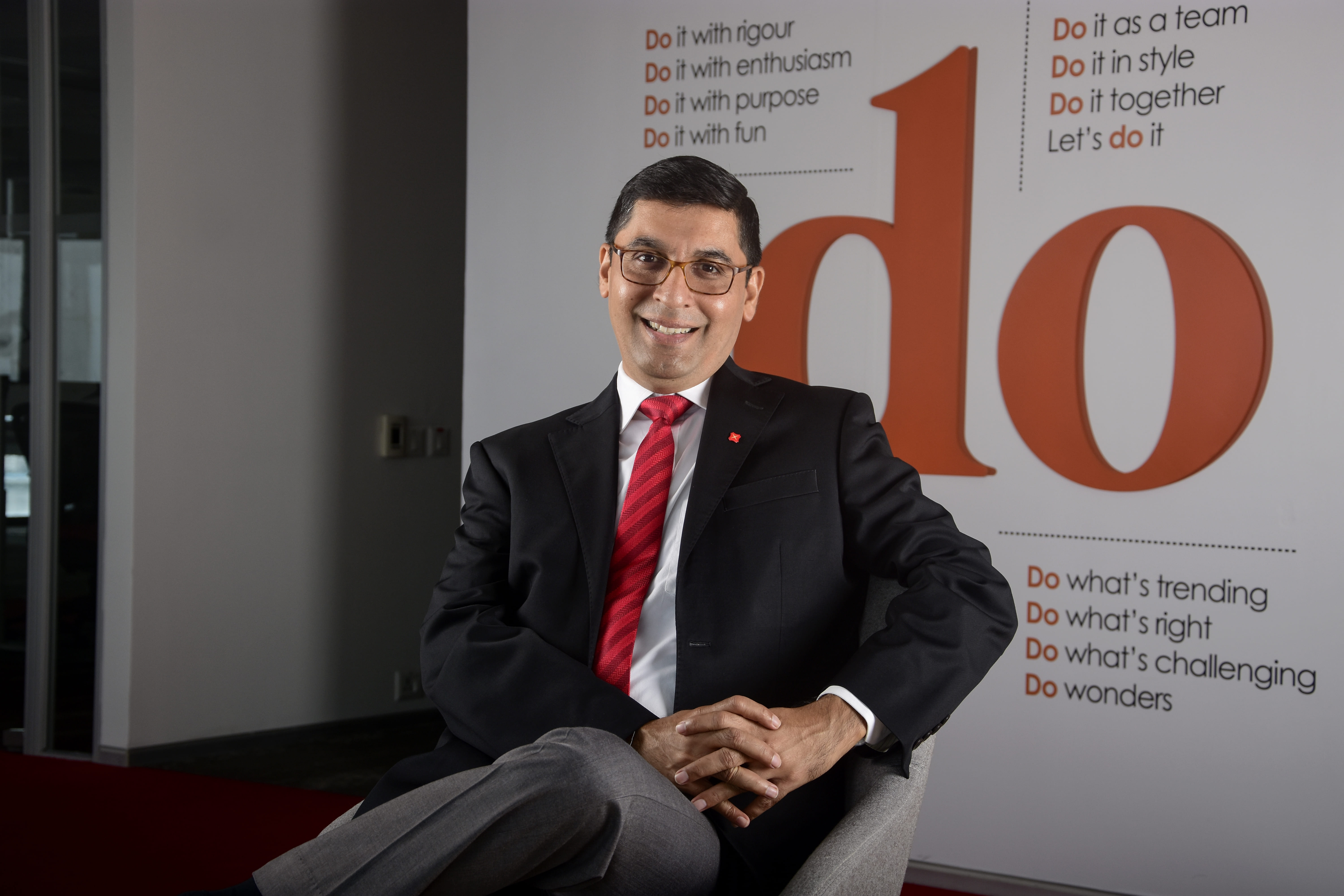
The report, The Digital Opportunity: Access, Adoption and Trust, explores how female earners across India are engaging with digital payments, banking, credit and investment platforms. The study draws insights from 1,342 women across North (23%), South (36%), East (14%) and West (27%) India, reflecting the perspectives of female entrepreneurs, High-Net-Worth (HNW) women and rural women earners.
The latest edition focuses on how digitalisation is shaping the financial journeys of women across different life stages, income segments and geographies. It also explores spending priorities, key drivers of digital adoption and awareness of safe digital banking practices across different segments.
The findings highlight that female entrepreneurs are the most active users of digital financial tools and platforms among all cohorts surveyed. Digital payment tools are the most widely adopted, used by 84% of female entrepreneurs. Across cohorts, UPI continues to gain traction, with usage standing at 72% among female entrepreneurs, 77% among HNW women and 54% among rural women earners surveyed, underscoring the growing ubiquity of India’s digital payments infrastructure.
Beyond banking and payments, female entrepreneurs are increasingly engaging with a wider ecosystem of digital financial tools and platforms. Among those surveyed, 38% use loan and credit platforms, while 29% use brokerage platforms. Among HNW women surveyed, 28% are actively using brokerage platforms for their investments, reflecting growing comfort and proficiency in using digital investment tools, driven by the convenience and accessibility they offer.
Divyesh Dalal, Managing Director and Country Head, Global Transaction Services, Corporate Banking, Financial Institutions and SMEs said,
“The findings of this report highlight an encouraging shift in the way women are engaging with their finances. Among female entrepreneurs, digital tools are becoming increasingly integral to business management, supporting everything from payments, credit and payroll to customer acquisition and future planning. The study also underscores the importance of trust, convenience, and accessibility in driving digital adoption.”
“As digital adoption deepens, entrepreneurs are increasingly seeking solutions that enhance operational efficiency and support their growth ambitions. Sustaining this momentum requires going beyond traditional banking to create connected ecosystems that help entrepreneurs at every stage of their business journey. By deepening our understanding of this segment and continuing to innovate in response to evolving needs, we aim to help female entrepreneurs build and scale their businesses”, he added.
Other key insights
Credit card usage is gaining momentum among female earners in urban India
Half (50%) of the female entrepreneurs surveyed report using personal credit cards frequently, including 19% who use them daily and 31% who use them a few times a week. Among HNW women, credit cards are used by 53% of respondents, making them the second most-used payment method after UPI.
Travel rewards top the list of preferred credit card benefits
Travel-related rewards, including hotel offers, air miles, lounge access and travel insurance, are the most preferred credit card benefit among both female entrepreneurs and HNW women, cited by 65% of respondents. Preference for travel-related rewards is particularly pronounced among younger respondents, rising to 70% among HNW women aged 25–30 years and 68% among female entrepreneurs aged 26–35 years.
Spending patterns across segments
Spending patterns were analysed to identify key business expenditure areas among female entrepreneurs and rural women earners, alongside personal spending among HNW women.
- Among female entrepreneurs surveyed, spending is concentrated on people, growth and technology. Beyond staff salaries and contractor payments (65%) and marketing, branding, content creation and customer acquisition (53%), 37% report spending on software, technology tools and platforms.
- For rural women earners, expenditure is largely directed towards day-to-day business operations, with 82% reporting spending on raw materials, 47% on rent and 35% on transportation to market.
- Among the HNW women surveyed, spending patterns are more diversified across both essential and discretionary categories, led by groceries and daily essentials (50%), utility bills (32%), healthcare and medical expenses (28%), and travel and vacations (27%).
This edition builds on the first report in the series, Money Matters: Mindsets, Financial Agency and Behaviour Across Life and Career Stages, released on International Women’s Day earlier this year, which examined the financial autonomy of women earners, key financial drivers and life goals, preferences for engaging with financial institutions, as well as their perspectives on career breaks, work-life balance, retirement planning and long-term financial preparedness.
26, Jun 2026
Piyush Goyal Conferred UK-India Award for Strengthening Bilateral Economic Ties
New Delhi, June 26: Union Commerce and Industry Minister Piyush Goyal has been conferred the UK-India award in recognition of his contribution to strengthening economic and trade relations between India and the United Kingdom.
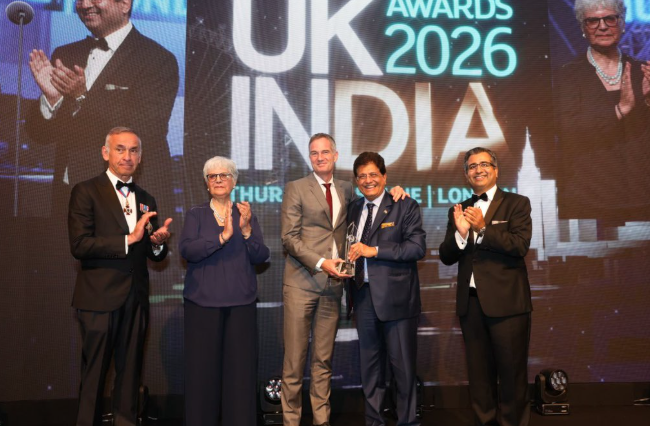
Pic Credit: https://x.com/PiyushGoyal
The award acknowledges his efforts in deepening bilateral engagement, promoting investment flows, and expanding cooperation across key sectors of mutual interest, including trade, industry, and innovation.
Officials noted that India and the UK have witnessed growing collaboration in recent years, supported by sustained high-level dialogue and efforts to enhance economic partnership frameworks. Goyal’s role in advancing these engagements has been highlighted as a key factor in strengthening ties between the two countries.
The recognition comes at a time when both nations are exploring new opportunities to further expand trade relations and build a more comprehensive economic partnership.
The award underscores the importance of continued cooperation between India and the UK in fostering long-term economic growth and strategic collaboration.
26, Jun 2026
Europe Sizzles Under Intense Heatwave; Schools Shut as Temperatures Break Records
London/Paris, June 26: Several European countries are grappling with an unprecedented heatwave, with temperatures soaring to record levels and forcing authorities to shut schools, issue health alerts and implement emergency measures to protect vulnerable populations.

Representational Imgage
The severe heatwave, driven by a persistent high-pressure system over southern and western Europe, has pushed temperatures well above seasonal averages in countries including Spain, France, Italy, Portugal and Greece. Meteorological agencies have warned that the scorching conditions are likely to persist over the coming days.
Authorities in several regions have ordered the closure of schools or shortened class hours to safeguard students and staff from extreme heat exposure. Outdoor activities have also been restricted in many areas, while hospitals and emergency services remain on high alert amid concerns over heat-related illnesses.
In some parts of southern Europe, temperatures have crossed the 40-degree Celsius mark, breaking previous records for June. The prolonged heat has also heightened the risk of wildfires, prompting governments to deploy firefighting resources and issue warnings to residents in vulnerable areas.
Health officials have urged people, particularly children, the elderly and those with pre-existing medical conditions, to stay indoors during peak afternoon hours, remain hydrated and avoid strenuous outdoor activities.
Climate experts have linked the increasing frequency and intensity of heatwaves to global climate change, warning that extreme weather events are becoming more common across the continent.
The ongoing heatwave has disrupted daily life, affected transportation services and increased electricity demand as millions rely on cooling systems to cope with the soaring temperatures.
26, Jun 2026
Centre Simplifies FSSAI Compliance Norms to Ease Business Operations in Food Sector
New Delhi, June 26: The Centre has notified key changes in the Food Safety and Standards Authority of India (FSSAI) regulations aimed at simplifying compliance requirements for food business operators and improving ease of doing business in the sector.
Officials said the revised framework is designed to reduce procedural burdens while ensuring that food safety and quality standards remain uncompromised. The reforms are expected to streamline approval processes, simplify documentation requirements, and make regulatory compliance faster and more efficient.
The changes are part of a broader effort to support micro, small and medium enterprises (MSMEs) in the food sector by reducing regulatory complexity and encouraging greater formalisation of businesses. Authorities noted that the updated norms will also promote a more transparent and predictable regulatory environment.
FSSAI has also strengthened its risk-based regulatory approach, enabling more targeted inspections and monitoring based on the size, nature, and risk profile of food business operators. This is expected to improve enforcement efficiency while reducing unnecessary compliance pressure on low-risk entities.
Industry stakeholders are expected to benefit from clearer guidelines, faster approvals, and improved operational ease across the food supply chain. Officials added that the reforms reflect the government’s continued focus on balancing consumer safety with industry facilitation and promoting a more business-friendly regulatory ecosystem.
26, Jun 2026
Swaranjali Delhi to Present ‘Colours of India 2026’ – A Grand Celebration of India’s Classical Music and Dance Heritage
Gurugram, June 2026: Swaranjali Delhi, in association with Eternal Oasis Gurugram, is all set to present “Colours of India 2026”, an evening dedicated to celebrating India’s rich legacy of classical music and dance. The cultural extravaganza will be held on July 9, 2026, at 6:00 PM at Prakriti Hall, 1st Floor, Eternal Oasis 591A, Sector 42 Main Road, Gurugram, Haryana.

Supported by the Department of Art and Cultural Affairs, Government of Haryana, and with Shreyas Webmedia Solutions as the Official Media Partner, the event aims to promote India’s classical performing arts by bringing together eminent musicians and dancers on a single platform. The programme promises an enriching experience for connoisseurs of Indian art and culture while inspiring the younger generation to appreciate the country’s timeless traditions.
Programme Highlights
The evening will feature performances by distinguished artists from across the country, including:
Kathak Dance: Ms. Oishee Bhattacharjee
Classical Vocal Recital: Ms. Laxmi Priya Nayak
Instrumental Duet: Pt. Subhas Ghosh (Swar Raginee) and Shri Ilma Shankar (Sitar)
Co-artists:
Pt. Siddhartha Chatterjee
Shri Jitendra Swain
Pt. Satyajyoti Mishra
Ustad Zakhir Dholpuri
The event is expected to showcase the beauty, diversity, and spiritual depth of Indian classical traditions through mesmerizing performances by acclaimed artists.
Speaking about the initiative, the organizers said that Colours of India 2026 has been conceived as a platform to preserve, promote, and celebrate India’s vibrant cultural heritage while fostering greater appreciation for classical music and dance among audiences of all ages.
Swaranjali Delhi has consistently worked towards nurturing India’s artistic traditions through concerts, cultural festivals, and collaborative programmes featuring renowned maestros and emerging talent. With Colours of India 2026, the organization continues its mission of connecting communities through the universal language of art and culture.
Art lovers, students, families, and cultural enthusiasts are cordially invited to attend this unique celebration and witness an evening of exceptional performances by some of India’s finest classical artists.
Event Details
Event: Colours of India 2026
Date: July 9, 2026
Time: 6:00 PM onwards
Venue: Prakriti Hall, 1st Floor, Eternal Oasis 591A, Sector 42 Main Road, Sector 42, Gurugram, Haryana – 122002
Media Partner: Shreyas Webmedia Solutions
About Swaranjali Delhi
Swaranjali Delhi is a leading cultural organization committed to promoting Indian classical music, dance, and traditional performing arts. Through festivals, concerts, workshops, and cultural collaborations, the organization strives to preserve India’s rich artistic heritage while providing a platform for distinguished as well as emerging artists.
Swaranjali Delhi
Website: www.swaranjali.org
26, Jun 2026
India’s MSME Sector Contributes Over 31% to GDP, Generates 38.9 Crore Jobs
New Delhi, June 26: India’s Micro, Small and Medium Enterprises (MSME) sector continues to play a key role in the country’s economic growth, with its contribution to the national GDP crossing 31% and employment rising to 38.9 crore, according to recent official estimates.
The sector remains one of the largest employment generators in the country, supporting livelihoods across manufacturing, services, and trade segments. Officials noted that MSMEs are also a crucial driver of exports and industrial output.
The growth has been supported by various government initiatives aimed at improving access to credit, promoting digital adoption, and enhancing ease of doing business for small enterprises.
Experts said the steady expansion of the MSME sector reflects its resilience and its central role in strengthening India’s self-reliant economic framework. The sector continues to support inclusive growth by generating employment opportunities across urban and rural areas.
The latest figures underline the MSME sector’s importance as a backbone of the Indian economy, contributing significantly to GDP while also absorbing a large share of the workforce.


