


25, Jun 2026
Pegasystems Unveils Strategic India Investment with New Bengaluru Executive Briefing Center
Hyderabad, June 25: Pegasystems Inc. the enterprise AI software company for mission-critical work, today inaugurated its new office at EcoWorld Tech Park, Bengaluru. The facility, built with an investment in excess of INR 60 crore, marks one of Pega’s most significant infrastructure expansions in India and underscores the company’s long‑term commitment to the country as a core hub for technology innovation, engineering excellence, and client engagement.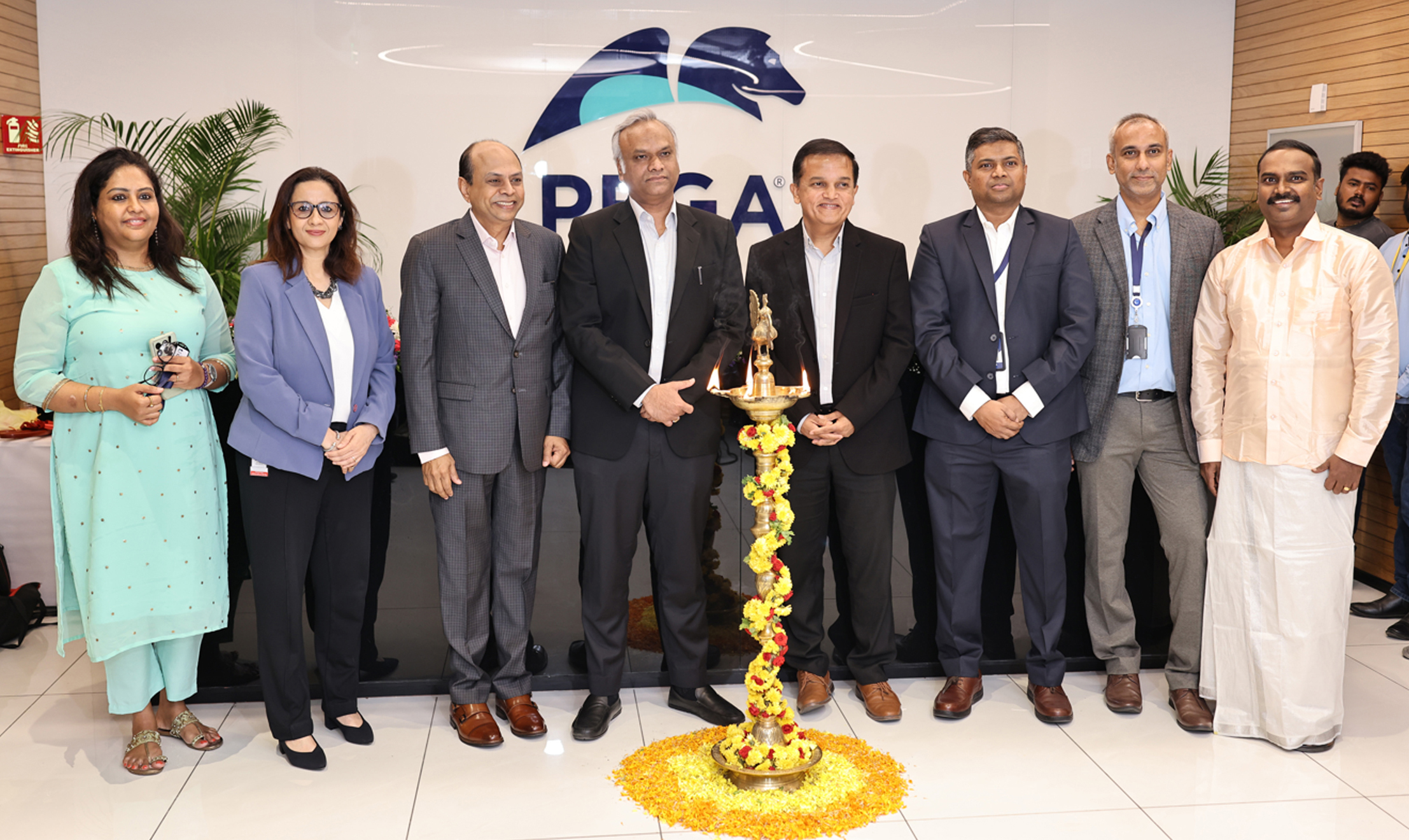
The inauguration ceremony was presided over by Shri Priyank M. Kharge, Hon’ble Minister for Home, Information Technology & Biotechnology and e-Governance, Government of Karnataka, as Chief Guest, alongside senior global and India leadership from Pega.
A World-Class Executive Briefing Center at The Heart of the Office
Central to the new facility is the Bengaluru Executive Briefing Center (EBC), a high-impact space designed to elevate how Pega collaborates with clients, partners, and prospects. The hub is designed to host executive‑level meetings, partner collaborations, immersive product demonstrations, solution showcases, roadmap and advisory sessions with senior decision‑makers, and curated Pega Days.
Built as a long-term investment in client engagement and innovation, the Bengaluru EBC reflects Pega’s commitment to bringing its most advanced capabilities, expertise, and thought leadership closer to customers in the region.
The new Bengaluru office further reinforces the city’s role as a strategic anchor within Pega’s global operations, serving as a center of engineering excellence and a key destination for client engagement and business development across Asia‑Pacific and beyond.
Scale and Capability Designed for Growth
The new office is 1.5 times the size of Pega’s previous Bengaluru facility, expanding the company’s footprint in the city by approximately 60%. It features 350+ seats, 35+ meeting and conference rooms, and connected floors designed to foster collaboration and productivity.
The workspace includes modern, technology‑enabled infrastructure such as advanced AV‑equipped meeting rooms, flexible seating zones, open collaboration areas, and dedicated recreational and wellness spaces, including a mother’s room.
Aligned with Pega’s global workplace standards, the facility is certified under LEED, WELL, and IGBC Platinum standards, prioritizing natural light, air quality, energy efficiency, and employee well‑being. Campus amenities include a food court, gym, daycare facilities, and strong public transport connectivity, with upcoming metro access.
Quotes & Commentary:
“Karnataka warmly welcomes Pegasystems’ expanded presence in Bengaluru,” said Shri Priyank KhargeHon’ble Minister for Home, Information Technology & Biotechnology and e-Governance, Government of Karnataka. “This investment is a strong endorsement of the state’s position as a global technology hub and reflects the confidence that leading enterprises place in Karnataka’s talent and ecosystem. We look forward to Pega’s continued role in driving innovation and high‑quality employment in our state.”
“Karnataka’s growth as a global technology hub is being shaped by a strong talent base, forward-looking policy, and institutions that help innovation move from idea to implementation,” said Dr. Manjula N, IAS, Secretary to Government, Department of Electronics, Information Technology, Biotechnology, and Science & Technology, and Chairperson of the BWSSB, Government of Karnataka. “Pegasystems’ investment in Bengaluru adds to this momentum by strengthening the city’s role as a center for advanced engineering, enterprise innovation, and strategic collaboration. Facilities like this create the kind of environment that supports deep technology growth, meaningful partnerships, and long-term value creation in Karnataka.”
“India is central to Pega’s global growth strategy, and this expansion reflects the confidence we have in the talent and capabilities here”, said Alan Trefler, founder and CEO, Pega. “The new Bengaluru Executive Briefing Center is a significant addition, designed to offer our clients a premier destination to experience Pega’s innovation first‑hand and deepen the partnerships that are critical to our shared success.”
“This new office marks an important milestone for Pega India”, said Deepak Visweswaraiah, senior vice president and managing director, Pega India. “It enables us to deliver immersive, high‑value experiences for our clients right here in Bengaluru – from live demonstrations to strategic executive‑level conversations. Combined with a workspace that reflects our culture and ambition, this facility provides a strong foundation for our next phase of growth.”
- 0
- By Neel Achary

25, Jun 2026
Jharkhand Emerges as Power Surplus State with Commissioning of PVUNL’s Second 800 MW Unit
Ranchi, June 25: In a major boost to Jharkhand’s energy infrastructure, the state has officially become power surplus following the commencement of commercial operations of the second 800 MW unit of the Patratu Vidyut Utpadan Nigam Limited (PVUNL) thermal power project.
The commissioning of the new unit marks a significant milestone in Jharkhand’s efforts to strengthen its power generation capacity and achieve greater energy self-sufficiency. With the addition of another 800 MW, the state is now better positioned to meet rising electricity demand from households, agriculture, businesses, and industries while reducing its dependence on power purchases from other states.
PVUNL, a joint venture between NTPC and Jharkhand Bijli Vitran Nigam Limited (JBVNL), is one of the state’s flagship power projects aimed at modernising electricity infrastructure and ensuring long-term energy security. The operationalisation of the second unit substantially increases the project’s contribution to the state’s power supply network.
Officials said the enhanced generation capacity will improve grid stability, strengthen power availability across urban and rural regions, and support uninterrupted electricity supply. The development is also expected to accelerate industrial growth by providing reliable power to existing industries and attracting fresh investments into the state.
The achievement comes at a time when Jharkhand is focusing on infrastructure-led economic development. Adequate and reliable electricity is considered a key enabler for manufacturing, mining, commercial activities, and social development initiatives.
Energy sector experts noted that becoming a power surplus state offers multiple benefits, including reduced expenditure on power procurement, improved energy planning, and the potential to supply surplus electricity to other regions through the national grid. This could further enhance the state’s revenue generation opportunities.
The commissioning of the second unit also reflects the successful execution of large-scale infrastructure projects in the power sector and highlights ongoing efforts to modernise thermal power generation facilities with improved efficiency and environmental standards.
State officials expressed confidence that the expanded power generation capacity will play a crucial role in supporting Jharkhand’s long-term economic ambitions, improving quality of life for citizens, and ensuring sustainable energy availability for future growth.
With the latest addition to its power infrastructure, Jharkhand has taken a significant step towards strengthening its energy ecosystem and reinforcing its position as an emerging industrial and economic hub in eastern India.
25, Jun 2026
Over 17 pc of Assam Households Pay Zero Electricity Bills: CM Himanta Biswa Sarma
Guwahati, June 25: Assam Chief Minister Himanta Biswa Sarma has said that more than 17 per cent of households in the state are currently paying zero electricity bills, highlighting the impact of the government’s power subsidy and welfare initiatives.
According to the Chief Minister, the benefit is reaching a significant number of families, particularly those from economically weaker sections, helping reduce their monthly household expenses.
Sarma said the initiative is part of the state’s efforts to make electricity more affordable and ensure wider access to essential services. He noted that the scheme has provided relief to thousands of families amid rising living costs.
The Chief Minister also emphasized the government’s commitment to improving power infrastructure and expanding access to reliable electricity across urban and rural areas of the state.
Officials said the programme reflects Assam’s focus on inclusive development and social welfare, ensuring that the benefits of government schemes reach those who need them most.
The state government continues to implement measures aimed at improving the quality of life for residents through affordable and accessible public services.
25, Jun 2026
Odisha Crime Branch Recovers Rs 1.1 Crore Lost by Retired Professor in ‘Digital Arrest’ Scam
Bhubaneswar, June 25 (UDN): In a major success against cyber fraud, the Odisha Crime Branch has recovered and returned Rs 1.1 crore to a retired professor who had lost over Rs 2.45 crore in a sophisticated “digital arrest” scam earlier this year.

Representational image
According to officials, the victim was targeted in February through an elaborate four-day cyber fraud operation orchestrated by fraudsters posing as government officials.
The ordeal began with a phone call informing the retired academic that his Aadhaar number had allegedly been linked to a bank account associated with terrorist activities. The call was subsequently shifted to a video conference, during which the fraudsters impersonated officials from central investigative agencies.
To make the deception appear genuine, the scammers allegedly sent a forged “digital arrest order” through WhatsApp, directing the professor not to leave his residence or contact anyone. The victim was kept under constant surveillance through virtual means and was allegedly coerced into transferring Rs 2,45,24,540 to multiple bank accounts over several days.
After realising that he had been duped, the professor lodged an FIR with the Cyber Crime Unit of the Odisha Crime Branch on March 2 and subsequently registered a complaint on the National Cybercrime Reporting Portal (NCRP).
Acting swiftly, investigators traced the money trail and identified beneficiary accounts linked to the fraud. During the investigation, one account containing Rs 1.1 crore was frozen. Following necessary legal procedures and coordination with the concerned bank, the amount was successfully refunded to the victim.
Officials said the investigation is still underway and efforts are on to trace the remaining funds and identify those involved in the cyber fraud. No arrests have been made so far.
The case comes amid a sharp rise in cybercrime incidents in Odisha. Official figures indicate that the state recorded 49,426 cyber fraud complaints involving Rs 432.28 crore in 2025. Of this amount, Rs 68.71 crore was frozen, while Rs 5.31 crore was refunded to victims. Between January and April 2026, another 16,335 complaints involving Rs 134.24 crore were reported, with authorities freezing Rs 24.27 crore and returning Rs 2.97 crore to victims.
The Odisha Police have once again cautioned citizens against falling prey to “digital arrest” scams, stressing that no genuine government agency or law enforcement authority conducts investigations solely through video calls or asks individuals to transfer money during an inquiry.
People have been advised to immediately report suspicious calls by dialling the national cybercrime helpline number 1930 or by lodging complaints through the National Cybercrime Reporting Portal.
25, Jun 2026
Nature-Based Solutions Key to India’s Water Security: Expert
New Delhi, June 25: India has the potential to emerge as a global leader in sustainable water management by adopting nature-based solutions and innovative approaches, an expert said on Tuesday.
Speaking on the importance of long-term water security, the expert highlighted that climate change, rapid urbanisation, and increasing demand are putting significant pressure on water resources across regions. In this context, nature-based solutions such as watershed restoration, wetland conservation, rainwater harvesting, and ecosystem-based water management were identified as key strategies.
The expert noted that integrating traditional knowledge systems with modern technology can help improve water conservation outcomes and ensure sustainable use of resources. Community participation and decentralised water governance were also emphasised as critical components for success.
India’s diverse geography and existing experience in large-scale water management programmes provide a strong foundation for scaling up such initiatives, the expert said. Strengthening local water bodies and improving groundwater recharge were highlighted as priority areas.
The need for collaborative efforts between government agencies, local bodies, and communities was also underlined to ensure effective implementation of sustainable water practices.
The expert further stated that investing in nature-based solutions not only supports water security but also contributes to climate resilience, biodiversity conservation, and rural livelihoods.
With growing global attention on environmental sustainability, India’s focus on innovative water management strategies could position the country as a model for other developing economies.
25, Jun 2026
FIFA World Cup 2026: Fake Ticket Websites Raise Online Security Concerns
New Delhi, June 25: Concerns have been raised over fraudulent online platforms impersonating official channels for FIFA World Cup 2026 ticket sales, with authorities and cybersecurity experts warning fans to exercise caution while booking tickets.
Officials said several fake websites and misleading links have surfaced, attempting to imitate legitimate ticketing portals and deceive users into sharing personal and financial information. The surge in such activities has prompted increased monitoring and public advisories to ensure safe access to official ticketing channels.
Cybersecurity experts have advised fans to verify official sources before making any purchases and avoid clicking on unverified links circulated through social media or messaging platforms. They also stressed the importance of checking domain authenticity and using only authorised platforms for ticket bookings.
Organisers are expected to intensify awareness campaigns to help fans identify genuine ticketing sources and reduce the risk of online fraud during the tournament’s ticket sales phase.
Authorities are working to track and block suspicious websites while encouraging users to report any suspected fraudulent activity to relevant agencies.
With global demand expected to be high for FIFA World Cup 2026 tickets, experts say public vigilance will play a key role in preventing financial losses and ensuring secure transactions.
25, Jun 2026
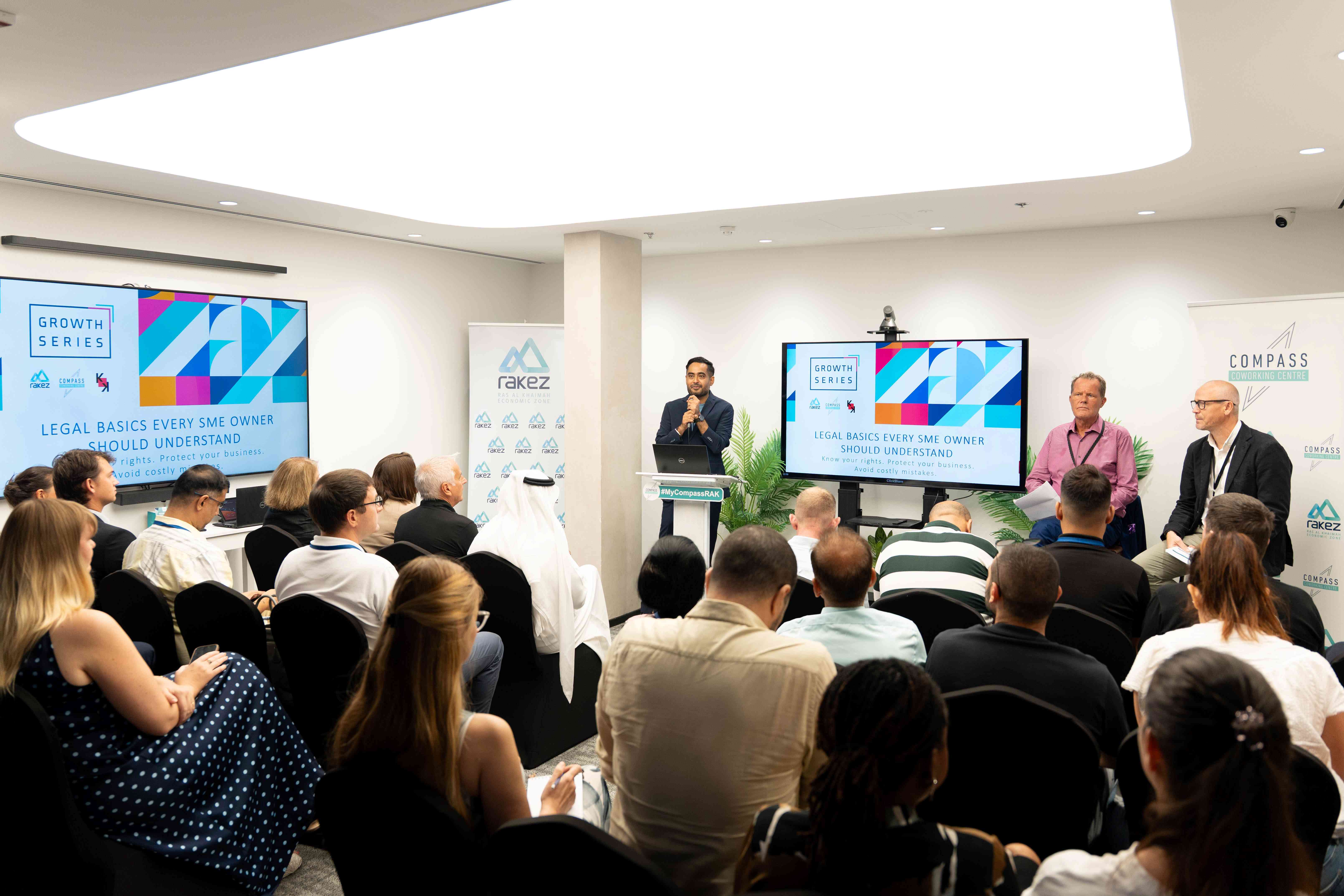
RAKEZ session helps SMEs strengthen business foundations through legal insights
|
25, Jun 2026
AAEON’s Release of the EPIC-PTH9 Puts a Spotlight on Industrial AI

Blending Intel Core Ultra Series 3 processing with a reinforced, low-profile design, the EPIC-PTH9 sees AAEON target the industrial AI sphere.
Taipei, Taiwan – June 25: Industry-leading provider of embedded solutions AAEON (Stock Code: 6579) today announced the release of the EPIC-PTH9, a 4” industrial single-board computer with Intel Core Ultra Series 3 processors (formerly Panther Lake), PCIe Gen 5 x8 expansion, and a robust, low-profile design.
Offering standard models with a choice of either the Intel Core Ultra X7 Processor 358H or Intel Core Ultra 7 Processor 356H, the EPIC-PTH9 can deliver up to 180 TOPS of AI performance through the Intel platform’s integrated CPU, Intel Arc B390 GPU, and NPU.
Given the product’s positioning as a platform for industrial AI applications, its I/O is geared towards support for the need to support multiple cameras, sensors, or control devices such solutions require. For this, the EPIC-PTH9 comes with four LAN ports, three of which three running at 2.5GbE and one at 1GbE speed, with two of these four ports supporting PXE enablement.
Other notable I/Os come in the form of four USB ports (two USB 3.2 Gen 2 and two USB 2.0), as well as four internal serial port headers. The board also provides a GPIO 8-bit, and SMBus header, co-lay with I2C and timed GPIO functions, which can be changed by BOM.
Perhaps the biggest difference between the EPIC-PTH9 and its predecessors, outside of its processing foundation, is the presence of a PCIe 5.0 x8 slot, which can be used to host next-gen AI accelerators, frame grabbers, and other specialized industrial I/O cards. Other expansion options include a M.2 3052 B-Key, M.2 2230 E-Key, and M.2 2280 M-Key slots for 5G, Wi-Fi, and NVMe storage modules, respectively.
The EPIC-PTH9 also sees improvements in its environmental ruggedness, with a default temperature range of -20°C to 70°C and a 9V to 24V power input tolerance. These features are particularly notable given the board’s low-profile 1U I/O height.
With respect to OS compatibility, the EPIC-PTH9 lists support for both Windows 11 and Linux Ubuntu 26.04 (kernel 7.0.0-14).
25, Jun 2026
Government Introduces QR Code System to Track High-Risk Medicines
New Delhi, June 25: The Government of India has mandated the use of QR codes on vaccines, antimicrobials, and cancer drugs as part of a strengthened regulatory framework aimed at curbing counterfeit medicines and improving drug traceability across the supply chain.
Officials said the move is intended to ensure end-to-end tracking of critical and high-value pharmaceutical products, enhancing patient safety and strengthening trust in the healthcare system. The QR code system will allow stakeholders, including regulators, healthcare providers, and consumers, to verify the authenticity of medicines in real time.
The initiative is expected to improve transparency across manufacturing, distribution, and retail channels by enabling digital verification at every stage of the supply chain. Authorities said this will help reduce the risk of spurious or substandard drugs entering the market.
Regulatory bodies will oversee the implementation process, ensuring compliance from pharmaceutical manufacturers and distributors. Companies will be required to integrate QR-based tracking systems into packaging for the specified categories of medicines.
Health officials noted that the step is particularly significant for life-saving drugs such as vaccines, cancer treatments, and antimicrobial medicines, where counterfeit risks can have serious public health implications.
The government stated that the initiative aligns with its broader goal of leveraging digital technologies to strengthen healthcare governance and improve patient safety outcomes.
Experts believe the measure will enhance accountability in the pharmaceutical sector and position India’s drug regulatory system among the more advanced globally in terms of traceability and anti-counterfeit mechanisms.
25, Jun 2026
India’s Startup Ecosystem Attracts Robust Funding in H1 2026
New Delhi, June 25: India’s technology sector has attracted $7.2 billion in funding during the first half (H1) of 2026, marking a 12% year-on-year increase and reflecting sustained investor confidence in the country’s digital ecosystem, according to a recent industry report.
The rise in funding highlights continued global and domestic interest in India’s tech-driven economy, with investments flowing into startups and companies operating across fintech, artificial intelligence, SaaS, deep tech, and consumer internet segments.
Analysts said the growth in funding is supported by strong digital adoption, expanding internet penetration, and increasing demand for technology-enabled services across both urban and semi-urban markets. Improved investor sentiment and a maturing startup ecosystem have also contributed to the upward trend.
Despite global macroeconomic uncertainties, India remains one of the most attractive destinations for venture capital and private equity investments in the technology space, driven by its large consumer base and innovation potential.
Industry experts noted that late-stage funding and growth-stage investments have shown renewed momentum, while early-stage startups continue to attract steady capital inflows, indicating a balanced investment environment.
The report suggests that India’s tech sector is expected to maintain its growth trajectory in the coming months, supported by digital transformation initiatives, policy stability, and increasing enterprise adoption of technology solutions.
With $7.2 billion already raised in H1 2026, the sector is on track for another strong year in technology investments, reinforcing India’s position as a global innovation hub.