


24, Jun 2026
Tamil Nadu Gas Leak Tragedy: Odisha Woman Succumbs, Death Toll Rises to Eight
Keonjhar/Chennai, June 24 (UDN): The death toll in the Tamil Nadu gas leak tragedy involving migrant workers from Odisha has risen to eight following the death of another critically injured woman worker from Keonjhar district on Wednesday.
The deceased has been identified as Subasini Juang, a resident of Balisahi under Sunapentha village in Keonjhar district. She had been undergoing treatment in a critical condition after being exposed to toxic ammonia gas in the industrial accident.
With her death, the number of victims from Keonjhar district alone has climbed to eight, underscoring the scale of the tragedy that has devastated several families in the region. Earlier, seven women workers from the district had died due to injuries sustained in the same incident.
Meanwhile, the bodies of five deceased workers were brought back to their native villages in Keonjhar on Wednesday and handed over to grieving family members by district administration officials. The mortal remains were taken to Kodipasa, Talachampei, Rangamatia, and Tangiri villages, where emotional scenes unfolded as relatives and residents gathered to pay their final respects.
“Four of the five women workers died in the tragic mishap. The condition of one is stable,” said a villager, as mourning engulfed the affected villages. Most of the bereaved families belong to economically weaker sections, prompting renewed demands for adequate compensation and long-term rehabilitation support.
The incident occurred on Sunday at a seafood processing unit in Periyapalayam, Tiruvallur district of Tamil Nadu, when an ammonia gas leak triggered a major industrial accident. Several workers were exposed to the toxic gas, resulting in multiple deaths and leaving dozens hospitalized.
In response to the tragedy, Odisha Chief Minister Mohan Charan Majhi has announced enhanced ex-gratia assistance of ₹10 lakh for the families of the deceased workers.
Authorities continue to investigate the cause of the leak, while rescue and medical teams are monitoring the condition of those still under treatment.
- 0
- By Neel Achary

24, Jun 2026
India, China Explore Ways to Deepen Engagement
New Delhi, June 24: Chinese Foreign Minister Wang Yi met Prime Minister Narendra Modi to discuss ways to deepen cooperation between India and China and strengthen bilateral engagement across multiple areas of mutual interest.
During the meeting, both sides reviewed the current state of relations and exchanged views on enhancing dialogue and stability in ties between the two neighbouring countries.
Wang Yi emphasised the importance of expanding cooperation and maintaining constructive engagement to promote regional stability and mutual development. He noted that closer collaboration between India and China could contribute positively to broader global and regional challenges.
Prime Minister Narendra Modi underscored the need for maintaining peace and stability along the border areas and highlighted the importance of building a relationship based on mutual respect, sensitivity and shared interests.
Both sides acknowledged the significance of regular communication at high levels to address concerns and explore opportunities for cooperation in areas such as trade, investment and people-to-people exchanges.
The meeting reflects ongoing diplomatic efforts to manage differences and strengthen engagement between the two major Asian economies.
24, Jun 2026
India Strengthens Position in Global AI Landscape Amid Rapid Technology Adoption
New Delhi, June 24: India is steadily positioning itself as a significant player in the global artificial intelligence (AI) ecosystem, driven by rapid digital adoption, expanding talent pools and increasing investments in emerging technologies, according to a recent report.
The report highlights that India’s growing AI capabilities are being supported by strong technological infrastructure, a large base of skilled professionals and rising demand for AI-driven solutions across industries such as healthcare, finance, manufacturing and services.
Experts noted that government initiatives promoting digital transformation, along with private sector innovation, are accelerating the development and deployment of AI applications across the country.
The study further states that India’s startup ecosystem is playing a crucial role in advancing AI innovation, with companies focusing on areas such as machine learning, automation, data analytics and generative AI solutions.
Analysts believe that India’s demographic advantage, combined with its expanding digital economy, positions it strongly to contribute meaningfully to the global AI value chain in the coming years.
The report also emphasised the importance of continued investment in research, skilling and infrastructure to ensure sustainable growth in the AI sector and strengthen India’s global competitiveness.
With increasing global collaboration and domestic innovation, India is expected to deepen its role in shaping the future of artificial intelligence worldwide.
24, Jun 2026
India Remains Resilient Despite Global Uncertainty: Report
New Delhi, June 24: India continues to showcase resilience in the face of global economic and geopolitical uncertainties, with strong participation from domestic investors helping stabilize financial markets, according to a recent report.
The report highlights that despite external challenges such as geopolitical tensions, fluctuating commodity prices and global economic slowdowns, India’s financial markets have remained relatively stable due to sustained inflows from domestic investors.
Growing participation from retail investors, mutual funds and domestic institutional investors has provided a strong cushion against volatility triggered by foreign capital movements. This trend has helped maintain investor confidence and support market performance during periods of global turbulence.
Analysts noted that India’s robust macroeconomic fundamentals, expanding digital economy and steady economic growth outlook continue to attract long-term investment interest. The increasing role of domestic capital has also reduced the market’s dependence on foreign institutional flows.
The report further stated that rising financial awareness, greater access to investment platforms and increasing household participation in equity markets have strengthened the country’s investment ecosystem.
Experts believe that the growing influence of domestic investors will remain a key factor in supporting market stability and enhancing India’s ability to navigate global economic shocks in the years ahead.
24, Jun 2026
Adani Electricity Rolls Out Comprehensive Monsoon Readiness Plan Across Mumbai
Mumbai, June 24: Adani Electricity has intensified its monsoon preparedness measures to ensure uninterrupted power supply and safeguard nearly 3.15 million consumers across Mumbai during the rainy season.
The company has implemented a comprehensive contingency plan aimed at minimizing disruptions caused by heavy rainfall, waterlogging, strong winds and other weather-related challenges commonly experienced during the monsoon months.
As part of its preparedness strategy, Adani Electricity has strengthened its network infrastructure, conducted preventive maintenance of substations and distribution systems, and deployed dedicated emergency response teams across key locations in its service area.
Officials said round-the-clock monitoring systems have been activated to quickly identify and address any potential faults, while critical equipment and backup resources have been positioned to ensure rapid restoration of services if required.
The utility has also undertaken inspections of power installations in flood-prone areas and enhanced coordination with local authorities and emergency agencies to improve response capabilities during adverse weather conditions.
With Mumbai entering the peak monsoon period, the company said customer safety and service reliability remain top priorities. Consumers have also been advised to follow electrical safety guidelines and report any power-related issues through the company’s customer service channels.
The preparedness measures reflect Adani Electricity’s ongoing commitment to maintaining reliable power supply and ensuring operational resilience during one of the city’s most challenging weather seasons.
24, Jun 2026
Rapid Solar Energy Expansion Creating New Green Employment Opportunities in India
New Delhi, June 24: India’s accelerating adoption of solar energy is emerging as a major driver of green job creation, with a new report highlighting the sector’s growing contribution to employment and sustainable economic development.
According to the report, the expansion of solar power capacity is generating opportunities across the value chain, including manufacturing, project development, installation, operations, maintenance and related support services.
The growth of the solar sector is being supported by increasing investments in renewable energy, favourable policy initiatives and the country’s commitment to expanding clean energy capacity. These developments are helping create a new generation of jobs aligned with the transition to a low-carbon economy.
Industry experts said the renewable energy sector is not only contributing to India’s energy security goals but is also opening up employment opportunities for skilled, semi-skilled and rural workers.
The report noted that as solar installations continue to scale across utility, commercial and residential segments, demand for trained professionals in engineering, technical services and clean energy management is expected to rise significantly.
Experts believe the solar industry will play a crucial role in supporting sustainable growth, fostering innovation and creating future-ready employment opportunities as India advances its clean energy transition.
With renewable energy becoming a key pillar of economic development, the solar sector is expected to remain a major source of green jobs in the years ahead.
24, Jun 2026
Advancing Green Hydrogen Integration for the Decarbonisation of Energy-Intensive European Industries
The EU has set an ambitious goal for Europe to become the first climate-neutral continent by 2050. The transition towards a green and sustainable society is underway.
Energy-intensive industries such as the ceramics and glass sector account for a significant share of Europe’s industrial energy consumption and CO₂ emissions. Decarbonising these sectors is therefore essential to achieving the European Union’s climate and industrial competitiveness objectives. While electrification will play a key role, additional solutions are needed to address high-temperature industrial processes where direct electrification remains challenging.
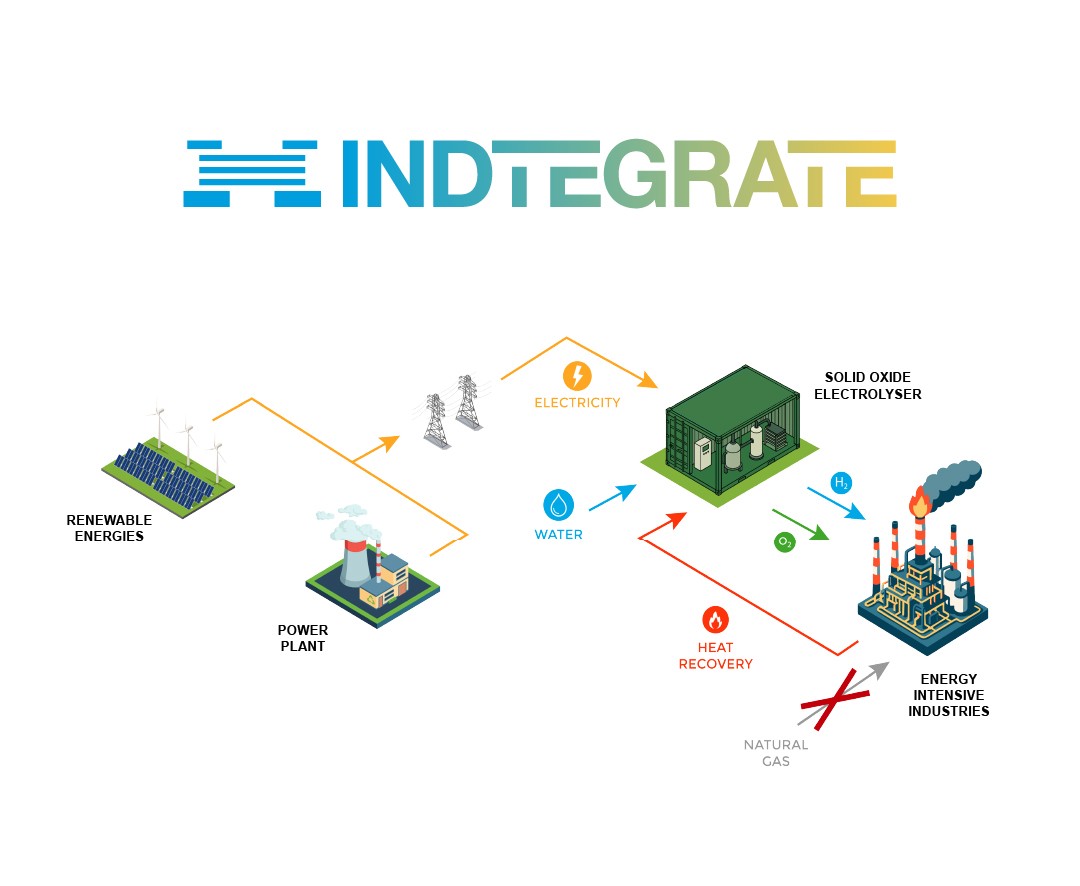
INDTEGRATE, a Horizon Europe Innovation Action that addresses this challenge, was officially launched. The project brings together a multidisciplinary consortium of industrial companies, technology developers, research organisations, universities, and innovation experts from across Europe to accelerate the integration of Solid Oxide Electrolyser Cell (SOEC) technology into energy-intensive industries. By combining renewable electricity, industrial waste heat recovery, advanced digital technologies, and green hydrogen production, INDTEGRATE aims to demonstrate a practical and scalable pathway towards industrial decarbonisation. The project will develop a suite of advanced digital tools, including reduced-order models, Process and Electrolyser Digital Twins, to support the design, optimisation and operation of hydrogen production systems in the glass and ceramics sectors.
Building on these digital capabilities, INDTEGRATE will engineer and validate a modular 220 kW SOEC system combining renewable electricity and industrial waste heat recovery to produce green hydrogen more efficiently. Through pilot demonstrations in operational industrial facilities, INDTEGRATE will assess the technical performance, operational flexibility and economic viability, while supporting the wider adoption of hydrogen technologies through stakeholder engagement, skills development, training activities and a roadmap for large-scale replication across Europe.
Kick-off meeting overview and outcomes
Hosted by the project coordinator, KERIONICS S.L. (Spain), the kick-off meeting marked the official start of INDTEGRATE and brought together representatives from all partner organisations to establish a common vision and implementation strategy for the next three years.
During the meeting, consortium partners presented their respective roles and responsibilities and discussed the project’s technical, managerial, and communication activities. Particular attention was given to the development of the SOEC system, digital twin technologies, energy management solutions, and the preparation of the industrial pilot demonstrations in Spain and Slovenia. Partners also exchanged views on expected impacts, collaboration mechanisms, risk management procedures, and opportunities for creating synergies with other European initiatives supporting industrial decarbonisation and hydrogen technologies.
The discussions confirmed a shared commitment to delivering innovative, industry-driven solutions capable of accelerating the adoption of green hydrogen in energy-intensive sectors while supporting Europe’s broader sustainability ambitions.
Next steps
Over the coming months, the INDTEGRATE consortium will focus on the detailed design and development of the project’s technological building blocks, including digital modelling tools, energy management systems, and SOEC integration strategies. Preparatory activities for the pilot demonstrations will also begin, alongside stakeholder engagement, dissemination, and collaboration activities designed to maximise the project’s impact.
The first technical results and project developments are expected to be shared through the project’s communication channels and stakeholder engagement activities, contributing to the advancement of sustainable hydrogen solutions and the decarbonisation of European industry.
Project consortium
KERIONICS S.L.
Torrecid SA
Spanish National Research Council (CSIC)
FUKS GROUP
Bitwise Oy
Steklarna Hrastnik LLC
Precision Resource Slovenia
Universitat Politècnica de València
Center for Applied Energy Research e.V. (CAE)
Ena Development Consultants
YIVA Engineering SRL
INCOTEC efficient Innovation
24, Jun 2026
Omani Sanad Al Rawahi becomes first FIA scholar at the European Sport Business School
FIA President Mohammed Ben Sulayem says new scholarship supports next generation byopening doors to management careers in motorsport
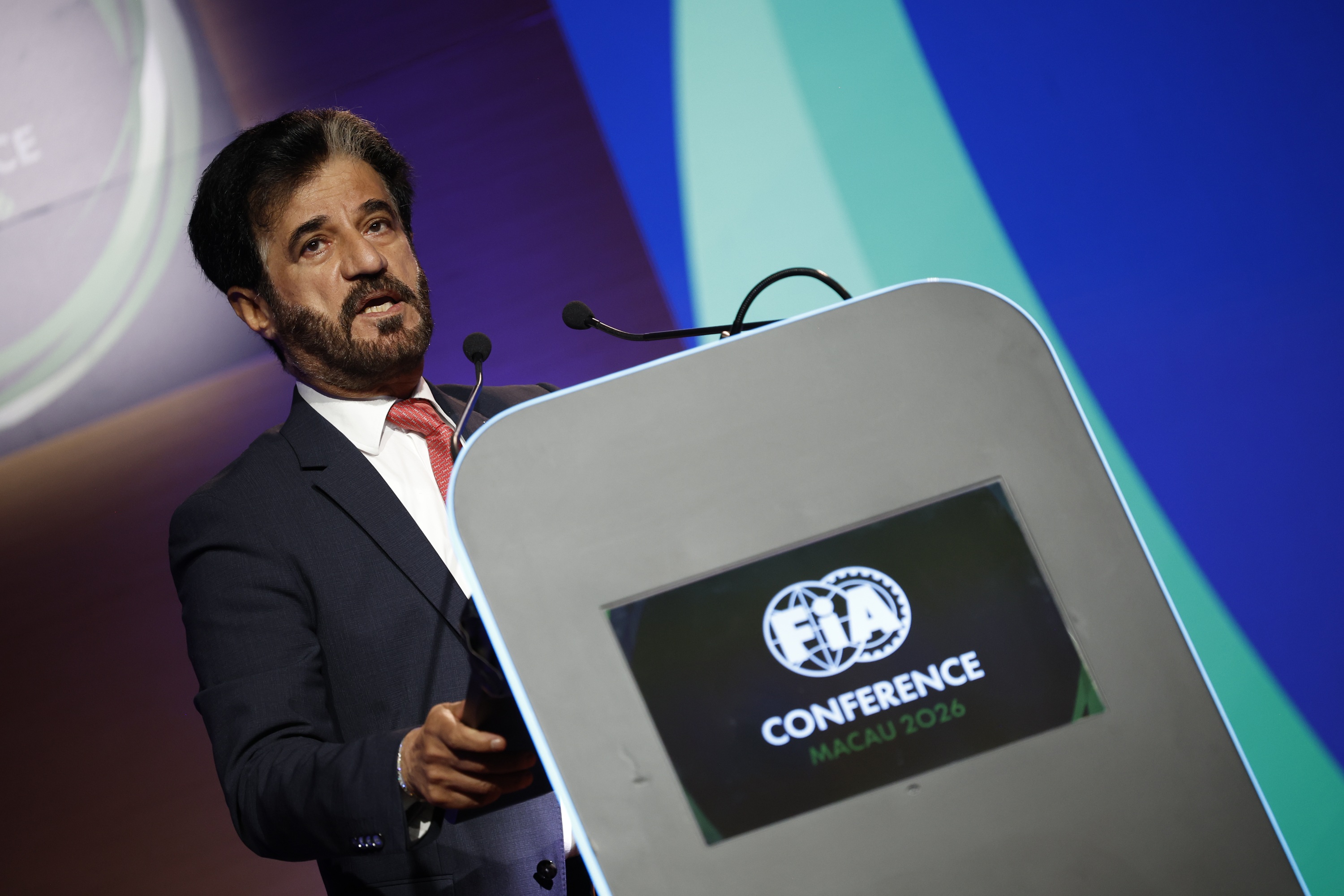
Dubai, UAE, June 24: The Fédération Internationale de l’Automobile (FIA), the global governing body for motor sport and the federation for mobility organisations worldwide, today announced that Omani Sanad Al Rawahi has been named the first-ever recipient of the FIA Scholarship for the Master’s in International Sports Management.
Delivered in partnership with the European Sport Business School (ESBS) in Spain, the scholarship offers aspiring motor sport professionals the opportunity to develop the skills, knowledge and network required to build a career in the global sports industry.
Provided through the FIA University Scholarship Programme, it creates new pathways into motor sport for talented individuals from a wide range of backgrounds.
Al Rawahi, Motorsport Manager at the Oman Automobile Association, brings more than a decade of experience managing race facilities, coaching drivers and delivering national and international events.
He has progressed from marshal and racing coach to leading the development and growth of motor sport across Oman. A graduate of the FIA’s Immersion Programme (2024) and Advanced Leadership Programme (2025), he exemplifies the scholarship’s mission to develop motor sport leaders from emerging nations.
H.E. Mohammed Ben Sulayem, FIA President, said: “This new scholarship opens doors to management careers in motorsport, ensuring that future leaders are defined by their potential and ambition.
“As part of our FIA University Scholarship Programme, this addition reflects our commitment to supporting the next generation by expanding opportunities around the world. Congratulations to Sanad as the first scholar to begin this exciting journey, I wish him all the success.”
Sanad Al Rawahi, FIA ESBS Scholar, said: “Winning the FIA Scholarship is a real honour and a milestone in my motor sport journey. It gives me the opportunity to learn from some of the best in the industry, and I hope to bring that knowledge back to Oman to help develop local talent and contribute to the growth of motor sport across the region.”
The Master of International Sports Management prepares students for leadership roles across the sports industry through a practical, industry-focused approach.
Established in 2009, it is recognised as one of the leading sports management degrees in Spain and Europe, and has consistently ranked as the top Master’s of its kind in Spain since 2017. The scholarship covers full tuition fees alongside a contribution towards travel and living costs in Spain.
Jorge Coll, ESBS Founder and Honorary President at ACE Education Spain, said: “We are delighted to welcome the first FIA scholar to the Master’s in International Sports Management. Sanad’s experience and ambition embody exactly the kind of leadership this programme is designed to nurture.”
Further information about the scholarship and how to apply can be found at fia.university or by emailing scholarship@fia.com.
24, Jun 2026
Why Indoor Air Quality Is Becoming a Wellness Priority
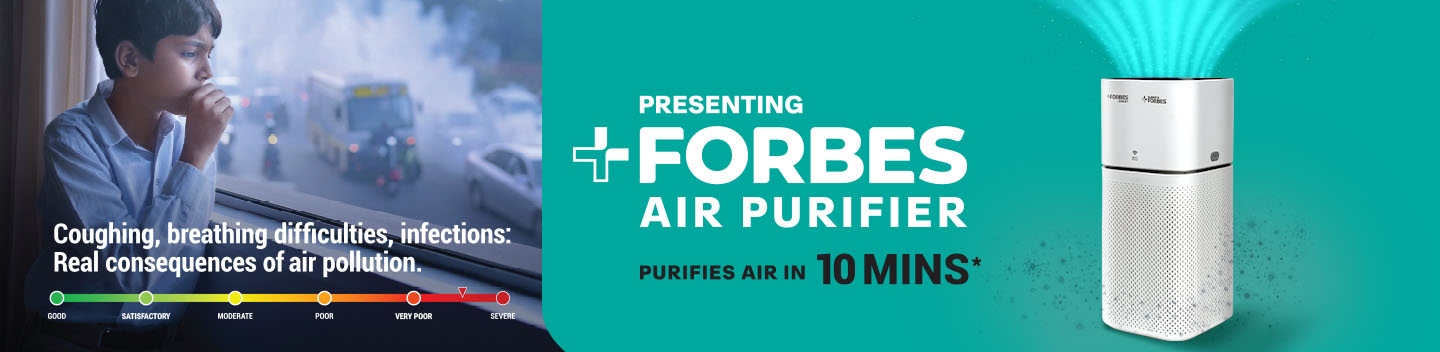
When people think of air pollution, they often picture smog-filled roads, vehicle emissions, and industrial smoke. However, what many overlook is that the air inside our homes can sometimes be more polluted than the air outside.
From dust, pet dander, and pollen to cooking fumes, smoke, mould spores and volatile organic compounds (VOCs) released from household products and furnishings, indoor spaces can trap a variety of pollutants. Experts suggest that indoor air can be two to five times more polluted than outdoor air due to limited ventilation and the accumulation of contaminants over time.
As awareness around indoor air quality grows, Eureka Forbes is witnessing increasing consumer interest in solutions that help create healthier living spaces. Air purifiers are becoming an important household appliance, helping remove fine dust, allergens, odours and harmful airborne particles through advanced filtration technologies.
Commenting on the importance of indoor air quality, Dr Anil Kumar, Scientist at Eureka Forbes, said, “People often focus on outdoor pollution because it is visible, but indoor air pollution can be equally concerning. Since we spend a significant portion of our time indoors, maintaining clean indoor air is becoming increasingly important for overall health and well-being.”
Poor indoor air quality can contribute to allergies, respiratory discomfort, disturbed sleep and asthma flare-ups, particularly among children, elderly individuals, and those with existing respiratory conditions. To address this growing need, Eureka Forbes offers smart air purification solutions designed to help consumers create healthier indoor environments.
As conversations around wellness continue to evolve, clean indoor air is becoming an essential part of a healthy lifestyle. While outdoor pollution remains a challenge, improving the quality of the air inside our homes is equally important.
24, Jun 2026
Toray Develops Breakthrough Hydrophilic Coating for Contact Lenses and Other Silicone-Based Medical Devices
Tokyo, Japan, June 24: Toray Industries, Inc. announced today that it has developed an innovative hydrophilic coating that enhances the wettability of silicone materials by more than 20 times. This breakthrough enables silicone to achieve durable hydrophilicity, opening new possibilities for contact lenses and a broad range of medical device applications.
Silicone materials are widely used in medical devices, including contact lenses and catheters, due to their flexibility and excellent biocompatibility. However, silicone’s inherently hydrophobic nature limits its suitability for applications requiring high wettability or lubricity. In contact lenses, poor wettability can lead to dryness and foreign-body sensations, while in catheters it can reduce maneuverability and increase the risk of blockages. Although various approaches, such as surface modification and material redesign, have been explored to improve silicone hydrophilicity, these methods often complicate manufacturing processes and present challenges in achieving adequate hydrophilicity and long-term clinical durability.
To overcome these limitations, Toray leveraged its proprietary polymer molecular design and precision polymerization technologies to develop a novel hydrophilic polymer with a strong affinity for silicone. By utilizing the polymer’s self-assembly properties, the company successfully created a highly durable, nanometer-scale hydrophilic coating on silicone surfaces.
The ultra-thin coating imparts hydrophilicity while preserving the silicone’s intrinsic physical properties. By bringing the hydrophilic polymer into contact with the surface of commercially available silicone hydrogels and applying heat, Toray can form a hydrophilic coating layer approximately 20 nanometers thick. Tests demonstrated that the coated surfaces exhibited more than a 20-fold improvement in wettability compared with uncoated surfaces, while the coefficient of friction decreased by approximately 90%. The coating also maintained high durability even after repeated rubbing.
Applying this hydrophilic coating to contact lenses is expected to significantly enhance wearer comfort during prolonged use. In addition, studies have shown that the coating suppresses the adhesion of biological substances to silicone elastomers, suggesting potential applications in medical devices such as stents and catheters, where improved lubricity and reduced blockage could enhance performance and patient outcomes.
Toray plans to actively promote this coating technology and expand its application across a wide range of medical device materials.
Through continued innovation in advanced materials and healthcare technologies, Toray remains committed to helping create a world in which people can lead healthier, more comfortable, and more independent lives.


