


24, Jun 2026
Entertainment Industry Shines at Padma Awards 2026
June 24: The Padma Awards 2026, one of India’s highest civilian honours, recognised leading figures from the entertainment industry for their outstanding contributions to cinema, music and television.
Announced on the eve of Republic Day and presented by President Droupadi Murmu at Rashtrapati Bhavan, the awards this year honoured 131 personalities across fields including art, literature, education, sports, medicine, science, public affairs and social service.
In the entertainment category, several celebrated names from Indian cinema and music were recognised for their enduring impact on the country’s cultural landscape.
Veteran actor Dharmendra was honoured posthumously with the Padma Vibhushan for his contribution to Indian cinema. The award was received by his wife, Hema Malini, during the Civil Investiture Ceremony at Rashtrapati Bhavan.
Actor and comedian Satish Shah was also honoured posthumously with the Padma Shri, recognising his memorable work in films and television that left a lasting mark on Indian entertainment.
Malayalam cinema icon Mammootty was conferred the Padma Bhushan for his exceptional contribution to Indian cinema spanning more than four decades and a wide body of acclaimed work.
Renowned playback singer Alka Yagnik also received the Padma Bhushan, acknowledging her distinguished musical career and enduring popularity across multiple languages.
Actor, filmmaker and television personality R. Madhavan was awarded the Padma Shri for his versatile contribution to Indian cinema across Hindi, Tamil and other industries.
The 2026 Padma Awards highlighted the continued global influence of Indian entertainment, celebrating artists whose work has shaped and inspired generations of audiences.
- 0
- By Neel Achary

24, Jun 2026
Allcargo Logistics Appoints Bipin Reghunathan as Chief Business Officer to Drive Consultative Logistics Growth
Mumbai, June 24: Allcargo Logistics, an integrated logistics provider operating Domestic Supply Chain business, through its Express Distribution and Consultative Logistics services, has further strengthened its leadership team and announced the appointment of Bipin Reghunathan as Chief Business Officer – Consultative Logistics.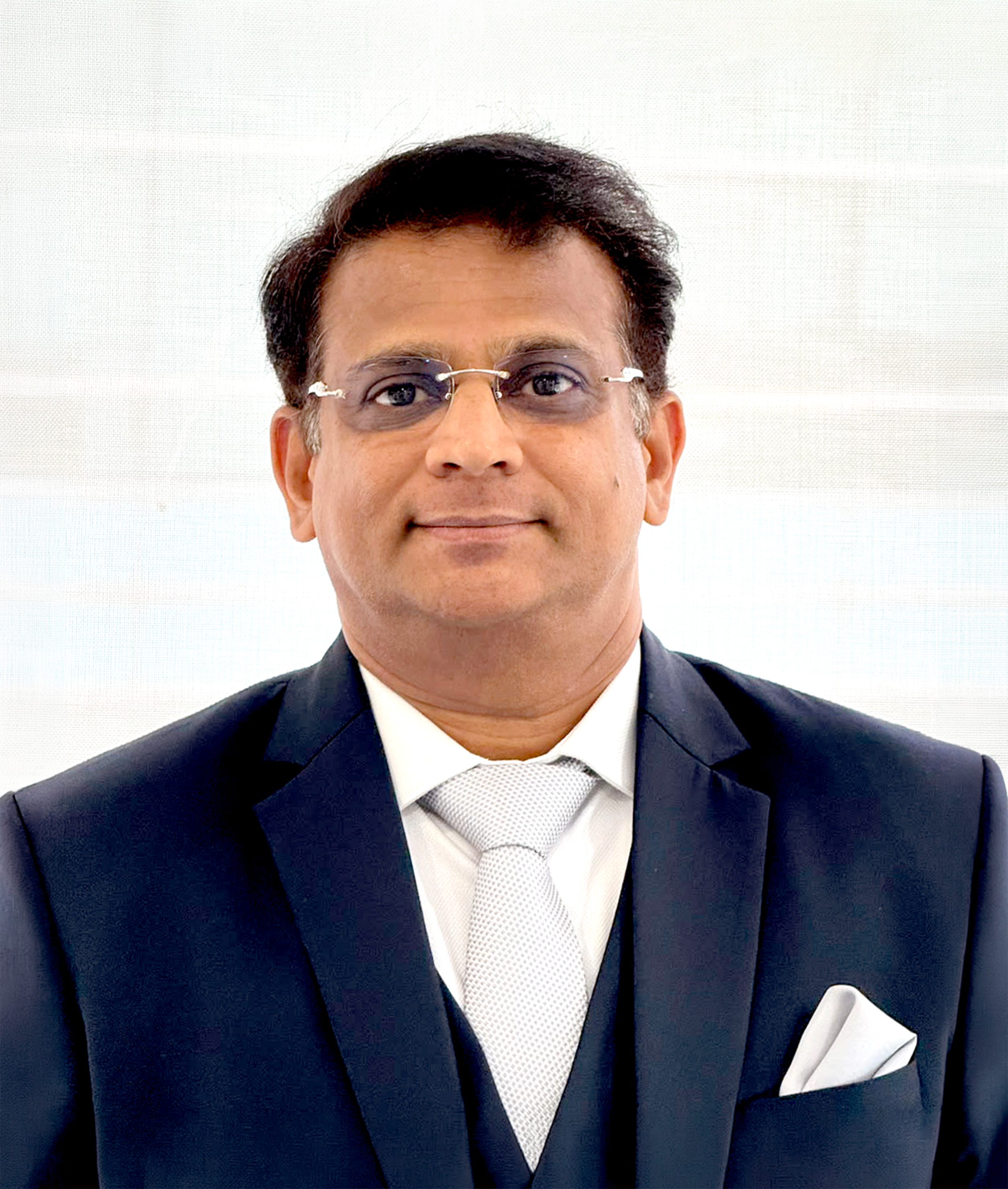
In his new role, Bipin will lead the strategic growth and profitability of Allcargo’s Consultative Logistics business. He will drive customer-centric innovation, technology-led decision-making, and organizational capability building to support the company’s long-term growth ambitions.
Bipin brings over three decades of leadership experience across supply chain management, warehousing, logistics operations, business transformation, and network optimization. Throughout his career, he has successfully driven business growth, operational excellence, and customer value creation while leading large-scale supply chain and warehousing businesses.
Commenting on the appointment, Ketan Kulkarni, Managing Director & CEO, Allcargo Logistics Limited, said,
“Bipin’s appointment marks an important addition to our leadership team as we continue to strengthen and expand our consultative business. He brings extensive industry experience and a deep understanding of customer requirements across sectors. At Allcargo Logistics, we are committed to building leadership depth across our businesses, and Bipin’s addition will help us further enhance our capabilities, deliver greater value to customers and accelerate growth in this segment. We are delighted to welcome him to the Group and look forward to the contributions he will make in the years ahead.”
Speaking on his appointment, Bipin Reghunathan, Chief Business Officer – Consultative Logistics, Allcargo Logistics Limited, said.
“I am delighted to be part of Allcargo Logistics, which has built a strong foundation in integrated logistics, backed by four decades of experience in the industry. This is an exciting time for the business as customers increasingly seek trusted partners who can support their growth ambitions and evolving supply chain requirements. I look forward to be part of the Allcargo Group and strengthen our Consultative Logistics capabilities and contribute to the continued growth of the business.”
Prior to joining Allcargo Logistics, Bipin held a leadership position at Rhenus Contract Logistics. He has also held senior leadership roles at DHL Supply Chain, Mahindra Logistics, Radhakrishna Foodland, and Aditya Birla Retail, where he played a pivotal role in scaling operations, strengthening customer partnerships, optimizing supply chain networks, and delivering sustainable business performance. Bipin holds a Master of Data Science from Deakin University, Australia, PG Program on Leadership and General Management from INSEAD, France, PG Program in General Management from Welingkar Institute of Management, Mumbai.
Allcargo’s Consultative Logistics business delivers integrated warehousing and supply chain solutions that help customers optimize inventory, improve operational efficiency, enhance supply chain visibility, and build agile distribution networks. The business serves customers across a diverse range of Chemical, Pharmaceuticals, Auto & Engineering, Retail industries and more, leveraging technology, process excellence, and deep domain expertise to deliver customized and scalable logistics solutions.
24, Jun 2026
Tripura Opens First Public EV Charging Station, Expands Clean Mobility Push
Agartala, June 24: Tripura has launched its first public electric vehicle (EV) charging station, marking a key step in the state’s efforts to strengthen clean mobility infrastructure and support the growing adoption of electric vehicles.
The newly inaugurated facility is expected to provide convenient charging access for EV users and encourage wider use of electric transport across the state. It also signals the beginning of a broader infrastructure rollout aimed at building a more sustainable transport ecosystem.
As part of its long-term plan, the state has proposed setting up 94 additional EV charging stations at strategic locations. The expansion is aimed at improving accessibility, reducing range anxiety among EV users and supporting the transition towards greener transportation.
Officials said the initiative aligns with broader national objectives to promote electric mobility, reduce carbon emissions and increase the share of clean energy in the transport sector.
With the rollout of additional charging infrastructure, Tripura is expected to gradually build a supportive ecosystem for EV adoption, particularly in urban centres and key transit routes.
The move is seen as an important milestone in the state’s clean energy transition journey.
24, Jun 2026
Vizhinjam Seaport Handles 1,000 Ships, Signals Strong Operational Ramp-Up
Vizhinjam, June 24: Adani Vizhinjam International Seaport has crossed a key milestone by handling 1,000 vessels, reflecting the rapid scale-up of India’s first deep-water transshipment port.
The achievement comes shortly after the port’s initial operations began, underscoring its fast ramp-up in cargo handling and increasing integration into global shipping routes.
Developed and operated by the Adani Group, the port is positioned as a strategic maritime gateway aimed at reducing India’s dependence on overseas transshipment hubs and strengthening the country’s presence in international trade logistics.
The growing vessel traffic highlights rising confidence among global shipping lines and improved operational efficiency at the facility. With its deep draft and proximity to major sea routes, Vizhinjam is steadily emerging as a key node in India’s maritime infrastructure network.
Officials noted that the milestone reflects the port’s accelerating role in improving container movement, reducing logistics turnaround time and enhancing coastal and international trade connectivity.
The development marks a significant step in India’s efforts to build world-class port infrastructure and strengthen its position in global shipping and logistics.
24, Jun 2026
India’s Trade Climbs to Dollar 1.84 Trillion in FY26, Reflecting Steady Economic Growth
New Delhi, June 24: India’s total trade increased 5.4 per cent to reach $1.84 trillion in FY26, according to NITI Aayog, highlighting steady momentum in the country’s external sector.
The rise in trade was supported by stronger performance in both goods and services, driven by improving export competitiveness, resilient domestic demand and expanding global linkages.
Officials noted that India’s trade growth reflects continued progress in strengthening supply chains, improving logistics infrastructure and advancing policy reforms aimed at enhancing ease of doing business.
Despite a challenging global environment marked by uncertain demand conditions and shifting trade dynamics, India maintained stable growth in its external sector, supported by diversification of export markets and ongoing economic reforms.
The latest figures underline India’s growing role in global trade and its efforts to position itself as a key hub for manufacturing and services exports.
Going ahead, policymakers expect continued support from infrastructure upgrades, digital adoption and production-linked initiatives to further strengthen India’s trade performance.
24, Jun 2026
Adani Highlights Growth, Investment and Future Vision
Ahmedabad, June 24: Adani Group made a record investment of more than Rs 1.5 lakh crore in hard infrastructure during FY26, reinforcing its position as one of India’s largest private-sector investors and underscoring its long-term commitment to nation-building.
Addressing stakeholders, Chairman Gautam Adani said the Group’s consolidated portfolio revenue reached Rs 2.92 lakh crore in FY26, reflecting the scale and resilience of its diversified businesses spanning energy, transport, logistics, utilities and digital infrastructure.
Highlighting the company’s roadmap for the future, Adani outlined three foundational principles that will guide the organisation over the next decade. These include strengthening operational excellence, fostering innovation-led growth and building future-ready businesses capable of creating long-term value for stakeholders.
Adani emphasised that infrastructure and intelligence will be the two defining pillars shaping India’s rise as a leading global power. He noted that world-class physical infrastructure, combined with advancements in technology, artificial intelligence and data-driven capabilities, will play a critical role in accelerating economic growth and enhancing national competitiveness.
The record capital expenditure undertaken during FY26 reflects the Group’s focus on expanding strategic assets across ports, airports, renewable energy, transmission networks, logistics and other core sectors that support India’s development ambitions.
According to the Chairman, India is entering a transformative phase where investments in infrastructure, digital capabilities and innovation ecosystems will determine the pace of progress. Businesses that combine scale with technology-driven intelligence are expected to play a central role in this journey.
As the Group looks ahead, it remains focused on building globally competitive businesses while contributing to India’s aspiration of becoming a major economic and technological powerhouse in the coming decades.
24, Jun 2026
Growing Middle Class and Innovation Drive India’s Market Potential: Aker BioMarine
June 24: India’s growing middle class, large consumer base and swift adoption of innovation and technology are positioning the country as one of the most attractive long-term growth markets globally, according to Aker BioMarine Chief Executive Officer Matts Johansen.
Speaking on the sidelines of the World Economic Forum’s Annual Meeting of the New Champions, also known as the Summer Davos, Johansen said India continues to offer significant opportunities for businesses seeking sustainable growth.
He noted that the combination of a large population, rising consumer spending and openness to new technologies creates a strong foundation for continued economic expansion. According to Johansen, these factors are likely to support long-term demand across a wide range of industries.
Reflecting the company’s confidence in the Indian market, Aker BioMarine is expanding its local presence and is in the process of establishing an office in Mumbai. The Norwegian biotechnology company has been active in India for several years, supplying ingredients to the country’s shrimp farming industry, one of the largest aquaculture markets in the world.
Beyond aquaculture, the company plans to deepen its engagement with India by providing ingredients for food products and human health supplements, aligning with growing consumer demand for nutrition and wellness products.
Johansen also highlighted the transformative role of artificial intelligence in driving productivity and operational efficiency. He said AI is expected to play an increasingly important role across manufacturing, sales, marketing and finance functions, helping businesses improve performance and unlock new growth opportunities.
As companies worldwide accelerate their adoption of emerging technologies, India’s innovation-driven ecosystem and expanding consumer market are expected to remain key attractions for global investors and multinational businesses.
The Summer Davos meeting, being held in Dalian, China, has brought together leaders from business, government, academia and international organisations to discuss innovation, entrepreneurship and the future of economic development.
24, Jun 2026
Global Crude Prices Ease Further Amid Stable Supply Conditions
June 24: Global crude oil prices hovered near four-month lows on Wednesday as easing supply concerns and improving market conditions reduced fears of potential shortages.
International benchmark Brent crude remained under pressure, while US West Texas Intermediate (WTI) crude also traded at relatively subdued levels. The decline followed signs of stable supply flows and reduced geopolitical risks, which have helped calm energy markets after recent periods of volatility.
Market participants noted that concerns over disruptions to global oil supplies have eased significantly, prompting traders to reassess risk premiums that had previously pushed prices higher. Expectations of adequate production from major oil-producing countries have also contributed to the softer price environment.
Lower crude oil prices are being viewed positively by major oil-importing economies, as they help ease inflationary pressures, reduce import costs and improve fiscal stability. For countries heavily dependent on energy imports, the decline in oil prices could provide support to economic growth and consumer spending.
Investors are now closely monitoring global demand trends, production decisions by major producers and broader economic indicators for clues on the future direction of oil markets.
Despite the recent weakness, analysts believe crude oil prices could remain sensitive to geopolitical developments, supply adjustments and shifts in global economic activity in the coming months.
24, Jun 2026
Markets Trade in a Narrow Range as IT Stocks Lead Early Gains
Mumbai, June 24: Indian equity markets traded within a narrow range on Wednesday morning as investors assessed improving macroeconomic conditions and sector-specific opportunities. Lower crude oil prices and a stable rupee helped support sentiment, although caution persisted due to concerns over below-normal monsoon rainfall.
The benchmark Sensex and Nifty posted modest gains in early trade, extending the subdued movement seen in the previous session. Market activity remained selective, with investors favouring sectors expected to benefit from current economic trends.
Information technology stocks led the gains, emerging as the strongest performers among major sectors. Healthcare and pharmaceutical shares also attracted buying interest, reflecting investor preference for relatively defensive sectors. Banking stocks traded in positive territory, lending additional support to the broader market.
Meanwhile, metal and automobile stocks faced mild selling pressure as traders booked profits and reassessed near-term growth prospects.
The decline in global crude oil prices has provided relief for India by reducing inflationary pressures and easing concerns over import costs. A more stable currency and reduced foreign investor outflows have further strengthened market confidence.
Despite these positives, market participants continue to monitor the progress of the monsoon season. Lower-than-expected rainfall could affect rural demand and consumer spending, particularly in sectors closely linked to agricultural incomes.
Analysts expect markets to remain driven by sector-specific developments and economic indicators in the near term, with investors maintaining a balanced approach amid mixed signals from domestic and global markets.
24, Jun 2026
Encalm Eats Debuts with its First In-House Brand Concept, IndiSip Café at Delhi Airport
June 24: Encalm, a leader in redefining the airport hospitality experience in India, has announced the launch of Encalm Eats – a dedicated food and beverage vertical focused on creating distinctive culinary brands and hospitality-led dining experiences. Built on the same philosophy of creating delightful experiences that defines Encalm, the venture combines thoughtful concept creation, culinary craftsmanship, and operational excellence to deliver memorable food experiences.
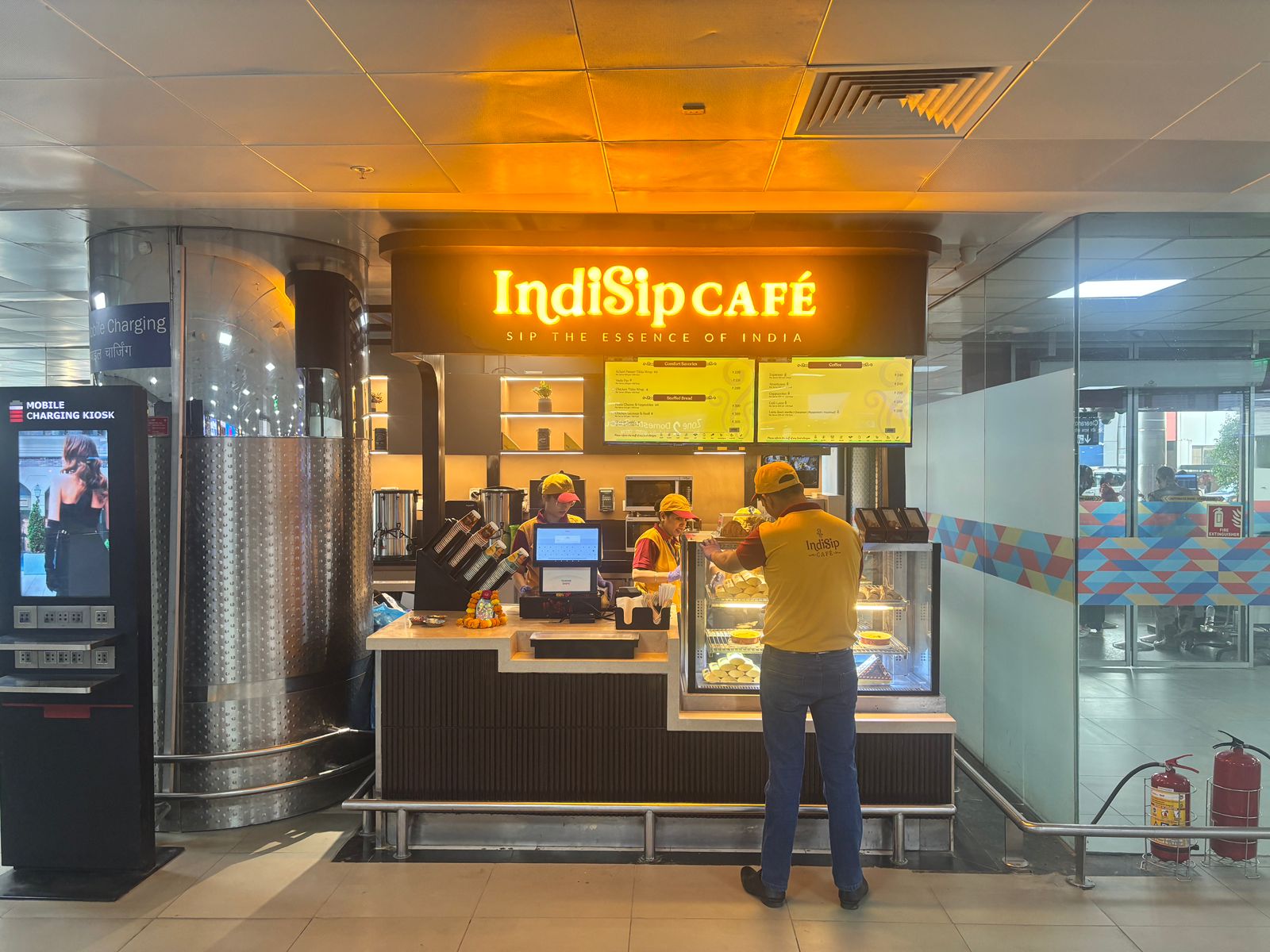
Conceived as a natural extension of Encalm’s ecosystem, Encalm Eats will focus on developing original food and beverage concepts while also managing a portfolio of partner brands, bringing together authentic flavours, contemporary formats, and consistent execution to deliver culinary experiences tailored to evolving consumer preferences.
Marking the venture’s first milestone, IndiSip is now operational at Delhi Airport. Inspired by the brand’s promise of bringing India to travellers, one sip at a time, the café celebrates the country’s rich beverage traditions alongside familiar comfort foods. From signature chai in flavours like Ginger Cardamom, Kesar, Gulab and Kashmiri Kahwa to iced lattes, handcrafted espressos and indulgent shakes, every offering is thoughtfully crafted to celebrate India’s rich beverage heritage while bringing familiar flavours into the modern travel journey. The food menu complements this with regional favourites such as the fan-favourite Masala Samosa, Khopara Patties, Irani Bun Maska and Achari Paneer Tikka/Chicken Tikka Wraps, alongside café classics like croissants, muffins and cookies.
“Encalm Eats marks the next chapter in Encalm’s journey to build a comprehensive hospitality ecosystem that resonates with today’s consumers. Food and beverage has always been one of hospitality’s most powerful expressions, and with Encalm Eats we are bringing together our understanding of consumer needs, culinary craftsmanship, and thoughtfully designed experiences to build distinctive food brands. IndiSip is the first step in that journey, reflecting our belief that every meal, beverage, and interaction should enrich the overall guest experience.” said Vikas Sharma, Group Chief Executive Officer, Encalm.
Deepak Bhatia, Business Head, Encalm Eats, said
“With Encalm Eats, we are building a portfolio of food and beverage concepts rooted in authentic flavours, strong consumer insight, and consistent quality. IndiSip is the first step, a café that brings together India’s rich beverage culture and familiar café favourites in a contemporary format. As we grow, every concept we create will be designed with the same focus on quality, consistency, and memorable guest experiences.”
The launch of IndiSip marks the beginning of Encalm Eats’ broader ambition to build a portfolio of innovative food and beverage offerings across diverse formats and destinations. Building on Encalm’s established presence across the hospitality ecosystem, the venture will continue to develop concepts that are rooted in authentic flavours, shaped by consumer insight, and delivered with the consistency, quality, and creativity that define the Encalm experience. As it expands, Encalm Eats will continue to respond to the evolving preferences of today’s consumers through distinctive culinary brands and thoughtfully crafted dining experiences.


