


10, Jun 2026
Evergreen Goodwill Brings Seattle Soccer Summer to Life with Custom Screen-Printing Events at the World’s Largest Goodwill
SEATTLE, June 9: As Seattle gears up for a global influx of soccer fans this summer, Evergreen Goodwill of Northwest Washington is inviting locals and visitors alike to experience a different kind of matchday energy—one rooted in creativity, community, and uniquely Seattle style.
Just steps from Seattle Stadium, the Seattle flagship store—the largest Goodwill in the world—will host two special screen-printing events as part of its Seattle Soccer Summer celebration. Taking place June 19 and June 24 from 3–7 PM, these one-of-a-kind activations transform thrifted shirts into meaningful, personalized keepsakes.
Designed by Seattle-based artist Hoa Hong, the limited-edition graphics draw inspiration from soccer culture and the global connections that define the sport—offering a wearable memory for travelers and a point of pride for locals. Each item will be screen-printed live on-site by The Vera Project, turning every piece into something personal, creative, and distinctly Seattle.
For fans heading to or from nearby match watch parties, the events offer a natural extension of the day’s energy. Located a short walk from the Chinatown–International District, the flagship store provides an easy post-match destination at which to wait out the heavy traffic.
Event Highlights:
Limited-edition, soccer-inspired designs by Hoa Hong
Live screen-printing with custom tees and totes made on the spot
Curated selection of high-quality blank t-shirts to choose from
Live DJ set from 3–5 PM
A creative, community-driven atmosphere that reflects Seattle’s culture
Beyond the experience itself, each purchase carries a deeper impact: Revenue from every sale supports Evergreen Goodwill’s tuition-free job training, education, and career placement programs across Northwest Washington—connecting a moment of creativity to long-term community benefit.
- 0
- By Neel Achary

10, Jun 2026
Goldin Announces Closing Night Live Event for the Spring Goldin 100, Featuring Karl-Anthony Towns, Jesser, and Ken Goldin
The live event combines the closing night of Goldin’s flagship quarterly auction with grail-level collectibles and star-powered appearances at Goldin HQ
June 9: Goldin, an internationally recognized auction house known for rare and record-breaking collectible sales, today announced the Spring Goldin 100 Closing Night Live Event which will take place at Goldin HQ (Runnemede, New Jersey) on June 28 starting at 9:00 PM. The event marks the closing night of Goldin’s flagship quarterly auction featuring exactly 100 elite, grail-level collectibles spanning sports, trading cards, pop culture, gaming, and history.
Building on the success of Goldin’s Logan Paul Auction Closing Night experience, the event fuses live auction excitement, creator-driven entertainment, and a global livestream reaching collectors around the world. Confirmed talent for the evening include NBA All-Star Karl-Anthony Towns and Jesser, one of the largest sports and collectibles creators in the world with more than 44 million YouTube subscribers. Fans attending in person will also have the opportunity to participate in a Meet & Greet with the featured talent beginning. The evening will be broadcast live on Jesser’s YouTube channel and Goldin on eBay Live.
Ahead of the event, Goldin will host a dedicated 2026 Live Box Break Event Auction, featuring 48 pack-slot lots now open for bidding. The auction went live Monday, June 8th at 12:00 PM ET, and will close Sunday, June 13th at 10:00 PM ET (extended bidding), with winning bidders earning ownership of packs that will be ripped live on stage during the June 28 event. Winners will also receive an invitation to attend in person at Goldin HQ with a guest, plus-one access, and the opportunity for a custom live-read shoutout. On June 28, those winning collectors will watch their packs opened live as part of the evening’s entertainment.
The five featured products span some of the hobby’s most iconic eras. 1980 Topps Basketball (“The Origins”) offers collectors a shot at the legendary Larry Bird, Magic Johnson, and Julius Erving rookie cards serving as the evening’s vintage lottery ticket. 2003-04 Topps Chrome Basketball (“The LeBron Era”) features a shot at arguably the most recognizable rookie card in the hobby, a Lebron James rookie card alongside Dwyane Wade, Carmelo Anthony, and Chris Bosh. Also featured is 2018-19 Panini Prizm Basketball (“The Modern Superstar Era”), widely considered one of the strongest modern basketball products ever produced, headlined by Luka Dončić Rookie Silver, Gold Prizm, and Black Finite 1/1, with additional stars including Jalen Brunson, Shai Gilgeous-Alexander, and Trae Young.
Representing the present day, 2025-26 Topps Chrome Basketball Jumbo features Victor Wembanyama Autos and Parallels, Cooper Flagg Rookies, and major rookie autos. Rounding out the lineup is 2018 Bowman Chrome Baseball (“Jesser’s Personal Chase”), featuring Shohei Ohtani rookie cards, Refractors, and Superfractors, and key cards of Ronald Acuña Jr. and Juan Soto.
With a packed calendar of marquee auctions and live events, Goldin continues to be the premier destination for collectors this summer.
Additional ongoing and upcoming auctions include the newly opened USA 250 Auction, the Global Football Auction, open through June 13, the Combat Sports Auction, open through June 15, the Spring Pop Culture Auction, open through June 17 and the Goldin 100, open through June 28.
10, Jun 2026
ALAN CAGLE NAMED MANAGING DIRECTOR AT LOEWS PHILADELPHIA HOTEL
PHILADELPHIA, PA , June 10: Loews Philadelphia Hotel, Philadelphia’s Historic Treasure and home to the Philadelphia Savings Fund Society (PSFS), is pleased to welcome Alan Cagle as Managing Director of Loews Philadelphia Hotel. With over 25 years in hospitality, Alan brings a wealth of experience and a strong commitment to excellence to Loews Hotels & Co.
With Cagle at the helm, the hotel is poised to continue to penetrate its presence within Philadelphia’s meetings, events, and social catering landscape while elevating its profile among leisure and business travelers alike. Combined with the recent reimagination of the hotel’s iconic 33rd floor event space and the launch of new family-focused summer experiences, Loews Philadelphia Hotel is entering an exciting new chapter that reinforces its role as both a historic landmark and a dynamic gathering place in the heart of the city.
New this Summer, Loews Philadelphia Hotel is pleased to launch a new STEAM initiative as an extension of its Loews Loves Families and Loews Little Legends program. The hotel’s monthly art and jazz brunch, will now include a complimentary art activity experience inspired by the featured monthly artist from Morton Contemporary Gallery allowing children to unleash their inner artist alongside a trained professional on the last Sunday of every month in June, July and August. Children can simply sign up at the Front Desk prior to participation.
“I am thrilled to join Philadelphia’s Historic Treasure at Loews Philadelphia Hotel and work alongside talented leaders and team members at the property. As we continue to build upon the hotel’s legacy and introduce exciting new experiences for our guests and the Philadelphia community, I am confident my leadership will further elevate the property’s position as one of the city’s premier and iconic hospitality destinations.”
Alan most recently joins us from Hilton Philadelphia at Penn’s Landing with Pyramid Global Hospitality, a full-service waterfront hotel featuring 350 guest rooms and 24,000 square feet of banquet and catering space, where he served as General Manager. During his tenure, he has built strong industry partnerships through involvement with the Philadelphia Convention & Visitors Bureau and the Greater Philadelphia Hospitality Association, driving citywide and social catering opportunities.
Prior to living in Philadelphia, Alan spent nearly eight years leading the Food & Beverage team at Hyatt Regency Princeton, NJ, where he oversaw multi-outlet operations including banquets, restaurants, lounges, and in-room dining, and launched two concept-driven restaurant brands. In his spare time, Alan enjoys cooking with his family and recently started experimenting with hydroponic growing.
10, Jun 2026
RAKEZ joins forces with Mohammed bin Rashid Innovation Fund to strengthen support for innovators and high-potential businesses
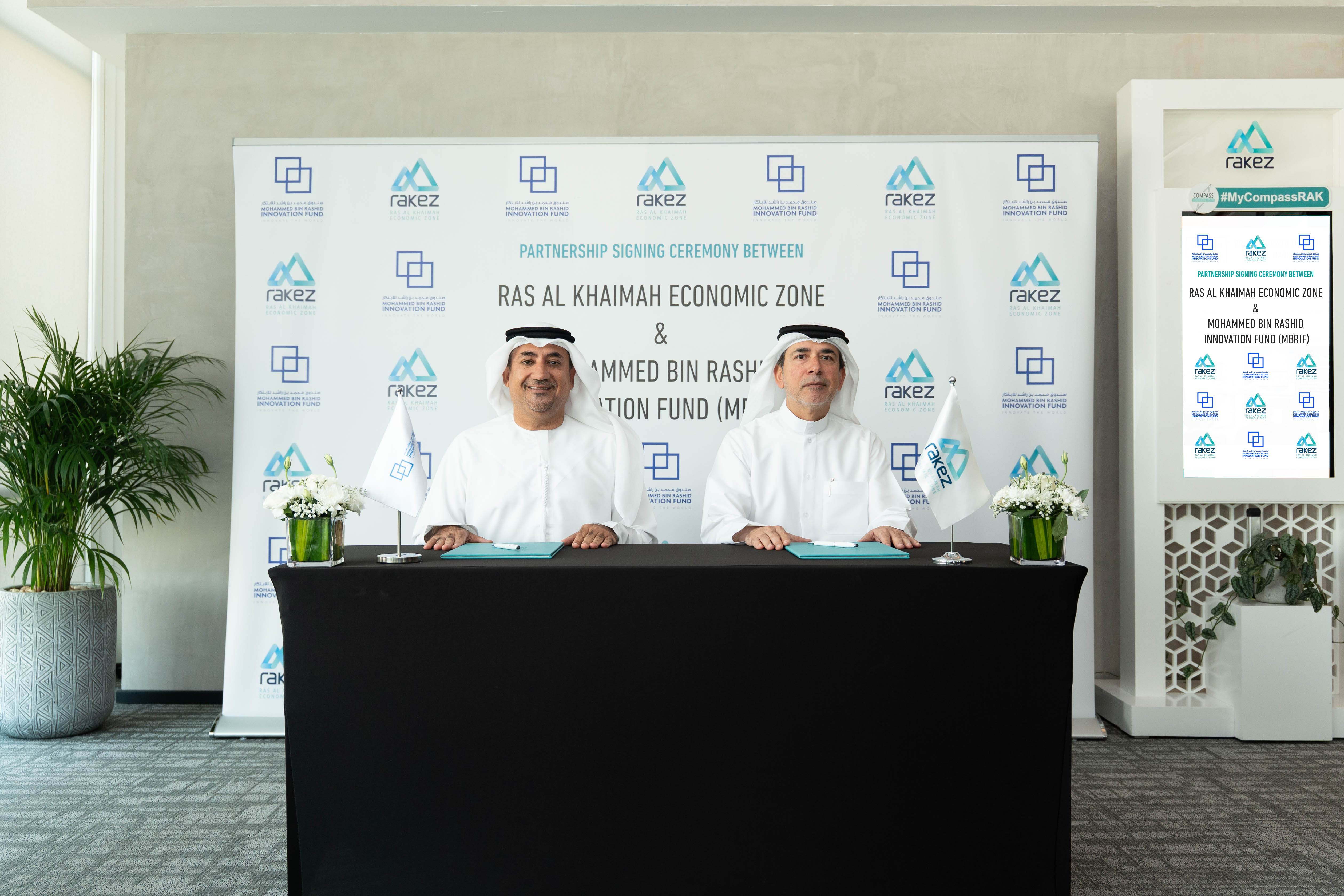
Ras Al Khaimah, 10 June: Ras Al Khaimah Economic Zone (RAKEZ) entered into a strategic partnership with the Mohammed bin Rashid Innovation Fund (MBRIF), a federal initiative launched by the Ministry of Finance, to strengthen support for innovators, startups, and growth-stage businesses within its ecosystem.
The partnership was formalised during a signing ceremony at Compass Coworking Centre between MBRIF Head Shaker Zainal and RAKEZ Chief Government & Corporate Relations Officer Yaser Abdulla Al Ahmed. The collaboration reflects a shared commitment to helping innovative businesses access funding support, ecosystem connections, and growth opportunities that enable long-term scalability and market expansion.
Through this collaboration, RAKEZ customers will gain access to a broader range of support services designed to accelerate business growth. This includes access to financing pathways and funding support through MBRIF, alongside structured mentorship and expert advisory to help innovative businesses strengthen their business models and scale more effectively. The partnership will also provide access to joint workshops and innovation programmes focused on practical areas such as growth strategy, financial planning, and market expansion.
These offerings will be complemented by RAKEZ’s streamlined business set-up, licensing, and operational support, as well as access to a wider ecosystem of partners, investors, and networks. Together, these elements are intended to help businesses launch, grow, and expand with greater confidence while contributing to sustainable, impact-driven outcomes.
Acting Assistant Undersecretary for the Support Services Sector at the UAE Ministry of Finance and the Ministry’s representative at MBRIF, Fatima Yousif Alnaqbi, said: “The Mohammed Bin Rashid Innovation Fund continues to play an important role in advancing the UAE’s innovation ecosystem and supporting the country’s vision for a competitive, knowledge-based economy. Partnerships of this kind help expand the support available to high-potential businesses by strengthening access to financing, strategic guidance, and growth opportunities. Continued collaboration across the ecosystem is essential to creating the conditions in which innovation can scale, diversify the economy, and contribute meaningfully to the UAE’s long-term development.”
RAKEZ Group CEO Ramy Jallad said: “Innovation plays a critical role in shaping resilient and future-ready economies. Through our partnership with MBRIF, we are creating stronger pathways for startups and growth-stage businesses within our ecosystem to access specialised support, funding opportunities, and strategic networks that can help accelerate their growth journeys. This collaboration reflects our continued focus on building an environment where innovative businesses can scale with confidence from Ras Al Khaimah.”
By bringing together funding, mentorship, and innovation support with a seamless business set-up and operating environment, the partnership ensures that startups and SMEs have what they need at every stage of their growth journey. RAKEZ and MBRIF will continue to work closely to help innovative businesses scale with confidence and unlock new opportunities within the UAE’s evolving innovation landscape.
10, Jun 2026
ICICI Prudential Life Launches Signature Secure, Redefining ULIPs with Guaranteed Maturity Benefits
Bangalore, June 10 : ICICI Prudential Life Insurance has launched ICICI Pru Signature Secure, Indian life insurance’s first Unit Linked Insurance Plan (ULIP) with an in-built guaranteed maturity benefit.
ICICI Pru Signature Secure is a Non Participating Linked Individual Savings Life Insurance Plan and has been designed for customers looking for the reassurance of tax efficient guaranteed benefits. The product offers a simple proposition – invest once, stay protected through life cover during the policy term and receive a maturity benefit at the end of five years. . On maturity, the customer receives the higher of the fund value or the guaranteed maturity benefit, providing the reassurance of a guaranteed outcome
For instance, a 45-year-old customer looking for a one-time investment solution can invest ₹5 lacs in ICICI Pru Signature Secure and remain protected through life cover during the policy term. The customer can choose a life cover (Sum Assured) of ₹6.25 lacs and gets a guaranteed maturity benefit of ₹7 lacs in this case.
Commenting on the launch, Mr. Vikas Gupta, Chief Product Officer, ICICI Prudential Life Insurance, said,
“Customers seeking guaranteed returns have traditionally relied on instruments such as fixed deposits, bonds and other guaranteed-return products. However, customers are increasingly looking for solutions that can help them achieve better post-tax outcomes along with guaranteed returns and financial protection. ICICI Pru Signature Secure has been designed to address this need by bringing together the benefits of a ULIP, an in-built guaranteed maturity benefit and life cover within a single proposition.
The product enables customers to make a one-time investment while remaining focused on their long-term financial goals with greater confidence. The plan also offers life cover throughout the policy term, helping customers secure the financial future of their loved ones.”
Notably, the product provides a guaranteed maturity benefit of up to 140% of the initial premium paid. At maturity, customers receive the higher of the fund value or the guaranteed maturity benefit. In addition, the product comes with zero premium allocation charges and policy administration charges.
ICICI Prudential Life Insurance remains committed to delivering superior value to its customers. The Company achieved a claim settlement ratio of 99.3% with an average turnaround time of 1.1 days in FY2026, demonstrating its commitment to supporting customers and their families when it matters the most.
Over the past 25 years, ICICI Prudential Life Insurance has had the privilege of serving customers across generations. The Company remains focused on building a future-ready organisation led by technology that continues to adapt thoughtfully, act with agility and create meaningful impact by expanding access to insurance while delivering long-term sustainable value to all stakeholders.
10, Jun 2026
Former Indofast Energy CEO Anant Badjatya Takes the Helm at Spiro as Group CEO
Pune, June 10: Spiro, Africa’s electric mobility company, today announced the appointment of Anant Badjatya as Group Chief Executive Officer.
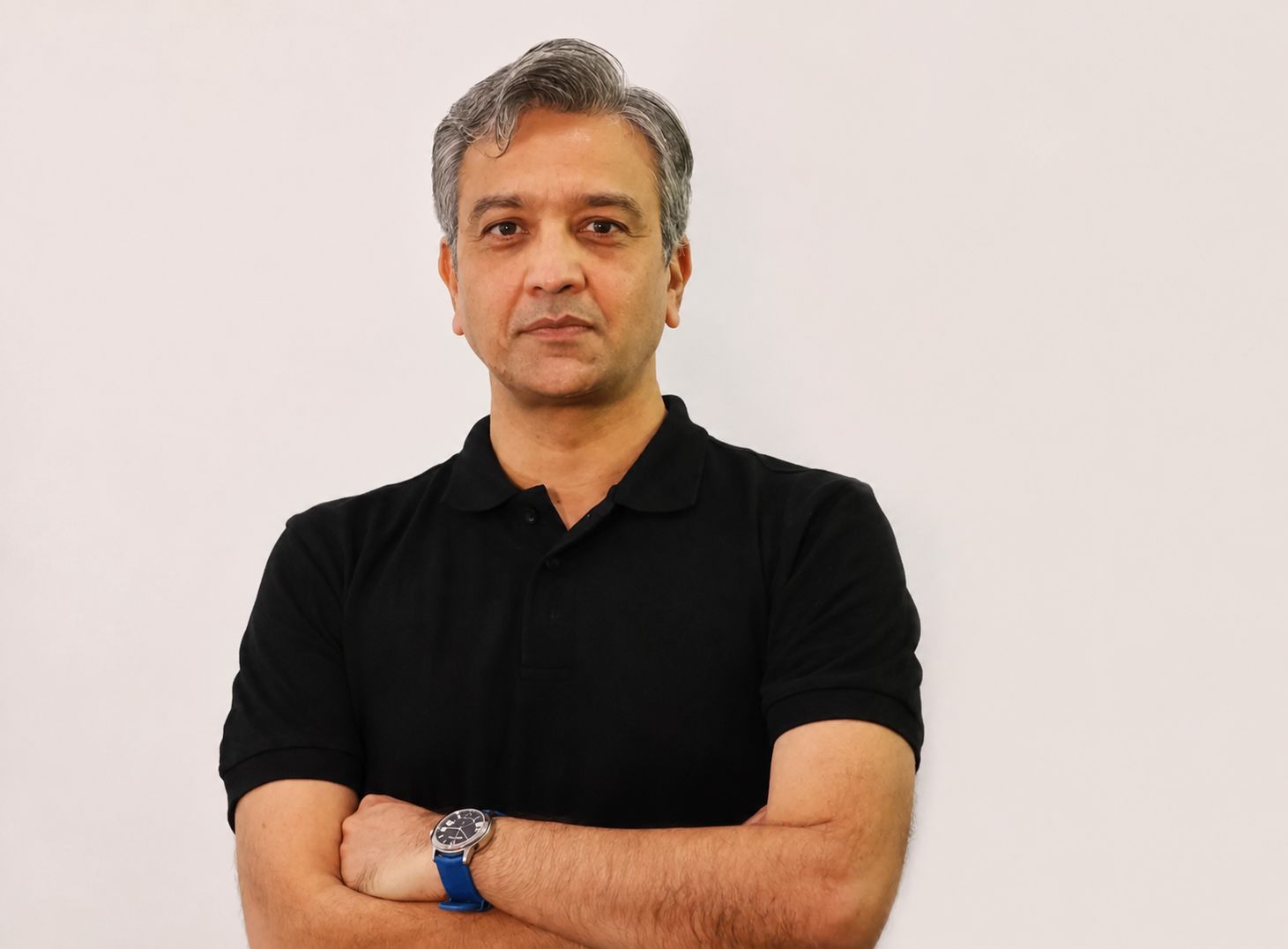
Anant joins Spiro with more than two decades of leadership experience across India, the Middle East and Africa, building and scaling businesses across electric mobility, energy and industrial sectors. Most recently, he served as CEO of Indofast Energy, the joint venture between IndianOil and SUN Mobility, where he led the development of one of India’s largest battery-swapping networks, comprising more than 1,800 stations and serving nearly 90,000 vehicles daily.
The appointment comes at a pivotal moment for Spiro following its landmark US$215 million financing round, one of the largest investments ever made in Africa’s electric mobility sector. As Spiro is accelerating on its mission to transform mobility across Africa, Anant’s broad mandate will span battery swapping, leasing, logistics, energy, and vehicle manufacturing. As CEO Mobility, Kaushik Burman will continue to further consolidate Spiro’s leadership and fleet in Spiro’s 7 existing markets and beyond.
Under Mr. Badjatya’s leadership, Spiro aims to significantly deepen its India’s Tech hubs – both Pune which serves as the center for automotive innovation, and Bengaluru, Spiro’s center for innovation across technology. With already 100+ people, the Pune tech center is poised for rapid expansion, creating high-value jobs in EV powertrain design, battery management systems (BMS). The Bengaluru hub, already counting 50+ people, will further develop IoT-enabled cloud platforms and pilot R&D localization effort in Kenya and Nigeria.
Gagan Gupta, Founder and Chairman of Spiro said:
“As Spiro is accelerating on its mission to transform mobility across Africa through clean, affordable and accessible electric transportation solutions, Anant will consolidate the Group’s strategic initiatives and guide the company through its next chapter of growth and execution in mobility, energy and tech.”
Commenting on his appointment, Anant Badjatya said:
“Africa represents the most exciting frontier for electric mobility. Spiro has built a unique platform and is exceptionally well positioned to accelerate the transition to cleaner and more accessible mobility across the continent. I look forward to working with our teams, partners and stakeholders to drive the next phase of growth and impact.“
10, Jun 2026
FIA President H.E. Mohammed Ben Sulayem meets with President of the Czech Republic, Prime Minister, and government leaders in Prague
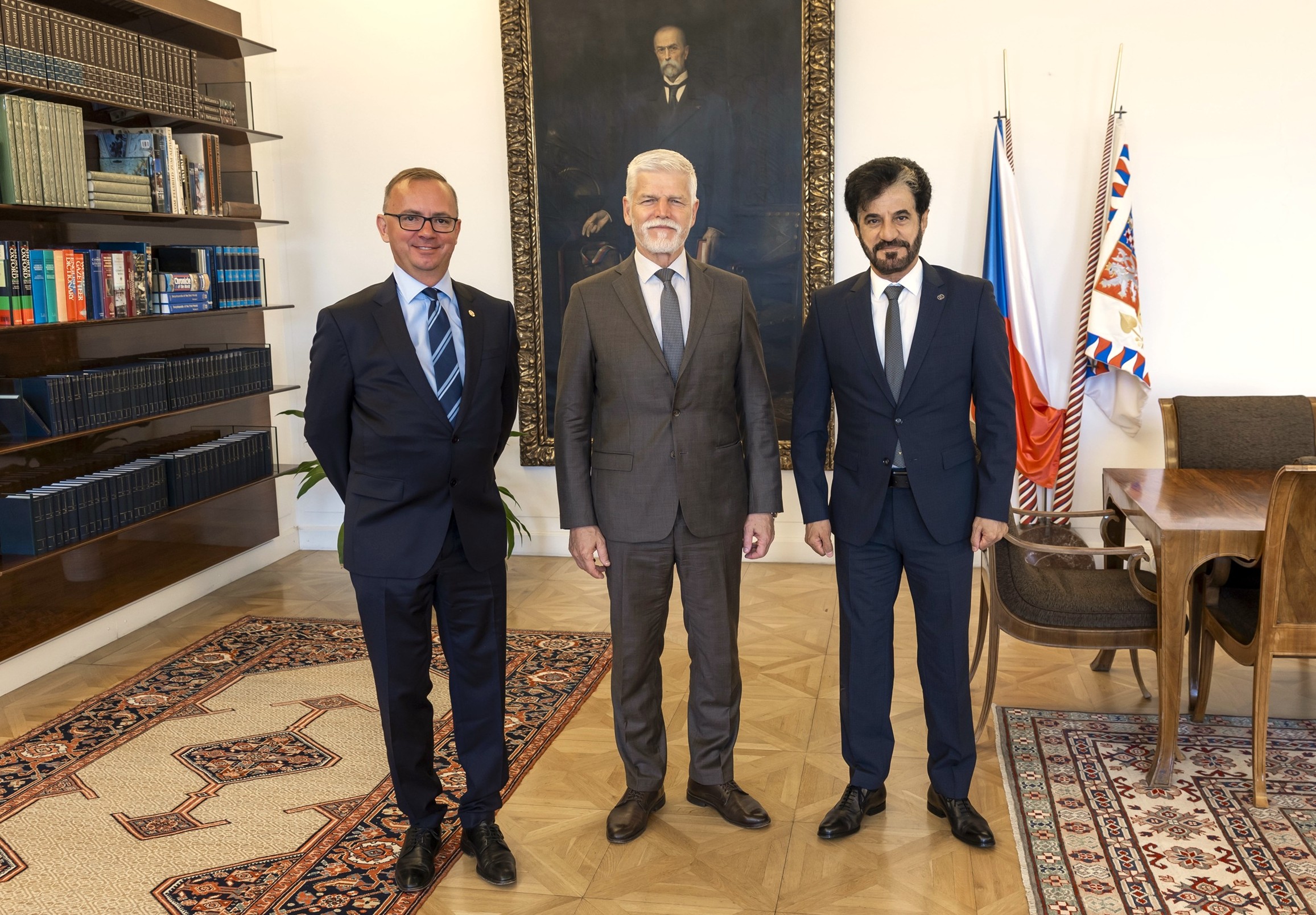
Discussions focused on motorsport development, road safety and sustainable mobility
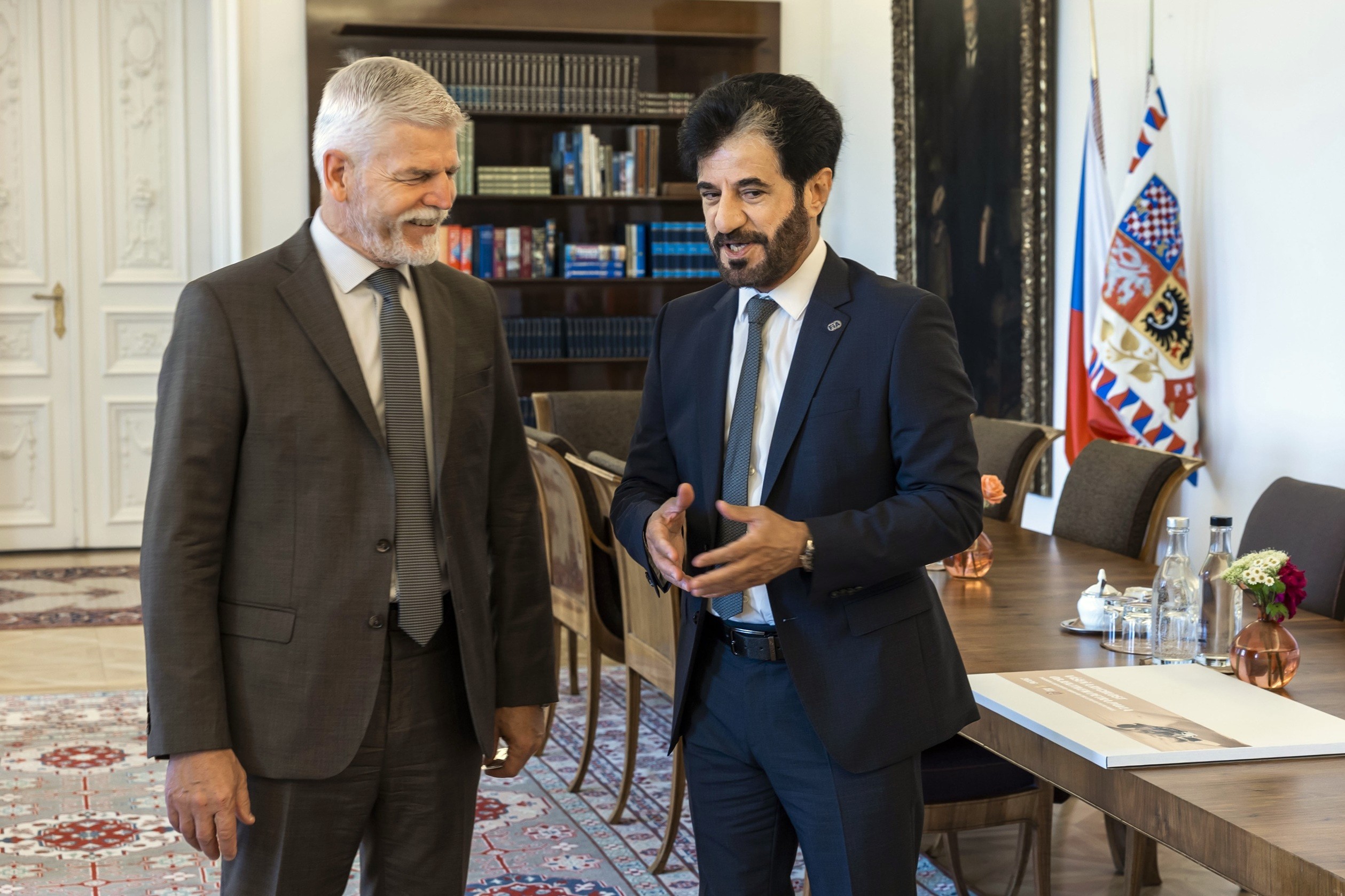
Dubai, UAE, June 10: H.E. Mohammed Ben Sulayem, President of the FIA, has met with senior leaders of the Czech Republic in Prague, reinforcing the strong partnership between the Fédération Internationale de l’Automobile (FIA) and one of Europe’s most significant automotive and motorsport nations.
During the visit, President Ben Sulayem held discussions with the President of the Czech Republic, H.E. Petr Pavel, Prime Minister Andrej Babiš, and Minister of Education, Youth and Sports Boris Šťastný.
The meetings this week focused on shared priorities across mobility and motorsport, including road safety, sustainable transport, innovation, and grassroots participation.
Speaking following the meetings, FIA President, H.E. Mohammed Ben Sulayem said: “The Czech Republic has a proud automotive and motorsport heritage and continues to demonstrate how mobility, innovation and sport can work together.”
“I would like to thank President Pavel, Prime Minister Babiš, and Minister Šťastný for their warm welcome and constructive discussions. I look forward to continuing our collaboration as we work together to build a safer, more sustainable future for mobility and motorsport.”
As part of discussions on mobility, President Ben Sulayem outlined the FIA’s work to improve road safety outcomes through data-driven initiatives including the FIA Road Safety Index and FIA Driver Safety Index.
The programmes provide governments, organisations and road users with practical tools to measure, benchmark and improve road safety performance, supporting the ambition of reducing road traffic fatalities and injuries.
The FIA President also highlighted the contribution of the Autoklub České republiky in advocating for increased accessibility and diversity in motorsport.
Through its work in education, advocacy and competition, the Club plays a vital role in creating opportunities for participation at every level of the sport. President Jan Šťovíček plays an active role within the FIA ecosystem including service on the World Motor Sport Council (WMSC), as President of the Coordination Forum for Eastern and Central European Countries (COFO), and as a board member of the FIA Foundation.
Funded by grants from the FIA and FIA Foundation, the Autoklub CR has developed two key programmes to encourage the next generation of racers.
The Karting Academy is an educational programme that develops Karting skills and knowledge while cultivating talent, and has seen more than 1,000 children attend the programme so far, with many now competing internationally. RacerBuggy 160 is a division for children aged 5 to 8 focused on autocross training. Over the last seven years, more than 3,000 children have passed through the academy.
President Ben Sulayem praised the Autoklub’s ongoing investment in karting, national championships and youth participation programmes, which are helping to strengthen the future of Czech motorsport.
President of the Autoclub of the Czech Republic, Jan Šťovíček, said: “It was an honour to showcase the positive impact that FIA funding is having across our programmes. These grants are helping us strengthen grassroots motorsport, invest in young talent and create new opportunities for people to engage with our sport.”
The visit forms part of the FIA President’s ongoing programme of engagement with governments, Member Clubs and stakeholders worldwide, supporting the FIA’s mission to advance safe, sustainable and accessible mobility while ensuring the continued growth and development of motorsport.
10, Jun 2026
Study Finds Common Infection Does Not Increase Risk of Recurrent Preterm Birth
A new study from UTHealth Houston found that the common sexually transmitted infection, Mycoplasma genitalium, also known as MGen, does not appear to increase the risk of recurrent preterm birth.
The findings were published in The American Journal of Obstetrics and Gynecology.
Mycoplasma genitalium is a common sexually transmitted disease caused by a tiny bacteria that can infect the urethra or reproductive tract. Most people with the condition have no symptoms, but when it does cause symptoms, it can lead to irritation or inflammation that needs treatment.
Preterm birth is defined as delivery before 37 weeks and is a leading cause of infant illness and death. Earlier research suggested that certain Mycoplasma species might contribute to preterm labor, but those studies were limited.
“These findings provide important new insight into the role of Mycoplasma genitalium in pregnancy,” said Irene Stafford, MD, MPH, first author of the study and assistant professor in the Department of Obstetrics, Gynecology and Reproductive Sciences with McGovern Medical School at UTHealth Houston. “Given its links to HIV acquisition and growing antimicrobial resistance, continued study of this emerging infection remains an important public health priority.”
Mycoplasmas are a group of tiny bacteria that can live in the genital tract. Unlike most bacteria, they don’t have a cell wall, which makes them harder to detect and treat. Because of mycoplasma genitalium’s link to inflammation, researchers questioned whether mycoplasma genitalium might play a role in pregnancy complications, including recurrent preterm birth.
To better understand the connection, researchers conducted a first-of-its-kind prospective study in nearly 500 pregnant individuals with a history of preterm birth or related complications. The patients were enrolled between July 2023 and December 2025. Participants were tested early in pregnancy for Mycoplasma genitalium using an FDA?cleared vaginal swab test.
The study found that 12% of participants tested positive for Mycoplasma genitalium. The infection was significantly more common among those who had experienced a prior preterm birth. However, Mycoplasma genitalium did not increase the risk of having another spontaneous preterm birth or a second?trimester loss caused by cervical insufficiency, which the study also explored.
The findings suggest that while Mycoplasma genitalium may be associated with past pregnancy complications, it does not appear to drive recurrent preterm birth in subsequent pregnancies. Researchers note that Mycoplasma genitalium may pose more risk during a first-time or incident infection, when the body has not yet developed an immune response.
“This study provides important clarity for patients and clinicians,” said Stafford, who is a maternal-fetal medicine physician. “For individuals already at high risk of preterm birth, Mycoplasma genitalium infection alone does not seem to increase the likelihood of another early delivery.”
Researchers emphasize that more studies are needed, as preterm birth is complex and influenced by many factors. Still, these results offer reassurance and help guide future screening and treatment decisions.
Other UTHealth Houston researchers on the study include Sean Blackwell, MD; Han-Yang Chen, PhD; Sahana Kodali, BS; and Mason Collie, BS.
Additional contributors are Erik Munson, PhD, with Marquette University, and Damon Getman, PhD, with Hologic Inc.
10, Jun 2026
Zojila Tunnel Achieves Final Breakthrough, Bringing Kashmir-Ladakh All-Weather Connectivity Closer to Reality
New Delhi/Srinagar, June 10: The strategically important Zojila Tunnel project achieved a major milestone on Tuesday with the successful final breakthrough of the tunnel, marking a significant step towards establishing all-weather connectivity between the Kashmir Valley and Ladakh.

Union Minister for Road Transport and Highways Nitin Gadkari virtually inaugurated the breakthrough by pressing a remote button that triggered the final blast at the breakthrough site near the eastern portal of the tunnel at Minimarg in Ladakh.
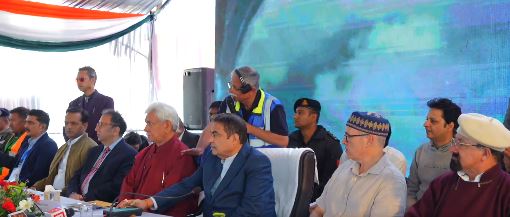
The achievement is being hailed as a landmark feat in India’s infrastructure development journey. Once completed, the Zojila Tunnel will ensure year-round road connectivity between Srinagar and Leh, overcoming the challenges posed by heavy snowfall and harsh weather conditions that often cut off Ladakh from the rest of the country during winter.
Officials said the tunnel will significantly reduce travel time, improve road safety, strengthen defence logistics, and boost tourism, trade, and economic development in the region. The project is also expected to enhance access to essential services, including healthcare and education, for residents of remote areas.
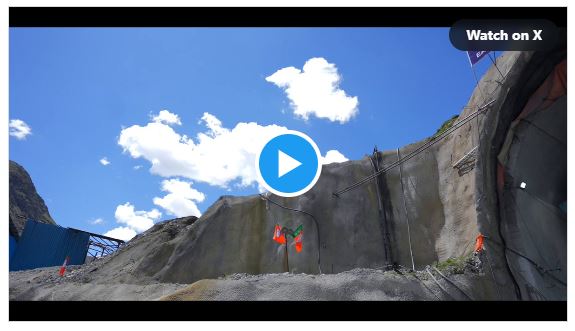
Describing the breakthrough as a historic moment, the Ministry of Road Transport and Highways said the achievement brings the decades-old dream of seamless, all-weather connectivity between Kashmir and Ladakh closer to reality. The tunnel is regarded as one of India’s most ambitious and strategically significant infrastructure projects in the Himalayan region.
The successful breakthrough reflects the engineering expertise and determination of the workforce that executed the project under challenging geographical and climatic conditions, paving the way for a new era of connectivity and development in the region.
10, Jun 2026
Dr. Ketan Deshpande Recognized by Cambridge Judge Business School for Outstanding Contribution and Social Impact
Pune , June 9 : Friends Union for Energising Lives , the Pune-based public charitable trust and NSE Social Stock Exchange – listed non-profit, has announced that its Founder, Chairman and Managing Trustee, Dr. Ketan Deshpande, has been formally recognised by the University of Cambridge, Judge Business School, for his outstanding contribution to the Cambridge India Business Society and for FUEL’s exemplary philanthropic work.
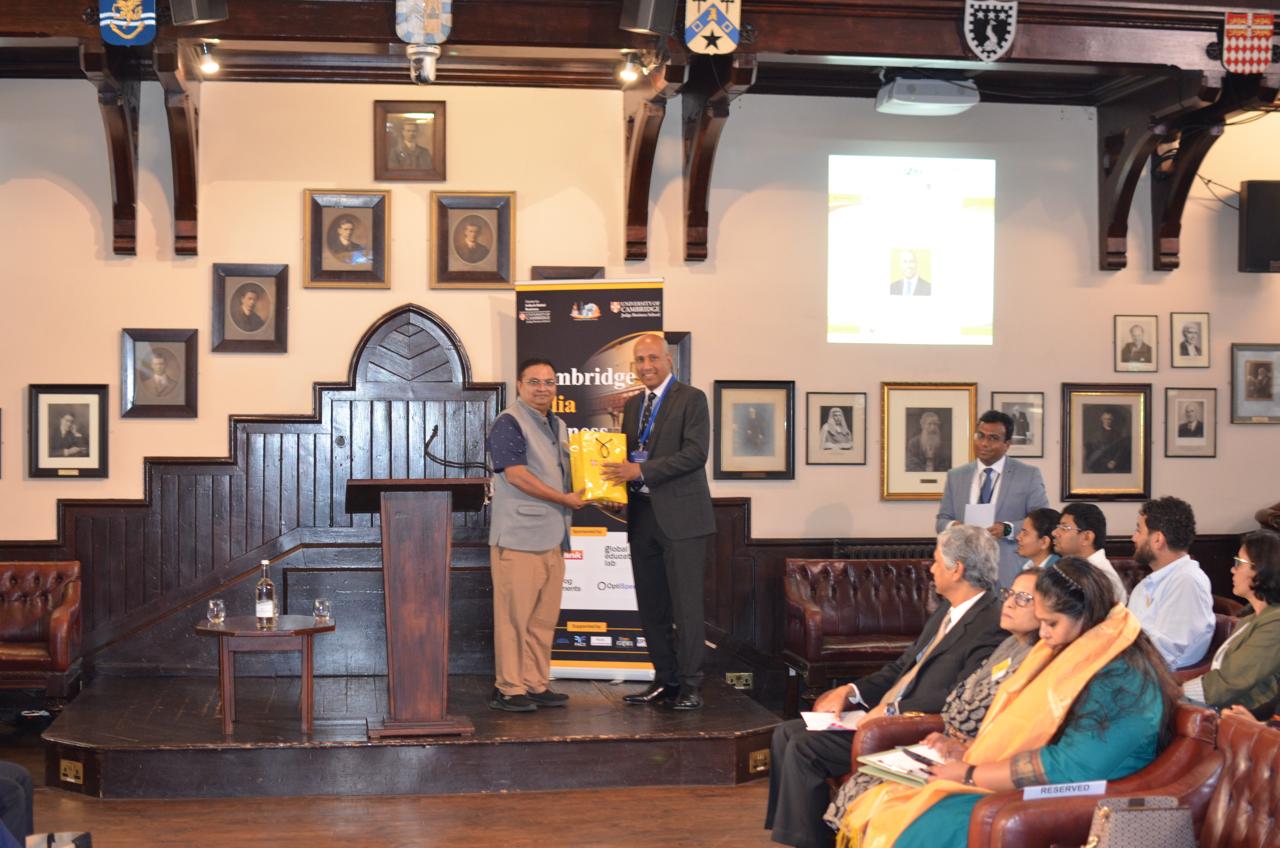
The recognition was conveyed through a letter dated 30 May 2026, issued on the occasion of the Cambridge India Business Dialogue 2026, and jointly signed by Prof. Gishan Dissanaike, Dean of Cambridge Judge Business School, and Prof. Jaideep Prabhu, Vice Dean and Director of the Centre for India & Global Business.
The letter acknowledged Dr. Deshpande’s steadfast support and mentorship of the Cambridge India Business Society over the past three years, crediting his guidance with helping shape it into one of the most active student-led communities at the School and enabling the growth of its flagship annual Dialogue. It further recognised FUEL’s pioneering work in career guidance, skill development and youth empowerment, which has touched the lives of over a million young people across India and opened doors of opportunity for those who need them most.
Responding to the recognition, Dr. Ketan Deshpande said:
“This honour belongs not to one person, but to a mission and a movement. For 19 years, FUEL has worked to open doors of opportunity for first-generation and underserved youth across India. To have that journey seen and valued by an institution like Cambridge is both a privilege and a renewed responsibility. In the same spirit, we are honoured that Cambridge alumnus Dr. Yusuf Hamied has adopted the School of Science at FUEL SkillTech & Entrepreneurship University. As Dr. APJ Abdul Kalam reminded us, dreams are not what you see in sleep — they are what do not let you sleep. There is still so much to build.”
The acknowledgement marks a significant milestone in FUEL’s growing international engagement and reflects the organisation’s deepening association with Cambridge Judge Business School and the wider Cambridge community.


