


4, Jun 2026
AI Must Complement, Not Replace Journalists, Say Experts at Digital Pahchan Event
New Delhi: As artificial intelligence (AI) continues to reshape industries worldwide, a special dialogue and panel discussion on “New Technologies, AI, and the Future of Agriculture and Health Journalism” was recently organized by Digital Pahchan. The event brought together media professionals, communication experts, and thought leaders to discuss the transformative role of AI in journalism and its broader impact on society.
The discussion extended beyond technology, focusing on how AI is influencing agriculture, healthcare, media, and the overall information ecosystem. Speakers highlighted the opportunities and challenges presented by emerging technologies and emphasized the need for responsible adoption.
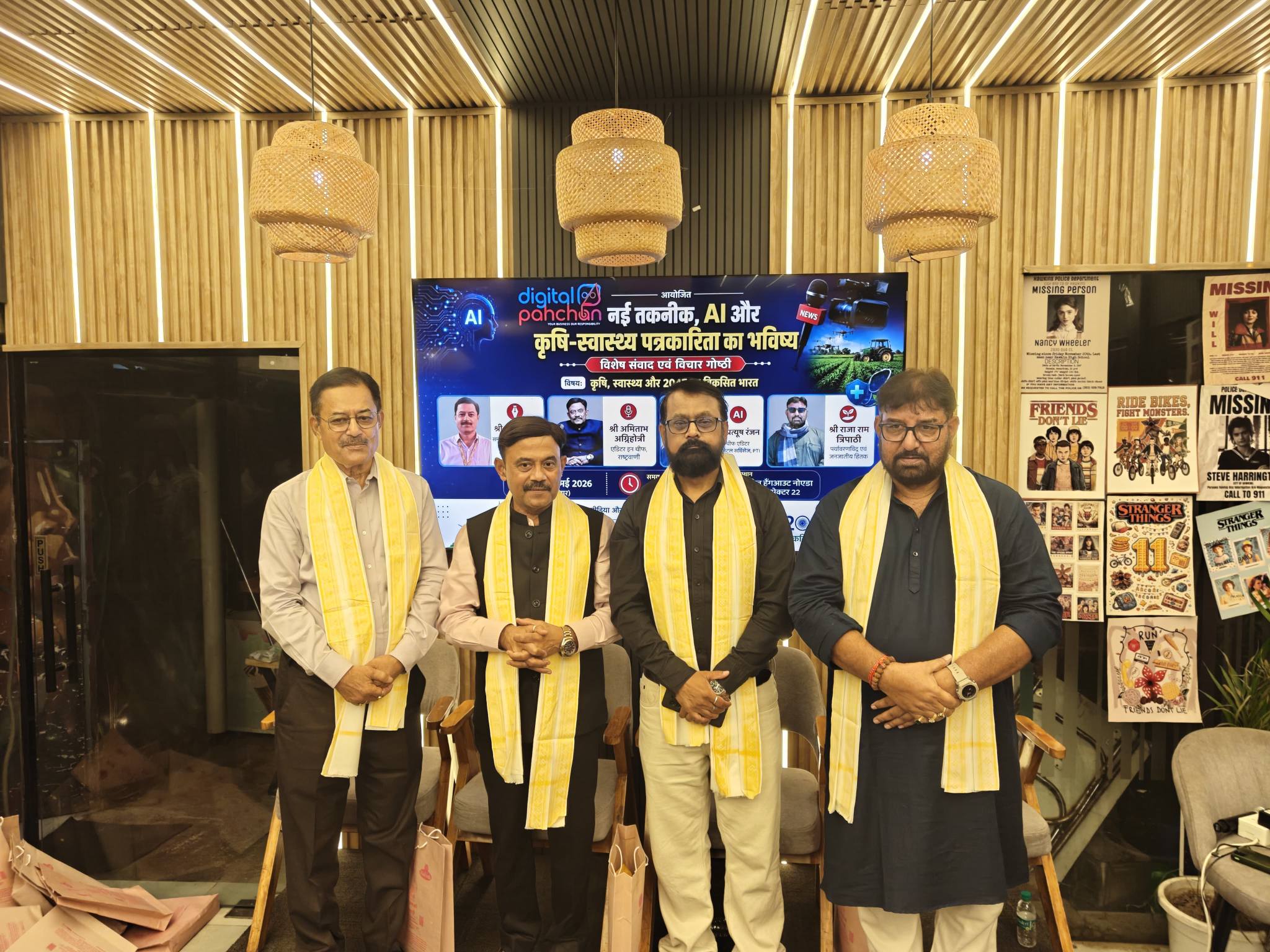
Addressing the gathering, a keynote speaker spoke about the growing influence of AI in journalism and its implications for the future of newsrooms. He noted that AI is increasingly being used in content creation, research, data analysis, translation, fact-checking, and audience engagement.
“Learning AI is not merely about mastering new tools. It is about understanding when, why, where, and how these tools should be used effectively,” he said.
He emphasized that AI is not a replacement for journalists but a powerful collaborator that can enhance their capabilities and productivity. At the same time, he cautioned against challenges such as bias, misinformation, deepfakes, lack of transparency, and accountability issues. According to him, every AI-generated output must undergo rigorous ethical review, bias assessment, and fact-checking before publication.
The event featured insightful contributions from several distinguished speakers. Veteran journalist Uday Kumar shared valuable perspectives on editorial practices in the evolving media landscape. Amitabh Agnihotri discussed the changing nature of media and its growing responsibilities in the digital age, while Raja Ram Tripathi highlighted critical issues related to agriculture, environmental sustainability, and grassroots India.
Participants agreed that achieving the vision of a Developed India by 2047 will require a robust, trustworthy, and technology-driven information ecosystem. They stressed that while AI will play a pivotal role in shaping the future, its success will depend on responsible use, human judgment, and ethical standards.
The speakers also expressed gratitude to the Digital Pahchan team for organizing the event and creating a platform for meaningful discussions on the intersection of technology, journalism, and social development.
The discussion concluded with a shared understanding that the future of AI is not solely about technological advancement but also about responsibility, credibility, and human wisdom—qualities that will be essential in building an informed and resilient society.
- 0
- By Neel Achary

4, Jun 2026
TERI, IVL Swedish Environmental Research Institute Sign MoU to Strengthen Indo-Swedish Sustainability Collaboration
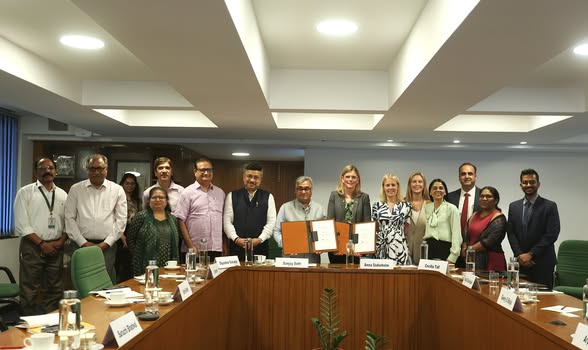
New Delhi, June 4: In a significant move to deepen Indo-Swedish cooperation in the field of environmental sustainability, The Energy and Resources Institute (TERI) and the IVL Swedish Environmental Research Institute signed a Memorandum of Understanding (MoU) on June 3, 2026, at TERI’s India Habitat Centre office in New Delhi.
The agreement establishes a strategic framework for collaboration on key areas including sustainability, climate action, resource efficiency, circular economy, and environmental innovation. The partnership is expected to foster knowledge exchange, joint research initiatives, and the development of scalable solutions to address pressing environmental challenges.
Welcoming the Swedish delegation, Sanjay Seth, Senior Director, TERI, underscored the significance of the partnership in advancing shared sustainability goals.
“Through this partnership, we aim to co-create tangible, impactful, scalable, and inclusive solutions. The collaboration aligns closely with India’s ambitious sustainability agenda and Sweden’s global leadership in environmental innovation,” Seth said.
Expressing enthusiasm about the collaboration, Anna Söderholm, Executive Vice President, IVL Swedish Environmental Research Institute, said the MoU marks the beginning of a promising long-term engagement between the two institutions.
“We are delighted to begin this cooperation through the MoU and look forward to expanding our collaboration across diverse areas in the future,” Söderholm stated.
The partnership reflects the growing strategic relationship between India and Sweden in the areas of climate resilience, sustainable development, and green transition. By combining TERI’s extensive experience in sustainability research and policy advocacy with IVL’s expertise in environmental science and innovation, the two organizations aim to contribute to evidence-based policymaking and the implementation of practical solutions for environmental challenges.
Officials from both institutions noted that the collaboration will focus on developing research-driven approaches that support sustainable resource management, climate adaptation, and inclusive growth while strengthening international cooperation on environmental issues.
The MoU is expected to pave the way for joint projects, expert exchanges, capacity-building initiatives, and collaborative studies that contribute to a sustainable, climate-resilient future for both countries and the global community.
4, Jun 2026
El Niño Threat Looms Large: June–August Period May Witness Drought-Like Conditions
Bhubaneswar, June 4 (BNP): Concerns are mounting over the possible impact of El Niño on weather patterns this year, with meteorologists warning that the climate phenomenon could trigger drought-like conditions across several regions between June and August. The development has raised fresh apprehensions about rainfall deficiency, agricultural productivity, and water availability during the crucial monsoon season.
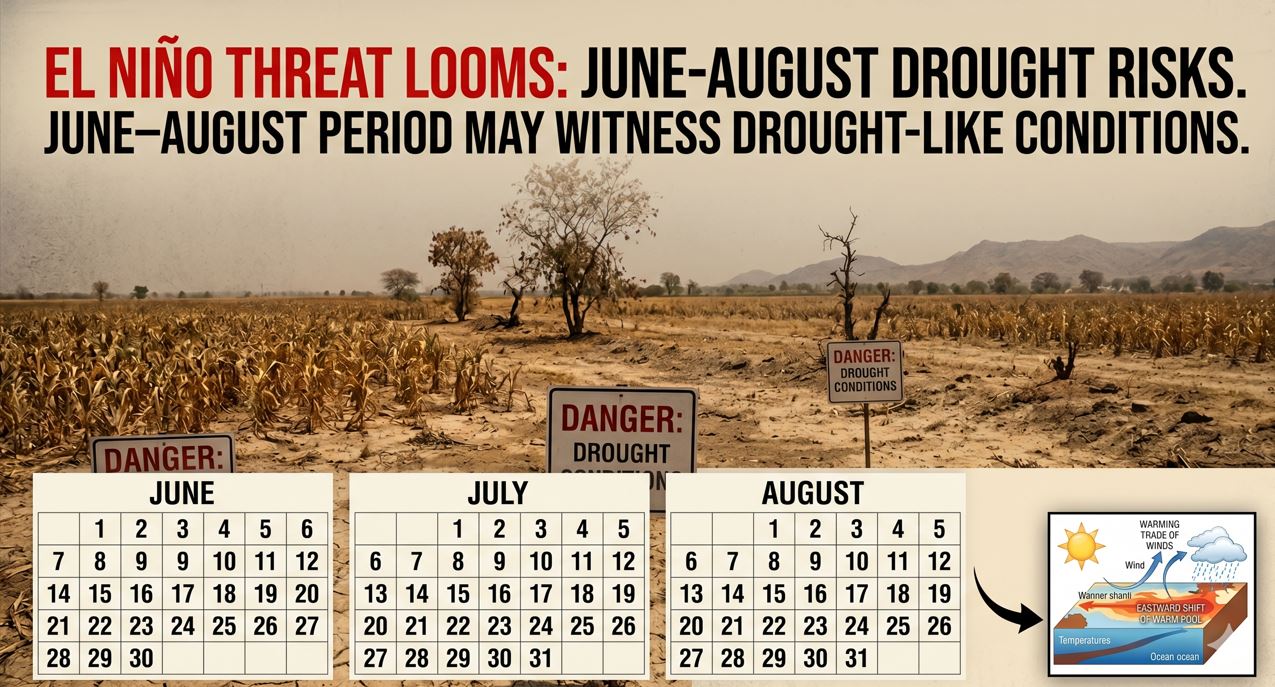
Representational image
El Niño, a naturally occurring climate event, is marked by the abnormal warming of sea surface temperatures in the central and eastern equatorial Pacific Ocean. Though it originates thousands of kilometres away from India, its influence extends globally, often disrupting rainfall patterns and intensifying extreme weather events.
Scientists explain that under normal conditions, strong trade winds push warm ocean waters toward Asia and Australia while allowing cooler, nutrient-rich waters to rise near the South American coast. During an El Niño event, these winds weaken or reverse, causing warm waters to shift eastward and altering atmospheric circulation patterns worldwide.
The resulting changes can significantly affect monsoon systems. In India, El Niño has historically been associated with weaker southwest monsoons and below-normal rainfall. Experts caution that a prolonged El Niño phase could reduce precipitation during the June-August period, increasing the risk of drought conditions in several states and impacting crop yields.
Beyond India, El Niño often causes severe droughts and heatwaves across parts of Asia and Australia, while bringing excessive rainfall and flooding to regions of North and South America. The phenomenon also contributes to a temporary rise in global temperatures by releasing vast amounts of heat from the Pacific Ocean into the atmosphere.
Agriculture experts are closely monitoring the evolving weather situation, as any significant shortfall in rainfall could affect sowing activities, water reservoirs, and food production. Authorities have also been urged to strengthen drought preparedness measures and promote efficient water management practices.
Climate scientists note that while El Niño is a natural part of Earth’s climate cycle, its impacts can be amplified by ongoing global warming, making weather extremes more intense and unpredictable.
With the southwest monsoon season approaching, weather agencies continue to track Pacific Ocean conditions closely to assess the extent of El Niño’s influence on India’s rainfall outlook in the months ahead.
4, Jun 2026
Odisha-Born Fintech iServeU Strengthens Bhubaneswar’s Position on India’s Digital Banking Map
BHUBANESWAR, Odisha— Homegrown fintech company iServeU is emerging as one of Odisha’s most prominent technology success stories, helping position Bhubaneswar as a growing hub for digital banking and financial technology innovation.
Founded by Odia entrepreneurs and headquartered in Bhubaneswar, iServeU has developed into a leading cloud-native banking infrastructure provider, delivering payment, banking, merchant acquiring and digital financial services solutions to banks and fintech companies across India and overseas markets.
The company’s technology platform supports several major public and private sector financial institutions, enabling digital banking services and accelerating financial inclusion initiatives at scale. Its infrastructure is designed to help banks modernize operations, expand digital offerings and improve customer access to financial services.
Industry observers say iServeU’s growth reflects the increasing maturity of Odisha’s startup ecosystem, which has traditionally been overshadowed by larger technology centers such as Bengaluru, Hyderabad and Pune. The company’s success has contributed to Bhubaneswar’s emergence as a destination for fintech innovation and payment technology development.
As India’s banking sector continues its rapid digital transformation, demand for cloud-native infrastructure and embedded financial services has increased significantly, creating opportunities for technology providers that support financial institutions’ modernization efforts.
Beyond its business expansion, iServeU’s rise highlights the growing role of regional technology startups in shaping India’s fintech landscape. The company has demonstrated that globally relevant financial technology solutions can be built and scaled from emerging startup ecosystems outside the country’s traditional technology corridors.
While market interest in fintech companies remains strong, iServeU is currently an unlisted private company. Any potential public listing would depend on future strategic decisions by the company and the completion of required regulatory processes.
The company’s growth trajectory underscores Bhubaneswar’s increasing importance in India’s digital economy and signals the potential for Odisha-based startups to compete in high-growth technology sectors on a national and international stage.
Source: iServeU
4, Jun 2026
Paradip Port Hospital Conducts Ebola Awareness and Preparedness Workshop
PARADIP, India — Paradip Port Hospital conducted an Ebola Virus Disease (EVD) sensitization workshop aimed at enhancing awareness and preparedness among healthcare professionals and key port stakeholders.
The workshop focused on strengthening disease surveillance mechanisms, infection prevention and control measures, emergency response protocols, and public health safety practices. Participants were briefed on the identification, reporting, and management of potential Ebola cases, as well as strategies to mitigate the risk of disease transmission.
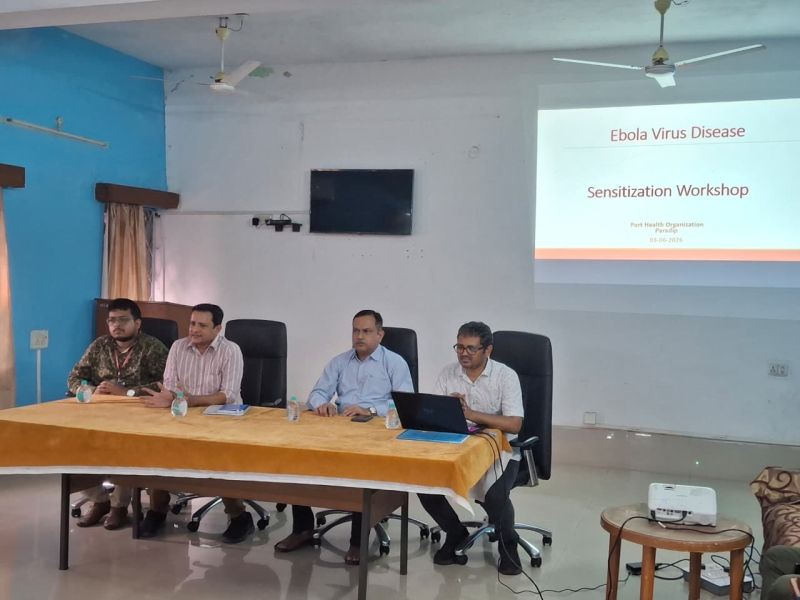
Officials said the initiative forms part of ongoing efforts to reinforce health security and emergency preparedness within the port ecosystem.
The programme underscored Paradip Port’s commitment to safeguarding the health and well-being of employees, healthcare workers, and the wider port community through proactive public health measures and capacity-building initiatives.
4, Jun 2026
World Environment Day: Rethinking Sustainability in the Built Environment
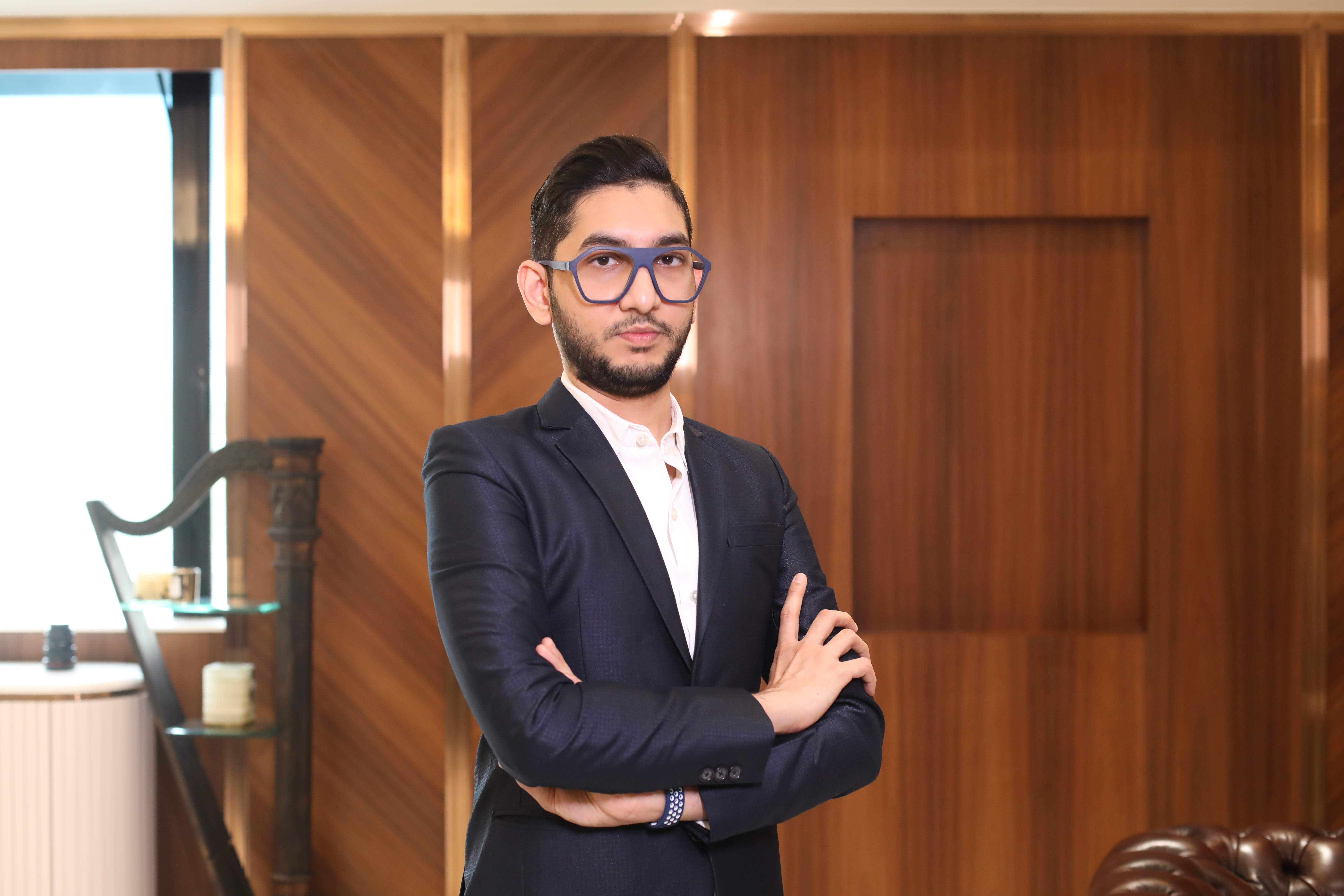
By:- Mr. Aakash Patel, Director, Atul Projects
The World Environment Day is a reminder sustainability within the built environment goes beyond having green features. It starts with good planning and design. As the world continues to urbanize and environmental problems become more apparent, developers are tasked with creating spaces where residents can use fewer resources while enjoying a higher quality of life. Things like natural ventilation, maximizing natural light, and integrating features like rainwater tanks, energy-efficient utilities, water-saving plumbing fixtures are now expected to be included in a developer’s plans as well as the greater landscape. Sustainable development can reduce the environmental impact and reduce the cost of operating a community; at the same time, it helps create a more liveable and resilient urban community. The future of real estate is going to be defined by how we manage growth and the environment with a focus on both long-term sustainability.
4, Jun 2026
Japan Shifts to Active Defense in Economic Security, Expanding Regulatory Powers
Analysis: Japan’s Economic Security State Enters a New Phase
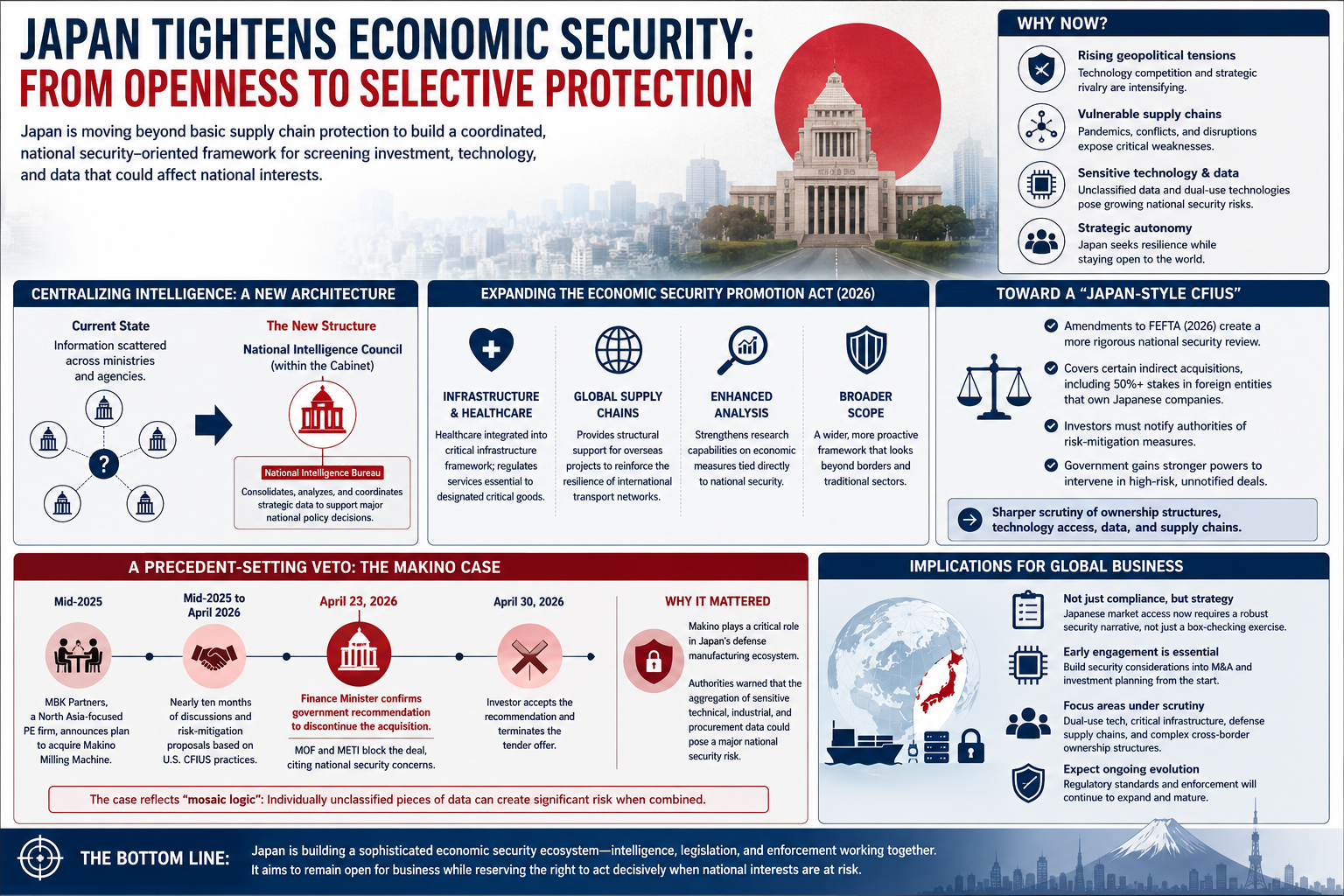
Japan’s economic security agenda is undergoing a significant transformation, marking a shift from defensive supply chain protection toward a more comprehensive national security framework that places strategic industries, technology, data, and foreign investment under closer government scrutiny.
A series of legislative initiatives advancing through Tokyo in 2026 suggest that economic security is no longer being treated as a niche policy concern. Instead, it is becoming a central pillar of Japan’s national strategy, reflecting broader geopolitical tensions, intensifying technological competition, and growing concerns about vulnerabilities in critical infrastructure.
Building a Centralized Intelligence Architecture
One of the most consequential developments is the proposal to establish a National Intelligence Council within the Cabinet. The initiative would create a more centralized intelligence structure capable of supporting strategic decision-making across government.
The accompanying National Intelligence Bureau would consolidate information currently dispersed among ministries and agencies, potentially giving policymakers a more integrated view of emerging security threats. For Japan, which has traditionally relied on fragmented bureaucratic structures, the move represents a notable institutional shift toward coordinated intelligence gathering and analysis.
The proposal also reflects a growing recognition that economic security threats often emerge from complex intersections of technology, trade, investment, and supply chains rather than from conventional military channels alone.
Expanding the Scope of Economic Security
The amendments to the Economic Security Promotion Act demonstrate how broadly Tokyo now defines national security.
By incorporating healthcare into the critical infrastructure framework and extending support to overseas projects that strengthen global transportation networks, the government is expanding its focus beyond traditional defense sectors. This approach acknowledges that disruptions to medical systems, logistics routes, or industrial supply chains can have strategic consequences comparable to more conventional security threats.
The legislation also strengthens analytical capabilities related to economic measures tied to national security, signaling an effort to improve the government’s ability to identify and respond to emerging vulnerabilities before they become crises.
Toward a More Assertive Investment Screening Regime
Perhaps the most significant change for international businesses is the evolution of Japan’s foreign investment review system.
Through amendments to the Foreign Exchange and Foreign Trade Act (FEFTA), Tokyo is effectively creating a more robust screening mechanism that increasingly resembles the role played by the Committee on Foreign Investment in the United States (CFIUS). While Japan is not establishing a separate agency, the practical effect is similar: greater scrutiny of foreign investments that may affect national security interests.
The expanded rules covering indirect acquisitions illustrate the government’s determination to close potential regulatory gaps. Foreign investors will also face greater obligations to demonstrate how they intend to mitigate security risks, while authorities gain broader powers to intervene in transactions that are deemed problematic.
The message is clear: ownership structures, data access, and technological capabilities will be examined more carefully than ever before.
The Makino Decision Signals a New Regulatory Reality
The government’s intervention in the proposed acquisition of Makino Milling Machine by MBK Partners provides the clearest indication yet of how this evolving framework will operate in practice.
Despite extended negotiations and proposed mitigation measures, Japanese authorities concluded that Makino’s importance to the country’s defense manufacturing ecosystem outweighed the benefits of the transaction. The decision demonstrates a willingness to block deals even when investors attempt to address government concerns through established international best practices.
More importantly, the case highlights Japan’s growing acceptance of what security experts describe as “mosaic theory” or “mosaic logic.” Under this approach, seemingly harmless pieces of information may become strategically sensitive when combined with other data sets. As a result, regulators are increasingly concerned not only with direct technology transfers but also with indirect access to industrial knowledge, procurement networks, and customer relationships.
Implications for Global Investors
For multinational corporations and private equity firms, Japan’s evolving regulatory environment represents a fundamental change in how cross-border transactions must be approached.
Traditional compliance exercises are unlikely to be sufficient. Investors will increasingly need to develop comprehensive security narratives that explain how transactions align with Japan’s national interests, protect sensitive technologies, and safeguard critical industrial capabilities.
This trend mirrors developments across other advanced economies, where governments are placing greater emphasis on economic resilience, technological sovereignty, and strategic autonomy. However, Japan’s approach is distinctive because it seeks to maintain an open investment environment while simultaneously applying more targeted and sophisticated security screening.
The challenge for policymakers will be maintaining that balance. Excessive restrictions could discourage foreign investment and innovation, while insufficient oversight could expose critical sectors to strategic risks.
As the new legislation advances and enforcement actions become more common, Japan appears determined to pursue a middle path: remaining open to international business while reserving the right to intervene when economic activity intersects with national security concerns. The result is likely to be a more selective, intelligence-driven investment environment that reshapes how global companies engage with one of Asia’s largest economies.
4, Jun 2026
RAKEZ intensifies industry engagement to support business resilience and continuity
Ras Al Khaimah, June 4: Ras Al Khaimah Economic Zone (RAKEZ) continues to strengthen its commitment to industrial investors and manufacturers through a series of on-ground visits and operational support initiatives aimed at helping businesses navigate evolving regional and global trade and logistics conditions.
Over recent weeks, the economic zone’s top management conducted a series of visits to client facilities across Al Hamra, Al Hulaila, and Al Ghail industrial zones to better understand operational realities on the ground, hear directly from businesses about their concerns, and identify areas where additional support could be extended.

The visits covered a wide cross-section of industries that form part of Ras Al Khaimah’s growing industrial ecosystem. From manufacturing and packaging companies such as Hira Industries, Guardian Glass, Zoujaj International Float Glass, Power Wrap Industries, and Universal Carton Industries, to automotive and aerospace businesses including International Armoured Group, TAG Middle East, and Al Dobowi Group, as well as steel and metal companies such as Extra Co. Industries, Fabcon Industrial Service, AG Metal, Mabani Steel, and Elite Extrusion, the visits reflected the diversity of RAKEZ’s industrial ecosystem. The engagements also included food production companies such as Ahmed Tea, International Food Company Seara, BMJ Industries/Cedrus Printing, and Ital Food; chemicals and lubricants manufacturer Millennium Grease & Lubricants Manufacturing; oil and gas company Turbotim; building and construction manufacturer Sobha Modular Industries; alongside companies operating across, assembling, and broader manufacturing sectors, including A2C Services, and KWC Manufacturing.
The discussions focused on practical business needs and operational continuity. As market conditions continue to evolve, RAKEZ remains closely engaged with its business community, working alongside companies to understand their requirements and provide support that helps them adapt, remain resilient, and pursue their growth plans with confidence.
On the sidelines of the visits, RAKEZ also hosted seminars to help businesses connect with wider support networks across logistics, finance, and trade, facilitating working capital access, export support, and alternative logistics solutions.
Sheikh Mohammed bin Humaid Al Qasimi, Managing Director of RAKEZ, said: “Our engagement with the industrial community goes beyond standard administrative support; it is about active partnership on the ground. By visiting our clients directly at their facilities, we gain a firsthand understanding of their day-to-day operational realities amid shifting global and regional trade dynamics. This close collaboration allows us to align RAKEZ’s resources directly with the evolving needs of our partners, ensuring that Ras Al Khaimah remains a stable, reliable, and highly competitive hub for global manufacturing.”
RAKEZ Group CEO Ramy Jallad said: “What stood out most during these visits was the incredible resilience and preparedness of our industrial community. Many businesses have been highly proactive in managing their inventory levels and adapting their logistics strategies to navigate current market conditions. Our role at RAKEZ is to mirror that agility by delivering practical, immediate solutions that help them maintain momentum.”
He added: “True business continuity requires an ecosystem that responds with flexibility when circumstances change. Whether through enhanced storage capabilities to cushion supply chain shocks, tailored commercial structures, or direct logistics facilitation, our priority is to remove operational friction. We want our investors to remain entirely focused on what they do best—operating, producing, and growing with absolute confidence.”
The visits also underscored the strength of RAKEZ’s industrial ecosystem and the high level of operational readiness across its business community. As market conditions continue to evolve, RAKEZ remains committed to working closely with its clients to support their growth, resilience, and long-term success.
4, Jun 2026
Kotak Life appoints Amit Palta as Deputy Managing Director – Designate
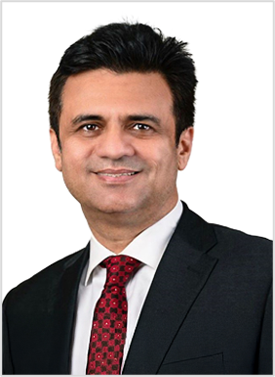
Commenting on the appointment, Mahesh Balasubramanian, MD & CEO, Kotak Life, said:
“We are delighted to welcome Amit to Kotak Life. His leadership experience across banking & insurance, with a strong track record in building high-performing distribution ecosystems and driving customer-focused strategies, will help us further strengthen our market position, enhance customer value and deliver sustainable growth.”Amit Palta, Deputy MD – Designate, Kotak Life, said:
“Delighted to join Kotak Life at a defining time for the life insurance industry. The company’s strong fundamentals, clarity of purpose and disciplined approach to building long-term value make it uniquely positioned. I look forward to being part of this journey.”With a career spanning 30 years in the financial services industry, Amit brings deep expertise in distribution and product innovation. He has played a key role in building scalable, customer-centric insurance businesses across his career.
Most recently, Amit served as Chief Product & Distribution Officer at ICICI Prudential Life Insurance, where he led product strategy and distribution, driving business growth and market expansion. His prior experience includes senior leadership roles at ICICI Bank.
4, Jun 2026
A New Wave of Art and Design at Cedars-Sinai Marina Hospital
By Camille Meggs
LOS ANGELES June 04: Layne Dicker likes a well-appointed home, but when it came time to decorate his rustic Utah house, one of his family’s most treasured possessions wasn’t a good fit.
Dicker, an experienced art collector, made the tough call to exclude a beloved piece from his prized collection from the décor. Rather than storing or selling the 1987 lithograph Kite on Gibson Beach by Malcolm Morley, Dicker gifted the artwork to Cedars-Sinai—a poignant nod to his history with the hospital. He was born at the former Cedars of Lebanon Hospital in 1958 and grew up in Beverly Hills.
The painting’s new home: the new, nine-story Cedars-Sinai Marina Hospital, set to open late this year. Dicker says it’s the perfect spot because of the new hospital’s ocean-inspired design elements that reflect the coastal community.
“When my wife passed away in 2019, I decided to move to the log vacation home we built, and the Morley just didn’t fit in,” Dicker said. “But it’s a piece I’ve always loved and thought it would be better to donate so that more people could enjoy it.”
Nancy Chaikin knows exactly how Dicker feels. The art advisor and collector has given Cedars-Sinai Marina artwork from her own collection, an oil on linen piece by Sean Landers called Untitled, which exudes ripples of the ocean using a special paint application technique.
“I am thrilled to contribute to the hospital’s environment,” Chaikin said. “Art can activate a space, not only by creating warmth and beauty, but by provoking thought and emotion. I feel fortunate to share Sean Landers’ work with patients, employees and visitors at Cedars-Sinai.”
Donated works of art have already made a difference to visitors like Gianna Chaisson, whose father recovered at Cedars-Sinai Medical Center after a major heart attack.
“I found myself walking through the hospital and was deeply impacted by the art collection,” Chaisson shared. “In moments when everything felt so uncertain, the artwork helped keep me grounded and, most importantly, hopeful.”
Cedars-Sinai, located in Beverly Grove, has long been known for its donated art collection and now is seeking to extend the art-as-healing philosophy to the new hospital.
“We love receiving art of all genres that enrich the healing spaces Cedars-Sinai is known for and that inspire everyone who enters,”said John T. Lange, curator of the Cedars-Sinai art collection and manager of the Cedars-Sinai Advisory Council for the Arts. “We consider it such an altruistic act to part with valued pieces that beautify, and inform our themes of hope and restoration to soothe those facing health challenges.”
Lange is busy these days, figuring out where to display the donated art. He strategically places every piece to generate and emphasize Cedars-Sinai’s healing environment. For example, a collection of handpicked images graces the walls of the surgical unit, so post-op patients are encouraged to walk a little farther every day to see the next art piece. Studies have proven that walking after surgery can speed a patient’s recovery and discharge.
Lange is also collaborating with Cedars-Sinai’s director of Urologic Oncology research, Timothy Daskivich, MD, to develop an app for patients to monitor their steps by choosing an art tour on their floor.
“Art is not only nice to see,” Lange said. “It is very powerful medicine that plays a huge role in creating a healing atmosphere for those facing health challenges, visitors and, of course, our employees.”