
18, Feb 2026
ManageEngine Introduces Causal Intelligence and Autonomous AI to IT Operations for Faster Incident Response
Egypt, Cairo, Feb 18 – ManageEngine, a division of Zoho Corporation and a leading provider of enterprise IT management solutions, today added new causal intelligence and autonomous AI capabilities in Site24x7, its full-stack observability platform. These enhancements transform how enterprises handle outages, shifting from firefighting to autonomous resilience. By drastically reducing mean time to recovery (MTTR) and ensuring service-level agreement (SLA) compliance, Site24x7 helps IT teams safeguard the customer experience and retain trust.
Modern IT environments are increasingly fragmented across hybrid clouds, microservices, and dynamic networks, generating massive volumes of telemetry and predictive anomaly signals every second. When an incident occurs, this complexity turns troubleshooting into a needle-in-a-haystack search, often leading to prolonged downtime. IT teams struggle to correlate anomaly signals and events across these layers, delaying the critical fix to restore normalcy, jeopardizing brand reputation.
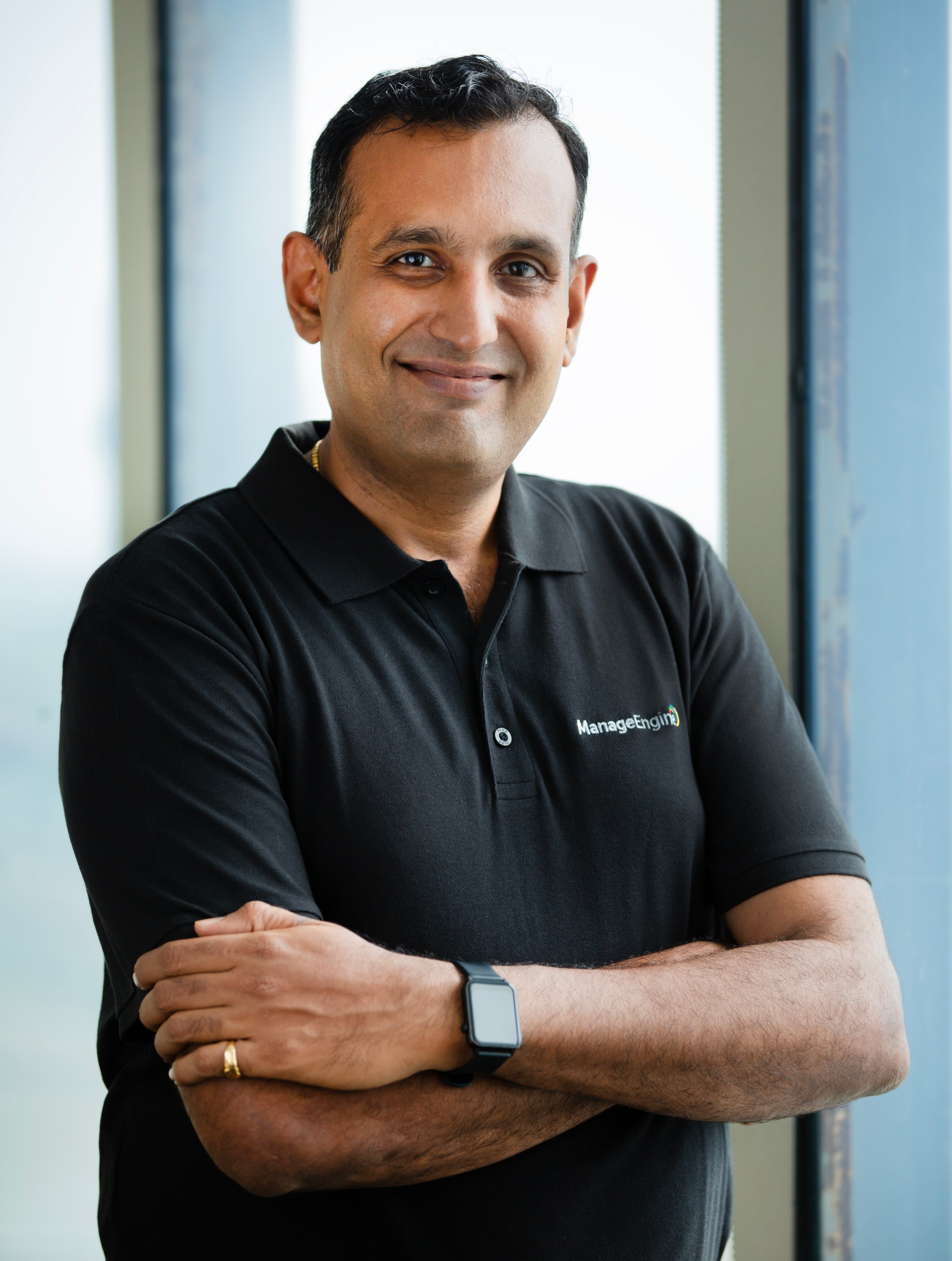
“Hybrid and cloud-native architectures have made IT operations highly interconnected, while IT managers are under constant pressure to resolve incidents quickly amid growing complexity,” said Srinivasa Raghavan, director of product management at ManageEngine. “By combining predictive anomaly detection, intelligent event correlation, service dependency context, and AI-driven causal insights, Site24x7 cuts through alert noise to show not just what is broken, but what caused it and what it impacts, helping teams identify the true fault faster and significantly reduce MTTR while minimizing service disruption.”
“Triaging and resolving incidents in hybrid environments with growing infrastructure complexity can quickly become a nightmare, especially when SLA commitments are on the line,” said Pravir Kumar Sinha, IT leader at Synechron, a global IT services company and one of the early customers to access the feature. “With Site24x7 AIOps , we’re able to filter out nearly 90% of alert noise, pinpoint issues faster, and accelerate resolution. This helps us achieve stronger SLA adherence, reduce MTTR, and ultimately deliver reliable digital experience for customers.”
The introduction of autonomous AI in Site24x7 represent a practical step toward more autonomous IT operations by analyzing observability data, reducing cognitive overload, and turning insights into clear, actionable guidance. “With MCP providing the control and governance layer, we ensure this intelligence is applied securely and within enterprise guardrails. This empowers IT leaders move toward agentic workflows with confidence, stay ahead of the AI adoption curve, and strengthen the resilience of their critical digital services,” said Raghavan.
Key capabilities include:
- Domain-aware causal correlation with predictive anomaly detection: Detects anomalies and correlates related signals across applications, infrastructure, and networks into a single, context-rich problem—so teams can quickly understand what is connected and where to start.
- Customizable AI Agents with governed, task-driven automation: Enables customers to create and tailor AI Agents, set approved guardrails using solution documents, and assign tasks that guide agents from analysis to guided action—making response workflows more consistent across teams.
- MCP-enabled agentic foundation for customers: MCP provides the enabling layer for customers to build and operationalize agentic use cases on top of observability data—standardizing how agents access data, follow approved guidance, and execute tasks within enterprise-ready controls and auditability.
- Orchestrated remediation with Qntrl: Co-ordinates downstream actions through structured workflows and repeatable runbooks, powered by Zoho’s workflow and orchestration platform Qntrl, with approvals and traceability built in to support controlled automation.
These AIOps capabilities are now available for all users in Professional and Enterprise plans.
–
- 0
- By Neel Achary

18, Feb 2026
Indian Potash Limited Honored at Kandla & Vizag Ports on International Customs Day 2026
New Delhi, Feb 18 : Fertilizer major Indian Potash Limited has been recognised for its outstanding import performance at Kandla Port and Visakhapatnam Port on the occasion of International Customs Day 2026.
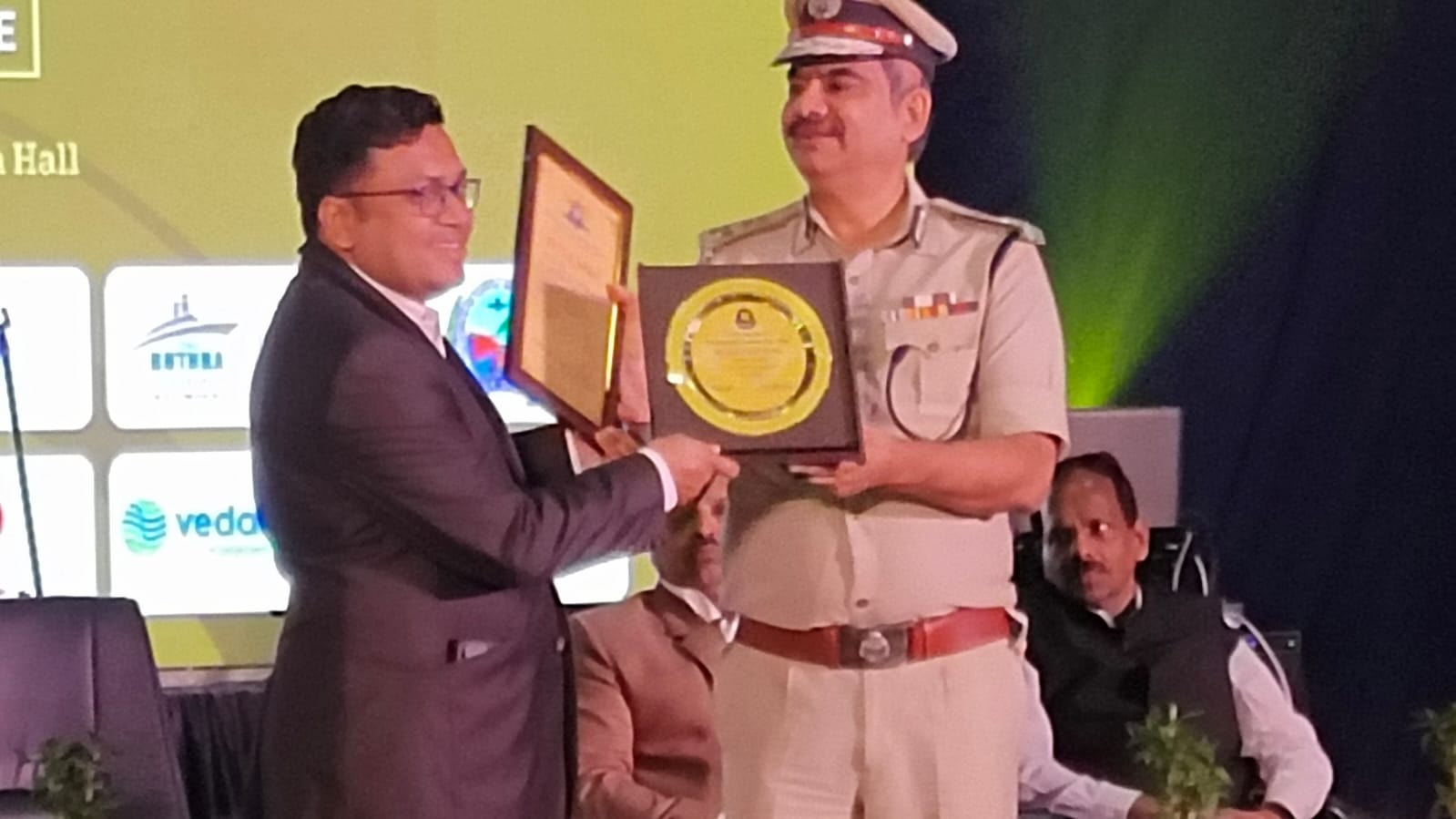
IPL has been awarded ‘Top Importer’ for fiscal 2025-26 at Kandla port, Gujarat.
It has also been awarded Appreciation Certificate for one of the highest performers under ‘Importer (PSU)’ for 2025 at Visakhapatnam port, Andhra Pradesh, by the Customs Department, Government of India.
‘Top Importer’ award was presented to IPL on 15 February 2026 at the IFFCO Auditorium, Gandhidham. The award was presented by Shri Nitin Saini, Commissioner of Customs, Kandla, in the presence of the Chief Guest, Shri Narayan Joshi, Padma Shri Awardee, Kutch.
On behalf of IPL, Mr. Jatin Shah, Sales Officer, Kutch, IPL Gujarat, received the award.
IPL received Appreciation Certificate at Visakhapatnam, which acknowledges the organisation as one of the highest importers in the PSU sector. The award ceremony took place on 16 February 2026 at the Sagarmala Convention Hall, Salagramapuram.
The certificate was presented by the Chief Guest of the event, Dr. Shankhabrata Bagchi, IPS, Police Commissioner, Visakhapatnam, and was received by Ms. Aptakama Sarangi, Deputy Manager, Port Operations, on behalf of Indian Potash Limited.
These recognitions underscore IPL’s sustained commitment to operational efficiency, regulatory compliance, and transparent trade practices. The awards reflect the organisation’s capability to manage large-scale import operations while adhering to the highest standards of governance and process discipline.
The twin honours further reinforce IPL’s position as a responsible and performance-driven organisation, contributing significantly to India’s agricultural supply chain and trade ecosystem.
Commenting on the recognition, Dr. P S Gahlaut, MD, Indian Potash Limited said:
“These recognitions reflect Indian Potash Limited’s strong focus on operational excellence, compliance, and reliability across our import operations. They are a testament to the dedication of our team working at ports and logistics touchpoints across the country. We remain committed to strengthening transparent trade practices and supporting India’s agricultural supply chain.”
18, Feb 2026
Get Pre-Holi Ready with KIKO Milano’s Glow-Perfecting Essentials
KIKO Milano Pure Clean Cleansing Balm Makeup Remover Balm For Face and Eyes
This Pre-Holi, prep and protect your skin with KIKO Milano’s Pure Clean Cleansing Balm a luxurious balm-to-oil formula that effortlessly melts away even waterproof makeup while keeping your skin soft and hydrated. Enriched with hyaluronic acid and nourishing oils, this non-greasy cleanser deeply purifies, leaving your skin feeling refreshed, pampered and celebration-ready.
KIKO Milano Hydrating And Perfecting Face Base Primer – Blue
This Pre-Holi, create the perfect canvas with KIKO Milano Hydrating & Perfecting Face Base Primer – Blue, a 2-in-1 formula infused with aloe vera and shea butter for an instant boost of hydration and freshness. Lightweight and seamlessly blending, it smooths texture, blurs imperfections and delivers a natural, flawless finish without weighing the skin down.
KIKO Milano Radiance Boost Serum Face Base – Peach
Glow bright this Pre-Holi with KIKO Milano Radiance Boost Serum Face Base – Peach, a skin-perfecting formula enriched with maca root extract that camouflages imperfections while nourishing the skin. With its fresh gel-serum texture and subtle pink hue that melts into a luminous finish, it leaves behind a refined, sophisticated glow.
KIKO Milano New Drop Lip Balm
This Pre-Holi, keep your pout soft and celebration-ready with KIKO Milano New Drop Lip Balm, enriched with shea butter, jojoba and almond oils for long-lasting nourishment. Its creamy, lightweight formula glides on effortlessly without greasiness, while the adorable tear-drop design ensures smooth, even application every time.
18, Feb 2026
Seco® High Feed SP07 reduces inventories and maximizes productivity
Capable of handling a wide mix of materials, Seco® High Feed SP07 excels in all machining strategies and allows you to push productivity levels, particularly on complex components.

A positive cutting rake angle ensures optimal chip formation, while the stable insert design and constant lead angle deliver predictable cutting behavior, paramount for unmanned production.
Reduce the need for skilled labor
The SP07 addresses common industry challenges: frequent tool changes, unpredictable results, and high costs due to rapid wear. In one reliable solution, it simplifies tool management and reduces the need for skilled labor. Digital traceability via Data Matrix codes further streamlines operations, making the SP07 ideal for high-volume and unmanned production.
High metal removal rates in shallow depths of cut
Each insert features four cutting edges, maximizing usage and extending tool life. Even with shallow depths of cut (≤0.8 mm), the SP07 maintains high metal removal rates, ensuring manufacturers stay on track with productivity goals. The result is a significant reduction in cost per part and improved operational efficiency.
“Our customers need to boost productivity and cut costs. Seco® High Feed SP07 delivers reliable, flexible performance across materials”, says Benoît Patriarca, Product Manager Copy High Feed Milling. “The four cutting edges and digital traceability simplify processes further, even when skilled labor is limited.”
With its origins in Fagersta, Sweden and present in more than 75 countries, Seco is a leading global provider of metal cutting solutions for indexable milling, solid milling, turning, holemaking, threading and tooling systems. For nearly 100 years, Seco has driven excellence throughout the entire manufacturing journey, ensuring high-precision machining and high-quality
18, Feb 2026
Brookhaven Lab Builds Successful ‘Cloud in a Box’
Feb 18: In a quiet laboratory, a team of atmospheric scientists and engineers at the U.S. Department of Energy’s (DOE) Brookhaven National Laboratory recently gathered around a workstation to watch as little floating speckles, illuminated by a curtain of green light, swirled into a haze, then wisp of a cloud.
This instance of creation unfolded inside a programmable atmosphere they’d built from scratch.
“We saw the birth of a cloud,” said Brookhaven atmospheric scientist Arthur Sedlacek. “There was a lot of excitement and happiness, and relief, in that moment. Needless to say, we definitely weren’t quiet after that.”
Researchers will use the new convection cloud chamber, a customizable one-cubic-meter metal box, to tackle fundamental unknowns that remain about clouds.
Clouds might seem simple — white, fluffy shapes drifting overhead — but they remain one of the biggest sources of uncertainty in models of weather and Earth’s complex atmospheric system.
Scientists know that clouds play important roles in regulating Earth’s energy balance, controlling how water moves through the atmosphere, driving storm formation, and influencing how intense weather systems become. Still, researchers’ understanding of the physics underlying cloud processes is limited.
“We need repeatable, controlled experiments in order to tease out the key factors and mechanisms governing those underlying small-scale processes,” Sedlacek said. “For example, one long-standing unsolved problem in our community is how drizzle or raindrops are formed in warm clouds. Why do some clouds precipitate while others do not?”
Collecting key and abundant measurements from clouds in nature, while challenging, provides some data needed to address these questions. Brookhaven scientists and their collaborators have piloted specially equipped aircraft through clouds to collect such data. But each flythrough hits a cloud that has already changed since the plane’s first pass.
The cloud chamber will allow scientists to study clouds in a more controlled setting.
“The cloud chamber provides us with a unique environment to isolate and rigorously study important but still poorly understood cloud microphysical processes,” said Brookhaven atmospheric scientist Fan Yang. “We can use it to mimic real atmospheric clouds under well-controlled laboratory conditions and perform detailed, repeatable cloud measurements.”
Watch as a cloud forms in the chamber. Scientists use a green laser to see the process. (Brookhaven National Laboratory)
Controlled cloud making
Brookhaven Lab’s convection cloud chamber combines ingredients needed to make a cloud: air that is supersaturated with water and aerosol particles, tiny particles suspended in the atmosphere that can trigger the condensation of water vapor into cloud droplets.
Scientists first fill the chamber’s bottom baseplate with water. Then they heat it up, releasing water vapor into the chamber through evaporation. The top panel of the box is cold. As the warm water vapor from the bottom rises and mixes with cool air from the top, it builds up an atmosphere where the air is “thick” with humidity.
“Cloud formation requires the relative humidity to be greater than 100% — a condition we refer to as supersaturation,” Sedlacek said. “Such a supersaturated environment is achieved in the chamber by the mixing of warm humid air with cold humid air.”
To trigger cloud droplet formation in this supersaturated atmosphere, scientists inject aerosol particles, such as table salt, into the chamber to serve as “seeds” for cloud formation. When water vapor from the air condenses on the salt particles, it forms tiny cloud droplets. In the humidified environment, these droplets will continue to grow through additional condensation of water vapor. Eventually, this establishes a steady state between the cloud droplet particle size and the relative humidity.
“One major advantage of a convection cloud chamber, compared with other types of cloud chambers, is that we can maintain a turbulent cloud for hours in a steady state,” Yang said. “This will allow repeated measurements of cloud properties, which improves statistical robustness.”
The cloud chamber at Brookhaven Lab is made up of individual heating and cooling side panels that allow researchers to steer settings such as relative humidity, temperature, and the degree of mixing and swirling in the air, or turbulence, to create a complex structure. Rearranging the heating and cooling side panels will allow the creation of different internal chamber conditions, resulting in more complex cloud schemes to be formed. Additionally, the chamber is designed so that scientists can measure the influences of things like aerosol composition and size, temperature on cloud formation, cloud droplet size distribution, and cloud persistence.
“From an experimental perspective, there are lots of knobs we can turn to create specific atmospheric conditions within the chamber,” Sedlacek said. “We’ve started thinking about how we can incorporate artificial intelligence and machine learning into the cloud chamber’s workflow.”
The unique modular design also offers flexibility for the future. For example, the structure is meant be expandable. Adding another cubic meter on top would expand the working volume, leading to increased cloud lifetime. This would open the door to even more ambitious studies of drizzle and rain drop formation, the researchers said.
Making measurements with advanced imaging
A crucial component of these studies is using tools that can take measurements inside the cloud chamber without touching and disrupting the cloud and its environment. The Brookhaven team is developing next-generation instrumentation and methods to make this possible.
“We want to be able detect the transition of aerosols to cloud droplets to drizzle without sticking instruments inside the chamber so that we don’t disrupt the air flow,” Sedlacek said. “To realize this goal, we’ll use light.”
Scientists aim to, first, detect aerosols particles that activate into cloud droplets by tagging the particles with fluorescent dye. Tagged and activated aerosols will light up when hit by a laser. Next, researchers will use time-correlated photon-counting lidar — a laser-based remote-sensing instrument — to observe a cloud’s structure at the scale of a single centimeter. Then, to detect drizzle and follow its movement within the cloud chamber, they plan to use novel THz radar that captures individual droplets and measures how fast they fall.
Powered by collaboration
What started out as brainstorming, scribbles, and long chats turned into a solid design for a successful convection cloud chamber — one of only two in the nation — thanks to close collaboration between scientists, engineers, and support staff across Brookhaven Lab.
“The expertise necessary to create something like this chamber requires modelers, observationalists, experimentalists, and engineers to pull it all together — and that is part and parcel of what national labs do,” Sedlacek said.
Engineers from the Lab’s Instrumentation Department and scientists from the Environmental Science and Technology Department began collaborating on the cloud chamber a few years ago, after a meeting that highlighted Instrumentation’s capabilities and how they could support scientific research. That discussion sparked the idea to build a cloud chamber together.
As the team formed, engineers refined the design while learning more about the scientific requirements — especially the need for precise temperature control.
“It was a very iterative process,” said mechanical engineer Nathaniel Speece-Moyer. “We have great people and resources on site, and we used our engineering judgment to weigh different design options with frequent input from the scientific staff. We converged on a final design that the group is happy with.”
The final design is modular and carefully controls temperature while ensuring that air and particles inside the chamber remain undisturbed. All of the hardware is located outside the chamber to avoid interfering with experiments.
Many of the components were fabricated in house by Brookhaven Lab’s fabrication services, which reduced costs and allowed the engineering team to make adjustments along the way, said mechanical engineer Connie-Rose Deane.
“This cloud chamber is a great example of how engineers, scientists, and technicians can collaborate together to achieve something special,” Deane said. “We also had a lot of support from budget, safety, and facilities staff. What really powered me through this work was the excitement everyone brought to the project.”
Throughout the process, the team also drew on experience gained from the Michigan Technological University’s (MTU) Pi Cloud Chamber, the only other convection cloud chamber in the United States. Raymond Shaw, a professor at MTU, has a joint appointment with Brookhaven’s Environmental Science and Technology Department and was key to developing both chambers.
“Cloud chamber science is experiencing a resurgence for several reasons,” Shaw said. “Perhaps most importantly, the atmospheric physics community has realized that there are still fundamental questions about how aerosol and cloud particles interact that directly influence how we can simulate atmospheric flows using coarse-resolution models, such as for storm or weather forecasting. The simplified, controlled, repeatable, and well-characterized conditions provided by a laboratory experiment in a cloud chamber can provide important insights.”
At the same time, additional advances now make it possible to simulate these processes in great detail, enabling direct comparisons between experiments and computational models, Shaw said.
Yang added: “The cloud chamber at Brookhaven Lab is the outcome of more than 10 years of experience. We’ve learned a lot from the Michigan Tech Pi Cloud Chamber group and from a multi-institution research activity jointly funded by DOE and the National Science Foundation aimed at exploring ideas for a larger-scale cloud chamber facility. We want to shout out all the work that led to this very smart design.”
Scientists, engineers, and technicians worked together to assemble Brookhaven Laboratory’s convection cloud chamber. (Timothy Kuhn/Brookhaven National Laboratory)
Looking beyond the clouds
The potential of Brookhaven Lab’s new “cloud in a box” testbed stretches beyond just studying clouds. Its creators encourage suggestions for other research areas it can support.
Ideas floated for potential uses so far include investigations into how atmospheric conditions impact the performance of energy and information infrastructure, as well as the movement of bioaerosols — tiny natural particles such as pollen and pathogens.
“The environment we create inside this chamber opens up other applications,” Sedlacek said. “We welcome the opportunity for ‘out-of-the-box’ ideas that this brand-new capability at Brookhaven Lab can provide.”
This work was supported by Brookhaven’s Laboratory Directed Research and Development program.
Brookhaven National Laboratory is supported by the Office of Science of the U.S. Department of Energy. The Office of Science is the single largest supporter of basic research in the physical sciences in the United States and is working to address some of the most pressing challenges of our time.
18, Feb 2026
Barbra Streisand Women’s Heart Center Leads $7.5M Aging Study
LOS ANGELES (Feb. 17, 2026) — The National Institutes of Health and the National Institute on Aging have awarded a multi-institutional research team led by investigators in the Smidt Heart Institute at Cedars-Sinai $7.5 million to further study how damage to tiny blood vessels contributes to heart disease, cognitive decline and frailty as women age.
The new, five-year grant to examine sex-based differences in multiple age-related diseases supports the Microvascular Aging Effects—Women’s Evaluation of Systemic Aging Tenacity in Heart, Brain and Frailty study, commonly called MAE-WEST HBF. The acronym is a nod to the late actor, who reportedly once said, “You’re never too old to become younger.”
MAE-WEST HBF builds on prior research from Cedars-Sinai’s Barbra Streisand Women’s Heart Center that showed small blood vessel disease, chronic inflammation and iron buildup in women are linked to impaired heart, brain and kidney function, and declining physical strength.
“Armed with this funding, we are eager to continue uncovering biological mechanisms behind sex-based differences in aging and heart health,” said C. Noel Bairey Merz, MD, the principal investigator of MAE-WEST HBF and director of the Barbra Streisand Women’s Heart Center in the Smidt Heart Institute. “A better understanding of the causes of common age-related conditions in women could lead to more effective prevention and treatment strategies.”
For more than two decades, Bairey Merz and her team have made landmark discoveries in women’s heart health, particularly in coronary microvascular disease—a condition that occurs more often in women and results from damage to the heart’s smallest blood vessels. Symptoms of the condition, which can be subtle, were previously often dismissed, misdiagnosed or undertreated. But improved diagnostic tools and treatments resulting from Bairey Merz’s discoveries have contributed to significant reductions in cardiovascular deaths among women.
The new study brings together a multidisciplinary team of experts, including Pascal Sati, PhD, director of the Neuroimaging Program in the Department of Neurology at Cedars Sinai. Collaborators at UCLA will oversee biostatistical analysis, while those at the University of Texas at Arlington will lead frailty research.
“We now have effective treatments for small vessel dysfunction in the heart,” Bairey Merz said. “If we can better understand its effects on the brain and musculoskeletal system, we may be able to find ways to prevent or slow multiple age-related diseases—including declines in cognition and mobility—in both women and men.”
Although women generally live longer than men do, women experience higher rates of chronic conditions and so spend more years in poor health. Ultimately, investigators hope the new study will pave the way for a future in which healthy aging for women includes earlier screenings, advanced technology, and preventive care that identifies risks and stops diseases before they begin.
“After more than 25 years of progress in women’s cardiovascular research, this grant helps advance whole-person care that supports heart health, brain function and physical strength,” said Eduardo Marbán, MD, PhD, executive director of the Smidt Heart Institute. “All three are equally essential to healthy aging.”
Cedars-Sinai Health Sciences University is advancing groundbreaking research and educating future leaders in medicine, biomedical sciences and allied health sciences.
18, Feb 2026
Cars24 Launches India’s First Lifetime Warranty on Cars
Gurugram, Feb 18: Cars24, marking a significant shift in how long-term ownership protection is offered in the car market.

While most used car warranties in India are limited to short durations, leaving buyers exposed to major mechanical costs over time, Cars24’s Lifetime Warranty introduces long-term protection for critical powertrain components, including the engine, transmission, and drivetrain, for up to 12 years from the date of vehicle registration or 1.5 lakh kilometers, whichever comes earlier. These are the systems that keep the car running and are also the most expensive to fix or replace when things go wrong.
Built for long-term ownership, the programme extends protection well beyond standard warranty periods, covering the kind of mechanical failures that usually show up only after years of use.
The Lifetime Warranty is available exclusively on Cars24 Certified vehicles and offers cashless repairs at Cars24-certified workshops across India, supported by a fully digital claim process, including vehicle pick-up and drop-off. To maintain coverage, vehicles must undergo periodic servicing at Cars24-certified workshops as per prescribed service intervals.
“At Cars24, we are deeply confident about the quality of the cars we sell,” said Himansu Ratnoo, CEO India, Cars24. “That confidence is what allows us to offer a Lifetime Warranty and stand by the most critical systems of the car for a much longer part of the ownership journey.”
“The intent is to remove long-term uncertainty for customers who plan to keep their cars for years, while taking responsibility for what truly matters in vehicle ownership,” he added.
Lifetime Warranty can be opted for at the time of purchase, giving customers added confidence from day one. The programme is now live pan-India, ensuring long-term peace of mind and ownership assurance wherever you are.
With this launch, Cars24 becomes the first platform in the Indian used car market to introduce a Lifetime Warranty programme focused on long-term mechanical protection.
18, Feb 2026
ELCIA Unveils New Leadership Team to Drive Electronics & Semiconductor Growth
Bengaluru, Feb 18 : Electronics City Industries Association has announced a leadership transition as it prepares to scale up its role in strengthening India’s electronics manufacturing and semiconductor ecosystem.
As part of this change, V Sriram Kumar has been appointed Chief Executive Officer of ELCIA. He previously served as President of the association and brings over three decades of industry experience. Sriram spent a significant part of his career at FANUC India, Japanese Automation and Robotics company, and has also been associated with ELCIA for more than 25 years in various honorary roles.
In his new role as CEO, Sriram will focus on driving ELCIA’s strategic initiatives, strengthening industry collaboration, and building long-term institutional capabilities aligned with national priorities in electronics manufacturing and semiconductors.
The leadership transition comes at a time when ELCIA is expanding its scope beyond industry representation to active ecosystem enablement. With India placing strong emphasis on electronics manufacturing, semiconductors, and deep technology innovation, ELCIA has launched several initiatives aimed at supporting industry, startups, and academia.
One of the key initiatives is the Electronics Centre of Excellence (e-COE), which has been envisioned to enable sensor development in India. Through this initiative, ELCIA aims to act as a catalyst for indigenous IP creation while enabling companies to design, develop, and commercialise sensors for domestic and global markets.
ELCIA is also strengthening its focus on talent and innovation infrastructure through the Electronics Skill Development Centre (ESDC) and the ELCIA Tech Hub. The Tech Hub follows a cluster-based approach to support co-development, prototyping, and collaboration among industry players, startups, and research institutions.
Alongside this transition, Sujaya Shashikiran, Executive Chairperson of Hical Private Limited, India’s leading manufacturer of electro-mechanical systems for global aerospace and defence platforms, has taken over as President of ELCIA. She will be supported by the Executive Committee and the association’s operational team, providing strategic direction and governance as ELCIA scales its initiatives.
Commenting on his appointment, V Sriram Kumar said,
“ELCIA is entering a phase where execution and impact are critical. India’s push towards electronics manufacturing and semiconductors presents a significant opportunity. Our focus will be on building platforms and partnerships that help the ecosystem innovate, develop capabilities, and scale sustainably.”
Sujaya Shashikiran said,
“ELCIA has played a pivotal role in shaping the Electronics City ecosystem. As President, I look forward to working with the Executive Committee and the CEO to strengthen ELCIA’s initiatives and ensure they deliver tangible value to industry and the larger ecosystem.”
With this leadership transition, ELCIA signals its intent to take on a larger role in India’s electronics and semiconductor journey by moving from advocacy to active ecosystem building and long-term capability creation.
18, Feb 2026
Mumbai To Host The Earthshot Prize 2026
MUMBAI, India, Feb 18: Mumbai was announced as the host city for The Earthshot Prize 2026 – the world’s most prestigious and impactful environmental award.
The announcement was made during the city’s inaugural Climate Action Week, underscoring India’s growing role as a global leader in climate and nature solutions. An evening event gathered leaders from science, business, politics and the arts to hear from previous Earthshot Prize Finalists from India on how they are scaling solutions to repair and restore the planet.
Chief Minister of Maharashtra Devendra Fadnavis, said:
“The Earthshot Prize is the world’s most prestigious environmental award and I’m proud to announce that it will be hosted in Mumbai in November. Sustainability and climate action remain top priorities for Maharashtra, and The Earthshot Prize will create global attention for India’s leadership and commitment to turning our goals into meaningful action on the ground.”
Founded by HRH Prince William, The Earthshot Prize exists to inspire a decade of urgent optimism and environmental action. The celebration in Mumbai will bring together environmental and business leaders, investors and philanthropists who are spearheading change. The Awards Night will culminate in five Earthshot leaders each winning £1 million to accelerate the impact of their innovative solutions.
Founder and President of The Earthshot Prize, HRH Prince William, said:
’’We must continue to look to the future with urgency and optimism, which is why I am delighted that Mumbai will host The Earthshot Prize 2026. India is one of the world’s most important forces for climate and nature. What succeeds in India at scale has the power to inspire progress everywhere.’’
“With the largest population of young people in the world, there is a real sense of momentum – to not only imagine a better future, but to inspire change and make it a reality. Together we can rise to meet our greatest challenge, to repair and restore our planet by 2030.”
Jason Knauf, CEO of The Earthshot Prize, said:
“We cannot wait to celebrate India’s climate leadership with the world this November. Earthshot 2026 Mumbai is going to be the biggest and most impactful in our history.”
Event speaker and UN Environment Goodwill Ambassador and sustainability advocate Dia Mirza Rekhi said:
“What drew me to The Earthshot Prize is its focus on solutions that are already creating real impact, not just conversations about the future. India is demonstrating that climate action can be practical, inclusive, and scalable and this moment is about recognising that leadership and taking it further.”
Inspired by President John F. Kennedy’s 1962 ‘Moonshot’ to land a man on the moon within a decade, The Earthshot Prize was founded by HRH Prince William in 2020 to spark the same spirit of collective ambition and action for our planet.
This year’s Prize will shine a global spotlight on 15 groundbreaking environmental solutions, under five categories developed in collaboration with leading environmental experts: Protect and Restore Nature; Clean our Air; Revive our Oceans; Build a Waste-Free World; and Fix our Climate.
Five years into the Earthshot decade, the Prize has identified over 5,600 emerging environmental innovations from 156 countries – over 2,400 in 2025 alone, recognised and supported 75 Finalists and awarded £25 million to Prize Winners to help scale their solutions. Earthshot Prize Finalists have already:
- Protected and restored over 1 million square kilometres of land and oceans – an area nearly twice the size of France.
- Stopped 250,000 tonnes of waste reaching landfill – the same as 22,000 school buses.
- Captured 4.8 million tonnes of CO2 – the equivalent of taking 1.2 million cars off the road for an entire year.
Earthshot Prize Finalists have collectively secured more US$500m in investment and philanthropy, setting the stage for unprecedented acceleration in solutions to repair our planet over the next five years.
Mumbai joins previous Earthshot host cities Rio de Janeiro, Cape Town, Singapore, Boston and London in being a launchpad for environmental action.
As one of the world’s largest and fastest-growing economies, India represents both the scale of climate challenge and the opportunity to deliver solutions that work in dense cities, agricultural systems and complex supply chains.
What succeeds in India at scale has the potential to shape global climate progress. The multi-day celebration of environmental leaders who are delivering bold solutions to repair our planet will come to India for the first time in November 2026.
India is home to more Earthshot Prize Winners and Finalists than any other country, with seven Finalists to date, including four winners, reflecting the country’s depth of innovation and execution across clean energy, regenerative agriculture, waste management and air quality. They are:
- The State of Gujarat (2025 Finalist – Clean Our Air) The State of Gujarat in India has pioneered the world’s first trading scheme for particulate emissions, that lets businesses keep growing while providing clean, healthier air for its citizens.
- S4S Technologies (2023 Winner – Build a Waste-free World) S4S Technologies’ solar-powered dryers and processing equipment combats food waste – enabling smallholder farmers to preserve crops and turn produce, that might otherwise go to waste, into valuable products.
- Boomitra (2023 Winner – Fix Our Climate) Inspired by an event in India, and with multiple projects there (including the URVARA Project, Boomitra’s first and largest project in India involving over 12,000 smallholder farmers across nearly 50,000 acres) Boomitra is removing emissions and boosting farmer profits by incentivising soil restoration and the adoption of regenerative agriculture through a verified carbon-credit marketplace.
- Kheyti (2022 Winner – Protect and Restore Nature) Eight in ten of the world’s farmers are smallholders. Beset by climate-affected harvests, Kheyti’s Greenhouse-in-a-Box is helping them reduce climate risk and increase yields.
- Fleather (2022 Finalist – Build a Waste-free World) Flowers cast into the Ganges River contain highly toxic pesticides. Phool used this floral waste to make a sustainable alternative to leather.
- Takachar (2021 Winner – Clean Our Air) – Globally, we generate US$120 billion of agricultural waste every year, which is often burnt. Takachar’s technology massively reduces these emissions.
- Vinisha Umashankar (2021 Finalist – Clean Our Air) Its solar-powered ironing cart is a clean alternative to the charcoal powered street irons that press clothes for millions of Indians each day.
17, Feb 2026
Sightsavers India and Roche Launch Diabetic Retinopathy Clinic in Bhopal
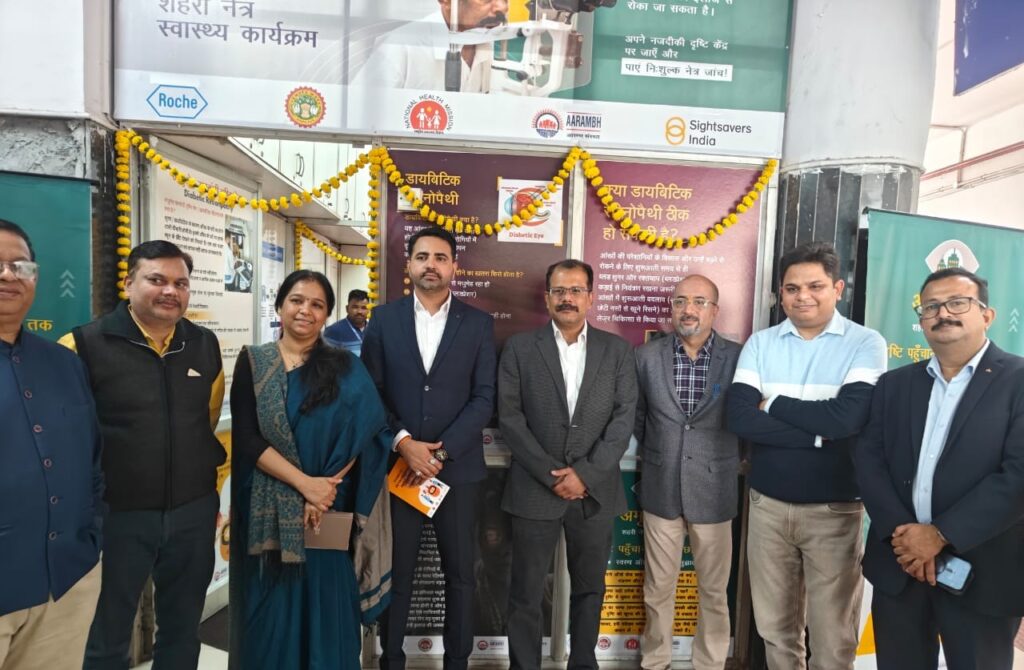 Bhopal, Feb 17th: Sightsavers India, in partnership with Roche, has launched a dedicated Diabetic Retinopathy (DR) Clinic in Bhopal under the Amrita Drishti – Urban Eye Health Programme. This initiative aims to enhance early detection and management of retinal conditions among underserved urban populations in Madhya Pradesh, with a special focus on women, children and the elderly within marginalised communities.
Diabetic retinopathy remains a significant cause of avoidable blindness. As diabetes prevalence increases, many patients remain unaware of retinal damage until vision loss becomes severe. Early screening and timely referral are essential to reducing long-term complications.
The initiative establishes a dedicated DR clinic at Jai Prakash District Hospital, Bhopal, supported by the installation of a fundus camera to enable early and accurate retinal screening. Patients diagnosed with diabetes are referred for screening at this facility, and those requiring further diagnosis or treatment are directed to Gandhi Medical College, Bhopal, ensuring a streamlined pathway from primary screening to tertiary care.
In addition, Sightsavers India will strengthen referral systems, provide technical support, conduct outreach and awareness activities, and collaborate closely with government stakeholders to ensure sustainability within the urban health system.
The launch event was attended by Dr. Anshul Upadhyay – SPO, NPCBVI Madhya Pradesh; Dr. Vivek Som – Vitreoretinal Surgeon, Gandhi Medical College, Bhopal; Dr. Manish Khichi, Lead – Market Access, Roche Products; Ms. Tasha Mahanta, State Programme Lead – Bhopal, Sightsavers India; and Mr. Mayur Verma, Deputy Manager – DSTG, Sightsavers India, among others.
Dr Monika Puri, Chief Commercial Officer at Roche, said: “Diabetic retinopathy is a silent threat that can steal vision even before symptoms appear. Through Amrita Drishti – a dedicated retina clinic at JP Hospital, Bhopal, we aim to ensure timely screening, early diagnosis, and access to treatment for every person living with retinal diseases. Protecting sight is not a luxury, it is essential to living with dignity and independence.”
RN Mohanty, CEO of Sightsavers India, added: “This initiative under our Amrita Drishti – Urban Eye Health Programme is designed to strengthen and complement the government’s efforts to address non-communicable diseases and prevent avoidable blindness. We are working closely with public health institutions to enhance screening systems, build clinical capacity, and establish clear referral pathways for timely treatment. We sincerely thank Roche for partnering with us to advance equitable and accessible retinal care for underserved communities.”
Through this collaboration, Sightsavers India and Roche reaffirm their shared commitment to reducing preventable blindness and expanding access to quality retinal care for vulnerable populations.


