
17, Feb 2026
Designing Responsibility: How Artisan Rug Brands Are Building Sustainable Global Relationships
Jaipur : In today’s global design economy, sustainability is often spoken about in terms of materials, certifications, and metrics. Yet for rug manufacturers, its true impact is felt elsewhere. In the way partnerships are built. In how trust is earned. And in the longevity of relationships that extend far beyond a single season or shipment.
As international buyers become more discerning, sustainability is no longer a marketing claim. It has become a shared language between maker and market, shaping expectations on both sides.
Moving Beyond Surface-Level Narratives
European and global design partners are increasingly looking past slogans and labels. They want to understand process, people, and purpose. How artisans are engaged. How responsibly materials are sourced. How consistency and accountability are maintained over time.
This shift has redefined what credibility looks like. Brands are no longer evaluated only on aesthetic excellence, but on the integrity of their operations and the transparency of their decisions.
Craft, Continuity, and Care
For Man Made Rugs, sustainability has always been rooted in continuity rather than promotion. Working closely with artisan communities, the brand prioritizes stable livelihoods, controlled production practices, and a design process that respects both heritage and modern use.
“Sustainability is not something you announce. It is something you practice quietly, every day,” says Nirmit Khanna, Founder of Man Made Rugs. “When partners see that consistency over time, relationships naturally become stronger and more collaborative.”
Relationships Built on Transparency
As global trade frameworks and buyer expectations evolve, transparency has become central to long-term partnerships. Documentation, traceability, and ethical clarity are no longer compliance tools alone. They are signals of respect between collaborators.
For artisan rug brands, this means opening up their processes and inviting dialogue. It also means listening carefully to global partners and adapting without compromising the core values of craft.
The Future of Sustainable Partnerships
As sustainability continues to mature within the design industry, its role is becoming clearer. It is less about visibility and more about reliability. Less about performance and more about partnership.
For artisan rug brands, the future lies in designing responsibility as thoughtfully as they design their collections. In doing so, they are not only meeting global expectations, but redefining how meaningful, long-lasting relationships are built across borders.
From Jaipur to the world, sustainability is no longer just a value. It is a way of working together.
- 0
- By Neel Achary

17, Feb 2026
Odisha to Showcase ‘AI-to-Impact’ Readiness at India AI Impact Summit 2026 with Dedicated Pavilion
New Delhi, Feb 17: The Government of Odisha will showcase its vision and preparedness in Artificial Intelligence at the India AI Impact Summit 2026 through a dedicated Odisha Pavilion at Bharat Mandapam, New Delhi, from 16 – 20 February 2026.
The Odisha Pavilion will present the State’s “Odisha – From AI to Impact” approach, highlighting how Odisha is moving beyond pilots to real-world deployments across governance, healthcare, agriculture, education, disaster management and urban infrastructure, anchored by a structured implementation model and institutional capacity.
A key focus at the summit will be Odisha’s strategic collaboration with Sarvam, reflecting the State’s intent to build sovereign AI capabilities, enable population-scale Odia-language AI applications, and strengthen its position as an emerging AI hub with long-term ambitions in advanced AI infrastructure and compute.
The Pavilion will feature 10+ innovation startups and ecosystem entities, including a mix of applied AI startups, research organisations, technology partners and government-linked AI initiatives demonstrating Odisha’s expanding innovation pipeline and its approach to democratising access to AI technologies & resources.
The Government of Odisha will share a detailed announcement on 18 February 2026 during the Pavilion engagements, offering deeper visibility into showcased use-cases, ecosystem partnerships and future opportunities. Event: India AI Impact Summit 2026 Dates: 16-20 February 2026 Venue: Hall No. 5, First Floor, Bharat Mandapam, New Delhi
16, Feb 2026
Cotiviti India Expands Footprint with Fifth Office in Uppal
Company to hire hundreds of new employees across healthcare and technology operations
HYDERABAD, India, Feb 16 – Cotiviti India Pvt Ltd (Cotiviti India), a subsidiary of U.S.-based Cotiviti, Inc., a leader in data-driven healthcare solutions, is significantly expanding its presence in India with a new office located in Uppal. The new office will represent Cotiviti’s fifth location in India and feature 900 workstations.
“This state-of-the-art office represents Cotiviti’s continued commitment to expanding in India with employee-centric offices,” said Peter Csapo, chief international and business services officer for Cotiviti. “After expanding several existing offices within the past year, we look forward to extending our presence in the Hyderabad metro area and hiring new team members to fill positions across healthcare, technology, and more.”

The new Uppal office complements Cotiviti’s long-standing office in the Hi-Tech area of Hyderabad, which currently employs 2,200 Cotiviti team members. The Uppal office will primarily support continued expansion of healthcare payment integrity operations, medical coding, retail operations, software development, global IT support, and clinical policy content development and deployment.

In May 2024, Cotiviti introduced Cotiviti Prosperiti, a broad-based ownership program to ensure that every team member has a stake in the organization’s collective success, creating a work environment where everyone is motivated to contribute their best. All full-time employees are eligible to participate across all Cotiviti India locations.
In addition to the two Hyderabad offices, Cotiviti India operates in Pune, Mohali, and Coimbatore. Applicants are welcome to learn more about Cotiviti’s culture and benefits and apply for openings at www.cotiviti.com/careers.
16, Feb 2026
IIM Bodh Gaya Hosts International Research Conference on Mindfulness, Advancing Global Dialogue on Mindfulness in Research and Leadership
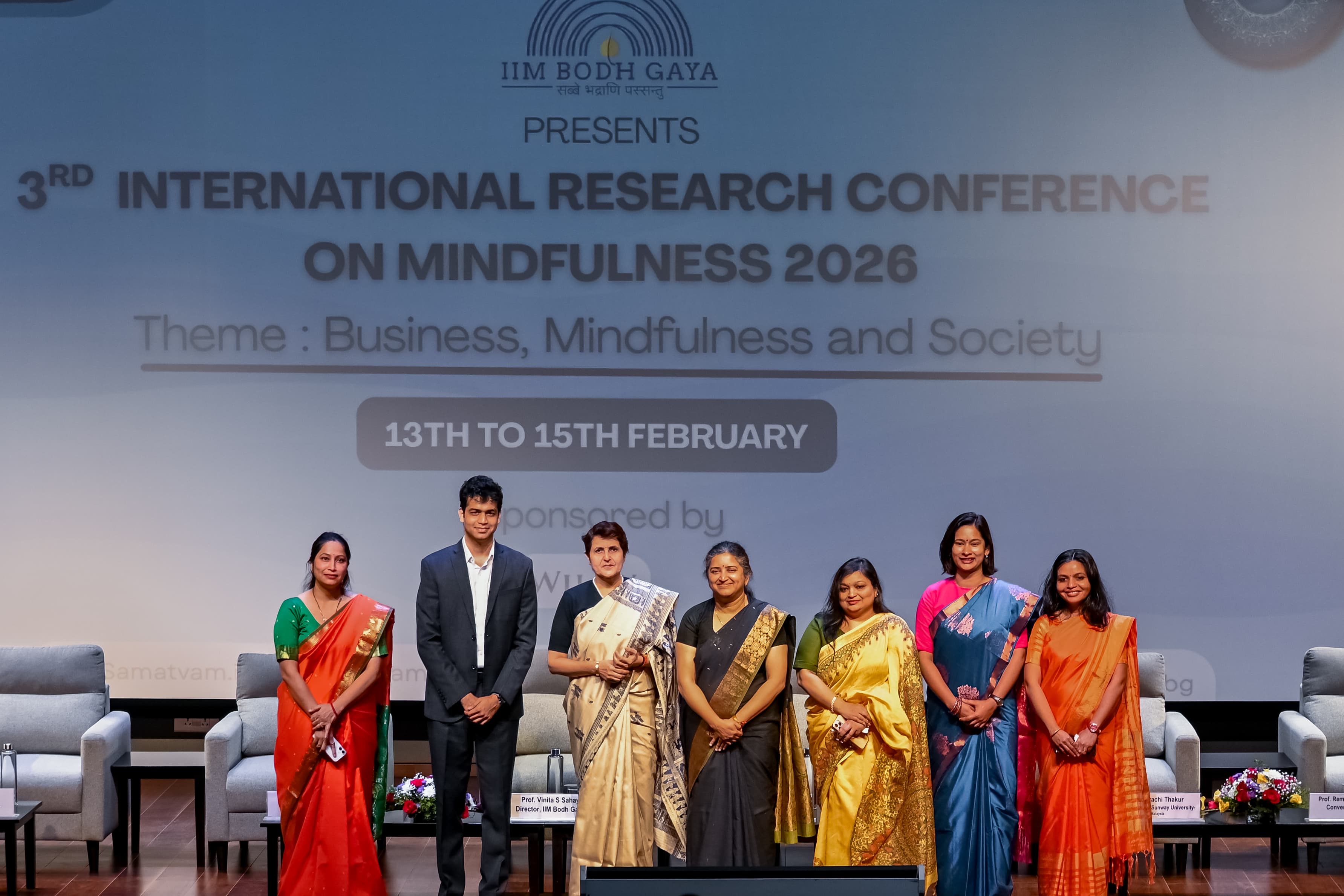
Bodh Gaya, Feb 16: The Indian Institute of Management Bodh Gaya inaugurated the International Research Conference on Mindfulness (IRCM) 2026, the third edition of its flagship biennial conference dedicated to advancing interdisciplinary research on mindfulness. Held over two days in a hybrid format, the conference brought together academicians, researchers, practitioners, and students from across India and abroad, including participants from Japan, Vietnam, and New Zealand.
The conference witnessed a global response, receiving over 255 paper submissions, reflecting a more than threefold increase from its previous edition. The strong participation underscores the growing relevance of mindfulness-based research across management, social sciences, and allied disciplines.
The event was inaugurated by Dr. Vinita S. Sahay, Director, IIM Bodh Gaya, in the presence of conference conveners Dr. Remya Lathabhavan and Dr. Teena Bharti. Distinguished speakers, including Dr. Jyoti Bachani, Saint Mary’s College of California, Dr. Vishal Gupta, IIM Ahmedabad, and Dr. Ramya Tarakad Venkateswaran, IIM Calcutta, delivered keynote addresses emphasising the integration of contemplative practices with modern research to enhance organisational effectiveness and societal well-being.
In her address, Dr. Vinita S. Sahay underscored the enduring value of contemplative traditions, noting that the “acid test of the greater good is the test of time,” and describing mindfulness as a time-tested philosophy that continues to guide meaningful ways of living and leading. Dr. Jyoti Bachani stated, “Wisdom is eternal, while AI is ephemeral,” and highlighted the importance of convening such dialogue in Bodh Gaya, the land historically associated with the origins of mindfulness.
Organised around 12 thematic tracks, the conference explored mindfulness in leadership, organisational behaviour, finance, education, decision-making, and sustainability. Scholars presented empirical and conceptual work that examined how reflective awareness can bridge research gaps and generate solution-oriented outcomes across disciplines.
Pre-conference workshops featured applied learning sessions. Mr. Shishir Arya, an IIT, IIM alumnus-turned mindfulness coach, conducted experiential sessions linking professional effectiveness with mindful living. Dr. Surbhi Dayal, faculty at IIM Indore and an expert in Madhubani art, facilitated an interdisciplinary dialogue connecting mindfulness, artistic expression, and lifestyle transformation. These workshops encouraged participants to align theoretical frameworks with lived emotional and cognitive experiences.
The conference concluded with addresses by Dr. Oleg Medvedev, University of Waikato, New Zealand, Dr. Prachi Thakur, JAGSoM, India & Sunway University, Malaysia, and Dr. Yanki Hartijasti, Universitas Indonesia, who highlighted emerging global research collaborations and the role of mindfulness in shaping resilient institutions and societies. The valedictory session included an expression of gratitude to contributors, participants, and the organising committee for fostering a vibrant platform for dialogue and discovery.
As the world accelerates in complexity, IRCM 2026 reaffirmed the importance of reflection, clarity, and conscious engagement. Mindfulness remains a core value of IIM Bodh Gaya, and the institute is committed to embedding it across teaching, research, and leadership development to nurture responsible, self-aware, and socially conscious leaders.
14, Feb 2026
Dassani Brothers Launches ‘Eternal Love’ A Valentine’s Day Collection Celebrating Affordable Solitaires and Yellow Diamonds
 Mumbai, Feb 14: Marking the season of love, Dassani Brothers unveils ‘Eternal Love’, a specially curated Valentine’s Day jewellery collection that reimagines the classic solitaire with a modern and accessible approach. The collection seamlessly blends yellow diamonds, traditional solitaire diamonds, and innovative pie-cut setting diamonds to create pieces that are timeless, radiant, and thoughtfully priced.
At the heart of Eternal Love lies a celebration of enduring commitment. The collection showcases luminous yellow diamonds symbolising warmth, optimism, and joy, qualities synonymous with meaningful relationships. Alongside these are classic solitaires that reflect sophistication and everlasting elegance.
A standout feature of the collection is the use of pie-cut setting diamonds, a refined technique designed to create the visual appeal of a solitaire while offering a more accessible price point. The precision of the pie-cut arrangement enhances brilliance and surface reflection, delivering the grandeur of a solitaire look with greater affordability. This innovation allows customers to experience the essence of a solitaire without compromising on impact or craftsmanship.
“Valentine’s Day is about celebrating meaningful connections with jewellery that carries emotion and value,” said Sumit Dassani, Partner, Dassani Brothers. “With Eternal Love, we have focused on offering affordable solitaires through our pie-cut setting diamonds, while also introducing the warmth of yellow diamonds. The idea was to create a collection that feels luxurious, timeless, and within reach.”
The collection features rings, pendants, earrings, and versatile statement pieces crafted in fine gold settings that enhance the brilliance of both white and yellow diamonds. Each design reflects Dassani Brothers’ legacy of precision craftsmanship and fine jewellery excellence, tailored for modern gifting.
14, Feb 2026
NBCC Preparing to build RERA approved Projects in J&K, says its Chairman
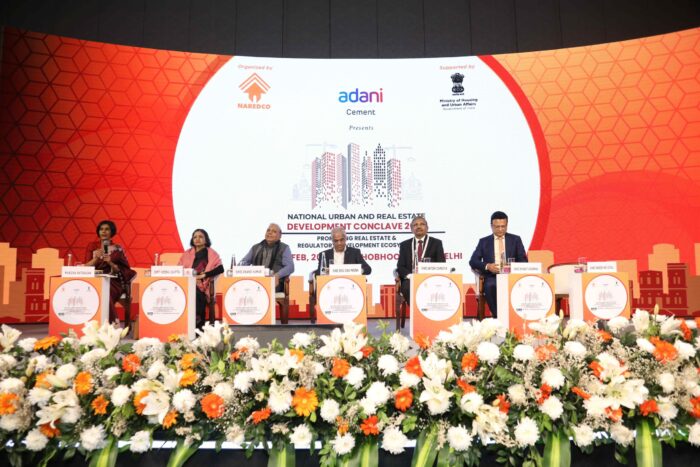
New Delhi, Feb 14: Shri Satish Chandra, IAS (Retd.), RERA Chairman, J&K on Friday disclosed that National Building Construction Corporation (NBCC) is most likely undertake housing and real estate projects in the UT of J&K.
Addressing a Panel Discussion on RERA Reforms in Housing Sector under the aegis of National Urban and Real Estate Development Conclave-2026 here Mr. Chandra added that RERA of J&K is in talks with its multiple agencies to effectively undertake approvals for a few real estate projects both in Jammu and Sri Nagar region for which parcels of land are being identified.
He, however, added that the NBCC is planning to effectively take part in constructing such housing projects after the details are worked out without disclosing much of details on this front.
Mr. Chandra has also added that RERA has been allotted office space both in Sri Nagar and Jammu to approve real estate projects in the two regions which currently number in five and lot of enthusiasm is being seen to construct such projects under the eyes of RERA regulations.
13, Feb 2026
Parkinson’s Disease Triggers a Hidden Shift in How the Body Produces Energy
Researchers reveal that weight loss in Parkinson’s disease reflects a metabolic shift from carbohydrates to fat-based energy
Weight loss is common in Parkinson’s disease, but its biological basis has been unclear. Researchers at Fujita Health University show that this loss reflects reduced body fat, not muscle, along with a shift in energy metabolism. Patients exhibited impaired carbohydrate metabolism, mitochondrial dysfunction, and increased fat breakdown with ketone body production. These changes were most pronounced in thinner patients and those with more advanced disease, revealing a hidden energy crisis in Parkinson’s disease.
Weight loss is a well-recognized but poorly understood non-motor feature of Parkinson’s disease (PD). Many patients progressively lose weight as the disease advances, often alongside worsening motor symptoms and quality of life. Until now, it was unclear whether this reflected muscle loss, poor nutrition, or deeper metabolic changes. New research shows that PD-related weight loss is driven mainly by a selective loss of body fat, while muscle mass is largely preserved, and is accompanied by a fundamental shift in how the body produces energy.
Although PD is classically viewed as a neurological disorder, increasing evidence points to widespread metabolic dysfunction. Patients often experience fatigue and nutritional decline, yet dietary advice has largely focused on boosting calories. The new findings challenge this conventional view, showing that weight loss in PD reflects a failure of the body’s standard energy-producing pathways rather than reduced food intake alone. The findings were published on November 30, 2025, in the Journal of Neurology, Neurosurgery & Psychiatry.
The study was led by Professor Hirohisa Watanabe from the Department of Neurology at Fujita Health University, School of Medicine, Japan, along with Dr. Atsuhiro Higashi and Dr. Yasuaki Mizutani from Fujita Health University. The team aimed to clarify what exactly is lost when patients with PD lose weight and why the body is forced to change its energy strategy.
The researchers enrolled 91 patients with PD and 47 healthy controls and conducted a detailed analysis of body composition using bioelectrical impedance analysis. This allowed them to separately measure fat mass, muscle mass, and other body components. In parallel, they performed comprehensive plasma metabolomic profiling using mass spectrometry to evaluate glycolysis, the Krebs (TCA) cycle, lipid metabolism, mitochondrial function, and ketone body production.
The results revealed a clear and striking pattern. Compared with healthy controls, patients with PD had lower body weight and body mass index, driven almost entirely by a reduction in body fat. Muscle mass was largely preserved in the early-to-mid stages of disease, and the prevalence of sarcopenia was comparable to that seen in the general aging population. “We clarified that it is not the muscle that is decreasing, but the fat,” says Prof. Watanabe. “This changes how we should think about weight loss in Parkinson’s disease.”
Crucially, the study revealed that this fat loss is a consequence of a deeper metabolic failure. Key metabolites, such as lactic acid and succinic acid were significantly reduced, indicating impaired glycolysis and dysfunction of the TCA cycle—the body’s primary ‘’main engine’’ for adenosine triphosphate production. This failure means that glucose can no longer be efficiently converted into usable energy.
As a result, the body activates an alternative survival mechanism. Markers of ketone bodies, including acetoacetic acid, were elevated, along with metabolites associated with amino acid catabolism, demonstrating activation of an “emergency engine” that relies on fat and protein breakdown to sustain energy production. In other words, when carbohydrate metabolism fails, the body is forced to burn fat to survive.
Importantly, this metabolic shift was not uniform across patients. Ketone body levels were highest in thinner patients and those with more advanced disease severity. This suggests that as PD progresses, the body increasingly relies on fat breakdown to compensate for impaired carbohydrate metabolism. “Being thin may signal an invisible energy crisis occurring inside the patient’s body,” Dr. Higashi explains. “The body is forced to burn fat to survive.”
Beyond explaining weight loss, the findings have important implications for future care. Simply increasing calorie intake may be insufficient if the body’s main glucose-based energy engine is not functioning properly. The study suggests a need to rethink nutritional and therapeutic strategies for PD. Interventions that stabilize glycolysis, improve mitochondrial function, or prevent excessive reliance on fat-derived ketone bodies may represent entirely new treatment approaches, distinct from conventional dopamine replacement therapy.
Together, the results highlight PD as a disorder of both the brain and the body, driven by hidden metabolic dysfunction. By showing that weight loss reflects selective fat depletion due to impaired carbohydrate-based energy production, not muscle loss, the study offers a new framework for identifying high-risk patients and intervening earlier. Recognizing “thinness” as a biological warning sign could enable more proactive, personalized care to prevent disease-related energy collapse.
13, Feb 2026
KLA Signs MoU with Government of Tamil Nadu to Expand Regional Investment with Up To Dollar 400 Million for a New KLA R&D and Innovation Campus in Chennai
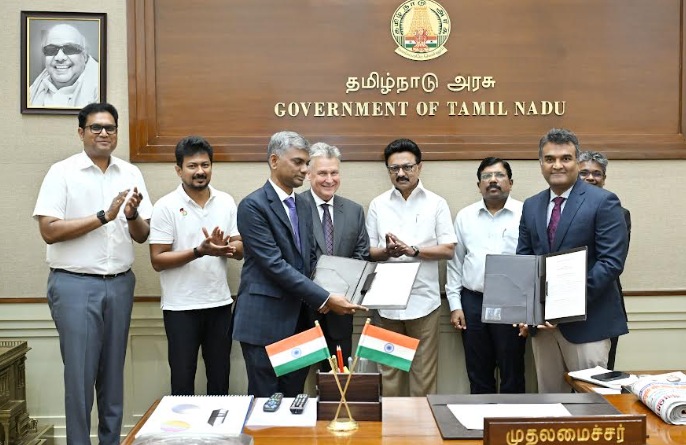 Chennai, India Feb 13: KLA Corporation (NASDAQ: KLAC), a global leader in semiconductor process control and process-enabling technology, today announced the signing of a Memorandum of Understanding (MoU) with the Government of Tamil Nadu to establish a new research & development (R&D) and innovation campus in Chennai. As part of the agreement, KLA intends to invest up to $400 million (₹3,600 crore) over the next decade, underscoring the company’s long-term commitment to India as a strategic hub for R&D, software, and AI-led semiconductor innovation.
Planned on a 12-acre site, the campus is envisioned as one of KLA’s largest innovation hubs, building on the success of the company’s existing operations in Chennai, with a potential capacity of up to 1.5 million square feet over time. The facility is designed to support advanced research and engineering and is expected to generate up to 4,000 jobs over 10 years.
“KLA’s decision to establish their new R&D and innovation campus in Tamil Nadu reinforces the state’s role in the global semiconductor value chain,” said Dr. T.R.B. Rajaa, Hon’ble Minister for Industries, Investment Promotion & Commerce. “We welcome KLA’s long-term commitment and continue to support investments that create high-quality jobs, build advanced technology capabilities, and further strengthen Tamil Nadu’s position as a preferred destination for global innovation.” The MoU was signed between KLA and the Government of Tamil Nadu in the presence of Thiru M.K. Stalin, Hon’ble Chief Minister of Tamil Nadu; Thiru Udhayanidhi Stalin, Hon’ble Deputy Chief Minister of Tamil Nadu; Dr. T.R.B. Rajaa, Hon’ble Minister for Industries; Thiru N. Muruganandam, IAS, Chief Secretary to Government; Dr. Darez Ahamed, IAS, MD & CEO, Guidance Tamil Nadu; Shri. Arun Roy IAS, Industry Secretary, Government of Tamil Nadu; Bobby Bell, EVP, Head of Government Relations, KLA; and Dominic David, President, KLA India.
Once opened, the planned R&D and innovation campus is intended to serve as KLA’s flagship innovation hub in Chennai, expanding on decades of growth in the region.
“India has been a critical part of KLA’s global growth story for over two decades,” said Dominic David, President, KLA India. “This MoU continues our long-term vision to scale India as a global centre for AI and software-led semiconductor innovation. We expect the planned Chennai campus to extend our existing R&D capabilities, strengthen collaboration across global teams, and provide broader support to customers.”
13, Feb 2026
This Valentine’s, Carysil Celebrate Love with Chunky and Bhavana Pandey
 This Valentine’s, Carysil turns its attention to the kind of love that shows up in unexpected moments: not perfectly planned, but sincerely felt. It’s the love that finds its way even when life gets in the way, because intention matters more than perfection.
The campaign film captures a moment of beautiful improvisation, where forgotten plans transform into heartfelt gestures and last-minute becomes meaningful. Featuring Chunky Panday and Bhavana Pandey, the narrative unfolds with warmth and authenticity as the kitchen becomes a space of possibility rather than pressure.
Carysil believes that modern kitchen appliances should feel instinctive and welcoming, spaces where anyone can step in with confidence, regardless of experience or expectation. When technology is designed with empathy, it doesn’t demand expertise; it simply responds, creating room for genuine connection and care to unfold naturally.
“Carysil kitchen appliances are tech-enabled spaces where anyone can take control with confidence,” says Rhea Parekh, VP, International Marketing, Carysil. “ This campaign aims to break outdated gender roles and show that mastery in the kitchen comes from ease of use, not expertise or tradition. We believe that modern kitchen technology should not feel intimidating, instructional, or exclusive. Carysil kitchen appliances are German engineered: designed intuitively, confidence follows naturally.
By placing men confidently at the centre of everyday kitchen moments not as helpers, but as decision-makers we’re reframing the kitchen as a space defined by skill enabled by technology, not by gender, making it easily accessible for everyone.”
By placing Chunky at the centre of this story, Carysil reframes the kitchen as a space where care is practised; a place where confidence grows through intuitive design and where anyone can express love through cooking without hesitation or expertise. Chunky and Bhavana’s relationship, shaped over decades, brings a lived-in honesty to the campaign, making it feel less like advertising and more like an intimate glimpse into real partnership, supported by appliances designed to blend into life rather than compete with it.
Rolling out across Facebook, Instagram, LinkedIn, and YouTube, the campaign reinforces Carysil’s core belief; that easy, tech-enabled kitchens are made for everyone. When design removes friction, what remains is intention, expressed through consistency, comfort, and spaces that quietly support the people who use them long after Valentine’s Day has passed.
13, Feb 2026
LOOKS Salon Launches Its Oshiwara Salon as Another Addition to Its Pan-India Expansion Journey
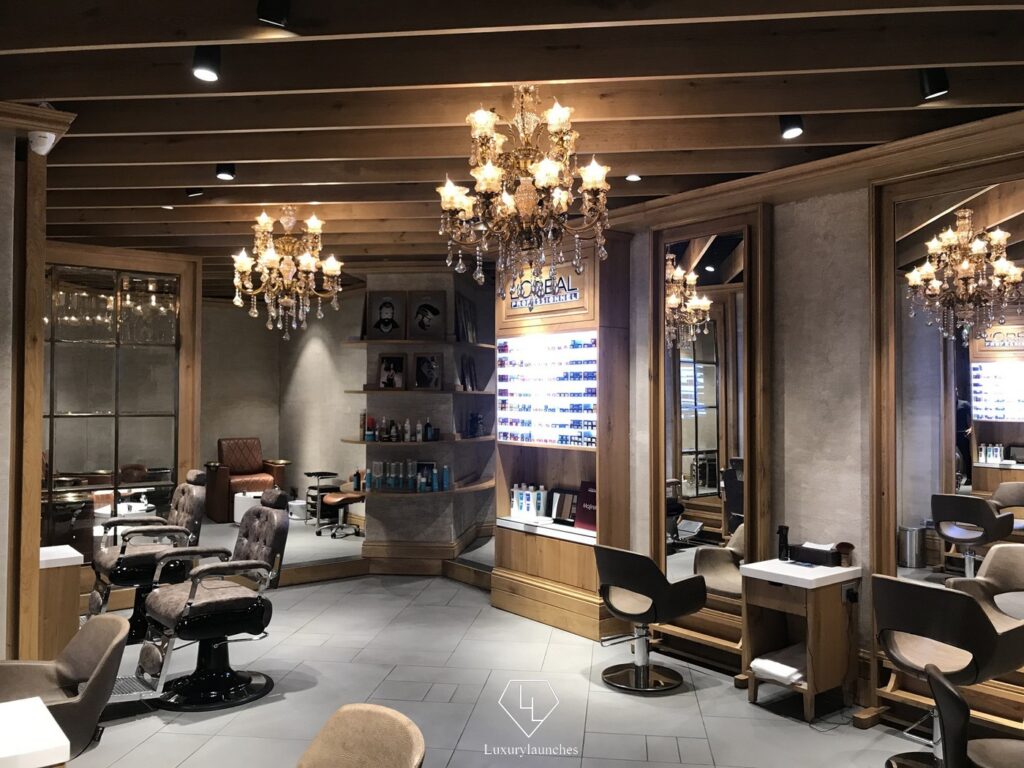 Feb 13: LOOKS Salon continues its steady expansion with the launch of a new outlet in Oshiwara, further strengthening the brand’s presence in Mumbai. The opening marks an important milestone for the brand, as 2026 becomes a landmark year with LOOKS Salon completing 250 salons across 55 cities in India.
Strategically located, the Oshiwara outlet reflects LOOKS Salon’s focus on Mumbai’s cosmopolitan, evolving luxury consumer. Rather than entering a new market, the launch reinforces the brand’s long-term commitment to the city, where it continues to build thoughtfully designed, experience-led spaces.
Spanning approximately 1,500 sq. ft., the Oshiwara salon features 8 styling stations, 2 dedicated barbering stations, and 4 wash stations. The space has been designed around a concept of modern, understated luxury, with warm tones, soft lighting, and a calm, wellness-led spatial flow that encourages relaxation and personalised care.
Standout elements at the salon include dedicated Kérastase ritual private zones, barbering areas, curated nail and grooming spaces, and integrated device-led skin treatment zones. The outlet also introduces advanced device-led skincare rituals, making it one of the few locations to offer these specialised services.
Elevating the overall LOOKS Salon experience, the Oshiwara outlet places strong emphasis on personalised consultations, senior expertise, advanced services, and a deeper wellness focus, offering guests a more refined and immersive journey.
The salon is staffed by senior stylists, expertly trained by LOOKS Salon along with L’Oréal, Dermalogica, ensuring high standards of service and professional expertise. The outlet partners with leading global professional brands including L’Oréal Professionnel, Kérastase, Redken, and Dermalogica.
To mark the launch, the Oshiwara salon will also offer curated opening privileges and introductory experiences for guests.
Speaking on the launch, Samir Srivastav, CEO, LOOKS Salon, said, “Oshiwara reflects how LOOKS Salon is evolving more experience-led, more personalised, and deeply focused on expertise. Mumbai continues to be a key market for us, and this new opening — our ninth in the city in the last three years represents our commitment to steadily building the LOOKS Salon legacy of excellence in Mumbai.”