


7, May 2026
Indian Banks Set to Navigate RBI’s New Credit Loss Norms Smoothly, Says Report
New Delhi, May 7 (BNP): Indian banks are expected to comfortably manage the transition to the Reserve Bank of India’s (RBI) upcoming Expected Credit Loss (ECL) framework, which is scheduled to come into effect from April 1, 2027, according to a report released on Thursday.
As per an analysis by Fitch Ratings, the shift from the existing incurred-loss model to a forward-looking provisioning system is unlikely to significantly disrupt the banking sector, as lenders have strengthened their balance sheets and built adequate capital buffers in recent years.
The ECL framework requires banks to recognise potential loan losses in advance, marking a structural change in how credit risk is assessed and bringing India’s banking regulations closer to global accounting standards.
Fitch estimates that the implementation of the new system could lead to a marginal decline in the sector’s common equity Tier-1 (CET1) ratio by around 30 basis points in FY28. However, under the Reserve Bank’s proposed phased transition or “glide path,” the cumulative impact may increase to around 80 basis points over the adjustment period.
The agency noted that current provisioning levels across Indian banks are relatively strong, which is expected to help absorb the impact of the regulatory shift.
Despite the short-term adjustment, Fitch maintained a positive outlook on the Indian banking sector, stating that the finalisation of ECL norms reflects stronger regulatory oversight and improved risk management practices.
Over the long term, the framework is expected to enhance transparency in recognising credit stress and encourage earlier provisioning against potential defaults, thereby improving financial stability.
Earlier assessments also indicated that Indian banks remain well-capitalised, with strong capital adequacy ratios and robust Tier-1 capital levels, providing sufficient cushion to manage the transition with limited disruption.
Overall, while profitability and capital ratios may face some near-term pressure, analysts view the ECL framework as a positive step toward strengthening the resilience and global alignment of India’s banking system.

- 0
- By Neel Achary

7, May 2026
ROX to Establish One of the Middle East’s First Advanced AI Manufacturing Centres in KEZAD’s KLP 1 Musaffah
The 10,000 sqm facility will begin operations in H2 2026, targeting an annual production capacity of 300,000 vehicles by 2030 and contributing up to 10% to the UAE’s Operation 300Bn initiative
Abu Dhabi, United Arab Emirates – 07 May 2026: Khalifa Economic Zones Abu Dhabi – KEZAD Group, the largest operator of integrated and purpose-built economic zones in the region, announced that it has signed a strategic lease agreement with ROX to establish one of the Middle East’s first advanced AI manufacturing centres in KEZAD Logistics Park (KLP 1), KEZAD Musaffah.
The 10,000 square metre facility within KEZAD’s industrial ecosystem will support the development of ROX’s operations, reinforcing Abu Dhabi’s position as a competitive destination for vehicle manufacturing and industrial production in the region.
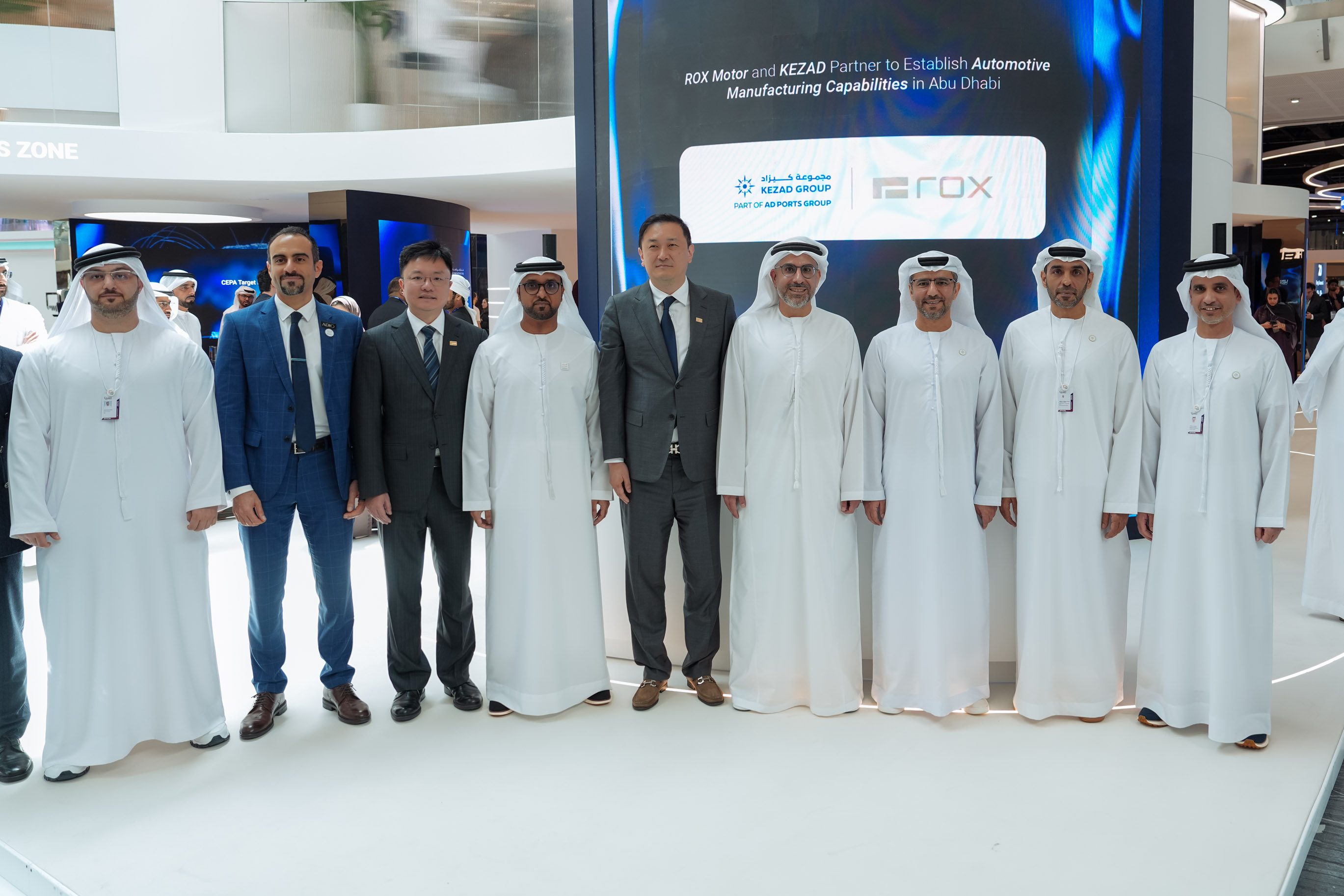
The advanced AI manufacturing centre is set to begin operations in the second half of 2026, with a target annual production capacity of 300,000 vehicles by 2030, with the potential to contribute up to 10% to the UAE’s Operation 300Bn initiative. Once operational, it will support vehicle production and export across the Middle East and global markets through scalable, intelligent manufacturing capabilities, supporting ROX’s global expansion while advancing KEZAD’s role in next-generation mobility industries.
Abdullah Al Hameli, CEO, Economic Cities & Free Zones, AD Ports Group, said: “Our agreement with ROX reflects KEZAD’s continued role in enabling industrial growth by attracting high-quality investments into Abu Dhabi. As global supply chains evolve, KEZAD provides businesses with the infrastructure, connectivity, and regulatory environment required to scale efficiently and compete internationally.”
Jarvis, Founder and CEO of ROX said: “Through our agreement with KEZAD Group, we are bringing advanced manufacturing capabilities to Abu Dhabi and helping position the UAE as a globally connected manufacturing and export hub, supporting a broader supply chain around our manufacturing footprint, regional expansion, and the UAE’s long-term industrial ecosystem.”
Mohammad Al Kamali, Chief Trade & Industry Officer, Abu Dhabi Investment Office (ADIO), said: “Abu Dhabi is building one of the world’s most competitive and future-ready industrial ecosystems, where strategic investments are rapidly translated into scaled manufacturing capability and global market access. The establishment of ROX’s facility in KEZAD, facilitated by ADIO, deepens the foundations of this growing ecosystem. More specifically, it reinforces the emirate’s role as a destination of choice for advanced industry, underpinned by world class infrastructure and market connectivity.
As Abu Dhabi accelerates industrial growth, it is not only strengthening supply chain resilience and local production, but positioning Abu Dhabi at the forefront of global manufacturing and trade transformation.”
Located within KEZAD Musaffah’s KLP project, the facility will benefit from KEZAD’s multimodal logistics connectivity, and access to competitive utilities, supporting efficient operations and enabling access to regional and global markets.
As a global AI technology company, ROX integrates advanced new energy technologies with the UAE’s distinctive approach to luxury and outdoor lifestyles. The brand has emerged as a strong contender in the luxury all-terrain SUV segment across the UAE and wider MENA region. To further deepen its presence in core markets and accelerate global expansion, ROX aims to leverage KEZAD’s world-class industrial infrastructure, multimodal logistics network, and established industrial ecosystem to develop a benchmark project for high-end intelligent automotive manufacturing in the Middle East.
The agreement aligns with broader industrial growth trends in Abu Dhabi, where strong foreign direct investment inflows and rising non-oil trade continue to drive demand for industrial land, manufacturing capacity and infrastructure. The UAE’s non-oil foreign trade reached AED 3.8 trillion in 2025, underscoring the scale and momentum of economic diversification efforts.
As industrial ecosystems become more integrated and globally connected, agreements of this nature highlight KEZAD’s role not only as a facilitator of business activity, but as a platform shaping the future of manufacturing, trade, and logistics in the region.

7, May 2026
Malaysia Airlines and Mumbai Indians Bring Cricket to 30,000 Feet

Mumbai, May 07: Malaysia Airlines and Mumbai Indians today unveiled a new campaign film that reimagines the fan experience by bringing cricket to 30,000 feet. The film blends the thrill of the sport with the warmth of Malaysian Hospitality, celebrating the growing partnership between the two brands.
Titled “Cricket at 30,000 Feet”, the film follows a young Mumbai Indians fan whose ordinary journey transforms into an unforgettable mid-air experience. Joined by cricket stars Rohit Sharma, Hardik Pandya and Trent Boult, the fan experiences the spirit of the game in an unexpected setting, capturing the energy of cricket fandom and the joy of travel.
The campaign reflects Malaysia Airlines’ continued commitment to the Indian market and its ambition to connect with customers through culturally resonant storytelling, premium experiences and meaningful partnerships. It also brings to life the airline’s signature Malaysian Hospitality in a way that resonates strongly with cricket fans across the region.
Bryan Foong, Chief Executive Officer of Airline Business from Malaysia Aviation Group (MAG), said: “India is one of our most important growth markets, and cricket is a powerful passion point that connects millions of people across the country and beyond. Through our partnership with Mumbai Indians, we have a unique platform to engage fans in a way that feels natural, relevant and culturally meaningful. This campaign allows us to bring Malaysian Hospitality into that conversation while strengthening brand affinity, supporting travel demand, and driving deeper commercial relevance in a key market for the airline.”
A Mumbai Indians spokesperson added: “This film captures something that is true to Mumbai Indians, the love for this team travels far beyond boundaries and resonates with fans across the world. To see that come alive aboard a Malaysia Airlines flight, with our players at the heart of it, makes for a truly special moment. It reflects a partnership that continues to find fresh and creative ways to bring us closer to our fans.”
Malaysia Airlines is the Official Global Airline Partner and Associate Sponsor of Mumbai Indians, with branding featured on the team jersey. Since its launch, the partnership has delivered a series of fan-focused activations, including the Mumbai Indians-themed A330-300 aircraft livery, in-stadium experiences at Wankhede Stadium, and digital content collaborations throughout the season.
Building on a successful first season together, Malaysia Airlines and Mumbai Indians remain committed to creating memorable experiences for fans both on the ground and in the skies.
7, May 2026
Adani Green Energy Expands Renewable Portfolio with New Step-Down Subsidiaries!
Ahmedabad, May 7 (BNP): Adani Green Energy Limited (AGEL), one of India’s leading renewable energy companies, has announced the incorporation of new step-down subsidiaries as part of its continued expansion in the clean energy sector.
The newly incorporated entities are expected to focus on renewable power generation and related infrastructure development, strengthening the company’s growing presence in India’s green energy landscape. According to company sources, the move aligns with AGEL’s long-term strategy of accelerating renewable energy capacity and supporting India’s transition toward sustainable power.
The subsidiaries have been established to undertake activities related to solar, wind, hybrid renewable projects, and other emerging clean energy solutions. Industry experts believe the expansion reflects the company’s commitment to scaling up operations in line with the country’s ambitious renewable energy targets.
Adani Green Energy has been actively expanding its portfolio across multiple states through large-scale solar parks, wind farms, and integrated renewable energy projects. The company continues to play a key role in India’s clean energy transformation and aims to contribute significantly toward achieving carbon reduction and energy security goals.
The incorporation of step-down arms is also expected to improve operational flexibility, project execution, and investment management for future renewable ventures.
India has been aggressively promoting renewable energy adoption through policy support and infrastructure investments, with a target of increasing non-fossil fuel energy capacity over the coming years. Companies like Adani Green Energy are expected to remain central to the country’s green growth strategy.
The latest development underlines the company’s focus on strengthening its renewable energy ecosystem while expanding its footprint in sustainable infrastructure and clean power generation.
7, May 2026
Cotton Import Duty Raises Cost Pressures on Textile Industry, Study Flags Competitiveness Concerns
New Delhi: A new industry study has highlighted that India’s current cotton import duty structure could be affecting the global competitiveness of the country’s textile and apparel sector.
The report points out that higher input costs for raw cotton are adding pressure on manufacturers, especially exporters who operate in highly competitive international markets where pricing plays a crucial role in demand.
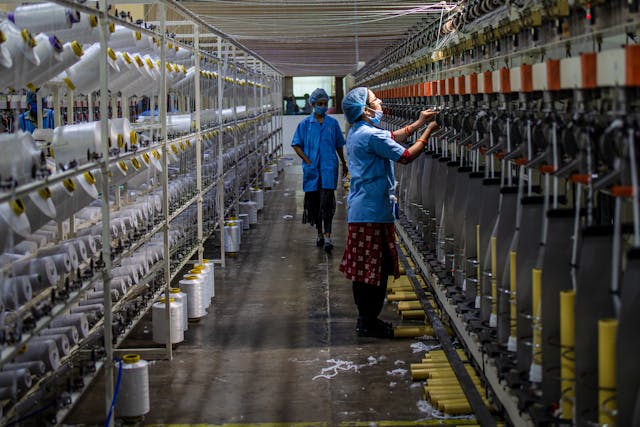
While the policy is designed to support domestic cotton farmers and ensure stable returns for the agriculture sector, the study notes that it may also be increasing production costs for textile companies across the value chain.
Industry observers say the textile sector, one of India’s largest employment-generating industries, depends on cost-efficient raw material sourcing to maintain export growth and compete with global peers.
The study further observes that competing textile-producing countries often benefit from more flexible import mechanisms, allowing them to better manage raw material costs and respond quickly to shifting global demand.
Experts suggest that India faces a policy balancing challenge—protecting farmer incomes while also ensuring that manufacturing and exports remain globally competitive.
The report calls for a more calibrated and balanced approach to cotton trade policy, aimed at supporting both agricultural stability and industrial growth.
Overall, the findings underline the need for a policy framework that strengthens India’s textile ecosystem while sustaining its position in the global apparel and fabric export market.
7, May 2026
MRF Reports 30% Surge in FY26 Consolidated Net Profit at Rs 2,426 Crore
Chennai, May 07: MRF Ltd. has announced a strong financial performance for the financial year ended March 31, 2026, reporting robust growth in both revenue and profitability. The company’s consolidated total income rose by approximately 11% year-on-year to Rs 31,654 crore, compared to Rs 28,570 crore in the previous financial year. Driven by improved operational performance and sustained market demand, consolidated profit before tax increased significantly to Rs 3,222 crore from Rs 2,483 crore in FY25. After accounting for tax expenses of Rs 796 crore, the company posted a consolidated net profit of Rs 2,426 crore for FY26, marking an impressive 30% growth over the previous year’s net profit of Rs 1,873 crore.
Operations
The Company delivered a healthy operating performance in FY 2025-26 and crossed the milestone of Rs 30,000 Crores in Sales during the year, with good growth in both Replacement and OE segments.
The Company’s performance was aided by the launch of new SKUs in various categories like Truck, Passenger, Two-Wheelers etc. Besides being one of the largest OE suppliers of Tyres to ICE vehicles, the Company has become the most preferred supplier of Tyres to Electric Vehicles. MRF tyres are increasingly being fitted on vehicles exported by OEMs to many countries across the globe.
Demand buoyancy arising from reduction in GST rates continued into the 4thQuarter of the year, which is reflected in both Replacement & OE Sales. OEMs also witnessed a high Demand in the Quarter which led to an increased demand for tyres.
In order to cater to future demand for tyres across segments in the Replacement market, OEMs and Export, the Company is also expanding capacity across Plants.
The ongoing conflict in the Middle East and resulting disruptions have led to uncontrolled increase in raw material costs and supply chain issues. This has severely impacted the cost of input materials which is expected to continue. The Company has taken price increases and cost management measures to mitigate the impact of higher raw material costs and will take further hikes. Further, the forecast of a sub normal monsoon may adversely impact demand. In view of the unpredictable economic conditions and cost pressures on margins, it is difficult to anticipate the expected impact on growth and the Company is in the process of evaluating the same.
Dividend
The dividend for the financial year 2025-26 is Rs 235/- (2350%) per share of Rs.10 each which includes two interim dividends of Rs.3/- each (30%) per share already paid.
7, May 2026
ITC Hotels Unveils “Moments Unscripted” Luxury Staycation Offer Across ITC Royal Bengal and ITC Sonar, Kolkata
Kolkata: ITC Hotels has announced a premium staycation offering titled “Moments Unscripted – A Luxurious Staycation Awaits”, designed to provide guests with an elevated and thoughtfully curated hospitality experience across its two iconic Kolkata properties — ITC Royal Bengal and ITC Sonar.
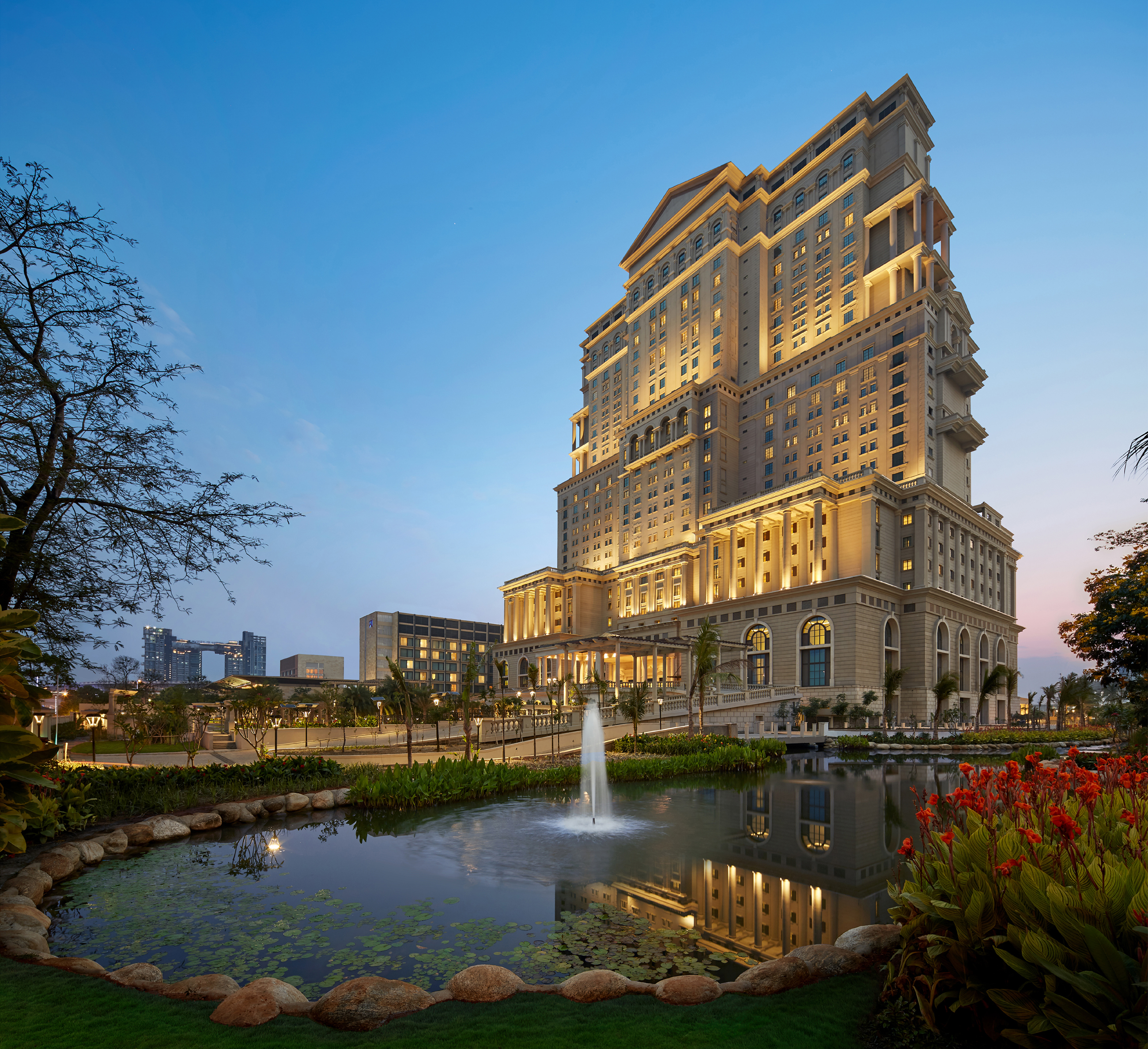
The curated package invites guests to rediscover relaxation and indulgence through immersive luxury experiences, whether for a romantic escape, a family getaway, or a rejuvenating personal retreat.
Two Distinct Luxury Experiences
The offer brings together two landmark destinations:
- ITC Royal Bengal – Known for its majestic contemporary architecture, expansive spaces, and immersive wellness offerings
- ITC Sonar – Celebrated for its resort-style serenity, lush green landscapes, and tranquil water bodies
Together, the two properties feature:
- 693 rooms
- 14 distinctive dining destinations
- Two world-class spas
Both hotels are rooted in responsible hospitality practices with a strong emphasis on locally sourced and sustainable operations.
Sustainability-Driven Luxury
Both properties are certified LEED Platinum and LEED Zero Water, reinforcing ITC Hotels’ commitment to environmentally responsible luxury. The staycation experience blends comfort with sustainability, offering guests a conscious yet indulgent escape.
Offer Highlights
Under the “Moments Unscripted” package, guests can enjoy:
- Up to 45% savings on stays with breakfast
- 20% savings on food, soft beverages, and spa services
- 2X Green Points for Club ITC members
The experience includes curated wellness offerings, poolside leisure, award-winning dining, and personalized hospitality touchpoints designed to create memorable stays.
Booking Details
The offer is valid for bookings made until 22 May 2026, encouraging guests to transform an ordinary weekend into a luxurious and memorable escape.

7, May 2026
Markets Open Higher on Global Peace Hopes; Sectoral Trends Mixed
Mumbai, May 7 (BNP): Indian equity markets opened on a positive note on Thursday, supported by improved global sentiment after reports of progress on a possible US-Iran peace framework.
In early trade, the BSE Sensex rose nearly 380 points to touch an intraday high of 78,339, while the Nifty 50 gained over 90 points to trade above 24,400 levels.
However, gains remained uneven across sectors. FMCG, realty, consumer durables, and private banking stocks witnessed mild pressure, while auto and metal indices saw modest gains. Select heavyweight stocks such as Tata Consumer, Power Grid, HUL, TCS, HDFC Bank, Titan, NTPC, and Sun Pharma came under selling pressure.
Market sentiment improved after reports suggested that Iran is reviewing a US peace proposal aimed at easing regional tensions, although key issues such as nuclear restrictions and strategic maritime routes remain unresolved.
Analysts noted that global markets continue to react to shifting geopolitical signals, especially developments in West Asia, which have also kept crude oil prices volatile.
Brent crude remained elevated in global trade, reflecting ongoing uncertainty in supply outlook.
Experts added that equity markets are currently witnessing a balance between optimism over global developments and caution over stretched valuations in certain segments, particularly technology-linked and AI-driven stocks.
Foreign portfolio flows, they said, may remain sensitive to any correction in global growth themes and valuation resets in high-performing sectors.
On earnings, market participants are rewarding strong quarterly results while penalising misses, indicating a selective and stock-specific trading environment across large, mid, and small-cap segments.
Global cues were also supportive, with Asian markets trading higher and US indices closing in positive territory, adding to the overall upbeat sentiment in domestic trade.
7, May 2026
India’s Real Estate Sector Set for Strong Growth as AI Adoption Rises
New Delhi, May 7 (BNP): India’s real estate sector is expected to witness significant expansion over the long term, with its market size projected to reach about USD 5.8 trillion by 2047, according to a joint industry report by FICCI and KPMG.
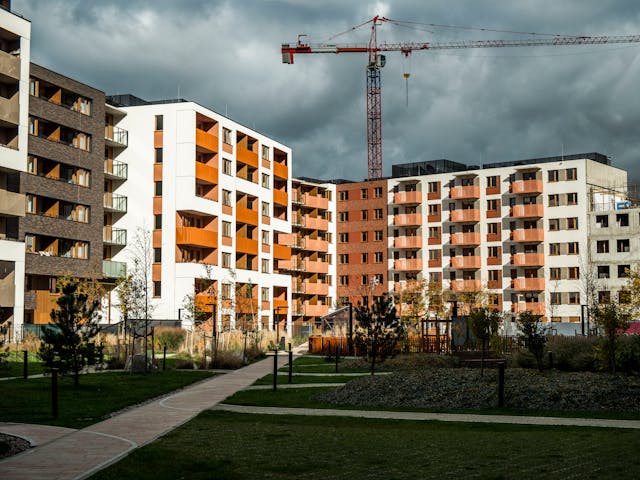
The report notes that the sector is being reshaped by rapid urbanisation, infrastructure expansion, rising housing demand, and growing investor interest across residential, commercial, and industrial segments. These factors are expected to support sustained growth over the coming decades.
A major highlight of the findings is the sharp rise in artificial intelligence adoption across the real estate ecosystem, with usage levels reaching nearly 91%. AI tools are increasingly being used for property valuation, market analysis, customer engagement, project planning, and construction monitoring.
Industry experts say this shift is improving efficiency, reducing delays, and making real estate transactions more transparent and data-driven. Developers are also using advanced analytics to better assess demand patterns and improve project execution.
The report further indicates that the integration of technology with traditional real estate operations is transforming the sector into a more organised and structured market, attracting greater institutional participation.
Overall, the study suggests that India’s real estate sector is entering a new phase of technology-led growth, where digital tools and long-term infrastructure development will play a central role in shaping its future.
7, May 2026
Andhra Pradesh to Build Seaweed Economy to Strengthen Coastal Livelihoods and Women’s Empowerment
Amaravati, May 7 (BNP): Andhra Pradesh Chief Minister N. Chandrababu Naidu has directed officials to develop a structured economic model to promote seaweed cultivation as a sustainable livelihood option for coastal communities, with a strong focus on women’s self-help groups (SHGs) and fishermen.
Chairing a review meeting at the State Secretariat, the Chief Minister underlined that Andhra Pradesh’s extensive coastline offers a significant untapped opportunity to build a scalable seaweed-based economy that can generate steady income and strengthen rural coastal livelihoods.
He called for a shift from small-scale cultivation to a commercially viable ecosystem, where seaweed farming is linked with processing, value addition, and market access, ensuring long-term income stability for SHG members and fishing communities.
As part of the initiative, the Chief Minister held consultations with leading national research institutions, including the Central Salt and Marine Chemicals Research Institute, National Institute of Ocean Technology, Central Institute of Brackish Water Aquaculture, and Central Marine Fisheries Research Institute, to integrate scientific expertise into large-scale cultivation and commercialization efforts.
He also instructed officials to collaborate with Amrita Vishwa Vidyapeetham to prepare a detailed roadmap covering cultivation techniques, processing models, and income enhancement strategies for women-led enterprises.
Officials said the government is also exploring the development of value-added seaweed products for use in pharmaceuticals, nutraceuticals, food processing, and other emerging industries, positioning Andhra Pradesh to tap into fast-growing global demand.
The Chief Minister emphasized that seaweed cultivation can become a new pillar of the coastal economy, combining environmental sustainability with inclusive growth. He added that the initiative will also help diversify income sources for fishing communities and create new entrepreneurship opportunities for rural women.
The proposed framework aims to integrate research institutions, government support, and private sector participation to develop Andhra Pradesh as a leading hub in India’s emerging blue economy sector.


