


29, Apr 2026
Silver Futures Fall to INR 2.36 Lakh/kg Amid Dollar Strength and Oil Price Pressure
New Delhi, April 29: Silver prices declined in futures trade on Wednesday as investors reduced positions amid a stronger US dollar and rising crude oil prices, which weighed on overall bullion demand.
On the Multi Commodity Exchange (MCX), silver futures for May delivery fell by ₹1,137, or 0.48%, to ₹2,36,208 per kilogram, with a trading volume of 2,020 lots.
The July contract also weakened, dropping by ₹1,964, or 0.81%, to ₹2,40,799 per kilogram, in a business turnover of 6,868 lots.
Market analysts said pressure on precious metals increased as oil prices remained elevated and currency movements reduced investor appetite for safe-haven assets like silver.

- 0
- By Neel Achary

29, Apr 2026
Ericsson tops Frost Radar 5G Network Infrastructure Market ranking for sixth year running
For the sixth consecutive year, Ericsson has been positioned as the clear leader in Growth and Innovation by Frost & Sullivan’s “Frost Radar™: 5G Network Infrastructure, 2026” report. This recognition underscores Ericsson’s position as a long-term partner for 5G evolution, setting the pace for AI-driven, open, and sustainable 5G networks.
The analysis places Ericsson at the forefront among the top 20 leading companies assessed in a field of more than 100 global industry participants.
The Frost Radar report identifies Ericsson as the leader in both the Growth axis and Innovation axis, highlighting the company’s comprehensive 5G network infrastructure portfolio spanning radio access networks (RAN), transport, and core and edge networks, including traditional RAN, open and virtual RAN, AI-enabled RAN, and private networks, as well as its proven ability to scale innovation globally. It also notes the company’s progress with network APIs as a road to new innovation around mobile networks and utilizing AI to automate its network offerings.
Ericsson’s sustained leadership in both the Growth Index and the Innovation Index demonstrates the company’s ongoing investment in a broad product portfolio, as well as its ability to turn innovation into large-scale, real-world solutions that customers can trust over time.
The report notes Ericsson’s strong and sustained investment in research and development, with almost 21 percent of revenue invested in R&D in 2025. Frost & Sullivan also highlights Ericsson’s role as a founding member of the AI RAN Alliance, and its continued focus on energy efficiency. Ericsson’s target is to reduce energy consumption at new typical radio base station sites by 40 percent by 2025 compared with a 2021 baseline has already been achieved, now extended to 50 percent by 2027.
Energy performance improvements are achieved through a combination of network evolution and innovation across Ericsson’s portfolio — from RAN modernization with high‑performing, energy‑efficient hardware to software innovations that embed intent‑driven and AI‑enabled energy‑saving features for intelligent network operation, and the continuous optimization of Ericsson’s dual-mode 5G Core and Cloud Native Infrastructure Solution for the market’s latest processors to reduce energy consumption, while improving performance.
“Being recognized once again by Frost & Sullivan as the leader for both growth and innovation reflect our continued investment in research and development and our focus on building technology that is scalable”, says Per Narvinger, Executive Vice President and Head of Business Area Networks at Ericsson. “We apply AI throughout our full portfolio — from Massive MIMO and Remote Radios, to network management, Transport, OSS/BSS, and Core — and we already see major AI gains, enabling more open, automated, and energy-efficient 5G networks, supporting our customers’ long–term network evolution.”
Troy Morley, Industry Principal analyst, Frost & Sullivan Information, Communications and Technologies, says: “Ericsson significantly stands out in the 2026 Frost Radar analysis for its ability to combine innovation leadership with strong growth execution. Ericsson’s strength lies in its ability to scale innovation globally across generations of mobile technology, supported by significant and sustained investment in R&D. The company’s comprehensive 5G portfolio, leadership in open and virtual RAN, and progress in energy efficiency position Ericsson strongly as the market continues to evolve.”
The Frost Radar measures growth rates in addition to absolute revenue and combines them with several other factors to measure companies’ performance on the Growth Index. The Frost Radar measures innovation for each company by assessing its product portfolio, the scalability of its innovations, the efficacy of its R&D strategy, and several other factors.
29, Apr 2026
India and UK Defence Ties Strengthen During CDS Gen Anil Chauhan’s UK Visit
New Delhi, Apr 29 (BNP): The visit of Chief of Defence Staff (CDS) General Anil Chauhan to the United Kingdom has reinforced growing defence cooperation between India and the UK, marking a significant step in strengthening strategic ties between the two nations, according to the British High Commission.
The discussions during the visit focused on enhancing bilateral defence collaboration, improving military-to-military engagement, and identifying new areas of cooperation in training, capability development, and strategic coordination.
Officials said the engagement reflects the shared commitment of both countries to address evolving global and regional security challenges through closer defence partnerships and regular high-level exchanges.
The British High Commission noted that the India–UK defence relationship continues to expand across key areas such as maritime security, defence technology cooperation, and joint training initiatives.
The visit is seen as part of ongoing efforts to deepen the India–UK Comprehensive Strategic Partnership, with both sides aiming to strengthen operational coordination and long-term defence collaboration.
Overall, the engagement highlights the continued momentum in bilateral defence ties and the mutual focus on building a more robust and future-ready security partnership.
29, Apr 2026
Bird Population Study Aims to Strengthen Conservation Efforts in Coastal Mangroves
Kendrapara, Apr 29 (BNP): A census of the Mangrove Pitta was conducted across five ranges of the Rajnagar Mangrove Forest Division, covering important coastal mangrove habitats in Kendrapara and Jagatsinghpur districts.

According to Divisional Forest Officer Vardhraj Gaonkar, the survey was carried out using both direct and indirect observation methods across multiple mangrove patches in the region. The exercise was conducted to assess the presence and distribution of the species in its natural habitat.
A total of 70 trained enumerators, organised into 35 teams, participated in the census exercise conducted on Sunday.
The primary objective of the study was to collect scientific data on the bird’s distribution, habitat conditions, breeding patterns, and behavioural traits. The survey will also serve as a baseline for future population monitoring and conservation planning.
Officials said such assessments are important for understanding biodiversity trends in fragile mangrove ecosystems and for strengthening long-term conservation strategies in coastal Odisha.
The data collected is expected to support ongoing efforts to protect wetland and mangrove habitats that are crucial for a variety of bird species, including the Mangrove Pitta.
29, Apr 2026
Global Supply Risks May Increase Pressure on India’s LPG Costs
New Delhi, April 29: India’s LPG under-recoveries are expected to rise sharply and could reach nearly ₹80,000 crore in FY2027, driven by volatility in global energy markets and ongoing disruptions in West Asia, according to a recent assessment by ICRA.
The report notes that geopolitical tensions in key oil and gas-producing regions have tightened global supply conditions, leading to higher import costs for liquefied petroleum gas (LPG). This is expected to widen the gap between import prices and regulated domestic retail prices.
Under-recoveries occur when fuel retailers sell LPG at government-controlled prices that are lower than their actual procurement cost. When international prices rise, the financial burden on oil marketing companies increases.
ICRA highlighted that continued instability in global energy supply chains may keep LPG pricing under pressure in the medium term, especially if crude oil prices remain elevated.
Despite global uncertainties, domestic LPG demand in India remains steady, supported by household consumption and policy measures aimed at ensuring affordable access to clean cooking fuel.
Analysts said future trends in LPG under-recoveries will depend on global crude movements, geopolitical developments, and adjustments in domestic pricing mechanisms.
Overall, the outlook indicates continued fiscal pressure in the energy sector, with LPG cost gaps likely to remain a key concern for policymakers.
29, Apr 2026
Warehousing Demand Shifts Toward Western India as Delhi-NCR Slows
Mumbai, Apr 29 (BNP): India’s warehousing sector is witnessing a clear regional shift, with Mumbai and Pune emerging as key growth hubs, while Delhi-NCR has recorded a notable slowdown in activity, according to a recent report by Vestian.
The report highlights that western India continues to attract strong industrial and logistics investments, supported by better infrastructure connectivity, proximity to ports, and rising demand from e-commerce and manufacturing sectors.
Mumbai and Pune have seen increased warehousing absorption, driven by expanding supply chains and growing need for modern storage and distribution facilities. These cities are benefiting from strong industrial ecosystems and improved logistics networks.
In contrast, Delhi-NCR has witnessed a sharp decline in warehousing activity, reflecting slower leasing momentum and shifting investor preference toward western and southern corridors.
Industry experts note that India’s warehousing landscape is becoming more decentralised, with companies diversifying operations to improve efficiency and reduce logistics costs.
The trend also reflects the broader growth of India’s logistics and supply chain sector, which is being reshaped by e-commerce expansion, manufacturing growth, and infrastructure upgrades.
Overall, the report indicates a realignment in India’s warehousing demand, with western regions gaining prominence in the country’s evolving logistics map.
29, Apr 2026
Solar Adoption Rises as Countries Cut Dependence on Fossil Fuels
New Delhi, Apr 29 (BNP): The global transition toward renewable energy is gaining pace, with more countries increasingly adopting solar power as fossil fuel prices remain high and global energy supply chains face uncertainty, according to the Director General of the International Solar Alliance (ISA).
He noted that volatility in oil and gas markets, along with geopolitical disruptions, is prompting nations to look for cleaner, more stable, and cost-effective energy alternatives. Solar energy, in particular, is emerging as a key solution for strengthening long-term energy security.
The ISA highlighted that rapid improvements in solar technology, declining installation costs, and better storage systems are making solar power more accessible and viable across both developed and developing economies.
Experts say the global energy transition is also being driven by climate commitments and supportive government policies aimed at reducing carbon emissions and increasing the share of renewables in the energy mix.
The Alliance stressed that solar energy will play a central role in ensuring affordable and sustainable electricity access while reducing dependence on imported fossil fuels.
29, Apr 2026
India Startup Ecosystem Expands in 2026 with Deep-Tech and Consumer Innovation Boom
New Delhi, Apr 29 (BNP): India’s startup ecosystem is witnessing strong expansion in 2026, driven by a new wave of innovation across deep-tech sectors and consumer-focused businesses that are reshaping multiple industries.
Startups are increasingly moving beyond traditional models and adopting technology-led solutions powered by artificial intelligence, automation, data analytics, and advanced digital platforms. This shift is helping companies address complex challenges while improving efficiency and scalability.
Deep-tech startups are gaining momentum in areas such as fintech, healthtech, artificial intelligence, and advanced manufacturing, where innovation is playing a key role in transforming operations and service delivery.
At the same time, consumer-facing startups in lifestyle, retail, food, and fashion are experiencing rapid growth, supported by rising digital adoption and evolving customer preferences for personalised and on-demand services.
Industry experts say this combination of deep-tech innovation and strong consumer brand growth is strengthening India’s position as one of the fastest-growing startup ecosystems globally.
Improved access to funding, supportive policy measures, and a growing entrepreneurial base are further accelerating this momentum across the country.
Overall, the 2026 startup landscape reflects a broad-based transformation, where innovation is driving disruption across both traditional and emerging sectors.
29, Apr 2026
ixigo Launches Native Travel Apps on ChatGPT; Brings Conversational Travel Planning Across Flights, Trains, Buses and Hotels
Mumbai, Apr 29: ixigo, India’s leading AI-based travel platform, today announced the launch of native apps for its three platforms – ixigo flight & hotel, AbhiBus, and ConfirmTkt – inside ChatGPT, bringing end-to-end travel planning directly into a conversational AI interface.
With this integration, users can search and compare travel options across flights, buses, trains, and hotels in real time within ChatGPT and then seamlessly proceed to booking via the respective ixigo Group apps through simple conversational prompts. ixigo has also introduced real-time flight tracking inside ChatGPT, enabling users to track flights and access key updates on boarding gate, baggage belt, check-in counters, and more.
Users can enable ixigo’s apps in ChatGPT and get started by simply typing “@ixigo”, “@AbhiBus” or “@ConfirmTkt” in a prompt. Using natural language, they can search for domestic and international flights with real-time prices and availability, access intelligent fare insights, and view nearby dates with the best fares—helping travellers optimise their plans when their schedules are flexible. This built-in price intelligence brings contextual, real-time decision-making directly into the conversational experience. Users can also track live flight status seamlessly within the same flow, and to proceed to make bookings, they are then led into the ixigo app/website.
This also extends to hotel discovery and bookings, including deep, conversational queries – for instance, going from a simple prompt like “find me a seaside hotel in Goa” to real options, dynamic pricing, and booking options. The ixigo app further enhances this journey with integrated airport cab options, enabling travellers to find reliable and cost-effective rides to and from major airports across the country.
With the integration of AbhiBus (ixigo’s bus platform) on the ChatGPT app store, users can explore, compare, and book intercity bus travel with a wide range of options. Within a single conversation, they can browse and filter buses by brand-new, top-rated, budget, and EV options, compare operators, check schedules, and seamlessly proceed to booking.
ConfirmTkt app on ChatGPT extends this experience to rail travel, allowing users to search train availability through simple prompts, get confirmed ticket alternate options across routes within ChatGPT and then seamlessly proceed to booking via the ConfirmTkt app or website.
Speaking on the launch, Rajnish Kumar, Group Co-CEO and Aloke Bajpai, Group CEO, ixigo said,
“We’re reimagining how travel planning, search and bookings can leverage horizontal AI platforms. By bringing ixigo apps to ChatGPT across ixigo, ConfirmTkt and Abhibus, over a billion monthly users of ChatGPT can now go from a simple question to a complete travel plan with real-time insights, live tracking and booking options- all within one conversation and in seconds.”
With this launch, ixigo reinforces its position as an AI-first travel platform, bringing together discovery, insights, and booking into one unified conversational flow and taking a significant step towards shaping the future of travel planning.
29, Apr 2026
India Accelerates Push Toward Hydrogen, Ethanol and Electric Mobility
New Delhi, Apr 29 (BNP): Union Road Transport and Highways Minister Nitin Gadkari has said that petrol and diesel vehicles have no long-term future in India, as the country moves towards cleaner and more sustainable mobility solutions.
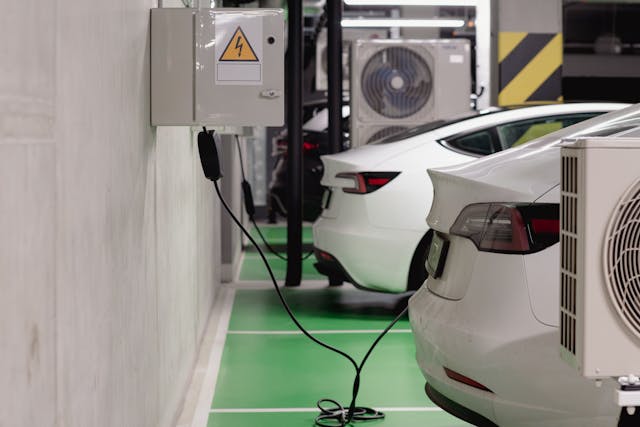
He urged the automobile industry to accelerate the transition towards alternative fuels such as hydrogen, ethanol, CNG, LNG, and electric vehicles. He also highlighted that India’s heavy dependence on fossil fuel imports, worth nearly ₹22 lakh crore annually, makes energy transition essential for both economic and environmental reasons.
Gadkari said hydrogen is emerging as a key fuel for the future, with pilot projects for hydrogen-powered buses and trucks already underway in collaboration with leading industry partners. These trials are being conducted on select corridors under the National Green Hydrogen Mission.
He added that India’s future transport strategy will focus on reducing emissions, strengthening energy security, and promoting self-reliant, clean fuel technologies.


