
9, Feb 2026
Japanese Scientists Reveal Key Polymer Micelle Insights for Next-Gen Drug Delivery
Japanese Researchers Unlock Key Insights into Polymer Micelle Behavior, Paving the Way for Advanced Drug Nanocarriers
Chiba University, in collaboration with Nagahama Institute of Bio-Science and Technology and Muroran Institute of Technology, has made a breakthrough in understanding how polymer micelles behave under physiological conditions—a major step forward for drug delivery and nanomedicine.
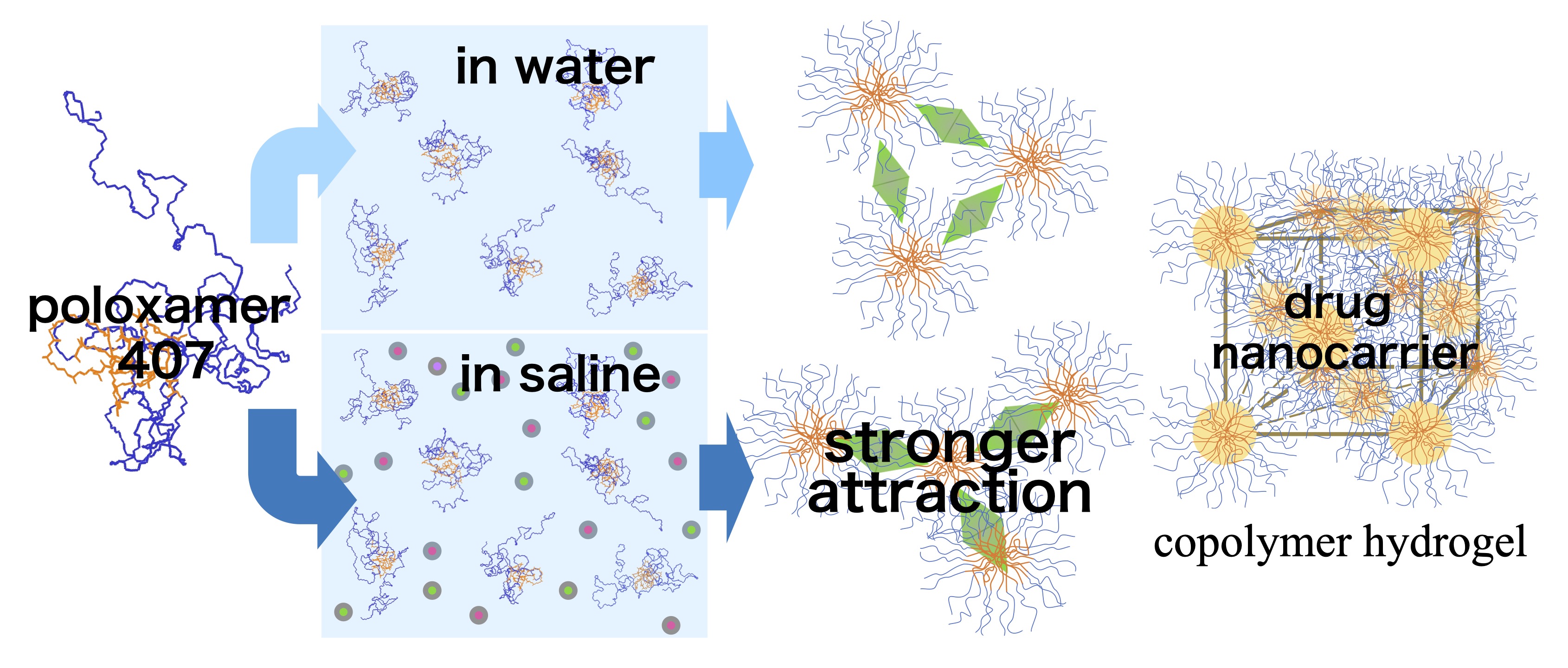
The study focused on poloxamer 407 (P407), a widely studied micelle-forming polymer known for its temperature-dependent sol–gel transition. This property allows P407 to slowly release drugs over time, reducing dosing frequency and minimizing side effects. However, the sol–gel transition is influenced not just by individual micelles but by how they interact collectively, especially in environments resembling human bodily fluids.
Led by Associate Professor Takeshi Morita of Chiba University, the research team combined small-angle X-ray scattering and dynamic light scattering to analyze P407 micelles in phosphate-buffered saline (PBS), a solution that mimics body conditions. They calculated the pair interaction potential, quantifying the forces that drive micelles to attract or repel each other at different temperatures.
The study revealed that micelles in saline bind more strongly than in pure water, forming gels with greater structural fluctuations. These fluctuations make the gels less uniform and more likely to collapse at lower temperatures, providing critical insights for designing stable and predictable drug delivery systems.
“This research provides a fundamental understanding of how polymer micelles interact and organize under physiological conditions,” said Dr. Morita. “These findings will help scientists design more effective drug nanocarriers, enhancing the delivery of poorly soluble drugs while improving patient outcomes.”
The paper, co-authored by Shunsuke Takamatsu, Dr. Kenjirou Higashi, Minami Saito (Chiba University), Dr. Hiroshi Imamura (Nagahama Institute of Bio-Science and Technology), and Dr. Tomonari Sumi (Muroran Institute of Technology), was made available online on December 9, 2025, and is scheduled for publication in Volume 707 of the Journal of Colloid and Interface Science on April 1, 2026.
This breakthrough underscores the importance of experimentally grounded approaches in soft materials research, offering a roadmap for translating nanoscience discoveries into practical medical applications.
- 0
- By Neel Achary

9, Feb 2026
South African Tourism Engages 235+ Trade Partners at Bengaluru Roadshow
Bengaluru, Feb 09: Following a successful roadshow kick-off at OTM Mumbai, South African Tourism has now successfully completed the Bengaluru leg of its Annual India Roadshow, continuing its focused engagement with the Indian travel trade and reinforcing India’s growing importance as a key source market for South Africa. Led by Ms. Mitalee Karmarkar, Marketing and Communications Manager (MEISEA), the roadshow serves as a strategic platform for industry collaboration, insights into evolving traveller behaviour, and the identification of new business opportunities across leisure, corporate and MICE travel segments.

Featuring over 40 exhibitors presenting a diverse range of offerings, the roadshow drew participation from over 235 Indian travel trade agents in Bengaluru. Continuing its focused engagement with the Indian market, the multi-city initiative will next move to Ahmedabad on 10th February 2026, further strengthening trade collaborations and encouraging outbound travel to South Africa.
Sharing her perspective at the roadshow, Ms. Karmarkar said,
“India continues to be a priority growth market for South African Tourism, driven by strong interest across family travel, experiential holidays, and premium travel. Indian travellers today are also planning differently, using AI-powered tools to research and customise their trips, travelling more occasionally, and showing a growing willingness to explore destinations beyond traditional favourites. This shift in traveller behaviour reflects a more confident and curious audience, and it opens up new opportunities to highlight lesser-known regions and experiences across South Africa
She further added,
“Bengaluru has firmly established itself as one of South Africa’s key source markets in India. Travellers from the city are digitally savvy, experience-driven, and increasingly confident in exploring long-haul destinations. Through the roadshow, we aim to deepen our engagement with the local travel trade and further strengthen South Africa’s visibility and relevance in this important market.”
With a strong base of frequent international travellers, Bengaluru represents a high-potential market for South African Tourism, particularly across premium leisure, adventure, and wildlife segments. The city’s outbound audience is increasingly seeking personalised, well-paced itineraries that combine iconic experiences with lesser-explored regions, with safaris continuing to be a key motivator. Through sustained collaboration with the travel trade, South African Tourism is focused on unlocking new itineraries and driving greater consideration and conversion from this market.
South Africa is targeting a return to pre-Covid Indian traveller volumes in 2026 and remains committed to fostering lasting partnerships with Indian trade partners, delivering tailored experiences for a range of traveller profiles, and positioning South Africa as a must-visit destination. The roadshow demonstrates the country’s dedication to strengthening ties with the Indian market and inspiring more travellers to explore the Rainbow Nation in the years ahead.
The country is also set to host the 2027 ODI World Cup, providing an exciting opportunity to showcase the country’s diverse tourism attractions and attract visitors from around the globe. Through ongoing trade engagement, targeted consumer outreach, and innovative marketing initiatives, the tourism board remains dedicated to expanding its presence in India.
9, Feb 2026
Celebrate Love the Infiniti Way: Movies, Music, and Magical Evenings
Mumbai, Feb 09: Infiniti Mall, Mumbai’s premium destination for shopping, dining, and entertainment, brings February alive with a feel good celebration of love, music, and cinema. Across its locations, the mall will host special Valentine’s décor, live performances, and an open air movie screening series, creating memorable experiences for visitors throughout the month.
The highlight of the season is the open air movie nights, curated around love stories that defined a generation. These screenings revisit iconic films that feel like old friends, stories audiences have laughed with, cried over, and returned to time and again.
From the youthful energy and coming of age romance of Yeh Jawaani Hai Deewani, the February lineup unfolds as a celebration of love in its many forms. The timeless charm of Dilwale Dulhania Le Jayenge revisits romance that defined an era, while the soulful emotion of Veer Zaara brings depth and poetry to the screen. The series concludes with Zindagi Na Milegi Dobara, a story of friendship, self discovery, and living in the moment.
Open Air Movie Nights
INFINITI MALL, MALAD
| DATE | MOVIE | Time |
| 13th February | DDLJ | 7PM |
| 14th February | Yeh Jawaani Hai Deewani | 7PM |
Valentine’s Weekend Highlights – Infiniti Mall, Malad
| 14th February | Couple Dance Performance |
| 15th February | Live 3-Piece Band Performance |
Valentine’s Weekend Highlights – Infiniti Mall, Andheri
| 14th February | Live 3-Piece Band Performance |
| 15th February | Couple Dance Performance |
Adding to the Valentine’s Day celebrations, visitors can also enjoy special performances, festive décor, and live music designed to create a warm and lively atmosphere.
As the evenings set in and the screens light up, guests can relax, savour some popcorn, enjoy the music, and lose themselves in stories and moments that celebrate love in all its forms.
9, Feb 2026
CREDAI Advances Sustainability & Skilling: Launches Second Phase Reforestation and Felicitates RPL-Certified Workers
Mumbai, Feb 09: The Confederation of Real Estate Developers’ Associations of India (CREDAI), the apex body representing India’s real estate sector, through its CSR Foundation and member network, is initiating the second phase of its flagship ecological reforestation drive across degraded stretches of the Western Ghats, commencing with 700 acres of land restoration. In tandem, the organisation felicitated skilled construction workers who have successfully completed its Recognition of Prior Learning (RPL) certification, formally recognising their expertise and contribution to the sector.
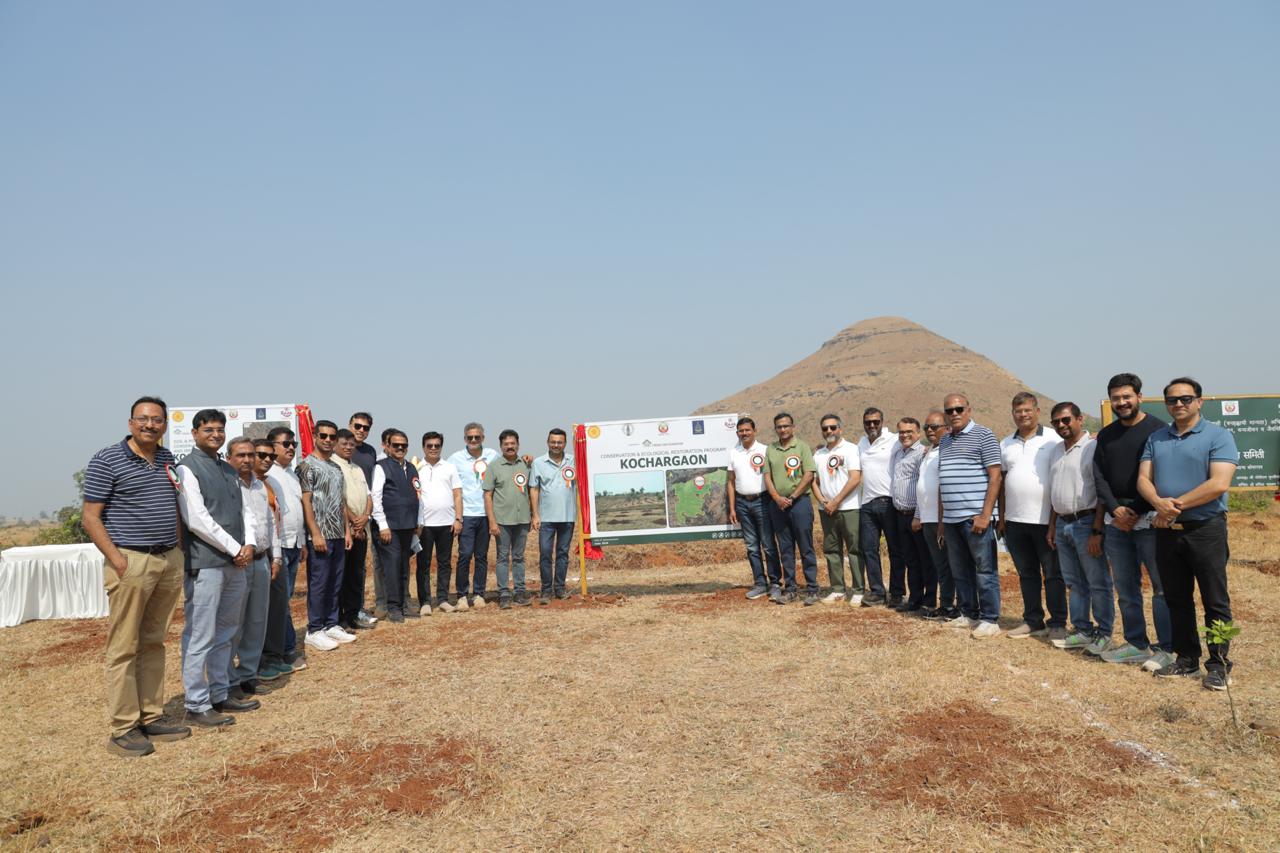
CREDAI’s reforestation initiative launched last year aims to plantation of nearly 2 million saplings across 25 villages, approximately 9,000 acres of degraded forest land in Maharashtra, commencing from Nashik. The initiative encompassed awareness programmes and the promotion of sustainable development practices. It was implemented in collaboration with the Raah Foundation and district authorities in Maharashtra. The organisation had signed two Memorandums of Understanding (MoUs) with the District Collector, Nashik, to align the programme with the Government of Maharashtra’s regreening priorities and community-based forest management frameworks.
Given the exceptional ecological sensitivity and strategic importance of the Western Ghats, CREDAI Nashik plays a pivotal role in on-ground execution and community coordination, working closely with the national team to monitor progress and evaluate outcomes across all programme phases. To date, more than 3,500 acres have been restored through native-species plantations, supported by soil preparation, trenching, mulching, moisture conservation, and water-harvesting interventions. Plantations proceed at approximately 200 saplings per acre, with multi-year survival monitoring, third-party audits, and active community participation in plantation, protection, and long-term stewardship. This delivers sustained ecological regeneration, groundwater recharge, improved soil health, and enduring livelihood benefits for local communities.
In a dedicated felicitation ceremony, CREDAI honoured construction workers certified under its RPL initiative, highlighting their vital role as the foundation of India’s construction ecosystem. These programmes formally validate years of informal on-site experience, converting it into NSQF-aligned, industry-recognised certification delivered by CSDCI-certified trainers. The 10-day learn-while-you-earn model combines 1 hour of daily classroom theory with 7 hours of supervised on-the-job training, ensuring no wage loss or disruption to active sites. Certifications cover key trades: masonry (general, tiling, plastering), shuttering carpentry, and bar bending & steel fixing. CREDAI plans to significantly scale these efforts, targeting the certification of 50,000 construction workers across the country in the coming years.
To further strengthen the sector’s talent pipeline, CREDAI’s Junior Engineering Programme equips young civil engineers with practical site knowledge, technical readiness, and enhanced employability to meet the demands of rapid urbanisation. Complementing this, CREDAI has forged strategic partnerships with premier institutions for developer leadership development. In collaboration with IIM Ahmedabad, CREDAI offers the Real Estate Development Leadership (RED-L) Programme, a 6-month executive course designed for developers with 7–10 years of experience, focusing on strategic leadership, governance excellence, and industry transformation. Separately, the IIM Bangalore–CREDAI Business Leadership Programme (BLP), develops visionary leaders equipped with advanced skills in strategic thinking, emerging technologies, operational excellence, and adaptive change management in a rapidly evolving sector.
Shekhar Patel, President, CREDAI, said,
“As urbanisation and real estate growth accelerate, industry bodies bear a profound responsibility to invest in long-term environmental outcomes. The Western Ghats, sustaining millions through its biodiversity and water resources, has faced decades of degradation, making large-scale restoration an urgent imperative. Launching the second phase of our flagship reforestation drive, we are advancing science-led native-species revival, community stewardship, and rigorous monitoring to regenerate biodiversity, recharge groundwater, restore soil health, strengthen climate resilience, and create enduring livelihoods for local communities.
This reflects CREDAI’s commitment to balance development with ecological responsibility through structured, measurable, and scalable interventions that contribute to India’s ecological security. In parallel, our felicitation of RPL-certified workers and leadership collaborations with IIM Ahmedabad and IIM Bangalore further support workforce dignity and sectoral capability. Together, these efforts align with the vision of Viksit Bharat @2047 to foster inclusive, responsible, and eco-resilient growth. We at CREDAI are deeply proud to lead this transformative socio-ecological action.”
9, Feb 2026
Tata Motors Launches Tamil Nadu Facility, Rolls Out First Locally Made Range Rover Evoque
Tata Motors Passenger Vehicles’ new manufacturing facility in Tamil Nadu begins operations with the local manufacture of JLR’s Range Rover Evoque as the first vehicle
Bengaluru, Feb 09: Tata Motors Passenger Vehicles Ltd. (TMPV), India’s leading manufacturer of cars and SUVs and its subsidiary Jaguar Land Rover Automotive Plc. (JLR), today announced the commencement of operations at their new manufacturing facility at Panapakkam in the Ranipet district of Tamil Nadu. The current facility reflects the first phase of development of a greenfield plant for producing next‑generation vehicles, including EVs, for both TMPV and JLR brands. The first vehicle to roll out of the plant is the locally manufactured Range Rover Evoque from JLR, a model celebrated globally for its modern luxury and exceptional craftsmanship.
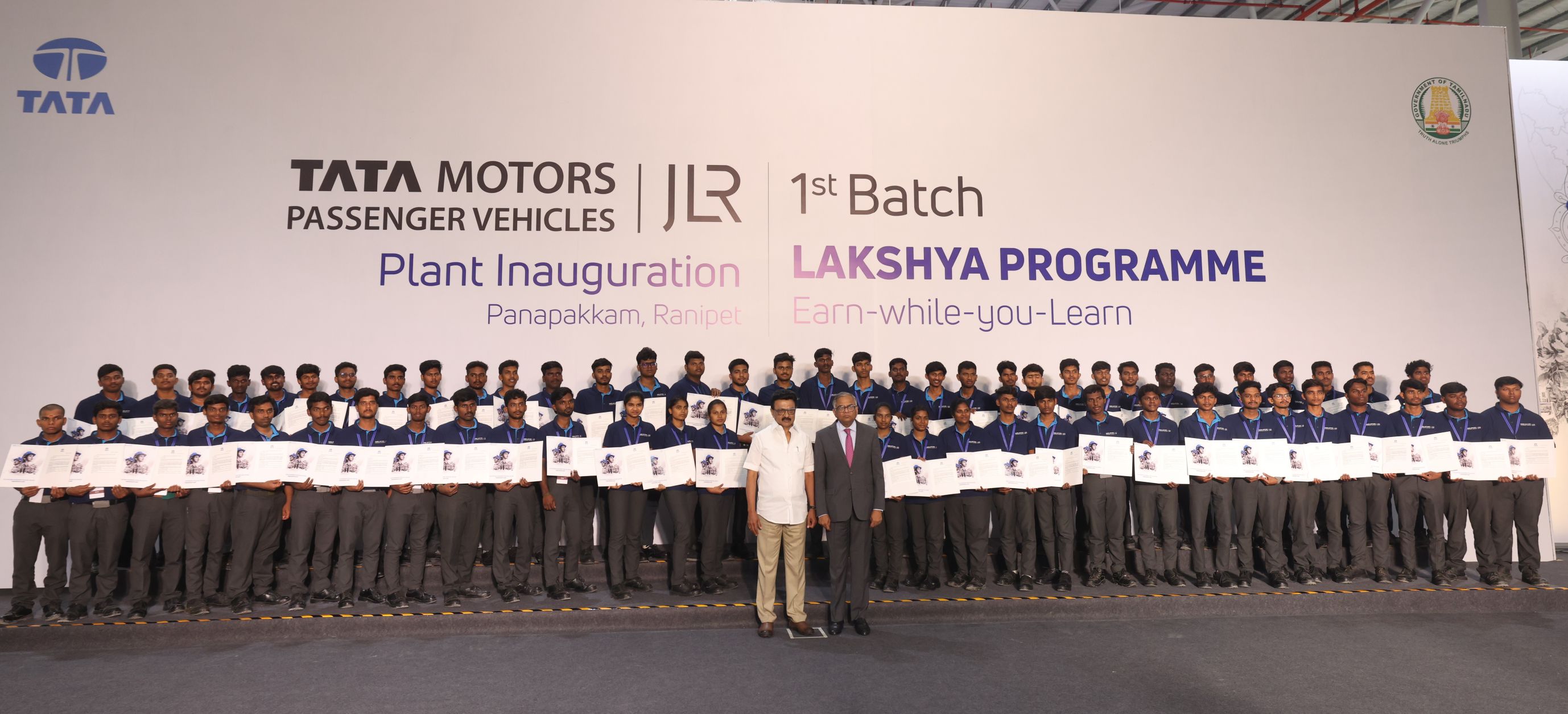
The facility was formally inaugurated by the Hon’ble Chief Minister of Tamil Nadu, Thiru M.K. Stalin, and Mr. N. Chandrasekaran, Chairman, Tata Sons & Tata Motors Passenger Vehicles, in the presence of eminent Ministers, public representatives, senior bureaucrats, government officials, and senior leaders from TMPV, JLR, and the Tata Group.
Inaugurating the Tata Motors Passenger Vehicles – JLR facility, Thiru M.K. Stalin, Chief Minister of Tamil Nadu, said,
“Tata Group has long played a pivotal role in nation building and shares a deep, historic partnership with Tamil Nadu. With the commencement of operations at this new manufacturing facility and the rollout of the first Range Rover Evoque in Panapakkam, Ranipet, the state is proud to witness the expansion of world‑class automotive manufacturing. Tamil Nadu welcomes this significant milestone and remains committed to supporting industries that create jobs, drive innovation, and reinforce our position as India’s leading hub for manufacturing and mobility.”
Speaking on the occasion, Mr. N. Chandrasekaran, Chairman, Tata Sons & Tata Motors Passenger Vehicles Ltd, said,
“The inauguration of our Panapakkam facility marks a significant milestone in the Tata Group’s journey to accelerate India’s leadership in sustainable and future‑ready manufacturing. We are also proud to deepen our long-standing partnership with Tamil Nadu, a state that continues to drive industrial excellence, innovation, and inclusive growth. With this facility, we look forward to producing vehicles of exceptional quality, craftsmanship, and technology for customers in India and around the world.”
9, Feb 2026
20,000+ runners participated in the 8th Edition of Manipal Marathon, organized by Manipal Academy of Higher Education
Manipal, Feb 09: The 8th edition of the Manipal Marathon concluded successfully at KMC Greens, Manipal, on 8th February 2026, organized by Manipal Academy of Higher Education (MAHE), an Institution of Eminence and Deemed to be University. Recognized as one of India’s largest student-led community fitness events, the marathon drew over 20,000 participants, including 100+ international athletes, competing across categories for a prize pool exceeding ₹25 lakhs.

Themed “Miles for a Greener Tomorrow Run for a Sustainable Future”, this edition reinforced MAHE’s commitment to environmental stewardship. The event aligned with ongoing sustainability initiatives, including tree plantation, biodiversity conservation, solar energy utilization, waste management, rainwater harvesting, and sustainable mobility, extending its impact beyond campus into the broader community.
Addressing the enthusiastic crowd, Dr H S Ballal, Pro Chancellor, MAHE, remarked,
“The overwhelming response to the 8th edition of the Manipal Marathon demonstrates MAHE’s vision of fostering holistic development beyond academics. By bringing together over 20,000 runners, we are promoting fitness, wellness, environmental stewardship, and community engagement. What began as a student initiative has grown into one of India’s largest community fitness events, attracting participation from over 10 countries.”
Over 100 international athletes participated, representing countries such as Dubai, England, Ethiopia, Germany, Kenya, Japan, Malaysia, Nepal, Sri Lanka, and the USA, strengthening the marathon’s global profile. The scenic beachside route for the 42K runners provided a memorable experience, while the newly introduced 10K route, including the Manipal Hospice Respite Centre (MHRC), emphasized the marathon’s enduring focus on social impact.
The event was graced by dignitaries, including Lt. Gen. (Dr.) M D Venkatesh, VSM (Retd.), Vice Chancellor, along with Dr Sharath Rao, Pro Vice Chancellor (Health Sciences), Dr. Dilip G. Naik, Pro Vice Chancellor (Mangalore Campus), Dr Anand Venugopal, COO Operations, Dr Gopalakrishna Prabhu, Vice Chancellor, Sikkim Manipal University, and other MAHE officials.
In line with MAHE’s focus on equity and inclusivity, the marathon featured dedicated categories for differently-abled and visually challenged runners, with age-wise classification, receiving enthusiastic participation.
MAHE expressed its gratitude to the title sponsors including ICICI Bank, UNEXT, Deloitte, BOBCARD, and all partners whose support contributed to the success of Manipal Marathon 2026.
The names of winners across various categories are:
42K Fastest Male
1 Sathish Kumar
2 Sachin Poojari
3 Desye Endalew
42 Fastest Female
1 Senait Kefelegn Lesharge
2 Yenealem Ayano Buli
3 Neeti Kriplani
21K Fastest Male
1 Rijwan Ali
2 Shashwath Rajesh Poojary
3 Nalinakshan Kizhakkedath
21K Fastest Female
1 Bhawana Negi
2 Nandini G
3 Rutuja Patil
10K Fastest Male
1 Shivanand Chigari
2 Shreedhara SN
3 Mubarak R Dantali
10K Fastest Female
1 Shahin S Dharwad
2 Shreya Moodekallu
3 Chaithra TP
5K Fastest Male
1 Nagaraj Divate
2 Ranga
3 Manjunath Belurappanavar
5K Fastest Female
1 Nagini Nagini
2 HV Deeksha
3 Rekha B.P. Basappa Piroji
The event concluded with a vibrant post-run carnival by fitness enthusiasts and students, featuring music and interactive fitness and Zumba sessions to celebrate the Manipal Marathon.
9, Feb 2026
Nisus Finance Successfully Exits Skytech Estates Investment with 1.5x MOIC
Mumbai, Feb 9: Nisus Finance Services Co Ltd. (Nisus Finance), a leading player in urban infrastructure and real estate finance, today announced the successful and timely exit from its investment in Skytech Estates Private Limited. The exit, completed on February 3, 2026, well ahead of the originally planned timeline of June 2026, yielded an Internal Rate of Return (IRR) of approximately 16.5% and a Multiple on Invested Capital (MOIC) of 1.5x over a holding period of approximately three years.

The investment was made in 2023 through the Real Estate Special Opportunities (RESO) Fund in Senior Secured Redeemable Non-Convertible Debentures of Skytech Estates Pvt Ltd. The issuer is developing Skytech Mall in Rohtak and Skytech Colours Avenue, a residential project in Greater Noida. The successful exit demonstrates Nisus Finance’s ability to identify and support high-quality real estate opportunities beyond India’s major cities, reinforcing its commitment to enabling urban development in emerging markets.
The investment stands fully discharged, with all outstanding dues settled and security interests released, reflecting Nisus Finance’s strong asset management discipline, strategic stakeholder engagement, and execution excellence.
Commenting on the exit, Avadhoot Sarwate, Chief Investment Officer, Nisus Finance Services Co Ltd, said:
“The successful exit from Skytech Estates highlights Nisus’ disciplined asset management, strong execution capabilities in complex real estate investments, and proven ability to actively manage and turn around stressed assets. This transaction reinforces our RESO fund’s focus on well-located projects with strong fundamentals while bringing hands-on structuring, monitoring, and resolution expertise to protect and enhance investor value. Achieving a full and final settlement ahead of schedule underscores our ability to actively manage risk, engage stakeholders effectively, and deliver targeted, risk-adjusted returns for our investors.”
The Nisus team successfully navigated cash flow challenges, protecting investors’ capital while delivering strong risk-adjusted returns through proactive asset management, disciplined enforcement, and strategic stakeholder engagement. This early resolution highlights Nisus Finance’s expertise in managing and restructuring distressed commercial real estate assets.
9, Feb 2026
ZEE5 Marathi Premieres ‘Uttar’ Starring Renuka Shahane & Abhinay Berde on 13th February
Marathi ZEE5 Brings Renuka Shahane and Abhinay Berde Starrer ‘Uttar’ Home on 13th February: A Tender Drama About a Mother–Son Relationship Tested by Time
Feb 09: In a world constantly rushing forward, Uttar pauses to ask a question we all quietly avoid—what happens to the things we keep for later? Love left unspoken. Truths postponed. Forgiveness assumed to have time. After touching hearts in theatres with its quiet emotional honesty, Uttar is now set to reach audiences across the country with its World Digital Premiere on Marathi ZEE5 on 13th February.

A deeply moving and intimate human drama, Uttar explores the emotional cost of postponement—of love, connection, forgiveness, and selfhood. Rooted in everyday reality yet universal in its resonance, the film captures those fragile moments when time slips through our fingers and life demands answers we are not prepared to give. Told with sensitivity, restraint, and raw emotional clarity, Uttar lingers long after the final frame, inviting reflection on the moments we defer and the bonds we assume will wait.
At the heart of the film lies a tender, complex mother–son relationship shaped by affection, ambition, and growing silences. Uma, a mother whose warmth quietly holds her family together, and Ninad, a young man moving forward in life while drifting almost unknowingly away from home, find themselves navigating emotional distance without confrontation or blame. Set against the rhythm of contemporary life and generational change, Uttar reflects how relationships often fracture not through conflict, but through waiting—for the right moment, the right words, the right time.
Written and directed by Kshitij Patwardhan, and produced by Zee Studios and Jackpot Entertainment, Uttar stars Renuka Shahane and Abhinay Berde in deeply affecting performances, with Hruta Durgule and Nirmiti Sawant adding further emotional depth. As circumstances bring the mother and son to a crossroads, the film unfolds into a soul-stirring exploration of love, forgiveness, and the courage it takes to finally show up—for one another and for oneself.
Sharing her thoughts on the film, Renuka Shahane said,
“Uma is a character shaped by patience, love and an unspoken hope that things will eventually find their way. Portraying her was deeply moving because her silences speak as loudly as her words. I’m grateful that Uttar is now reaching a wider audience, where its emotions can be felt just as intimately”.
Abhinay Berde added,
“Ninad represents a generation constantly moving forward, often without pausing to examine what we leave behind. Playing him helped me reflect on ambition, emotional distance and the quiet pull of home. I’m glad that Uttar will now connect with audiences on ZEE5”.
Director Kshitij Patwardhan shared,
“Uttar was always meant to feel like life—gentle, unresolved, and deeply human. It’s about moments we postpone, believing there will always be time. The film’s digital premiere allows viewers to engage with its emotional core at their own pace, and I hope it resonates in ways that feel personal and lasting.”
Uttar will stream exclusively on ZEE5 from 13th February 2026
9, Feb 2026
Zydus Lifesciences Reports Strong Q3 & 9M FY26 Growth Across Pharma, Wellness and MedTech Businesses
Bangalore, Feb 9: Zydus Lifesciences Ltd. today announced its unaudited consolidated financial results for the quarter and nine months ended December 31, 2025, reporting robust growth across its key businesses.
Financial Highlights:
-
Q3 FY26: Revenue from operations at ₹68,645 mn, up 30% YoY; EBITDA at ₹18,164 mn, up 31% YoY; Net Profit (Adjusted) at ₹11,109 mn, up 9% YoY.
-
9M FY26: Revenue from operations at ₹1,95,614 mn, up 17% YoY; EBITDA at ₹59,207 mn, up 20% YoY; Net Profit (Adjusted) at ₹38,640 mn, up 15% YoY.
-
R&D Investments: ₹6,074 mn in Q3 (8.8% of revenue) and ₹15,750 mn in 9M (8.1% of revenue).
-
Capex (Organic): ₹4,637 mn in Q3 and ₹13,568 mn in 9M.
Business Updates:
-
India Formulations: Revenue at ₹17,094 mn, up 13% YoY; chronic and super specialty segments continue to lead growth.
-
North America Formulations: Revenue at ₹28,043 mn, up 16% YoY; multiple new product launches and approvals, including Zycubo® for Menkes disease.
-
International Markets: Revenue at ₹7,881 mn, up 38% YoY with broad-based regional growth.
-
API Business: Revenue at ₹2,143 mn, up 26% YoY.
-
Consumer Wellness: Revenue at ₹9,578 mn, up 113% YoY with full consolidation of Comfort Click Limited.
-
MedTech: Revenue at ₹2,996 mn, following full consolidation of Amplitude Surgical.
Operational and Compliance Highlights:
-
USFDA inspections completed with EIR status for Jarod injectable (VAI) and Ahmedabad OSD facility (NAI).
-
CE mark approval received for proprietary ‘Andy’ robotic surgical system.
Innovation Pipeline Updates:
-
NCE Research: Preparing NDA filing for Saroglitazar Magnesium with the USFDA.
-
Biotech: Phase III trial approved for second biosimilar antibody drug conjugate in India.
-
Vaccines: Phase II trial initiated for Bivalent Typhoid Conjugate Vaccine; awarded rabies and typhoid vaccine supply tenders for PAHO and UNICEF.
-
US Specialty & Biosimilars: Licensing and commercialization agreements for novel 505(b)(2) oncology product and biosimilar Pembrolizumab; BLA approval for Nufymco® (biosimilar Ranibizumab).
Commenting on the results, Dr. Sharvil Patel, Managing Director, said:
“Our robust performance across key businesses reinforces the strength and scalability of our base business. Our disciplined M&A and business development strategy is translating into tangible results. Anchored in patient centricity, supported by compliance and an agile supply chain, we remain focused on consistent execution and driving long-term shareholder value.”
Zydus Lifesciences continues to strengthen its pharma, wellness, and medtech portfolios, delivering innovative solutions to global markets while creating sustainable value for shareholders.
9, Feb 2026
Mahindra bags its biggest ever export order; 35,000 units of LCVs to be delivered to Agrinas Pangan Nusantara, Indonesia in 2026
Chandigarh, Feb 9: Mahindra & Mahindra Ltd. (M&M), today announced that it will supply 35,000 units of Scorpio Pik Up vehicles in 2026 to Agrinas Pangan Nusantara, an Indonesian state-owned enterprise, for the Koperasi Desa/Kelurahan Merah Putih (KDKMP) Project. These Pik Ups will play a crucial role in enhancing logistics for Koperasi (Cooperatives) being set up in the country.
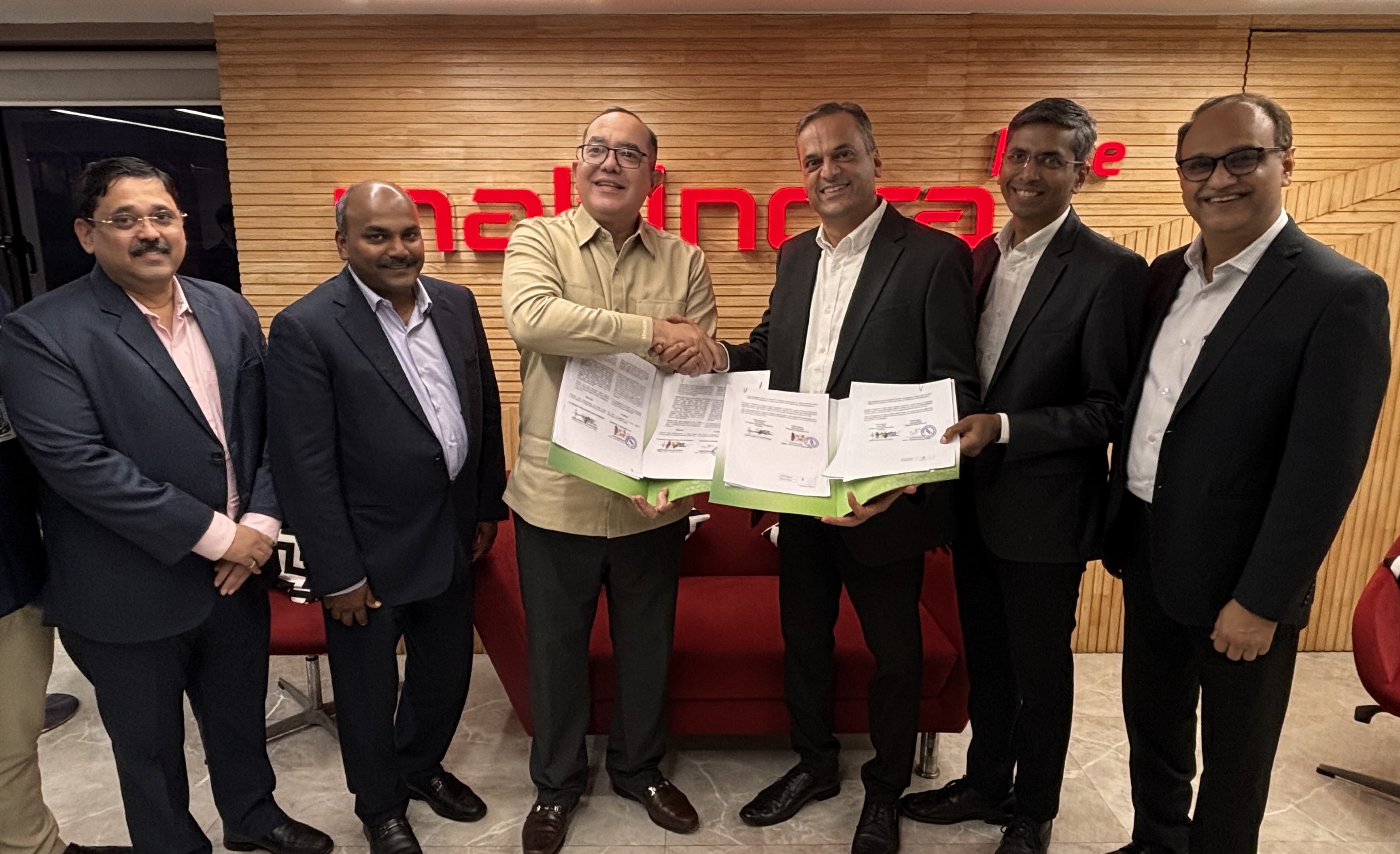
Under this partnership, Mahindra and Agrinas Pangan Nusantara will work together to equip Koperasi with robust, reliable vehicles to ensure effective and seamless flow of fresh supplies from farmers directly to the marketplace, thereby bridging the gap between producer and consumer. This collaboration aims to enhance rural logistics and enable villages to become independent centers of economic growth.
Nalinikanth Gollagunta, CEO, Automotive Division, Mahindra & Mahindra Ltd., said,
“We are looking forward to this association and to supporting Indonesia’s Koperasi through our partnership with Agrinas Pangan Nusantara. By deploying the Scorpio Pik Ups as a part of the Koperasi, we are strengthening a reliable logistics backbone that connects farmers to markets more efficiently. Our Pik Ups are engineered to perform in tough conditions while keeping operating costs to a minimum. The volume committed for this partnership will significantly boost our International Operations, adding as much as our total export volumes achieved in FY 25. In line with Mahindra’s Rise philosophy, this collaboration reflects our commitment to enabling prosperity and supporting national priorities.”
Manufactured at Nashik Plant, Scorpio Pik Ups are globally recognized for their durability, payload capacity, and low operating costs. These vehicles are tailored to meet the operating requirements of Koperasi – from rough rural roads to farm tracks.
Mahindra Scorpio Pik Ups will bolster Koperasi ecosystem by providing first-mile aggregation, which involves transporting produce from farms to cooperatives, and facilitating intra-village logistics, ensuring the efficient movement of goods within the cooperative network.


