


26, Apr 2026
Trump Escorted to Safety After Gunfire at White House Correspondents’ Dinner; Shooter Apprehended !
Donald Trump confirms “lone wolf” suspect taken down by Secret Service; one officer injured but saved by ballistic vest, accused hospitalized as investigation continues.
Washington, D.C.,Apr26(BNP): U.S. President Donald Trump confirmed that a suspected gunman has been apprehended following a shooting incident that disrupted the annual White House Correspondents’ Association dinner on Saturday evening.
Speaking at a press conference at the White House, President Trump described the suspect as a “lone wolf” attacker who was swiftly neutralized by U.S. Secret Service personnel. “He was taken down by some very brave members of the Secret Service, and they acted very quickly,” the President stated.

During the incident, one Secret Service officer sustained a gunshot impact but was protected by a ballistic vest. “The vest did the job,” President Trump added, underscoring the effectiveness of the protective gear and the rapid response of security forces.
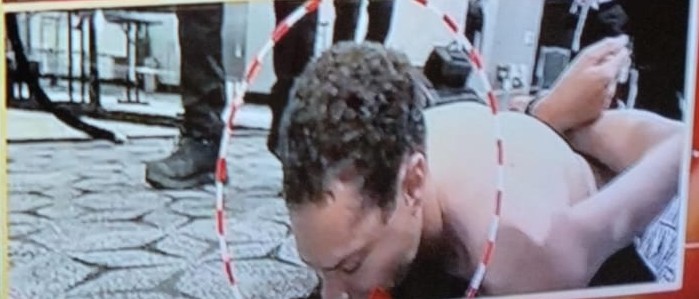
According to officials, the suspect—identified as a resident of California—was apprehended alive at the scene and subsequently transported to Howard University Hospital for medical treatment. Authorities have not yet released the individual’s identity.
All attendees, including the President and other protected individuals, were safely evacuated from the venue following the incident. Law enforcement agencies are continuing their investigation to determine the motive and any possible connections.
- 0
- By Neel Achary

26, Apr 2026
Valtteri Bottas First Ever Cadillac Race Used Helmet Auction
MODERN HISTORY: VALTTERI BOTTAS 2026 HELMET FROM FIRST-EVER CADILLAC F1® TEAM RACE GOES TO AUCTION
F1® Authentics, operated by Memento Exclusives, has revealed a historic piece of modern memorabilia set to be auctioned from the current Formula One® season. The race-used helmet worn by Valtteri Bottas at the season opening Formula 1® Qatar Airways Australian Grand Prix 2026, is set to be made available for collectors to bid on during the limited time F1® Authentics Miami GP Auction.
Race-used helmets are scare pieces of memorabilia by nature, with each capturing a moment in time and unique stories from the track. This is an extremely rare example, as it is not only tied to one of motorsports most popular and accomplished drivers, but also to Cadillac’s maiden appearance in Formula One®.
It is rare for any race-used helmet to become available during the same season it was seen at circuit, let alone one with the immediate historical significance and lasting collector appeal as this.
Across his illustrious career, Valtteri Bottas has achieved 10 race wins, 67 podiums, and 20 pole positions, twice finishing runner-up in the World Drivers’ Championship. His return for 2026 as one of the first two drivers to ever represent Cadillac F1® Team is another achievement in a career full of landmark moments.
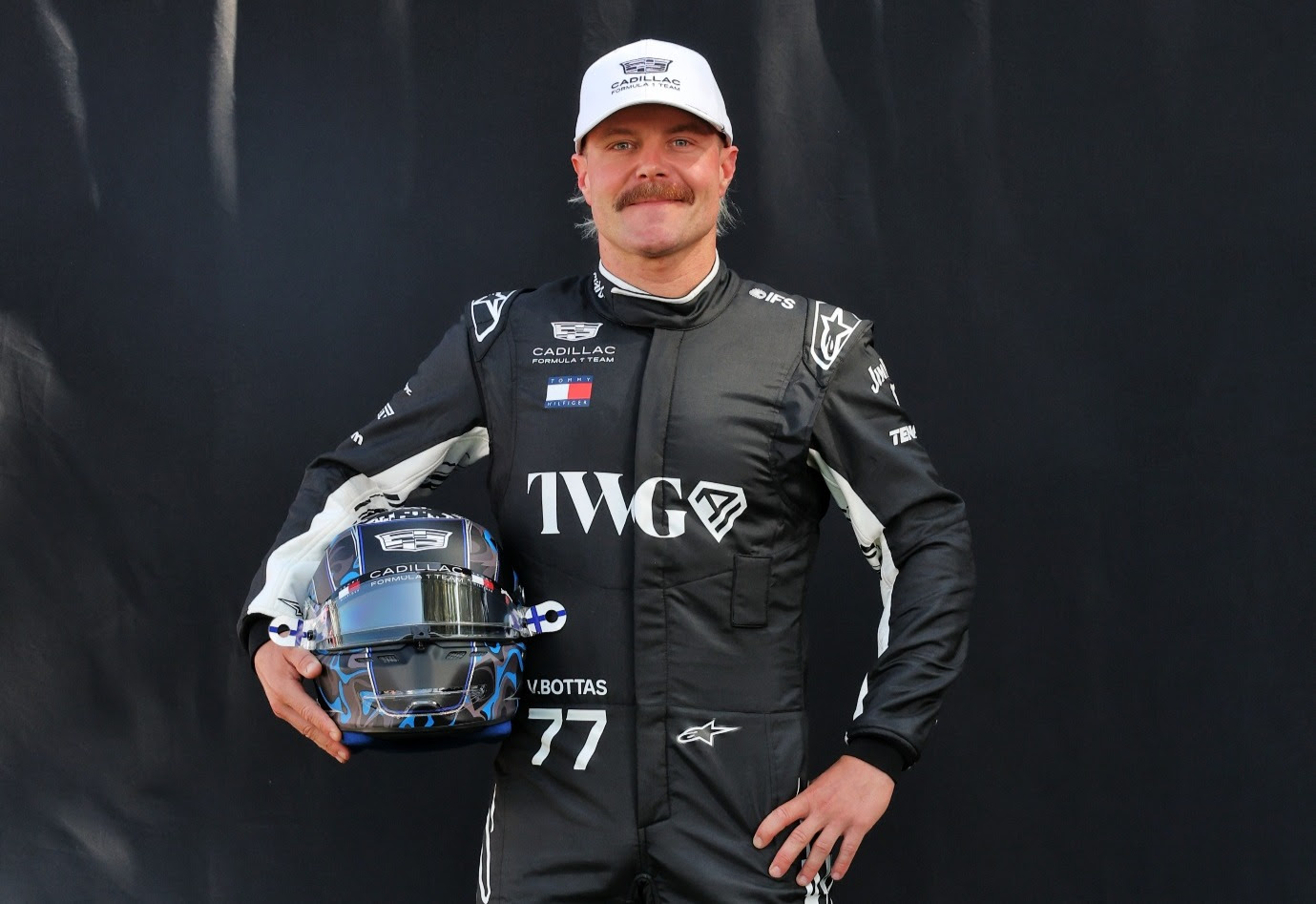
On the auction of his 2026 Australian Grand Prix helmet, Valtteri Bottas said:
“My race worn helmet from Melbourne this year. My first ever race for Cadillac (and) my first ever race for GM. A big moment for me, making my return to Formula One®, this piece is something special and now, it could be yours. It will be auctioned by F1® Authentics, which is the only licensed platform, during the Miami weekend, so check it out. It’s a really important piece for me and its going to be amazing to share it with you.”
First shown in a typically bold social media reveal, shot from a swimming pool, Bottas officially unveiled the design of this helmet to his legions of fans. It features emblems representing his Finnish heritage along with an absorbing dark black and electric blue colour scheme. The authenticity of the helmets now race-used nature is clear with markings from battle spotted across the circumference, but fortunately for collectors, the design is remarkably unblemished and is perfectly ready for premium display.
As a genuine piece of Cadillac F1® Team’s first-ever Grand Prix start, the lucky final bidder will obtain an artefact representing the return of an iconic Finnish driver and the beginning of a new chapter for American teams in Formula One®.
The F1® Authentics Miami GP Auction is live from Friday 24th April 2026 and concludes on Tuesday 5th May 2026. To find out more, register or to bid for this historic helmet, visit F1 Authentics now.

25, Apr 2026
Discover Ayodhya’s Ram Mandir at Hyderabad Carnival
Hyderabad, Apr 25: Hyderabad is all set to witness a spectacular summer attraction as the KPHB Carnival opens to the public, bringing together devotion, history, and entertainment in one vibrant destination.
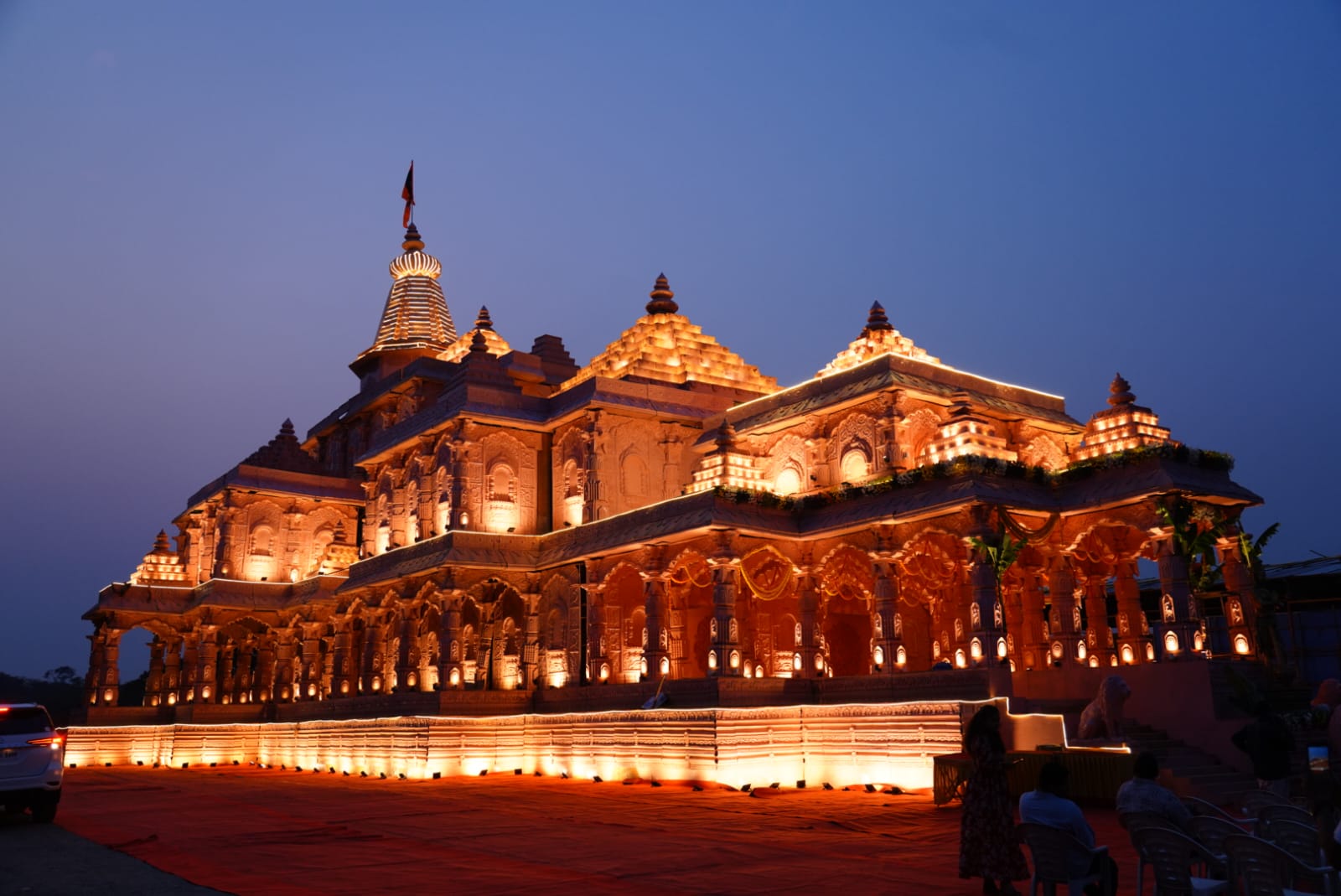
In a first-of-its-kind experience for the city, giant replicas of the Ayodhya Ram Mandir, the iconic Titanic Ship, and the majestic Niagara Falls have been created at an estimated cost of ₹4 crore. The carnival will be open to visitors for the next 45 days, offering a unique opportunity to explore globally renowned landmarks without leaving Hyderabad.
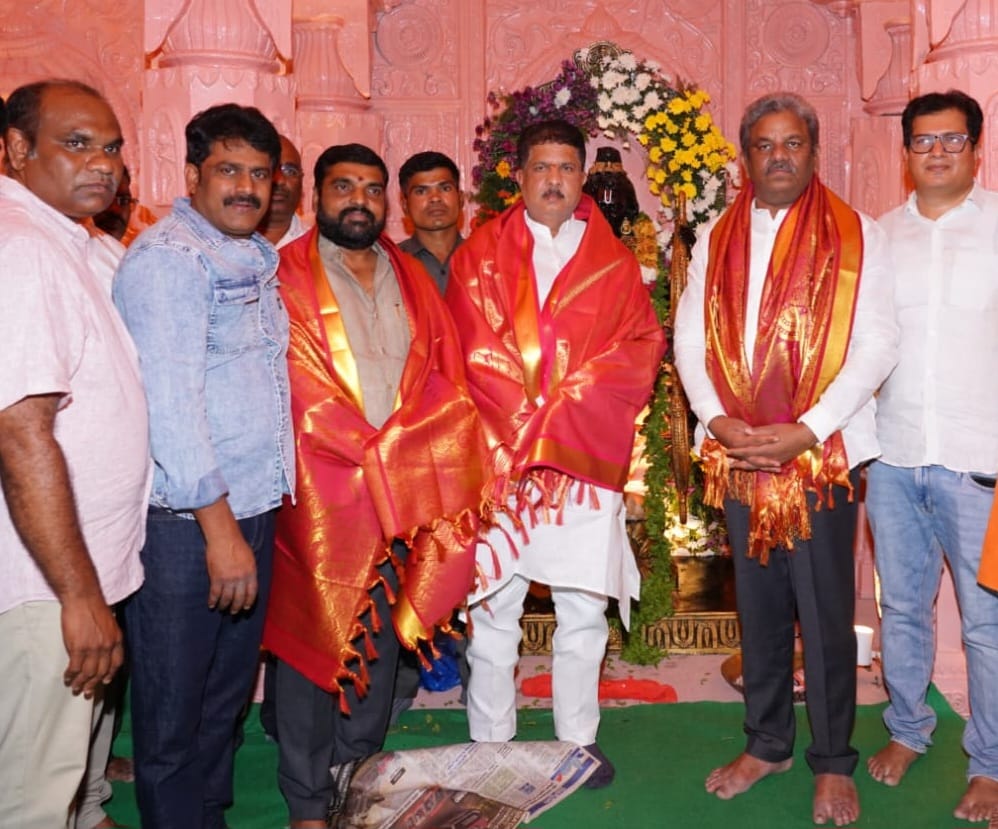
The grand inaugural ceremony held Saturday evening Kukatpalli MLA Madhavaram Krishna Rao graced the occasion and inaugurated.
The highlight of the carnival is the grand replica of the Ayodhya Ram Mandir, an enduring symbol of faith for millions. For many, visiting Ayodhya is a lifelong aspiration, and this installation offers a rare chance to experience its architectural magnificence up close.
Visitors can also step into a Titanic-themed museum that recreates the ambiance of the historic ship, providing an engaging and immersive walkthrough. Complementing this is the Niagara Falls replica, designed to deliver a visually captivating and sensory-rich experience inspired by one of the world’s most famous natural wonders.
This ambitious project has been developed by entrepreneurs Sandadi Madhusudhan, Kartikeya Srinivas, Jampala Venkatesh, and their associates, with a total investment of approximately ₹400 lakh. Over 200 skilled workers worked continuously for 45 days to bring these large-scale installations to life using materials such as fiber, wood, iron, and plaster of Paris.
Beyond the replicas, the carnival features over 100 exhibition stalls offering shopping, food, and local crafts. More than 20 joy rides add to the excitement, making it a complete family entertainment destination. The initiative has also created employment opportunities for over 500 people.
Positioned as a “summer gift” to the people of Hyderabad, the KPHB Carnival promises a memorable experience for visitors of all ages, combining cultural pride with global attractions in a festive atmosphere.
With its scale, creativity, and diverse offerings, the carnival is expected to emerge as one of the city’s biggest crowd-pullers this season.
25, Apr 2026
Green Circuit Wins TYE Regional Finals 2026, to Represent Hyderabad at Global Stage
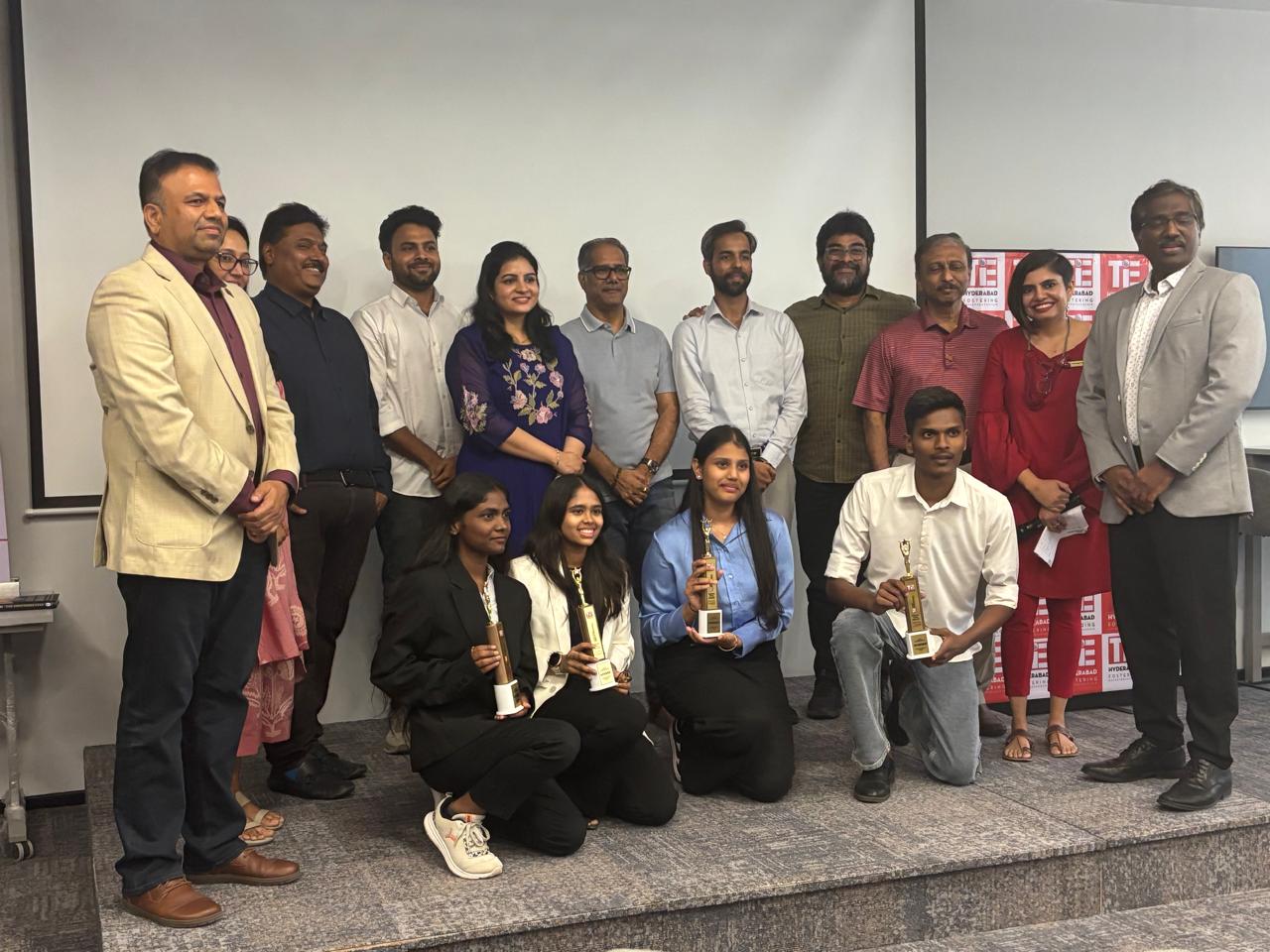
Hyderabad, Apr 25: Green Circuit has emerged as the winner of the TiE Young Entrepreneurs (TYE) Regional Finals 2026 and will represent Hyderabad at the TiE Global Stage.
TiE Young Entrepreneurs (TYE) is a global entrepreneurship education program for high school students (Grades 9–12), run by The Indus Entrepreneurs (TiE). The program goes beyond theoretical learning, enabling students to develop real-world business ideas and transform them into startup ventures.
At the regional finals held at iCollab, Near Niloufer Cafe, Madhapur, Green Circuit stood out among four competing teams with its eco-friendly initiative aimed at reducing electronic waste through accessible recycling solutions. The team comprises Ishika Reddy, Shloka Katuri, Dinesh, and Alekya.
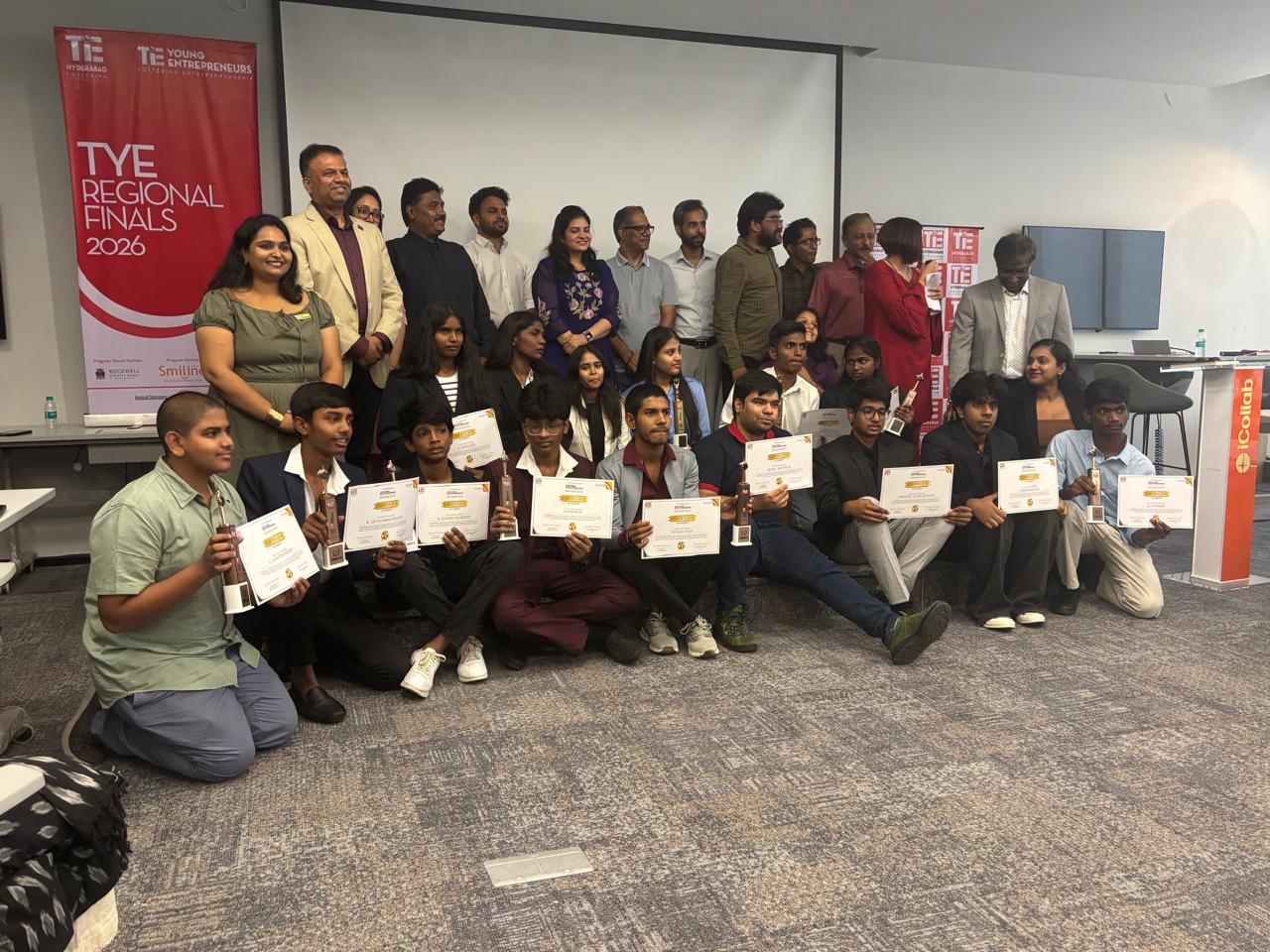
With this win, Green Circuit will now represent Hyderabad at the India Finals to be held in Kerala. The winner of the India Finals will advance to the Global Stage in Seattle, USA. While the global winner may not receive direct funding, the platform offers invaluable exposure, recognition, experience, and certification.
Homicare secured the first runner-up position for its innovative platform connecting patients—especially elderly and immobile individuals—with qualified doctors for home visits or virtual consultations. The team includes Deva Simha Reddy, Sushruth Reddy, Akhila, and Yuvan.
Healix was recognized as the second runner-up for its concept of redesigning everyday objects to enhance human interaction, particularly in spaces where people spend most of their waking hours.
The event was graced by Chief Guest Y.V. Rajasekhar Babu, Managing Director of People Combine, along with Murali Kakarla, President of TiE Hyderabad and Founder & CEO of Innobox Systems Pvt Ltd; Ravi Chennupati, Vice President, TiE Hyderabad and Managing Director of Ezone Security Solutions; and Shanthala Veigas, Senior Director, TiE Hyderabad. Jury members Deepti Gaddam, Nagabharana, and Mir Ali felicitated the winners and runners-up.
Addressing an audience of over 100 attendees, Rajasekhar Babu, founder of Oakridge, shared insights from his entrepreneurial journey. He emphasized that today’s students have unprecedented opportunities alongside significant challenges. “Technology is now democratized and accessible to all. Unlike earlier times when companies like Microsoft and Google began in garages, today starting a venture requires not capital, but a strong idea,” he said.
Highlighting the importance of innovation, he added, “Better innovation leads to lesser competition. Innovation stems from empathy—understanding real-world problems and addressing them meaningfully.” Encouraging students to embrace setbacks, he noted, “Failure is not the opposite of success; it is part of the process. Fail early, fail fast, and fail cheap.”
He further urged aspiring entrepreneurs to aim for excellence by creating high-quality products at affordable prices while ensuring customer satisfaction and profitability, citing examples like Maruti 800 and McDonald’s.
In his opening remarks, Murali Kakarla encouraged students to take their ideas seriously and work towards structuring and building them effectively. “It is okay to fail. What matters is the learning and persistence,” he said. He added that since its inception in 2013, TYE has nurtured numerous young entrepreneurs, with TiE Hyderabad enabling over 100 budding entrepreneurs to participate at the global stage.
25, Apr 2026
Goldin’s 2026 Spring TCG & Manga Elite Auction Opens, Led by Rare Pokémon, Dragon Ball, and First-Appearance Manga Publications
The April 24 – May 17 trading card game auction features collectibles spanning the history of the hobby
April 25, 2026 – Goldin, an internationally renowned auction house known for rare and record-breaking collectible sales, today opened its 2026 Spring TCG & Manga Elite Auction, running April 24 through May 17. The auction presents a curated selection of rare Pokémon cards, video games, and original artwork alongside elite manga products.
This standout auction exemplifies the fast-growing TCG and manga crossover market, where globally recognized franchises like Dragon Ball, One Piece, and Naruto are converging with high-end trading card collectibles into one of the most dynamic segments in pop culture collecting. It is led by a 1992 Magic: The Gathering Gamma Playtest Uncut Sheets Collection consisting of 16 sheets and 252 cards, representing an early developmental stage of the game and one of the most significant Magic offerings ever presented for public sale.
The auction is also anchored by a 1998 Pokémon Japanese Promo Bronze 3rd Place 3rd Tournament Trophy Pikachu, one of the rarest and most prestigious tournament-issued Pokémon cards in existence. Pokémon highlights are further represented by a 1999 Pokémon Base Set 1st Edition Holo Blastoise.
Marking Goldin’s commitment to manga as a premier collectible category, the auction includes three of the most historically important publications in manga history: the 1984 Weekly Shonen Jump Issue #51, featuring the first appearance of Dragon Ball; the 1997 Weekly Shonen Jump Issue #34, featuring the first appearance of One Piece; and 1999 Weekly Shonen Jump Issue #43, featuring the first appearance of Naruto. Also featured is a collection of 12 sealed One Piece OP01 Romance Dawn Booster Boxes — Blue Bottom with Original Distributor Case, representing the first print run of the One Piece TCG.
On the sealed product side, the auction features a 1996 Pokémon Japanese Base Set Factory-Sealed Booster Box (60 Packs), the first-ever Pokémon booster box produced, alongside a 2002 Pokémon Legendary Collection Factory-Sealed Blister Store Display (24 Blister Packs) and a 2005 Pokémon European EX Deoxys Factory-Sealed Booster Box.
Rounding out the Spring TCG & Manga Elite Auction is a 2001 Nintendo Game Boy Color Pokémon Crystal Version, a 2021 Baccarat Limited Edition Hiroshi Fujiwara Pikachu, and a Pokémon Origins Episode 4 Production Mewtwo Sketch, among additional lots spanning complete sets, sealed video games, and artwork.
The 2026 Spring TCG Elite Auction will close on May 17, with extended bidding beginning at 10:00 p.m. ET.
Additional ongoing auctions include the Spring Game Used Auction, open through tomorrow, April 25, alongside the Cheetos Memorabilia Auction featuring Megan Thee Stallion & Nickelback, until May 4, the Music Memorabilia Auction, running through May 6, and the April Elite Auction, closing May 9.
With a superb summer slate, Goldin is preparing to open the: Vintage Star Wars Auction on May 1; the USA 250 Auction on May 8, celebrating the semiquincentennial of the United States and headlined by an original Declaration of Independence Broadside; the World Cup Auction on May 11; the Combat Sports Auction on May 14; the May Elite Auction on May 15; the Spring Pop Culture Auction on May 21; and the highly-anticipated Goldin 100 on May 27.
25, Apr 2026
Swaranjali Delhi Celebrates 25 Years with ‘Colours of India 2026’ in Hyderabad

Apr 25: Marking 25 years of promoting Indian classical arts, Swaranjali Delhi, in association with Tatvaa Arts and RMS Audio, presents Colours of India 2026 Hyderabad — an evening celebrating the richness of Indian classical vocal, instrumental music, and dance.
The event will be held today, Saturday, April 25, 2026, at 2:00 PM at the B M Birla Auditorium, Birla Science Centre complex, Adarsh Nagar, Hyderabad.
The program is structured in two sessions, bringing together acclaimed artists and promising institutions from across the country.
Session 1 will feature a group presentation by Rhythm Dance Academy, Vocal & Sitar recital by Akshay Vat Sangeet Mahavidyalaya, Vocal performances by students of Shanti Swaroop Gurukulam, Raageshree Academy, and Swarasya Gurukulam, and a Taal Vadya ensemble by the disciples of Shri Gajender Shewalker.
Session 2 showcases eminent solo artists: Vid. B Pavan Singh on Carnatic Violin, Smt. Hemangi Bhagat with Hindustani Vocal, and Shri Rampaparnna Bhattacharjee on Sitar.
The event will be anchored by Smt. Sikha Nath. Co-artists for the evening include Shri Susamoy Mishra, Shri Vivek Kayal, Shri Rahul Deshpande, and Shri Rama Krishna.
The event is supported by RMS Audio and Shreyas Webmedia Solutions.
Event Details:
Date: Saturday, 25 April 2026
Time: 2:00 PM
Venue: B M Birla Auditorium, Birla Science Centre complex, Adarsh Nagar, Hyderabad – 500063
Entry: All are cordially invitedFor media queries, interviews, or passes, please contact:
Swaranjali / Tatvaa Arts / RMS Audio
Phone: 9910300319, 8142803372, 9246109975, 8920265508, 9949700611
Website: www.swaranjali.org
25, Apr 2026
The Medical Minute: Your Daughter’s First Gynecological Visit: A Parent’s Guide
Laura Laucks’ daughter was around 14 years old when her periods started disrupting her life. Heavy bleeding, severe cramps and migraine headaches made her miss classes.
“She wasn’t comfortable sitting in school,” says Laucks, who lives in Lebanon. “She would have to go to the nurse a lot.” At a primary care physician’s recommendation, Laucks brought her daughter to see Dr. Christina DeAngelis, an obstetrician-gynecologist at Penn State Health Obstetrics and Gynecology. “We often receive referrals for young women who have really heavy menstrual flow, painful periods or premenstrual syndrome (PMS) symptoms so severe that they affect their ability to enjoy time with their friends or function at school,” DeAngelis says.
Laucks wasn’t sure what to expect. She remembered her own first gynecologist visit, in her 20s. It felt abrupt and uncomfortable. Her daughter’s appointment was a different story. “They went over things with her, asked her about herself and helped her feel comfortable,” Laucks says. “Their whole approach was so different from what I expected. It really put us both at ease.”
Here’s how to prepare for your child’s first visit to the gynecologist.
When should my teen have their first gynecologist appointment?
It depends. Between ages 13 and 15, your child’s pediatrician or family medicine doctor should offer them a chance to talk one-on-one about puberty, menstruation and reproductive health. If that doesn’t happen or if you or your teen’s doctor identifies a concern, consider a visit to a gynecologist, DeAngelis says.
A gynecologist can treat:
- Heavy, absent, irregular or infrequent periods
- Painful periods
- PMS symptoms
- Breast abnormalities
- Ovarian cysts
- Pelvic pain
- Ovarian cysts
- Sexually transmitted infections (STIs)
- Yeast infections
- Bacterial vaginosis
- Endometriosis
How do I choose a gynecologist for my teen?
Ask your doctor for a referral. If you find a health care provider yourself, call the office and ask whether they see pediatric patients. Many treat adults only. What happens at the first visit? The first visit usually doesn’t require a pelvic exam. “The first thing I do when I walk in the room to see the patient is tell them that we’re just going to talk,” DeAngelis says.
Often, the focus is on preventive care and education. A gynecologist can teach your child the facts about puberty, menstruation, hygiene, sexual activity and contraception. They can also discuss cancer screening and prevention tools, such as the human papillomavirus (HPV) vaccine, which helps prevent cervical cancer.
If your daughter has symptoms such as abnormal bleeding, discharge or pain, a pelvic exam might be recommended. Sometimes a noninvasive abdominal ultrasound is used instead. It helps spot ovarian cysts or other causes of pelvic pain. If your daughter is sexually active, the doctor might share facts about birth control methods and recommend testing for sexually transmitted infections (STIs). A simple urine test can check for gonorrhea and chlamydia.
What questions can my teen ask a gynecologist?
Give your teen privacy to ask questions or share concerns without you in the room. “It’s important to have some one-on-one time because there are some things they just may not feel comfortable sharing otherwise,” DeAngelis says.
Many kids have questions about their bodies. They often wonder whether their anatomy is normal, DeAngelis says. They might feel embarrassed to bring up these subjects in front of their parents, but the doctor can share information that will help them stay healthy. “Unintended pregnancies and STIs seem to be more common in situations where families aren’t receptive to discussing it or having the child be seen by a health care provider to discuss it,” she says. Make sure these subjects are not taboo, she says. Let kids know they’re normal things to talk about. “Most times when there are poor outcomes, it’s just because they got no support or didn’t have the right information,” DeAngelis says. Minors can also consent to some medical tests and services, such as STI testing, under Pennsylvania law.
Laucks says she and her daughter both learned a lot from that first gynecology appointment. They talked about ways to manage periods. With treatment, her daughter now has lighter, more regular periods and misses fewer days of school.
They also learned other ways to support reproductive health, including healthy eating and regular physical activity.
“A lot of it I had never heard before,” Laucks says. “It was great that she was able to learn all of that at 14.”
25, Apr 2026
The Hidden Psychology Behind Simple Pricing Amid the Rise of AI
As artificial intelligence enables businesses to fine-tune prices to closely reflect products’ cost or value, it may seem natural to assume that more differentiated pricing leads to better profits. But new research from UW-Milwaukee suggests the opposite can be true: Fewer, well-designed price points may work better.
Walk into a store like Five Below or buy a movie ticket at AMC Theatres, and you’ll notice something curious: Very different products often share the exact same price. A basketball, a phone accessory and a water bottle all might cost $5. A blockbuster film and a lesser-known movie might carry the same ticket price.
According to new research, that’s not a coincidence. It’s a strategy.
A study by Zuhui Xiao, assistant professor of marketing in UWM’s Lubar College of Business, examines a common practice known as “class pricing.” This is a method where businesses group a wide range of products into just a few price points. While this may seem to go against basic economics – which suggests prices should reflect a product’s cost or value – the research shows that consumer psychology plays a powerful role.
Instead of judging prices in isolation, people compare them to what they expect to pay. When a price feels lower than expected, it creates a sense of gain. When it feels higher, it creates a sense of loss. Because losses tend to loom larger than gains, consumers often dislike overpaying more sharply than they enjoy getting a bargain.
Class pricing helps reduce those negative comparisons.
“When prices are simplified, consumers are less likely to feel like they’re overpaying,” Xiao said. “That makes them more comfortable making a purchase.”
In other words, fewer price points can lead to fewer second thoughts.
The findings suggest that businesses aren’t just setting prices based on cost or value – they’re carefully shaping how customers experience those prices. When firms adopt more differentiated pricing across a price line, shoppers tend to resent higher-priced options more than they reward lower-priced alternatives, making expensive items look worse than the actual price difference alone would imply. By limiting the number of price points, companies can reduce these unfavorable comparisons, helping higher-priced products preserve more of their prestige and improving overall profitability.
“Consumers don’t evaluate prices one by one. They compare what they see to what they expect, and that shapes whether a price feels like a good deal,” Xiao said.
The strategy is already widely used in retail, entertainment and beyond. As companies look for ways to attract price-sensitive consumers, especially during times of economic uncertainty, simple pricing models may become even more common. Even with advanced AI pricing algorithmic tools, more flexibility in setting more differentiated prices does not necessarily lead to higher profits. In many cases, simpler pricing tiers are more effective.
For shoppers, the takeaway is straightforward: That clean, simple price tag may feel like a good deal – and that’s by design.
25, Apr 2026
Early Monsoon Set to Hit Kerala by May-End, Bringing Relief from Intense Heatwave !
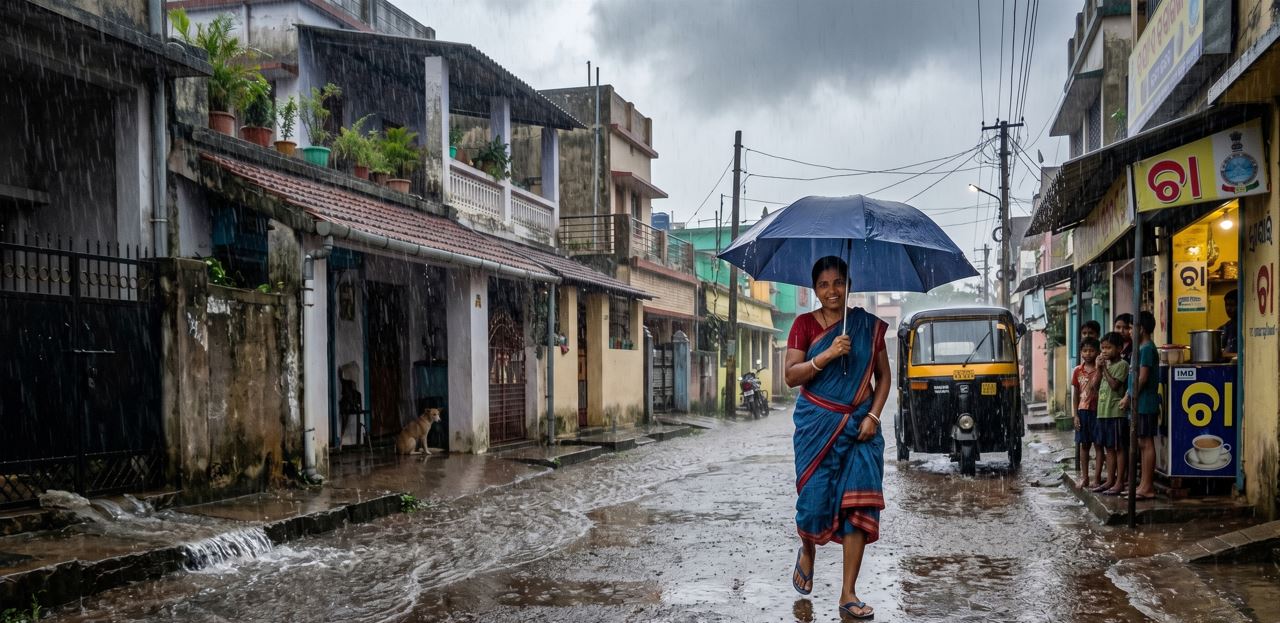
New Delhi, Apr 25 (BNP): As large parts of the country continue to reel under intense heatwave conditions, there are encouraging indications of an early onset of the southwest monsoon this year. According to projections and global weather models, the monsoon is likely to reach India’s southern coast, particularly Kerala, between May 27 and 29, offering much-needed relief from soaring temperatures.

The India Meteorological Department (IMD) has warned that heatwave conditions may persist in the coming days, with temperatures across several northern, central, and eastern regions hovering between 43°C and 44°C. However, forecasts from the European Centre for Medium-Range Weather Forecasts indicate a favourable shift in weather patterns, suggesting an early advancement of the monsoon system.
Early Signals from Andaman Region
Meteorological projections suggest that the monsoon could first reach the Andaman and Nicobar Islands between May 18 and 25. Thereafter, moisture-laden winds are expected to intensify over the Arabian Sea, triggering rainfall across southern states, including parts of Tamil Nadu, by the last week of May.
Favourable Conditions Strengthen Outlook
Experts note that strengthening westerly winds and easing concerns over El Niño are contributing to a more optimistic monsoon outlook. While precise onset dates remain subject to further monitoring, early indicators point towards above-normal rainfall in southern regions during the initial phase of the season.
Meteorologists add that clearer projections are expected by early May. Current trends, however, align with last year’s pattern of an early monsoon onset, raising the possibility of another ahead-of-schedule transition into the rainy season.
Relief for Heat-Hit Regions, Boost for Agriculture
An early monsoon is expected to provide significant relief to heat-affected regions, particularly along the southwest coast. Beyond easing temperatures, timely rainfall will play a crucial role in supporting agricultural activities, especially the upcoming sowing season.
Weather assessments also indicate a gradual build-up of rain-bearing clouds along the Kerala coastline towards the end of May, reinforcing expectations of an early onset. Authorities and citizens are advised to stay updated with official forecasts as the monsoon system progresses.
25, Apr 2026
Sudarshan’s century went in vain as Bengaluru defeated Gujarat. Jaipur: IPL 36th league match today; Vaibhav vs Hinge clash
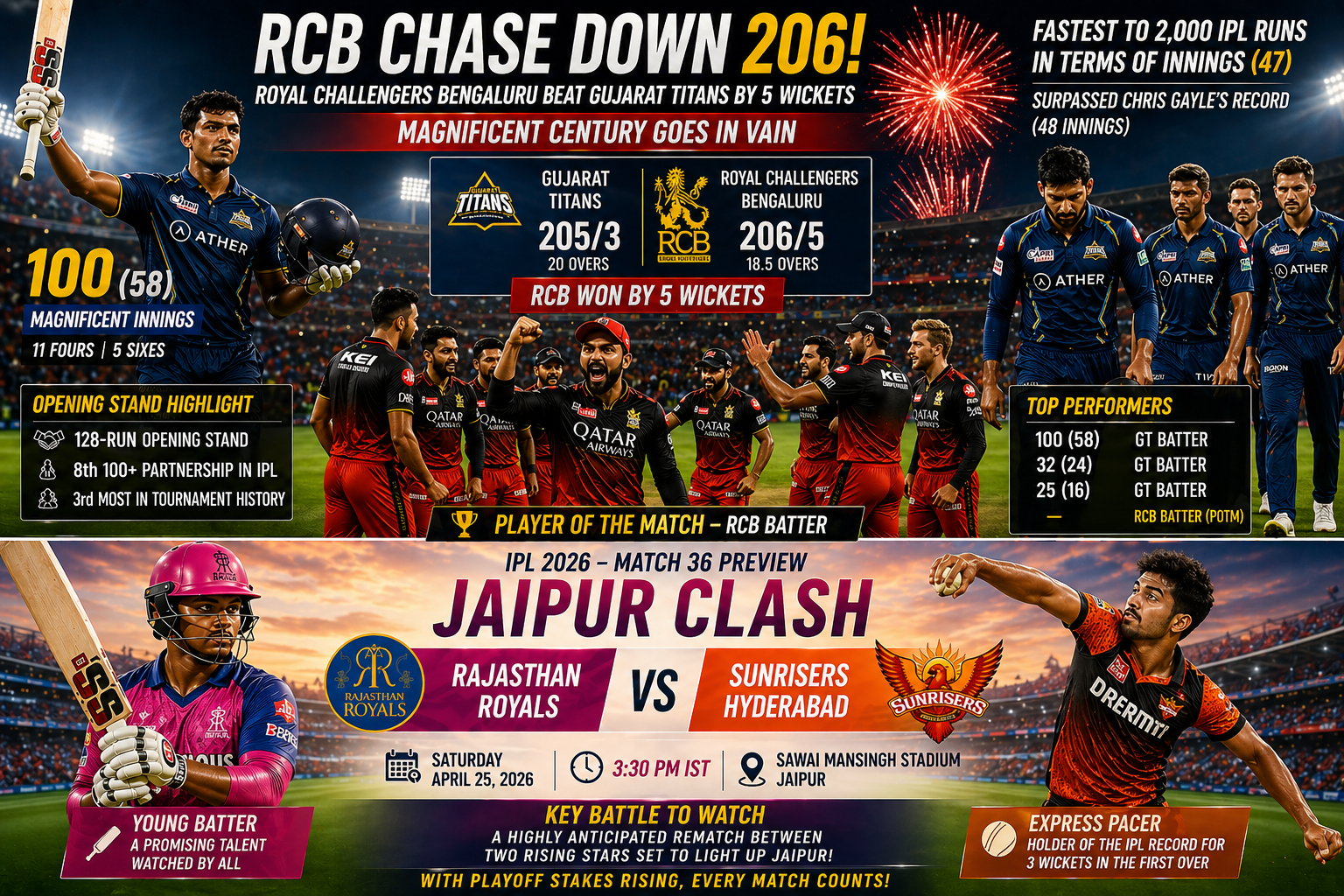
Jaipur, April 25, 2026: In a high-scoring clash in the ongoing Indian Premier League, Royal Challengers Bengaluru (RCB) defeated Gujarat Titans (GT) by five wickets at the M. Chinnaswamy Stadium, successfully chasing down a daunting target of 206 with seven balls to spare.
The match was headlined by a sensational century from Sai Sudharsan, who scored a Magnificent 100 off 58 balls, including 11 boundaries and five sixes. Despite his heroic effort, the innings went in vain as Bengaluru’s batting unit delivered a composed and clinical chase.
Sudharsan’s knock also etched his name in the record books, as he became the fastest player to reach 2,000 IPL runs in terms of innings (47), surpassing Chris Gayle, who previously held the record with 48 innings.
Earlier in the innings, Sudharsan and Shubman Gill provided Gujarat with a solid foundation through a 128-run opening partnership. This marked their eighth century stand in the IPL, placing them among the most successful batting pairs in tournament history—behind only the iconic duos of Virat Kohli–AB de Villiers and Kohli–Gayle.
While Gill contributed a steady 32 off 24 balls, Sudharsan dominated the scoring. Jos Buttler added 25 off 16 deliveries but failed to convert his start into a bigger innings, as Gujarat Titans finished at a competitive 205/3.
In response, Royal Challengers Bengaluru executed a strong chase, with Virat Kohli leading from the front and earning the Player of the Match award for his match-winning contribution.
IPL Match 36 Preview – Jaipur Clash
Attention now shifts to Jaipur, where the 36th league match of IPL 2026 will see Rajasthan Royals (RR) take on Sunrisers Hyderabad (SRH) at the Sawai Mansingh Stadium.
Match Details:
- Fixture: Rajasthan Royals vs Sunrisers Hyderabad
- Time: 7:30 PM IST
- Venue: Sawai Mansingh Stadium, Jaipur
A key highlight of the match will be the much-anticipated face-off between emerging talent Vaibhav Suryavanshi and SRH pacer Praful Hinge. In their previous encounter, Hinge made headlines by dismissing Suryavanshi for a golden duck as part of a historic three-wicket opening over—an IPL first.
With playoff stakes rising and momentum shifting across teams, IPL 2026 continues to deliver electrifying cricket, combining record-breaking performances with exciting new rivalries.


