


21, Apr 2026
Former MLB Players Lead Ember Sports Mobile App, Bringing Pro-Level Training to Athletes Everywhere
The MLB veterans say platform is a “game changer” for athletes at every level
HUNTSVILLE, Ala. — April 21, 2026 — Sports technology company Ember Sports is bringing professional-level baseball and softball training tools to athletes nationwide through a new mobile app developed in collaboration with former Major League Baseball players and coaches Brady Clark and Damon Mashore. Designed to make advanced player development more accessible, the platform delivers real-time performance insights using a mobile device, eliminating the need for costly hardware or exclusive facility-based systems.
Clark and Mashore, former MLB outfielders with a combined 18 seasons in the major leagues, now serve in leadership roles at Ember, helping guide the platform’s development and real-world application. Clark is the company’s Chief Operating Officer, while Mashore serves as Chief Integration Officer. Their involvement reflects a broader shift toward making the types of training tools once reserved for professional athletes available to players at every level.
Leveraging built-in iOS video capture, Ember’s mobile app provides immediate, actionable feedback through tools such as its Hitting and Pitching Analyzers. Athletes can review performance using video replay, telestration and side-by-side comparisons, allowing for deeper analysis of swing mechanics, pitch execution and overall performance.
The platform also introduces virtual reality capabilities designed to enhance training in ways that are difficult to replicate in traditional environments. A key feature is Ember’s ability to teach pitch tunneling, an advanced skill in which multiple pitches follow the same initial path before breaking differently, making them more difficult for batters to recognize and hit.
“Teaching hitters how to see the ball the way MLB players do has always been one of the hardest things to train,” Mashore said. “With Ember’s technology, we’re able to simulate that in a meaningful way. That’s a big step forward.”
With more than 25 million baseball and softball athletes across the United States, access to advanced training tools has often been limited by cost and availability. Ember aims to expand that access with a subscription starting at $12.99 per month, delivering data and insights traditionally available only at the professional level.
“This is truly disruptive technology because of how easy it is to use and the low-cost barrier,” said Clark. “It opens the door for more players at every level. From the conversations Damon and I have had across our baseball network, the reaction is usually, ‘I can’t believe you guys can do this.’ Especially with VR, no one has been able to teach how we ‘see’ the ball.”
By removing the need for specialized equipment and training facilities, Ember is expanding access to high-level development tools once reserved for the big leagues. Its virtual reality platform places athletes in customizable environments that simulate live pitching with adjustable speed, movement and location, helping improve pitch recognition, timing and decision-making.
“You’re either on the forefront of technology or you’re behind the game,” Mashore added. “Being able to deliver this level of insight to players outside of the professional level at such an affordable cost is simply a game changer.”
With leadership rooted in decades of professional playing and coaching experience, Ember Sports is entering the market with strong credibility and a focus on accessibility, aiming to bring professional-grade training within reach for the next generation of baseball and softball athletes.

- 0
- By Neel Achary

21, Apr 2026
Mumbai Indians Crush Gujarat Titans by 99 Runs as Tilak Varma Stars with Maiden IPL Century
Mumbai, April 21(BNP): Mumbai Indians delivered a commanding all-round performance to secure a resounding 99-run victory over Gujarat Titans in the Indian Premier League 2026 clash at the Narendra Modi Stadium.
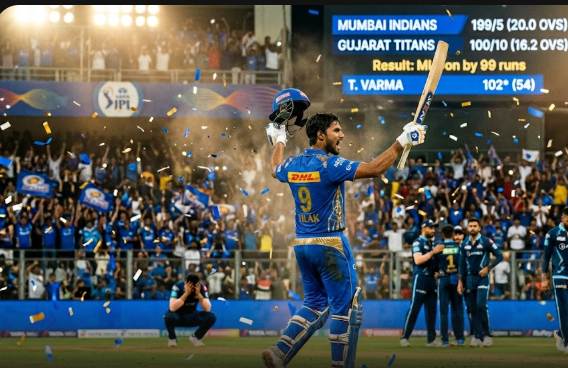
Arriving at a venue that has historically posed challenges and amid a difficult run of form, Mumbai Indians rose to the occasion with a clinical display. The innings was anchored by Tilak Varma, who registered his maiden IPL century with an unbeaten 101 off 45 balls, guiding MI to a formidable 199/5 in 20 overs.
After a measured start—scoring 19 off his first 22 deliveries Tilak Varma shifted gears dramatically, adding 82 runs from his next 23 balls. His knock came at a crucial juncture after early setbacks caused by Kagiso Rabada, and proved pivotal in setting up a challenging total.
In response, Gujarat Titans struggled to build any momentum as Mumbai’s bowlers dominated proceedings from the outset. Early breakthroughs from Jasprit Bumrah and Hardik Pandya put the hosts on the back foot, while Ashwani Kumar delivered a standout performance with a four-wicket haul. Support from Mitchell Santner and Allah Ghazanfar ensured Gujarat Titans were bowled out for 100 in 15.5 overs.
Speaking after the match, Tilak Varma said, “The first hundred is always special. It was important for me to spend time at the crease and then play according to the situation. I backed my basics and it paid off.”
Captain Hardik Pandya added, “Winning here is always challenging. This result was much needed for the team and will give us confidence going forward.”
Gujarat Titans skipper Shubman Gill acknowledged the team’s shortcomings, highlighting lapses in the middle overs and inconsistent execution with the ball as key factors behind the defeat.
The result marks Gujarat Titans’ heaviest loss in IPL history, while also providing a significant boost to Mumbai Indians’ campaign. With this emphatic win, Mumbai Indians strengthen their position in the standings and gain crucial momentum for the remainder of the tournament, while Gujarat Titans will look to regroup and address key areas ahead of their upcoming fixtures.
21, Apr 2026
Swaranjali Delhi Presents Shraddhanjali 2026 in Bhubaneswar
A Musical Tribute Dedicated to Guru Late Suramani Bauri Bandhu Sethi

Bhubaneswar, Odisha | Apr 21: Swaranjali Delhi proudly presents Shraddhanjali 2026, a heartfelt evening dedicated to the revered Guru Late Suramani Bauri Bandhu Sethi, in association with Shreyas WebMedia Solutions.
The event will take place on Saturday, June 20, 2026, at 5:00 PM at Gita Govinda Sadan, Jayadev Bhawan, Ashok Nagar, Bhubaneswar.
Shraddhanjali 2026 will celebrate the timeless beauty of Indian Classical Music, featuring captivating vocal and instrumental performances by distinguished artists and emerging talents. The program aims to honour the immense contribution of Guru Late Suramani Bauri Bandhu Sethi to Indian classical music and inspire future generations to preserve this rich heritage.
Speaking on the occasion, the organisers shared that the event is envisioned as a tribute filled with devotion, artistry, and gratitude, bringing together music lovers, cultural enthusiasts, and disciples under one roof.
The evening promises to be a soulful experience showcasing tradition, excellence, and the enduring legacy of Indian classical music.
The organisers cordially invite all music patrons, members of the cultural fraternity, and the public to attend this special event.
Event Details:
- Event: Shraddhanjali 2026
- Date: June 20, 2026
- Time: 5:00 PM onwards
- Venue: Gita Govinda Sadan, Jayadev Bhawan
Program Details:
Group – Indian Classical Music
- Sitar & Sarod Duet: Shri Jeeban Prakash Das & Shri Sandeep Rout
- Vocal: Smt. Bilambita Banisudha
- Sitar: Shri Subrata De
RSVP:
9910300319 | 8447507053 | 99370 01349
21, Apr 2026
Skyscanner Turns IPL Travel Planning into a National Hotline Moment
Apr 21: Leading global travel app Skyscanner extended cricket fandom beyond stadium stands and into the travel choices fans make around IPL fixtures with ‘Hotline to SKY’, a first‑of‑its‑kind travel helpline featuring pre‑recorded tips voiced by cricketer and brand ambassador Suryakumar ‘SKY’ Yadav. Designed to help fans navigate match‑day travel during the ongoing IPL season, the hotline invited callers to access quick, practical guidance on planning their journeys.
In just eight days, the activation logged over 3,000 calls, underlining how live sport is increasingly shaping domestic travel decisions. By blending cricket culture with everyday travel dilemmas, the hotline delivered concise advice on flying smarter, staying flexible and finding better value as fixtures unfold across India.
SKY‑led social reels extended the hotline’s impact, translating match‑day curiosity into practical travel considerations for fans.
What cricket fans were calling about
Call data highlights how closely fans are thinking about travel alongside the tournament:
- 35% of callers tuned in specifically for last‑minute travel planning tips, navigating sudden schedule changes and high‑demand routes
- 31% of callers were interested to learn about longer itinerary planning and budget friendly ways to travel
- Nearly 1 in 7 callers dialed in for a quick “vibe check” with SKY, adding a personal, mood‑driven layer to the experience
Beyond the hotline, the campaign reached nearly 20 million people via outdoor billboards across Delhi and Mumbai, and over 1 million through social engagements across channels.
What Fans Discovered on the Hotline
As IPL 2026 runs from 28 March to 31 May, bringing new venues, packed weekends and shifting fixtures, fans tapped into the hotline to simplify common match‑day travel challenges, including:
A new gateway into Mumbai’s match action
With Navi Mumbai International Airport opening ahead of this season, SKY pointed fans to Skyscanner’s Nearby Airports feature, helping them spot alternate routes into host cities. Skyscanner search data shows a 10x month‑on‑month spike in searches[1] for Navi Mumbai International Airport over the 10–12 April match weekend, underlining growing awareness and intent.
Following the tournament, not just one team
For fans undecided on which matches to attend, the hotline spotlighted Skyscanner’s Explore Everywhere feature, enabling open‑ended discovery of where the best‑value matches are taking place. From high‑altitude fixtures in Dharamshala to classic rivalries at Eden Gardens, the feature encourages fans to build travel plans around experiences, not just locations.
Staying flexible when fixtures move
Recent schedule changes, such as the Gujarat Titans vs Chennai Super Kings match shifting from Ahmedabad to Chennai on 26 April, highlighted how dynamic the IPL calendar can be. SKY guided callers through Skyscanner’s Flexible Dates feature, helping them identify cost‑effective travel windows even when plans change late.
Tracking fares before the big games sell out
Ahead of blockbuster clashes like MI vs CSK on 23 April and its reverse fixture on 2 May, fans were encouraged to set up Price Alerts, allowing them to monitor fare movements and book at the right moment, before both flights and seats fill up.
Additionally, fans didn’t just call for logistics, many stayed on to hear SKY’s personal reflections on match‑day energy, pressure and preparation, making the experience feel as entertaining as it was useful. When asked about his favourite travel memory, SKY said “My favourite memories are when you see fans coming from another city, wearing their team’s jersey, full of belief. As a player, that energy hits different. That’s when you realise cricket is more than a game — it’s pure emotion.”
Cricket Travel Demand Accelerates
Skyscanner data indicates that interest in IPL‑linked travel continues to build across key host cities as marquee fixtures approach. Commenting on the campaign’s success, Neel Ghose, Skyscanner Travel Trends and Destinations Expert, said,
“With cricket‑led travel now firmly established, we wanted to focus on making the planning itself simpler and smarter. By bringing Skyscanner’s tools — like Nearby Airports and Explore Everywhere into an easy, conversational format through SKY, we’ve helped fans move quickly from curiosity to action. The response shows that people aren’t just asking ‘Should I go?’ but ‘How do I make this trip work?’ — and that’s exactly the gap this campaign set out to address.”
Designed as a quick, intuitive experience, the hotline followed a familiar behaviour: reaching for the phone when you need fast answers. Strong call‑completion rates across the activation further reflected how relevant the content felt during peak match weeks.
With key fixtures still ahead, Skyscanner expects momentum around match‑related travel to continue building through the remainder of the IPL season, as fans look for flexible, value‑driven ways to follow the action.
21, Apr 2026
Michał Rudaś Enthrals New Delhi at The Piano Man, Weaving a Soulful Indo-Polish Musical Tapestry
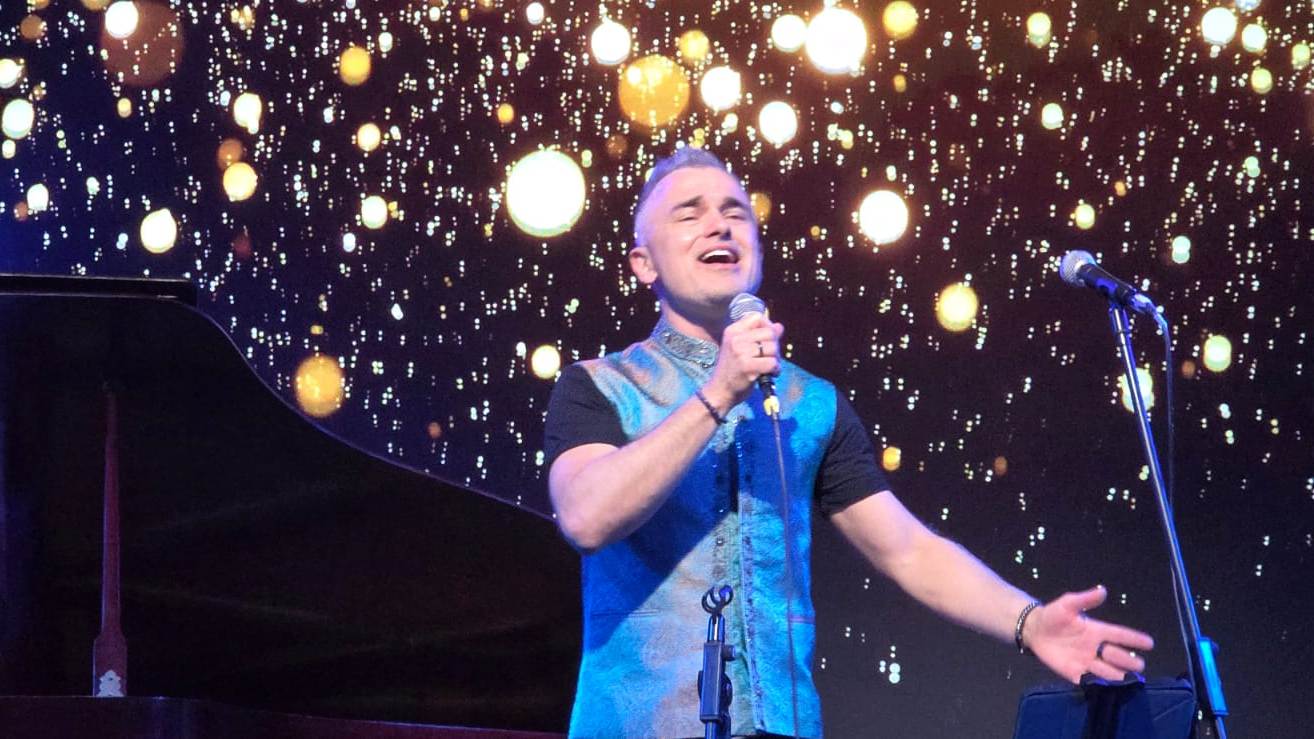
New Delhi, Apr 21 — It was an evening where music dissolved borders and emotion spoke a shared language. At The Piano Man, Eldeco Centre, celebrated Polish vocalist Michał Rudaś delivered a spellbinding performance that left audiences captivated, reaffirming his rare ability to build a living, breathing bridge between India and Poland through song.
Michał Rudaś performing at the Pianoman New Delhi
Rudaś, known for his deep engagement with Indian music, curated a repertoire that was as diverse as it was immersive. Moving effortlessly from Bollywood chartbusters—rendered with remarkable sensitivity and linguistic finesse—to the velvet elegance of Frank Sinatra classics, and the poignant lyricism of Polish romantic compositions, he created an atmosphere that felt both intimate and expansive. Each piece was not merely performed, but inhabited—infused with a sincerity that resonated deeply with listeners.
The evening was elevated by a rich spirit of collaboration. Piotr Malec on the tabla brought rhythmic depth and a distinctly Indian pulse, seamlessly complementing Rudaś’s cross-cultural explorations. At the piano, Shomudra Ghosh anchored the performance with grace and fluidity, his playing adding both structure and spontaneity to the unfolding musical narrative. Together, the trio crafted a soundscape where traditions met, conversed, and ultimately merged.
What set the concert apart was not just its musical range, but its emotional intelligence. Rudaś’s connection with the audience was immediate and profound—his interpretations of Hindi songs drawing spontaneous applause, his Polish renditions offering moments of quiet introspection, and his Western selections bridging familiarity with finesse. It was a rare artistic experience where every note felt intentional, every pause meaningful.
More than a concert, the evening stood as a testament to the growing cultural dialogue between India and Poland. In Michał Rudaś, one finds not only a vocalist of exceptional calibre, but a true cultural ambassador—an artist who understands that music, at its finest, is an act of empathy and exchange.
As the final notes faded into a standing ovation, the sentiment in the room was unmistakable: this was not just a performance, but a moment—one that will linger in memory as a celebration of music’s boundless ability to connect worlds.
20, Apr 2026
Lumon agrees to acquire Fiscal FX
Foreign exchange and currency risk management Lumon Corporate has agreed to acquire the business and assets of Fiscal FX, marking a major milestone for Lumon as it continues to expand its breadth and quality of service.
Fiscal FX represents the seventh acquisition by Pollen Street Capital-backed Lumon since 2018. The acquisition is expected to be completed later this spring and will help accelerate growth in Lumon’s corporate division both internationally and in the UK.

Vic Darvey, CEO of Lumon, says: “Acquiring Fiscal FX marks another significant step forward as we continue to expand Lumon’s global footprint; uniting expertise, enhancing our capabilities and ultimately, delivering more value to our clients.”
Fiscal FX, a London-based foreign exchange and international payments specialist, has built an exceptional reputation since it’s foundation in 2019, particularly focusing on SMEs and owner-managed businesses.
Over the past six years, Fiscal FX has seen consistent, organic growth, developing a loyal client base of more than 600 corporate accounts across the globe. The company has handled almost £1 billion worth of transactions since it’s inception thanks to outstanding client retention and reliable, recurring revenue.
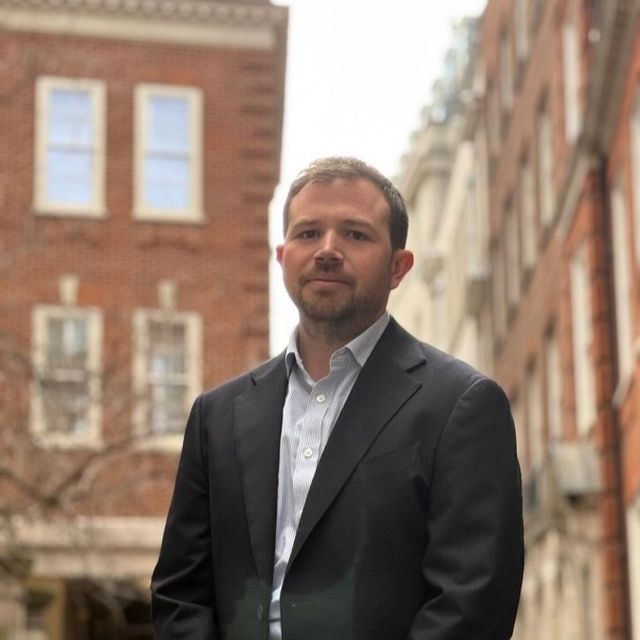
Archie Scarborough, CEO of Fiscal FX, says: “Joining Lumon is a hugely exciting step for our team and our clients. We’ve built something special over the past six years – a business that genuinely puts its clients first – and I’m proud of what we’ve achieved. Lumon shares those values, and I’m looking forward to what we can build together.”
20, Apr 2026
Samsung Chief Clicks Selfie with PM Modi, South Korean President at Noida Event
Apr 20 (BNP): In a symbolic moment highlighting growing India–South Korea business ties, Lee Jae-yong took a selfie with Prime Minister Narendra Modi and South Korean President Lee Jae Myung during a state luncheon at Samsung’s Noida facility on Monday.
The interaction underscored the importance of India as a major global manufacturing hub for Samsung, particularly in the electronics and smartphone segment. The Noida facility has been a key production base for the company since 1996, manufacturing a wide range of devices, including budget smartphones and premium foldable models.
The luncheon followed high-level bilateral discussions and brought together business leaders from both countries, serving as a platform to deepen economic engagement and explore future investment opportunities.
As part of the broader engagement, industry leaders from major Korean conglomerates also participated in the Korea–India Business Forum, which saw attendance from around 250 business representatives, including top executives from leading Korean corporations.
The South Korean President is currently on a state visit to India and Vietnam, accompanied by a high-level business delegation, aimed at strengthening trade, technology, and investment cooperation between the countries.
During his visit, the President also paid tribute at Raj Ghat, honouring Mahatma Gandhi and reaffirming commitment to global peace and cooperation.
The visit reflects a growing strategic and economic partnership between India and South Korea, with a strong focus on manufacturing, technology collaboration, and supply chain integration.
20, Apr 2026
ITRHD Observes World Heritage Day with Renewed Focus on Rural Sustainability
New Delhi, April 19, 2026:
The Indian Trust for Rural Heritage and Development (ITRHD) celebrated World Heritage Day with a special programme in New Delhi, bringing together policymakers, scholars and cultural voices to deliberate on the preservation of India’s rural heritage, aligned with this year’s theme — “Emergency Response for Living Heritage in Contexts of Conflicts and Disasters.” The occasion also marked 15 years of ITRHD’s work in the field of heritage conservation.
The event was graced by Manish Tewari, Member of Parliament, as the Chief Guest, in the presence of Padma Bhushan Shri S. K. Misra, Chairman, ITRHD.
The programme featured addresses by distinguished speakers including Dasho Sonam Kinga (Former Chairman of the National Council of Bhutan), Geshe Dorji Damdul (Head of Tibet House, New Delhi), and Kartikeya Vajpai (Author). The event was also attended by Archana Capoor (Member Secretary, ITRHD) and members and representatives of ITRHD.
Addressing the gathering, Manish Tewari highlighted the urgent need to prioritise heritage conservation in the context of ongoing global conflicts. “Given the scale of ongoing international conflicts since 2022, the conservation of historical sites and heritage places, especially in conflict zones, must become a priority—even though, when such crises unfold, it is often the last thing on anyone’s mind,” he said.
He further pointed to the gap between policy and implementation in India, adding, “While India has a fairly robust legal architecture for heritage conservation, there remains a clear lack of consciousness and sensitivity when it comes to preserving, protecting and promoting our heritage, particularly in rural areas.”
Speaking on the occasion, Padma Bhushan Shri S.K. Misra emphasised the broader responsibility associated with heritage preservation. “World Heritage Day is not just a symbolic observance; it is an occasion to renew our collective responsibility to preserve our heritage for future generations, especially in a country like India where such immense cultural wealth cannot be allowed to remain unattended,” he said.
Highlighting ITRHD’s approach, he added, “We see rural heritage as a catalyst for rural development. Our effort is to identify neglected heritage sites, particularly those linked to Buddhist traditions, and reintegrate them into community life by building awareness and local participation.”
Dasho Sonam Kinga said that in Bhutan, the preservation of Buddhism has been sustained through the close integration of community life, cultural practices and state support, particularly in rural areas. He pointed out that heritage continues as a living tradition because communities actively practice and pass it on across generations.
Geshe Dorji Damdul said that heritage goes beyond physical structures and carries deeper human values such as compassion, wisdom and harmony. He explained that preserving heritage is important not only for protecting history but also for sustaining the values that shape human society.
Kartikeya Vajpai, author of The Unbecoming, said that preservation should begin with safeguarding the philosophical and spiritual essence of heritage. He said that when people, especially the youth, engage with this wisdom through experience and introspection, cultural continuity follows naturally.
The discussions explored the intersection of heritage, identity and its contemporary relevance, with a particular focus on rural ecosystems and traditional knowledge systems. Speakers highlighted how India’s rural heritage, spanning monuments, agricultural practices, crafts, languages, performing arts and indigenous knowledge, remains a largely underutilised resource in the country’s development narrative.
With nearly 70% of India’s population residing in rural areas, many of which continue to face economic challenges, the need to recognise heritage as a valuable economic and social asset was strongly underscored.
Observed globally on April 18 under the aegis of the International Council on Monuments and Sites and UNESCO, World Heritage Day underscores the importance of protecting cultural and natural heritage.
20, Apr 2026
India’s Economy Remains Resilient, Equities Near Correction Zone: HDFC Securities
New Delhi, Apr 20 (BNP): India’s macroeconomic outlook continues to show resilience despite ongoing global uncertainties, even as domestic equity markets appear to be entering a phase of near-term correction, according to a latest assessment by HDFC Securities.
The report observed that India’s growth remains supported by strong domestic demand, steady consumption trends, and continued government-led infrastructure spending. These factors are helping cushion the economy from external shocks such as geopolitical tensions and volatile global commodity prices.
At the same time, the brokerage cautioned that equity markets may be undergoing a valuation reset after a period of sustained upward movement. Elevated valuations in select segments, combined with global risk-off sentiment, are contributing to increased volatility and profit-booking.
Market participants are expected to remain cautious in the near term, with global developments likely to influence sentiment and trigger intermittent corrections.
Despite short-term market fluctuations, the broader economic narrative for India remains constructive, supported by structural drivers such as urban consumption growth, investment activity, and policy stability.
Overall, the outlook highlights a clear divergence between a resilient real economy and a more cautious, volatility-prone equity market environment.
20, Apr 2026
FTA Partners’ Share in India’s Trade Rises to 28.8 pc: NITI Aayog
New Delhi, Apr 20 (BNP): India’s trade engagement with its Free Trade Agreement (FTA) partners has strengthened, with their share in the country’s overall trade rising to 28.8%, according to an assessment by NITI Aayog.
The report highlights that while trade diversification is gradually improving, India’s export basket remains heavily concentrated in gems and jewellery, indicating continued reliance on a limited range of high-value export products.
Officials noted that FTAs have played a significant role in expanding market access and deepening trade linkages with key global economies. However, the concentration of exports in select sectors underscores the need for broader product diversification to enhance long-term trade resilience.
The findings also suggest that increasing integration with FTA partners is contributing to higher trade volumes, but structural challenges remain in expanding India’s export base across manufacturing and high-technology sectors.
Experts believe that improving export diversification, strengthening manufacturing capabilities, and boosting value-added production will be crucial for sustaining trade growth and reducing dependency on a narrow set of commodities.
Overall, the report points to steady progress in India’s global trade integration, while also highlighting the need for a more balanced and diversified export strategy.