


20, Apr 2026
India’s Power Transmission Sector to Attract INR 9 Trillion Investment by 2032: Report
New Delhi, Apr 20 (BNP): India’s power transmission sector is set for a significant expansion, with projected investments of around ₹9 trillion by 2032, according to a recent industry report. The surge in capital expenditure is expected to be driven by rising electricity demand, rapid infrastructure growth, and the country’s ongoing clean energy transition.
The report states that the planned investments will focus on strengthening the national transmission backbone, expanding interstate power corridors, and enhancing the system’s ability to integrate large-scale renewable energy.

A major priority will be improving transmission capacity from renewable energy hubs to consumption centres, ensuring smoother evacuation of solar and wind power. Upgradation of grid infrastructure and adoption of advanced technologies for better load management are also expected to be key focus areas.
Experts note that India’s evolving energy landscape requires a more flexible and resilient transmission network capable of handling fluctuating renewable output alongside growing industrial and urban demand.
The report further highlights that policy support, regulatory reforms, and increasing private sector participation are likely to sustain long-term investment momentum in the sector.
Overall, the projected capex underscores the critical role of transmission infrastructure in strengthening energy security, supporting economic expansion, and enabling India’s transition toward a cleaner and more efficient power system.

- 0
- By Neel Achary

20, Apr 2026
Study Flags Impact of Excess Screen Use on Children’s Behaviour and Sleep
Jaipur, Apr 20 (BNP): A recent clinical assessment conducted at a leading government hospital in Rajasthan has brought renewed attention to the growing impact of prolonged screen exposure on children’s physical, cognitive, and emotional well-being. The findings indicate a clear association between higher daily screen use and disturbances in attention, sleep patterns, and behavioural balance among school-going children.

The study evaluated 150 children in the age group of 10 to 16 years using behavioural observations, structured interactions, and parental feedback. It reflects an emerging lifestyle trend where digital devices are increasingly central to both learning and leisure, often without structured limits.
According to the study
According to the study, nearly 72% of children reported spending between three and six hours daily on mobile phones. Researchers observed that this level of screen engagement is frequently accompanied by reduced concentration, irregular sleep cycles, and diminished participation in offline activities.
Children with higher screen exposure were more likely to show difficulty in sustaining attention during academic tasks, increased irritability, and a tendency to withdraw from face-to-face social interaction. A preference for digital engagement over physical or outdoor activities was also commonly noted.
Cognitive and behavioural impact
The findings suggest that prolonged and unregulated screen use may overstimulate developing cognitive systems, affecting a child’s ability to focus for extended periods. Exposure to fast-paced and constantly changing digital content can gradually reduce patience levels and weaken attention control, particularly in academic environments.
Behavioural observations also indicated subtle emotional changes, including increased reliance on digital devices for comfort and reduced engagement with family members and peers. Over time, this pattern may influence social development and emotional responsiveness.
Sleep disruption emerging as a key concern
One of the most consistent observations in the study relates to sleep disturbance. Excessive screen use, especially during evening hours, was linked to delayed sleep onset and reduced overall sleep quality. This disruption in sleep patterns can have wider implications on memory consolidation, mood stability, and daytime alertness.
A shifting childhood environment
The study highlights a broader transformation in childhood experiences, where digital interaction is replacing traditional forms of play and communication. While technology continues to offer educational benefits, the findings underline the need to understand its behavioural and developmental impact when used without boundaries.
The importance of balanced digital habits
Experts associated with the assessment emphasise that complete avoidance of digital devices is neither practical nor necessary. Instead, the focus should be on structured and age-appropriate screen-time management.
Recommended measures include limiting recreational screen use, encouraging outdoor physical activity, promoting family interaction, and maintaining device-free time before sleep. These steps are seen as essential in restoring balance between digital engagement and real-world experiences.
A growing developmental concern
The findings point toward an emerging public health and developmental concern, as screen dependency becomes increasingly common among children. While digital tools remain integral to modern life, the study underscores the importance of moderation to ensure healthy cognitive growth, emotional stability, and social development.
In an increasingly digital world, the challenge lies not in removing screens from childhood—but in ensuring they do not define it.
20, Apr 2026
KKR Bounce Back with Thrilling First Victory Led by Rinku Singh, While PBKS Stay Unstoppable with Record-Breaking Performance Against LSG
Kolkata, Apr 20: Kolkata Knight Riders (KKR) registered their first victory of the Indian Premier League 2026 season with a thrilling four-wicket win over Rajasthan Royals (RR) at Eden Gardens on April 19.

Chasing 156, KKR overcame early setbacks, slipping to 5/2 and later 70/5, before a match-winning 76-run partnership between Rinku Singh and Anukul Roy turned the game. Rinku remained unbeaten on 53 off 34 balls, guiding the team home with two balls to spare and ending KKR’s six-match winless streak.
Earlier, RR got off to a strong start with Vaibhav Sooryavanshi (46) and Yashasvi Jaiswal (39) powering them to 81/0. However, KKR’s spin duo of Varun Chakaravarthy (3/14) and Sunil Narine (2/26) triggered a middle-order collapse, restricting RR to 155/9.
PBKS Crush LSG with Batting Firepower
In another high-scoring clash, Punjab Kings (PBKS), led by Shreyas Iyer, continued their dominant run with a commanding 54-run win over Lucknow Super Giants (LSG) at Mullanpur.
PBKS posted a massive 254/7 in 20 overs, the highest total of the season, powered by Priyansh Arya (93 off 37) and Cooper Connolly (87 off 46). The duo stitched together a remarkable 182-run partnership for the second wicket, setting the tone for the innings.

In response, LSG managed 200/5 despite a solid 61-run opening stand by Ayush Badoni (35) and Mitchell Marsh (40), along with a late 43 from Rishabh Pant. However, the target proved too steep as PBKS bowlers, led by Marco Jansen (2/37), maintained control.
With this victory, PBKS remain at the top of the points table with five wins in six matches, continuing their unbeaten streak and reinforcing their status as strong title contenders.
The contrasting results highlight the evolving dynamics of IPL 2026, with KKR gaining momentum after a slow start, while PBKS continue to set the pace with consistent, high-impact performances.
20, Apr 2026
Gujarat Titans Take on Mumbai Indians in Crucial IPL 2026 Clash
Ahmedabad, Apr 20: Gujarat Titans (GT) will host Mumbai Indians (MI) in Match 30 of the Indian Premier League 2026 today at the iconic Narendra Modi Stadium.

The match is scheduled to begin at 7:30 PM IST, with the toss at 7:00 PM IST. It will be broadcast on Star Sports Network and streamed live on JioHotstar.
Team Form & Standings
Gujarat Titans enter the contest in strong form, currently placed sixth on the table with three consecutive wins. Led by in-form skipper Shubman Gill, who has scored 251 runs this season, GT will look to continue their winning momentum at home. Their bowling attack, spearheaded by Rashid Khan, remains a key strength.
Mumbai Indians, on the other hand, are struggling at the lower end of the table with four consecutive losses. The team will be hoping for a turnaround, with all eyes on Rohit Sharma, whose fitness remains under observation, and pace spearhead Jasprit Bumrah.
Head-to-Head & Venue Record
Gujarat Titans hold the advantage in head-to-head encounters, leading 5–3 overall. Notably, GT boast a perfect 4–0 record against MI at Ahmedabad, making them formidable at home. However, Mumbai Indians had the upper hand in their last meeting, winning the IPL 2025 Eliminator by 20 runs.
Pitch & Weather Conditions
The Ahmedabad pitch is expected to favour pace bowlers early on, while the large boundaries could bring spinners into play during the middle overs. Weather conditions are set to be extremely warm, with temperatures around 41°C during the day, cooling to approximately 34°C in the evening. No rain interruptions are expected.
Key Match-Ups to Watch
- Shubman Gill vs MI Bowlers: Gill is in strong form and closing in on a significant milestone against Mumbai.
- Rashid Khan vs MI Middle Order: Rashid’s spin could prove decisive in restricting MI’s scoring.
- Rohit Sharma’s Fitness: His availability could significantly influence Mumbai’s batting strength.
With both teams at contrasting points in the standings, the match promises high intensity. Gujarat Titans will aim to extend their winning streak, while Mumbai Indians will look to bounce back and revive their campaign.
20, Apr 2026
Cottonseed Oil Cake Prices Inch Up in Futures Trade on Fresh Bets
New Delhi, Apr 20 (BNP): Cottonseed oil cake prices recorded a marginal uptick in futures trade on Monday, supported by fresh buying interest and improved demand in the market.

On the National Commodity and Derivatives Exchange, cottonseed oil cake futures for May delivery rose slightly to ₹3,424 per quintal, reflecting a steady tone in trading activity.
Market participants said the increase was driven by the creation of fresh positions by traders, amid expectations of stronger demand from the cattle feed segment.
Analysts noted that the expansion of open interest indicated renewed participation in the segment, contributing to the marginal price gains during the session.
Overall, the market trend remained mildly positive, with demand-side support helping prices maintain an upward bias in futures trading.
20, Apr 2026
FIA Member Clubs unite in Montenegro to advance mobility and motor sport in Middle East, Europe and Africa
Dubai, UAE, 20th April 2026: Motorsport leaders from across Middle East will join counterparts from Europe and Africa for three days of collaboration, innovation and knowledge sharing at the FIA Region I Spring Meeting getting under way in Budva, Montenegro tomorrow.
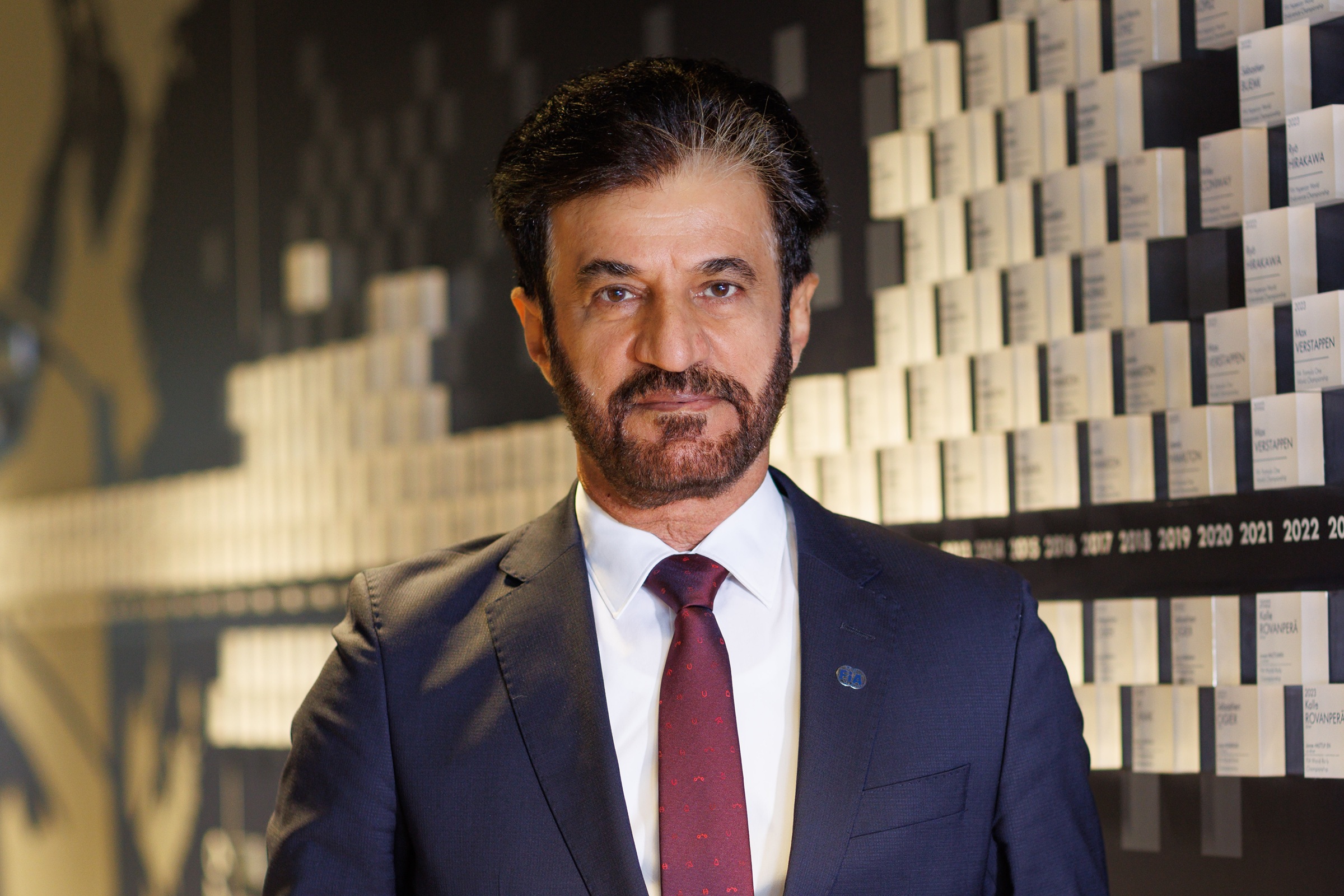
With FIA President, H.E. Mohammed Ben Sulayem in attendance, representatives from 102 Member Clubs will discuss priorities to advance safe and sustainable mobility for road users and motor sport for fans at the three-day congress, hosted by the Auto-Moto Association of Montenegro (AMSCG).
The FIA Region I Spring Meeting will also host commissions and working groups from across the network, with the International Historic Commission and Founding Members’ Club protecting and promoting motoring heritage, the FIA Eurocouncil supporting the future of mobility in Europe, and Clubs continuing to implement the Safe Mobility 4 All and 4 Life programme across the Region.
National Sporting Authorities will also be meeting in Montenegro to continue developing and improving motor sport for fans as well as advocating for enhanced driver safety on the track.
To celebrate the Member Clubs showcasing their commitment to improving mobility services in their countries and across Region I, the three FIA Innovation Challenge 2026 Regional Champions will also be announced during the week.
FIA President, H.E. Mohammed Ben Sulayem said: “I am delighted to be joining our Members and partners in Budva for this important regional gathering, and I look forward to engaging with colleagues from across Europe, Africa, and the Middle East on the key challenges and opportunities shaping mobility and motorsport today.
“Montenegro provides a fitting backdrop for these discussions, as we consider how to strengthen transport systems, improve road safety, and support sustainable solutions that deliver safer, more sustainable, and more affordable mobility for all road users.
“This meeting is an important opportunity to deepen collaboration, share expertise across mobility and motorsport, and advance our shared priorities.”
In Montenegro, mobility is undergoing steady development, with continued investment in road infrastructure, including the opening of the Bar–Boljare motorway in 2022, helping to strengthen connectivity and support economic growth.
Recent road safety reforms and the Sustainable Transport Action Plan are driving progress towards safer, more sustainable mobility.
In motorsport, the country’s vibrant grassroots scene is led by rally and hill climb events, with competitions such as the Montenegro Trophy attracting growing regional participation and highlighting the potential for further development.
The FIA Member Club structure forms the backbone of the federation’s governance and operations, with each full Member Club holding voting rights across the FIA’s elections and regulatory decisions. Clubs are grouped into two primary categories, with some serving in both roles:
- National Sporting Authorities (ASNs) – govern and develop motorsport at a national level, are responsible for sporting events, issuing licenses, and engagement across regulations
- Mobility Clubs – provide mobility services and represent the interest of road users, with a focus on road safety, travel and tourism, consumer rights, and sustainable mobility
Within the FIA there are four Mobility Regions and six sport zones. The global FIA Membership is comprised of 245 clubs across 149 countries, connecting over 80 million members.
20, Apr 2026
Asit Tripathy Takes Charge as President of Odisha Steel Producers’ Association
Bhubaneswar, Apr 20 (BNP): Senior administrator Asit Tripathy has been elected as the President of the Odisha Steel Producers’ Association (OSPA), marking a key leadership transition in the state’s steel industry body.
The announcement was made by the association, which represents leading steel producers and stakeholders in Odisha’s growing industrial sector.
Tripathy’s appointment is expected to enhance coordination between industry stakeholders and policymakers, particularly as Odisha continues to strengthen its position as a major hub for steel production in India.
Industry representatives said his administrative experience will help streamline engagement on policy matters, investment facilitation, and sectoral growth initiatives.
The Odisha Steel Producers’ Association plays an important role in addressing industry concerns, supporting industrial expansion, and fostering dialogue between the government and steel manufacturers.
The leadership change comes at a time when the state’s mineral-based industries are witnessing steady expansion, with increasing focus on infrastructure, capacity building, and long-term industrial growth.
20, Apr 2026
Seaweed compound shows major methane cuts in beef cattle
Adelaide University researchers have demonstrated that a naturally derived seaweed compound can dramatically reduce methane emissions from beef cattle raised in extensive grazing systems, without harming calves.
The study, published in Frontiers in Animal Science, investigated the use of bromoform extract oil, derived from the red seaweed Asparagopsis, in pregnant and lactating Angus cows.
Methane is responsible for around 30% of the rise in global temperatures since the industrial revolution, according to the International Energy Agency (IEA), and finding practical solutions for grazing systems – where animals roam freely and feed intake is less controlled – remains a significant challenge.
Lead researcher Dr Mariana Caetano, from the School of Animal and Veterinary Sciences, said the results show strong potential for reducing emissions in real-world farming conditions.
“Across the eight-week trial involving 80 Angus cows, methane emissions were reduced by between 49% and 77 % in cows receiving the supplement,” Dr Caetano said. “This is a substantial reduction, particularly in an extensive system where delivering consistent supplementation can be difficult.”
The research found no negative effects on calf growth or development. Calves born to supplemented cows showed normal weight gain from birth through to 150 days of age, indicating no carry-over impacts from maternal supplementation.
“This is critical,” Dr Caetano said. “In breeding systems, it’s not just about the cow – you need to be confident there are no unintended consequences for their offspring.”
The cows also maintained stable body weight throughout the trial, despite consuming slightly less feed with the bromoform supplement, with potential cost savings for producers.
“In a commercial setting, reduced feed intake without a drop in productivity could translate into meaningful savings,” Dr Caetano said. “That’s an important incentive for adopting bromoform, alongside the environmental benefits.”
While the results are promising, the study also identified some changes in blood chemistry in supplemented cows, leading to a spike in alkaline pH levels in some animals.
“These changes were generally within acceptable ranges, but they highlight the need for further research into long-term health impacts and optimal dosing,” Dr Caetano said.
Some minor changes were also observed in calf blood markers, though these remained within normal physiological ranges.
Previous studies involving bromoform have largely focused on feedlot or intensive systems, where diet can be tightly controlled. This research is among the first to demonstrate strong methane reductions in breeding cows managed under grazing conditions.
“Our findings show that bromoform-based supplements can be effective beyond feedlots, including in pasture-based systems that dominate Australian beef production,” Dr Caetano said.
The research team says further work is needed to refine delivery methods, optimise dosage, and better understand long-term impacts on animal health and productivity.
“There is real potential here, but adoption will depend on ensuring the approach is safe, practical and cost-effective for producers,” Dr Caetano said.
“If we can get that balance right, this could be a powerful tool to help the livestock industry reduce its environmental footprint.”
‘Efficacy of bromoform extract oil supplementation to mitigate methane emissions in Angus cows in an extensive system and the health impact on the cow-calf pair’ is published in Frontiers in Animal Science. DOI: 10.3389/fanim.2026.1789660
20, Apr 2026
Sovereign Gold Bonds Deliver Over 200 pc Gains as RBI Allows Early Exit
Apr 20 (BNP): The Reserve Bank of India (Reserve Bank of India) has opened a premature redemption window for Sovereign Gold Bond (SGB) 2020–21 Series VII, allowing investors to exit ahead of maturity and book significant gains.
The redemption price has been fixed at ₹15,254 per unit, calculated on the basis of the average closing price of 999-purity gold over the previous three trading sessions.
Investors who purchased at the issue price of ₹5,051 per unit are now earning returns of over 200%, excluding interest income. Those who availed the online subscription discount have recorded even higher effective gains of around 205%.
In addition to capital appreciation, SGB holders also receive 2.5% annual interest, paid semi-annually during the holding period.
The tranche, issued on October 20, 2020, has become eligible for early redemption after completing five years, as per RBI guidelines. While the scheme has an eight-year maturity period, investors are not required to hold until final redemption.
Redemption requests must be submitted through the issuing bank, post office, or SHCIL, with proceeds credited directly to registered bank accounts on the redemption date.
Tax treatment varies based on holding period and mode of purchase, with premature exits subject to applicable capital gains tax rules.
The update highlights strong investor participation and significant wealth creation through sovereign-backed gold investment instruments.
20, Apr 2026
Odisha Intensifies Survey and Digitisation of Ancient Manuscripts Under ‘Gyan Bharatam Mission’
Bhubaneswar, Apr 20 (BNP): Odisha has stepped up efforts to document and preserve its rich manuscript heritage through an extensive survey and digitisation initiative under the Government of India’s Gyan Bharatam Mission.
A review meeting held at Lok Seva Bhavan was chaired by Chief Secretary Anu Garg, where progress on the ongoing survey of palm-leaf manuscripts and ancient texts was assessed.
Preserving a Rich Literary Legacy
Odisha is home to a vast collection of traditional manuscripts written on palm leaves and paper, preserved over centuries in Sanskrit, Odia, Pali, and other regional languages. These manuscripts are considered a vital source of the state’s cultural, historical, and intellectual heritage.
Officials informed that nearly 53,950 manuscripts have already been registered across the state, with survey and digitisation work actively underway by the Department of Odia Language, Literature and Culture.
Digital Preservation Push
The initiative aims to create a comprehensive National Digital Repository, ensuring that rare and fragile manuscripts are preserved in digital form and made accessible for researchers, students, and institutions.
ପ୍ରାଚୀନ ତାଳପତ୍ର ପୋଥି ଏବଂ ପାଣ୍ଡୁଲିପି ଗୁଡ଼ିକର ସର୍ବେକ୍ଷଣ, ସଂରକ୍ଷଣ ଓ ଡିଜିଟାଇଜେସନ ସଂପର୍କରେ ଏକ ବୈଠକ ଆଜି ଲୋକସେବା ଭବନଠାରେ ମୁଖ୍ୟ ଶାସନ ସଚିବ ଶ୍ରୀମତୀ ଅନୁ ଗର୍ଗଙ୍କ ଅଧ୍ୟକ୍ଷତାରେ ଅନୁଷ୍ଠିତ ହୋଇଯାଇଛି।
ଏହିସବୁ ମୂଲ୍ୟବାନ ସମ୍ପଦର ସଂରକ୍ଷଣ ଓ ସୁରକ୍ଷା ପାଇଁ ସହଯୋଗ କରିବା ଓ ସ୍ୱେଚ୍ଛାକୃତ ଭାବେ ନିଜ ପାଖରେ ଥିବା… pic.twitter.com/nR7dzPp7Q4
— I & PR Department, Odisha (@IPR_Odisha) April 18, 2026
Authorities have encouraged public participation, urging individuals, monasteries, temples, and libraries to voluntarily register manuscripts in their possession. Registration can be done through the dedicated Gyan Bharatam mobile application, while departmental teams will also conduct field visits to assist in documentation.
Focus on High-Priority Districts
The current phase of the survey, which began on March 16, 2026, will continue for three months. Special focus is being given to districts such as Ganjam, Cuttack, Bhadrak, Nayagarh, and Puri, which have reported significant manuscript collections.
Officials said manuscripts will be systematically mapped and verified district-wise to ensure accurate documentation and smooth coordination with local administrations.
Safeguarding Knowledge for Future Generations
The state government emphasized that the project is not only about preservation but also about ensuring long-term digital access to India’s traditional knowledge systems.
The initiative is expected to strengthen research, promote cultural awareness, and safeguard Odisha’s manuscript heritage for future generations by bringing centuries-old knowledge into the digital era.


