


17, Apr 2026
Wipro Stock Drops After Profit Decline and Soft Future Guidance
New Delhi, Apr 17 (BNP): Shares of IT major Wipro slipped in early trade on Friday, falling nearly 4% after the company reported a marginal decline in quarterly earnings and issued a subdued outlook.
The stock was under pressure following the company’s March quarter results for FY26, where net profit stood at ₹3,501.8 crore, marking a 1.89% drop compared to the same period last year. Investors also reacted negatively to the firm’s muted guidance for the coming quarters.
In morning trade, the stock declined 3.61% to ₹202.60 on the BSE, while on the NSE it fell 3.69% to ₹202.
Market participants said the reaction reflected concerns over near-term demand visibility in the IT sector, with investors remaining cautious amid global macroeconomic uncertainty and selective client spending.
Despite the fall, analysts note that broader sector trends will continue to depend on deal pipeline strength and discretionary IT spending recovery in key markets.

- 0
- By Neel Achary

17, Apr 2026
Over 3,000 Enumerators Deployed as Door-to-Door Census Begins in Odisha Capital
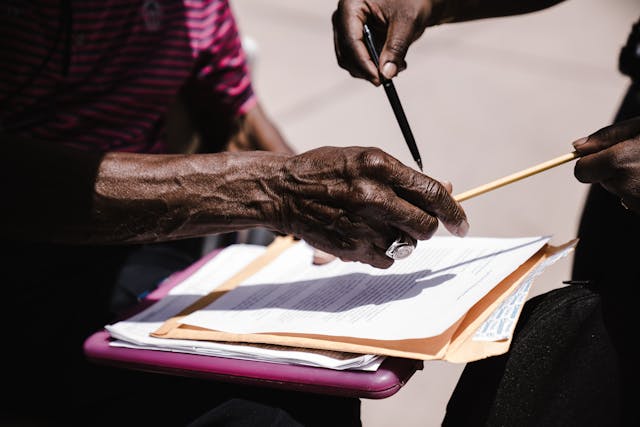
Bhubaneswar, Apr 17 (BNP): A door-to-door, digital-first census exercise has begun in Bhubaneswar and across Odisha, marking the next phase of preparations for Census 2027 after the completion of the self-enumeration process earlier this month.
The self-enumeration phase, conducted from April 1 to 15, saw participation from over two lakh residents who filled out detailed forms covering 33 questions. Authorities have now deployed more than 3,000 enumerators to carry out door-to-door verification and collect additional information from households that were not covered earlier.
Mayor Sulochana Das said the exercise is aimed at building a comprehensive and accurate database that reflects the city’s social and economic realities. The information gathered will play a crucial role in shaping future development plans and welfare initiatives.
She urged residents to cooperate fully with enumerators and ensure that the details they provide are accurate. According to her, the success of the census depends heavily on public participation, as the data collected will directly influence government policies and planning.
Officials noted that while the digital self-enumeration option received a strong response, a significant number of households are yet to be covered, making the door-to-door campaign essential.
Census 2027 will be India’s 16th national census and the eighth since Independence. It is also the first to introduce a digital self-enumeration feature, reflecting a broader shift towards technology-driven governance.
17, Apr 2026
ETRI Develops Ultra-Lightweight Elastic Suit Weighing Under 1kg
Electronics and Telecommunications Research Institute (ETRI) announced that it has developed an ultra-lightweight wearable assistive device based on a tensegrity structure to help the physical activities of the elderly, rehabilitation patients, and workers, and confirmed the effect of improving physical functions through clinical trials.
The elastic suit developed by the researchers this time was designed to solve the weight, price, and wearing burden problems of existing wearable robots. It is notable that the device is designed to deliver a sub-1kg lightweight wearing experience, affordability, and sufficient physical assistive functions.
The tensegrity structure applied to the elastic suit by the researchers helps the suit maintain a stable shape through a balance of tension and structural integrity, which is similar to how umbrellas or tents secure a stable structure through light strings and frames.
ETRI applied this principle to human assistive devices to naturally and smoothly support the spine and lower limbs, successfully reducing the user’s physical burden in basic daily movements such as sitting and standing, walking, and lifting objects.
In particular, this technology promotes efficient movement by naturally assisting balance at necessary moments without hindering the user’s movement, and assists the muscle strength and endurance of users with reduced physical functions.
Dr. Shin Hochul of the ETRI Human Enhancement & Assistive Technology Research Section, who is developing this technology, explained,
“This technology was inspired by the musculoskeletal structure of the human body, and it is a platform that can be expanded from passive products under 1kg to active systems equipped with motors and AI.”
ETRI conducted clinical trials on 20 elderly people aged 65 and older or people with physical disabilities in collaboration with the Department of Rehabilitation Medicine at Chungbuk National University Hospital to verify the effectiveness of the elastic suit. The joint research team analyzed major physical functions such as walking speed and balance, lower limb muscle strength, and cardiorespiratory endurance before and after wearing.
The result showed that walking speed increased by approximately 14%, the time taken to carry objects was reduced by about 22%, and stair climbing and descending time by about 18%. The ability to perform sit-to-stand, which indicates lower limb muscle strength, improved by about 40%, and walking distance, an indicator of cardiorespiratory endurance, also increased by about 9%, confirming the overall physical function improvement effect. In addition, high satisfaction was shown in subjective survey results such as wearing effect, perceived weight, and structural safety.
Professor Kong Hyunho of the Department of Rehabilitation Medicine at Chungbuk National University Hospital, who was in charge of the clinical trial, said,
“The elastic structure naturally supports movement and balance, so a significant improvement effect seems to have appeared especially for the elderly with reduced physical functions. Going forward, we plan to further optimize the auxiliary effect through customized designs tailored to the degree of disability and body type. The results of this study will be an important basis leading to the possibility of various clinical applications such as walking assistance for the elderly and rehabilitation training.”
Based on this elastic suit technology, ETRI is currently preparing for actual use tests of the elastic suit at various sites such as elderly rehabilitation centers, day care centers, and industrial sites. Furthermore, it plans to promote commercialization in the future to contribute to solving medical, care, and labor environment problems faced by an ultra-aging society.
17, Apr 2026
Festive Rush Builds as Digital Gold Gains Popularity Ahead of Akshaya Tritiya
Mumbai, Apr 17 (BNP): With Akshaya Tritiya around the corner, gold buying activity is picking up across the country, and this year, much of the action is happening online.
Fintech platforms, financial service providers, and jewellery brands are rolling out festive offers and campaigns to tap into the seasonal demand. The growing buzz reflects not just the cultural significance of the festival, but also a clear shift in how consumers prefer to buy gold.

Data from the World Gold Council shows that India’s digital gold market expanded sharply in 2025, growing 69% year-on-year to 13.5 tonnes. The numbers underline how quickly digital gold is becoming a mainstream choice, especially among younger buyers looking for convenience and flexibility.
Sensing this trend, companies are sweetening the deal with incentives. Amazon Pay, for instance, is offering cashback on digital gold purchases—2% for Prime members and 1% for others—making small-ticket investments more attractive.
At the same time, platforms like PhonePe are promoting 24K digital gold options, allowing users to buy, sell, and store gold with just a few taps on their phones.
While buying gold on Akshaya Tritiya remains a long-standing tradition symbolising prosperity and good fortune, the way people participate in it is clearly evolving. Digital gold is steadily bridging the gap between tradition and technology, giving consumers a modern, hassle-free way to mark the occasion.
17, Apr 2026
CM N Chandrababu Naidu inaugurated India’s first Open Access Quantum Reference Facilities in Amaravati on World Quantum Day
Apr 17: On the occasion of World Quantum Day, Hon’ble Chief Minister of Andhra Pradesh, N. Chandrababu Naidu, inaugurated India’s first Open Access Quantum Test and Reference Facilities in Amaravati under the ambitious Quantum Valley initiative. The milestone marks a significant step in India’s transition from technology adoption to technology leadership in the field of quantum innovation.
Commenting on the development, Ashok Chandak, President of India Electronics and Semiconductor Association (IESA), said:
“World Quantum Day 2026 marks a pivotal step in India’s journey from technology adoption to technology leadership. The launch of India’s first Quantum Test and Reference Facilities in Amaravati under the Quantum Valley initiative is a strong signal that India is now building foundational capabilities in next-generation computing.
This milestone, led by Hon’ble CM of Andhra Pradesh, Sri N. Chandrababu Naidu, reinforces that technology sovereignty begins with building core infrastructure—compute, materials, and systems—within the country.
The quantum revolution will be fundamentally enabled by semiconductors. From cryogenic control electronics and advanced chip design to packaging and precision manufacturing, the semiconductor ecosystem is the backbone of scalable quantum systems. With India’s growing strengths in design, emerging fabrication initiatives, and the momentum under the National Quantum Mission, we are uniquely positioned to co-develop the quantum hardware stack domestically.”
He further added:
“At IESA, our focus is clear—to ensure that India’s ESDM ecosystem scales in lockstep with quantum ambitions by designing, fabricating, packaging, and testing quantum-class hardware in India. India has already set its sights on scaling globally competitive deep-tech capabilities, and this initiative is a strong step in that direction.”
17, Apr 2026
Asian Shares Ease as Investors Turn Cautious Despite US Market Rally
April 17 (BNP): Asian equity markets opened on a softer note Friday, even as US stocks recently touched record highs, with investors choosing caution amid ongoing geopolitical uncertainty.
Attention remains focused on whether diplomatic engagement between the United States and Iran will progress, as well as the fate of a temporary ceasefire in the Middle East that is due to expire soon. The lack of clarity on these fronts has kept risk appetite in check across regional markets.
Japan’s Nikkei 225 declined around 1%, pulling back after hitting a historic high in the previous session. South Korea’s Kospi also traded lower, shedding about 0.6%.
In Hong Kong, the Hang Seng index dropped roughly 1%, reflecting broader weakness in the region, while China’s Shanghai Composite index was largely flat, slipping marginally.
In commodity markets, oil prices moved lower, indicating concerns about future demand and the uncertain geopolitical backdrop. Meanwhile, US stock futures pointed slightly upward, suggesting investors remain cautiously optimistic about the American market outlook.
Overall, the mixed signals highlight a market environment where strong momentum in US equities is being offset by global risks, prompting investors in Asia to take a more measured approach.
17, Apr 2026
Rupee Strengthens in Early Trade as Market Sentiment Improves
Mumbai, Apr 17 (BNP): The Indian rupee moved higher in early trading on Friday, gaining 28 paise to reach 92.86 against the US dollar, supported by a more positive global outlook and firm domestic equities.
The currency opened the session at 92.93 in the interbank foreign exchange market and extended its gains shortly after, reflecting renewed investor confidence.
Traders pointed to easing geopolitical tensions as a key factor lifting sentiment. Hopes that recent developments in the Middle East could lead to broader stability have encouraged investors to return to emerging markets, including India.
Another supportive factor for the rupee has been fresh buying in Indian equities by foreign institutional investors. These inflows tend to boost demand for the local currency, contributing to its upward movement.
However, gains in the rupee were somewhat limited by the continued strength of the US dollar in global markets. A firm dollar often weighs on emerging market currencies, keeping traders cautious despite positive domestic cues.
Overall, the rupee’s early performance reflects a balance between improving risk appetite and external pressures, with investors closely watching global developments and capital flows for further direction.
17, Apr 2026
Indian Markets Edge Up in Early Session on Improved Sentiment
Mumbai, Apr 17 (BNP): Indian benchmark indices began Friday’s session on a positive note, buoyed by improving global sentiment and renewed foreign investment.

The BSE Sensex rose by 177.52 points to reach 78,166.20 in early trading, while the NSE Nifty gained 37.4 points, climbing to 24,234.15.
Market sentiment was lifted by signs of easing geopolitical tensions. A temporary ceasefire between Israel and Lebanon has sparked hopes of broader stability in the region. Analysts believe this development could also revive the possibility of fresh negotiations between the United States and Iran.
In addition, steady inflows from foreign investors added further support to the upward momentum in equities.
17, Apr 2026
Manipal Hospital Kharadi Hosts Health Mela, Introduces MAHI Health Packages
Pune, Apr 17 : Manipal Hospital, Kharadi successfully organised a Health Mela along with a Free Health Check-up Camp, reinforcing its commitment to preventive healthcare and community wellness. The event also marked the launch of MAHI Health Packages, designed to encourage regular health screening across different age groups.
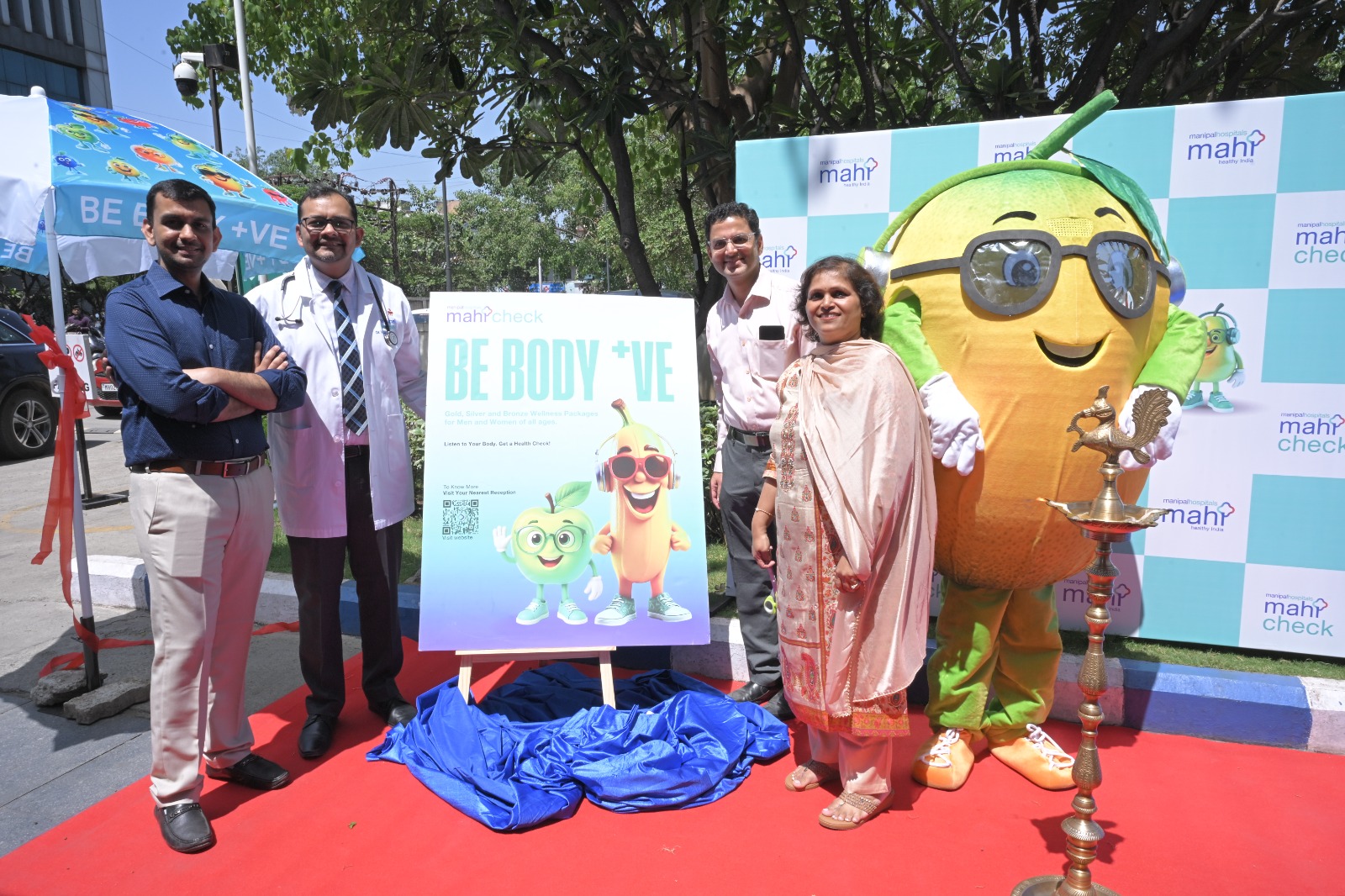
A total of 189 participants benefited from the camp, availing services such as ECG, pulmonary function tests (PFT), bone density screening, diet consultations, internal medicine consultations, physiotherapy consultations, and basic health assessments. The initiative aimed to promote early detection of health conditions and encourage individuals to take a proactive approach towards their overall well-being.
Speaking on the occasion, Dr. Amit Mane, Hospital Director, Manipal Hospital, Kharadi, Pune, said
“To identify risks to health early on and lessen the burden of advanced diseases, preventive healthcare is essential. The goal of programs like the Health Mela and MAHI Health Packages is to increase accessibility to high-quality screening services and motivate people to prioritize their health by getting regular checkups. Age-appropriate preventative screening options can be found by the MAHI Health Packages, which help people in all phases of life in keeping an eye on their health and spotting issues that could otherwise go undetected over time. Manipal Hospital Kharadi’s dedication to meeting the healthcare requirements of residents in Pune and the surrounding regions is reflected in the program, which also emphasizes the significance of quick medical intervention and professional treatment.”
17, Apr 2026
Croma Unveils Akshay Tritiya ‘Golden Offers’ with Up to 50 Percent Off on Electronics
Chandigarh, April 17: This Akshay Tritiya, Croma, India’s trusted omni-channel electronics retailer from the Tata Group, is turning festive shopping into a golden opportunity with discounts of up to 50% across air conditioners, large-screen televisions, soundbars and more. Available on April 19, the limited-period offers combine deep price cuts, cashback, exchange benefits and easy EMIs, making it the perfect time to upgrade your home. Additionally, Tata Neu HDFC Bank Credit Card holders can enjoy up to 10% savings as NeuCoins on select Apple & Google products.
Beat the Heat with Unmissable Cooling Deals:
As summer peaks, Croma is helping customers stay cool with compelling offers on inverter air conditioners, including a minimum of two EMIs free on select models and an exchange benefit of up to ₹8,500.
·Bluestar 1.5T Inverter AC now at 43% off, available for an effective price of ₹34,490
·Croma 1T inverter AC is available at an effective price of ₹26,590
·Samsung 1.5T Inverter AC now at 51% off, available at an attractive price of ₹38,990
·Godrej 1.5T Inverter AC can be availed for just ₹28,383
Big Screens, Bigger Savings on Home Entertainment:
Customers looking to elevate their entertainment experience can enjoy a minimum of 25% off on a wide range of 55-inch and larger TVs from leading brands such as LG, Samsung, Sony and Croma.
·Samsung 55-inch QLED 4K TV is now available at 41% off for ₹50,990
·Sony ‘Pay as Per Screen Size’ EMI Offer – for instance own a 55-inch Sony TV at just ₹5,500 per month for a 30-month tenure
·AI-powered QLED/QNED TVs is available from ₹2,999 per month, bringing next-gen viewing within easy reach
·Enjoy 1 EMI free on 75-inch and above TVs, making big-screen upgrades even more rewarding
Adding to the festive cheer, Croma is offering a flat 10% discount with savings of up to ₹3,200 on productsabove ₹25,000. The offer applies to a select range of air conditioners, refrigerators, washing machines, televisions and Android smartphones from top brands. An exchange bonus of up to ₹15,000 is also available on select categories and brands. Also, for students and teachers, all MacBook are available with a special 10% discount.
“Akshay Tritiya is a time when customers look to invest in purchases that bring long-term value and prosperity. With our Golden Offers, we are bringing together the best deals on essential summer appliances and cutting-edge home entertainment, making it easier for customers to celebrate the festival with meaningful upgrades,” said a spokesperson from Infiniti Retail Ltd.
These festive offers are available pan-India across all Croma stores for a limited period, giving customers across budgets access to premium technology at compelling prices.
Final prices are inclusive of applicable bank cashback, exchange value of old devices, and additional exchange bonuses, where applicable.


