


9, Apr 2026
PM Modi Calls for Women’s Reservation to Empower Nari Shakti
Apr 9: Prime Minister Narendra Modi has called for increased women’s representation in legislative bodies, describing it as a key step to strengthen constitutional values and empower India’s Nari Shakti.
Let us move forward together and strengthen Constitutional values and empower our Nari Shakti for national progress. pic.twitter.com/pagvYa3Zad
— PMO India (@PMOIndia) April 9, 2026
In a recent op-ed, he emphasized that reserving seats for women is not just a legislative formality but a reflection of the aspirations of women across the country. The Prime Minister highlighted that inclusive governance, with active participation from women, is essential for fostering equitable development and driving national progress.
PM Modi noted that political empowerment of women creates a ripple effect, benefiting social welfare, education, and economic growth. He urged citizens, policymakers, and institutions to work together to ensure women have greater opportunities to shape decision-making and governance in India.
The article comes amid ongoing discussions in Parliament about implementing measures for women’s reservation in legislative bodies, underlining the government’s commitment to gender equality and inclusive leadership.
By advocating for women’s representation, the Prime Minister reinforced the vision of a future where India’s growth is powered by the full potential of its women leaders.

- 0
- By Neel Achary

9, Apr 2026
Indium launches The Lifter to ease Tech Debt
India, Chennai, Apr 09: Indium, an AI services company, today announced the launch of The Lifter, an agentic AI platform designed to address the substantial “Reverse Engineering Tax” that currently constrains innovation within enterprises. The Lifter enables organizations to automate the understanding of legacy systems with its’ “Archaeology before Architecture” methodology, that compresses months of manual discovery into mere weeks.
An Invisible Tax
In the world of modern software engineering, two things are certain: debt and taxes. For the average US enterprise, 40% of the IT balance sheet is consumed by technical debt. This “Reverse Engineering Tax” forces developers to spend 58–70% of their time simply trying to understand their own existing code rather than writing new features.
Archaeology Before Architecture – using Agentic AI to read code and documentation
The Lifter is a fundamental shift in how modernization is viewed. It rejects the industry norm of “modernize now, pay taxes later” in favor of automated system archaeology with ‘Engineers in the loop’. The platform uses Agentic AI to build a complete, deep-layer understanding of an enterprise’s entire estate—including applications, data, and testing—before a single line of code is moved or refactored.
“For 20 years, modernizing legacy systems has been a high-risk guessing game that impacts productivity. We built The Lifter to change that with a ‘read before you write’ philosophy—understanding what you have before you try to change it,” said Ram Khizamboor, COO at Indium. “The platform is built with Claude as its primary foundation, yet it is architected to be LLM-agnostic, ensuring it can seamlessly integrate with any large language model an enterprise prefers”.
“In industries such as Insurance, Financial Services, Technology, and Healthcare, companies that have been burdened by technical debt are finally achieving value realization and unlocking the full potential of their systems,” said Ritesh Khanna, CRO at Indium. “Our platform is already seeing remarkable results from our first few global implementations across North America and Europe. The Lifter is helping these organizations transform their technical debt into a foundation for rapid, modern innovation”.
The Three Pillars of Modernization
The Lifter provides a unified intelligence layer across three critical surfaces of the enterprise:
- Legacy Lifter: Automates code archaeology across undocumented codebases, mapping dependencies and extracting embedded business logic. It reduces assessment cycles from months to weeks and improves engineering productivity by up to 5x.
- Data Lifter: Analyzes legacy schemas and hidden data dependencies to ensure semantic integrity during migrations. This allows teams to migrate faster by up to 5x while ensuring the “meaning” of data survives the journey.
- Test Lifter: Replaces “deploy with hope” with evidence through AI-driven test generation and impact-based regression. Teams can cut test cycles by up to 70% while ensuring that changes hold up under real-world production stresses.
Enterprise-Fit: Secure & Auditable
Designed for highly regulated industries such as Financial Services and Healthcare, The Lifter is built with an “Engineer-in-the-Loop” governance model. It can run entirely on-premises with private and open-source LLMs, ensuring that sensitive codebases and data never leave the client’s control. Every AI-generated insight is inspectable and reviewable by human engineers, providing full auditability and traceability.
9, Apr 2026
‘Poshan Pakhwada 2026’ to Boost Early Childhood Brain Development
New Delhi, Apr 9 (BNP): The government has announced that the 2026 edition of Poshan Pakhwada will focus on enhancing brain development in children during the crucial first six years of life.
This initiative aims to raise awareness about nutrition, cognitive stimulation, and overall early childhood development, recognizing that the initial years are critical for lifelong learning, health, and productivity. By emphasizing proper nutrition, responsive caregiving, and early learning, the program seeks to ensure that children reach their full developmental potential.
Officials highlighted that Poshan Pakhwada will involve community outreach, awareness campaigns, and collaboration with health workers, schools, and local organizations to educate parents and caregivers on practices that promote brain growth. Special attention will be given to preventing malnutrition, micronutrient deficiencies, and other factors that can hinder cognitive development.
Experts note that investing in the first six years of life not only strengthens individual outcomes but also contributes to broader societal benefits, including improved education, health, and economic productivity. The initiative is part of India’s ongoing efforts to create a healthier, smarter, and more resilient generation.
9, Apr 2026
India Now 3rd in Renewable Energy, Eyes 500 GW by 2030
New Delhi, Apr 9 (BNP): India has secured its position as the world’s third-largest country in renewable energy capacity, marking a major milestone in its journey toward sustainable power, said R.K. Singh.
The government has set an ambitious target of achieving 500 gigawatts (GW) of renewable energy by 2030, driven by solar, wind, and emerging green technologies. This move reflects India’s commitment to cleaner energy, reducing carbon emissions, and meeting the country’s growing electricity demand sustainably.
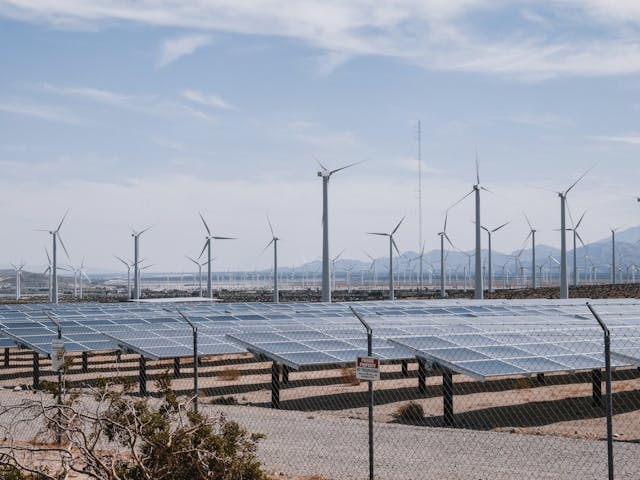
Minister R.K. Singh emphasized that renewable energy is not only an environmental necessity but also a key catalyst for economic growth and employment. The expansion of clean energy infrastructure is creating opportunities for local communities, fostering innovation, and strengthening India’s energy security.
India’s rapid progress in renewables is supported by strong policies, investment incentives, and public-private partnerships. Large-scale solar parks, wind farms, and hybrid energy projects are already under development, helping the country move steadily toward its 2030 goal.
Achieving 500 GW by 2030 would cement India’s leadership in the global green energy transition, providing both environmental benefits and sustainable economic growth for millions of citizens across the nation.
9, Apr 2026
PM Modi Focuses on Green Energy Expansion and Northeastern Development
New Delhi, Apr 9 (BNP): Prime Minister Narendra Modi emphasized the government’s commitment to strengthening India’s clean energy ecosystem while accelerating development in the Northeast India.
Addressing recent initiatives, he highlighted efforts to expand renewable energy infrastructure, promote green technologies, and create sustainable jobs. These measures aim not only to reduce India’s carbon footprint but also to harness the economic potential of the northeastern states.
PM Modi noted that clean energy projects, including solar, wind, and hydroelectric ventures, are being integrated with regional development plans to ensure equitable growth. Improved infrastructure, better connectivity, and investment incentives are helping the Northeast emerge as a hub for green innovation and industrial progress.
He underscored that these steps are part of a broader vision to balance environmental sustainability with economic growth, creating opportunities for local communities while contributing to India’s energy transition.
The government’s approach seeks to make the Northeast a model for inclusive, clean-energy-driven development, combining ecological responsibility with long-term prosperity.
9, Apr 2026
Industrial Growth Supported as Government Raises LPG Supply
New Delhi, Apr 9 (BNP): The government has announced an increase in the supply of liquefied petroleum gas (LPG) to industrial units operating in critical sectors, aiming to support production and maintain smooth operations.
This move is expected to benefit industries such as chemicals, ceramics, and manufacturing, where LPG serves as a primary fuel for heating, processing, and other industrial applications. By ensuring a steady supply, authorities aim to prevent disruptions that could affect output and supply chains.
Officials highlighted that the decision comes in response to growing demand from industrial consumers and is part of broader efforts to strengthen energy security. The measure is also intended to support businesses in managing costs and sustaining growth during periods of heightened energy requirements.
Industry representatives have welcomed the announcement, noting that consistent LPG availability will help maintain production schedules, reduce operational bottlenecks, and support overall economic activity in these sectors.
This step underscores the government’s commitment to balancing energy supply with industrial needs, ensuring that key sectors continue to operate efficiently while meeting domestic and export demand.
9, Apr 2026
SLR launches enhanced Digital Services following acquisition of leading climate-modelling and analytics platforms
London – UK, 09 April 2026
SLR today announced the launch of its enhanced Digital Services following the acquisition of Planetrics and ClimSystems – two of the market’s most advanced climate‑modelling and analytics platforms. The move significantly strengthens SLR’s digital climate-intelligence capabilities and responds to growing demand from investors, businesses and public sector organisations to understand and address climate risk and associated value at risk with greater accuracy.
As momentum behind long‑term climate commitments fluctuates globally, climate‑related risks continue to intensify. Decision‑makers across sectors are increasingly focused on understanding how physical impacts – such as flooding, shifting rainfall patterns, heat, and wildfire – create both risks and opportunities for how business and governments operate. With physical impacts accelerating alongside heightened regulatory expectations, the financial implications are increasingly material across almost every sector. Organisations face growing pressure to base decisions on robust, science-driven climate intelligence. Traditional risk models – built on historical data – are increasingly unable to capture fast-moving transition dynamics and asset level climate shocks, leaving many businesses exposed. As a result, companies across energy, infrastructure, manufacturing, real estate, financial, consumer markets and the public sector are turning to science-based climate modelling for clearer foresight. These analytics – grounded in decades of validated research and high-resolution climate projections – equip organisations to make more confident investment and planning decisions, strengthen risk management, and build long term resilience into their operations and portfolios.
Strengthening SLR’s digital, technical and advisory capabilities
The acquisition of Planetrics and ClimSystems enhances SLR’s strategic advisory, climate and technical expertise, significantly advancing its digital climate analytics and modelling capabilities to create a powerful foundation for the next generation of climate intelligence. These acquisitions build on SLR’s long-standing investment in advanced digital tools and data driven‑intelligence that help organisations to understand, quantify and respond to climate-related risks and opportunities.
Planetrics, acquired from McKinsey & Company, delivers advanced climate scenario modelling through its PlanetView platform, widely trusted by leading banks, insurers, asset owners, managers and corporates. PlanetView converts complex physical and transition risks and opportunities into clear financial metrics – including changes in earnings, asset value shifts and portfolio-level impacts. It also enables organisations to assess how different transition pathways – such as an accelerated energy transition or policy developments could influence operational and financial performance, and impact long-term value. Planetrics data and analytics are used for risk management, stewardship and engagement activities, investment research, opportunity identification, regulatory climate stress testing exercises, such as those conducted by the Bank of England and the European Central Bank, and are commonly featured in climate disclosures, such as TCFD, ISSB, CSRD and CA SB 253 (forthcoming). Planetrics and SLR will continue to collaborate with McKinsey through an ongoing alliance, bringing a world class suite of capabilities to help organisations address critical sustainability challenges while ensuring continuity for clients. SLR is excited to deepen this relationship and to work alongside McKinsey’s board level networks and transformational business leadership.
Building on the strategic partnership established in 2022, and now formalised as a full acquisition, ClimSystems brings 20 years of market-leading physical climate intelligence to SLR, delivering detailed, science-driven modelling that quantifies how climate-related hazards could impact asset values, infrastructure resilience and supply chain exposure. ClimSystems supports a global client base, including market leaders in agriculture, mining, infrastructure and financial services. Its product suite include interactive, tailored dashboards that integrate with business, risk and financial oversight functions – enabling business owners to engage and interact access high-resolution physical hazard risk assessments at an individual asset or portfolio level, crop-specific yield modelling to identify risks, and opportunities of changing climate, residential and commercial real-estate climate risk assessments, and rapid-response due-diligence physical climate risk support.
Together, these technologies set a new standard for accuracy, transparency and usability. By translating complex climate signals into clear, actionable intelligence, SLR enables organisations to make future-proof decisions to price risk more accurately, anticipate regulatory shifts, protect asset value and uncover new opportunities.
Bradley Andrews, Chief Executive Officer at SLR, noted, “Our clients are navigating a new level of complexity – balancing transition opportunities, physical climate impacts, and the transformation required for long-term risk, resilience and reward. In this environment, confidence is only possible with robust scientific evidence. For more than 30 years, SLR has been Making Sustainability Happen by combining deep technical expertise, strategic advisory and cutting‑edge digital intelligence to give clients not only clarity and assurance, but science‑based foresight and insight they can act on.
Today marks a major milestone in SLR’s digital journey. With the integration of Planetrics and ClimSystems, we have two of the most advanced climate platforms enabling organisations to quantify climate risks, explore multiple futures, and understand how physical and transition impacts translate into operational outcomes and financial value-at-risk across assets and portfolios.”
Clients can now make investment, planning and risk decisions with far greater accuracy and confidence – with clear financial insight into climate risks and precise visibility into which assets, crops, facilities or supply‑chain links are exposed, and how that exposure will evolve. To understand what these enhanced capabilities mean for your organisation’s risk, value and long‑term performance, connect with SLR’s Digital Services team: www.slrconsulting.com/digital
9, Apr 2026
Middle East War: 3,640 Dead, 90,000 Homes Destroyed in 40 Days of Intense Conflict
April 9(BNP): The ongoing conflict in the Middle East has resulted in a devastating humanitarian crisis, with at least 3,640 people reported dead and over 90,000 homes destroyed within just 40 days of intense fighting.

According to preliminary reports from humanitarian agencies and local authorities, thousands of civilians are among the casualties, with many more injured or displaced. The large-scale destruction of residential areas has left countless families homeless, forcing them to seek shelter in overcrowded camps and temporary facilities.
Critical infrastructure, including hospitals, schools, and water supply systems, has also suffered extensive damage, severely impacting access to essential services. Aid organizations have raised concerns over the rapidly deteriorating situation, warning of shortages in food, clean water, and medical supplies.
International leaders and global organizations have called for an immediate ceasefire and urged all parties involved to prioritize civilian safety and allow unhindered humanitarian access to affected regions.
The situation remains highly volatile, with continued airstrikes and ground operations exacerbating the crisis. Relief agencies are working around the clock, but access constraints and security risks continue to hamper rescue and rehabilitation efforts.
9, Apr 2026
Ruffle Dunali Fever: Fans Say Revati Mahurkar Brings Back Madhuri Dixit’s ‘Ek Do Teen’ Magic with Electrifying Moves

The internet is buzzing with excitement as Ruffle Dunali continues to trend, with Revati Mahurkar emerging as the standout performer. Her high-energy act, marked by expressive movements and captivating screen presence, has struck a strong chord with audiences across social media.
Fans have been quick to draw comparisons between Revati’s performance and Madhuri Dixit’s iconic charm from the classic song Ek Do Teen. From her expressive eyes to her fluid dance moves, Revati’s performance has been widely appreciated for evoking a sense of nostalgia while delivering a fresh, contemporary twist.
Social media platforms are flooded with praise for the rising performer. Fans have lauded her lip-sync precision, energetic choreography, and effortless grace, with many calling her performance “electrifying” and “on fire.” Several users also highlighted how her expressions and stage presence elevate the overall appeal of the track.
Adding to the excitement is her on-screen pairing with Prince Narula. The duo’s chemistry has been described as dynamic and engaging, with Prince’s signature style complementing Revati’s vibrant dance moves, making the song highly replay-worthy.
Audience reactions further indicate a growing demand to see Revati in more Bollywood dance numbers, with fans praising her ability to make even complex choreography appear seamless and natural.
With overwhelming appreciation pouring in, Ruffle Dunali has emerged as more than just a song—it has become a cultural moment that places Revati Mahurkar firmly in the spotlight, while reigniting the timeless appeal of expressive, high-energy dance in Indian pop culture.
9, Apr 2026
World Bank Raises India’s FY27 Growth Outlook, Warns of Inflation Pressures
Washington, Apr 9 (BNP): The World Bank has revised India’s economic outlook, projecting GDP growth of 7.6% for FY26 while raising its forecast for FY27 to 6.6%. The updated estimate marks an improvement from its earlier projection of 6.3% made in October.
Despite the upward revision, the global lender expects growth to moderate in FY27 compared to FY26. This anticipated slowdown is attributed in part to external uncertainties, including the ongoing tensions in West Asia, which could weigh on global economic conditions.

Pic Credit: Pexel
The report also highlights potential inflationary pressures. Strong domestic demand, along with stabilizing food prices and rising energy costs, may push inflation higher in the coming months.
India’s growth continues to be supported by resilient consumption and steady economic activity. However, the World Bank cautions that managing inflation and navigating global risks will be crucial to sustaining momentum.
Overall, while India remains one of the fastest-growing major economies, the outlook suggests a balance between strong fundamentals and emerging challenges in the year ahead.


