


2, Apr 2026
UPI Hits INR 29.53 Lakh Crore in March, Cementing India’s Digital Payments Leadership
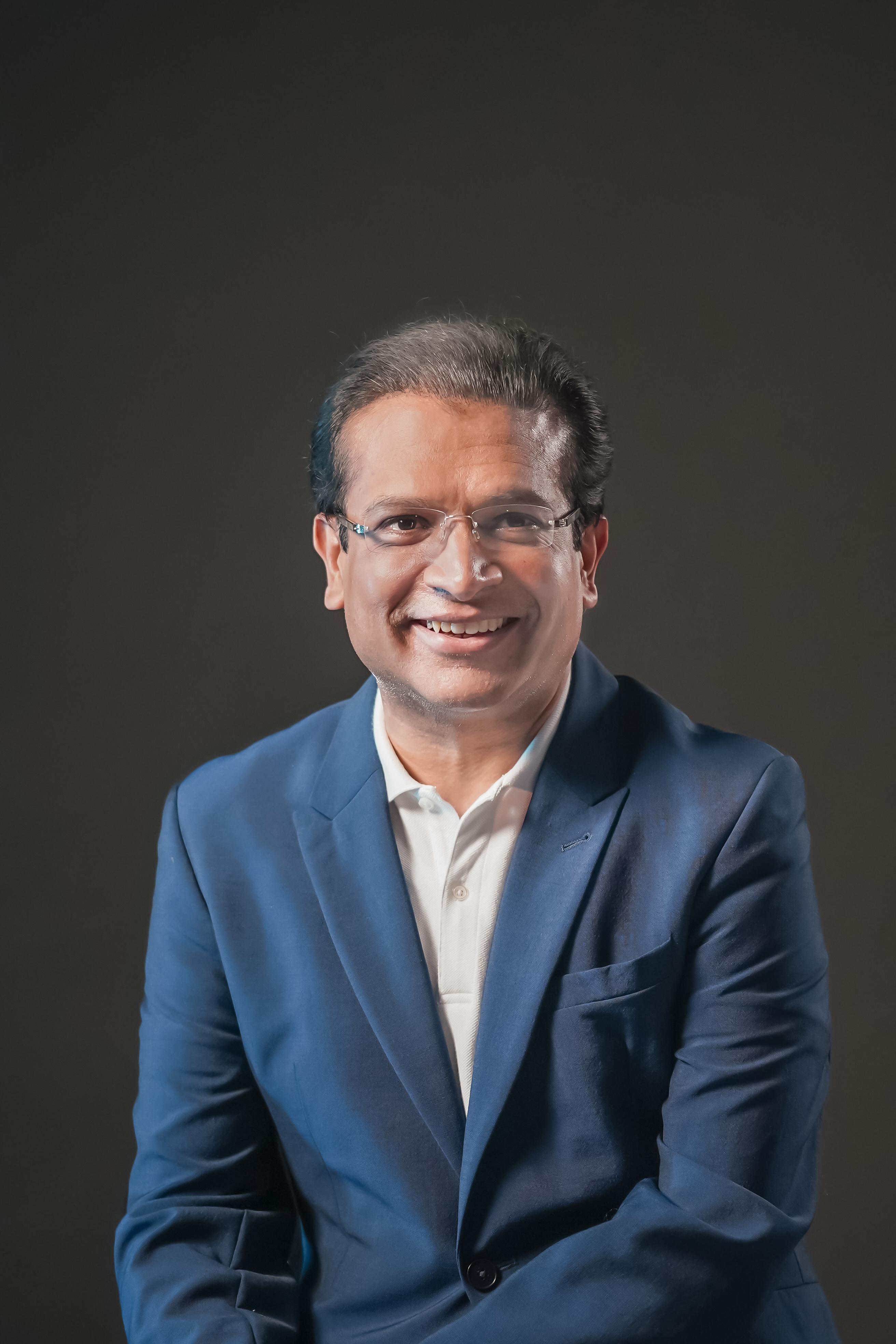
By:- Dilip Modi, Founder & CEO of Spice Money
“The continued surge in UPI transactions to a record ₹29.53 lakh crore in March underscores how deeply digital payments are now embedded in India’s economic fabric. Fuelled by festive demand and year-end financial activity, this growth is not just a seasonal spike but a reflection of sustained behavioural change across both urban and rural India. A 19% rise in value and 24% growth in volume year-on-year signal increasing trust, frequency, and diversity of use cases on the platform.
What is particularly noteworthy is UPI’s dominance, now accounting for 85% of all digital transactions in the country and nearly half of global real-time payments. This positions India as a global benchmark for scalable, inclusive fintech innovation.
At Spice Money, we see this momentum strongly mirrored in Bharat, where assisted digital models continue to bridge access and awareness gaps. UPI has evolved beyond peer-to-peer payments to become a foundational layer enabling micro-transactions, merchant payments, assisted payments, and UPI cash withdrawals, strengthening trust and driving deeper financial inclusion across underserved regions.
As we move ahead, the focus must shift from access to meaningful usage, leveraging AI and data to create more contextual, secure, and inclusive financial experiences for the next wave of users.“

- 0
- By Neel Achary

2, Apr 2026
Quanscient and Haiqu Announce Breakthrough Algorithm for Scalable Computational Fluid Simulations on Quantum Computers
This advancement in quantum algorithms could help accelerate some of the most computationally intensive simulations used in engineering today.
Helsinki, Finland – April 2, 2026 – Researchers from Quanscient, a leader in cloud-based multiphysics simulation technology and quantum algorithms, and Haiqu, a leading developer of quantum middleware, today announced a new algorithm that can significantly advance the use of quantum computing in real-world engineering applications. The teams conducted a 15-step nonlinear fluid benchmark with an obstacle, making this the most physically complex, publicly documented variant of a Quantum Lattice Boltzmann Method (QLBM) hardware demonstration to date.
Developed and tested on IBMs largest-available quantum computer, the IBM Heron R3, the algorithm reduces the number of qubits required to run complex simulations in computational fluid dynamics (CFD) on quantum computers, demonstrating a viable path toward future industrial-scale solutions.
CFD is widely used to model how air, water, and other fluids behave around objects, such as airflow over an aircraft wing. It plays a critical role in product development and testing across industries, including aerospace, automotive, and energy. However, these simulations are extremely demanding for even today’s most powerful supercomputers, often taking days or even weeks to complete, if possible at all.
The new algorithm addresses one of the key challenges in applying quantum computing to CFD: high resource requirements. By significantly reducing the number of qubits and computational operations needed, this approach makes it more practical to run complex simulations on quantum computers. It demonstrates a more efficient path toward using quantum systems for real-world applications, and ultimately could help companies design better products and optimize complex systems more quickly.
“This is an interesting and timely contribution to quantum CFD,” said Oleksandr Kyriienko, Professor and Chair in Quantum Technologies at the University of Sheffield. “It proposes a more flexible quantum LBM framework while keeping the core algorithm efficient, and it strengthens the case with applications ranging from linear acoustics to IBM-QPU-assisted nonlinear flow simulations. We need more works like this to achieve industrially relevant quantum solutions.”
“This is one of the most realistic CFD simulations ever executed on a quantum computer. It is an important signal that quantum CFD research is moving toward simulating how fluids interact with real-world shapes and obstacles on quantum hardware,” Mykola Maksymenko, CTO of Haiqu. “This is the direction that any industrially meaningful workflow would have to take to reach commercial viability.”
“CFD is one of the most computationally difficult branches of simulation with some of the largest impact on the world’s biggest sectors,” said Valtteri Lahtinen, Chief Scientist of Quanscient. “Quantum computers offer a future path to simulations that are far more complex than what classical computers can handle, which may allow for the design of more efficient vehicles and aircraft, better energy systems and more. Our work with Haiqu is a critical step toward making this a reality.”
Researchers from Quanscient and Haiqu developed and tested a novel One-Step Simplified LBM (OSSLBM) based on a quantum Lattice Boltzmann Method (QLBM) algorithm, which is a powerful generalization of an important classical CFD technique. Their approach allowed them to run a nonlinear fluid‑flow simulation with an obstacle, such as fluid moving around a solid object, over multiple steps on IBM quantum hardware. Haiqu’s algorithmic and runtime layer was critical to making this possible, reducing circuit depth, improving and developing new key algorithmic subroutines, and applying targeted error‑reduction techniques that allowed the quantum system to execute a multi‑step, complex workflow that would otherwise be out of reach for today’s devices.
The researchers believe their work represents a new algorithmic framework that reshapes how fluid simulations are performed on quantum computers, turning a complicated sequence of calculations into a simpler, more efficient process designed for quantum hardware. The hybrid quantum-classical OSSLBM can be executed on current hardware, outlining a practical path for moving beyond simple linear demonstrations toward more realistic, engineering‑relevant quantum fluid simulations as quantum systems continue to mature.
2, Apr 2026
NHAI Exceeds Target, Completes 5,313 km of National Highways in FY26
The National Highways Authority of India (NHAI) has marked a significant achievement in the fiscal year 2025–26 by completing 5,313 kilometers of national highways, surpassing its annual target by 15%. This milestone highlights India’s continued focus on strengthening road infrastructure to enhance connectivity, support economic growth, and facilitate regional development.

Pic Credit: Pexel
Expanding Connectivity Across the Nation
The newly constructed highways span multiple states, connecting major cities, industrial hubs, and remote areas. This expanded network reduces travel time, eases transportation of goods and passengers, and promotes economic activity in previously underserved regions. By linking key economic zones, these roads are expected to improve trade efficiency and support local businesses.
Boosting Infrastructure Efficiency
The success in highway construction reflects improvements in project planning, execution speed, and adoption of modern construction technologies. Streamlined approvals, effective land acquisition strategies, and advanced construction techniques have contributed to faster completion rates.
Driving Economic Growth
The expanded highway network plays a pivotal role in stimulating commerce, tourism, and industrial activity. Enhanced connectivity lowers logistics costs, strengthens supply chains, and provides businesses with faster access to markets, thereby benefiting both producers and consumers.
Looking Ahead
NHAI is committed to further increasing highway construction in the coming years, with a focus on sustainable, resilient, and technologically advanced infrastructure. Future projects aim to incorporate smart mobility solutions, eco-friendly construction practices, and modern highway management systems to meet the growing demands of a rapidly developing nation.
This achievement underscores NHAI’s central role in shaping India’s transportation infrastructure and advancing the government’s vision of nationwide connectivity and economic progress.
2, Apr 2026
Indian Railways Achieves Record Freight, Passenger Growth in FY26

New Delhi, April 2026: Indian Railways has reported robust growth in both passenger traffic and freight operations for the fiscal year 2025–26, underscoring its role as a vital backbone of the nation’s transport and logistics network.
Passenger Traffic and Revenue Surge
During FY26, Indian Railways carried 741 crore passengers, marking a 3.5% increase from 716 crore in FY25. Passenger revenue also grew significantly, reaching approximately ₹80,000 crore, a 6% rise compared to the previous year. The figures highlight the growing reliance on rail travel across urban and rural India, reflecting both convenience and affordability for commuters.
Freight Operations Set New Records
Freight traffic hit a new milestone of 1,670 million tonnes (MT), up 3.25% from FY25, accompanied by a 4.5% increase in wagons handled, from 2.79 crore to 2.91 crore. This growth underscores Indian Railways’ efficiency and its critical role in delivering cost-effective logistics solutions for bulk commodities.
Key Commodities Driving Growth
Significant growth was recorded in sectors like fertilisers (13.5%) and pig iron & finished steel (13.1%), reflecting rising industrial and agricultural demand. Infrastructure-related commodities, including iron ore (6.7%) and cement (4.7%), also saw strong movement, supporting ongoing construction and development projects nationwide.
Balanced Regional Growth
Several railway zones contributed to this growth, with South Western Railway leading at 14.9%, followed by North Central (12.6%), East Coast (10.4%), and West Central (10.1%). Other zones also recorded positive gains, reflecting widespread regional development and improved freight-handling capabilities across the country.
Freight Revenue Highlights
Freight earnings reached approximately ₹1,77,754 crore, up 1.44% from FY25. Iron ore emerged as the top revenue contributor, followed by cement, pig iron & steel, fertilisers, food grains, and mineral oil, demonstrating the critical importance of railways in supporting industrial supply chains and trade.
Driving Connectivity and Economic Growth
Indian Railways’ achievements in FY26 highlight its dual role: ensuring safe, reliable mobility for millions of passengers and serving as an efficient logistics partner for industries. With consistent operational improvements and capacity expansion, Railways continues to be a key driver of economic growth and national connectivity.
2, Apr 2026
Fintech Leads India’s $16B VC Boom with 18% Increase in Investments
India’s venture capital (VC) ecosystem demonstrated strong growth in 2025, with total investments reaching an estimated $16 billion—up nearly 20% compared to 2024, according to the India Venture Capital Report 2026 by Bain & Company in collaboration with the Indian Venture and Alternate Capital Association (IVCA).
Deal activity also witnessed a significant boost, rising approximately 18% year-on-year, with over 1,300 transactions completed across different stages of funding. This reflects sustained investor confidence in India’s startup ecosystem and its diverse sectors.
The fintech sector emerged as a major driver of growth, with investment value rebounding more than 2.2 times compared to the previous year. While payments continued to attract the largest share of VC funding, investors increasingly diversified into other fintech sub-sectors offering predictable monetization models, signaling a shift toward sustainable and scalable business opportunities.
Experts believe this surge in venture capital funding highlights India’s growing prominence as a global startup hub, supported by a robust ecosystem of entrepreneurs, investors, and government initiatives. As more sectors mature and investor strategies evolve, India’s VC landscape is expected to continue its upward trajectory in the coming years.
2, Apr 2026
India’s Auto Industry Accelerates: SUVs and Export Demand Fuel Record Growth

New Delhi, Apr 2: India’s automobile industry is experiencing a remarkable surge, with strong sales momentum driven by booming SUV demand and rising exports. The combination of domestic enthusiasm for larger, versatile vehicles and growing global orders is propelling the sector to new heights.
Consumer preferences are increasingly shifting toward SUVs, which offer comfort, performance, and practicality for modern lifestyles. This trend has led automakers to prioritize production in the SUV segment, resulting in consistent month-on-month sales growth. At the same time, Indian vehicles are gaining recognition in international markets, with exports contributing significantly to the industry’s expansion.
Industry experts note that favorable government policies, increased consumer confidence, and strategic investment in production facilities have amplified this growth. Manufacturers are scaling up capacities, innovating with new models, and meeting the dual demand of domestic buyers and global clients.
The growth in exports not only strengthens India’s position as a global automotive hub but also creates opportunities for job creation, skill development, and technological innovation. Analysts predict that the continued rise in SUV popularity and international demand will sustain momentum throughout 2026, making it a landmark year for the Indian auto sector.
As the industry adapts to evolving consumer trends and explores new markets, it stands poised for long-term growth, signaling a bright road ahead for manufacturers, buyers, and the economy alike.
2, Apr 2026
IMS Noida Signs MoU with Indo Icelandic Business Association to Expand Global Learning Opportunities
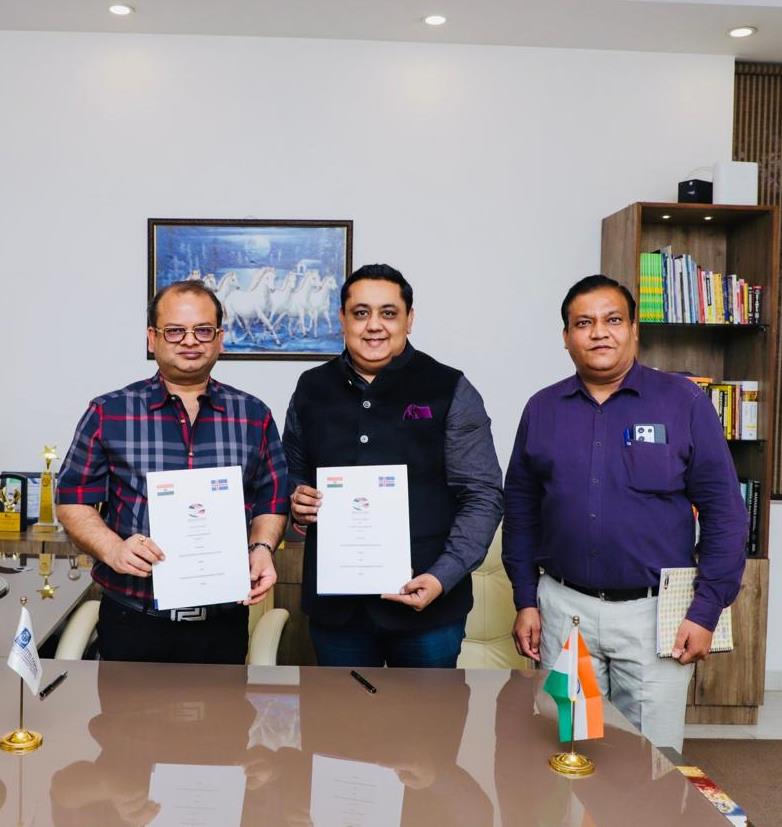
New Delhi, Mar 02: In a step towards strengthening international academic collaboration and industry engagement, IMS Noida has signed a Memorandum of Understanding (MoU) with the Indo Icelandic Business Association (IIBA). The partnership aims to create new opportunities for knowledge exchange, global exposure, and skill development for students.
2, Apr 2026
PM Modi Launches India’s First Fully Digital Census 2027 by Completing Self‑Enumeration
New Delhi, Apr 2: Prime Minister Narendra Modi has completed his self‑enumeration, marking the official launch of India’s first fully digital Census 2027. This year’s census introduces a modern approach that allows households to submit their information online before the traditional house‑to‑house surveys begin.
The first phase focuses on collecting detailed information about households and living conditions. Citizens across selected states and Union Territories can now use the digital portal to provide their data, while field enumerators will follow up with in-person visits to ensure accuracy and completeness.
Highlighting the importance of public participation, the Prime Minister emphasized that the self-enumeration facility empowers citizens to contribute directly to this historic exercise. He urged all households to take part and complete their details digitally, ensuring efficient data collection.
Census 2027 represents a significant shift from paper-based methods to a digitally driven system. Officials note that this approach will improve accuracy, reduce manual workload, and accelerate the processing of data. This initiative is one of the largest administrative exercises in the world, covering millions of households nationwide.
The digital census is expected to enhance the quality and timeliness of demographic data, supporting better policy-making, planning, and governance in India for years to come.
2, Apr 2026
CBSE to Introduce Computational Thinking and AI for Classes 3–8 from 2026–27
New Delhi, Apr 2: In a landmark move to prepare students for a technology-driven future, the Central Board of Secondary Education (CBSE) has announced a new curriculum on Computational Thinking (CT) and Artificial Intelligence (AI) for students in Classes 3 to 8, starting from the 2026–27 academic year.
The initiative aims to equip young learners with critical problem-solving skills, logical reasoning, and a foundational understanding of AI concepts. By introducing these subjects early, the board hopes to nurture creativity, analytical thinking, and digital literacy among students.
The curriculum will include age-appropriate modules that help children understand how computers solve problems, interpret data, and make decisions. Teachers will receive comprehensive training and support materials to ensure these concepts are delivered effectively in classrooms.
Education officials believe that integrating computational thinking and AI into school education will not only make students comfortable with digital tools but also foster curiosity and innovation. This step is part of a broader effort to modernize education in India, emphasizing critical thinking, interdisciplinary learning, and skills for the 21st century.
With this rollout, students across India will gain early exposure to future-ready skills, enabling them to navigate an increasingly digital world with confidence and creativity.
2, Apr 2026
Odia Samaj Tripura Commemorates Utkal Dibas with Cultural Splendor and a Renewed Commitment to Social Impact

Odia Samaj Tripura marked the 90th Utkal Dibas (Odisha Day) alongside the 16th Foundation Anniversary of the Samaj with remarkable enthusiasm and cultural vibrancy at the Muktadhara Auditorium, Agartala. The grand celebration stood as a testament to the enduring cultural ties between Odisha and Tripura, resonating with the patriotic spirit of “Vande Utkal Janani.”
The event was graced by Swami Amartyananda, Secretary of Ramakrishna Mission, Dhaleswar as the Chief Guest. In his keynote address, he underscored the significance of spiritual values, ethical living, and collective responsibility as pillars for building a harmonious and resilient society.
Sanjeev Kumar Janjua, Asset Manager of ONGC Tripura, attended as the Guest of Honour. Acknowledging ONGC’s steadfast support since 2011, the Samaj proposed a forward-looking collaboration to channel CSR initiatives into impactful sectors such as healthcare access, digital education, and sustainable livelihood generation particularly focusing on tea garden communities across Tripura.

The event was also graced by the distinguished Odia personalities serving in Tripura like Sarat Kumar Patra, Director of NIT Agartala, Dr. Hemant Kumar Pratihari, Director of NFSU & FSL and others. Dr. Pratihari announced financial assistance to the meritorious tea garden students as a token of inspiration.
The coveted “Priya Odia–2026” award was conferred to Dr. Sarat Kumar Das for his unwavering dedication and outstanding service, symbolizing humility, inspiration, and a renewed commitment to collective progress.
The audience was enthralled by an exceptional cultural performance by a renowned troupe from the Sanskruti Bharati Dance Academy, deputed by the Government of Odisha as well as the family members and children of Odia Samaj showcased their beautiful performances on richness of Odissi, Sambalpuri, and traditional folk dance forms, evoking deep cultural pride.

In a heartening display of unity, members of the Odia community from various tea garden regions across Tripura participated enthusiastically, presenting vibrant folk performances.
The annual souvenir “Chakadola” was ceremoniously released by the distinguished guests during the event. The publication encapsulates literary expressions, cultural reflections, and chronicles the inspiring journey of Odia Samaj Tripura over the years.
The President of Odia Samaj Tripura, Bishnu Charan Pati, and the Secretary, Samir Diabagh, expressed heartfelt gratitude to the people of Tripura for their continued affection and “bhalobasha” towards the Odia community. They emphasized that the cultural and emotional bond between Odisha and Tripura continues to strengthen with each passing year.
The event concluded on a warm and celebratory note with traditional Odia cuisine being served to all participants and guests, further enriching the cultural experience and fostering a spirit of togetherness.


