


22, Oct 2026
CropLife Asia Welcomes New BASF, Corteva and FMC Representatives to Board
New appointments accompany leadership transition, with Paul Luxton of Syngenta assuming presidency
SINGAPORE, Oct 22 - CropLife Asia, the regional association representing the plant science industry, today announced the appointment of three new representatives to its Board of Directors: Sergi Vizoso-Sansano of BASF Agricultural Solutions, Subroto Geed of Corteva Agriscience and Sebastià Pons of FMC.
Sergi succeeds Simone Barg as BASF’s representative on the Board, Subroto succeeds Brook Cunningham as Corteva’s representative, while Sebastià succeeds Rahoul Sawani as FMC’s representative. The appointments also coincide with a transition in CropLife Asia’s leadership, with Paul Luxton, Head of Asia, Syngenta, formerly VicePresident, assuming the presidency, succeeding Simone Barg.
Sergi Vizoso-Sansano leads BASF Agricultural Solutions in Asia Pacific. He brings nearly 30 years of international experience with BASF across Europe and the Americas. Prior to his current role, he served as Senior Vice President, Agricultural Solutions Latin America, based in São Paulo, and also held leadership roles within CropLife associations in Latin America. He has also served as Chairman of the Board of CropLife Brasil and CropLife Latin America.
Subroto Geed is President, Asia Pacific, at Corteva Agriscience, having previously served as the company’s Head of South Asia. He brings extensive experience in business leadership, commercial strategy and operations across multiple industries and markets. Prior to joining Corteva, he held senior leadership positions across consumer healthcare, nutrition and beverages, with responsibilities spanning business growth, marketing, supply chain management and organizational development. His cross-sector experience brings a valuable perspective on business transformation, strategic partnerships and market development.
Sebastià Pons is the Executive Vice President and President, FMC Eurasia, leading FMC’s business across Europe, the Middle East, Africa and Asia Pacific from Geneva. He joined FMC in 2017 and most recently served as President for Europe, Middle East and Africa. Before joining FMC, he spent 20 years with DuPont Crop Protection in regional and global roles across Europe and the United States. He has also served on the Board of CropLife Europe.
Paul Luxton has served as Head of Asia at Syngenta since January 2024, overseeing the company’s business across key Asian markets, including Southeast Asia, Bangladesh and Korea. He previously led Syngenta’s Australia and New Zealand business, having served as Country Head since 2008. With extensive experience in agricultural business leadership and industry engagement, Paul brings a strong understanding of the opportunities and challenges facing agriculture across the region. He previously served as President of CropLife Australia and was Vice-President of CropLife Asia before assuming the presidency.
“We are pleased to welcome Sergi, Subroto and Sebastià to the CropLife Asia Board. Their combined international experience and diverse perspectives will strengthen our work to advance science-based policies, responsible stewardship and agricultural innovation across Asia. We also thank our outgoing Board representatives for their contributions and look forward to working with Paul in his role as President,” said Siang Hee Tan, Executive Director of CropLife Asia.
CropLife Asia extends its sincere appreciation to Simone Barg for her leadership as President of the Board, and to Brook Cunningham and Rahoul Sawani for their contributions as Board representatives. The association thanks them for their service and commitment to its work across Asia.
CropLife Asia Board of Directors
The CropLife Asia Board leadership and company representatives are now as follows:
-
Paul Luxton, Syngenta – President
-
Malu Nachreiner, Bayer Crop Science – Treasurer
-
Subroto Geed, Corteva Agriscience – Secretary
-
Dai Ito, Sumitomo Chemical – Member
-
Sergi Vizoso-Sansano, BASF Agricultural Solutions – Member
-
Sebastià Pons, FMC – Member
- 0
- By Neel Achary

22, Oct 2026
TransNusa Celebrates Historic Milestone With Launch Off Maiden Melbourne-Bali Flight
MELBOURNE, Oct 22- TransNusa, the Asia-Pacific region’s pioneering Premium Service Carrier, today marked a major international expansion milestone with the official launch of its maiden flight from Bali to Melbourne. The inaugural daily scheduled flight establishes a highly competitive alternative on the heavily travelled Australia-Indonesia corridor.
The strategic expansion from Melbourne follows TransNusa’s exceptional growth in the Australian market, where it rapidly captured a 20 percent market share in Perth by increasing its scheduled flight frequency to 21 by July 2026 from just 3 weekly flights in April 2025. This showcases the confidence and loyalty the TransNusa brand has garnered in the Australian market within 15 short months.
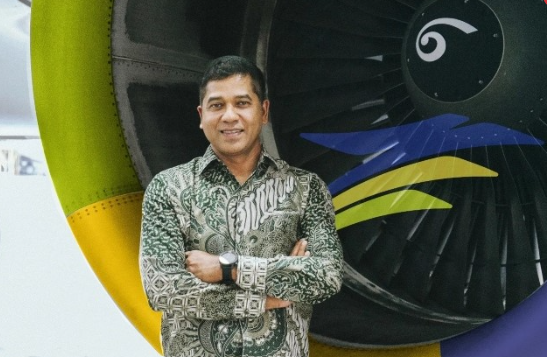
Datuk Bernard Francis, Group Chief Executive Officer of TransNusa, speaking on the historic launch stated that this new daily Melbourne-Bali route marks a significant milestone in the airline’s growth trajectory, shifting the paradigm from conventional point-to-point operations to positioning Bali as a primary international transit hub for Australian travellers.
“The launch of the Melbourne-Bali route represents a monumental step forward in TransNusa’s international expansion strategy. It strengthens Bali’s position as a premier gateway between Australia and Asia, while giving travellers a compelling new choice that combines connectivity, value, and a distinctly premium travel experience,” said the Malaysian-born aviation industry captain, Datuk Bernard.
“Bali remains a prime global holiday destination, and by connecting it directly to Melbourne, we are providing travellers from Australia with a highly competitive, premium flying alternative,” he added.
“TransNusa has always strived to deliver beyond expectations as our aim is to provide reliable, comfortable, and affordable travel choices across the region,” Datuk Bernard explained.
Datuk Bernard Francis… TransNusa offers a Beyond Bali network connectivity, allowing passengers to expand their experience and planning with smooth transitions to world class local and international island destination
To celebrate this milestone, TransNusa continues to offer exclusive introductory fares, with standard basic seats starting from just AUD299. Distinct from traditional low-cost competitors, even TransNusa’s standard tickets include generous baggage provisions alongside baseline comfort amenities such as complimentary water and snacks.
Strategic Schedule and Beyond Bali Network Connectivity
Engineered to seamlessly accommodate both leisure holidaymakers and business travellers, the route operates on an optimized overnight and morning schedule:
-
Flight 8B 18 departs Bali (DPS) at 20:45 from I Gusti Ngurah International Airport, arriving at Melbourne Airport (MEL) at 05:40 the following morning.
-
Flight 8B 19 departs Melbourne Airport (MEL) at 06:25, arriving in Bali (DPS) at 09:40.
Initially, TransNusa will operate four flights weekly, scheduled on Monday, Wednesday, Thursday and Friday. The airline will increase its frequency to seven scheduled flights weekly from November 15th onwards.
The synchronized schedule allows passengers from Australia to seamlessly transition “Beyond Bali” to 11 prime island destinations across the Indonesian archipelago, including the preserved marine ecosystems of Wakatobi and the pristine islands of Manado, Bima, Surabaya, and Lombok. Additionally, the network provides timely, hassle-free transits to leading global commercial and tourism hubs across Asia, including Guangzhou (China), Singapore, and Phuket (Thailand).
“Today, we are celebrating more than just a single point-to-point connection,” added Datuk Bernard.
“Our goal is to design ultimate travel experiences. By scheduling timely transits from Bali, we are giving travellers from Australia complete flexibility to extend their journeys seamlessly to exotic domestic havens or major regional capitals across China and Southeast Asia.”

Tickets for the new daily Melbourne–Bali route are available for immediate purchase. Travellers can book the tickets via the official website at transnusa.co.id or through authorized travel booking platforms.
22, Oct 2026
Puri–Badampahar Express Gets Approval: A New Rail Link for Odisha
Bhubaneswar, Oct 22: Odisha Chief Minister Mohan Charan Majhi has welcomed the Centre’s approval of the long-awaited Puri–Rairangpur–Badampahar Express, calling it a major boost to rail connectivity in the state. He thanked Prime Minister Narendra Modi and Railway Minister Ashwini Vaishnaw for clearing the service, which had been a longstanding demand of people in northern and coastal Odisha.
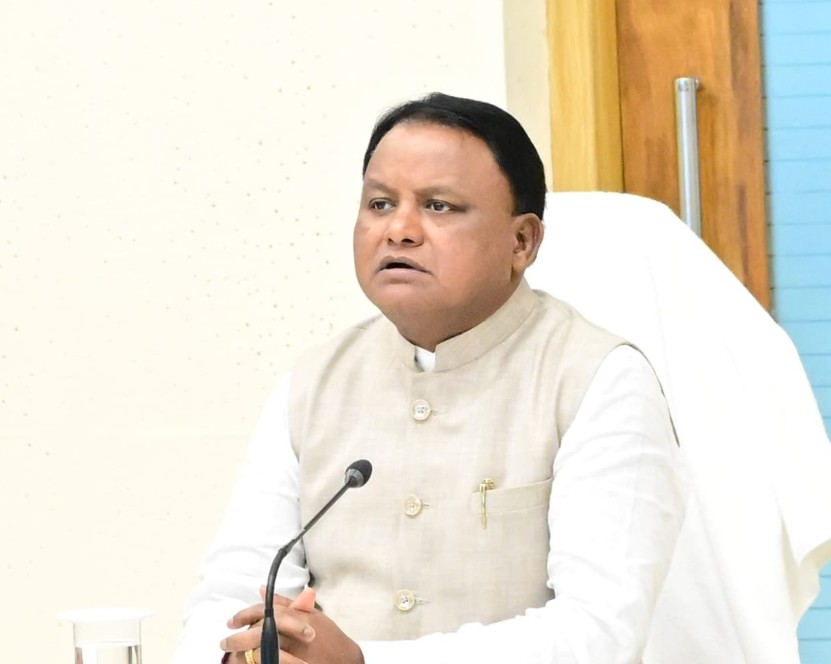
File Photo
What the New Train Offers
The express will run daily between Puri and Badampahar via Rairangpur, connecting key districts including Puri, Khordha, Cuttack, Jajpur, Keonjhar and Mayurbhanj. It will have nine LHB coaches and halt at 19 stations, including Bhubaneswar, Cuttack, Keonjhar, Sukinda and Rairangpur.
According to the approved schedule, the Puri–Badampahar service is expected to depart Puri at 11:45 pm, reach Rairangpur at 12:53 pm the next day, and arrive at Badampahar at 1:45 pm. The return train is slated to leave Badampahar at 4:00 pm and reach Puri at 6:00 am the following day.
CM Majhi’s Response
In a post on X, Chief Minister Majhi said the new service would make travel more convenient for passengers while opening fresh economic and social opportunities across the connected districts. He described the approval as the fulfilment of a long-pending demand and thanked the Prime Minister and the Railway Minister for their support.
Why It Matters
The route is expected to particularly benefit residents of Mayurbhanj and Keonjhar, regions that have sought better direct rail access to Puri and Bhubaneswar. By linking temple-town Puri with Rairangpur and Badampahar, the service is likely to improve travel for pilgrims, students, workers and traders, while strengthening access to healthcare, education and markets.
The Ministry of Railways approved the train on October 19, 2026, under communication numbers CC-208/2026 and 2026/CHG/16/WCR/41-PT; the regular start date is yet to be announced.
22, Oct 2026
RBI Regional Director Sibi Mathews Calls on Odisha Chief Minister Mohan Charan Majhi
Bhubaneswar, Oct 22: Sibi Mathews, Regional Director of the Reserve Bank of India (RBI), called on Odisha Chief Minister Mohan Charan Majhi at Lok Seva Bhawan in Bhubaneswar.
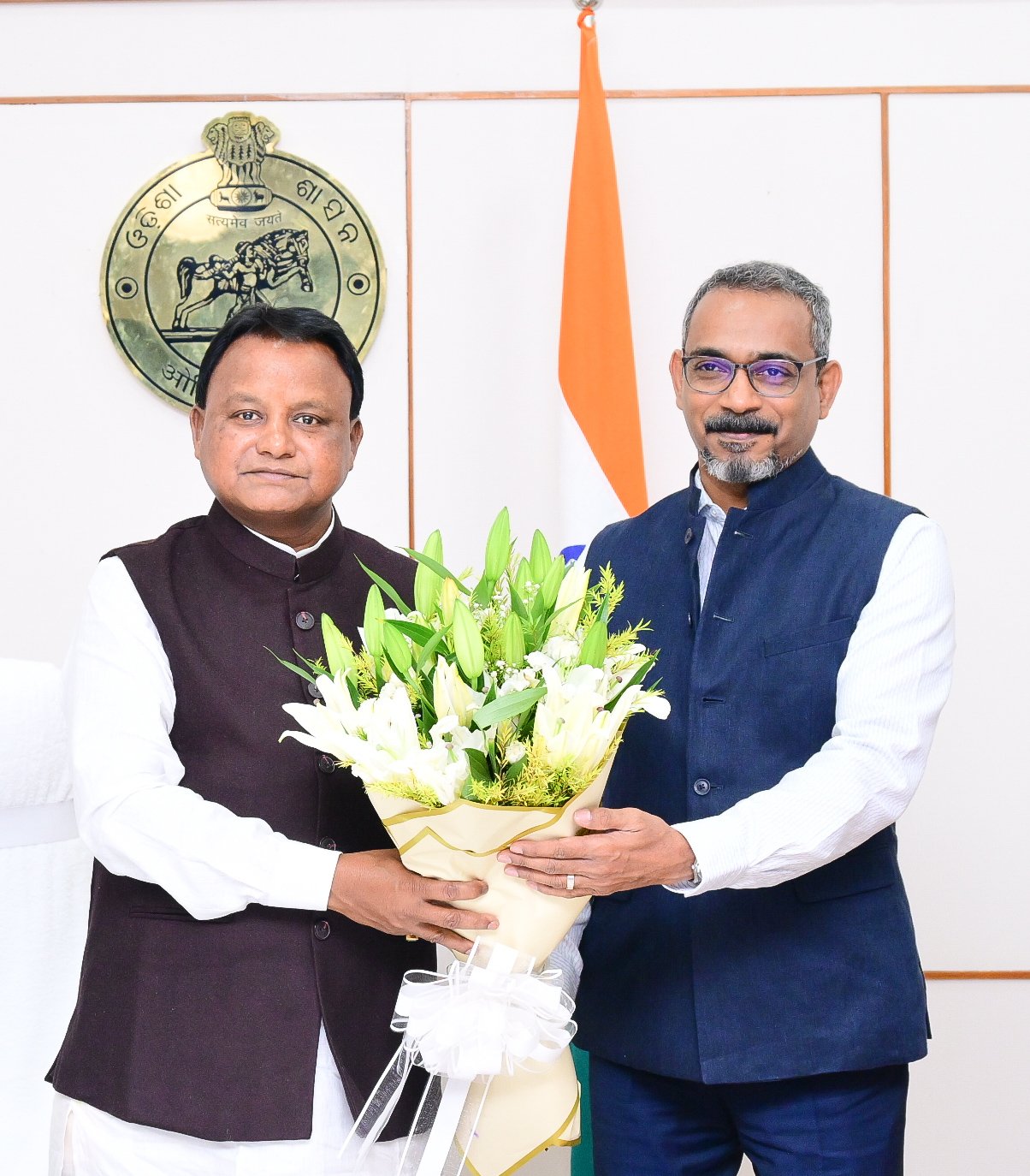
Mr Sibi Mathews, Regional Director of the Reserve Bank of India (RBI), called on Hon’ble Chief Minister Shri Mohan Charan Majhi at Lok Seva Bhawan. https://t.co/NzJPW0Nrik
— CMO Odisha (@CMO_Odisha) October 21, 2026
The meeting took place during Mr Mathews’ visit to the Chief Minister’s office. However, details regarding the discussions held during the meeting have not been officially disclosed.
The meeting highlights an interaction between the Odisha government and the Reserve Bank of India’s regional leadership, an institution that plays a key role in banking regulation, financial stability and the promotion of financial inclusion.
22, Oct 2026
Liquibase Warns AI Agents Are Exposing a Critical Gap in Database Accountability
As governments move to investigate incidents involving AI agents, Liquibase research finds 96.5% of respondents report AI interactions with production databases, yet only 32% consistently create audit-ready database change history.
AUSTIN, Texas, October 21, 2026 – Liquibase, the leader in Database Change Governance, is calling attention to a growing accountability challenge as AI agents take on a greater role in changing production systems. Findings from the company’s 2026 State of Database Change Governance Report, published in March, show that 96.5% of respondents report at least one AI or LLM interaction with their production databases, while only 32% always or often create audit-ready database change history. The warning follows new government action on autonomous AI.
On October 12, 2026, the UK government announced it is developing a specialist capability to respond to serious incidents involving AI agents, working with the National Cyber Security Centre, Department for Culture, Media and Sport, and the AI Security Institute. The government said that when such incidents occur, it must be able to quickly establish what went wrong and contain the risks. In the United States, a concept paper from NIST’s National Cybersecurity Center of Excellence focuses on identity, authorization, and auditing for AI agents, noting that agents are often treated as generic service accounts without dedicated accountability controls.
For enterprises, the same implications extend to production databases. Whether investigating an incident or proving control to an auditor, organizations need a reliable record of what changed, who or what initiated it (human or an AI agent), whether it was authorized, and what controls ran. When AI agents generate and deploy database changes, sometimes through shared service accounts, that record is often the hardest evidence to produce.
“AI is changing who makes software changes, but it doesn’t change who’s accountable for them,” said Pete Pickerill, Co-Founder at Liquibase. “When an AI agent initiates a change to a production database, organizations still need to know what changed, whether it was authorized, and which controls were enforced. If proving that requires reconstructing activity across tickets, logs, and spreadsheets, the governance model isn’t keeping up with the technology.”
The Database Audit Readiness Gap
The 2026 State of Database Change Governance Report, based on a survey of 426 database, platform, technology practitioners and senior technology leaders, reveals a gap between how frequently organizations face audits and how consistently they maintain the evidence needed to demonstrate control:
- Audits are constant. 95.3% of respondents face multiple compliance or database audits annually, including 21.6% who face seven or more.
- Evidence is inconsistent. Only 32% always or often create audit-ready database change history. Another 39% do so sometimes, while 21% rarely or never do.
- Controls depend on people. Only 35% always or often automate security or compliance checks on database changes.
- Drift detection is inconsistent. Only 31% always or often automate drift detection, while 48% do so only sometimes.
- AI adds new risk. 46.5% cite ungoverned AI-generated SQL as a top AI-related database change risk.
Most organizations have governance processes, but the controls and evidence supporting those processes aren’t always applied consistently. As AI increases the speed and volume of database change, that gap becomes increasingly difficult to manage.
When AI Makes the Change, Who’s Accountable?
The accountability questions haven’t changed: What changed? Who authorized it? Were the right controls enforced? What has changed is how hard they are to answer once AI agents generate SQL and initiate change through automated workflows. In the same survey, 33.6% of respondents report AI-generated SQL interacting with their production databases, and 21.8% report human review if governance controls aren’t embedded upstream.
Organizations can’t rely on someone remembering to review a change, or on reconstructing its history after deployment. Governance has to be enforced inside the delivery process, with the evidence captured as each change happens.
Liquibase Secure 6.0 Brings Continuous Governance to Database Change
As AI accelerates software delivery, organizations need consistent policies, visibility into change activity, and a reliable record of how controls were applied, regardless of whether changes originate with developers or AI agents.
Introduced September 30, Liquibase Secure 6.0 brings these capabilities together in a unified platform to see, govern, and control database change across teams, pipelines, databases, and agents:
- Change Intelligence centralizes database change activity, deployment history, and policy outcomes, making it easier to understand what changed and demonstrate which controls were applied. Changes originating from developers or AI agents can be governed and tracked when deployed through supported Liquibase workflows.
- Centralized policy management lets teams define rules once and apply them everywhere, starting from 50+ prebuilt policy rules.
- Role-based access control and governed exceptions determine who can manage policies, assignments, exceptions, and governed assets, preserving separation of duties without slowing developers down.
The release builds on Agent Safe Governance, which helps enterprises validate, track, and govern database change whether it’s created by people or AI.
It’s Audit Season. Be Audit-Ready. Always.
Audits shouldn’t test your memory. Organizations need to know what changed, demonstrate that the right controls were followed, and produce evidence without reconstructing activity across tickets, logs, and spreadsheets.
To help organizations address these challenges, Liquibase has launched It’s Audit Season, an initiative focused on closing the gap between database change governance and audit readiness.
The campaign draws on findings from the 2026 State of Database Change Governance Report to highlight the risks of inconsistent controls, fragmented evidence, and the growing role of AI in software delivery. It includes a free Audit Readiness Assessment, an audit checklist, and practical guidance informed by the 2026 report.
Audit season comes around. Audit readiness never leaves.
22, Oct 2026
Nearly 2 in 5 Higher Education Employees Work at Institutions Served by JobElephant
SAN DIEGO, Calif. (October 22, 2026) – JobElephant, a leading recruitment advertising technology company specializing in data-driven solutions for higher education institutions, reports new findings from the Integrated Postsecondary Education Data System (IPEDS) that confirm the company’s reach across American higher education. According to the latest IPEDS data, JobElephant currently serves more than 900 colleges and universities, reaching institutions that collectively employ 1,087,668 full-time workers, equal to 39% of all full-time employees at active U.S. postsecondary institutions. As academic institutions navigate budget cuts and rising operational costs, JobElephant delivers transparent, cost-effective recruitment advertising solutions backed by real-time performance data and complete visibility into every dollar spent.
Budget Pressure Meets Hiring Demand
Higher education institutions face a compounding recruitment challenge. Rising costs and shrinking budgets are forcing human resource teams to stretch every dollar, yet many continue to invest in broad, blind job postings that waste budget and miss top talent hiding in niche publications. That lack of visibility carries a measurable cost. IPEDS data documents a total universe of 2,787,935 full-time employees across U.S. postsecondary institutions, signaling an ongoing need for qualified educators. When recruiters bypass data-driven ad recommendations, the consequences are direct: they spend 57% more on job ads and experience a 39% decrease in click-through rates, according to 2023 Apptrkr data.
Predictive Placement Powered by 25 Years of Data
JobElephant addresses these challenges through Horton®, its predictive analytics engine that pinpoints the highest-ROI publications before institutions spend a dollar. Powered by more than 25 years of proprietary recruitment data, Horton® analyzes entire job descriptions to recommend hyper-targeted ad placements across the most relevant publications, removing guesswork from the process. Institutions using Horton® achieve 56% lower ad spend, 114% higher click-through rates, and generate 3x more job seeker views per ad compared to non-Horton® placements, according to Apptrkr® data. JobElephant’s business model carries no additional cost to the client beyond standard ad insertion fees, making smarter, data-driven recruitment available to every institution regardless of budget size.
University Perspective
“For several years, the University of Wisconsin-Milwaukee has relied on JobElephant as a valued recruitment advertising partner, and their expertise in identifying innovative and targeted advertising channels has helped UWM expand its reach and improve recruitment outcomes,” said Jennifer Brown, Recruitment Specialist, University of Wisconsin-Milwaukee. “After implementing a new applicant tracking system in 2025, UWM hiring teams embraced JobElephant’s recommendations and experienced substantial gains in applicant traffic, along with higher click-through rates and significantly lower advertising costs. JobElephant’s commitment to data-driven strategy, exceptional customer support, and responsible stewardship of advertising resources has made them an indispensable partner.”
Leadership Perspective
“As employers reduce hiring due to funding cuts and labor market uncertainty, we have seen a notable uptick in annualized job board subscriptions at the expense of ad hoc postings,” said Michael Ang, CEO and Founder, JobElephant. “Institutions cannot predict whether they will be hiring in six months, so they are locking in prices today as a hedge against inflation, committing to a full year of recruitment advertising rather than spending more on each individual campaign. JobElephant’s analytics allow us to identify the return on investment for any talent acquisition or media source, giving our clients the clarity they need to make every dollar count.”
Proven Reach Across Higher Education
Operating nationwide in the higher education recruitment market, JobElephant serves institutions that collectively employ 1,087,668 full-time workers. Horton®’s reach extends even further, covering colleges and universities that employ 2,421,130 full-time workers, or 86.8% of the entire IPEDS full-time workforce, the equivalent of nearly 9 in 10 higher education employees. That gap between JobElephant’s current customer base and Horton®’s full reach signals significant unrealized growth potential within institutions already accessible through the platform.
Looking Ahead
With budget pressure and hiring uncertainty reshaping how higher education institutions invest in recruitment, JobElephant provides the clarity, data, and established recruitment approach HR teams need to make more informed hiring decisions while reducing costs. To learn more, visit www.jobelephant.com.
About JobElephant:
JobElephant is a leading recruitment advertising technology company specializing in data-driven solutions for higher education, nonprofit institutions, and public sector organizations. By leveraging proprietary technology and research, JobElephant helps clients make strategic recruitment ad placements to attract diverse, qualified candidates. For more information, visit www.jobelephant.com.
21, Oct 2026
India-US Trade Deal Nears Finalisation as Trump Signals Key Changes in Bilateral Pact
New Delhi/Washington, Oct 21: India and the United States are reportedly moving closer to finalising a bilateral trade agreement, with US President Donald Trump indicating that the proposed pact will feature significant differences from earlier trade arrangements. According to recent statements attributed to senior officials from both countries, negotiations have entered their final stages, although some details remain unresolved.

Representational Image
The development signals continued efforts by New Delhi and Washington to strengthen economic ties, address tariff-related concerns and expand commercial cooperation between the two major economies.
Trump Signals Changes in Proposed Trade Agreement
President Trump has expressed optimism about the progress of negotiations, suggesting that the emerging agreement will have a distinct structure compared with previous bilateral trade arrangements. The discussions follow more than a year of negotiations aimed at resolving differences over tariffs, market access and trade-related policies.
However, the complete terms of the proposed agreement have not yet been officially disclosed. The precise nature of the changes highlighted by Trump, along with the outstanding issues, remains unclear.
Marco Rubio Highlights Progress During India Visit
US Secretary of State Marco Rubio has also indicated that the two countries are approaching an agreement, with only a limited number of issues reportedly awaiting resolution.
His engagement with Indian officials in New Delhi forms part of broader diplomatic efforts to deepen cooperation in areas including energy, technology, defence and trade. These discussions reflect the growing importance both governments attach to their strategic and economic partnership.
Tariffs and Market Access Remain Key Issues
Trade negotiations between India and the United States have faced longstanding challenges involving import duties, access to domestic markets and regulatory differences.
The two governments established an initial framework for the first phase of a trade agreement in February, but subsequent changes in US tariff policy reportedly prompted further discussions.
Indian Commerce and Industry Minister Piyush Goyal has been involved in negotiations with US officials, including US Trade Representative Jamieson Greer, as both sides work to address outstanding commercial and regulatory concerns.
Officials Express Confidence in Final Outcome
US Ambassador to India Sergio Gor has reportedly indicated that major elements of the proposed agreement have been completed. India’s External Affairs Minister S Jaishankar has also expressed confidence in the ongoing diplomatic engagement.
Despite the positive signals, neither the complete text of the agreement nor a confirmed signing date has been announced in the information available for this report. The final outcome will depend on resolving the remaining issues and securing formal approval from both governments.
What the Deal Could Mean for India and the US
A successful agreement could provide greater clarity for businesses operating across both markets, potentially improve trade opportunities and support investment in key sectors. It could also help reduce uncertainty surrounding tariffs and strengthen economic cooperation between the two countries.
For India, the negotiations are important for expanding export opportunities while protecting domestic economic interests. For the United States, a deal could support efforts to improve market access and address trade imbalances.
For now, the positive statements from leaders and senior officials suggest that negotiations are approaching a critical stage. However, the agreement should not be considered final until both governments confirm its terms and announce its formal conclusion.
The bottom line: India and the United States appear to be making progress towards a revised trade agreement, but the final provisions, outstanding issues and signing timeline remain subject to official confirmation.
21, Oct 2026
Mahindra Manulife Insurance appoints Nilesh Kothari as Chief Financial Officer

Mumbai, October 21, 2026: Mahindra Manulife Insurance Limited (MMIL) has appointed Nilesh Kothari as Chief Financial Officer (CFO), as the company builds its leadership team and prepares to launch a differentiated, future-ready life insurance business in India.
With over 22 years of experience in the life insurance industry, Nilesh brings deep expertise across financial strategy, capital and solvency management, business planning, investment operations, governance and regulatory engagement. Prior to joining Mahindra Manulife, he was CFO at PNB MetLife India Insurance and has previously held CFO and senior leadership roles at Bharti AXA Life and SBI Life Insurance. During his career, he has led initiatives spanning business growth and profitability, operational efficiency and large-scale finance transformation, including ERP and analytics-led modernization programs.
At Mahindra Manulife, Nilesh will focus on building a future-ready finance function that supports the successful launch and sustainable growth of the company. His mandate will include establishing strong financial governance, capital and solvency management and scalable processes.
Commenting on the appointment, Suresh Agarwal, Managing Director & CEO, Mahindra Manulife Insurance, said, “Nilesh brings deep life insurance expertise and a strong combination of financial stewardship, strategic thinking and transformation experience. As we build Mahindra Manulife, establishing strong financial foundations while creating an organization designed for the future will be critical. Nilesh’s experience across financial strategy, capital and solvency management, governance and technology-led transformation will play an important role as we build a sustainable, agile and future-ready life insurance business.”
Sharing his vision for the new role, Nilesh Kothari, Chief Financial Officer, Mahindra Manulife Insurance, said, “I am delighted to join Mahindra Manulife at this exciting stage as we prepare to launch a future-ready life insurance company. By combining the strength of both the trusted brands – Mahindra and Manulife with AI, technology and data-led capabilities, we have a compelling opportunity to reimagine customer experience and build a scalable, agile and sustainable business. I look forward to partnering with the leadership team to create value for customers, shareholders and employees.”
Nilesh was recognized as CFO of the Year in 2022 by the Institute of Chartered Accountants of India (ICAI). He holds a Bachelor of Commerce degree from the University of Mumbai and a Diploma in Information Systems Audit (DISA). He has also completed executive programmes at the Tuck School of Business at Dartmouth and IIM Bangalore.
21, Oct 2026
IIT Madras launches Finishing School to develop industry-ready biotechnology professionals
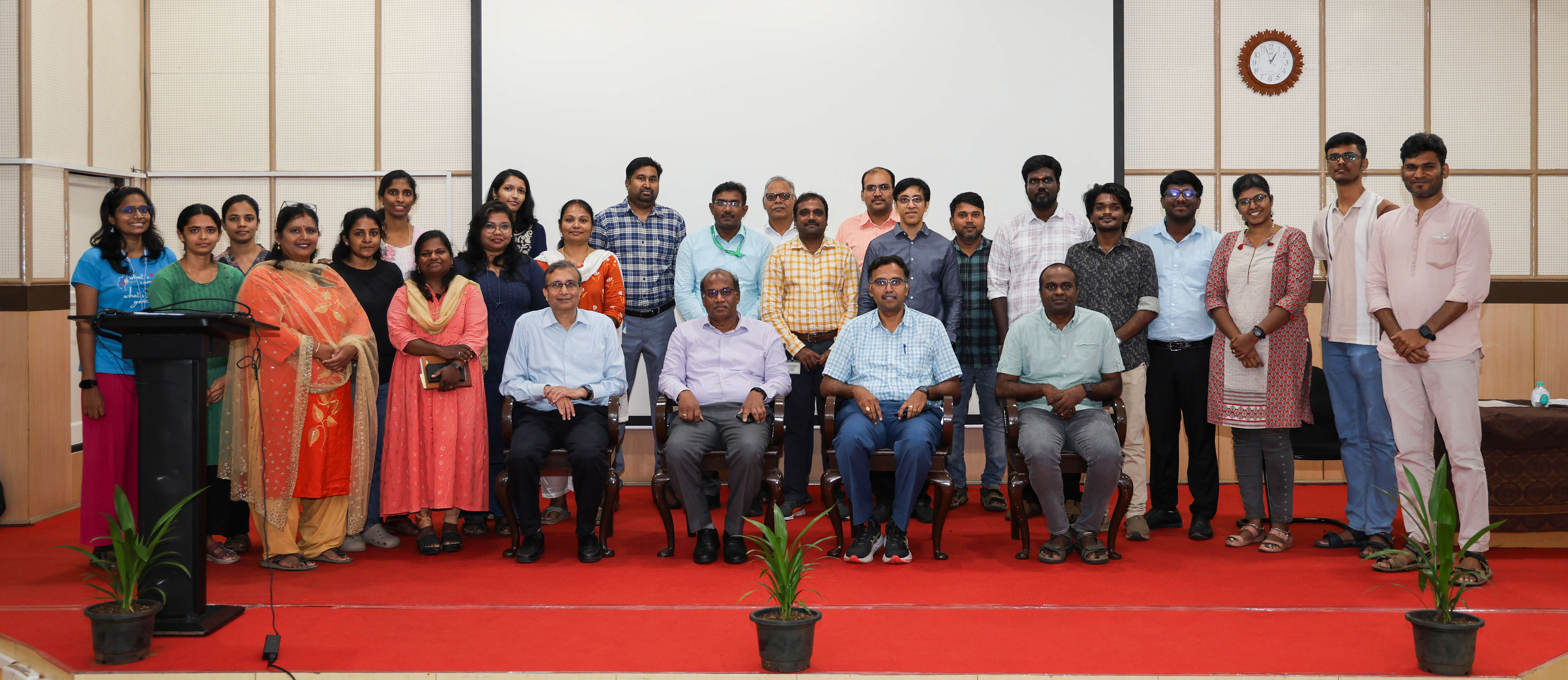
Chennai, 21st October 2026: Indian Institute of Technology Madras (IIT Madras) has launched an industry-oriented finishing school to equip young graduates with practical skills and professional competencies required by the biotechnology and biomanufacturing sectors.
‘UDYOG’ (Upskilling and Development for YOung Graduates) aims to bridge the gap between academic education and industry requirements through a structured training pathway. It combines online courses, intensive laboratory training, pilot-scale exposure and opportunities for industry internships.
The first batch of the Finishing School is scheduled to commence on 18th January 2027, and the early-bird registration closes on 15th December 2026. Interested students can submit an expression of interest through – https://code.iitm.ac.in/
The initiative is expected to support workforce development and contribute to India’s ambitions to strengthen its bioeconomy through innovation, advanced manufacturing capabilities and specialised skills.
The programme is intended for pre-final-year and final-year students, who are pursuing B.Tech., M.Tech. and M.Sc. degrees in biotechnology and allied disciplines, across all colleges and institutes in India.
Prof. V. Kamakoti, Director, IIT Madras, inaugurated ‘IITM-Biofoundry Finishing School – UDYOG’ at the campus today (21st Oct 2026) in the presence of faculty, students, researchers and industry stakeholders.
It is being launched through SynBioME – the IIT Madras-TICEL Biofoundry, which focuses on advancing biotechnology research, innovation, biomanufacturing and skill development. It is coordinated by Prof. Guhan Jayaraman, Professor, Department of Biotechnology, IIT Madras, who serves as the Principal Coordinator.
Addressing the launch event, Prof. V. Kamakoti, Director, IIT Madras, said, “AI also means Academia-Industry. It is becoming an absolute necessity that every discipline of Science and Engineering must look at this AI with care to make themselves relevant to the modern world. UDYOG is yet another effort taken by IIT Madras in this direction.”
Further, Prof. Guhan Jayaraman, Principal Coordinator, SynBioME and faculty Department of Biotechnology, IIT Madras, added, “India’s biotechnology and biopharmaceutical sectors are expanding at a rapid place. This is leading to a growing demand for professionals with practical expertise in industrial processes, analytical techniques, process development and regulatory practices. UDYOG seeks to address this demand by complementing academic knowledge with industry-relevant training and exposure to real-world biomanufacturing practices.”
Further, Mr. Chella Pandian Pitchai, Biocon – AVP & Global Head DEI | Culture, Values and Belongingness | Youth and Women Development, said, “Best wishes on the launch of the IITM-BioFoundry Finishing School. Science and biotechnology hold immense promise for the future, and empowering young people with the knowledge and confidence to contribute is vital. Preparing them to make a difference takes more than classroom learning; industry exposure through internships and mentorship can help build their readiness to turn knowledge into meaningful impact. I’m excited to see how the next generation of biotechnology talent will drive positive change and take the field to the next level.”
THREE-STAGE TRAINING
The finishing school will follow a three-stage training pathway. The first stage comprises three months of online learning delivered through Centre for Outreach and Digital Education (CODE), IIT Madras, supplemented by lectures from industry experts and demonstration videos illustrating industrial practices.
Participants who successfully complete the online component will be considered for selection to four-week intensive hands-on training program at the IIT Madras Biofoundry. The practical component is designed to provide exposure to laboratory processes and biomanufacturing workflows.
Following the hands-on training, selected participants may have opportunities to engage with industry partners and participate in interviews for long-term internships, providing a potential pathway from academic learning to workplace experience.
21, Oct 2026
Kota, Beyond the Expected: Discover a New Place to Stay, Dine and Celebrate
Bengaluru / Kota, 21 October 2026: Think Kota, and education may be the first thing that comes to mind. But look a little further, and there are lakeside views, historic palaces, riverfront experiences and local discoveries waiting to be explored. Adding a new reason to experience the city, Royal Orchid Hotels Ltd. (ROHL), through its subsidiary Regenta Hotels Private Limited, has launched Regenta Place, Kota-a contemporary hospitality destination designed for travellers visiting the city for business, family, leisure or celebrations.
Situated at Aerodrome Circle on DCM Road, the hotel offers a convenient base from which to experience Kota, with thoughtfully equipped accommodation, all-day dining and versatile venues for gatherings of every kind.
Your Kota Stay, Your Way
Whether it is a family trip, a business visit or a few days spent discovering the city, comfort makes all the difference. Regenta Place offers 57 rooms and suites across Executive Rooms, Executive Twin Rooms, Royal Rooms and Suites. High-speed Wi-Fi, Smart TVs, digital safes, tea and coffee makers, in-room dining and 24-hour hot and cold water help make every stay convenient.
Good Food Is Always Part of the Journey
At Pinxx, the hotel’s all-day dining restaurant, guests can explore Indian, Oriental, Continental and regional flavours. From a leisurely breakfast before heading out to a satisfying meal after a day of sightseeing, Pinxx brings a range of dining choices together in one place.
From Grand Celebrations to Meaningful Gatherings
Some trips are remembered for the places visited; others, for the people who came together. Regenta Place caters to both with two indoor venues: Crystal Hall, approximately 8,400 sq. ft., and Sapphire Hall, approximately 2,200 sq. ft. Designed to accommodate gatherings of varying sizes, the venues are suited to weddings, social celebrations, conferences and business events. A fitness centre and ample parking further enhance the guest experience.
The Other Side of Kota Is Waiting
For travellers looking to add discovery to their stay, Kota offers plenty to explore. Take in the playful landmarks at Seven Wonders Park, spend time around Kishore Sagar Lake, discover Jagmandir Palace, experience the Chambal River Front or explore the heritage of Kota Garh and the Rao Madho Singh Museum.
These attractions offer opportunities for sightseeing, photography and cultural exploration-making Kota an interesting stop for visitors who want to look beyond the familiar and experience more of the city.
Chander K. Baljee, CMD, Royal Orchid Hotels Ltd., said: “Kota holds a significant position as one of India’s leading education and coaching hubs, attracting students, families and business travellers throughout the year. With Regenta Place, Kota, we are strengthening our presence in Rajasthan and expanding our reach in an important urban destination.”
Keshav Baljee, Executive Director, Royal Orchid Hotels Ltd., said: “Every destination has more to offer when travellers have the right place to stay. Kota brings together education, business, heritage and family travel, and Regenta Place is designed to serve these varied needs with comfortable accommodation, dining and event facilities. We look forward to being part of the experiences that bring visitors to the city.”
Susheel Jain, Owner of Regenta Place, Kota, said: “Partnering with an established hospitality group gives us an opportunity to combine our understanding of the local market with the Group’s experience in hotel operations and guest service. We look forward to welcoming guests with comfortable accommodation, quality dining and well-equipped event spaces.”
A new stay. More ways to experience Kota. With its mix of contemporary comfort, varied dining and event facilities, Regenta Place invites business travellers, families, celebration planners and city explorers to make their time in Kota more rewarding.


