


28, Mar 2026
The New Cholesterol Guideline What to Know
For the first time since 2018, a clinical guideline from the American College of Cardiology and the American Heart Association for screening and managing blood cholesterol levels has been updated and jointly published in the Journal of the American College of Cardiology and Circulation. The new guideline will be discussed March 28 at the American College of Cardiology’s 75th Annual Scientific Session in New Orleans.
The guideline’s release also ran a week before a paper titled “The ABCs of Cardiovascular Disease Prevention: Communicating What We Know in 2026” published in the American Journal of Preventive Cardiology.
The new guideline focuses on recommendations to lower elevated levels of low-density lipoprotein (LDL) cholesterol, often referred to as bad cholesterol, as well as other types of lipids, or fats such as lipoprotein(a), or Lp(a), circulating in the bloodstream. It also emphasizes the importance of earlier screenings, especially for those with a family history of heart disease, and more personalized risk estimations, such as for those with underlying medical conditions, to support shared decision-making between clinicians and patients.
“We know that lower LDL cholesterol levels are better when it comes to reducing the risk of heart attacks, strokes and congestive heart failure,” says Roger S. Blumenthal, M.D., chair of the guideline writing committee and director of the Johns Hopkins Ciccarone Center for the Prevention of Cardiovascular Disease. “We also know that bringing elevated lipids and blood pressure down in young adults supports optimal heart and vascular health throughout a person’s life.”
The updated guideline comes at a time when studies show that 1 in 4 U.S. adults have elevated LDL cholesterol (LDL-C), a risk factor for atherosclerosis (the narrowing or hardening of the arteries). The excess accumulation of certain lipids can fuel the growth and development of plaque in the arteries. Moderate atherosclerotic plaque in heart arteries can block blood flow. Other factors, such as age and other cardiovascular risks, can predispose plaque to break off — setting the stage for a heart attack, stroke or need for urgent interventions to restore circulation.
Blumenthal emphasizes that foundational principles known to support heart-healthy living and keep cholesterol levels within a normal range remain the same. These include eating a heart-healthy diet, engaging in regular, brisk physical activity, avoiding tobacco, getting enough sleep and maintaining a healthy weight. He underscores the fact that about 80% to 90% of cardiovascular disease is at least in part attributable to modifiable risk factors, which is why focusing on lifestyle interventions should be a first or foundational approach.
A change in the new cholesterol guideline is a call for earlier screenings and more use in assessing risk of a person’s family history of atherosclerosis, underlying medical conditions, like rheumatoid arthritis, and lifetime risks, such as early menopause or having certain pregnancy complications, such as preeclampsia or gestational diabetes, to inform treatment decisions.
For example, the new guideline recommends that people with a history of familial hypercholesterolemia, or inherited levels of extremely high LDL-C, are now advised to be screened earlier in life — starting in childhood at around age 9 (or earlier). The guideline also recommends one-time screenings for levels of Lp(a), which is often related to genetic risk and can increase a person’s risk for heart disease by about 40% at levels of 125 nanomoles per liter and a doubling of risk at levels of 250 nanomoles per liter.
Another update includes using a new risk calculator for 10- and 30-year risk estimates for heart attacks and stroke. Previously, the pooled cohort equation was used to predict 10-year risks for heart disease for people age 40 and older. That calculator contained baseline risks, such as age, cholesterol levels and blood pressure. The updated calculator, called Predicting Risk of Cardiovascular Disease EVENTs (PREVENT), incorporates additional data, including indicators of blood sugar and kidney health, to estimate these risks and is recommended for use starting at age 30. The PREVENT score is based on data gathered on 6.6 million individuals; the previous calculator was based on 26,000 people.
“Shifting the paradigm toward proactive prevention strategies earlier in life can meaningfully change the trajectory of cardiovascular disease and lead to better health outcomes for people decades later,” says Seth Martin, M.D., M.H.S., a cardiologist, member of the guideline writing committee and director of the Advanced Lipid Disorders Program and Digital Health Lab at the Johns Hopkins Ciccarone Center for the Prevention of Cardiovascular Disease.
To further support personalized risk assessment, the guideline also provides recommendations to help clinicians account for atherosclerosis “risk enhancers.”
For example, if a person has borderline to intermediate risks for atherosclerosis, clinicians may selectively use additional tests to guide decision-making. These include assessing circulating levels of inflammation in the bloodstream known as high-sensitivity C-reactive protein (hsCRP). Lp(a) elevation may also be considered, as can other factors, such as family history of early cardiovascular disease and higher-risk ancestry. In addition to risk enhancers, the updated guideline gives multiple recommendations for the use of coronary artery calcium scanning to detect deposits of calcium in the arteries, representing plaque, to help personalize treatment decisions.
The updated guideline includes recommendations about treatment decisions for pregnant or lactating women, adults age 75 and older and those living with underlying conditions, such as diabetes, late-stage chronic kidney disease and HIV infection, as well as people undergoing treatment for cancer.
The new guideline provides details about statin therapy, along with updated information about other lipid-lowering treatments, such as ezetimibe, bempedoic acid and injectable PCSK9 monoclonal antibody treatments. The latter are recommended for people who may not respond well to statin therapy, or who may need a combination of treatments to lower their LDL-C levels.
Optimal LDL-C levels for people without cardiovascular disease are considered below 100 mg/dL. The updated guideline recommends that people with intermediate risks lower LDL-C levels to below 70 mg/dL. People with higher risks should bring LDL-C levels to below 55 mg/dL. In addition to the LDL-C goals, the guideline provides recommendations for non-HDL-C and apolipoprotein B, a molecule attached to cholesterol.
In an editorial accompanying the new guideline, Blumenthal and the vice-chair of the 2026 ACC/AHA/Multisociety Dyslipidemia Guideline predicted that future guidelines would also likely recommend that people with at least moderate atherosclerosis aim to lower LDL-C levels to below 55 mg/dL. The 2026 guideline was developed before the results of the clinical trial VESALIUS-CV published in the New England Journal of Medicine. In that trial, researchers found benefits of targeting these ranges (by using a combination of lipid-lowering therapies).
The 2026 Guideline on the Management of Dyslipidemia is a report of the American College of Cardiology and the American Heart Association Joint Committee on Clinical Practice Guidelines. It was developed in collaboration with and endorsed by the American Association of Cardiovascular and Pulmonary Rehabilitation, the Association of Black Cardiologists, the American College of Preventive Medicine, the American Diabetes Association, the American Geriatrics Society, the American Pharmacists Association, the American Society for Preventive Cardiology, the National Lipid Association and the Preventive Cardiovascular Nurses Association.
Blumenthal is the chair of the guideline writing committee. Martin is a committee member. Other authors of the guideline writing committee include Morris P.B., Gaudino M., Johnson H.M., Anderson T.S., Bittner V.A., Blankstein R., Brewer L.C., Cho L., de Ferranti S.D., Gianos E., Gluckman T.J., Gradney K., Isiadinso I., Lloyd-Jones D.M., Marrs J.C., McLain K.H., Mehta L.S., Mora S., Mulugeta W.M., Natarajan P., Navar A.M., Orringer C.E., Polonsky T.S., Reynolds H.R., Saseen J.J., Shapiro M.D., Soffer D.E., Tynes S.A., Villavaso C.D., Virani S.S. and Wilkins J.T..
Martin disclosed prior research consultations for Amgen, Arrowhead Pharmaceuticals, AstraZeneca, Kaneka Pharma, Merck, NewAmsterdam Pharma, Novartis and Sanofi, and ownership in Corrie Health. Blumenthal and the majority of the writing committee had no relationships with industry.

- 0
- By Neel Achary

28, Mar 2026
Indriya, Aditya Birla Jewellery, strengthens Bengaluru presence with new store on Sarjapur Road
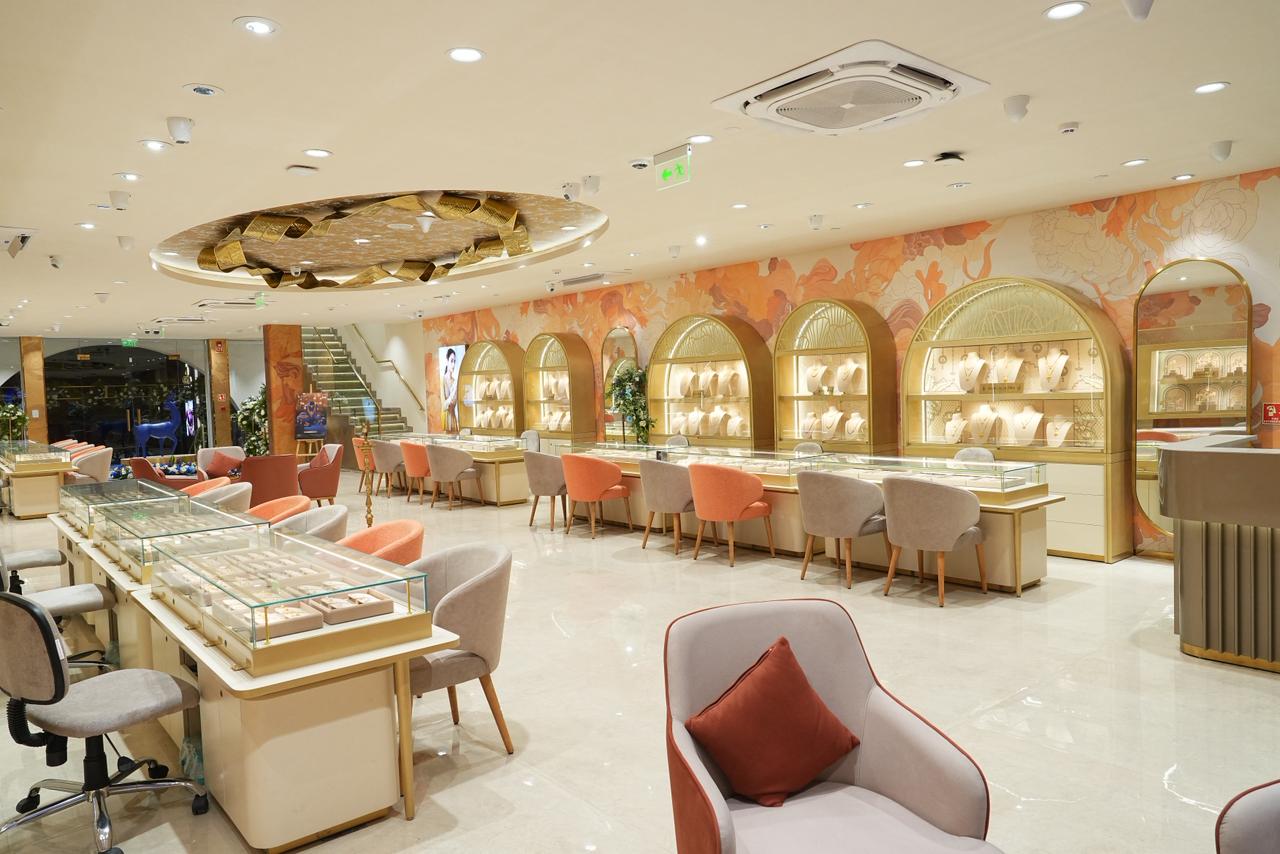
Bengaluru, Mar 28: Indriya, Aditya Birla Jewellery, continues its expansion in Karnataka with the launch its fifth new store in Bengaluru, located at the bustling Sarjapur Road. This addition marks a significant step in the brand’s strategy to deepen its footprint in one of India’s most dynamic and design-forward markets.
Speaking on the occasion, Mr. Sandeep Kohli, CEO, Indriya, said: “Bengaluru remains a key market for us, given its evolving consumer preferences and strong inclination towards design-led jewellery. Sarjapur Road represents a vibrant and rapidly growing catchment. With this store, we aim to offer a thoughtfully curated experience that brings together craftsmanship, innovation, and contemporary aesthetics, catering to the aspirations of today’s discerning customers.”
28, Mar 2026
785 students graduate with nine winning gold medals at the 51st Convocation of IIMB
PhD scholar receives award for excellence in research
Mar 28, Bengaluru: “Congratulations to the Class of 2026 at the 51st Convocation of IIM Bangalore. As you enter a rapidly evolving business environment, remember that lasting success is built through consistent choices, not just moments of acceleration. The real test of leadership lies in balancing short-term performance with long-term value creation. It is possible to have it all, but not always at the same time – prioritization and resilience act as the key. I wish you the wisdom to play the long game and create meaningful, enduring impact”, said Chief Guest Ms Vibha Padalkar, Managing Director and Chief Executive Officer of HDFC Life, during her special address at IIM Bangalore’s Convocation ceremony, this evening.
Ms Padalkar explained the graduating students that life should go beyond the fast pace of the sprint to make way for a more resilient and enduring marathon. She explained that institutions and careers are not built in sprints but through a process of evolution of a long distance race, with doses of energy, ambition, confidence and courage, and that leadership was about integrating multiple lenses. She also emphasized on the importance of precision meeting persuasion, trust built over years and slowing down to accelerate, to have sustainable careers.
Ms Padalkar also shared that three key decisions proved to be the turning points in her own life – choosing finance as her career, returning to India to build a life in the financial capital Mumbai, and choosing the life partner that she did.
Ms Vibha Padalkar advised the students that the ability to anticipate, discipline to pause and wisdom to choose deliberately, will stand them in good stead in the long run. “IIMB has honed your decision making skills. So, as you enter a new phase of your lives, remember that you need to run fast when it matters, slow down when it counts and stay in the long race.”
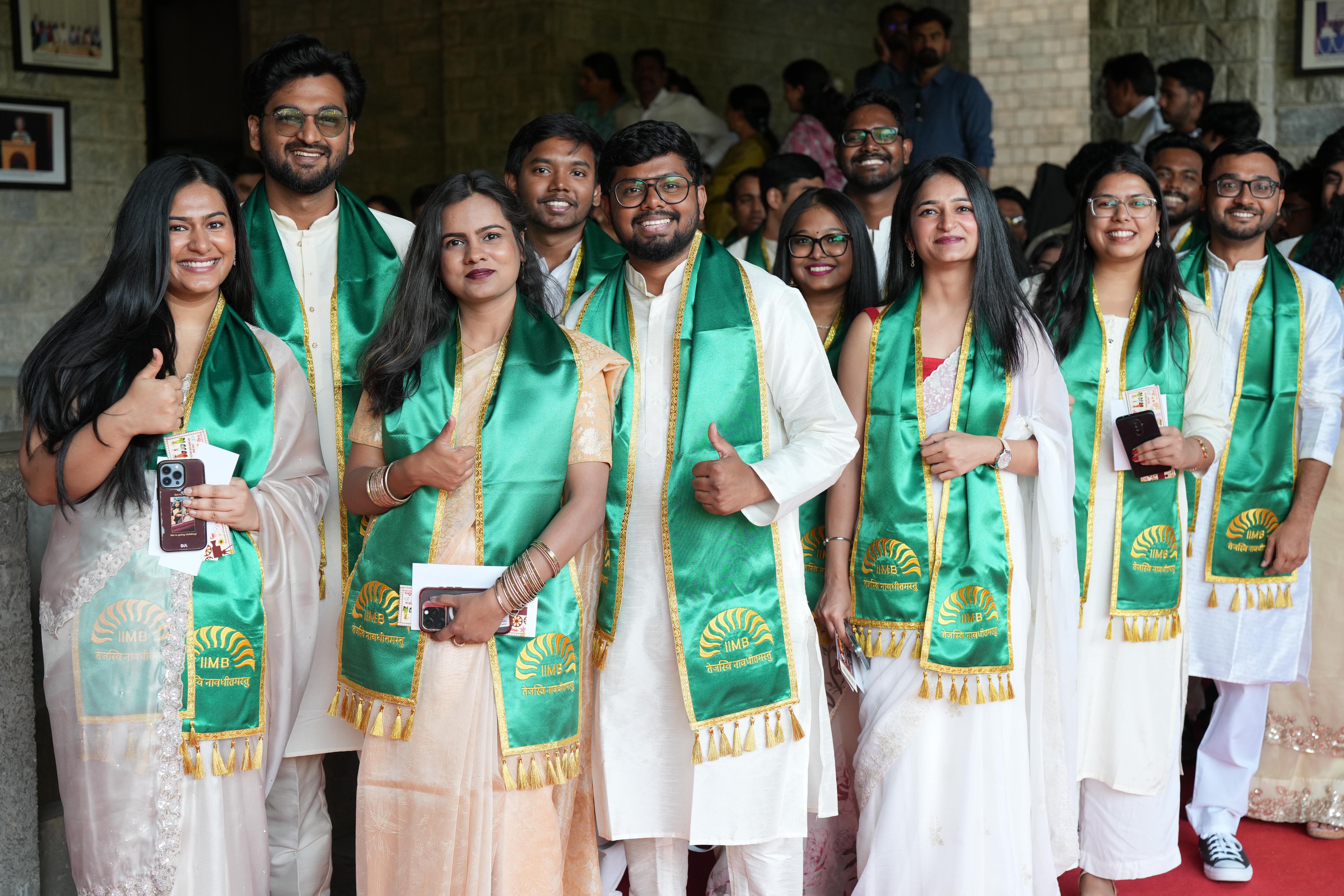
Indian Institute of Management Bangalore hosted its 51st Convocation on 27th March 2026. A total of 785 students from various programmes graduated, this evening. Degrees were awarded to the students of the Doctor of Philosophy (PhD) programme and the MBA programmes – the Post Graduate Programme in Enterprise Management (PGPEM), Executive Post Graduate Programme in Management (EPGP), Post Graduate Programme in Business Analytics (PGPBA) and Post Graduate Programme in Management (PGP). Students of the Post Graduate Programme in Public Policy and Management (PGPPM) received the Master of Management Studies (Public Policy) degree. One PhD scholar received the award for excellence in research, while gold medals were awarded for Best All Round Performance, First Rank and Second Rank.
The students graduated from the prestigious institution this year in the presence of the Chief Guest, Board Members, Director-in-charge, Deans, faculty, alumni and staff of the Institute, alongside proud smiles and loud cheers from their families.
Gold medallists and PhD award winner: This year, a total of nine students have won gold medals. Moreover, a PhD scholar received the award for excellence in research.
In the Post Graduate Programme in Management (PGP) 2024-2026,Manasi Anju Mertia is the First Rank Holder, whileDhvit Jayen Mehtais the Second Rank Holder.
Mayur Dattatray Khule is the Gold Medallist for Best All Round Performance for Post Graduate Programme in Management (PGP) and Post Graduate Programme in Business Analytics (PGPBA) 2024-2026 combined.
For the Post Graduate Programme in Business Analytics (PGPBA) 2024-2026, Bharat Mundra is the First Rank Holder.
In Executive Post Graduate Programme in Management (EPGP) 2025-2026, Aysha Shaba PP is the First Rank Holder andRajasilpi SP is the Best All Round Performer.
In Post Graduate Programme in Enterprise Management (PGPEM) 2024-2026,Lakshmi R is the First Rank Holder, while Biswaranjan Mishra is the Best All Round Performer.
In the Post Graduate Programme in Public Policy and Management (PGPPM), Anirudh has won the gold medal for Best Academic Performance.
The Institute Research Award 2026 was won by Divya Dwivedi, Doctor of Philosophy (PhD) student of the Information Systems area of the graduating batch. The award seeks to inspire the school’s Doctoral students to achieve greater heights in terms of research quality and productivity.
Address by Prof. Malavika R Harita, Member, IIMB Board of Governors
The day’s events also included an inspiring address by Prof. Malavika R. Harita, Founder & CEO, Brand Circle, and Member, IIMB Board of Governors. She made mention of IIMB’s new Centres such as the Centre for Digital Public Goods as well as the Tony James Centre for Private Equity and Venture Capital, the newly set up IIMB Development Foundation – the Institute’s fundraising and development arm, and the Institute’s collaborations with leading national and global organizations which play a significant role in enhancing the Institute’s reputation. She also highlighted IIMB’s achievements in terms of placements and the Institute’s position in prestigious national as well as global rankings.
“Be focussed on gaining knowledge, stay authentic, relevant and original, and create the impact you want to”, she advised the budding managers and entrepreneurs.”
Director’s address
Prof. U Dinesh Kumar, Director-in-charge, IIM Bangalore, highlighted some of the achievements of the Institute as well as of faculty, students and alumni, and shared details on IIMB’s programmes, centres, events, digital learning initiatives, rankings, placements, entrepreneurship, and more.
“With a vision to elevate undergraduate education in India with the same academic rigour that defines our postgraduate offerings, we introduced two undergraduate offerings: BSc Honors in Economics, and BSc Honors in Data Science.”
While sharing his message, Prof. Dinesh Kumar commended the Institute for its initiatives on sustainability, inclusivity as well as nation building, apart from academics and research. “The Office of Diversity and Inclusion convened important conversations on accessibility and universal design, and student-led efforts play an important role in our outreach.”
“Sustainability remains our key priority. We released our Sustainability Report on World Environment Day and introduced a new core course on Responsible Business and Sustainability. These efforts were accompanied by practical steps toward greener campus operations, including the introduction of an EV fleet on campus, donated by the PGP 1998 batch. IIM Bangalore won the Award for Excellence in Biodiversity Management and the Award for Excellence in Social Welfare and Community Services, at the ELCITA Sustainability Awards 2025.”
He also congratulated IIMB’s incubation centre, NSRCEL, on completing 25 years of supporting entrepreneurs in November last year.
Prof. Dinesh Kumar also shared three Zen stories to emphasize on the importance of mindfulness to the graduating students. “The destination is not so important, but the journey is, and the journey has to be full of happiness. Be compassionate, which again is necessary to make life happier. Also, make integrity your life motto. These three elements will go a long may in making your lives happier.”
“Consider IIMB to be your home – come back, share your life stories and be an inspiration to the entire country.”
As the graduating students get a step closer to their dreams – with new beginnings, hopes and possibilities in the horizon – the campus today was witness to moments full of emotional farewells, group photos, selfies and other celebrations.
27, Mar 2026
Innovation Paradox at Work: 41% of U.S. Employees Fear Job Loss for Mistakes Despite Pressure to Innovate
New INTOO/Harris Poll Study Reveals Innovation Paradox in the American Workplace: Employees Are Expected to Innovate — Yet 41% Fear Being Fired for Making a Mistake
27, Mar 2026
Lamp of Unity Illuminated at IFFCO, New Delhi, Signaling Global Commitment to Unity and Sustainability

New Delhi, Mar 27: In a symbolic and powerful ceremony, the Lamp of Unity was lit at IFFCO, Saket, marking a significant milestone in the global movement We Are the New World, a vision dedicated to promoting unity, humanity, and sustainability worldwide.
The ceremonial lamp was illuminated by Dileep Sanghani, Chairman of Indian Farmers Fertiliser Cooperative Limited, highlighting a shared commitment to dispel ignorance and foster collective consciousness.
The Lamp of Unity has previously been lit by several revered spiritual and humanitarian leaders, including Pope Leo at the Vatican, the Mother Teresa Foundation, Sudarshan Maharaj ji (ISKON), Mata Amritanandamayi AMMA, Aushim Khetarpal, and the Sai Baba Peace Foundation. Each act underscores a timeless message: One World. One Humanity. One Shared Future.
Commenting on the event, Dileep Sanghani said:
“Lighting this lamp is not merely symbolic—it is a reaffirmation of our shared responsibility towards unity, sustainability, and collective progress. In alignment with the vision of Prime Minister Narendra Modi and the philosophy of Vasudhaiva Kutumbakam, we stand together as one global family working towards a better future.”
Dr. Sanjaanaa Jon, Founder of PACT & H2OMovement, added:
“From India to the world, this movement carries forward the profound vision of Hon. Prime Minister Narendra Modi—Vasudhaiva Kutumbakam. Each lamp lit across continents is a reminder that humanity is interconnected, and that peace, sustainability, and consciousness must guide our collective journey forward.”
The Lighting of the Lamp of Unity serves as a beacon of hope in uncertain times, uniting leaders, institutions, and communities to inspire awareness, action, and transformative change. This initiative is part of a growing global movement committed to shaping a future rooted in collective responsibility and human solidarity.
Created & Curated by:
Dr. Sanjaanaa Jon
PACT | H2OMovement | GIVE LIFE FOUNDATION – We Are the New World
27, Mar 2026
VST Tillers Tractors Showcases Advanced Farm Mechanization Solutions at Rashtriya Krishi Uday Expo 2026
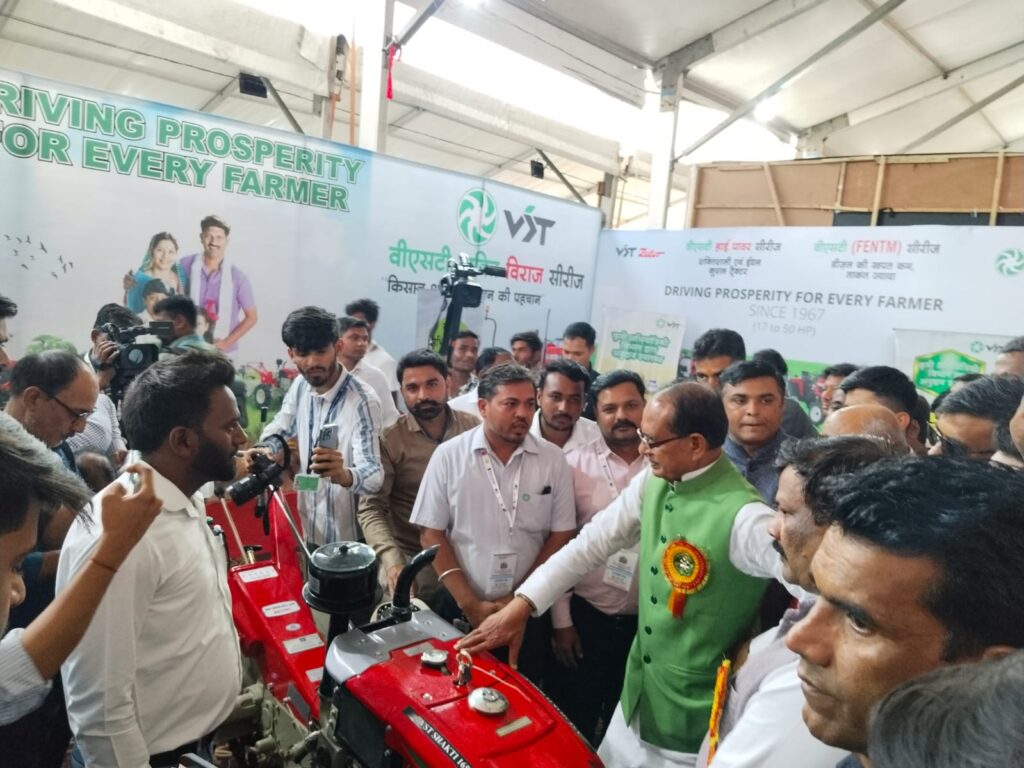
Union Agriculture Minister Shri Shivraj Singh Chauhan Visits Stall
Budni, Madhya Pradesh, Mar 27: VST Tillers Tractors Ltd., a pioneer in farm mechanization in India, an undisputed leader in the power tiller segment and a pioneer in 4WD compact agricultural machinery, showcased its comprehensive range of advanced farm mechanization solutions at Rashtriya Krishi Uday Expo 2026, held at the Central Farm Machinery Training & Testing Institute (CFMTTI), Budni.
VST was privileged to welcome Shri. Shivraj Singh Chauhan, Hon’ble Union Minister of Agriculture & Farmers Welfare, to its stall at the expo. The interaction provided an opportunity to showcase VST’s innovative mechanization solutions, including its distinctive power tiller and 4WD compact tractor, both designed to deliver affordability and ease of operation for small and marginal farmers. Backed by a legacy of nearly six decades, VST products have consistently supported farmers in addressing complex mechanization needs in a simple, efficient, and cost-effective manner.
VST Tillers Tractors also presented its diverse portfolio of products, designed to meet the evolving needs of Indian farmers across varying landholding sizes. The display highlighted the company’s innovation-driven approach, offering solutions that enhance productivity, reduce labour dependency, and promote sustainable farming practices.
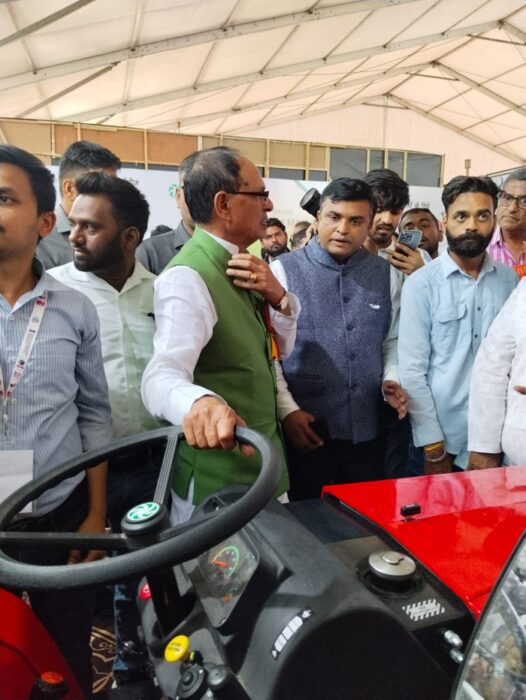
The Farm Machinery Training and Testing Institute, Budni (commonly known as FMTTI Budni) plays a critical and foundational role in strengthening farm mechanization in India. It drives inclusive farm mechanization by validating affordable solutions for small and marginal farmers, promoting region-specific technologies, bridging manufacturers with end users, standardizing machinery for quality assurance, and enabling sustainable, efficient agricultural practices. Rashtriya Krishi Uday 2026 Hosted at CFMTTI, Budni is a unique initiative by the Agriculture Ministry, bringing together farmers, agri-tech professionals, manufacturers, policymakers, institutions, and international stakeholders. The event serves as a premier platform for showcasing cutting-edge technologies, facilitating knowledge exchange, and enabling high-impact business collaborations within the agricultural sector.
Through its participation at the expo, VST Tillers Tractors reaffirmed its commitment to advancing Indian agriculture through smart mechanization and innovation to enable a more productive, profitable, and future-ready agricultural ecosystem in India.
27, Mar 2026
Indian Rupee Hits Record Low Amid Rising Oil Prices and Stronger Dollar
The Indian rupee weakened sharply on Friday, dropping 74 paise to touch a new record low of 94.70 against the US dollar in intra-day trading. The decline comes amid rising global crude oil prices and a firm US dollar, with ongoing tensions in West Asia showing no signs of resolution.
The currency opened at 94.18 and continued to fall through the session, slipping past the 94.50 level before hitting its lowest-ever mark.
Market participants say the rupee is under pressure from multiple fronts. Strong demand for dollars from oil-importing companies, coupled with continued foreign investor outflows from Indian equities, has weighed heavily on the local currency. Exporters, meanwhile, are delaying conversions in anticipation of more favorable rates, further tightening dollar supply.
The weakness in the currency also coincides with a downturn in domestic stock markets, reflecting cautious investor sentiment.
In the previous session on Wednesday, the rupee had already fallen to 93.96, which was its closing record low at the time. Financial markets remained shut on Thursday due to Ram Navami.
Experts note that sustained demand for the US dollar—especially from importers—continues to keep the rupee under pressure.
Globally, the US dollar remains firm, with the dollar index edging higher, indicating strength against major currencies. At the same time, Brent crude prices climbed significantly before easing slightly, hovering around $107 per barrel. Elevated oil prices are particularly impactful for India, which depends heavily on imports to meet its energy needs.
27, Mar 2026
Digital Science Announces Altmetric Attention Digest to Transform Research Impact Communication
Digital Science, a leading technology company serving stakeholders across the research ecosystem, is pleased to announce a new AI-powered feature for Altmetric that makes it easier to understand and communicate research impact.
The new Altmetric Attention Digest streamlines the process of demonstrating research value by automatically generating concise, narrative summaries of a research output’s attention and influence.
This capability moves beyond simply quantifying mentions – it provides a deeper understanding of who’s engaging with the research, how it’s being received, and the nature of its real-world impact across diverse channels.
Available to users of Altmetric Explorer, this innovative feature is designed to address the growing challenge of translating complex research attention metrics into clear, credible, and actionable narratives.
Altmetric Attention Digest is ideal for researchers or research admin teams, medical affairs teams, pharma professionals, publishers assessing article performance and editorial strategy, and governments and funders who need to track the reach and influence of funded research.
The new tool enables users to:
- Save time and maximize efficiency
- Demonstrate impact effectively
- Enhance reporting
- Assess content performance
- Make smarter, data-driven decisions
Miguel Garcia, VP of Product, Digital Science, said:
“We’re all interested in understanding how research impacts society, and although we already have solid ways of assessing academic impact, societal impact analyses could be improved.
“Altmetric has been counting mentions from multiple sources but it has been hard to explain how the research conversation proliferated, what were the main triggers and what real impact happened, especially at scale. Our dream at Altmetric has always been to provide a clean narrative for this.
“The new Altmetric Attention Digest leverages artificial intelligence to cut through data complexity, offering instant, comprehensive insights that empower users to understand the impact of research at a glance, gain strategic insights and make smarter decisions. It gets us much closer to that dream.”
27, Mar 2026
Silver Prices Drop Sharply in Bhubaneswar Amid Global Uncertainty

Pic Credit: Pexel
Bhubaneswar: Silver prices witnessed a significant decline in Bhubaneswar today, falling by ₹15,000 per kilogram. As a result, the price of silver now stands at ₹2,45,000 per kg.
In recent days, both gold and silver prices have shown noticeable fluctuations. Market experts attribute this volatility to ongoing global uncertainties, particularly concerns related to geopolitical tensions and the possibility of war.
Meanwhile, gold prices have moved in the opposite direction. The price of 22-carat gold increased by ₹150, reaching ₹1,32,650. Similarly, 24-carat gold rose by ₹160 and is now priced at ₹1,44,710.
The current trend reflects an unstable market, with precious metal prices continuing to react to global developments.
27, Mar 2026
IMS Noida Students Win First and Second Prizes at National-Level Hackathon
Noida, Mar 27: Students of IMS Noida’s BCA program showcased exceptional talent at the exclusive GeeksforGeeks Classroom All India Level Grand Finale Hackathon, bringing laurels to the institute. The event was held in Sector-63, Noida, and witnessed participation from 50 teams representing prestigious institutions from Delhi-NCR and across the country.
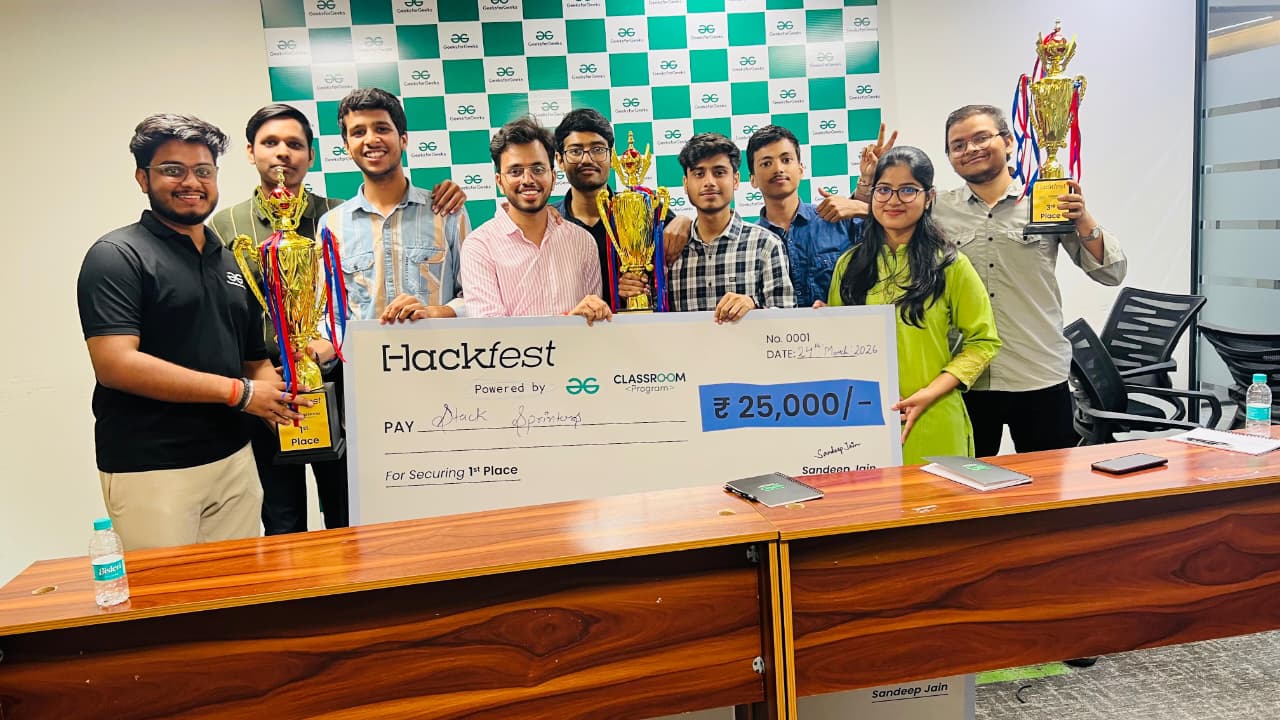
The hackathon challenged participants to develop an AI-based fact-checking engine, incorporating key components such as claim extraction, real-time evidence retrieval, and accuracy reporting. Demonstrating remarkable innovation, technical expertise, and problem-solving abilities, IMS Noida students impressed the judges with their impactful solutions.
Congratulating the students, Mr. Rajeev Kumar Gupta, President, IMS Noida, stated that this outstanding achievement reflects the students’ dedication, perseverance, innovative mindset, and strong technical skills. He emphasized that securing both first and second positions at a national-level competition is a matter of immense pride. He further added that such hackathons provide students with opportunities to solve real-world problems while strengthening their creativity, teamwork, and industry-ready skills.
IMS Noida Advisor, Professor (Dr.) J.K. Sharma, highlighted that the institute remains committed to providing a dynamic learning environment where students can apply their knowledge practically and prepare themselves to tackle global challenges. He expressed confidence that IMS students will continue to excel and contribute significantly to the fields of technology and innovation.
Dr. Ajay Kumar Gupta, Head of IMS School of IT, remarked that this achievement reflects the institute’s commitment to fostering innovation and excellence. He congratulated the students and wished them continued success in their future endeavors.
Dr. Jyoti Kumari Tripathi, Coordinator of the IMS Coding Club, informed that in the GeeksforGeeks Classroom Hackathon, Team “Stack Sprinters” (Mudit Tyagi and Shubh) secured the First Position, winning a trophy along with a cash prize of ₹25,000. Meanwhile, Team “Jha Himanshu” (Himanshu Jha, Shivkant Mishra, and Nitin Prakash) secured the Second Position, winning a trophy along with a cash prize of ₹15,000.
This remarkable accomplishment stands as a testament to IMS Noida’s continuous efforts to nurture innovation, technical excellence, and industry-oriented learning among its students.


