


24, Mar 2026
India’s Heritage Sites Attract Film Shoots and Foreign Tourists, Boosting Eco-Tourism Growth
India’s iconic heritage monuments are emerging as popular destinations for film shootings and international tourism, reflecting a growing blend of culture, cinema, and sustainable travel promotion across the country.
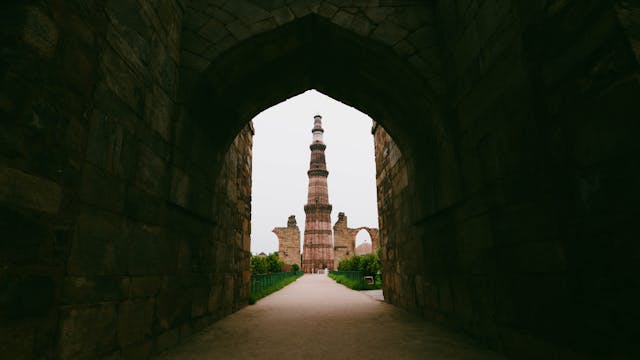
Among the most prominent examples is the UNESCO World Heritage Site Qutub Minar, which has recently witnessed a rise in film shoots, documentary productions, and visual storytelling projects. The monument’s architectural grandeur and historical significance continue to attract filmmakers seeking authentic backdrops for cinema and digital content.
Pic Credit: Pexel
Tourism officials report that increased media exposure and cinematic visibility of heritage sites have contributed to a steady rise in foreign tourist arrivals. International visitors are showing greater interest in India’s cultural landmarks, history, and architectural heritage, with sites like Qutub Minar becoming key attractions in travel itineraries.
Experts say this growing trend is not only boosting tourism but also strengthening India’s cultural and eco-tourism ecosystem. By promoting responsible tourism practices, authorities aim to ensure that heritage conservation goes hand in hand with visitor engagement and economic development.
The government and tourism bodies have been encouraging controlled film shootings at protected monuments under strict guidelines to ensure that heritage structures are not damaged. These initiatives are designed to balance creative use of historical sites with long-term preservation.
Tourism stakeholders believe that film shoots play a major role in global destination branding. When Indian monuments appear in films, documentaries, or digital media, they generate international curiosity and encourage more foreign travelers to explore these destinations in person.
Alongside cultural tourism, eco-tourism efforts are also being strengthened. Sustainable travel practices such as regulated visitor flow, improved cleanliness standards, and awareness campaigns are being implemented at major heritage sites to reduce environmental impact.
Officials note that this integrated approach—combining heritage conservation, film tourism, and eco-friendly travel—supports local employment, boosts small businesses, and enhances India’s global tourism profile.
With rising international interest and increasing creative use of historical sites, India’s heritage monuments are evolving into dynamic cultural spaces that connect history, cinema, and sustainable tourism.

- 0
- By Neel Achary

24, Mar 2026
Digital Libraries: Transforming Access to Knowledge in the Modern Era
Libraries are undergoing a major transformation in the digital age, evolving from traditional book storage spaces into dynamic, technology-driven knowledge hubs. Digital libraries are now playing a key role in reshaping how information is accessed, shared, and preserved across education, research, and public learning systems.

Pic Credit: Pexel
A digital library is a collection of information resources—such as e-books, journals, research papers, audio-visual content, and archives—stored in electronic form and made accessible through computers and mobile devices. The primary aim is to make knowledge available anytime and anywhere, removing the limitations of physical location and opening access to a wider audience.
Experts say the objectives of digital libraries go beyond convenience. They are designed to preserve rare documents, improve information retrieval through advanced search systems, and support education and research by providing instant access to reliable academic content. They also help reduce costs associated with printing, storage, and physical maintenance of books.
In recent years, digital libraries have gained significant importance, especially with the expansion of online education and remote learning. Educational institutions, universities, and government initiatives have increasingly adopted digital platforms to ensure students and researchers can access updated learning materials without barriers.
In India, initiatives such as the National Digital Library of India have made millions of academic resources available to students across the country. Similarly, universities and public library systems are integrating digital catalogues and e-learning tools to enhance accessibility and improve learning outcomes.
Globally, institutions like the World Digital Library and academic databases such as JSTOR have expanded access to historical documents, research papers, and scholarly publications, supporting global knowledge exchange.
Digital libraries also play a crucial role in bridging the information gap between urban and rural learners. With the help of internet connectivity and mobile technology, students in remote areas can now access the same educational resources as those in major cities.
The rise of mobile applications such as Kindle has further simplified access to digital books and reading materials, making learning more flexible and personalized.
However, experts also point out challenges such as the digital divide, limited internet access in rural areas, and the need for digital literacy training. Addressing these issues is essential to ensure equal and effective use of digital library systems.
Overall, digital libraries represent a major step forward in modern education systems. By combining technology with knowledge sharing, they are helping build a more accessible, efficient, and inclusive learning environment for the future.
24, Mar 2026
Middle East conflict to have limited near-term impact on Southeast Asia power markets, but raises long-term energy security risks
LONDON/HOUSTON/SINGAPORE, 24
Imported LNG demand for power sector in Southeast Aisa and exposure to spot LNG in 2025
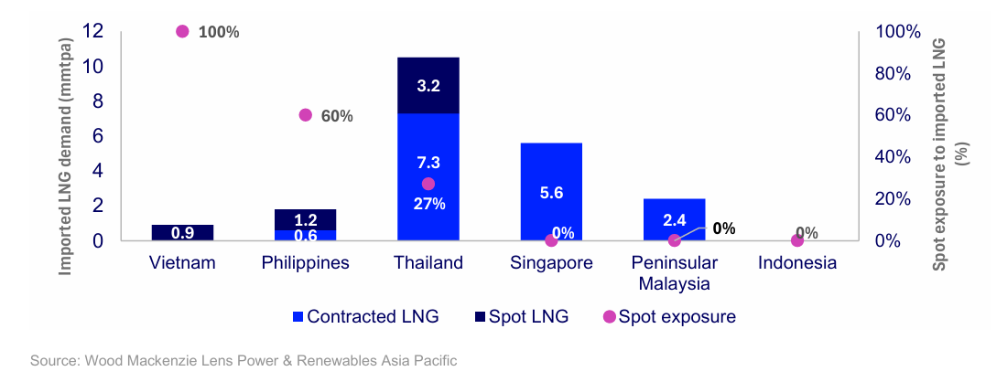
“While Southeast Asia is relatively insulated from immediate price shocks, the current crisis is a clear reminder of the region’s structural exposure to global fuel markets,” said Yanqi Cao, senior analyst, Asia Pacific power and renewable research at Wood Mackenzie. “Energy security is moving back to the top of the agenda, and this will have lasting implications for how power systems evolve in the region.”
Short-term impacts manageable, with uneven exposure
Rising gas and LNG prices are expected to feed into Southeast Asian power prices through Q2 2026, though impacts will remain manageable and vary significantly across markets.
Singapore and the Philippines are likely to experience the earliest effects. Singapore’s wholesale electricity prices have increased by around 20% in the third week of March compared to pre-conflict levels, while prices in the Philippines are following similar trend over the same period. In both markets, price caps are expected to limit the impact on end consumers.
Elsewhere, regulatory mechanisms and subsidies will delay or dampen price increases. According to Wood Mackenzie, Thailand’s fuel tariff adjustment is not expected until May, while in Peninsular Malaysia, the impact is estimated at around a 1% increase in total power bills. Vietnam’s exposure remains limited, with gas accounting for just 9% of its power mix, and Indonesia’s fully subsidised tariff structure is expected to shield consumers from near-term changes.
Limited flexibility constrains fuel switching
If elevated fuel prices persist, most Southeast Asian markets will have limited ability to switch away from gas and LNG.
Vietnam and Indonesia may partially offset higher gas costs through increased coal generation and power imports. However, Singapore and Thailand where gas and LNG account for approximately 85% and 65% of generation capacity, respectively have more limited short-term alternatives. Malaysia and the Philippines also retain coal capacity, but plants are already operating near
Energy security concerns to accelerate structural shifts
Prolonged market disruption is likely to accelerate policy and investment shifts across the region, particularly in nuclear power and firmed renewable energy.
All six markets analysed have announced nuclear ambitions for 2030 – 2037, ranging from 1.2 GW in the Philippines to 4.0 – 6.4 GW in Vietnam. While these targets face execution challenges, heightened energy security concerns could drive renewed policy focus.
Firmed renewables combining wind and solar with battery storage are also emerging as a more scalable near-term solution. Policy momentum is building across the region, including higher tariff caps for hybrid projects in Vietnam, battery requirements for new renewables in the Philippines, storage auctions in Malaysia, and ambitious solar-plus-storage targets in Indonesia. Singapore is also advancing plans to import up to 6 GW of low-carbon electricity by 2035.
“Southeast Asia’s power markets are relatively well insulated from immediate shocks due to existing contractual and regulatory structures,” concluded Cao. “However, sustained volatility in global energy markets is likely to sharpen the region’s focus on energy security, accelerating investment in nuclear and firmed renewable capacity as alternatives to gas-fired generation.”
24, Mar 2026
India’s Growth Accelerates Across Infrastructure, Economy and Global Standing: PM Narendra Modi
Prime Minister Narendra Modi on Monday said India is witnessing rapid and broad-based growth, driven by major improvements in infrastructure, economic performance, and global influence.
Speaking at an event, he pointed to the sharp expansion of infrastructure as a key sign of progress. India now has over 160 airports, alongside growing road networks, railway modernization, and digital connectivity—developments that are improving mobility and boosting economic activity across regions.
The Prime Minister emphasized that India’s growth is no longer limited to policy announcements but is visible on the ground. He said faster execution of projects and time-bound delivery have helped shift the country from gradual progress to accelerated development.
On the economic front, he noted that India has remained resilient despite global challenges, including geopolitical tensions in regions such as West Asia. Stable growth, rising investments, and continued focus on manufacturing and exports have supported this momentum.
He also highlighted India’s increasing global standing, stating that the country is being seen as a reliable economic partner. According to him, consistent policy decisions and reforms have strengthened confidence among international investors and institutions.
Referring to governance, the Prime Minister said several key decisions taken in recent weeks reflect the government’s intent to maintain growth despite external pressures. He added that India’s ability to move forward even during global uncertainty demonstrates its economic strength.
Earlier in the day, while addressing the Lok Sabha, he also assured that India is prepared to handle global disruptions, including energy challenges, through strategic planning.
Overall, the Prime Minister presented India’s growth as a combination of faster infrastructure development, economic resilience, and rising global credibility, signaling a shift toward sustained, high-speed progress.
24, Mar 2026
MSM Unify Appoints Dr. Nalin Jha as Head Academics to Drive E-Learning Growth
New Delhi, Mar 24: MSM Unify, a leading global education company and part of Laul Global, has announced the appointment of Dr. Nalin Jha as Head Academics. In his new role, Dr. Jha will lead the organization’s online and e-learning strategy, focusing on scaling digital education ecosystems and strengthening institutional partnerships.
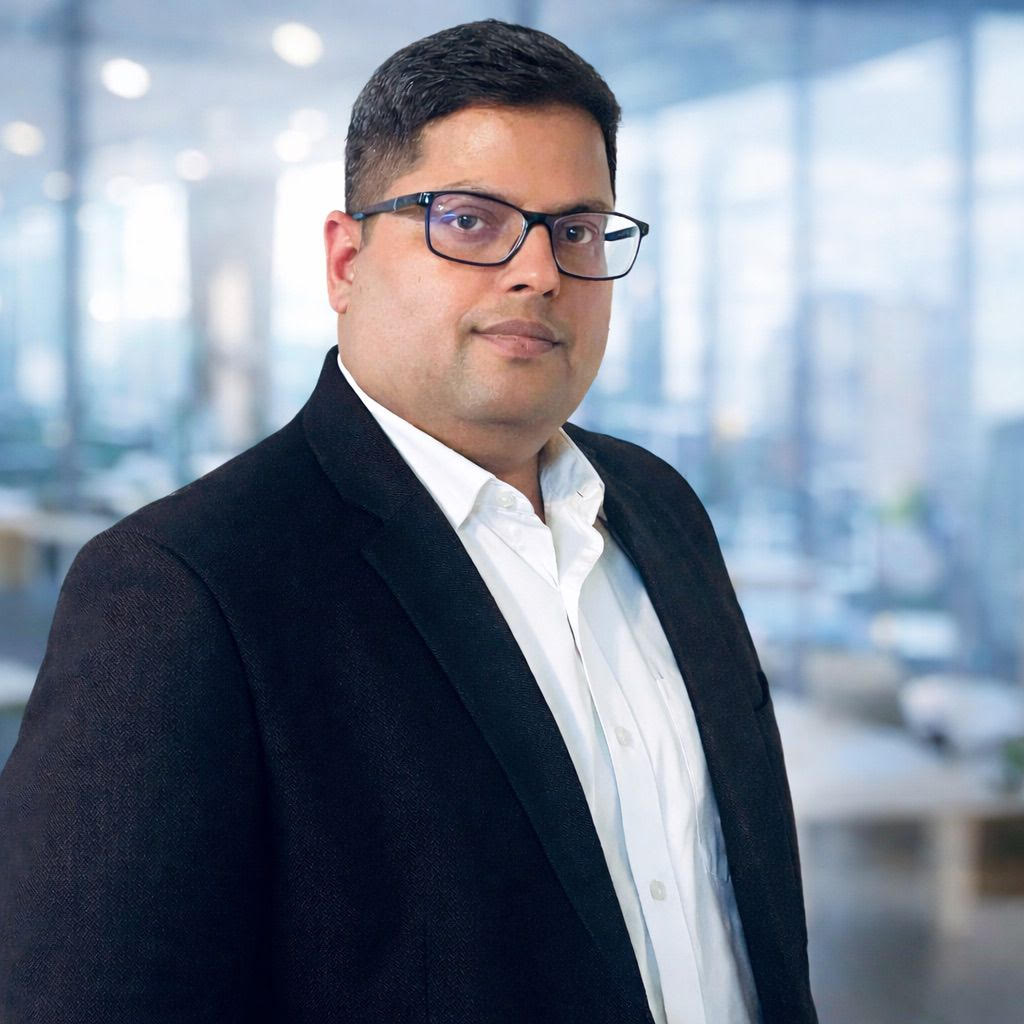
Dr. Jha brings extensive experience in academic operations, content innovation, program delivery, and faculty development. He has a strong track record of conceptualizing and scaling EdTech verticals, leading large-scale government-funded skilling initiatives, and building impactful collaborations across industry and academia.
Over the years, he has designed industry-aligned curricula, managed cross-functional teams, and delivered outcome-driven training programs across sectors including BFSI, AEC, logistics, IT, and healthcare. He has also forged strong B2B and B2G partnerships, working closely with organizations such as National Skill Development Corporation and various Sector Skill Councils to drive employability-focused skilling initiatives.
Commenting on the appointment, Sanjay Laul, Founder of MSM Unify, said,
“We are delighted to welcome Dr. Nalin Jha to MSM Unify. His deep understanding of the education ecosystem and ability to scale impactful learning solutions align perfectly with our vision. As we expand globally, his leadership will be instrumental in strengthening our digital learning capabilities.”
Sharing his thoughts, Dr. Nalin Jha said,
“I am excited to join MSM Unify at a time when digital education is transforming the global learning landscape. I look forward to building scalable, industry-relevant learning solutions and contributing to the mission of enabling access to quality education worldwide.”
With this strategic appointment, MSM Unify aims to accelerate its growth in the EdTech space, enhance its digital-first offerings, and expand its presence across global education markets.
24, Mar 2026
India Restores Tax Relief for Exporters as West Asia Crisis Disrupts Trade Routes
Responding to growing disruptions in global trade, the Indian government has reinstated tax incentives for exporters to help them cope with the fallout of the ongoing tensions in West Asia.
The crisis has begun to strain key shipping corridors, forcing rerouting of vessels, increasing transit time, and driving up freight and insurance costs. Exporters across sectors are feeling the pressure, particularly those dependent on time-sensitive deliveries and cost efficiency.
By restoring tax relief measures, the government aims to ease financial stress on exporters and maintain the competitiveness of Indian goods in international markets. The move is expected to improve cash flow for businesses at a time when margins are being squeezed by rising logistics expenses.
Sectors such as textiles, engineering goods, and marine exports are likely to benefit significantly, as they rely heavily on stable and cost-effective supply chains. Smaller exporters, who are more vulnerable to sudden cost spikes, may find the relief especially crucial.
Industry representatives have welcomed the decision, calling it timely and necessary. They note that without such support, prolonged geopolitical instability could slow export momentum and affect order volumes.
Officials indicated that the situation remains under close watch, with the possibility of additional measures if global conditions worsen. The government’s immediate focus, however, is to ensure that exporters remain resilient and trade flows continue despite external challenges.
24, Mar 2026
Odisha’s Debt Climbs to INR 1.26 Lakh Crore; Fresh Borrowing to Push Burden Higher
Odisha’s debt burden is steadily increasing, with the state’s total outstanding liabilities reaching ₹1,25,951 crore by the end of February 2026. The rising debt translates to an average burden of about ₹26,783 per person.
The situation is expected to intensify in the coming financial year, as the state government plans to raise an additional ₹47,800 crore in 2026–27. This could take the total debt stock to nearly ₹1,73,751 crore.
At the same time, the government has outlined repayment commitments. Around ₹22,000 crore will go toward clearing existing loans, while ₹8,200 crore is expected to be spent on interest payments. After accounting for repayments, the net debt is projected to stand at approximately ₹1,51,751 crore.
The data, presented in the State Assembly by Chief Minister Mohan Charan Majhi, highlights the growing reliance on borrowings to support the state’s financial requirements.
In recent years, Odisha has sourced funds from a mix of channels, including central government loans, open market borrowings, and institutions such as NABARD. A similar strategy is planned for 2026–27, with a major share expected from market borrowings, supplemented by institutional and government funding.
The continued rise in debt indicates mounting fiscal pressure, which may further increase the per capita burden in the future, even as the state attempts to balance borrowing with repayments.
24, Mar 2026
Amid Rising Heat, Odisha Halts Outdoor Work During Peak Hours
Bhubaneswar: With temperatures expected to rise sharply in April, increasing the risk of heatstroke, the state Labor and Employees’ State Insurance Department has issued new safety guidelines to protect workers from extreme heat conditions.
According to the directive, outdoor labor activities should be suspended daily between 10:00 AM and 3:00 PM from April 1 to June 15. Instructions have been sent to all Revenue Commissioners, District Collectors, and the State Labor Commissioner to ensure strict implementation.
The advisory applies to all government departments, central government offices operating within the state, private employers, industrial units, commercial establishments, shops, and contractors. Employers have been urged to reschedule working hours to avoid exposing workers to peak daytime heat.
In cases where work is unavoidable—particularly for essential services—employers must take adequate precautionary measures to safeguard workers. These include:
- Providing sufficient drinking water
- Arranging shaded rest areas
- Ensuring access to medical facilities
- Supplying ORS (Oral Rehydration Solution) packets to workers
Additionally, healthcare institutions such as district hospitals, sub-divisional hospitals, primary health centers, and community health centers have been directed to remain prepared to handle heat-related illnesses.
The move aims to minimize the risk of heatstroke and ensure worker safety during the intense summer months.
24, Mar 2026
Honeywell Launches New Infrared Gas Sensor To Help Keep Industrial Workers Safe
India, Mar 24: Honeywell today introduced a new gas sensor that uses optical non-dispersive infrared (NDIR) technology to detect flammable gases, such as methane, propane and butane, in industrial settings. The NDIR Hydrocarbon Gas Sensor helps protect workers and infrastructure in industries such as mining, oil and gas, petrochemical and plastics manufacturing.
“In gas detection, the accuracy, precision and reliability of the sensing solution is crucial for worker safety,” said Carmen Becker, president of Honeywell Sensing Solutions. “Our new flammable gas sensor is an example of how Honeywell is using extensive domain expertise and introducing innovative technology to strengthen operational safety in industries critical to global infrastructure.”
The 4-Series NDIR Hydrocarbon Gas Sensor is designed to integrate into fixed and portable gas detectors carried by workers in the field, deep underground or within a processing facility. It is vital for these detectors to use advanced and accurate sensors that can alert workers to potential exposure to hazardous gases.
Because the NDIR sensor will be exposed to harsh conditions, such as dust in mines, methane leaks or extreme indoor versus outdoor temperature fluctuations, it is designed to be durable and reliable in a wide range of settings. The sensor has an integrated condensation reduction system, allowing it to clear excess moisture and maintain performance in humid environments and confined spaces like refineries.
Unlike traditional pellistor or catalytic bead sensors that can degrade or become “poisoned” in harsh environments, the NDIR sensor has high poisoning resistance, limiting the risk of sensor failure and reducing instances of false positives. With infrared technology, the NDIR sensor is also able to consume less power than traditional flammable gas sensors, extending the operational lifespan and prolonging a portable gas detector’s battery.
For more information on Honeywell’s innovations in sensing, gas detection and safety technologies.
24, Mar 2026
BPCL Assures Uninterrupted Availability of Petrol, Diesel & Domestic LPG Across West Bengal
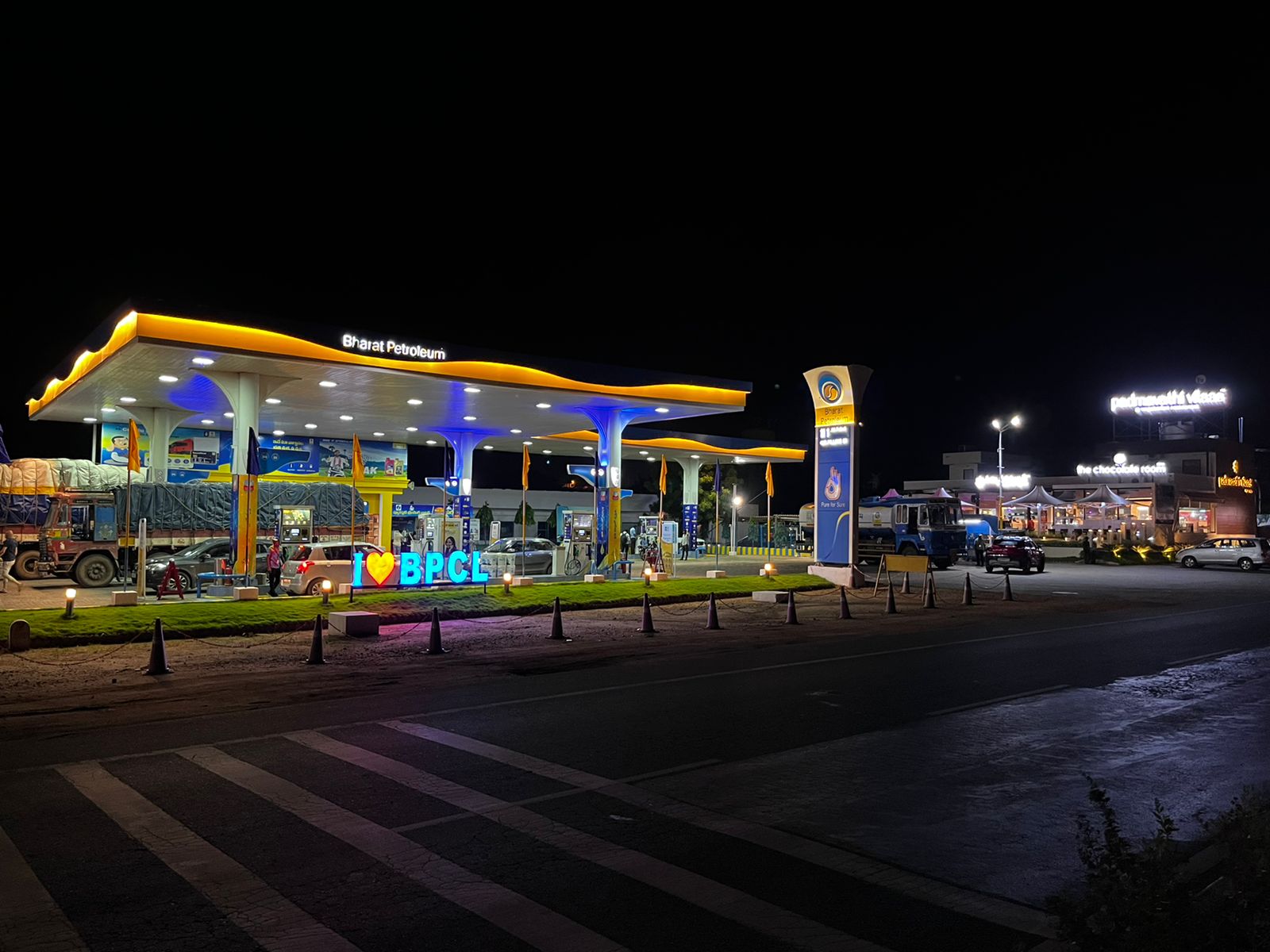
Kolkata, Mar 24: Bharat Petroleum Corporation Limited (BPCL), a Fortune Global 500 company, and one of India’s leading oil and gas companies, assures all citizens that sufficient Petrol, Diesel, CNG, and Domestic LPG are available across its vast network.


