


15, Mar 2026
Union Minister of Coal and Mines G. Kishan Reddy Inaugurates Key Projects, Reviews Operations at WCL
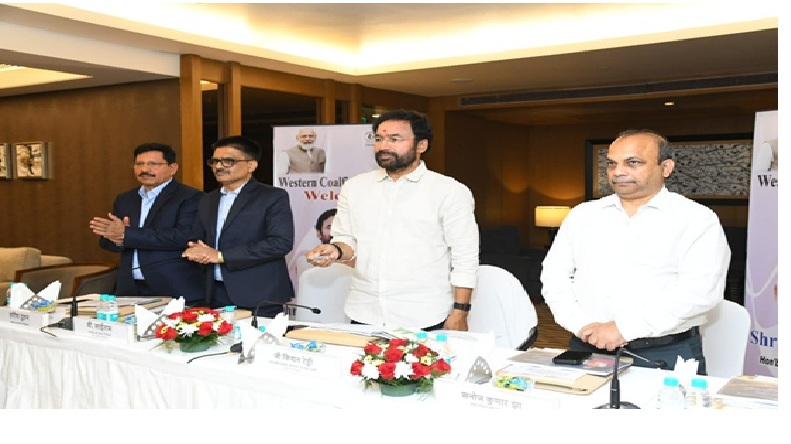
Nagpur: Union Minister of Coal and Mines G. Kishan Reddy, currently on a two-day visit to Western Coalfields Limited (WCL), virtually inaugurated and laid the foundation stone for several infrastructure and development projects while reviewing the company’s operational performance.
During the programme on Friday, the Minister virtually flagged off 25 electric vehicles aimed at supporting cleaner and more efficient operations within the organisation. He also laid the foundation stones for three major projects: the Black Diamond Sports Stadium in the Kamptee area of Nagpur, the Swami Vivekananda Eco Park in Tadali in Wani area, and a First Mile Connectivity (FMC) Project at the Sasti Open Cast Mine in the Ballarpur area.
The projects are expected to strengthen regional infrastructure, promote environmental sustainability, and modernise coal mining operations.
Following the inauguration, the Union Minister conducted a detailed review meeting on WCL’s performance, focusing on coal production, safety measures, sustainable development initiatives, environmental protection, and upcoming projects.
Praising the work culture and performance of the organisation, Reddy commended Team WCL for its achievements and expressed confidence that the company would deliver even stronger results in the current financial year. He also discussed WCL’s role in the evolving landscape of the coal industry.
During the meeting, WCL Chairman-cum-Managing Director Harish Duhan presented a detailed overview of the company’s achievements during the financial year 2025–26.
Senior officials present at the meeting included Sanoj Kumar Jha, Additional Secretary in the Ministry of Coal, B. Sairam, Chairman of Coal India Limited, along with other senior officers from the Ministry of Coal, Coal India Limited, and WCL.
As part of his visit, the Union Minister will also inspect the ongoing mine closure process at the Murpar underground mine on March 14, 2026. He is scheduled to hold a meeting with the District Collector and members of the Mine Closure Advisory Committee (MCAC).
Representatives from WCL’s Mine Closure team, non-governmental organisations, consultants, and members of local villages are expected to participate in the meeting to discuss issues related to mine closure and rehabilitation.

- 0
- By Neel Achary

15, Mar 2026
Helios Luxe brings German watchmaker Alexander Shorokhoff in exclusive strategic partnership; taps 46% surge in accessible luxury
Chandigarh, March 15 – Helios Luxe by Titan Company Ltd. continues to consolidate its leadership in India’s accessible luxury watch segment, riding on the wave of a 46% growth in the category. Strengthening its strategic focus on curated global partnerships, Helios Luxe has announced its exclusive association with Alexander Shorokhoff, the German independent watchmaker celebrated for its limited-edition timepieces that place avante garde art at the heart of fine mechanical craftsmanship. This launch reinforces Helios Luxe’s commitment to expanding its accessible luxury portfolio with distinctive international maisons that cater to India’s increasingly discerning and culturally attuned luxury consumer. With this addition, the brand anticipates sustained momentum in the accessible luxury segment in the upcoming fiscal year.
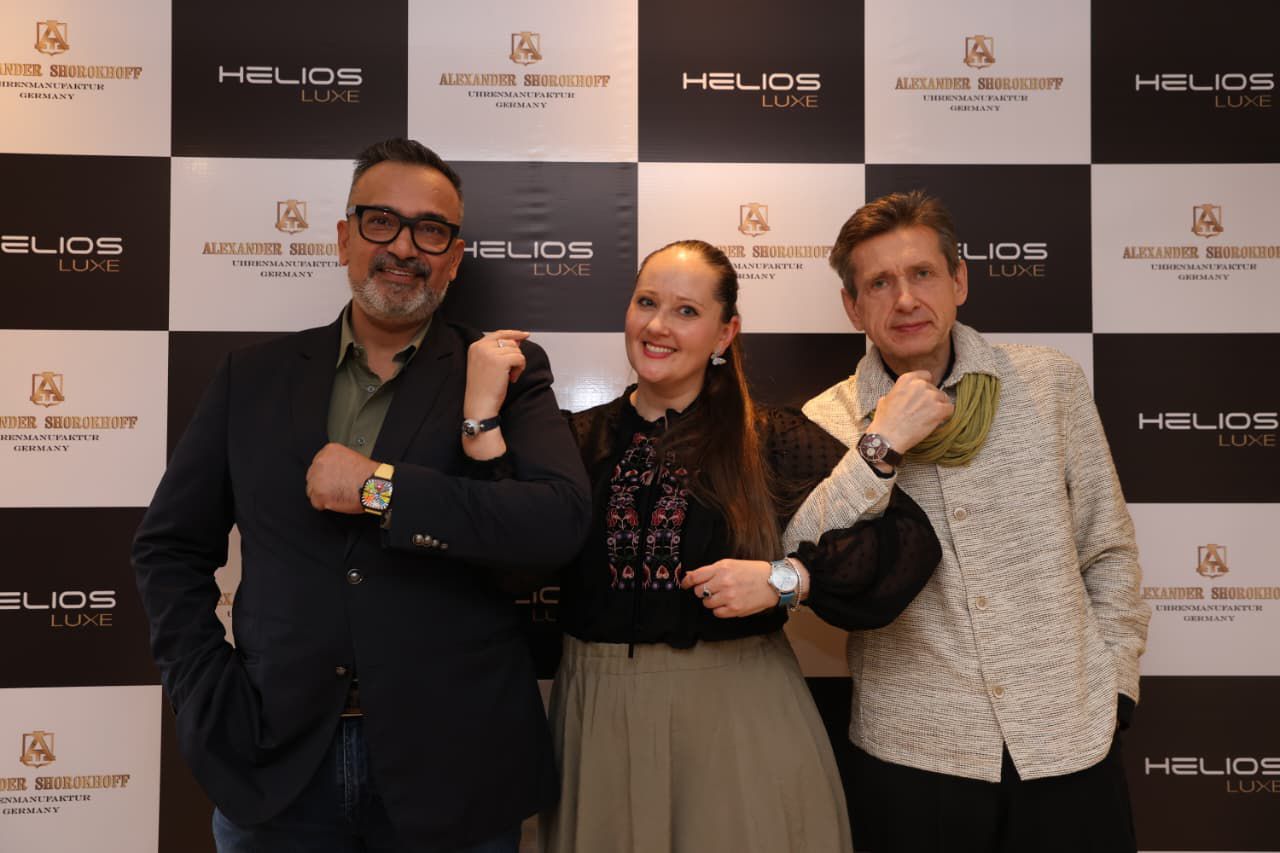
With 5 exclusive and 7 other international brands introduced to India over the past 18 months, Helios Luxe has emerged as a strategic gateway for global watchmakers seeking a meaningful entry into the country. By offering a platform that allows each maison to present its identity with authenticity, Helios Luxe continues to drive higher-value retail, deepen collector engagement and expand access to differentiated mechanical watchmaking.
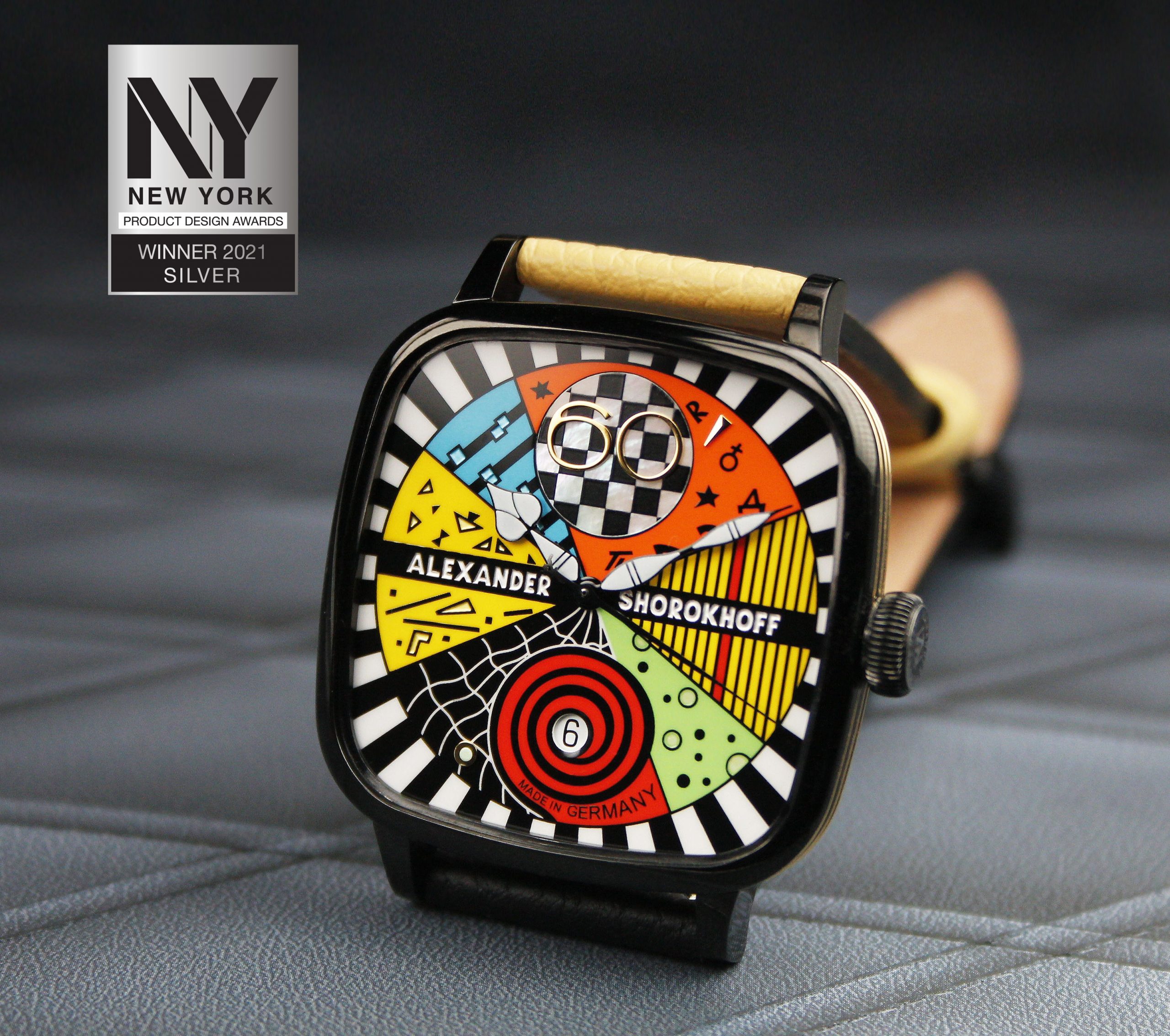
In this context, the arrival of Alexander Shorokhoff aligns seamlessly with this vision, as the brand, guided by Alexander Shorokhov’s philosophy of “Art on the Wrist”, approaches watchmaking as a form of cultural expression, blending German engineering precision with bold artistic interpretation. Among the highlights of the collection is the Kandy Avantgarde 2, inspired by the abstract works of Wassily Kandinsky and limited to 100 pieces worldwide, featuring a bold geometric dial and vivid colour palette that reflect the maison’s artistic identity. This forms a part of Helios Luxe’s curated offering of rare, individually numbered mechanical timepieces for discerning collectors.
Speaking on the launch, Mr. Rahul Shukla, VP & CSMO, Watches Division, Titan Company Limited, said, “The Indian luxury consumer today is increasingly drawn to brands with a strong narrative and clear creative identity. We are responding to this shift by deepening our portfolio of independent watchmakers while enhancing our after sales service standards. Alexander Shorokhoff embodies a story-led approach to fine watchmaking, and its entry into India reflects our commitment to curating culturally rooted, thoughtfully crafted, global maisons through Helios Luxe. Encouraged by the increasing traction for independent brands, we intend to deepen market reach by establishing 45 Helios Luxe boutiques across metros and select Tier 1 cities in the coming fiscal.”
Mr. Alexander Shorokhov, CEO of Alexander Shorokhoff Uhrenmanufaktur GmbH said, “India represents an exciting new chapter for us. We produce in very limited, numbered editions, and presenting these rare pieces to a vast and evolving luxury market like India is both exciting and meaningful. With Helios Luxe, we are introducing our manufactory to a country that deeply values culture, individuality and mechanical depth. We look forward to engaging with Indian collectors who appreciate rarity, strong narratives and a distinctive design language in the timepieces they choose to own.”
The India launch of Alexander Shorokhoff introduces a curated portfolio of 16 limited-edition timepieces spanning avant-garde, vintage-inspired and complication-led creations, including the Kandy Avantgarde 2, Winter, Sixtythree, Neva Brown, Neva Chrono, Full Calendar Cadamomo, Shar, Swan Lake Alarm, Lucky 8, Crazy Eyes Chrono, Flensi, Happy Second and Emotion Due. The collection features automatic, hand-wound and chronograph movements with in-house hand engraving and refined finishing, with most references limited to between 30 and 100 pieces worldwide. Each watch is handcrafted, assembled under the brand’s “one man, one watch” philosophy, individually numbered and available exclusively in India through 6 Helios Luxe boutiques.
15, Mar 2026
Health Camp Organised for Swachh Karmis in Bhubaneswar Under NAARI Leads Swachhta Initiative
Bhubaneswar: A “Safai Mitra Surakhya Sibira” health camp for Swachh Karmis was organised in Bhubaneswar under the NAARI Leads Swachhta initiative, with a focus on promoting the health and wellbeing of sanitation workers.
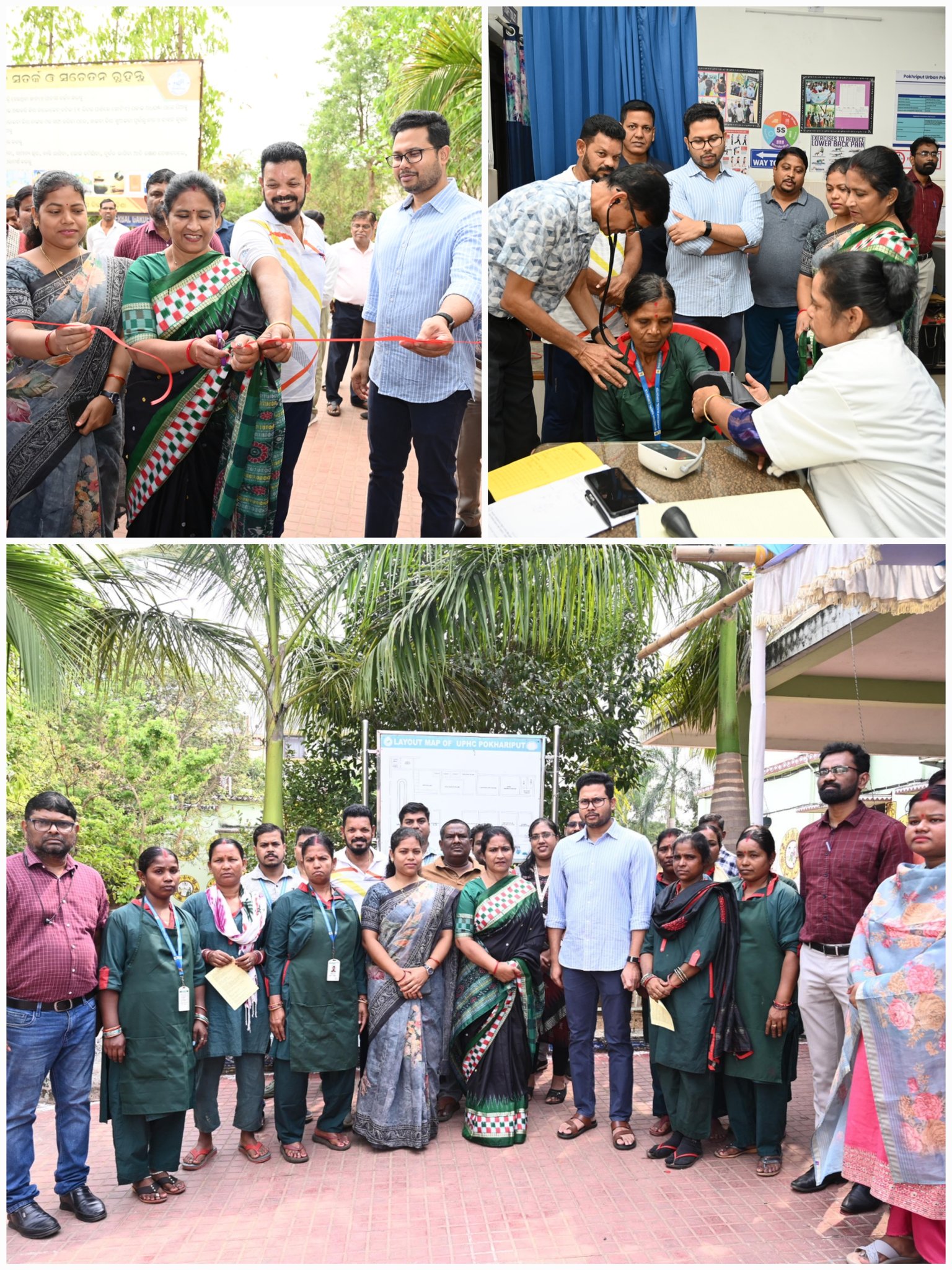
The camp was inaugurated by the Hon’ble Mayor in the presence of the Commissioner, Deputy Mayor, and local Corporator. The programme highlighted the commitment of the city administration towards supporting sanitation workers who play a crucial role in maintaining cleanliness and public health in the city.
During the camp, sanitation workers were provided with health check-ups and medical consultations. The initiative also aimed to raise awareness about preventive healthcare and occupational safety among Swachh Karmis.
Officials present at the event emphasised the importance of ensuring access to healthcare services for sanitation workers, acknowledging their vital contribution to keeping the city clean and hygienic.
The health camp formed part of ongoing efforts under the NAARI Leads Swachhta initiative to strengthen welfare measures for sanitation workers and recognise their role as frontline contributors to urban sanitation.
15, Mar 2026
India’s Medical Devices Market Eyes $30 Billion by 2030: Opportunity, Policy Push and Global Interest
India’s medical devices industry is entering a period of rapid transformation. Long considered a small but essential part of the healthcare ecosystem, the sector is now drawing major policy attention and investor interest as the country works toward a projected $30 billion market by 2030.
Industry analysts say the growth will be driven by a combination of rising healthcare demand, government incentives for domestic manufacturing, and increasing adoption of advanced medical technologies.
A Market on a Strong Growth Path
India’s medical devices market is currently estimated at around $12–14 billion, but the sector has been expanding at a double-digit annual growth rate of roughly 15%. If this pace continues, the market could more than double within the next five years.
Several structural factors are supporting this expansion. India’s population of more than 1.4 billion is aging, lifestyle diseases such as diabetes and cardiovascular conditions are rising, and access to healthcare services is improving across smaller cities. Together, these trends are increasing the demand for diagnostic equipment, implants, consumables, and digital medical technologies.
Hospitals and diagnostic centers are also investing more heavily in modern equipment as healthcare infrastructure grows in both public and private sectors.
Government Push for Domestic Manufacturing
A major catalyst for growth has been the government’s push to reduce import dependence and strengthen local manufacturing.
India currently imports around 70–80% of its medical devices, particularly high-value products such as imaging equipment, implants, and advanced diagnostic systems. To address this gap, the government has introduced initiatives such as the Production Linked Incentive (PLI) scheme for medical devices, along with the creation of dedicated medical device parks in several states.
These measures aim to attract global manufacturers, encourage domestic production, and create a stronger supply chain ecosystem.
Policy support is also helping the industry move beyond low-value consumables toward more sophisticated products such as diagnostic imaging systems, surgical equipment, and high-precision implants.
Growing Investment and Global Partnerships
Global medical technology companies are increasingly looking at India as both a manufacturing hub and a major growth market.
International firms are expanding local production facilities and forming partnerships with Indian manufacturers to serve both domestic and export markets. At the same time, Indian startups are entering the field with innovations in digital health, AI-enabled diagnostics, and affordable medical technologies designed for emerging markets.
Venture capital investment in health technology has also accelerated, with investors backing companies developing portable diagnostic devices, wearable monitoring systems, and telemedicine platforms.
Opportunities in Tier-2 and Tier-3 Cities
While metropolitan hospitals have traditionally driven demand for advanced medical equipment, the next wave of growth is expected to come from Tier-2 and Tier-3 cities.
Healthcare infrastructure is expanding rapidly in these regions as private hospital chains and diagnostic networks move beyond major urban centers. Government health insurance programs and rising middle-class incomes are also increasing healthcare access.
As a result, demand for imaging equipment, point-of-care diagnostic devices, and affordable medical technologies is rising across smaller cities and semi-urban areas.
Challenges Remain
Despite strong growth prospects, the sector still faces several challenges.
Industry leaders often cite regulatory complexity, limited domestic component manufacturing, and price controls on certain medical devices as areas that need further policy clarity. High research and development costs also make it difficult for smaller companies to scale advanced technology production.
Supply chain constraints and reliance on imported components remain another concern for manufacturers aiming to build a fully integrated domestic ecosystem.
The Road to 2030
Even with these challenges, the long-term outlook for India’s medical devices sector remains optimistic.
If current growth momentum continues, analysts believe the industry could reach $30 billion by 2030, positioning India as one of the fastest-growing medical device markets in the world.
For policymakers, the sector offers an opportunity to strengthen healthcare infrastructure while building a globally competitive manufacturing base. For investors and technology companies, it represents a market where demand, innovation, and policy support are beginning to align.
The coming decade will determine whether India can turn this potential into a robust medical technology ecosystem that serves both domestic healthcare needs and global markets.
14, Mar 2026
Geopolitical shifts, technology disruptions reshaping risk landscape for organisations – IIA Calcutta Chapter
Kolkata, March 14: Geopolitical developments, economic volatility, rapid digitalisation, cyber threats, evolving regulatory expectations and emerging technologies like artificial intelligence are reshaping the global risk landscape for organisations, posing new challenges for traditional governance and control systems.
Against this backdrop, internal auditors are playing an increasingly strategic role in helping organisations anticipate risks and strengthen governance frameworks, a theme that was highlighted at the Annual Conference 2026 of the Institute of Internal Auditors (IIA) India – Calcutta Chapter held on March 14. The event brought together internal audit professionals, risk practitioners and industry leaders to deliberate on the expanding role of internal audit in strengthening corporate governance.
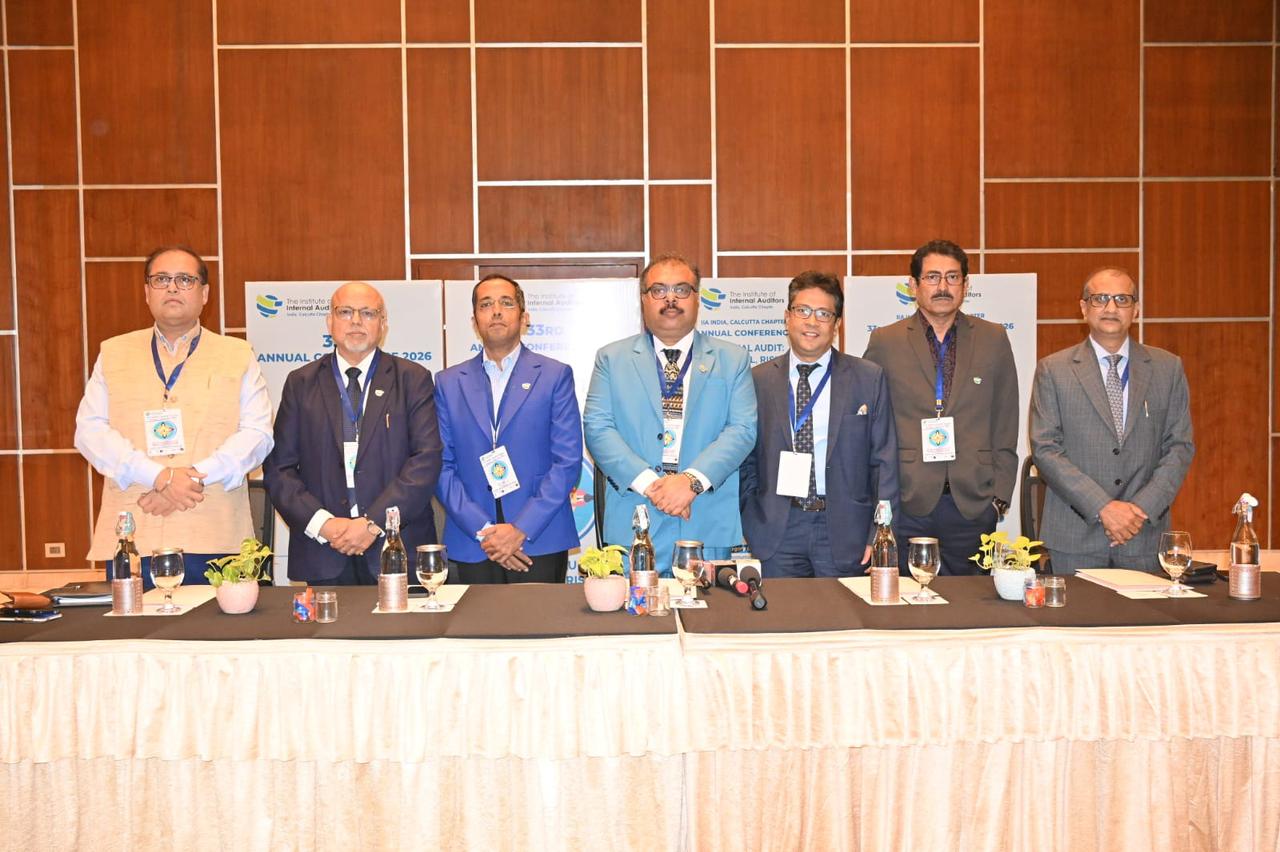
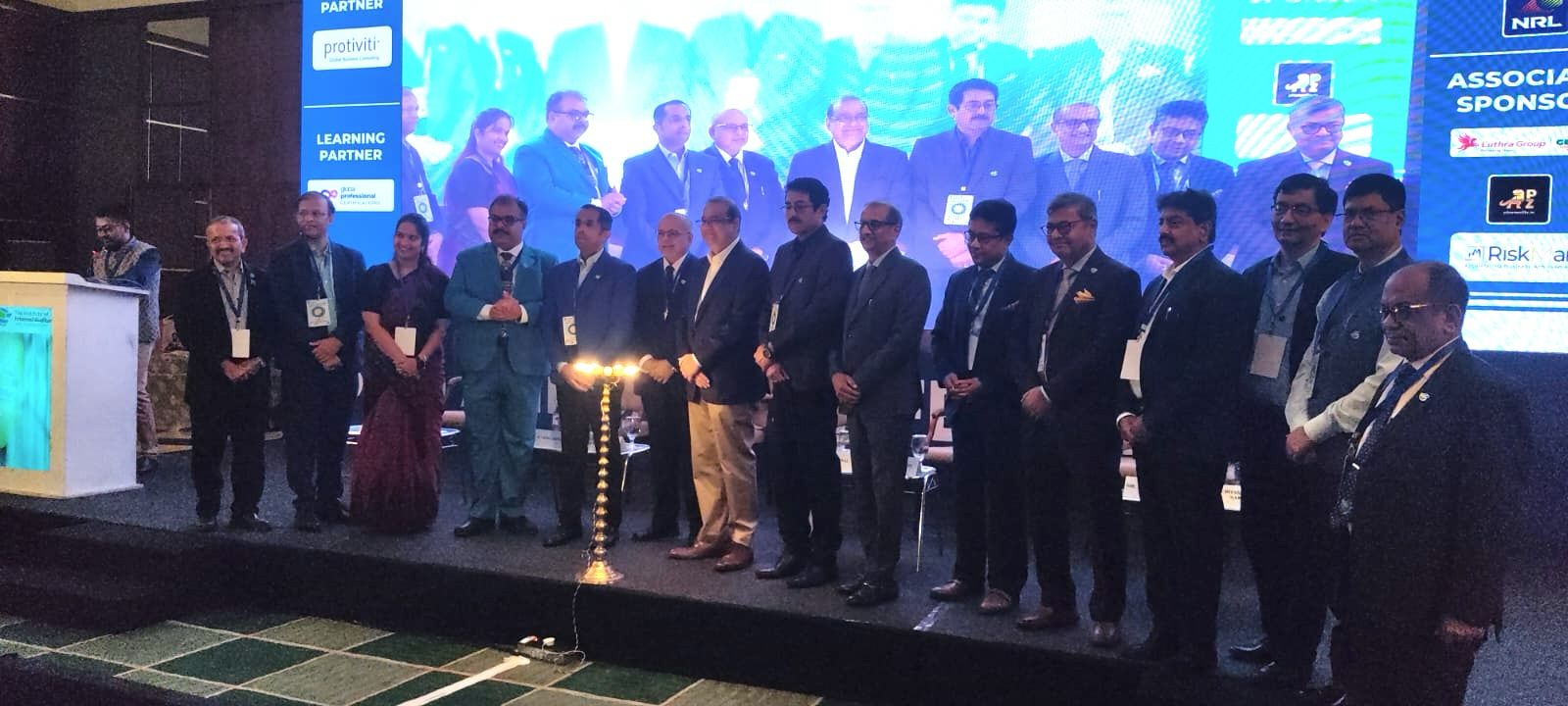
The conference was formally inaugurated by Mr. Krishnan Venugopal, President, IIA India. The inaugural session was graced by Mr. Neeraj Bansal, Head – India Global, KPMG, as the Chief Guest, who shared perspectives on evolving global risks, board expectations, and the importance of resilient control frameworks.
“India is no longer an isolated economy. Businesses today operate across multiple geographies and are influenced by global geopolitical developments, cyber risks and rapidly evolving technologies. In such an environment, internal auditors are expected to continuously monitor these risks and help organisations strengthen their governance and control frameworks,” said Abin Mukhopadhyay, President, IIA India – Calcutta chapter.
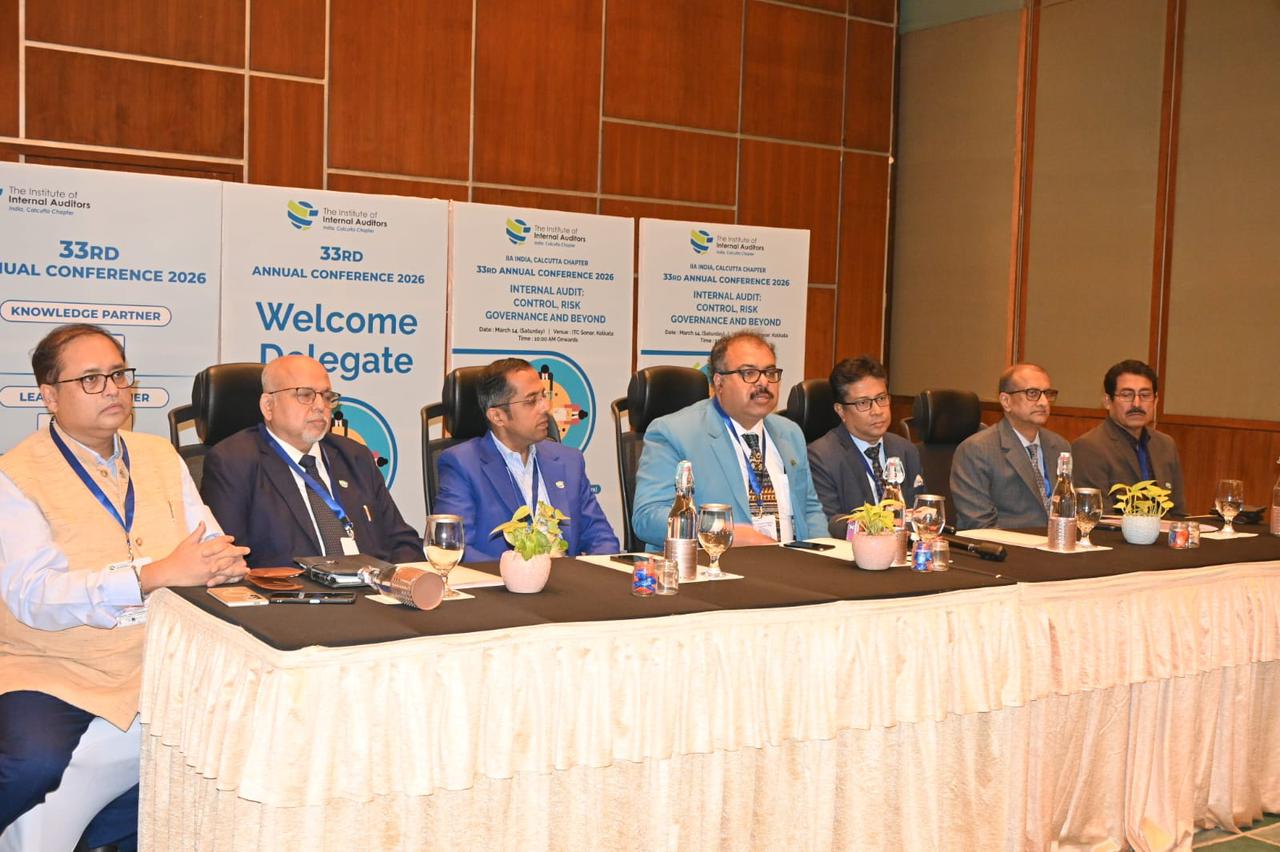
The conference was centred on the theme “Internal Audit: Control – Risk – Governance and Beyond,” reflecting the rapidly expanding scope and strategic relevance of internal audit in today’s complex and interconnected global environment.
Mukhopadhyay noted that the internal audit function has undergone a significant transformation in recent years. While internal auditors were traditionally focused on verifying transactions and ensuring compliance, they are expected to assess emerging risks, strengthen governance systems, and play a broader role in the holistic growth of an organisation now adopting a risk-based approach.
“At the same time, technology itself is emerging as a major risk area. Fraudsters are increasingly using sophisticated tools to generate fake documentation or launch phishing attacks. Organisations therefore need stronger controls and continuous monitoring mechanisms to protect themselves,” Mukhopadhyay said.
He also emphasised the need for specialised professionals and sustained reskilling as the risk environment evolves rapidly.
“The pace of change has accelerated dramatically. Earlier technology cycles evolved over a decade, today they can shift within months. This makes continuous learning and professional training essential for internal auditors to remain effective,” he observed.
The conference brought together experts from all over India who spoke on the paradigm shift of internal audit from compliance assurance to a strategic advisory role.
The technical sessions explored how internal audit must evolve beyond traditional assurance roles to become forward-looking, insight-driven partners to management and Boards. There were two panel discussions which were chaired by Industry and Professional firm experts, and was hugely appreciated by participants.
A souvenir is also published on this occasion with articles from eminent professional experts, under the editorship of Mr. Suman Chaudhuri , Past President and BOG Member .
14, Mar 2026
Technology shouldn’t control us; instead, we should control technology – Prof. Sandeep Shukla, Director, IIIT Hyderabad
Hyderabad, March 14: The 25th edition of the annual R&D Showcase of the International Institute of Information Technology Hyderabad began on Saturday at the institute’s Gachibowli campus. The two-day flagship event, which concludes on Sunday, has grown into one of the most anticipated research exhibitions, bringing together researchers, industry leaders, policymakers and students to explore advances in artificial intelligence, cybersecurity, algorithms, robotics and digital public infrastructure.
The R&D Showcase is the institute’s major annual exhibition where faculty and students present their latest research projects, prototypes and innovations to academia, industry and the public.
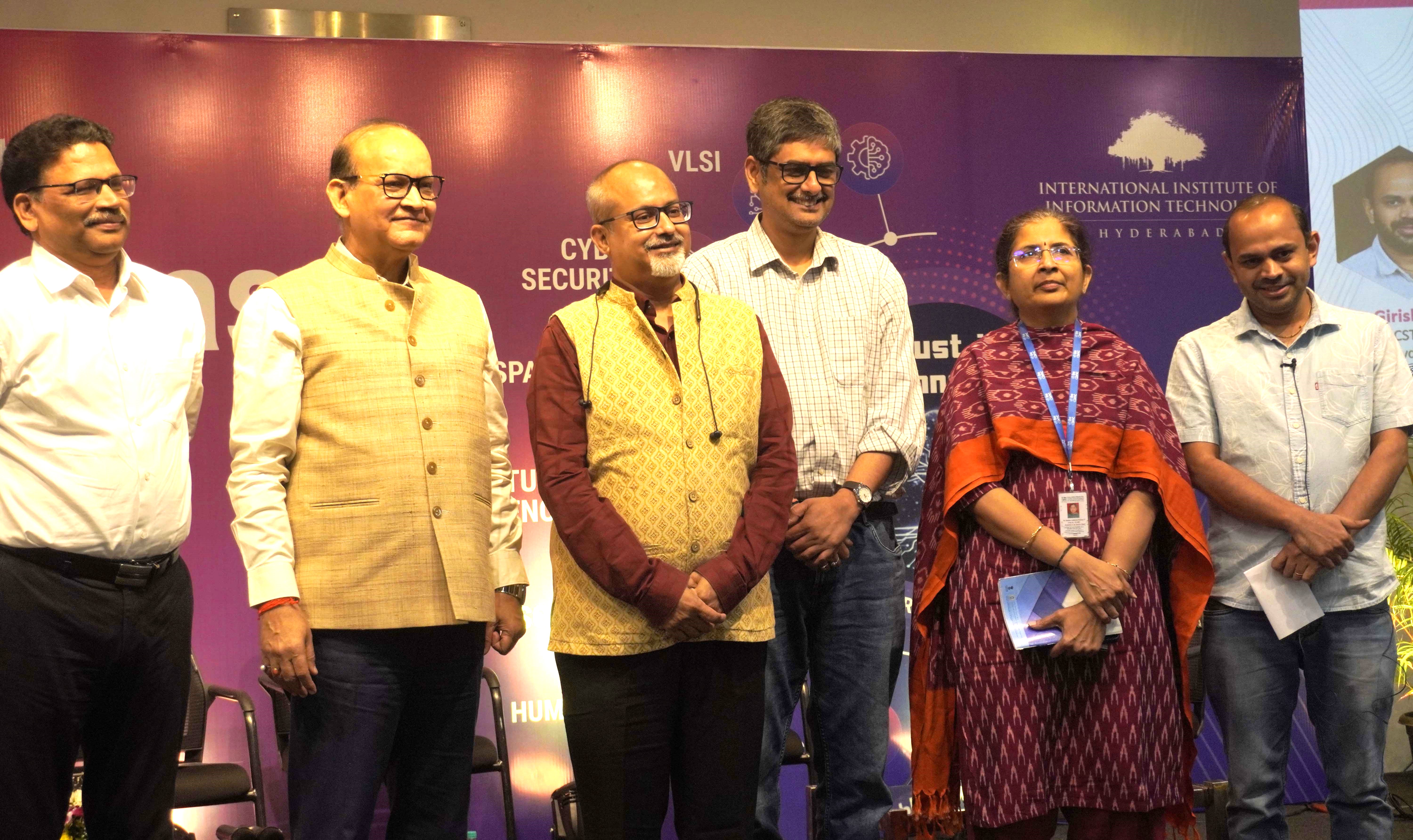
Themed “Trust in Technology – Security, Privacy and Transparency,” the event features over 400 research posters, demos and prototypes from 29 research centres, enabling visitors to interact directly with researchers and witness how fundamental research is translated into real-world applications.
The programme included spotlight sessions by the Centre for Security, Theory and Algorithmic Research (CSTAR) and the Cyber Manthan Centre (CMC), an inaugural keynote by Shivkumar Kalyanaraman, CEO of the Anusandhan National Research Foundation (ANRF), and a panel discussion on “Building Trust in the Indian Cyberspace: Privacy, Security and Transparency in the Era of Emerging Technologies.”
Delivering the keynote address, Dr Kalyanaraman said the ANRF serves as India’s primary organisation for funding and supporting research, similar to the National Science Foundation in the United States. Established under the Anusandhan National Research Foundation Act, 2023, it replaces the earlier Science and Engineering Research Board (SERB).
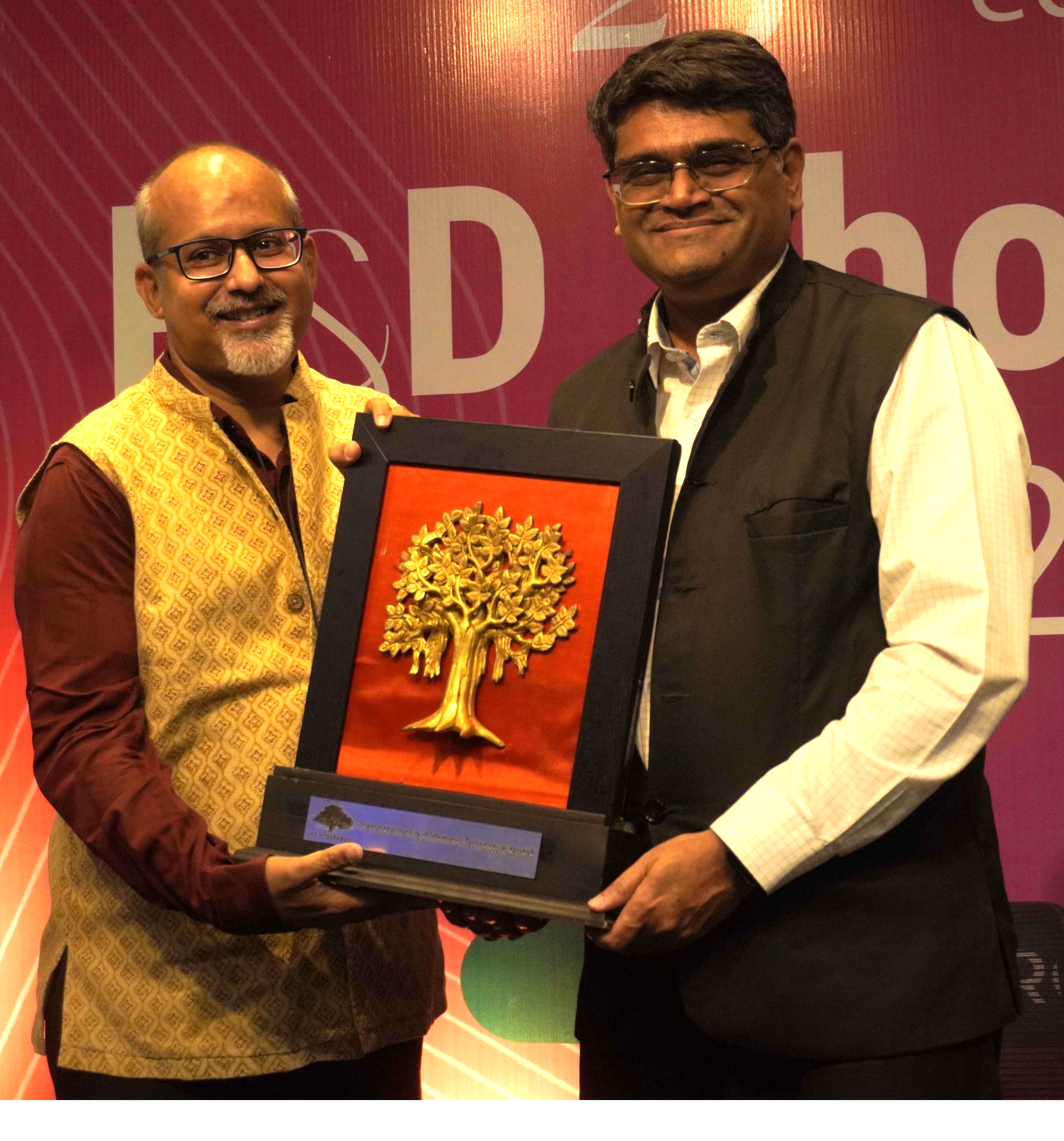
He highlighted several funding opportunities for universities and colleges, noting that ANRF aims to strengthen India’s research ecosystem by supporting scientific and technological research across institutions. The foundation promotes collaboration between academia, industry and government, strengthens research culture in universities—particularly state universities—and supports high-impact research in fields such as artificial intelligence, space, healthcare, climate science and engineering.
Dr Kalyanaraman also shared plans for several upcoming mission-mode programmes under the MAHA (Mission for Advancement in High-Impact Areas) framework, including MAHA Drones, MAHA G, MAHA Water, and MAHA Leapfrog Demonstrators for Social Innovation. These initiatives aim to address national challenges through collaborative research involving universities, industry and government laboratories, focusing on areas such as drone technologies, next-generation communication systems including 6G, sustainable water management and socially impactful innovations in healthcare, energy and education.
Prof. Sandeep K. Shukla, Director of IIIT Hyderabad, said: “The R&D Showcase reflects the spirit of inquiry and innovation that drives IIIT Hyderabad. It is encouraging to see our researchers engaging with industry, policymakers and the wider public to translate research into meaningful societal impact.”
Emphasising the theme of the event, he added: “Technology shouldn’t control us; instead, we should control technology.”
A panel discussion on “Building Trust in the Indian Cyberspace: Privacy, Security and Transparency in the Era of Emerging Technologies” was moderated by Girish Varma of IIIT Hyderabad.
The panellists included: P. R. Lakshmi Eswari, Centre Head, Centre for Development of Advanced Computing (C-DAC), Hyderabad; Krishna Sastry Pendyala, Partner – Cybersecurity, Ernst & Young; Deepak Kumar, Director, Institute for Development and Research in Banking Technology; M. V. Panduranga Rao, Centre for Cryptography and Cybersecurity, Indian Institute of Technology Hyderabad
The discussion highlighted critical concerns around cybersecurity and digital trust. Dr Lakshmi Eswari noted that security is often treated as a secondary priority during product design, rather than being integrated from the outset. Prof. Panduranga Rao pointed to a significant shortage of skilled cybersecurity professionals and emphasised the gap between academic curricula and industry requirements.
Krishna Sastry Pendyala highlighted the scale of cybercrime in India, noting that financial losses from cyber threats run into tens of thousands of crores annually and that major breaches—such as the theft of hundreds of millions of medical records—raise serious concerns about data security and digital trust. The panel stressed the need for greater awareness, stronger cybersecurity frameworks, skilled manpower and a comprehensive national cybersecurity strategy.
Alongside exhibits in AI, robotics, data science and cybersecurity, the showcase hosted industry–research confluence sessions on themes such as Cybersecurity and Privacy in the AI Era and AI for Theory and Theory for AI, a startup showcase and an industry roundtable on Agentic AI.
One of the highlights of the exhibition is an autonomous self-driving wheelchair, designed to enhance mobility for persons with disabilities. Equipped with 3D LiDAR for environmental perception and powered by Jetson Orin running ROS2, the wheelchair enables intelligent navigation with minimal user input. Advanced path planning and obstacle-avoidance systems allow safe and efficient movement in diverse environments.
Visitors also saw innovative robotics projects such as flapping-wing robots and spin drones, alongside architectural models demonstrating traditional earthquake-resilient housing systems such as Kath Kuni houses of Himachal Pradesh, Adobe houses of Rajasthan, and Ikra houses of Assam.
These models illustrate how traditional Indian architecture used local materials and ingenious construction techniques to build earthquake-resilient homes long before modern engineering technologies existed. Kath Kuni houses, for example, use alternating layers of wood and stone that absorb seismic shocks; Adobe structures rely on thick mud-brick walls that distribute stress; and Ikra houses use flexible bamboo frameworks that sway during earthquakes rather than collapse.
Sunday’s programme will feature Excitement of Research (ExOR), introducing visiting undergraduate students to research pathways, and a Faculty Futures Roundtable on research funding. The event will conclude with a patent felicitation ceremony at Research Street, recognising IIIT Hyderabad researchers for their innovation and intellectual property contributions. The institute has received over 70 patents.
Now in its 25th year, the R&D Showcase has evolved into one of the institute’s flagship platforms for presenting cutting-edge research and fostering collaboration between academia, industry and government
300 plus industries and students of several colleges are expected to visit and interact with students behind those research projects.
14, Mar 2026
Ledure Lightings Limited Launches New TVC Campaign with Brand Ambassador Ranbir Kapoor
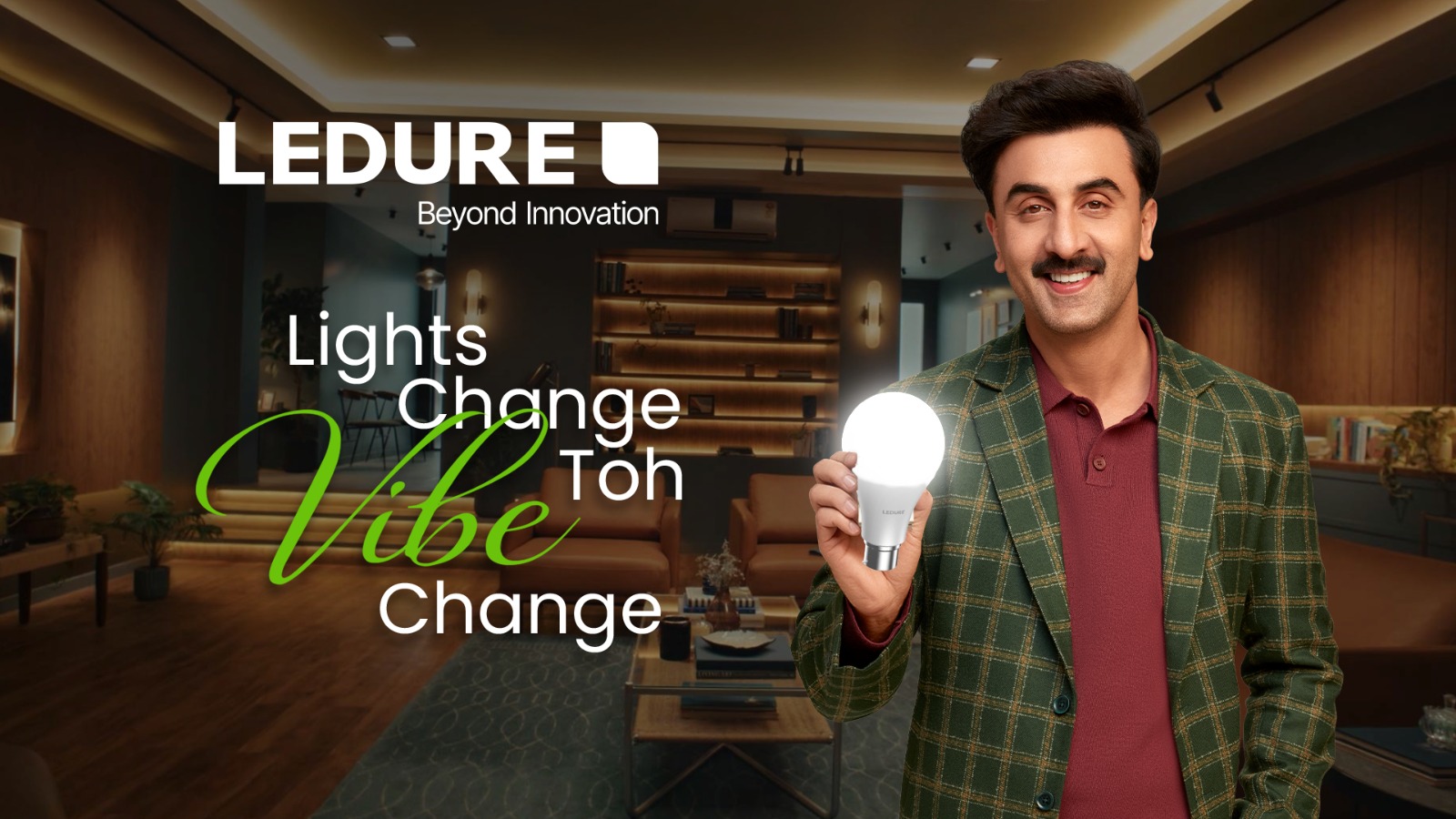
Mar 14th: Ledure Lightings Limited, one of India’s fastest-growing lighting brands, launched its new Television Commercial (TVC) with brand ambassador Ranbir Kapoor, to shape a new cultural conversation around the transformative power of light. This marks a defining moment for the brand as it moves beyond product communication.
The campaign reflects upon a powerful consumer truth where people are found to invest heavily in interiors, decor, furniture etc., overlooking the single element that ties it all together: lighting. Embedded around the key message- “Lights Change, Toh Vibe Change”, the TVC highlights the importance of right choice of lights in transforming spaces.
The TVC features Ranbir as ‘The Vibologist’ — a quirky, authoritative character who has the power to hear and feel inanimate objects. Utilising his power he audits living spaces and diagnoses lighting problems with wit and flair. Through dark corners, harsh shadows, and mood-killing illumination, the film dramatises how poor lighting causes genuine emotional distress- and how switching to Ledure instantly solves the problem.
Sharing his vision for Ledure’s next growth chapter, Ankit Gupta, Director, Ledure Lightings Limited emphasized the strategic-shift from product-led storytelling to connecting emotionally with the consumers through their new TVC campaign. He highlighted “Lighting plays a crucial role in giving a space the right character and identity it truly owns, however, this remains the most ignored part while planning a home or any commercial space. Before any innovation in the industry, incandescent lamps and Compact Fluorescent Lamp (CFL) were commonly used to illuminate spaces leaving very limited scope to explore and experiment.”
Further stressing on the campaign variables, Ankit mentioned the TVC tagline ‘Lights Change, Toh Vibe Change’, triggering the unavoidable question about the role of perfect lighting helping transform spaces and Ranbir‘s contagious energy & ability to combine humour with relatability turning concepts into reality. With a firm belief to fundamentally shift how Indian consumers approach lighting decisions, Ankit highlights Ledure’s role in redefining the industry and shaping lifestyles.
The campaign showcases multiple real-life use cases — from living rooms and bedrooms to bathrooms, and lounge spaces — exhibiting how Ledure‘s wide range of accent lights, profile lights, and mood-setting solutions delivers transformative results across every space. Ledure’s products pivot on cutting-edge LED technology, energy efficiency, and ease of installation offering consumers an aesthetic upgrade and a conscious investment in quality and sustainability.
Cementing its position as the definitive authority in modern, mood-driven lighting solutions, Ledure Lightings Limited will further work towards building awareness campaigns, planning expansion and engaging in industry networking. Consumers are invited to experience the transformation firsthand. As Ledure says — LEDURE it. Fix your vibe, instantly.
14, Mar 2026
Ultrasound-Mediated Nanocarrier-Based Drug Delivery in Breast Cancer Therapy
Breast cancer continues to be one of the most common cancers affecting women worldwide. Yet, early detection and treatment progress remain limited by drug resistance, systemic toxicity and poor tumor specificity. Targeted therapy solves these limitations by directing therapeutic agents to cancerous tissues while protecting healthy cells. Nanocarrier-based delivery systems have improved drug solubility while extending circulation time and enabling controlled drug release at tumor sites. This review examines the current integration of ultrasound (US) as a strong external trigger which boosts nanocarrier-mediated therapy effectiveness. The application of continuous and pulsed US shows potential to enhance drug delivery by improving penetration and site-specific activation and spatiotemporal control of therapeutic release through acoustic cavitation and hyperthermia mechanisms. The application of US-responsive nanocarriers demonstrates promising outcomes in breast cancer models, both in vitro and in vivo, by delivering higher drug concentrations to tumors while minimizing damage to healthy tissues. The research details the US parameters that affect drug release patterns and therapeutic results. Such systems have been investigated for their dual diagnostic and therapeutic (theranostic) capabilities, which enable new personalized and image-guided treatment methods. Various case studies and preclinical evaluations demonstrate the advantages of integrating US with nanocarrier systems. The main obstacles to clinical implementation involve standardizing US protocols and enhancing nanocarrier designs, and addressing regulatory requirements. Our previous research works demonstrate how US-guided mediation can be combined with magnetic induction to create a revolutionary breast cancer treatment approach.
14, Mar 2026
9 Essential Ways to Evaluate a Reliable Health Insurer in 2026

Pic Credit: Pexel
Selecting the right health insurer is one of the most important decisions you can make for your family’s well-being. With healthcare costs rising and insurance options expanding, it’s crucial to choose a provider that offers reliable coverage, excellent support, and smooth access to medical care. In 2026, several real-world factors can help you assess which health insurer is truly trustworthy.
1. Check the Network of Hospitals
A good health insurer should have an extensive network of hospitals in your city and across the country. Verify whether your preferred hospitals, both for emergencies and routine treatments, are included. A wide network ensures you have access to quality care without hassle or delays.
2. Cashless Facility
Cashless hospitalization is one of the most sought-after benefits. Check if the insurer provides cashless treatment options at network hospitals. This feature allows you to receive care without upfront payments, easing financial stress during medical emergencies.
3. Customer Support
Reliable insurers offer responsive customer support to assist with claims, policy details, and emergency guidance. Look for companies that provide multiple communication channels, including phone, chat, and mobile apps, so help is available whenever needed.
4. Claim Settlement Record
Research the insurer’s claim settlement ratio and customer reviews. High settlement ratios indicate a smooth and transparent claims process, while low ratios may signal delays or frequent disputes.
5. Coverage and Inclusions
Compare policies for coverage details, including hospitalization, pre-existing conditions, day-care procedures, and critical illness benefits. A trustworthy insurer clearly outlines what is included and excludes hidden clauses.
6. Flexibility and Portability
Choose a health insurer that allows policy portability, enabling you to switch plans without losing benefits. Flexible policies that accommodate changing health needs over time provide long-term security.
7. Premium Transparency
Ensure that premiums are transparent and aligned with the coverage offered. Avoid insurers who offer low initial premiums but have high deductibles or hidden charges.
8. Reviews and Recommendations
Check online reviews and ask for recommendations from family, friends, or healthcare providers. Real-world experiences often reveal strengths and weaknesses of insurers that official brochures may not highlight.
9. Value-Added Services
Many insurers now offer additional services such as teleconsultations, health check-ups, wellness programs, and mental health support. These value-added services can improve your overall healthcare experience and support preventive care.
Top Health Insurers to Consider in 2026
Some trusted health insurers in India in 2026 include HDFC ERGO Health Insurance, ICICI Lombard General Insurance, Max Bupa Health Insurance, Star Health and Allied Insurance, and Aditya Birla Health Insurance. These companies are known for extensive hospital networks, reliable cashless facilities, and high customer satisfaction.
Final Thoughts
Choosing a health insurer is not just about the cheapest premium—it’s about trust, reliability, and seamless support when you need it most. By evaluating hospital networks, cashless facilities, claim records, coverage, and real-world customer experiences, you can select a health insurer that gives you peace of mind and financial security in 2026 and beyond.
14, Mar 2026
BCCI to Honour Roger Binny, Rahul Dravid, and Mithali Raj at Naman Awards 2026
The Board of Control for Cricket in India (BCCI) will celebrate cricketing excellence at the Naman Awards 2026, scheduled for Sunday, 15 March 2026, in New Delhi. The annual ceremony recognises outstanding contributions across international, domestic, and age-group cricket while honouring individuals who have shaped the growth of the sport in India.
This year, Roger Binny and Rahul Dravid will be conferred with the Col. C. K. Nayudu Lifetime Achievement Award, the BCCI’s highest honour for outstanding service to Indian cricket. Mithali Raj will receive the BCCI Lifetime Achievement Award for Women, recognising her extraordinary impact on the growth and global stature of women’s cricket in India.
A key member of India’s historic 1983 World Cup-winning team, Roger Binny played a pivotal role as the tournament’s highest wicket-taker and later contributed as coach, national selector, and BCCI President from 2022 to 2025. His decades-long dedication to Indian cricket across playing, mentoring, and administrative roles makes him a fitting recipient of this top honour.
Rahul Dravid, celebrated for his technical mastery, resilience, and leadership, accumulated over 24,000 international runs and played a central role in India’s batting line-up for more than a decade. Post-retirement, he has shaped India’s cricketing future as Head of Cricket at the National Cricket Academy (NCA) and through mentoring youth teams, including guiding the Under-19 squad to ICC tournament victories.
Mithali Raj, one of the greatest women cricketers in history, has inspired generations with her skill, leadership, and contribution to India’s success on the global stage. The award recognises her transformative impact on women’s cricket in the country.
The Naman Awards 2026 will honour these legends for their enduring contributions to Indian cricket, celebrating careers marked by excellence, leadership, and lasting influence.