


28, Sep 2026
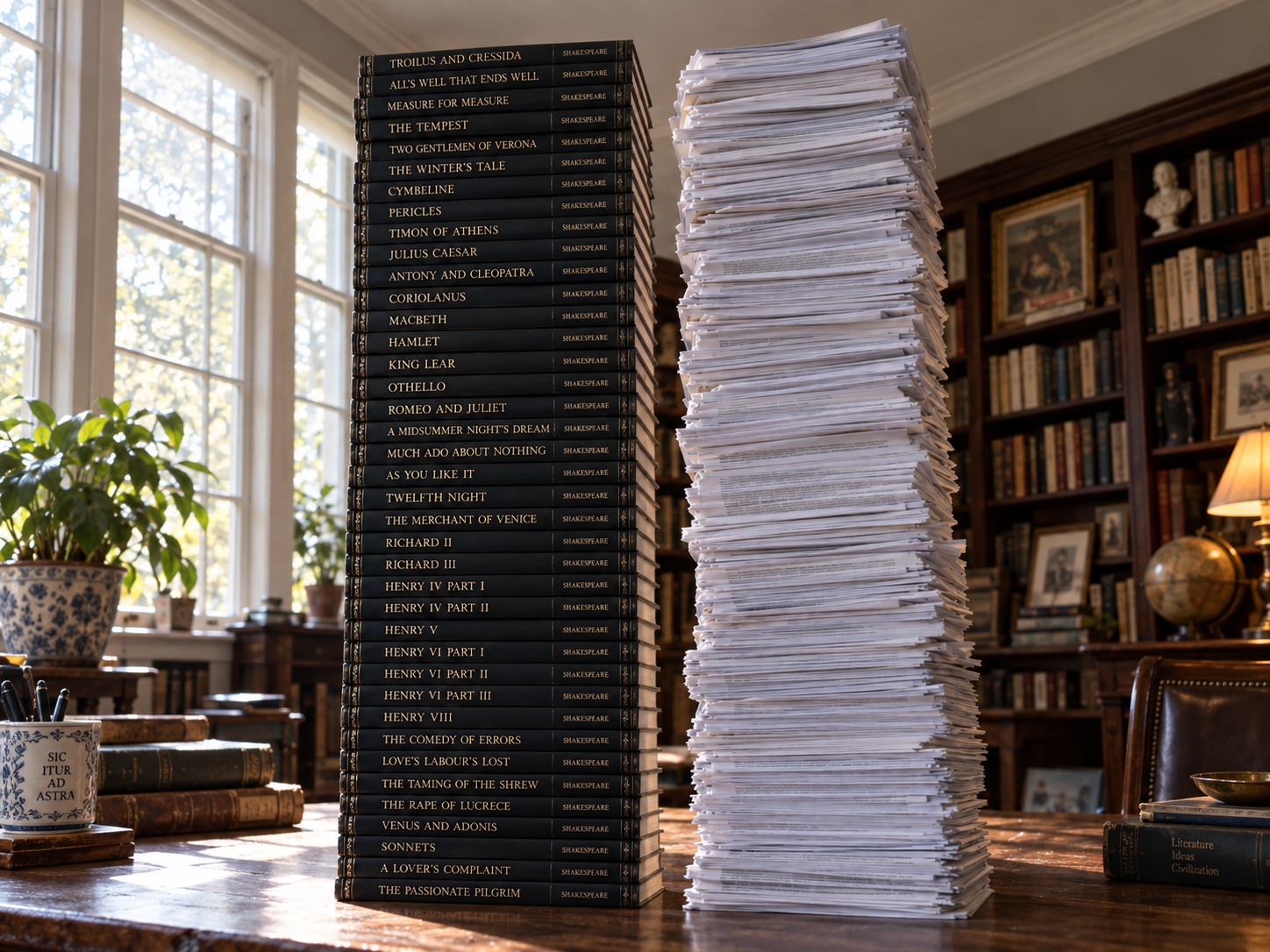
The Privacy Documents Attached to Just One Family’s Digital Day Can Take More Than 10 Workdays to Read – Longer Than the Complete Works of William Shakespeare
|
- 0
- By Neel Achary

28, Sep 2026
IIT Team to Probe Kalinga Ghat Landslides, Odisha Orders Emergency Road Restoration
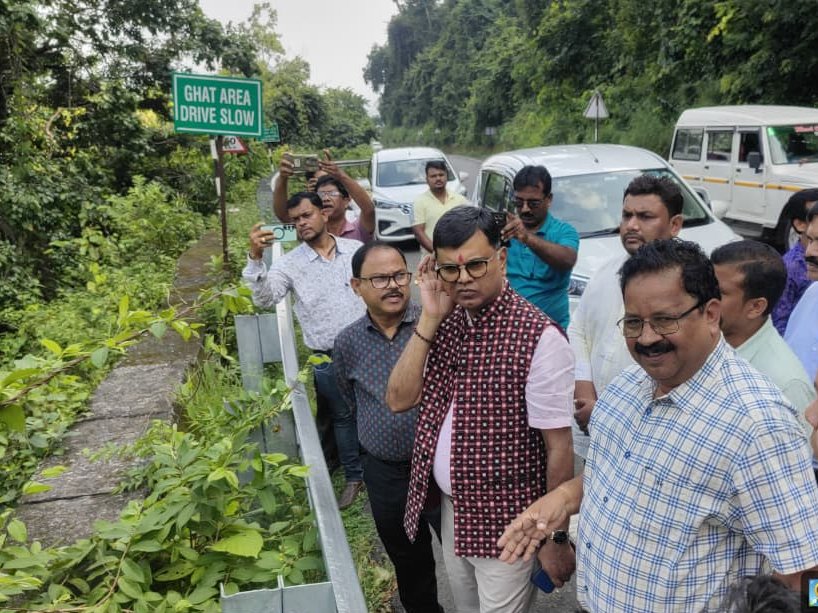
Bhubaneswar, Sept. 28 (UDN): An IIT technical team will conduct a detailed investigation into landslides reported at two points along Kalinga Ghat on NH-157 in Odisha’s Kandhamal district, as the state government has ordered immediate restoration and safety measures following heavy rainfall in the region.
Pic Credit: x.com/PWD_Odisha
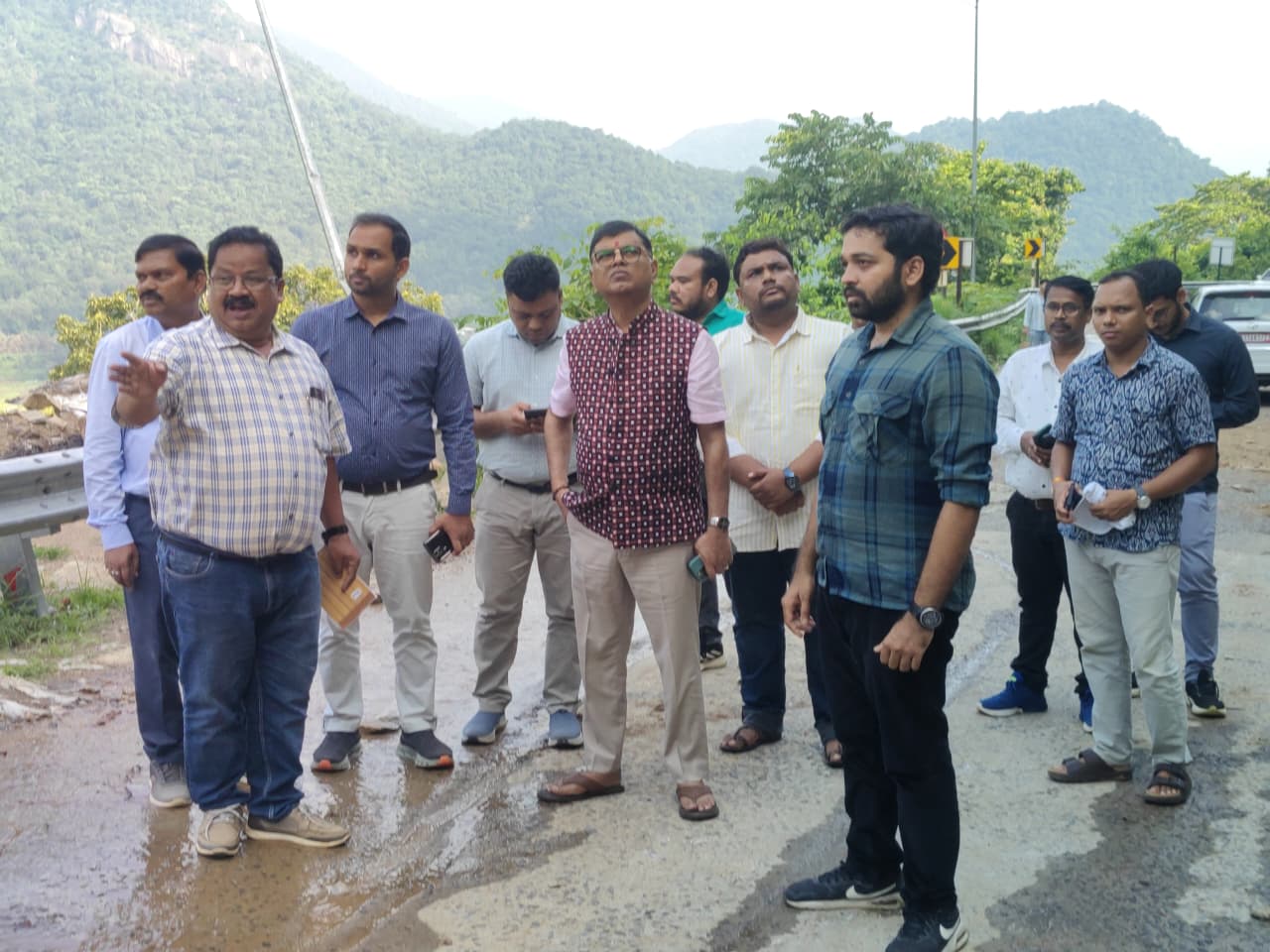
Odisha Works Department Principal Secretary Sanjay Kumar Singh inspected the affected stretches on Sunday and reviewed the condition of the road and adjoining hill slopes. He directed officials to undertake emergency measures on a priority basis, with particular focus on preventing risks to motorists.
Loose Debris to Be Cleared
During the inspection, Singh instructed officials to remove loose rocks, unstable soil and other potentially hazardous material from vulnerable portions of the hill slopes.
He also directed authorities to restrict vehicular movement through unsafe sections until the prescribed safety measures are completed and the road is considered fit for traffic.
At another landslide-affected location in the ghat section, officials have been asked to put in place arrangements for regulated single-lane traffic. A taper extending about 400 metres on either side of the affected entry point will be created to guide vehicles safely through the vulnerable stretch.
Traffic will be permitted only after the required safety arrangements are completed, officials said.
IIT Team to Assess Landslide Causes
The technical team from IIT will inspect the landslide locations at Km 86.380 and Km 86.675 along NH-157.
The investigation will focus on identifying the factors responsible for the slope failures and suggesting permanent engineering solutions for stabilising the affected stretches.
The recommendations submitted by the IIT experts will subsequently guide construction and long-term restoration work at the sites.
Heavy Rainfall Triggers Concern
The inspection followed heavy rainfall in Kandhamal and surrounding areas, which led to landslides at several points along the Kalinga Ghat section.
The Works Department has directed field officials to complete emergency restoration measures without delay while maintaining road safety and ensuring controlled movement of vehicles wherever conditions permit.
Officials Inspect Affected Stretch
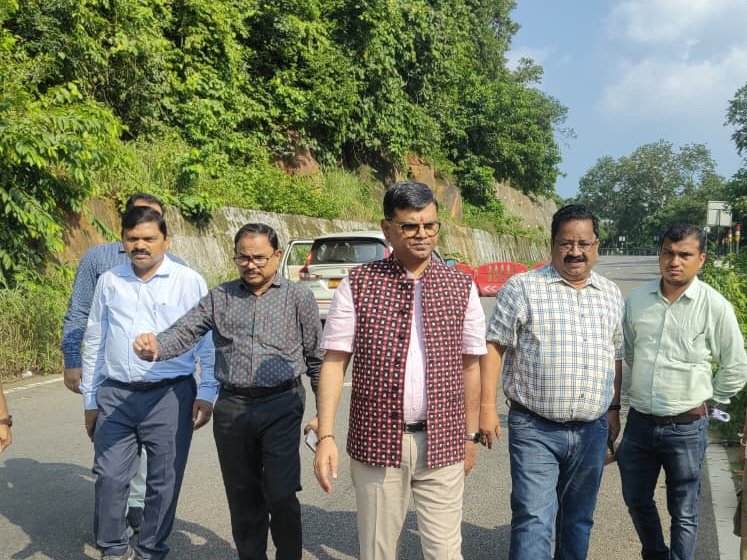
Kandhamal Collector Vedbhushan, the Additional District Magistrate of Bhanjanagar, Chief Engineer-I (National Highways), Chief Engineer of the Southern Circle at Berhampur and the Superintending Engineer of the Phulbani National Highway Division were among the officials who accompanied the Works Department Principal Secretary during the inspection.
28, Sep 2026
Odisha Chief Secretary Reviews Health, Care of Rescued Orangutans at Nandankanan
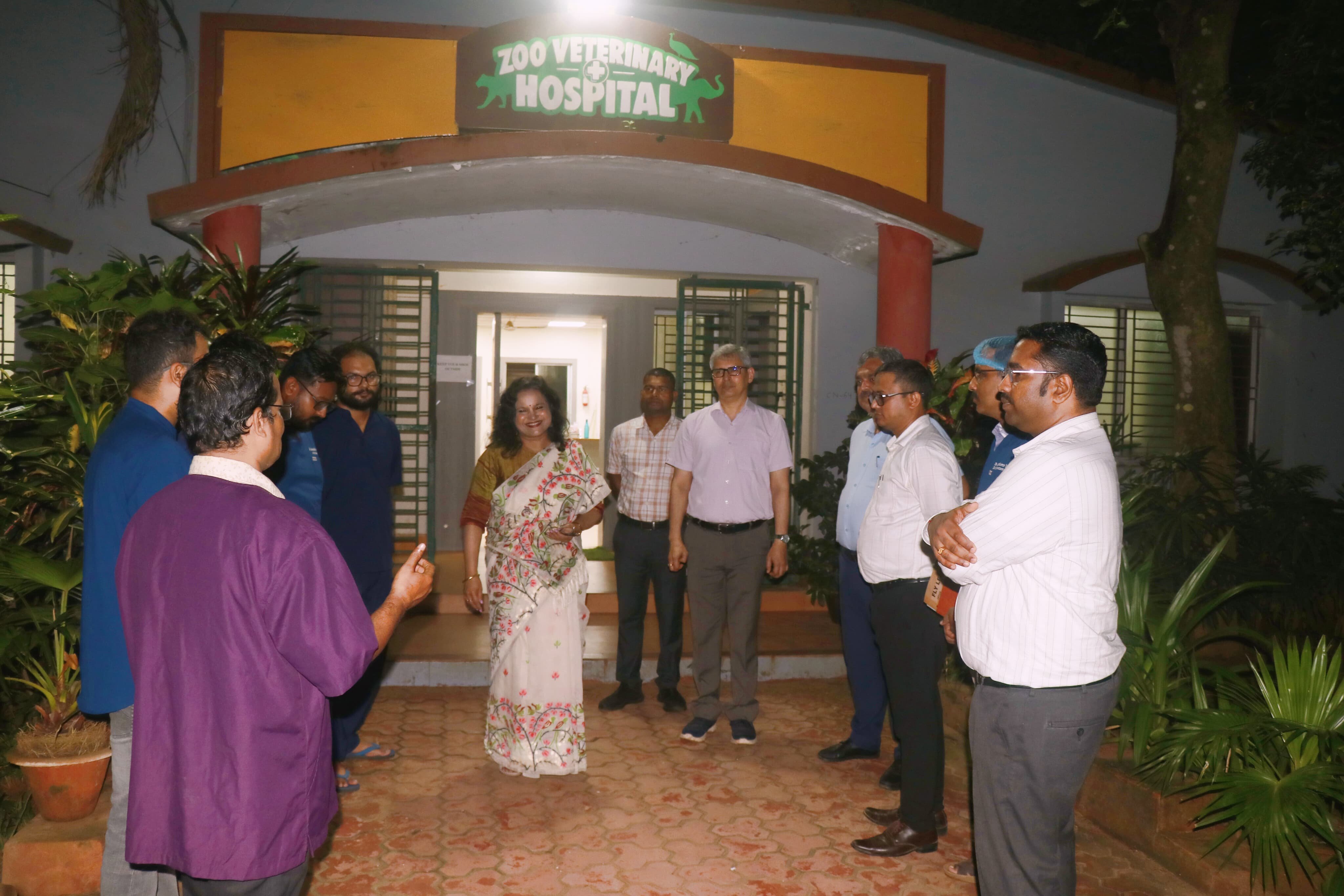
Bhubaneswar, Sept. 27 (UDN): Odisha Chief Secretary Anu Garg on Sunday visited Nandankanan Zoological Park near Bhubaneswar to review the health condition and care arrangements for rescued orangutans housed at the zoo’s Hand Rearing Centre.
Pic Credit: x.com/ddnandankanan
Garg was accompanied by Forest, Environment and Climate Change Department Principal Secretary Bhaskar Jyoti Sarma, PCCF (Wildlife) and Chief Wildlife Warden Prem Kumar Jha, along with other senior officials.
Health Care Arrangements Reviewed
During her visit, the Chief Secretary inspected the facilities at the Hand Rearing Centre and took stock of the treatment and care being provided to the rescued orangutans.
She directed the officials to maintain continuous monitoring of the animals’ health and ensure that any medical concerns are addressed promptly.
Garg also stressed the importance of providing appropriate veterinary care and maintaining necessary facilities to safeguard the health and welfare of the rescued animals.
Officials Assess Rescue Centre
The senior officials also reviewed the overall arrangements at the centre and discussed measures required for the continued care and rehabilitation of the orangutans.
Nandankanan Zoological Park later shared details of the visit through its official social media account, stating that Garg, along with senior Forest Department officials, inspected the rescued orangutans at the Hand Rearing Centre.
The visit comes as the zoo continues to provide specialised care for rescued wildlife under the supervision of its veterinary and animal-care teams.
28, Sep 2026
Vedanta Plans Rs 1 Lakh Crore Investment in Odisha, Eyes Major Aluminium Expansion
Bhubaneswar, Sept. 28 (UDN): Vedanta Group is planning to invest around Rs 1 lakh crore in Odisha over the next two-and-a-half to three years, with the proposed expansion covering aluminium, mining, refining and downstream manufacturing.
Representational Image
Vedanta Group Chairman Anil Agarwal announced the investment roadmap after meeting Odisha Chief Minister Mohan Charan Majhi on Saturday. The proposed projects, he said, would depend on timely land allocation and the necessary government approvals.
Major Expansion Planned in Jharsuguda
A key component of the proposed investment is an expansion of Vedanta’s aluminium operations in Jharsuguda.
The company is considering setting up a 2-million-tonne plant in the district. According to Agarwal, around 500 acres of land is being made available near Vedanta’s existing power facility for the proposed expansion.
The project could generate at least 50,000 direct and indirect employment opportunities, according to the company chairman.
Vedanta is also looking at expanding its operations across the aluminium value chain, including bauxite, refining and smelting.
Focus on Aluminium Downstream Industries
Agarwal also called for greater development of aluminium-based industries in Odisha, particularly among small and medium enterprises.
The proposed ecosystem could include manufacturers supplying components to sectors such as automobiles, aviation, railways and transportation. Vedanta plans to support such industries through supplies of aluminium and power, while giving priority to employment for people from Odisha.
New Refinery and Smelter Projects
The investment roadmap also includes a proposed refinery at Raigarh, along with new smelting and bauxite-linked projects.
The company is looking to expand its presence across the aluminium production chain, from raw material processing and refining to metal production and downstream applications.
Social Infrastructure Plans
Alongside industrial investments, Agarwal outlined plans for social infrastructure projects in Odisha.
These include a proposed large hospital for tribal communities, a digital university and a research hospital focused on medical research and the development of treatments for diseases including cancer.
The proposed investment programme is expected to further expand Vedanta’s industrial footprint in Odisha, subject to land availability, regulatory clearances and other approvals.
28, Sep 2026
FarmX Proposes Rs 1,000 Crore Agri-Tech Hub in Odisha, Plans Autonomous Tractor Manufacturing
Bhubaneswar, Sept. 28 (UDN): Silicon Valley-based technology company FarmX has proposed an investment of Rs 1,000 crore to establish an advanced agri-tech manufacturing and export hub in Odisha, with a focus on autonomous electric tractors, artificial intelligence, robotics and precision farming.
Pic Credit: x.com/KVSinghDeo1
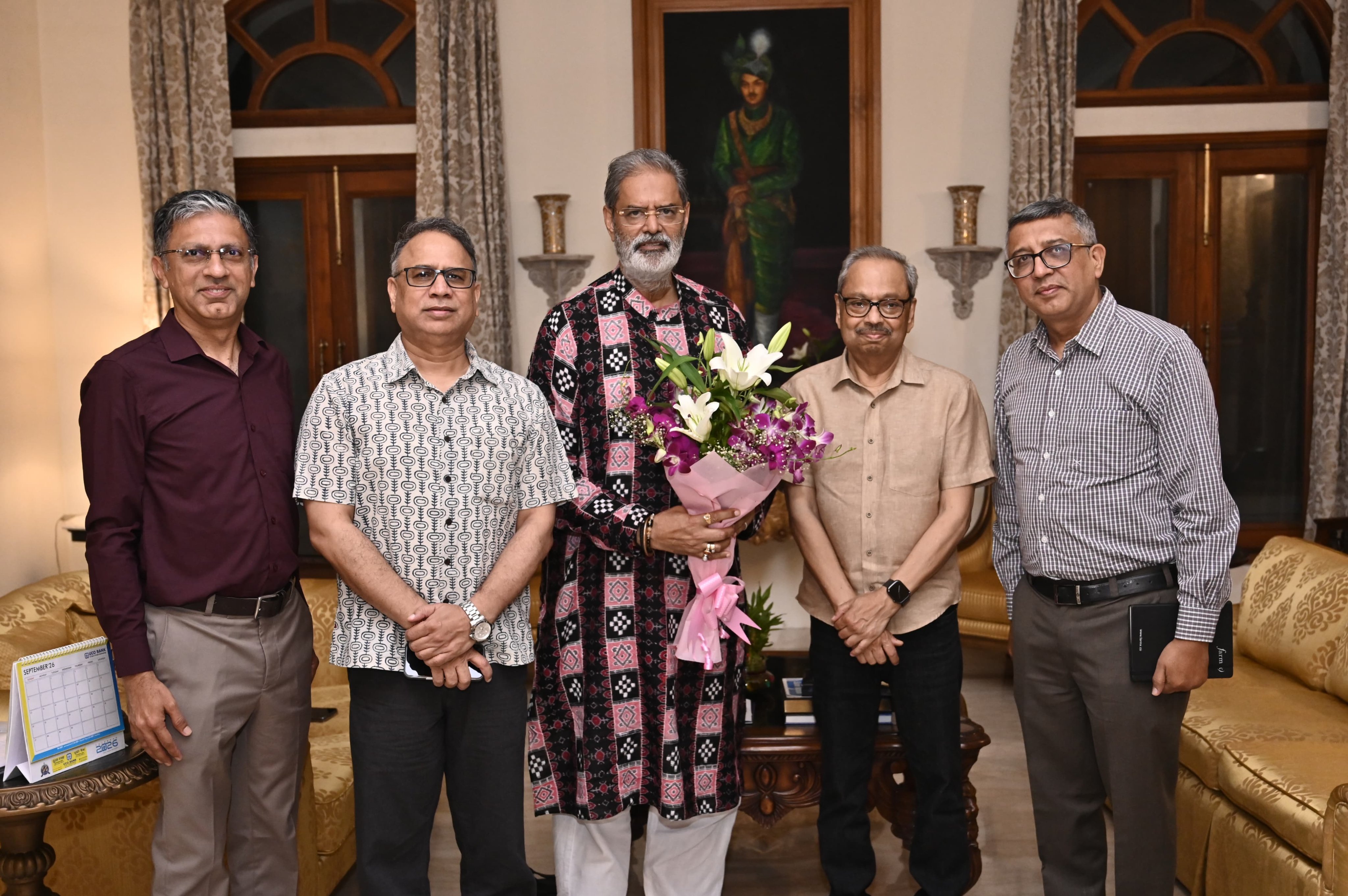
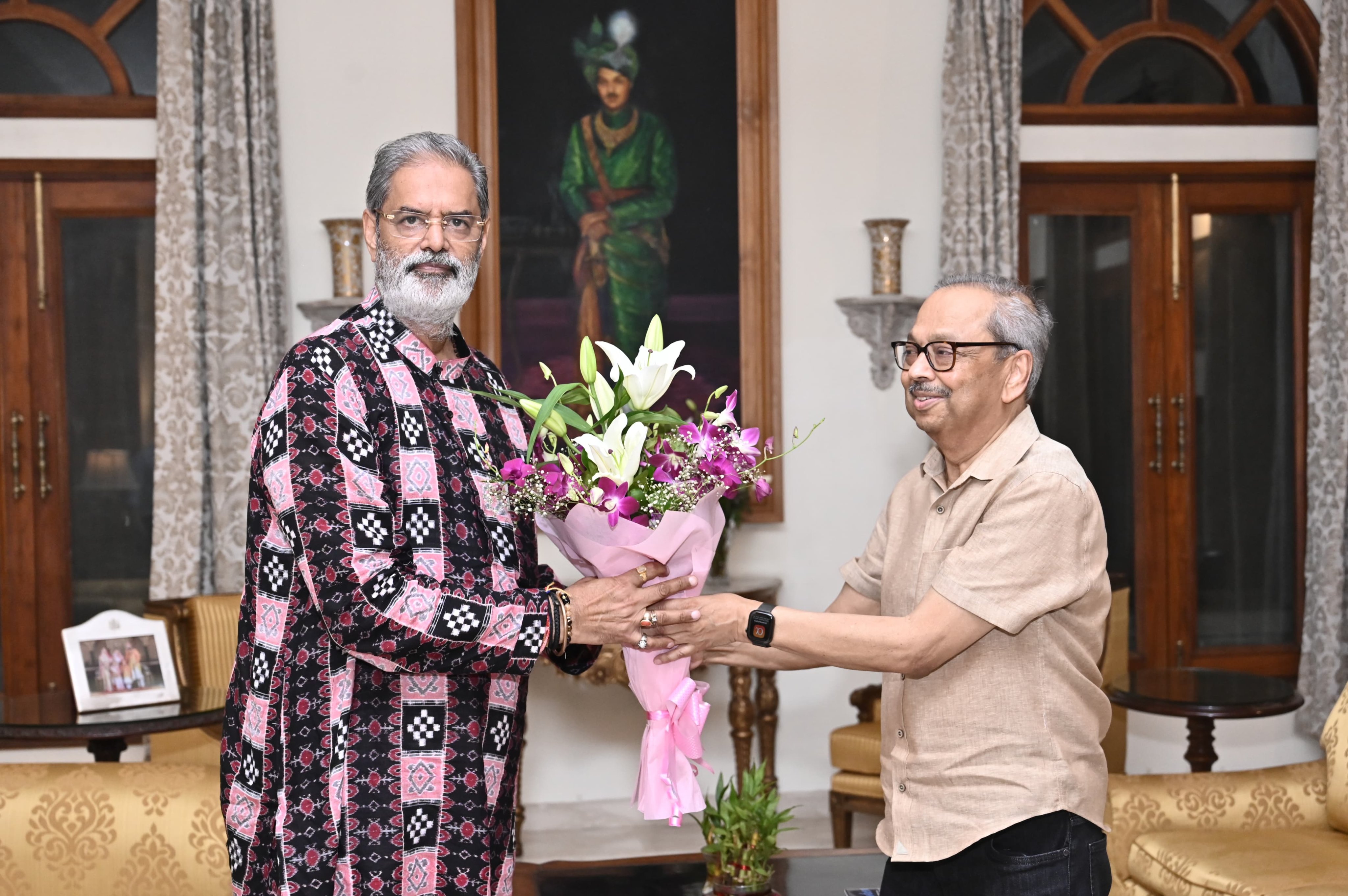
A FarmX delegation led by Chief Operating Officer Premal Ashar and Head of AI Lalit Bhatt met Odisha Deputy Chief Minister and Agriculture & Farmers’ Empowerment and Energy Minister Kanak Vardhan Singh Deo, along with Additional Chief Secretary, Electronics & Information Technology, Vishal Kumar Dev, on Saturday to discuss the proposed project.
Manufacturing Hub Planned
Under the proposal, FarmX plans to develop a state-of-the-art manufacturing campus in Odisha that could produce up to 1,000 autonomous electric tractors and 1 lakh field-sensing units annually.
The proposed facility is intended to cater to both Indian and overseas markets, positioning Odisha as a potential base for the company’s advanced agricultural technology operations.
The project is also expected to generate around 1,120 direct jobs and 3,700 indirect employment opportunities, with a significant focus on specialised technology and engineering roles.
Smart Farming Technology
Alongside manufacturing, FarmX has proposed a smart precision-farming initiative based on its FarmMap platform.
The open-architecture system combines satellite imagery, OSMO soil-moisture sensors and a regional-language mobile application in Odia to provide farmers with real-time information on field conditions.
The technology is designed to support more efficient irrigation and improve the use of fertilisers and pesticides by providing data-driven insights for farm management.
Odisha Focuses on Emerging Technologies
Singh Deo said Odisha is working to attract investment in emerging sectors such as artificial intelligence, semiconductors and electric mobility.
He highlighted the state’s efforts to promote advanced technologies, create high-skilled employment opportunities and support productivity improvements in agriculture.
The FarmX proposal is currently under consideration by the Odisha government. If approved, the project would seek to leverage the state’s industrial infrastructure and policy ecosystem while serving both domestic and international markets.
28, Sep 2026
Bank Strike Deferred: Banks to Remain Open Monday as IBA Agrees to Discuss Five-Day Work Week
New Delhi, Sept. 28: Bank customers across India can expect normal banking services on Monday after the United Forum of Bank Unions (UFBU) postponed its proposed three-day nationwide strike following fresh assurances from the Indian Banks’ Association (IBA).
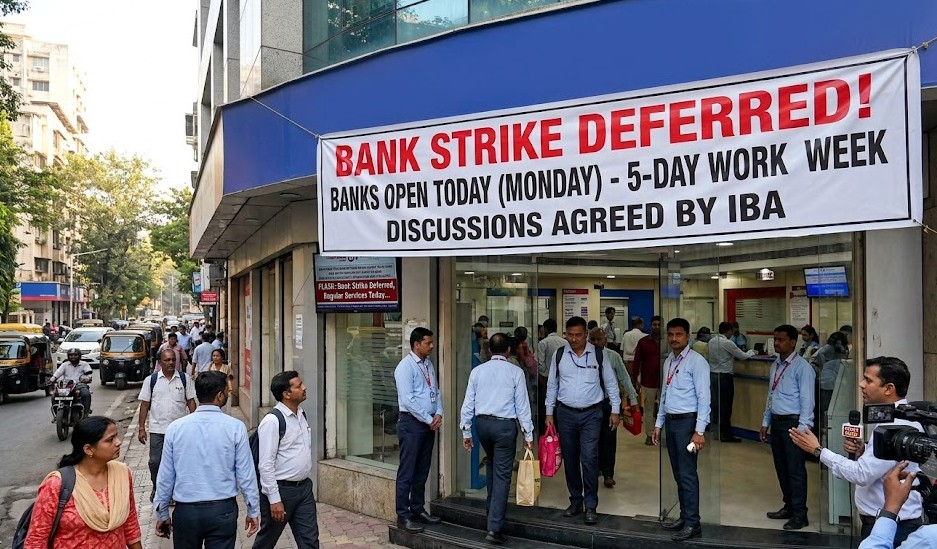
Representational Image
The strike, which was scheduled to begin on Monday during the crucial half-yearly closing period, was deferred after discussions between the two sides resulted in an agreement to continue negotiations on key employee demands.
A major breakthrough came on the long-pending demand for a five-day banking week. According to the UFBU, the IBA has agreed to set up a high-level joint committee that will examine the proposal to declare all Saturdays as holidays. The committee will consult stakeholders and explore options that balance the interests of employees, customers, and the banking sector.
Apart from the five-day work week, the two sides also agreed to resume discussions on revising the Performance Linked Incentive (PLI) scheme for Scale IV and above officers. The IBA is expected to work on proposed changes before taking the matter up with the government.
The unions said other unresolved issues identified in earlier negotiations, including those recorded in the March 8, 2024 meeting, will also be taken up for speedy resolution.
In view of these commitments, the UFBU announced that its planned protest programmes and strike action have been put on hold, allowing banks across the country to remain open and operate as usual on Monday.
28, Sep 2026
India Ranks 10th at WorldSkills Shanghai 2026 with Six Silver Medals and 20 Medals for Excellence
Shanghai, September 28, 2026: India secured 10th position at the 48th WorldSkills Competition in Shanghai, winning six Silver Medals and 20 Medals for Excellence, as the international skills competition concluded on September 27.
India improved its position from 13th at WorldSkills Lyon 2024, where the country had won four Bronze Medals and 12 Medals for Excellence. The latest performance reflects the growing participation of Indian youth across advanced technical, manufacturing, digital, creative and service-oriented skills.
India fielded its largest-ever contingent of 70 competitors across 63 skills at WorldSkills Shanghai 2026. The competition brought together more than 1,400 young competitors from around 70 countries and regions.
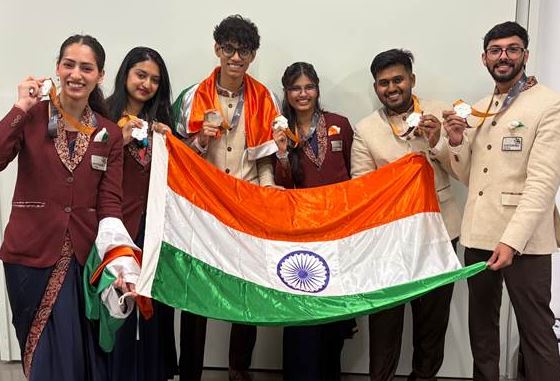
The six Silver Medals were won by Smriti Nambiar in Bakery, Mohammed Salam in Dental Prosthetics, Kovid Ajay Gangrade in Digital Interactive Media Design, Parth Vohra in Industrial Design Technology, Mehrunissa Begum in Logistics and Freight Forwarding, and Saniya Joshi in Retail Sales.
Smriti Nambiar, who won the Silver Medal in Bakery, was also recognised as Best of Nation for India. The country’s 20 Medals for Excellence were awarded to competitors who demonstrated a high level of professional proficiency against internationally established WorldSkills standards.
The six-day event was held from September 22 to 27, 2026, with four days of intensive competition from September 23 to 26. The winners were recognised at the grand closing ceremony in Shanghai on September 27, bringing together competitors, experts, international delegations and industry representatives.
Congratulating Team India, Jayant Chaudhary, Minister of State (Independent Charge) for Skill Development and Entrepreneurship and Minister of State for Education, said the performance represented a significant step forward in India’s global skills journey. He credited the competitors, experts, trainers and industry partners for contributing to the achievement and highlighted the importance of developing a future-ready skilling ecosystem.
India’s performance was supported by months of intensive preparation, specialised training, mentoring and international benchmarking. The WorldSkills platform also provided Indian competitors and experts with exposure to evolving occupational standards, new technologies and international practices.
A notable feature of India’s participation was its debut in 11 new and emerging skill categories. These included Dental Prosthetics, Digital Interactive Media Design, Intelligent Security Technology, Landscape Gardening, Optoelectronic Technology, Retail Sales, Unmanned Aerial Systems, Industrial Mechanics, Software Testing, Heavy Vehicle Technology and Aircraft Maintenance.
The expansion into these categories reflects the changing requirements of the global workforce, with increasing emphasis on technology-intensive occupations, advanced manufacturing and industry-specific competencies.
Women’s participation was another important aspect of India’s presence at the competition. Indian women competitors participated across technical, creative and service-oriented disciplines, including Chemical Laboratory Technology, Logistics and Freight Forwarding, Fashion Technology, Visual Merchandising, Health and Social Care and Hospitality.
Manisha Sensarma, Official Delegate, WorldSkills India and Senior Economic Adviser, Ministry of Skill Development and Entrepreneurship, said the competition offered participants an opportunity to learn alongside competing. She emphasised the importance of using the experience gained in Shanghai to strengthen training methodologies, assessment standards and industry engagement in India’s wider skilling ecosystem.
India’s participation was coordinated by the National Skill Development Corporation (NSDC) under the Ministry of Skill Development and Entrepreneurship, with support from Sector Skill Councils, industry partners, training institutions, technical experts and other stakeholders.
Beyond the medals, the WorldSkills experience is expected to contribute to India’s efforts to align vocational training and assessment with international benchmarks. Exposure to global technologies and occupational practices can also help inform future approaches to skills training and industry collaboration.
India’s 10th-place finish at WorldSkills Shanghai 2026 marks an improvement over its previous global ranking and highlights the country’s expanding presence across traditional trades as well as emerging technology-driven occupations. The participation of 70 young competitors across 63 skills also underscores the increasing diversity of India’s vocational talent pool.
As the Shanghai competition concludes, the results provide a platform for further strengthening India’s skills ecosystem through quality training, international benchmarking, industry partnerships and greater access to emerging occupational skills.
About WorldSkills: WorldSkills is an international skills competition that brings together young professionals from participating countries and regions to demonstrate excellence across vocational and technical disciplines. Held every two years, the competition promotes international occupational standards, knowledge exchange and skills development while encouraging young people to pursue skilled careers.
28, Sep 2026
NMDC Commissions INR 5,427-Crore Integrated Iron Ore Processing, Slurry Pipeline and Pellet Project in Chhattisgarh
Bastar, Chhattisgarh, September 28, 2026: NMDC Ltd has commissioned its 2 million tonnes per annum (MTPA) pellet plant at Nagarnar, Chhattisgarh, marking a significant step in the company’s efforts to strengthen its presence across the iron ore value chain.
The pellet plant forms part of a ₹5,427-crore integrated project comprising an iron ore processing facility at Bacheli, a 15 MTPA slurry pipeline and the 2 MTPA pellet plant at Nagarnar. Together, the facilities establish an integrated system connecting NMDC’s iron ore mining operations at Bacheli with its steel plant at Nagarnar.
A key component of the project is the 135-km slurry pipeline, which transports processed iron ore concentrate from Bacheli to Nagarnar. The pipeline provides an alternative to road transportation and is designed to improve the efficiency of iron ore evacuation from NMDC’s mining operations.
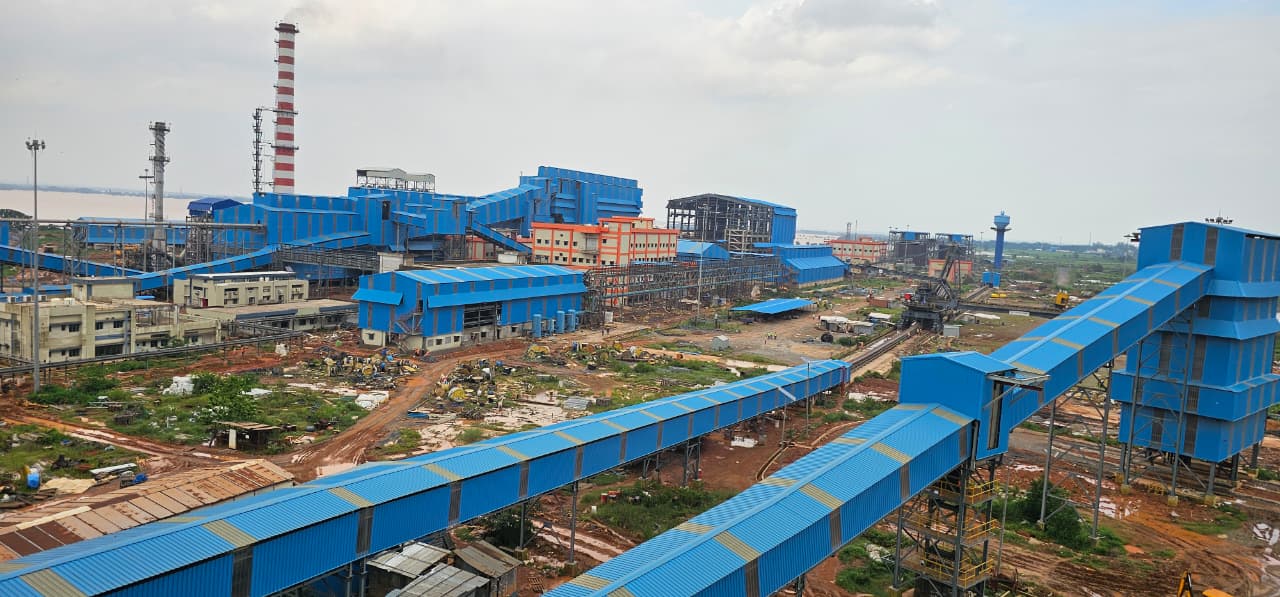
The project will enable NMDC to make greater use of iron ore fines and slimes generated at its Bailadila mines. These materials can be processed into concentrate and subsequently converted into pellets, creating additional value from resources generated during mining and beneficiation.
The newly commissioned pellet plant uses Straight Grate Induration technology to produce iron ore pellets suitable for use in steelmaking. The addition of pellet production strengthens NMDC’s downstream capabilities and expands its portfolio beyond conventional iron ore mining and processing.
The maiden production from the pellet plant was monitored live from NMDC’s headquarters by Amitava Mukherjee, Chairman and Managing Director, NMDC Ltd, along with senior company leadership. Adverse weather conditions prevented the leadership team from travelling to the project site for the commissioning-related activities.
Speaking on the occasion, Mukherjee described the commissioning as an important milestone for the company. He noted that the project involved the execution of multiple major components, including the processing facilities, slurry pipeline and pellet plant.
The integrated infrastructure is expected to strengthen NMDC’s operational link between its Bacheli mining complex and Nagarnar steel plant, while providing greater flexibility in the movement and processing of iron ore.
The slurry pipeline passes through 61 villages in Bastar and Dantewada districts. Its commissioning is intended to reduce the dependence on road movement for processed ore, provide an alternative evacuation route and lower NMDC’s dependency on railway transportation.
The project also represents a move towards greater resource utilisation. By converting iron ore fines and slimes into concentrate and pellets, NMDC can increase the value recovered from its mineral resources while supporting the raw material requirements of the steelmaking ecosystem.
The commissioning comes as NMDC pursues a broader expansion and diversification strategy. The company has set a long-term objective of increasing its iron ore production capacity to 100 million tonnes annually, making investments in processing, transportation and value addition increasingly important to its growth plans.
With the new facilities operational, NMDC now has an integrated infrastructure chain covering iron ore mining, beneficiation, slurry transportation and pellet production. The project is expected to play a role in improving logistics efficiency and supporting the company’s long-term plans for capacity expansion and value-added iron ore products.
27, Sep 2026
ACI Worldwide and Cognizant Demonstrate Strong Card Processing Performance on Amazon Web Services, Inc. (AWS)
27, Sep 2026
Azerbaijani President Ilham Aliyev meets FIA President Mohammed Ben Sulayem as Baku celebrates a decade of racing
Discussions highlight Azerbaijan’s established place on the international motorsport calendar and opportunities for further collaboration with the FIA
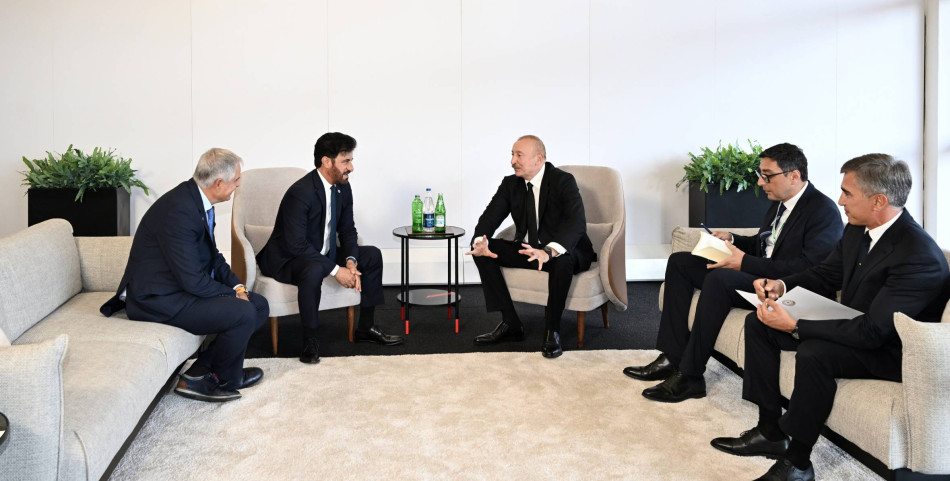
Dubai, UAE, 27th September 2026: Mohammed Ben Sulayem, President of the Fédération Internationale de l’Automobile (FIA), met with His Excellency Ilham Aliyev, President of the Republic of Azerbaijan, in Baku to discuss shared priorities across motorsport and mobility.

The meeting took place during yesterday’s Formula One Azerbaijan Grand Prix as Baku celebrated a decade of racing on its iconic streets. providing an opportunity to discuss Azerbaijan’s continued development as a major international sporting destination, its established position within global motorsport, and opportunities to strengthen cooperation between the country and the FIA.
Azerbaijan has become an important destination on the international sporting calendar, with Baku providing one of Formula 1’s most distinctive city-centre settings and attracting fans and visitors from around the world.
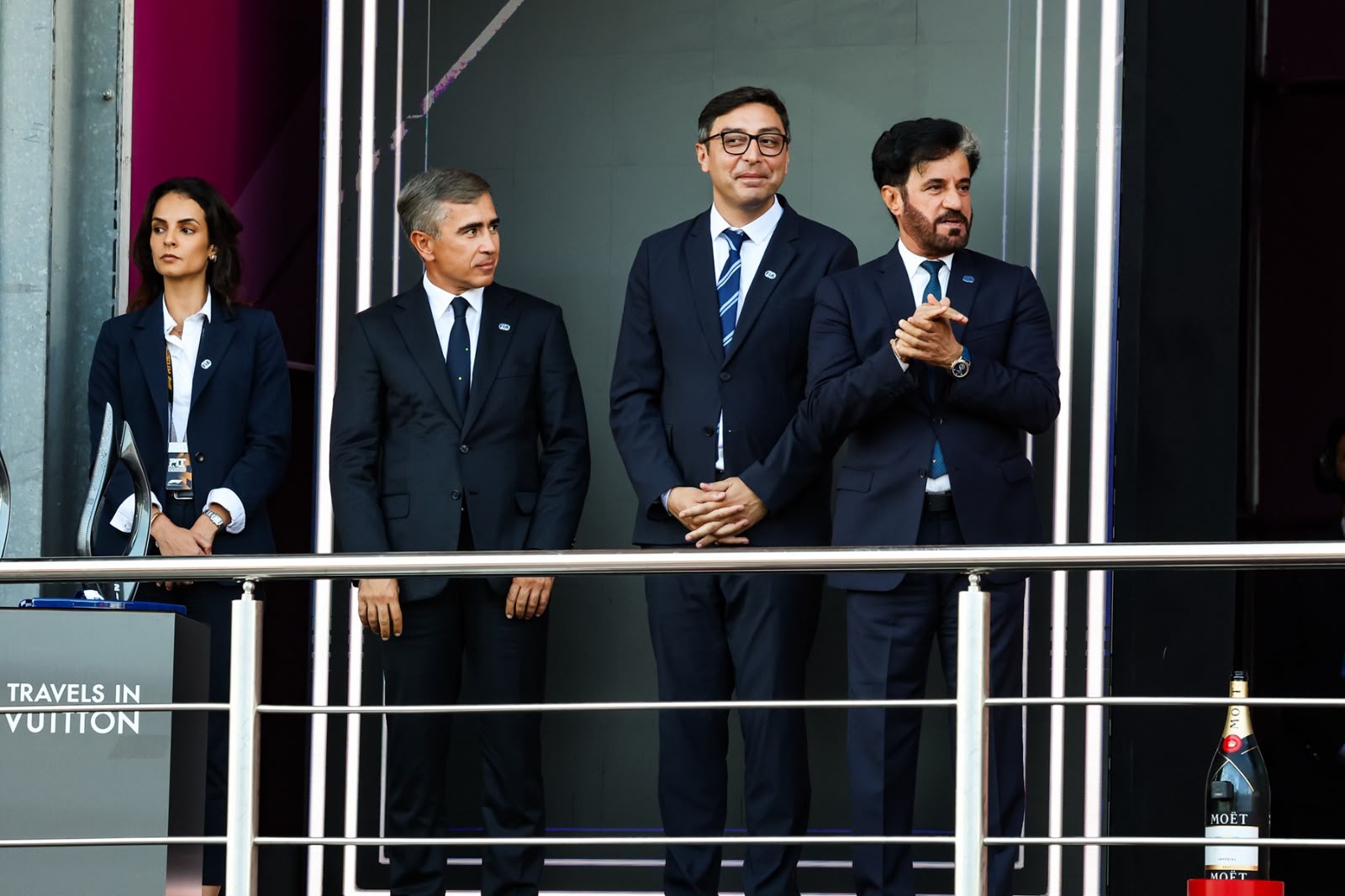
The Presidents also discussed the wider role of mobility in supporting economic growth and connectivity, as well as the importance of road safety and sustainable transport as Azerbaijan continues to invest in its infrastructure and international connectivity.
FIA President Mohammed Ben Sulayem said: “It was a pleasure to meet with His Excellency President Ilham Aliyev and discuss our shared ambitions for the continued development of motorsport and mobility in Azerbaijan.
“The success of Formula 1 in Baku demonstrates what can be achieved through long-term commitment, strong organisation and a clear vision for the role that major sporting events can play in bringing people together and showcasing a country to the world. My congratulations on a fantastic ten years of racing and I look forward to many more.
“Our discussions also extended beyond motorsport. As the global federation for mobility organisations, the FIA is committed to working with governments and our Member Clubs such as the Azerbaijan Automobile Federation to make mobility safer, more accessible and more sustainable. I look forward to continuing our collaboration with our partners in Azerbaijan across these important areas.”
President Ben Sulayem’s visit came as the FIA continues to strengthen its engagement across the region through its global network of Member Clubs and partners, including the Azerbaijan Automobile Federation and its President Anar Alakbarov.
The FIA has placed significant emphasis on growing motorsport participation and strengthening the pathway from grassroots competition to the highest levels of the sport, while using its global mobility network to advance road safety, sustainable mobility and accessibility.
Azerbaijan’s position at the crossroads of Europe and Asia, alongside continued investment in transport and infrastructure, provides opportunities for further collaboration across both pillars of the FIA’s work.
The meeting formed part of President Ben Sulayem’s programme in Azerbaijan, bringing together government, motorsport and mobility stakeholders to discuss opportunities to further develop the FIA’s activities in the country and wider region.


