


14, Mar 2026
Daikin India to Scale Up AC Manufacturing to 40 Lakh Units by 2030
Pic Credit: Pexel
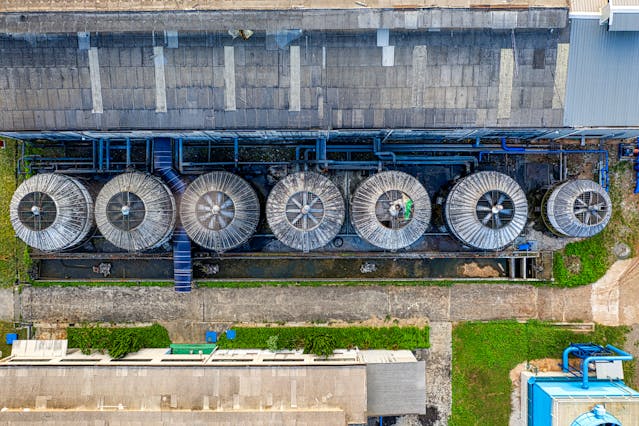
Daikin India is preparing to significantly expand its manufacturing footprint in the country, with plans to increase its annual room air conditioner production capacity to 4 million units by 2030.
Currently, the company produces around 3 million room AC units each year in India. The proposed expansion comes as demand for cooling solutions continues to rise across residential and commercial segments, driven by urbanisation, rising incomes, and increasing temperatures.
New Manufacturing Facility Planned
As part of its long-term growth strategy, the Indian subsidiary of Japan-based air-conditioning major Daikin Industries is planning to establish a new manufacturing plant in Andhra Pradesh. The facility will be the company’s fourth production unit in India and will play a crucial role in boosting overall manufacturing capacity.
The new plant is expected to support the company’s efforts to strengthen domestic production capabilities while ensuring a stable supply of air conditioners to meet growing market demand.
Tapping India’s Growing Cooling Market
India is emerging as one of the fastest-growing markets for air conditioning globally. Rapid urban expansion, rising middle-class consumption, and climate-related factors are contributing to a steady increase in demand for cooling appliances.
By expanding its manufacturing base locally, Daikin aims to enhance its competitiveness in the Indian market while supporting the country’s broader push toward domestic manufacturing.
Long-Term Manufacturing Strategy
The company has been steadily increasing its investments in India, recognising the country’s importance as both a major consumer market and a potential export hub. Expanding production capacity and setting up a new facility will also help strengthen the local supply chain and create employment opportunities.
With the planned expansion and the new plant in Andhra Pradesh, Daikin India is positioning itself to capture future growth in the cooling appliances market while reinforcing its long-term commitment to manufacturing in India.

- 0
- By Neel Achary

14, Mar 2026
Policy incentives and new funding schemes set to drive growth in India’s shipbuilding sector
Pic Credit: Pexel
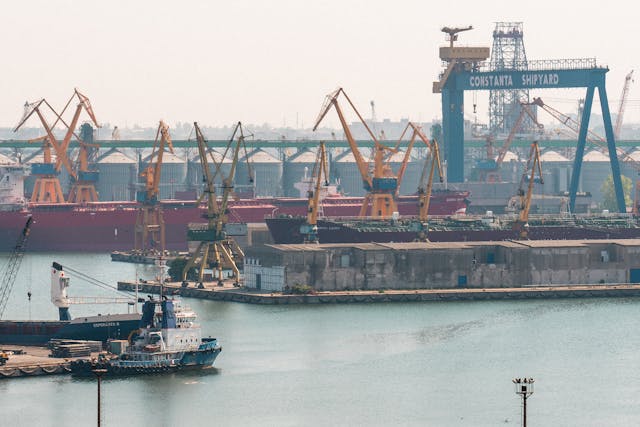
The Indian government has taken a significant step toward strengthening the country’s shipbuilding ecosystem by granting in-principle approval to 288 shipbuilding contracts worth ₹19,748 crore, covering the construction of 456 vessels across multiple categories.
According to Union Minister of Ports, Shipping and Waterways Sarbananda Sonowal, the approvals were granted under the Shipbuilding Financial Assistance Policy (SBFAP), a key initiative designed to encourage domestic shipbuilding and enhance the competitiveness of Indian shipyards.
Financial Support to Shipyards
The government has already disbursed ₹620.57 crore in financial assistance to 23 shipyards that have completed the construction and delivery of 204 vessels under the scheme. The policy provides financial incentives to domestic shipbuilders to offset cost disadvantages and promote large-scale vessel construction within the country.
The vessels covered under the approved contracts span a wide range of maritime applications. These include tugs, general cargo vessels, bulk carriers, oil tankers, crane pontoons, heavy deck cargo vessels, Ro-Ro passenger vessels, crew boats, passenger ferries, landing crafts, and self-elevating platforms. Such diversity reflects the growing demand for both commercial and specialised maritime vessels in India’s coastal and inland shipping sectors.
New Push Through Shipbuilding Development Scheme
To further strengthen the industry, the government approved the Shipbuilding Development Scheme (SBDS) in September 2025. The scheme aims to improve financing access for shipyards and expand their production capacity.
Under the initiative, the government will offer credit risk coverage to Indian shipyards and provide viability gap funding to support the expansion of existing or brownfield shipbuilding facilities. Operational guidelines for the scheme have recently been issued, enabling shipyards to begin applying for support.
Shipbuilding Sector Holds Strong Job Potential
An independent assessment of India’s shipbuilding industry conducted in 2024 highlighted the sector’s strong employment potential. According to the report, shipbuilding has an employment multiplier of 6.4, meaning that every job created in the sector can generate more than six additional jobs across related industries such as steel, engineering, logistics, and maritime services.
This indicates that expanding shipbuilding capacity could significantly contribute to both direct and indirect job creation, particularly in coastal regions where shipyards are located.
Challenges Hindering Growth
Despite its potential, the study also pointed out several structural challenges affecting the growth of the industry. These include limited domestic demand for ships, high financing costs, technological gaps, and capacity constraints within shipyards.
To address these issues and strengthen India’s position in the global shipbuilding market, the government has introduced several policy initiatives. These include the Shipbuilding Financial Assistance Policy, the Maritime Development Fund (MDF), and the Shipbuilding Development Scheme.
₹44,700 Crore Push for Maritime Infrastructure
In a major boost to the maritime sector, the government has also notified operational guidelines for two key shipbuilding initiatives with a combined outlay of ₹44,700 crore. These programmes aim to expand India’s domestic shipbuilding capacity, modernise shipyards, and improve the industry’s global competitiveness.
Under the financial assistance framework, which has a total allocation of ₹24,736 crore, shipbuilders will receive government support ranging from 15% to 25% of the vessel cost, depending on the type and category of ship being constructed.
Long-Term Vision for Indian Shipbuilding
The government expects these initiatives to transform India’s shipbuilding ecosystem over the coming decade by attracting investment, modernising infrastructure, and increasing domestic production capacity.
Strengthening shipbuilding capabilities is also seen as essential for India’s broader maritime ambitions, including expanding coastal shipping, improving port connectivity, and supporting the country’s growing role in global trade.
By encouraging domestic ship construction and supporting shipyards financially, policymakers hope to position India as a more competitive player in the international shipbuilding industry while generating employment and boosting economic activity across the maritime sector.
14, Mar 2026
FDA-Approved Cancer Drug Fedratinib Reshapes How Cell Organelles Communicate, Providing New Therapeutic Avenues
Researchers at the University of Michigan have discovered that the FDA-approved drug Fedratinib may promote communication between two critical cellular organelles—the endoplasmic reticulum and mitochondria—offering new insights into cellular metabolism and potential therapeutic strategies for multiple diseases.
Cells function much like complex cities, with different organelles performing specialized roles. Mitochondria generate energy, the endoplasmic reticulum acts as a transport network, and lysosomes manage waste disposal. For cells to function efficiently, these organelles must communicate through structures known as membrane contact sites.
One of the most abundant of these interactions occurs between the endoplasmic reticulum and mitochondria at structures called ER-mitochondria contact sites (ERMCS). Disruptions in ERMCS organization have been linked to several serious health conditions, including Cancer, Diabetes, Obesity, and Neurodegenerative Diseases. However, scientists have had limited understanding of the mechanisms that regulate these structures.
In the new study, researchers screened a library of FDA-approved drugs using human and mouse cell lines to identify compounds capable of influencing ERMCS formation. They discovered that fedratinib significantly increased the formation of these contact sites. Notably, the effect was reversible once the drug was removed from the cells.
The team determined that fedratinib works by inhibiting the protein BRD4, which regulates how cells read DNA during transcription. This inhibition activates a transcriptional pathway that promotes the formation of ER-mitochondria contact sites.
“Over the past few decades, researchers have seen that cell organelles work in conjunction and they need to talk to each other to do that,” said Yatrik Shah, Professor of Molecular and Integrative Physiology and member of the Rogel Cancer Center at the University of Michigan. “By identifying this signaling pathway, we can better understand how these contact sites are sustained.”
Using advanced electron microscopy, the researchers also identified notable structural changes in ERMCS sites following fedratinib treatment. The analysis revealed that the endoplasmic reticulum formed a three-dimensional envelope around mitochondria in certain cells. Approximately 30% of mitochondria displayed structural alterations, suggesting that mitochondria with extensive contact sites may support specialized metabolic pathways.
Interestingly, similar structural patterns have previously been observed in cells infected with COVID‑19 caused by SARS‑CoV‑2 and in metastatic melanoma cells.
“There were different populations of mitochondria that differed in their degree of contact with the endoplasmic reticulum,” said Drew Stark, a graduate researcher and the study’s first author. “Those with abundant contact sites may be supporting distinct metabolic processes within the cell.”
Researchers are now exploring whether these effects can also be observed in mouse models and how these mitochondrial changes influence metabolism and disease progression. The findings may open new directions for studying metabolic regulation and developing therapies targeting cellular communication pathways.
The research was supported by multiple grants from the National Institutes of Health and collaborating institutions.
14, Mar 2026
Swaranjali Delhi and Dhwani Foundation Present Swar Dhwani Festival 2026 – A Grand Celebration of Indian Classical Music in New Delhi

New Delhi, India | Mar 14: Swaranjali Delhi, in collaboration with Dhwani Foundation, will present Swar Dhwani Festival 2026 on Sunday, April 19, 2026, from 1:00 PM to 9:00 PM at Muktadhara Auditorium, Banga Sanskriti Bhawan, 18–19, Bhai Vir Singh Marg, Sector 2, Gole Market, New Delhi.
The festival will feature a series of vocal and instrumental performances by noted artists. The program includes a vocal presentation by The Shriram Millennium School, followed by a vocal performance by Pt. Ashish Narayan Tripathi and a sitar recital by Pt. Smarajit Sen.
The event will also present a vocal duet by Dr. Prabhakar Kashyap and Dr. Diwakar Kashyap, along with a flute performance by Shri Aanjaneya Joshi and a santoor recital by Pt. Raj Kumar Majumdar. The festival will further feature a tabla solo by Pt. Biplab Bhattacharya.
The performances will be supported by co-artists Pt. Shubh Maharaj, Pt. Vinay Mishra, Ustad Babar Latif, Shri Lalit Sisodia, Shri Shubhendu Das, and Shri Rudraksha Shrivastava.
Event Name: Swar Dhwani Festival 2026
Date: Sunday, April 19, 2026
Time: 1:00 PM – 9:00 PM
Venue: Muktadhara Auditorium, Banga Sanskriti Bhawan, 18-19, Bhai Vir Singh Marg, Sector 2, Gole Market, New Delhi
RSVP & Contact:
Swaranjali Delhi | Dhwani Foundation
Phone: 9910300319 | 9873003625
Website: www.swaranjali.org
Media Partner: Shreyas Webmedia Solutions Pvt. Ltd.
14, Mar 2026
F1® Authentics Mystery Box offers 1-in-150 chance to secure an Official 2026 F1® Motion Simulator
A new limited-edition release from F1® Authentics is giving motorsport collectors the opportunity to secure authentic pieces of racing history, with the added prospect of obtaining a high-end professional simulator, worth £89,000.
The newly announced F1® Mystery Box collection is a premium collectors item strictly limited to 150 boxes worldwide, each containing a curated selection of racing memorabilia valued at a minimum total value of £2,500. Every box has been assembled to offer a chance to expand collections with items from the heart of Formula 1®.
Excitingly for motorsport fans and gamers, one of these boxes will contain an Official 2026 F1® Motion Simulator, a professional-grade sim designed to deliver an immersive driving experience that closely mirrors the sensations of being behind the wheel of a real Formula 1® car.
F1® Authentics, operated by Memento Exclusives under license from Formula One®, is an Official licensed partner to F1® and teams across the grid. The recently revealed 2026 edition simulators will be made available in several Official 2026 Team liveries, and the lucky Mystery Box customer who finds one will be able to choose the livery applied from this selection, before it is built specifically for them to keep.
Manufactured by engineers with decades of experience in motorsport, using the front half of a Formula 1® Show Car, these premium simulators are designed to be synonymous with the vehicles seen on track and deliver an incredible sense of immersion as you step over the sidepod and into the cockpit. Motion technology authentically replicates the feeling of every turn from every iconic circuit. Owning one of these sims is the closest most will get to the feeling of winning a seat on the team.
With an extremely limited run of Mystery Boxes produced, buyers effectively have a 1-in-150 chance of receiving a sim that would typically be seen utilised at elite racing experiences, making this a unique and unmissable opportunity for collectors and gamers worldwide.
The F1® Mystery Box is expected to attract significant attention from fans who are eager to secure a valuable treasure trove of secret items, whilst also testing their luck to uncover a once-in-a-lifetime surprise.
Available to purchase now on the F1® Authentics website, but with limited quantities available and high demand expected, fans are encouraged to move quickly to secure their chance before its gone.
13, Mar 2026
FTCCI Announces Winners of ‘Tourism Junction Jewels Photo Contest’; Awards on March 16

Hyderabad, March 2026: The Tourism Committee of the Federation of Telangana Chambers of Commerce and Industry (FTCCI) has announced the winners of the Tourism Junction Jewels Photo Contest, a unique initiative aimed at highlighting Hyderabad’s creatively designed traffic junctions and public art installations.
The Award Presentation Ceremony will be held on March 16, 2026 at 2:30 PM at JS Krishna Murthy Hall, Federation House, FTCCI, Hyderabad. Shri R. V. Karnan, IAS, Commissioner, Greater Hyderabad Municipal Corporation (GHMC), will grace the event as the Chief Guest and present the awards to the winners.
The photographs submitted for the contest were evaluated by a distinguished panel of jury members and photography professionals.
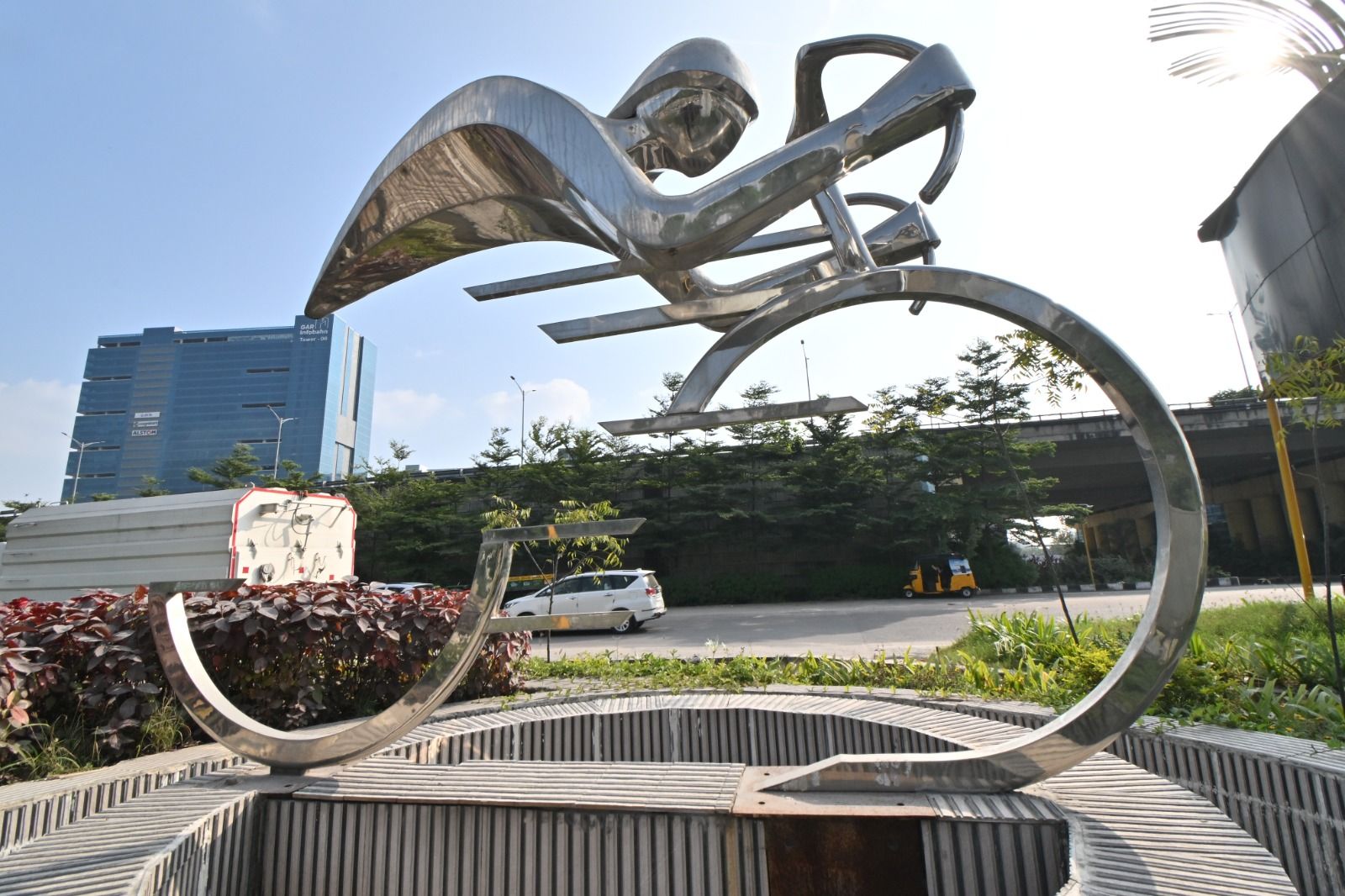
Rajani Kanth, photographer-journalist from Namaste Telangana, won the First Prize. His winning photograph captures a sculpture of children playing located along the Narsingi–Kokapet stretch of the Outer Ring Road (ORR) in Hyderabad. The installation, created by Architect Kumara Swamy Goud, reflects the rich cultural spirit and everyday life of Telangana. The artwork symbolizes childhood joy, community life, and the vibrant cultural identity of the region.
Nomula Rajesh Reddy, photojournalist with Sakshi Telugu Newspaper, secured the Second Prize for his photograph of a monumental golden sculpture depicting a contemplative human head held between two hands along the Narsingi–Kokapet corridor. The artwork symbolizes thought, awareness, and reflection, encouraging commuters to pause and observe the surroundings. The floating head supported by hands represents the human mind in reflection, while the striking golden color gives the installation a monumental and iconic presence in the cityscape.

The Third Prize winner is Mogilishetty Sandhya, an amateur photographer and young mother of two, for her photograph of a vibrant art installation located near Shilpakala Vedika in Madhapur. The sculpture features stylized human figures in red, white, and green lifting a metal globe, symbolizing unity, teamwork, and the collective effort of people working together to support the world. The dynamic installation has become a notable urban landmark reflecting the collaborative spirit and modern identity of Hyderabad.
The five consolation prize winners include Abuja Srinivas (Photographer, Eenadu), G. Balaswamy (Photographer, Sakshi), Ganesan Ponnambalam, Shalini Jain (Photographer, Telangana Photographic Society), and Aavula Srinivas (Photographer, Eenadu).
Public sculptures such as these transform ordinary intersections into “Junction Jewels,” creating visual landmarks that beautify the city and promote appreciation for urban art and design.
Speaking about the initiative, Prakash Ammanabolu, Chairman, and D. Ramchandram, Co-Chairman of the FTCCI Tourism Committee, said the contest was organized to encourage citizens and photography enthusiasts to explore and capture Hyderabad’s creatively designed junctions featuring installations, fountains, sculptures, murals, statues, and beautification initiatives.

They added that such initiatives inspire citizens to rediscover their own city and appreciate the artistic elements present in everyday urban spaces.
The winners will receive cash prizes of ₹10,000 for the First Prize, ₹7,500 for the Second Prize, ₹5,000 for the Third Prize, and five consolation prizes of ₹1,000 each.
The event will bring together members of the FTCCI Tourism Committee, participants, photography professionals, and distinguished guests to celebrate creativity and promote awareness of Hyderabad’s urban art and tourism potential.
FTCCI invites members of the Tourism Committee, participants, and media representatives to attend the ceremony and support initiatives that highlight Hyderabad’s unique urban landscape.
—
13, Mar 2026
UWM Researcher Reconstructs Ancient Landscapes From the Midwest to Mars
You might think Antarctica is the most remote place someone’s career might take them. UWM alum Libby Ives traversed Antarctica’s ice landscapes to study glacial sediments laid down more than 300 million years ago, but years later, she found herself even farther afield — literally, if not scientifically — when she applied her sedimentary skills to analyzing Martian landscapes for NASA.
By studying ancient landscapes, her work offers valuable insights about a planet’s environment — past, present and future. But the Waukesha, Wisconsin native didn’t always know geology was her path.
“I knew I wanted to do science, and I knew I wanted to be outside a lot,” Ives said. She discovered her passion for geosciences as an undergraduate at Northern Michigan University, where she was drawn in by the interdisciplinary nature of the field. “You get to use your physics, biology and chemistry knowledge, and you get to put it all together to tell the story of the Earth and how things came to be.”
Reading the rocks of Earth and Mars After graduation, she planned to take a few additional classes at UW-Milwaukee as a post-baccalaureate student, but then an opportunity arose to travel to Iceland for a field expedition with UWM professor Tom Hooyer, followed by an offer to join his lab as a graduate researcher. She jumped in, studying glacial geology for her master’s degree. After Hooyer passed away in 2016, Ives finished her project at Iowa State University.
After a stint away from academia, Ives returned to UWM for her geosciences PhD. Her advisor, John Isbell, was gearing up for an expedition to Antarctica to study sedimentary rocks from the Late Paleozoic Ice Age, which was the last time the planet was cold enough to have ice sheets at both poles — over 300 million years ago.
The trip unexpectedly landed Ives in an IMAX documentary. A Chicago-based film company had partnered with the Field Museum and the Natural History Museums of Los Angeles County to produce “Dinosaurs of Antarctica,” following the paleontologists on the same field team as Ives. “They were looking for people to help tell the story of Antarctica’s deep history,” she said. “It was a right place, right time sort of thing.”
While in Milwaukee, Ives worked with the Wisconsin Geological and Natural History Survey on a geologic mapping project, an experience that would prepare her for another big opportunity. In 2022, Ives joined NASA’s Jet Propulsion Laboratory as a postdoctoral researcher with the Mars 2020 mission. Her role: interpret images taken by the Perseverance rover to reconstruct the geologic history of Mars.
“I’m a physical sedimentologist,” she explained. “So, I think about how individual grains of sand or mud were transported — by air, water or glaciers — and what that tells us about the environment that deposited them.”
Returning to her roots Now back in the Midwest, Ives is a geologist with the Michigan Geological Survey, where she’s helping build a new research program on the state’s glacial geology. She’s also teaching upper-level geology at her undergrad alma mater.
After a career that’s spanned continents and planets, Ives is glad to have landed somewhere she can grow roots. Yet the impacts of her work reach far and wide, revealing how landscapes respond to climate shifts, informing how geological resources are managed, and deepening our understanding of Mars’ geology and past climate.
|
|
13, Mar 2026
17 CSU Campuses Join Statewide Wildlife Monitoring Effort
In response to accelerating climate change and increasing human impacts on California’s landscapes, Cal Poly Humboldt and the U.S. Geological Survey California Cooperative Fish and Wildlife Research Unit are leading a major expansion of a statewide biodiversity monitoring effort.
The initiative, supported with $2.5 million in funding from the California Department of Fish and Wildlife (CDFW), will bring together 17 California State University (CSU) campuses to strengthen and grow the Sentinel Sites for Nature (SSN), the state’s coordinated system of long-term biodiversity monitoring sites.
As climate change accelerates and human-driven land-use changes reshape California’s landscapes, ecosystems are experiencing mounting pressure from drought, megafires, and habitat alteration. Yet understanding how these stressors affect species and ecosystems over time remains difficult without coordinated, long-term data collection across regions.
The SSN addresses that need. The CDFW has established 39 Sentinel Sites on CDFW-owned properties. The University of California Natural Reserve System is developing 37 more on UCNRS reserves. The addition of CSU sites on land owned by city, county, state, federal, and private entities (including non-governmental organizations) will bring the total number of sentinel sites to over 110.
This collaborative monitoring program is aimed at protecting California’s important biodiversity and helping guide science-based conservation, supporting California’s goal of conserving 30% of California’s coastal waters and lands by 2030, an initiative formally known as 30×30.
Additional sites at CSU campuses and affiliated properties will significantly broaden the scope of diverse ecoregions across the state: the coastal redwood forests in the north and deserts in the south; urban areas of Southern California and the San Francisco Bay Area; and working landscapes of the Central Valley and the Central Coast. Participating campuses include: Cal Poly in San Luis Obispo; Cal State LA; CSU Bakersfield; CSU Channel Islands; CSU Dominguez Hills; Fresno State; Cal State Fullerton; Cal State Monterey Bay; Cal State Northridge; Sacramento State; Cal State San Bernardino; San Diego State; San Jose State; Cal State San Marcos; Sonoma State; and Stanislaus State.
”It’s so exciting to join the statewide biodiversity monitoring effort,” says Micaela Gunther, a Cal Poly Humboldt Wildlife professor and a lead researcher for the project. “The CSUs will make a unique contribution to the initiative by including workforce training as a critical element of the sentinel site deployment and data collection methods. We’re also bringing in a diversity of habitats not previously included as part of the SSN, especially by including two locations right here on the North Coast in Humboldt County.”
Each site is equipped with non-invasive monitoring technologies including: camera traps that detect both small and large mammals, birds, and herpetofauna, bird and bat acoustic recorders, time-lapse cameras that monitor seasonal changes in vegetation and water levels, and at some sites, a Motus tower to study animal movement and migration, and a weather station that tracks climate conditions in real time. Importantly, data collected through the network will be shared among participating institutions, supporting collaborative analyses, cross-campus research, and coordinated conservation action.
The initiative also provides opportunities for students to gain hands-on experience on deployment, maintenance, and data retrieval techniques, while generating useful and relevant data they can use to complete research projects beneficial to their professional development
“For so long, ecological research has taken place at only a few sites over the course of one or two field seasons,” says Associate Professor Tim Bean of Cal Poly in San Luis Obispo.
“By joining this huge collaboration, data we collect will contribute to state-wide, long-term research and management. Students will learn how to work with big datasets and collaborate across campuses and with future employers. Through the SSN, California is blazing a trail for this new way of doing ecological research. So many other states and countries are trying to figure out how to develop and coordinate these kinds of monitoring networks, and I’m thrilled that the CSUs will be strengthening this effort.”
13, Mar 2026
Every Technical Graduate in Goa to be AI-Ready by 2028, Goa Ready for AI, says Minister Rohan Khaunte
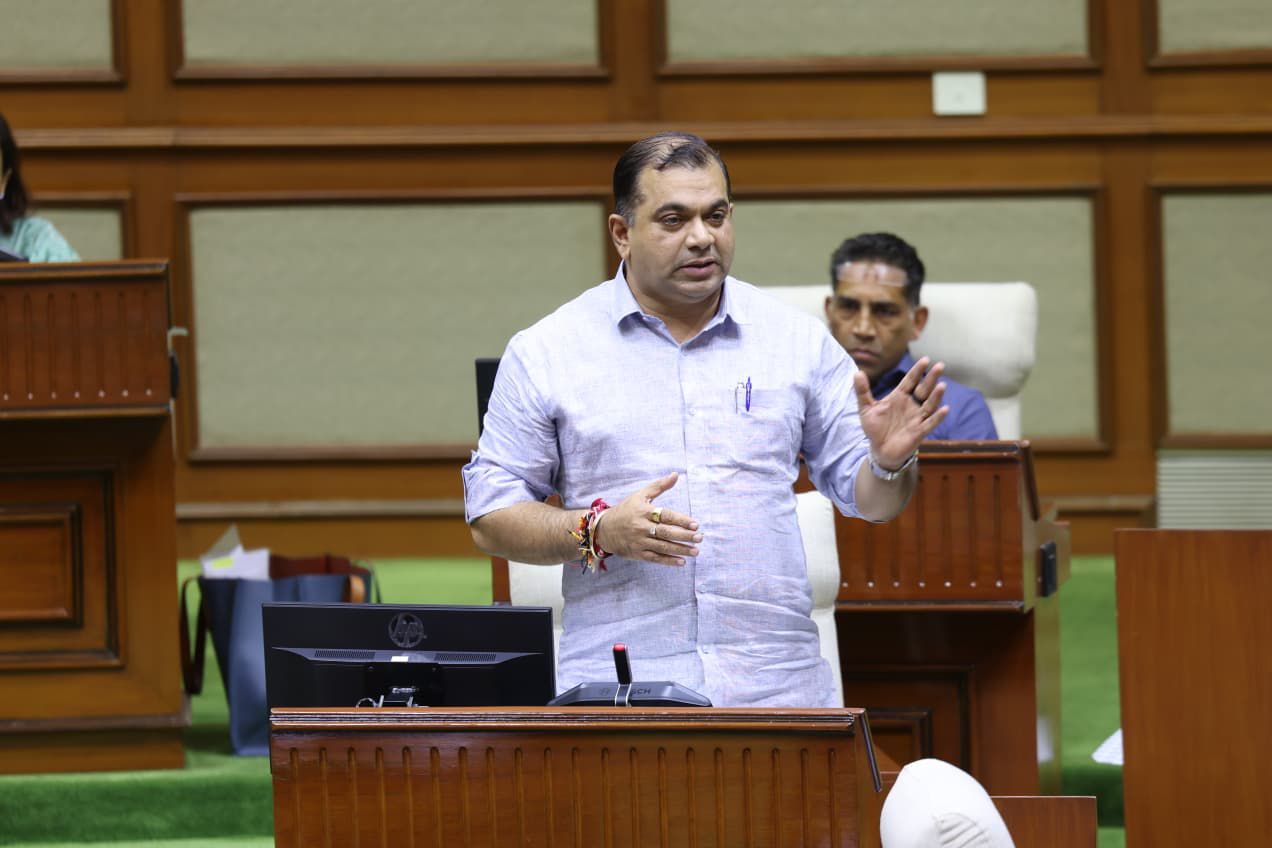
Porvorim, Mar 13: At the ongoing Budgetary Session of the Goa Legislative Assembly, Shri. Rohan Khaunte, Minister for Information Technology, Electronics & Communications (ITE&C), announced the Goa AI and Deep-Tech Policy will be notified within the next 100 days. He also highlighted the government’s vision to adopt Artificial Intelligence (AI), with a strong focus on developing local talent to create home-grown AI solutions.
13, Mar 2026
Chevron Appoints Emmanuelle Garinet to Lead Exploration Across Sub-Saharan Africa and the Americas
Johannesburg, South Africa, Mar 13: Energy supermajor Chevron has appointed Emmanuelle Garinet as Director of Exploration for the Americas and Sub-Saharan Africa, placing one of the upstream industry’s most experienced geophysicists at the helm of its discovery strategy across two of the world’s most critical hydrocarbon regions.
The African Energy Chamber (AEC) welcomes the appointment, noting that Garinet’s extensive experience in African exploration signals renewed opportunities for investment, strengthens geological understanding, and fosters collaboration between operators and host governments.
Expanding Exploration in Sub-Saharan Africa
Chevron’s African portfolio is entering a new phase of exploration-led growth. Key initiatives include:
-
Namibia: Following major deepwater discoveries in the Orange Basin, Chevron is evaluating prospects in the Walvis Basin and plans a new exploration well in PEL 82 between 2026 and 2027.
-
Nigeria: Chevron is expanding its deepwater presence after acquiring a 40% stake in offshore licenses PPL 2000 and PPL 2001 from TotalEnergies, with drilling operations expected in late 2026 near the Agbami field.
-
Angola: Chevron achieved first oil at the South N’dola platform in Block 0 in December 2025, producing approximately 25,000 barrels per day and routing associated gas to the Angola LNG plant, supporting the country’s gas monetization strategy.
“These developments underscore the importance of exploration in unlocking Africa’s energy resources while supporting regional economic growth and energy security,” said NJ Ayuk, Executive Chairman, AEC.
Americas Portfolio Provides Additional Growth
Chevron’s upstream operations in the Americas remain a key growth driver:
-
United States: Expansion continues in the Permian Basin, with output projected to reach one million barrels of oil equivalent per day in 2026. Deepwater developments in the Gulf of Mexico also remain critical to long-term production.
-
South America: Chevron continues development in Guyana’s Stabroek Block and Argentina’s Vaca Muerta formation, supporting production growth in the region.
A Career Built on Global Exploration
Garinet brings more than three decades of experience in exploration geology, subsurface interpretation, and upstream leadership. Her career spans senior exploration roles across Africa, South America, and Europe, including leadership positions at TotalEnergies. Notably, she led the exploration team behind the Venus discovery offshore Namibia, one of the largest deepwater oil finds in recent years.
“Exploration leadership with deep technical expertise and real experience in Africa’s basins is critical as the continent seeks to unlock new resources,” said NJ Ayuk. “Emmanuelle Garinet brings decades of geological insight and international exploration leadership. Her appointment at Chevron signals the continued importance of African energy development.”
Garinet has also been an advocate for African energy development, speaking at forums such as African Energy Week in Cape Town, where she emphasized the role of advanced seismic data, frontier exploration, and efficient permitting in unlocking opportunities across the continent.


