


27, Sep 2026
Dubai records 335 sales of $10m+ homes in first eight months of 2026
New market analysis shows Palm Jumeirah still a prime location for high-end property investors
Dubai, UAE, 27th September; 2026: The Dubai real estate sector recorded 335 sales of homes valued at $10 million (AED36.7 million) and above in the first eight months of 2026, underling the city’s position as one of the world’s leading luxury residential markets.
An analysis of Dubai Land Department data by fäm Properties reveals that there were 206 high end villa sales transactions totalling AED11.7 billion between January and the end of August, and 129 luxury apartment sales amounting to AED8.67 billion.

Palm Jumeirah’s position as a prime residential location was again highlighted by sustained investor interest placing it among the top three areas for villa and apartment sales at $10 million + both in terms of volume and value.
The Palm Jumeirah luxury sales breakdown was 35 apartments (#1 by value) worth AED 2.18 billion (#2 by count) at an average of AED 62.2 million, and 28 villas (#3) at AED 1.85 billion (#3) at an average of AED 66.2M.
Firas Al Msaddi, CEO of fäm Properties, said: “There is still a great deal of money moving through the very top of Dubai’s property market, reinforcing the city’s position among the leading global investment hubs for high-net-worth individuals.
“More and more investors are making serious commitments because they regard Dubai as one of the most desirable places in the world to live, work and raise families, something which has also been highlighted by high volumes of new and renewed rental contracts in recent months.”
The leading area in terms of overall luxury villa sales volume and value was the master-planned residential community of Hadaeq Sheikh Moh’d Bin Rashid which recorded 48 transactions totalling AED2.77 billion at an average price of AED 57.8 million.
The most expensive apartment sold during the first eight months of the year was a 31,201 sq ft 6-bedroom unit at Aman Residences in Jumeirah Second which fetched AED 422 million.The most expensive villa was a 44,903 sq ft 7-bedroom property at La Mer in Jumeirah First which went for AED350 million.
TOP 5 AREAS FOR $10 MILLION-PLUS SALES BY OVERALL VALUE
Apartments
|
Area |
Transactions |
Total value |
Average price |
Rank by count |
|
Jumeirah Second |
31 |
AED 2.77B |
AED 89.6M |
2 |
|
Palm Jumeirah |
35 |
AED 2.18B |
AED 62.2M |
1 |
|
Jumeirah First |
16 |
AED 893.5M |
AED 55.8M |
3 |
|
Downtown Dubai |
14 |
AED 821.8M |
AED 58.7M |
4 |
|
Business Bay |
11 |
AED 694.2M |
AED 63.1M |
5 |
Villas
|
Area |
Transactions |
Total value |
Average price |
Rank bycount |
|
Hadaeq Sheikh Moh’d Bin Rashid |
48 |
AED 2.77B |
AED 57.8M |
1 |
|
Palm Jebel Ali |
43 |
AED 2.04B |
AED 47.5M |
2 |
|
Palm Jumeirah |
28 |
AED 1.85B |
AED 66.2M |
3 |
|
Emirates Living |
15 |
AED 1.08B |
AED 72.0M |
4 |
|
Wadi Al Safa 3 |
15 |
AED 766.4M |
AED 51.0M |
4 |
TOP 5 HIGHEST-VALUE TRANSACTIONS
Apartments
|
Price |
Beds |
Size sq ft |
Price sq ft |
Sale type |
Area, Master Project |
Project |
|
AED 422.0M |
6 |
31,201 |
AED 13,525 |
Off-plan |
Jumeirah Second |
Aman Residences |
|
AED 356.2M |
6 |
31,201 |
AED 11,417 |
Off-plan |
Jumeirah Second |
Aman Residences |
|
AED 225.9M |
6 |
31,387 |
AED 7,199 |
Off-plan |
Palm Jumeirah |
The Alba Residences |
|
AED 210.0M |
5 |
21,812 |
AED 9,628 |
Off-plan |
Jumeirah Second |
Peninsula Dubai Residences |
|
AED 200.0M |
5 |
20,418 |
AED 9,795 |
Off-plan |
Business Bay |
Bugatti Residences By Binghatti |
Villas
|
Price |
Beds |
Size sq ft |
Price sq ft |
Sale type |
Area, Master Project |
Project |
|
AED 350.0M |
7 |
44,903 |
AED 12,986 |
Off-plan |
Jumeirah First, La Mer |
|
|
AED 145.0M |
6 |
18,844 |
AED 20,714 |
Resale |
Palm Jumeirah |
Signature Villas |
|
AED 134.0M |
9 |
31,527 |
AED 3,858 |
Resale |
Emirates Living,Emirates Hills |
|
|
AED 115.0M |
6 |
18,303 |
AED 7,390 |
Resale |
Palm Jumeirah |
Eome |
|
AED 110.0M |
5 |
16,336 |
AED 15,714 |
Resale |
Palm Jumeirah |
Signature Villas |
- 0
- By Neel Achary

26, Sep 2026
Tvs Motor Company, She For Society And Taliru Foundation Join Hands To Empower Women Auto Drivers In Bengaluru
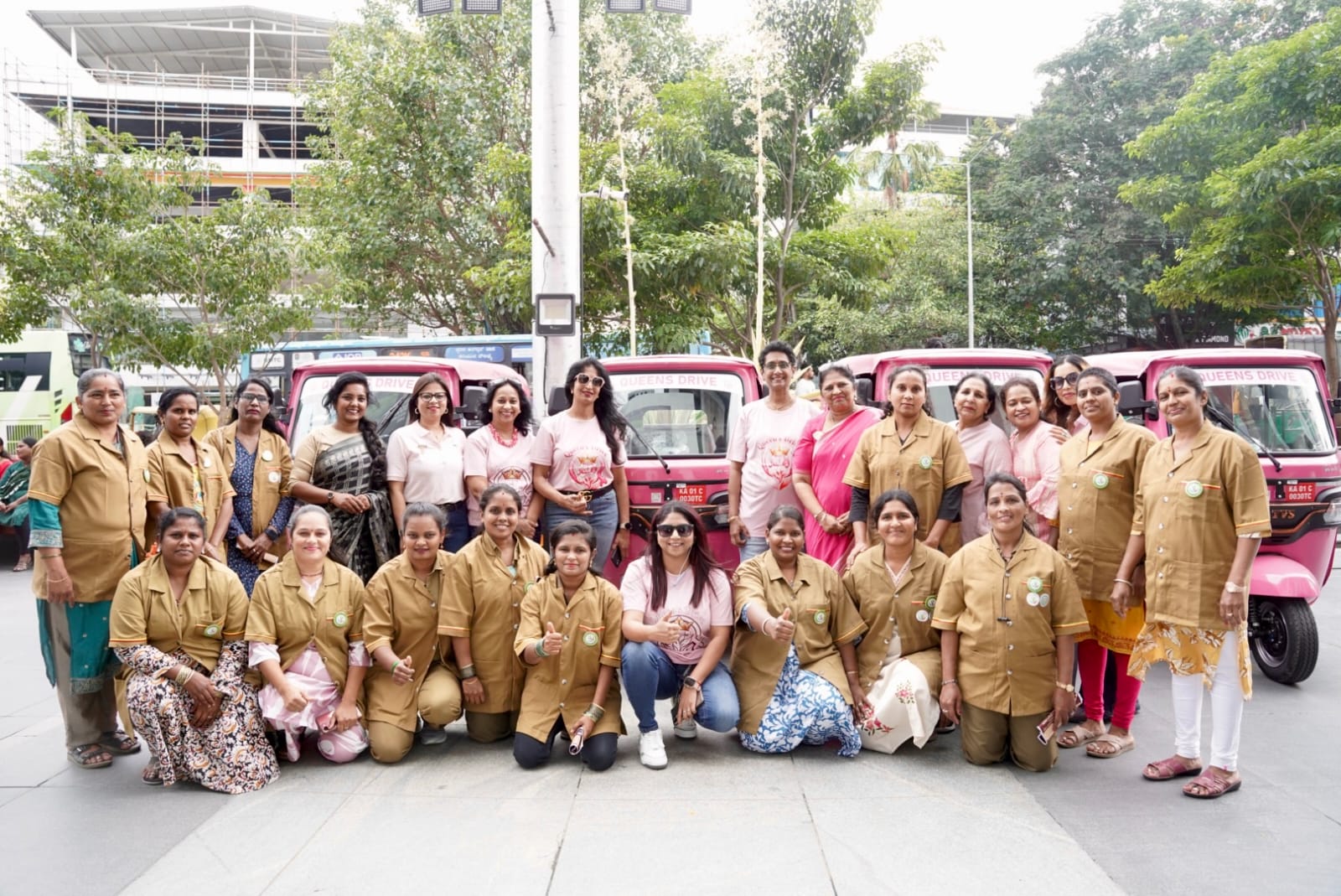
Bengaluru, September 26, 2026: TVS Motor Company, part of TVS VENU, is a leading global manufacturer of two and three-wheelers, today joined hands with She for Society (Women Biker NGO & Club), and Taliru Foundation to support women’s economic empowerment through the official launch of 16 pink electric autos in Bengaluru. The initiative, titled “Building Queens from the Grassroots,” aims to strengthen livelihood opportunities for women auto drivers in Bengaluru.
16 pink electric autos are being delivered to women beneficiaries identified by Taliru Foundation, marking the first phase of a planned scale-up to 100 vehicles. The initiative seeks to support more women in establishing sustainable livelihoods and participating in the commercial mobility ecosystem. The initiative has been backed by financial support from women’s organisations across India, reflecting a collaborative commitment towards enabling women’s financial independence and mobility.
Through this partnership, TVS Motor Company, She for Society, and Taliru Foundation seek to create pathways for women to participate in the commercial mobility ecosystem, supporting entrepreneurship, income generation, and greater economic participation.
The launch event was graced by Smt. Aishwarya Mahadev, Vice Chairman, Karnataka Road Development Ltd., KPCC Social Media President, and AICC Spokesperson. The initiative marks TVS Motor Company‘s large-scale Pink Auto project and represents the first phase of a broader programme aimed at enabling more women to build sustainable livelihoods through commercial mobility.
Commenting on the initiative, Rajat Gupta, Business Head, Commercial Mobility, TVS Motor Company, said, “At TVS Motor Company, we believe mobility can play a meaningful role in creating opportunities and strengthening livelihoods. Our collaboration with She for Society and Taliru Foundation reflects our commitment to enabling inclusive and sustainable commercial mobility. The Pink Auto initiative is a significant step towards supporting women entrepreneurs and helping them build greater economic independence. We are proud to contribute to an initiative that brings together mobility, community support, and social impact.”
Speaking on the initiative, Harshini, She For Society, said, “Queens Drive is our endeavour to build queens from the grassroots by enabling women to become financially independent through mobility. With the support of women’s organisations across India and our collaboration with Taliru Foundation and TVS Motor Company, we aim to create sustainable opportunities for women auto drivers. These 16 pink electric autos mark the beginning of a larger movement that we hope will empower 100 women and inspire communities across the country.”
Chitra from Taliru Foundation, said, “Through this initiative, we are working towards creating meaningful livelihood opportunities for women who aspire to become independent earners. The delivery of these 16 pink autos is an important milestone for our beneficiaries, and we are grateful to She for Society, TVS Motor Company, and the supporting women’s organisations for helping turn this vision into reality.”
The initiative underscores the importance of partnerships between mobility companies, social organisations, and communities in enabling inclusive economic growth and supporting women’s participation in India’s evolving commercial mobility landscape.
26, Sep 2026
Historic Shishu Bhavan Building in Cuttack May Get New Life as Museum
Cuttack, Sept. 26 (UDN): A historic palace-like structure on the Shishu Bhavan campus in Cuttack, which once served as Odisha’s Raj Bhavan, could get a new lease of life as a museum instead of being demolished.
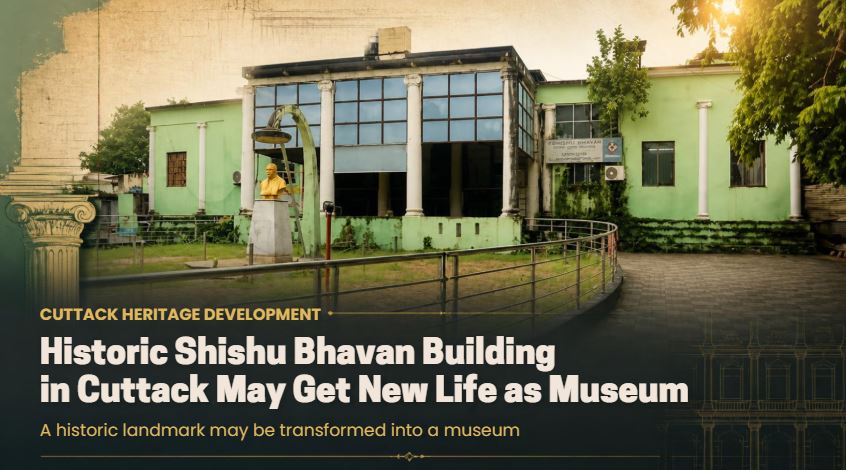
The proposal has brought the heritage value of the ageing structure back into focus, with Shishu Bhavan authorities and sections of the city calling for its preservation and adaptive reuse.
From Raj Bhavan to Shishu Bhavan
The building is associated with several phases of Odisha’s history, with links to the Mughal, Maratha and British periods. It also reportedly hosted meetings involving Sardar Vallabhbhai Patel and other freedom fighters during the freedom movement.
After Independence, the structure functioned as Odisha’s Raj Bhavan until 1948, before the Raj Bhavan was shifted to Bhubaneswar.
The building was subsequently converted into Shishu Bhavan and served as a facility for treating children for several years. The paediatric wards were later shifted elsewhere, after which medical services were discontinued in the old structure.
Preservation Proposal Gains Momentum
The district administration had considered the building unsafe and initiated steps for its demolition. However, the proposal to preserve the structure and convert it into a museum has generated interest among heritage-conscious citizens and intellectuals.
Shishu Bhavan authorities have suggested developing the building as a museum showcasing historical records, old documents and other materials connected with Cuttack and Odisha’s past. Suggestions have also included recreational facilities within the premises.
The structure is currently in a deteriorated condition, with moss visible on parts of the walls and vegetation growing around the building.
Mayor Backs Heritage Conservation
Cuttack Mayor Subhash Singh has said the historic structure would not be allowed to be demolished and that efforts would be made to develop it as a colonial museum alongside other heritage sites in the city.
Shishu Bhavan superintendent Dr Sunil Agrawal has also supported preservation, pointing out that the existing building could complement the modern infrastructure being developed on the campus.
“If we can provide 846 beds in the G+6 building within Shishu Bhavan campus, then by preserving this building, we can also protect Odisha’s heritage,” Agrawal said, according to reports.
He suggested that a museum could also provide parents and visitors with an opportunity to explore the city’s history while they are at the facility.
The proposed conversion, if taken forward, would give the historic structure a new public purpose while retaining a building associated with important chapters of Cuttack and Odisha’s past.
26, Sep 2026
Four-Tonne Ganesh Laddoo Fetches Rs 17 Lakh at Talcher Auction
Talcher, Sept. 26 (UDN): A massive laddoo weighing around four tonnes and offered as prasad during the Ganesh festival was auctioned for Rs 17 lakh in Talcher, drawing enthusiastic participation from devotees despite heavy rainfall.

Representational Image
The Diamond Group emerged as the highest bidder after a spirited auction and took home the giant sweet offered to Lord Ganesh.
Bidding Draws Huge Crowd
The auction began with relatively modest bids but quickly gathered momentum, with the amount climbing into lakhs within minutes.
Hundreds of devotees remained present despite the rain and cheered as several individuals and organisations competed for the religious offering. After a closely contested bidding session, the Diamond Group secured the laddoo for Rs 17 lakh.
Prasad Linked to Prosperity
The annual auction holds a special place in Talcher’s Ganesh festival celebrations. Devotees traditionally associate winning the giant laddoo with prosperity and good fortune.
According to local belief, the winning bidder shares portions of the prasad with family members, friends and others. Some devotees also preserve or distribute remnants of the laddoo by placing them at homes, business establishments and agricultural fields as a symbol of blessings and prosperity.
Auction Marks Start of Immersion Procession
Several organisations and individuals participated in this year’s auction, continuing a longstanding local tradition.
The annual laddoo auction also marks the beginning of the Lord Ganesh immersion procession, which passes through different parts of Talcher town, adding to the festive atmosphere.
26, Sep 2026
Railway Crime Cases Plunge 83% at Solar CCTV-Monitored Locations Under ECoR
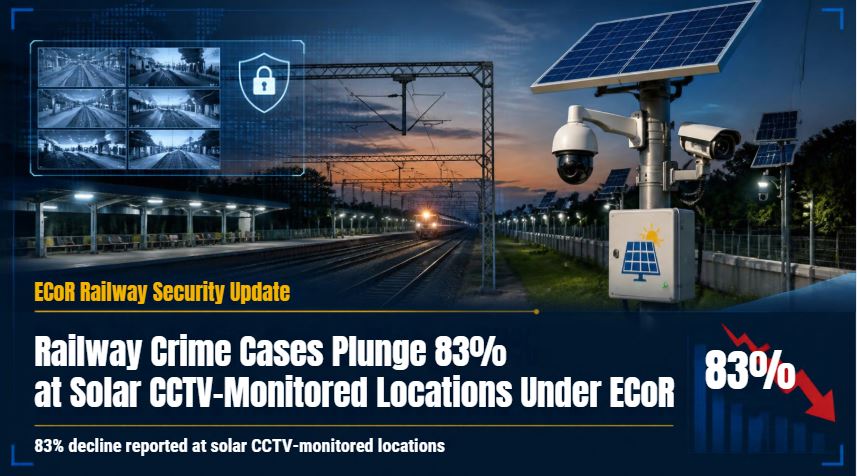
Bhubaneswar, Sept. 26 (UDN): Railway-related crime cases have dropped by nearly 83 per cent at locations covered by solar-powered CCTV surveillance under the East Coast Railway (ECoR), according to railway authorities.
Representational Image
Data for the January-August period show that the number of reported cases fell from 200 in 2025 to 34 in the corresponding period this year at locations where the solar-powered surveillance system has been deployed.
The reduction has been recorded across several categories of railway-related offences, including cable cutting, stone pelting, theft of passengers’ belongings and alarm chain pulling.
Sharp Decline in Offences
Cases involving the placement of external objects on railway tracks declined from one to zero, while cable-cutting incidents dropped from 10 to one during the period under review.
Similarly, cases of stone pelting fell from 20 to three, while incidents involving theft of passengers’ belongings declined from two to zero.
The most significant reduction was reported in alarm chain-pulling cases, which fell from 158 to 29. Other reported crime cases also declined from nine to one.
Cameras Cover Vulnerable Locations
Under the initiative, solar-powered CCTV cameras have been installed at several sensitive railway locations, including station premises, level crossings, bridges, isolated stretches of track, yards and other vulnerable points.
The system was introduced by ECoR as a pilot initiative to strengthen surveillance in locations where conventional power infrastructure may not always be readily available.
According to railway authorities, the surveillance network has helped improve monitoring of vulnerable locations and may also assist security personnel in identifying and responding to incidents.
Expansion Planned
The success of the pilot initiative has prompted plans for wider adoption of the technology across the railway network.
Railway authorities said solar-powered CCTV surveillance is expected to be expanded to other locations to strengthen security and improve passenger safety.
The initiative combines renewable energy with round-the-clock surveillance, particularly at remote and sensitive railway locations where maintaining conventional CCTV infrastructure can be challenging.
26, Sep 2026
Odisha Governor Calls for Sustained Thalassemia Awareness Drive
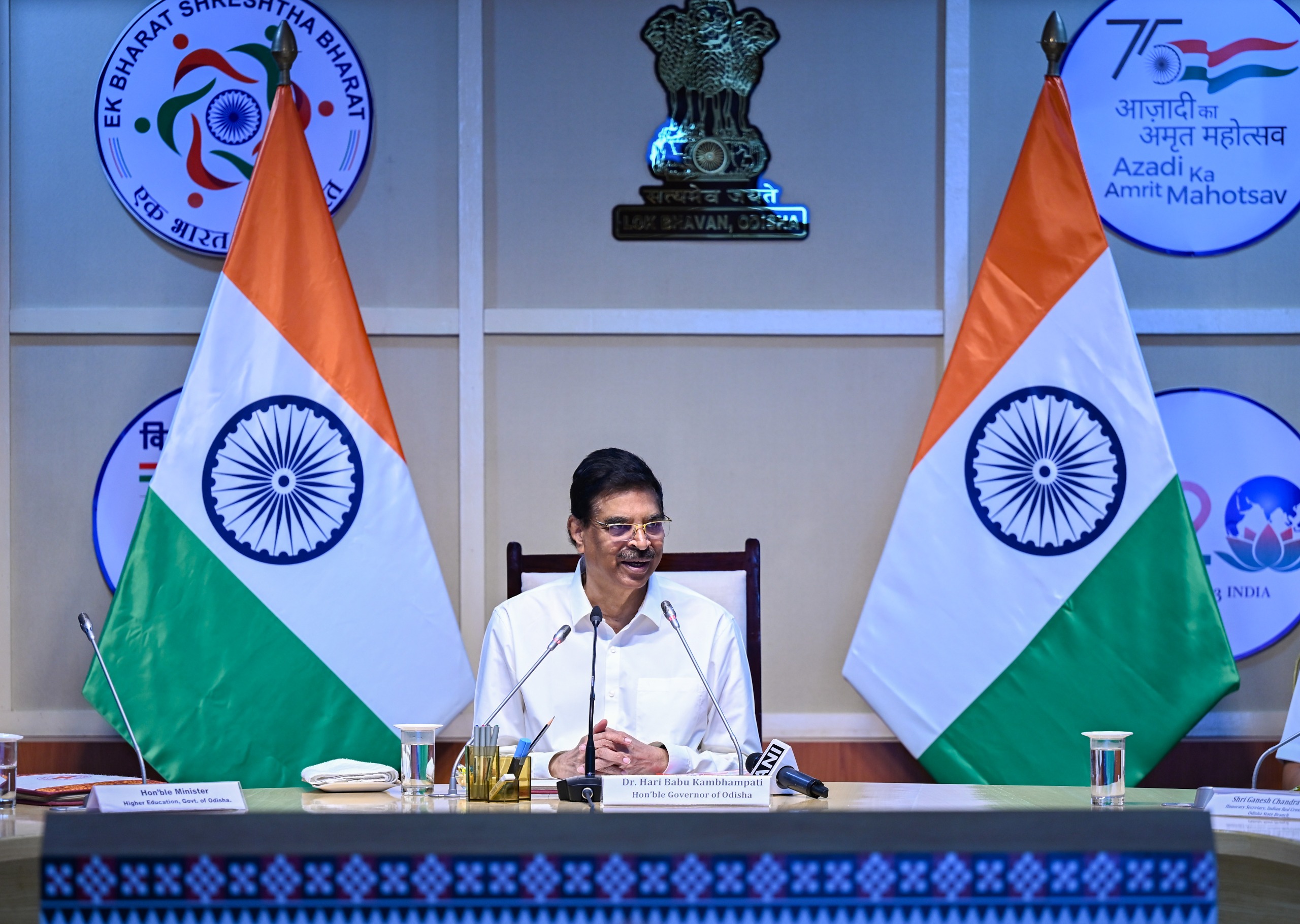
Bhubaneswar, Sept. 26 (UDN): Odisha Governor Hari Babu Kambhampati has called for a sustained, long-term awareness campaign on thalassemia to improve early identification of cases and strengthen public understanding of the blood disorder in the state.
Pic Credit: x.com/DrHariBabuK
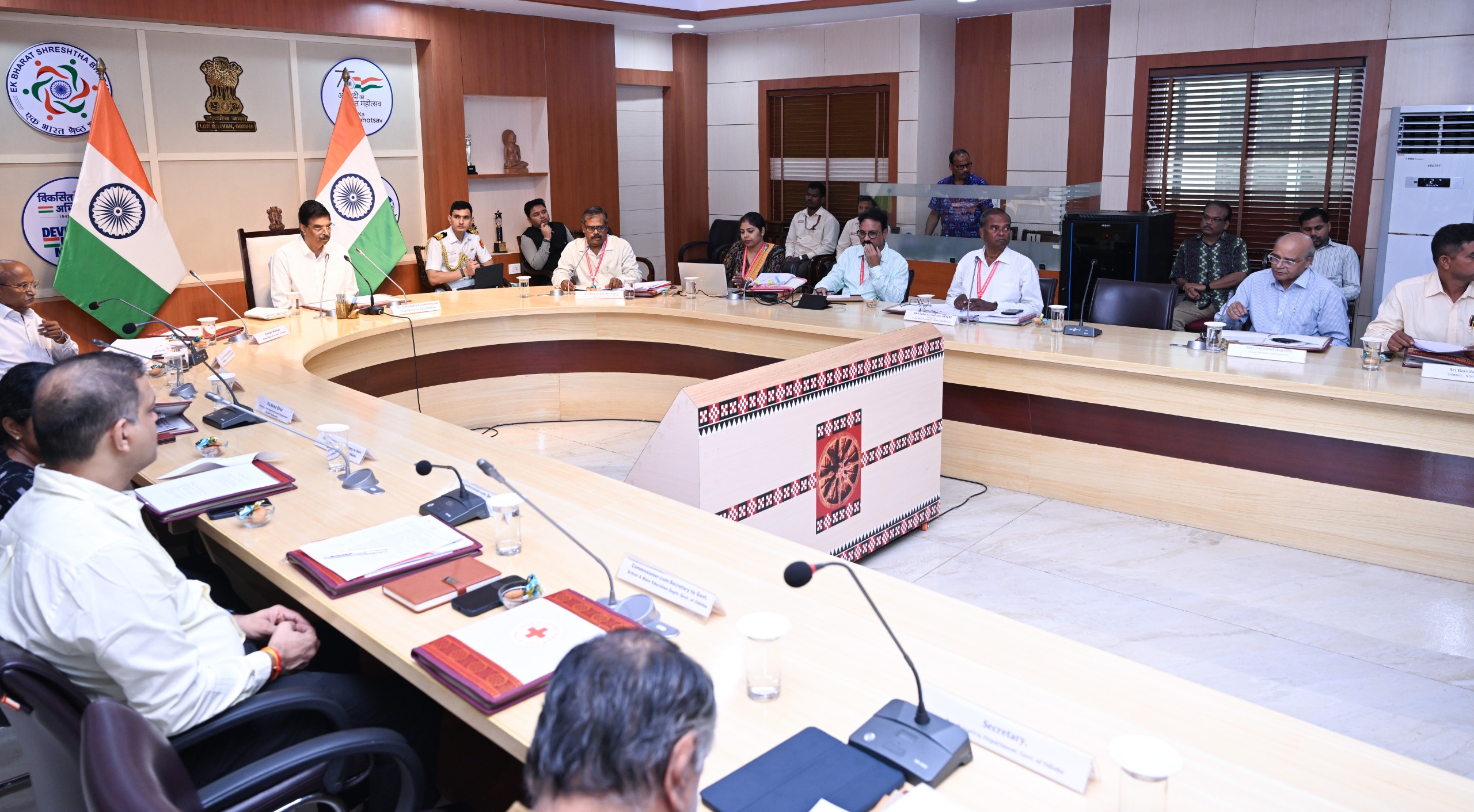
The Governor made the observation while chairing the executive committee meeting of the Indian Red Cross Society, Odisha State Branch (IRCS-OSB) at Lok Bhawan in Bhubaneswar on Friday.
Highlighting the need for continued public outreach, Kambhampati said a long-term awareness programme could help identify undetected cases, particularly in view of the reported number of people affected by thalassemia in the state.
He also advised the Red Cross to explore Corporate Social Responsibility (CSR) support from corporate organisations to strengthen and expand its various welfare initiatives.
The Governor further directed that the IRCS-OSB executive committee should meet at least three times a year to facilitate regular monitoring, review ongoing programmes and ensure timely follow-up on decisions.
Focus on Elderly Care
Reviewing the organisation’s humanitarian and social welfare activities, Kambhampati appreciated the Red Cross’s initiatives in healthcare and community service.
He suggested specialised training programmes for volunteers involved in elderly care, while advising the organisation to obtain necessary government approvals and explore cooperation with the Union Ministry of Social Justice and Empowerment.
The Governor described the Indian Red Cross Society as an institution dedicated to selfless service and called for further strengthening the Red Cross movement in Odisha through greater participation of young people and volunteers.
He also emphasised expanding services and support for people in need across the state.
Officials Attend Meeting
Senior officials from the Health and Family Welfare, Higher Education, Panchayati Raj and Drinking Water departments attended the meeting along with members of the IRCS-OSB executive committee and representatives of other concerned departments.
IRCS-OSB Honorary Secretary Ganesh Chandra Patra presented the organisation’s activity report, outlining its programmes and initiatives undertaken in the state.
26, Sep 2026
Delhi Transport Department Earns Global Recognition for Helmet Safety Campaign
New Delhi, Sep 26: The Delhi Transport Department has received international recognition for its efforts to promote helmet use and road safety, highlighting the city’s focus on improving awareness and encouraging safer behaviour among two-wheeler riders.
The recognition comes for the department’s helmet safety campaign, which aimed to strengthen public awareness about the importance of wearing helmets and following road-safety practices.
The campaign reflects a broader approach to road safety that combines public communication with efforts to encourage compliance with traffic regulations. For a city with a large two-wheeler population, increasing helmet use remains an important part of reducing the risk of serious injuries in road crashes.
The initiative also demonstrates how government agencies can use targeted awareness campaigns to influence everyday road behaviour, particularly among vulnerable road users such as motorcyclists and scooter riders.
Focus on safer road behaviour
Helmet use is widely recognised as an important road-safety measure for two-wheeler riders. Campaigns that combine awareness, education and enforcement can help reinforce safe riding practices and encourage greater compliance.
The Delhi Transport Department’s recognition provides visibility to the city’s efforts to promote responsible road use and strengthen its road-safety messaging.
Public awareness at the centre
The campaign places public participation at the heart of road-safety efforts. Beyond enforcement, sustained awareness can help make helmet use a routine part of two-wheeler travel.
The international recognition also offers an opportunity to highlight the importance of locally implemented road-safety initiatives that address everyday travel behaviour.
For Delhi, continued efforts in areas such as helmet compliance, traffic awareness, responsible driving and protection of vulnerable road users will remain important in building safer urban mobility.
The honour marks a significant recognition of the Transport Department’s road-safety communication efforts and underlines the role of public awareness in supporting safer roads across the capital.
26, Sep 2026
Landslide, Collapsed Power Tower Disrupt Rail Traffic Near Maliguda in Koraput
Bhubaneswar, Sept. 26 (UDN): Train services on the Koraput-Kirandul route were severely disrupted on Friday after a high-voltage transmission tower collapsed near Maliguda railway station amid strong winds and heavy rain, triggering landslides that damaged sections of the railway track.

The incident occurred in the Maliguda-Chhatriput section, where nearly 150 metres of earth slid onto the tracks. Railway officials said the landslide caused subsidence at several locations, making the route unsafe for train operations.
Witnesses said the transmission tower had begun leaning under the impact of the adverse weather before eventually collapsing, while continuous rainfall further destabilised the surrounding hillside.
Senior railway officials, including Rayagada Divisional Railway Manager Amitabh Singhal, rushed to the site to assess the damage and supervise restoration work. Engineering teams were deployed to remove debris, stabilise the affected embankment and repair the damaged track.
Train Services Hit
In view of the disruption, the Railways cancelled several passenger services on the route.
The Kirandul-Visakhapatnam Express, Kirandul-Visakhapatnam Passenger, and Rourkela-Jagdalpur Intercity Express were cancelled, while two other services were curtailed to Koraput until further notice.
Railway authorities said train operations would resume only after safety inspections confirm that the affected section is fit for traffic.
Officials are continuing restoration work on a war footing as the region remains under the influence of persistent rainfall triggered by the prevailing weather system over southern Odisha.
26, Sep 2026
Only 294 of Odisha’s 3,000+ Heritage Monuments Enjoy Protected Status
Bhubaneswar, Sept. 26 (UDN): Despite Odisha being home to more than 3,000 identified temples and archaeological monuments, only 294 sites have been granted protected status by the state and central governments, the Assembly was informed on Friday.

Representational Image
Replying to a question by BJD MLA Prasanna Acharya, Language, Literature and Culture Minister Suryabanshi Suraj said that 212 monuments are protected by the State Archaeology Department, while 82 monuments fall under the protection of the Archaeological Survey of India (ASI).
The minister said the State Archaeology Department has earmarked ₹7 crore during the current financial year exclusively for the conservation and maintenance of protected monuments. An additional ₹13 crore has been allocated for the upkeep of both protected and unprotected heritage structures across the state.
He also shared details of the previous financial year’s expenditure, stating that ₹5 crore had been allocated for protected monuments, while ₹10.9 crore was sanctioned for the preservation of both protected and unprotected sites.
Responding to concerns over the conservation of ancient temples, Suraj rejected allegations that sanctioned funds for heritage preservation were lying unused. He maintained that the allocated resources are being utilised for restoration, conservation and maintenance works undertaken by the department.
The figures highlight the gap between the large number of historically significant monuments identified across Odisha and the relatively small number that currently receive statutory protection under state or central heritage laws.
26, Sep 2026
Decathlon Launches Kiprun, Powered by 17 New High-Performance Running Shoes: Built for every runner’s journey
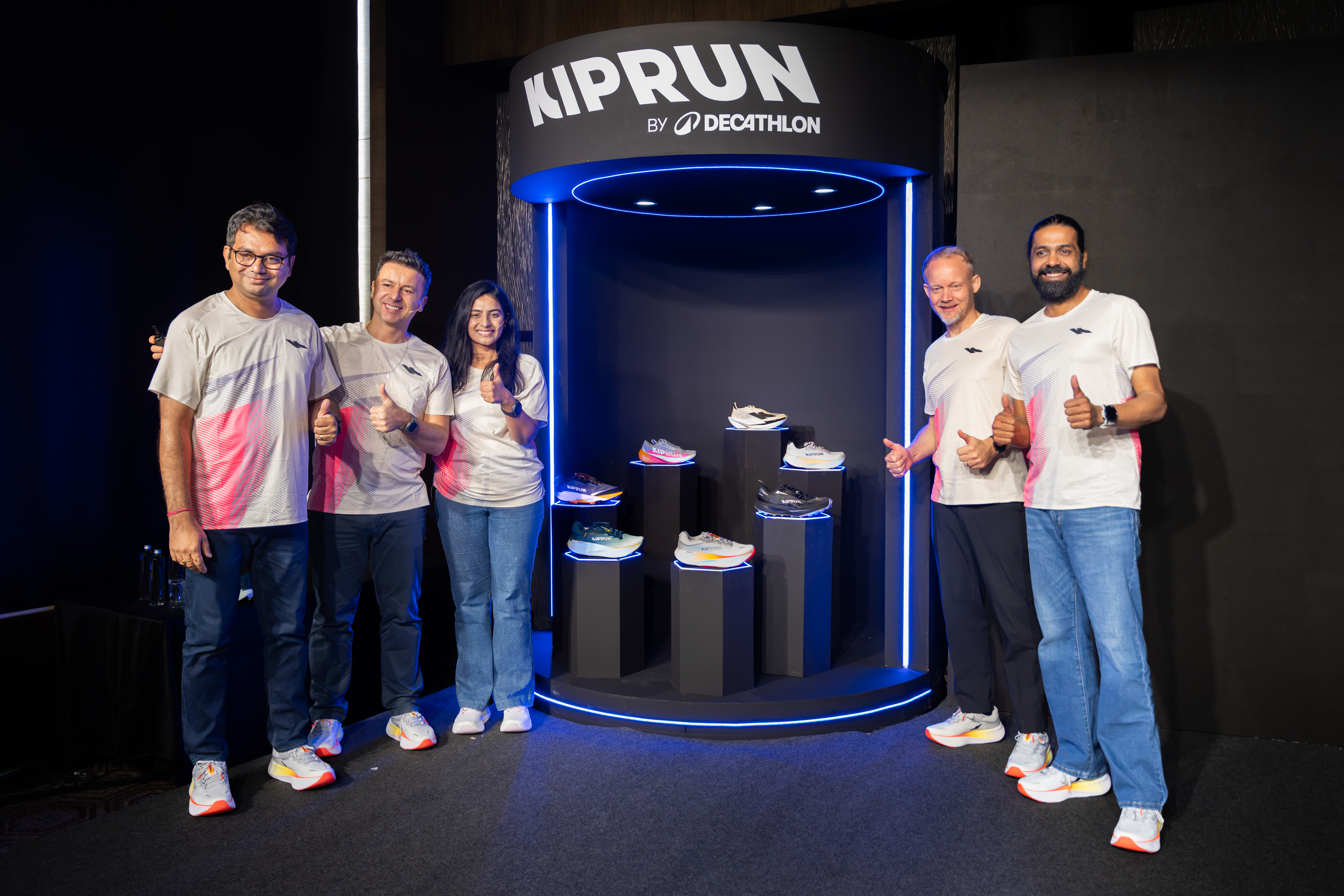
September 26, 2026: Decathlon Sports India today brought its running community even closer together with the launch of the new collection from KIPRUN, Decathlon’s expert running sub-brand. Designed for every runner who chases the joy of movement, not just the miles, the lineup features highly technical products engineered specifically for running as a sport. It spans high-performance apparel, essential accessories, targeted nutrition, and post-run recovery gear.
Anchoring the collection are the 17 new high performance running shoes for men and women—highlighted by the race-proven KIPRUN Elite, the speed-focused KIPSTORM ELITE 2, and the ultra-cushioned KIPRIDE MAX. Engineered to adapt to every stride, terrain and milestone, KIPRUN supports the daily rhythm of every runner, delivering the comfort, performance and confidence needed to make every run feel complete.
Collection at a Glance: Key Highlights
Key Highlights of the Collection:
● KIPRUN Elite: Engineered for elite-level marathon efficiency and unmatched comfort. Developed by studying how real runners move and rigorous athlete testing. Built for the Olympic stage, Kiprun Elite shoes were worn by Jimmy Gressier, a French elite long-distance runner, during his European Half Marathon championship victory.
● KIPSTORM ELITE 2: Built for intermediate to expert, performance-focused runners, featuring FASTECH+ Foam and an optimized carbon plate engineered for maximum race-day power and energy return.
● KIPRIDE MAX 3 / KIPRIDE MAX: Engineered to deliver the most cushioned and comfortable ride ever created by the brand. Features ultra-soft SOFTECH+ Foam, high-stack cushioning, a premium upper and exceptional shock absorption for runners prioritizing comfort and protection over long distances.
● KIPRIDE 2: Designed for everyday training, combining FASTECH Foam with a cushioned, responsive ride for consistent daily performance.
● KIPRIDE GRAVEL: Crafted for off-road and mixed-terrain running, equipped with FASTECH Foam, 3 mm lugs, and hybrid grip for reliable traction on gravel and trail surfaces.
● 17 High-Performance running shoes: Introduces advanced technologies tailored to specific biomechanical and training needs.
● 35 Total Styles & Colorways: Offers a perfect pair for every pace, person, and personal best.
Mr. Bruno Araujo, Country Sports Leader- Running, Decathlon Sports India says, “As running across India becomes an integral part of daily health and community culture, performance remains at the heart of KIPRUN by Decathlon. Every innovation in this collection is purposefully engineered to elevate the runner’s journey, whether for personal fitness or race-day goals. Combining our latest foam tech for softer landings, smart shoe shapes, and carbon-plates for that extra race-day bounce from the race-focused KIPSTORM ELITE 2 to the plush KIPRIDE MAX 3, we are proud to deliver high-performance technology that makes running accessible to all, reinforcing Decathlon’s commitment to enhancing the wellbeing of every individual.”


