


10, Mar 2026
7 Common Startup Mistakes Uk Entrepreneurs Make – and How to Avoid Them

- 0
- By Neel Achary

10, Mar 2026
HD Fire Protect Limited receives UL Listing for advanced deluge valve with integrated pressure-reducing mechanisms
Mumbai, Mar 10: HD Fire Protect Limited has received UL Listing from UL Solutions Inc. for its advanced deluge valve with integrated pressure-reducing mechanisms. UL Solutions is a global safety certification company that provides testing, inspection and certification services for multiple products, including electrical and electronic devices and fire safety products.
The company holds a design patent for the product and is the first Indian fire protection equipment and systems manufacturer to receive UL Listing for deluge valves (1996) (Source: CRISIL Report. The certification follows testing and evaluation in accordance with applicable UL standards.
The deluge valve is designed in various materials of construction, suitable for both, on-shore and off-shore installation for industrial and critical infrastructure applications. HD Fire Protect Limited manufactures fire protection equipment and systems for industrial and commercial applications and holds product certifications from international approval agencies including UL Solutions and FM Approvals.
Commenting on the development, Harish Narshi Dharamshi, Chairman & Managing Director, HD Fire Protect Limited said, “The UL Listing for our VIRAT V5 deluge valve, VIRAT V3 deluge valve and VIRAT V6 deluge valve marks an important milestone in our commitment to operational excellence and stringent quality standards set by the International Organization for Standardization. This approval reinforces customer confidence in our high performance fire protection solutions and scale our presence in regulated markets. We remain focused on continuous innovation and expanding our product portfolio to support complex industrial and critical infrastructure applications worldwide.”
The Indian fire protection equipment market expanded at a CAGR of 11.0% between fiscals 2019 and 2025 to ₹102 billion, outperforming the global fire protection equipment market in terms of growth rate (7.0% CAGR between 2020–2024), and is expected to clock a CAGR of 11.0–12.0% between fiscals 2025 and 2030 to reach ₹165–175 billion. In Fiscal 2025, the fire suppression system segment accounted for 75% of the total market and was valued at ₹76 billion. (Source: CRISIL Report)
HD Fire Protect Limited is an Indian manufacturer and supplier of fire protection equipment and systems, offering a comprehensive portfolio spanning water, foam, and gas-based fire suppression systems, which are also generally known as fire-fighting products. The company develops majority of its products in-house with proprietary designs to meet national and international standards, serving high hazard industrial applications as well as residential and commercial sectors. According to the CRISIL Report, HD Fire Protect is the second-largest manufacturer of fire protection equipment and systems in India in terms of operating income (revenue from operations) in Fiscal 2024 and the largest exporter by value (equipment) in Fiscal 2024. The company has export sales in more than 90 countries as of Fiscal 2025.
HD Fire Protect Limited is also the first Indian fire protection equipment and systems manufacturer to receive FM approval for range of products used in low expansion foam system namely foam concentrates, bladder tanks, proportioners, topside discharge devices and foam water sprinkler discharge devices (Source: CRISIL Report). Further, it is also the first Indian company focused on fire protection equipment and systems manufacturing to receive ASME U (pressure vessels) stamp certification (Source: CRISIL Report). With 22 and 87 UL Listed and FM Approved certifications, as per UL product certifications and FM product certifications respectively, HD Fire Protect has the highest number of UL Listed and FM Approved product certifications amongst the fire protection equipment focused peers in India as of September 2025 (Source: CRISIL Report).
As of March 31, 2025, company’s offerings are spread across eight product categories covering industrial, residential and commercial end-use sectors. The company has supplied products to key sites including India’s space launch pad at Sriharikota, India’s largest refinery at Jamnagar, the new Indian Parliament building, Saudi Aramco’s Ras Tanura Sea Island site and Oman’s Integrated Power & Water Plant Project.
10, Mar 2026
GNLU Report Highlights Policy Pathways for Crypto-Asset Regulation in India
New Delhi, March 10:
The Gujarat National Law University (GNLU), in partnership with the Society of Indian Law Firms (SILF), on Tuesday formally launched its project report titled “Crypto-Assets in India: Assessing the Case for Regulation” at an event held at The Lalit, New Delhi. The report presents a comprehensive examination of India’s current approach to crypto-assets and outlines a structured framework for regulation aimed at balancing innovation, investor protection and financial stability.
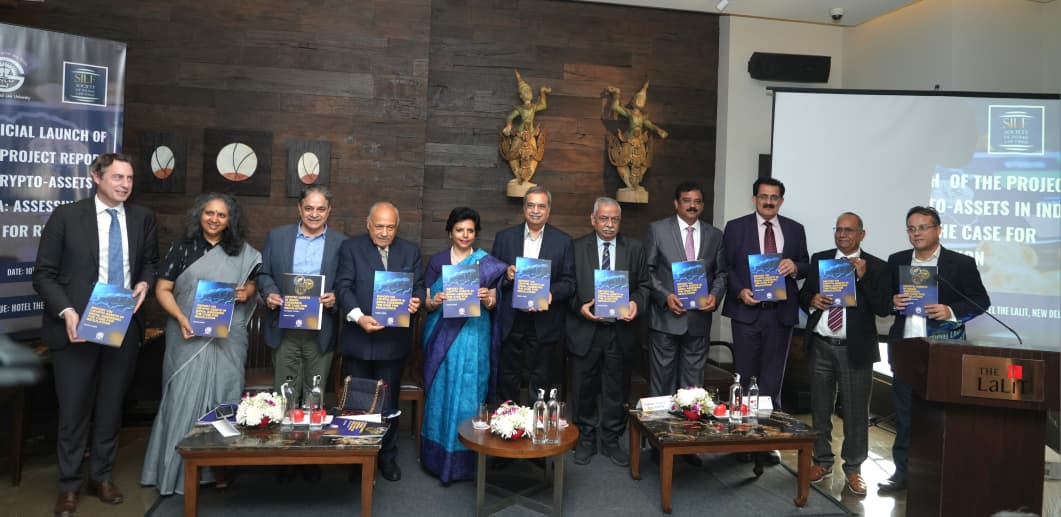
The report underscores that India is at a critical juncture in shaping its regulatory architecture for digital assets. While the government has introduced certain fiscal and compliance measures in recent years—such as the taxation of virtual digital assets and the extension of anti-money laundering obligations to crypto intermediaries—the absence of a dedicated statutory framework continues to create regulatory ambiguity for market participants. The study argues that a coherent and forward-looking regulatory regime is essential to ensure that India remains competitive in the rapidly evolving global Web3 ecosystem. The report puts forth various models of regulation by different existing regulators, along with a new model of self regulation under government oversight till the time a robust regulatory ecosystem is established.
The launch event brought together senior members of the judiciary, leading legal practitioners, policy experts and representatives from the digital asset industry to deliberate on the future trajectory of crypto regulation in India.
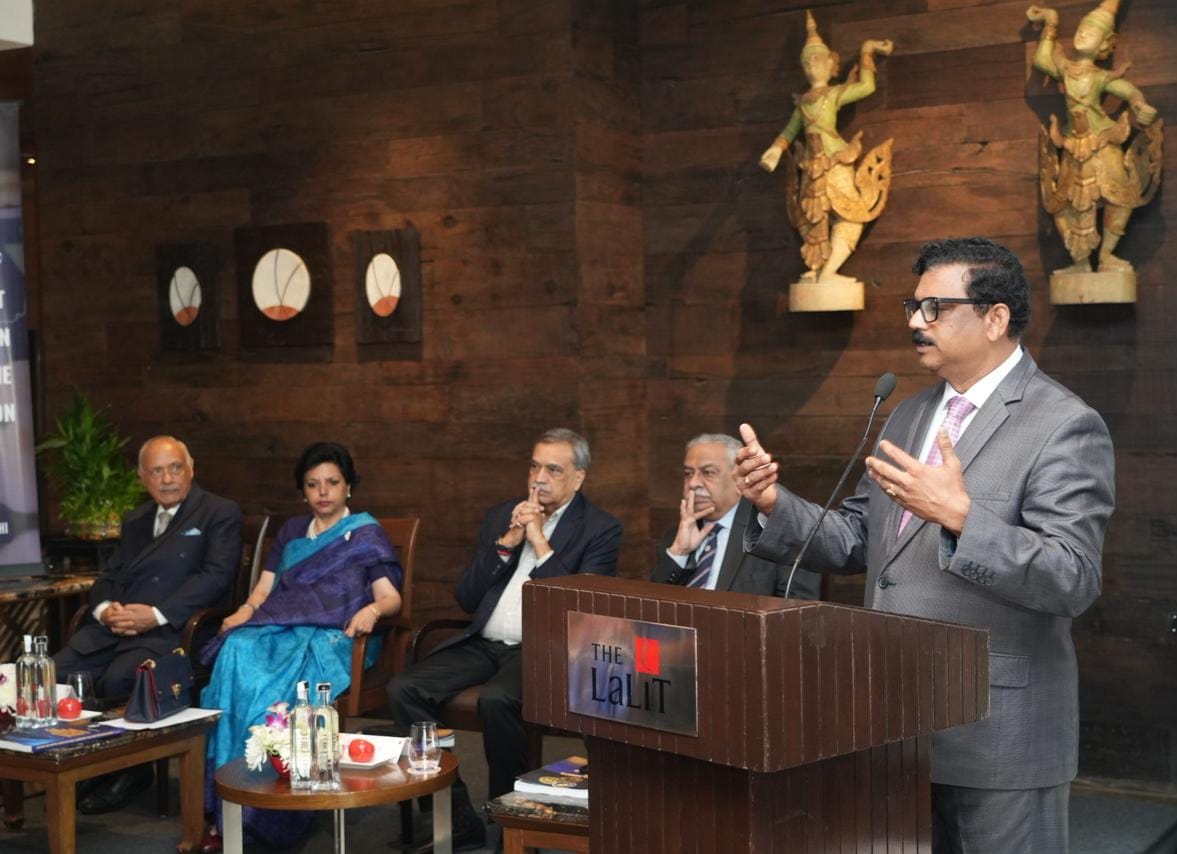
The event was attended by Justice Hima Kohli, Former Judge of the Supreme Court of India, who shared her views on the evolving legal and regulatory landscape surrounding digital assets. Other distinguished speakers at the event included Justice M. R. Shah, Former Judge of the Supreme Court of India; Justice Ravi Tripathi, Former Judge of the Gujarat High Court; Dr. Lalit Bhasin, President of the Society of Indian Law Firms (SILF); and Prof. (Dr.) S. Shanthakumar, Director of Gujarat National Law University.
Justice Hima Kohli, Former Judge, Supreme Court of India, said, “Crypto assets illustrate the broader challenge that legal systems face when technological innovation evolves faster than legislative processes. Today, with the global crypto market exceeding $2.4 trillion and India emerging as one of the largest markets with millions of users, the policy debate is no longer about whether such technologies should exist but about how they should be regulated. The task before policymakers is to craft a balanced framework that protects financial stability, ensures investor protection and transparency, while allowing innovation in blockchain and digital technologies to continue.”
Justice M. R. Shah, Former Judge, Supreme Court of India, said, “With nearly 12 crore Indians already investing in crypto assets, it is no longer possible to simply ignore this sector. In a globalised digital economy, attempts to stop such technologies are neither practical nor effective. The real need is for a clear regulatory framework that ensures transparency, prevents misuse and protects the interests of investors. The government’s decision to tax income from virtual digital assets is an important first step, but comprehensive regulation will be essential to strengthen confidence in this emerging ecosystem.”
Justice Ravi Tripathi, Former Judge, Gujarat High Court, said, “In an era where technology is rapidly transforming society and the economy, institutions cannot afford to ignore emerging developments such as crypto assets. Academic institutions have an important role to play in studying such complex issues and contributing thoughtful recommendations to policymakers. Initiatives like this report demonstrate how research and informed dialogue can help shape regulatory thinking on technologies that already exist and are increasingly influencing economic activity.”
Prof. (Dr.) S. Shanthakumar, Director, Gujarat National Law University, said, “What began as a classroom discussion on a regulatory grey area eventually evolved into a national research initiative. With nearly 12 crore Indians engaging with crypto assets despite the absence of a comprehensive regulatory framework, we felt it was important for academia to contribute to the policy conversation. Through stakeholder consultations in Bengaluru, Mumbai and Delhi involving developers, exchanges, regulators and legal experts, the university sought to understand the technology and its challenges. The report ultimately presents five possible regulatory models, leaving policymakers with practical options to consider while shaping India’s approach to crypto regulation.”
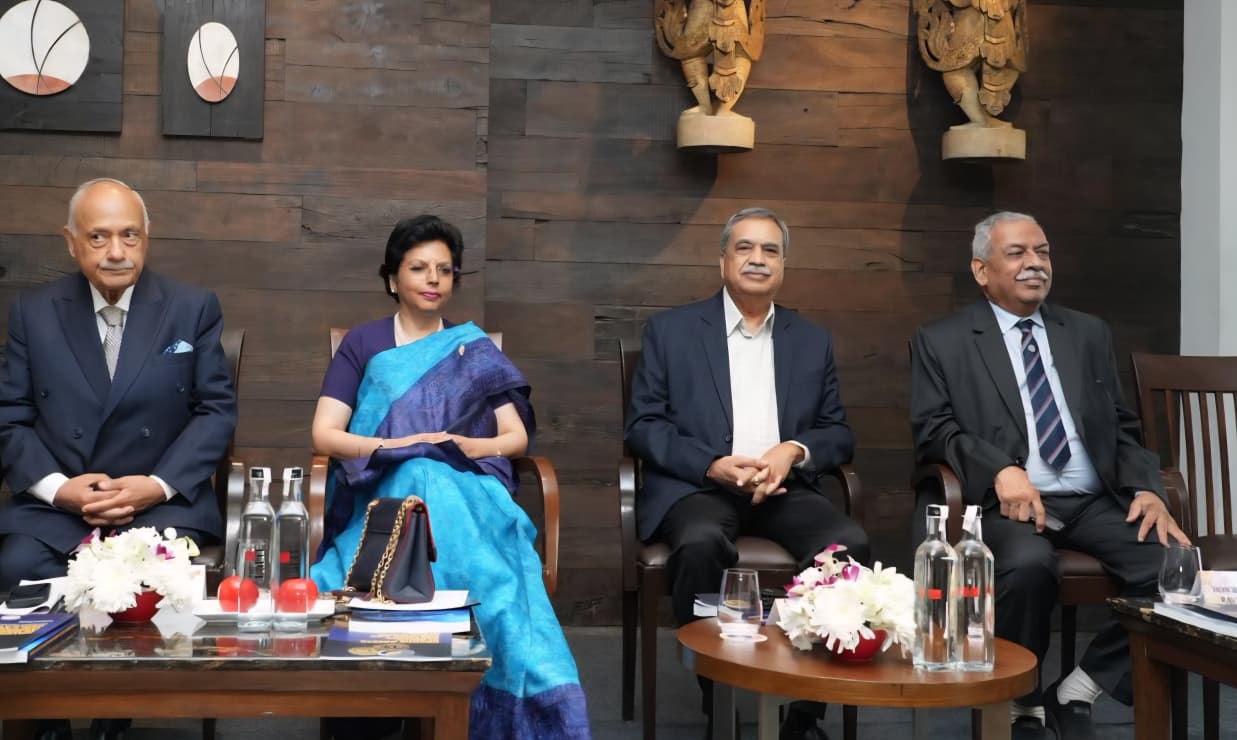
Drawing on comparative regulatory models and global policy developments, the report highlights that several major economies have moved toward clear regulatory frameworks for crypto-assets. It notes that the absence of a comprehensive domestic framework in India has contributed to regulatory uncertainty, with implications for capital flows, industry development and technological innovation.
The report calls for a calibrated regulatory approach that combines institutional oversight with coordinated participation from relevant regulators. It recommends a framework that strengthens consumer protection, addresses risks relating to financial stability and illicit finance, and simultaneously supports the development of blockchain-based innovation within India.
The project was guided by an eminent advisory board comprising Justice M. R. Shah, Former Judge of the Supreme Court of India; Justice Ravi Tripathi, Former Judge of the Gujarat High Court; Rajkumar, Former Chief Secretary, Government of Gujarat; J. P. Gupta, Former Additional Chief Secretary, Government of Gujarat; Dr. Keshav Kumar, Former DGP and Director, Anti-Corruption Bureau; Senior Advocate N. S. Nappinai; Prof. Vijaya Bhaskar Marisetty, Dr. B. R. Ambedkar Chair Professor at IIM Visakhapatnam; Prof. M. K. Bhandari, Founder, ILTES and expert in Blockchain, AI, FinTech and Law; Chittu Nagarajan, Online Dispute Resolution expert; Advocate Mitali Gupta; Kalyanjit Hatibarua, Managing Director, Flugelsoft Group of Companies; and actor Kabir Bedi.
10, Mar 2026
Women of Telangana testify how sustainable livelihoods can be created when women ‘Dare to dream’
Hyderabad, Mar 10: Women entrepreneurs, community leaders, government representatives, and local residents came together for ‘Dare to Dream’, an event organised by She & WE – Women Entrepreneurship Foundation in collaboration with Amazon India to spotlight women-led enterprises and community initiatives. The gathering, held to mark Women’s Day 2026, also celebrated two years of a joint social enterprise initiative implemented by She & WE to strengthen women’s livelihoods.
The entrepreneurship programme, supported by Amazon India as part of its community engagement efforts, focuses on improving women’s health and livelihood opportunities in communities around Amazon’s operational sites in Hyderabad. Through menstrual health awareness and hyperlocal hygiene initiatives, the programme has reached women and girls across twelve Gram Panchayats.
The initiative is part of Amazon India’s broader efforts to create meaningful impact in communities around its operational areas, advancing local livelihoods and women’s empowerment. This collaborative social enterprise model has delivered:
Bio-degradable sanitary napkin manufacturing units run by women from local communities
- 200+ change champions promoting menstrual hygiene and access to sanitary products
- 150+ hyperlocal women entrepreneurs running self-sustaining enterprises
- Menstrual hygiene awareness and education, reaching over 340,000 women and girls to date
Speaking on the occasion, Dr. Kruti Patel, Founder and Director, She & WE said, “Our projects and work in Telangana have been very encouraging. The women here prove that every individual can be an entrepreneur when given the right guidance, training, mentoring and coaching support. The success of more than 350+ women beneficiaries as entrepreneurs from the surrounding villages is a testimony to how they not only ‘Dare to Dream’ but also have the gumption to make their dreams a reality”
Adding to this, Salim Rafik Memon, Director, AMZL, India Operations, Amazon India, commented, “At Amazon, we focus on empowering women to transform their lives and livelihoods, in alignment with SDG frameworks, and India’s Viksit Bharat 2047 vision. The women of Telangana set the tone for the expansion of our women’s enterprise models. Prayatna sanitary napkin’s first manufacturing unit was set up and run here in Shamshabad Mandal, and its success spurred them to open another four units in different States.”
The celebration gala was graced with the presence of many representatives from the Government of Telangana. The day was replete with valuable conversations, workshops, exhibition and sale of products made by the women beneficiaries, and a touch of fun and games.
The women of Shamshabad Mandal testify to the power of women who ‘Dare to Dream’, and have the gumption to make these a reality, with the right mentoring.
10, Mar 2026
hubergroup Chemicals launches UHVPI-222200 for high-performance UV-curing coatings
|

10, Mar 2026
Oil could hit $150/bbl as Gulf shutdown of 15 million b/d forces demand destruction
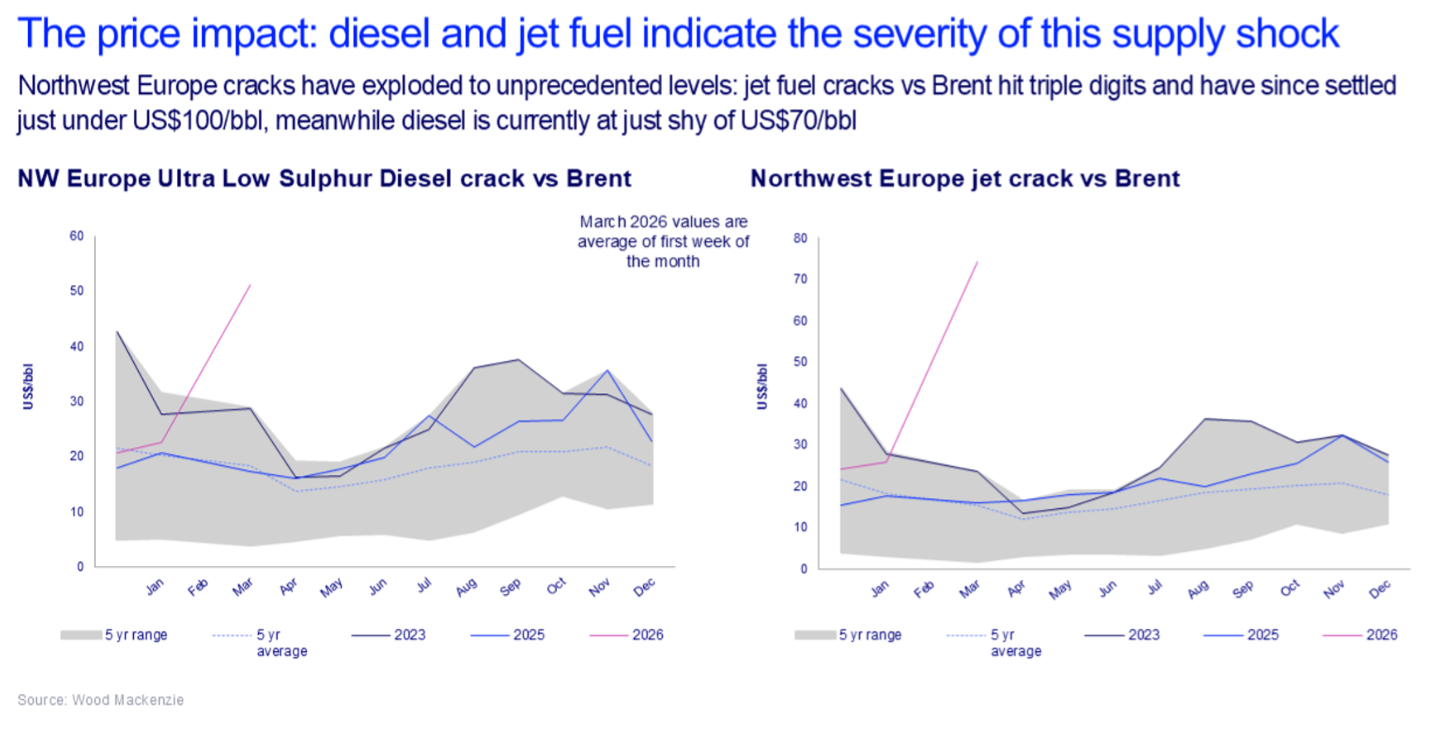
LONDON/HOUSTON/SINGAPORE, Mar 10 – With 15 million barrels per day of Gulf supply suddenly offline, global oil demand will need to fall to rebalance the market—a process that could require prices to reach $150/bbl, according to new Wood Mackenzie analysis.
The scale of disruption is unprecedented. Gulf countries in total produce 20 million b/d of liquids, and 15 million b/d of exports have been taken out of the global market. The industry has never faced a loss of supply volumes of this magnitude.
“When the conflict ends, cranking up the supply chain won’t be swift,” said Simon Flowers, Chairman and Chief Analyst at Wood Mackenzie. “Product barrels in storage at refineries or in port might be moved on vessels quite quickly. But if wells are shut-in for a prolonged period, restarting production to full output could take weeks or even longer.”
Prices already $100/bbl
Competition for remaining barrels has already pushed prices above $100/bbl early this week. Markets dependent on exports have been particularly exposed across multiple regions.
Europe faces especially acute challenges. In 2025, Gulf refineries supplied 60% of Europe’s jet fuel and 30% of its diesel, volumes which are now entirely cut off. Asia, which receives the majority of Gulf crude exports, faces equally severe pressure. Chinese, Indian, and other Asian buyers have been scrambling to secure alternative cargoes, driving up prices for West African and Latin American crude. Competition between Europe and Asia for limited non-Gulf supplies is intensifying price pressure across all regions.
The prospect of extreme tightness in refined product markets is reflected in super-high crack spreads. Jet-fuel cracks in NW Europe have traded at US$100/bbl (implying close to US$200/bbl Brent) and diesel cracks US$70/bbl, four to five times pre-war levels.
Strategic stocks and alternative supply offer limited relief
Strategic petroleum reserves offer some relief but cannot fully offset the supply loss. IEA member countries hold stocks equivalent to 90 days of imports, but sustained releases are unprecedented and IEA members account for less than half of global demand. During the Russia/Ukraine crisis, strategic stock releases did little to prevent prices reaching $125/bbl, and the supply gap from the Gulf shutdown is significantly larger.
Alternative supply sources also cannot fill the gap. While higher prices could incentivize US producers to accelerate output and forego maintenance, the Lower 48 could add only a few hundred thousand barrels per day over three to six months—a fraction of the 15 million b/d shortfall. With no supply solution available, demand destruction becomes the only rebalancing mechanism.
$150/bbl needed to rebalance
Prices will continue to escalate as the conflict prolongs, according to Wood Mackenzie analysis.
“Much will depend on how long the war lasts, how long the Strait of Hormuz remains closed and if the US Navy can ensure safe passage of vessels by escorting shipping,” said Flowers. “Global oil demand of 105 million b/d will still have to fall to balance the market and in our view, that will require Brent to push up at least to US$150/bbl in the coming weeks.”
At this price level, demand would fall through multiple channels: industrial users curtailing consumption, transport substitution away from oil-intensive modes, economic contraction reducing overall activity, and consumers reducing discretionary travel.
$200/bbl possible if conflict extends
While oil reached $150/bbl in inflation-adjusted terms during the 2022 Russia/Ukraine crisis, this situation could prove more severe.
“Supply volumes at risk this time are dimensionally bigger—and real,” said Flowers. “In our view, US$200/bbl is not outside the realms of possibility in 2026.”
10, Mar 2026
Park Hospital Launches Panchkula Facility, Expands Mohali Campus; Tricity Capacity to Reach 850 Beds
Panchkula/Mohali, Mar 10: Park Medi World Limited has approved the launch of an advanced multi-super specialty hospital in Panchkula along with the expansion of its existing facility in Mohali, further strengthening the presence of Park Group of Hospitals across the Tricity healthcare ecosystem.
The newly launched hospital in Panchkula will be expandable up to 350 beds and is scheduled to become operational from March 29, 2026. This development aims to expand access to advanced healthcare services for patients across Haryana, Punjab, Himachal Pradesh, and Chandigarh.
Alongside the Panchkula launch, the company will also expand its 350-bed Grecian Super Specialty Hospital in Mohali with an additional 150 beds, significantly enhancing its clinical capacity and specialty care services.
With these developments, Park Group of Hospitals will reach a combined capacity of 850 beds across the Tricity region, positioning it as the largest private healthcare network in the area. The Tricity cluster will comprise 350 existing beds at Mohali, a capacity of up to 350 beds at the newly launched Panchkula facility, and the upcoming 150-bed super specialty expansion at Mohali.
Advanced Healthcare Infrastructure
The Panchkula hospital has been designed to deliver comprehensive tertiary and quaternary care, supported by advanced diagnostics, modern operation theatres, and robust critical care infrastructure. The facility will provide specialized treatments across multiple medical disciplines to address the increasing demand for advanced healthcare services in the region.
Meanwhile, the Mohali expansion will focus on strengthening high-acuity specialties such as Oncology, Neurosciences, Gastro Sciences, and Robotic Surgeries. The facility will also introduce robotic joint replacement capabilities, enabling cutting-edge minimally invasive procedures and enhancing treatment outcomes for patients.
Leadership Perspective
Commenting on the development, Dr. Ankit Gupta, Managing Director of Park Medi World Limited, said:
“The launch of our Panchkula hospital and the expansion of our Mohali facility mark a significant milestone in Park Hospital’s journey to strengthen advanced healthcare access across the Tricity region. With a combined capacity of 850 beds across our Mohali and Panchkula campuses, we are building one of the most comprehensive private healthcare networks in the region.”
He further added, “The new Panchkula hospital, along with the upcoming 150-bed super specialty expansion in Mohali, reflects our long-term commitment to developing centres of excellence in high-acuity care. Our focus is on strengthening capabilities in areas such as oncology, neurosciences, gastro sciences, and robotic surgeries while introducing advanced technologies that enable minimally invasive and patient-centric treatment.”
Expanding Healthcare Access in North India
With the launch of the Panchkula hospital and the expansion of its Mohali facility, Park Group of Hospitals continues to expand its footprint in North India, reinforcing its commitment to delivering high-quality, specialized, and technology-enabled healthcare at scale.
The initiative aligns with the group’s broader vision of building an integrated healthcare ecosystem that combines clinical expertise, advanced technology, and large-scale infrastructure to provide world-class care closer to communities across the region.
10, Mar 2026
India Emerges as a $5.2 Trillion Equity Market with ~₹1.76 Lakh Crore Raised Through IPOs in 2025: Uniqus Consultech–IVCA Report
Mumbai, Mar 10: Uniqus Consultech, in partnership with the Indian Venture and Alternate Capital Association (IVCA), launched the report “India IPO & Capital Markets Outlook” at the IVCA Conclave 2026 in Mumbai. The report provides a comprehensive analysis of India’s evolving capital market landscape, attractiveness of India as an investment destination, IPO trends, ownership patterns, and key aspects in the offer document from a regulatory lens.
The report unveiled by Jamil Khatri, Co-Founder & CEO, Uniqus Consultech, and Rajat Tandon, President, IVCA, examines how India’s capital markets are undergoing a structural transformation driven by strong domestic participation, robust fundraising activity, and increasing global investor interest.
India’s IPO market in 2025 remained resilient despite global volatility, raising INR 1.76 lakh crore, up 10% over 2024, with 63% of proceeds from OFS and 37% from primary issuances. Market ownership is also shifting structurally, with DIIs holding approximately INR 88 lakh crore in NSE-listed companies compared to about INR 78 lakh crore by FIIs, while India’s overall market capitalisation has nearly doubled from INR 229 lakh crore in July 2021 to INR 477 lakh crore in 2025.
The analysis also indicates that IPO proceeds were largely deployed to strengthen financial positions and support core operations:
• Working capital: ~32%
• Debt repayment: ~27%
• Capital expenditure: ~18%
The pipeline also remains strong, with around 200 draft offer documents filed with SEBI, representing a potential issuance of over INR 1.81 lakh crore, supported by healthy domestic liquidity and a stable macroeconomic environment.
Commenting on the report launch, Raghuram K, Partner – Accounting & Reporting Consulting (ARC), Uniqus Consultech, said,
“The findings highlight how India’s capital markets are evolving from being primarily a growth story to becoming a structural valuation story. Strong domestic participation, deepening institutional ownership and a robust IPO pipeline are collectively strengthening the resilience and maturity of India’s equity markets.”
Rajat Tandon, President, IVCA, added,
“India’s capital markets are increasingly reflecting the depth and maturity of the country’s alternate capital ecosystem. Over the past decade, private equity and venture capital have played a pivotal role in nurturing companies, strengthening governance, and preparing businesses for the public markets. A vibrant IPO environment is therefore not just a market outcome—it is a natural extension of the value creation journey that begins with long-term private capital. As domestic pools of capital deepen and regulatory frameworks continue to evolve, India is steadily building a more resilient and globally relevant capital market ecosystem.”
Looking ahead, the report notes that India could witness a broader and deeper IPO cycle driven by structural conviction and disciplined capital formation, supported by sustained domestic liquidity, expanding retail participation, and improving regulatory transparency.
10, Mar 2026
Mangaldeep Expands Sixth Sense Panel with 30 New Members in Delhi
Delhi, Mar 10: ITC Mangaldeep has expanded its Sixth Sense Panel with the addition of 30 new members in Delhi, further strengthening its commitment to innovation rooted in empathy. The expanded panel brings together a diverse and accomplished cohort, reinforcing the brand’s belief that product innovation must be shaped by deeper sensory insight.
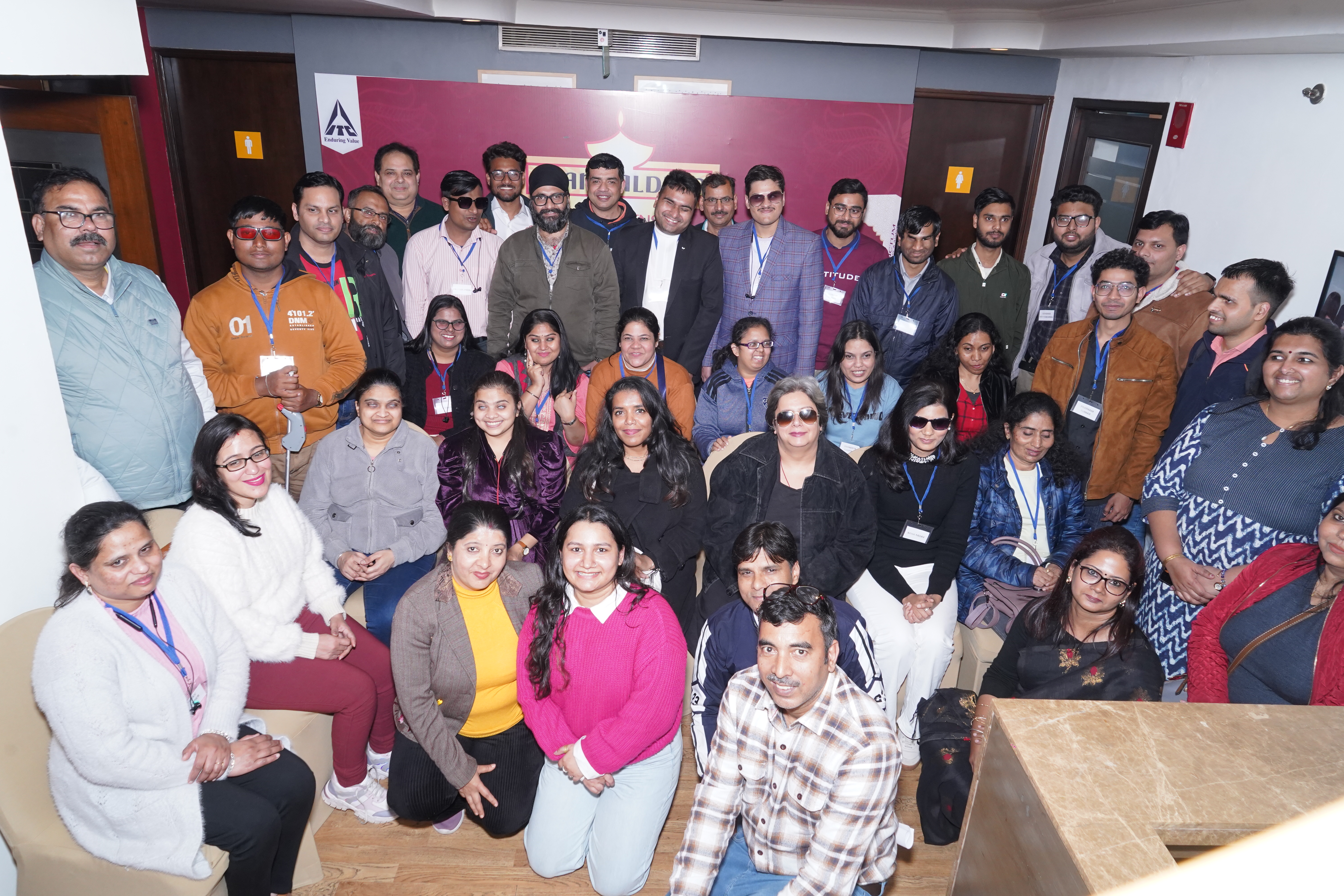
Approximately 90% of the newly inducted members are employed across varied professional fields, while others are associated with NGOs and access groups or are pursuing postgraduate and doctoral studies. Their inclusion strengthens Mangaldeep’s long-standing effort to integrate heightened olfactory sensitivity into its product development process, moving beyond conventional testing frameworks toward more nuanced, human-led evaluation.
Speaking on the initiative, Rohit Dogra, Divisional CEO, Agarbatti & Matches Division at ITC, said,
“When we started the Sixth Sense Panel four years ago, it was with the belief that product is best understood through those who truly experience it at a deeper level. Today, it has become an important part of how we shape and fine-tune our offerings at Mangaldeep. The insights shared by our visually impaired panelists bring a depth and honesty that conventional testing often misses. We look forward to continuing this journey together and building an even stronger, more meaningful association with the community.”
As part of the structured onboarding and training programme, the new panel members underwent immersive olfactive training across key product families, Fruity, Floral, Woody, Aromatic/Herbal/Mint, and Oudh/Amber through both individual raw materials and blended compositions.
They were also introduced to Mangaldeep’s popular and premium product formats through tactile and scent-based familiarisation, including Popular Dhoop Sticks, Premium Dhoop Cones, Flora Agarbatti, Premium Cups, and Sambrani Sticks. A detailed product evaluation protocol was also implemented to enable systematic participation in monthly product assessment tracks.
“I’m truly grateful to ITC Mangaldeep for including us in their product testing journey. The entire experience was thoughtful and inclusive, and the gestures extended to us made us feel genuinely valued,” said Sonali Rawat, Maths Faculty at Deep Stambh Manobal Foundation.
“I would like to thank ITC Mangaldeep for organising such a meaningful and informative training. It was encouraging to be part of an initiative that is truly inclusive. I felt supported and respected throughout the session,” said Prerna Sobti, a corporate trainer with over 20 years of experience.
Through this expansion, the Sixth Sense Panel continues to evolve as a core pillar of Mangaldeep’s product innovation framework, ensuring that product development is guided not only by science and scale, but by immersive sensory experience. With initiatives such as this, ITC Mangaldeep continues to blend tradition with forward-looking innovation, creating devotional experiences that are both sensorially rich and meaningfully inclusive.
10, Mar 2026
Summit Hotels & Resorts Sharpens Wedding Focus in Rishikesh, Renovates Riverside Inventory to Capture Celebration Demand
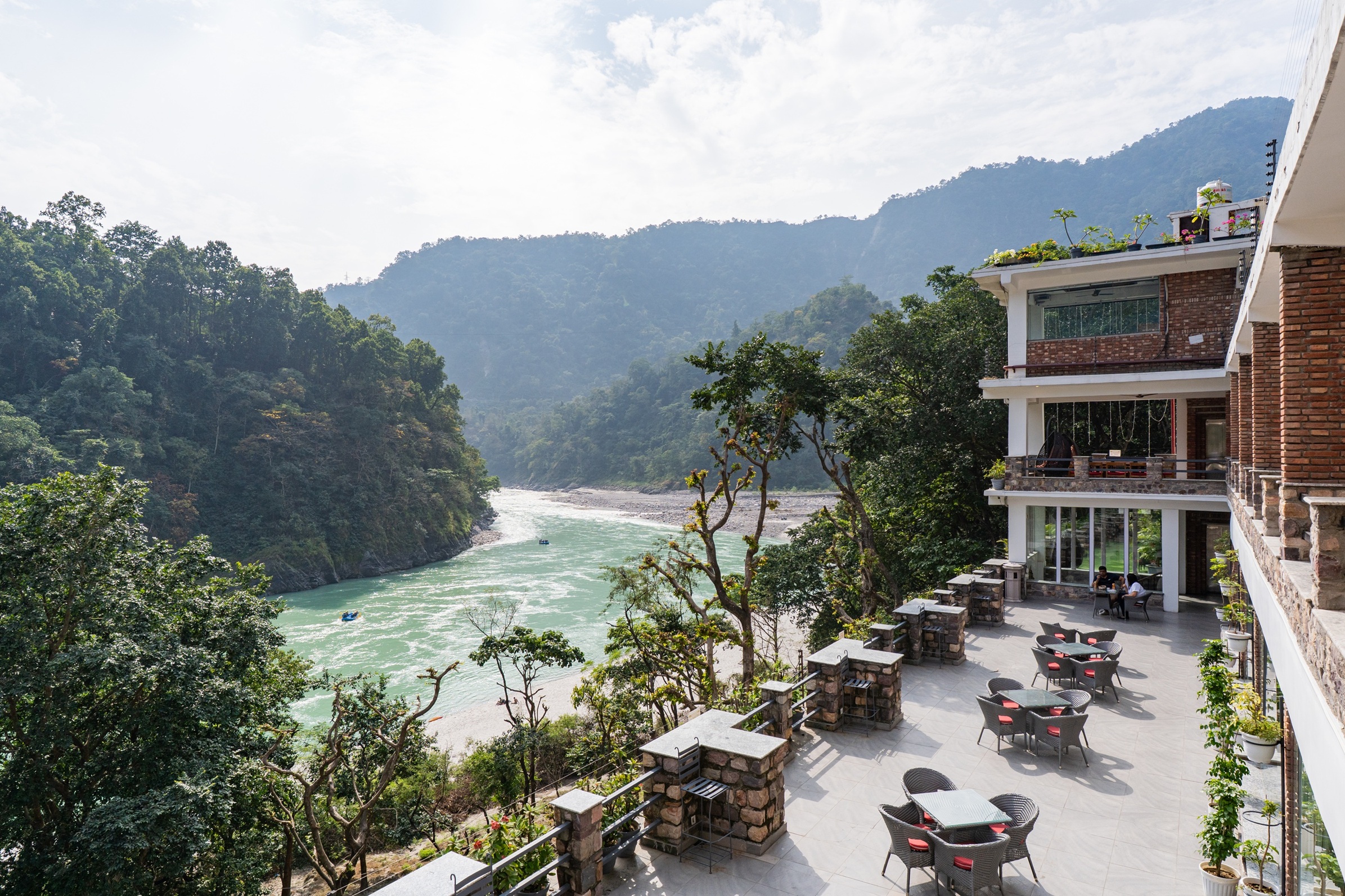
New Delhi, Mar 10: Summit Hotels & Resorts has completed a comprehensive upgrade at Summit by the Ganges Beach Resort & Spa in Shivpuri, within the larger Rishikesh hospitality corridor. The enhancement reinforces the group’s positioning in one of Uttarakhand’s most sought-after riverfront destinations.
The defining feature of the property is its direct access to a white-sand private beach along the Ganges, a distinction shared by only a small number of hotels in the upper Rishikesh belt. The riverfront setting, combined with mountain views and a large inventory of Ganges-facing rooms, places the resort in a differentiated category within the regional market.
As part of the upgrade, an entire accommodation wing has undergone complete refurbishment, including redesigned interiors, upgraded bathrooms, new woodwork and enhanced lighting. Select rooms now include bathtubs, further strengthening the premium stay experience.
The property caters to a diverse mix of travellers, including experiential leisure guests, family getaways, corporate offsites and curated destination weddings. It has hosted approximately 35 weddings this year, accommodating celebrations of 150 to 200 guests.
Commenting on the development, Sumit Mitruka, Founder and CEO, Summit Hotels & Resorts, said, “Rishikesh today attracts multiple travel segments across the year, from spiritual and adventure tourism to experiential leisure and celebrations. Our focus is to align product quality with the natural advantage that limited riverfront access provides, while ensuring the property remains relevant across traveller categories.” With the latest enhancement, Summit continues to consolidate its presence in Uttarakhand’s evolving hospitality landscape.


