


10, Mar 2026
DoubleTree by Hilton Gurugram Baani Square Appoints Nikhil Malhotra as Commercial Director
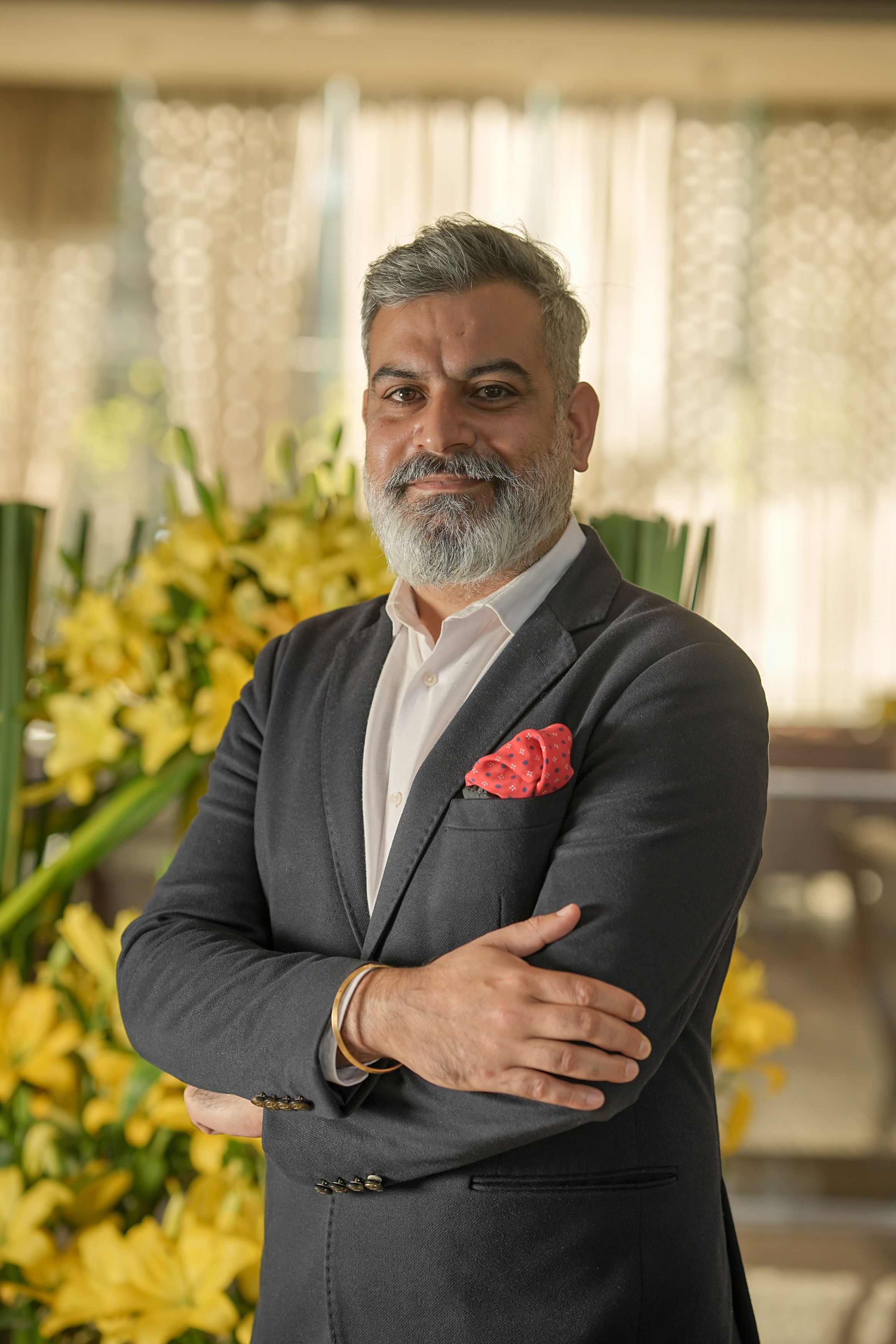
New Delhi, Mar 10: DoubleTree by Hilton Gurugram Baani Square has appointed Nikhil Malhotra as Commercial Director, strengthening the hotel’s leadership team as it sharpens its positioning across corporate, leisure, and MICE segments.
In this role, Malhotra will lead the hotel’s commercial strategy across sales, marketing, and revenue optimisation. He will work closely with the leadership team to grow market share, build strategic partnerships, and drive sustained revenue performance across key business segments.
Malhotra brings over 15 years of hospitality experience across leading international hotel brands. Over the course of his career, he has worked with brands including Accor, Hyatt, The Zuri Group, and Alila Hotels & Resorts, building strong expertise in market development, key account management, commercial planning, and team leadership.
Commenting on the appointment, Nikhil Malhotra said, “The Gurugram market continues to evolve rapidly, and it presents strong opportunities across corporate travel, social events, and emerging lifestyle segments. I look forward to working closely with the team to strengthen our commercial strategy, deepen market partnerships, and drive sustained growth for the property.”
With his strong background in strategic sales leadership and market-driven commercial planning, Malhotra will support the hotel’s continued growth in Gurugram’s dynamic hospitality market.

- 0
- By Neel Achary

10, Mar 2026
AAEON Brings Innovative Robotics, Machine Vision, and Industrial AI Demos to Embedded World 2026

AAEON will be at Hall 1, Booth 306 of NürnbergMesse in Nuremberg, Germany between March 10 and March 12, 2026.
(Taipei, Taiwan – Mar 10) AAEON, an industry leader in embedded computing, will host live demonstrations showcasing the edge AI capabilities of its products across multiple solutions at Embedded World 2026 in Nuremberg, between March 10 and March 12, 2026.
Date: March 10 – March 12, 2026
Booth: Hall 1, Booth 306
Venue: Nuremberg Messe GmbH, Messezentrum 90471 Nuremberg, Germany
This year, robotics and edge AI will be central themes of AAEON’s Embedded World showcase, allowing visitors the opportunity to see how scalable AI platforms from across its product portfolio are accelerating intelligent automation across industries.
At Booth 306, AAEON will present a varied selection of live application demonstrations featuring new, exciting technologies from leading platform providers. Most notable of these is a speak-and-command robot featuring the upcoming BOXER-8741AI, built on NVIDIA Jetson T5000 module.
Meanwhile, AAEON will host a number of live demonstrations developed in conjunction with key software partners, beginning with a four-wheeled robot running on AAEON’s BOXER-8651AI and remotely controlled by AAEON’s RTC-1030 rugged tablet, built in collaboration with Rover Robotics and Cogniteam.
On the themes of machine vision and industrial AI, AAEON will introduce visitors to a new AI Workstation powered by the NVIDIA RTX PRO™ 6000 Blackwell, running Ipsotek’s AI Video Analytics from Eviden. The demonstration will feature multiple use-case videos showcasing the adaptability and scalability of Ipsotek’s VISuite software. Demo scenarios include edge-based deployments as well as advanced forensics and investigations, utilizing VLM and agentic AI models. In addition to this, an industrial defect detection application developed with computer vision specialists Awentia will be present, executing Awentia’s VLM engine on AAEON’s new modular MEX-BTS System Box PC, equipped with NVIDIA RTX 5000 Ada Generation GPU, powered by NVIDIA Ada Lovelace architecture.
In its first public outing, the upcoming MIX-PTLWV1 Mini-ITX motherboard will be used in a demonstration illustrating how its Secure Edge AI reference architecture can be implemented for intelligent perception and decision-making. Powered by Ultralytics and Sandgrain CyberRock, the solution will illustrate the suitability of Ultralytics’ YOLO models on Intel® Core™ Ultra Series 3 Processors, as well as how such licensed models can secured by Sandgrain CyberRock.
From AAEON’s UP Division, the UP Xtreme ARL AI Dev Kit will be deployed with Network Optix’s Nx AI Manager, showcasing the tool’s cross-hardware compatibility, custom pipeline configuration, and centralized, software-based model management. A further offering from UP will be a voice-controlled robotic arm built on the upcoming UP Xtreme PTL Edge, AAEON’s first Mini PC to host Intel Core Ultra Series 3 Processors.
On Tuesday 10 March at 15:00, AAEON will participate in a technical workshop featuring a live demonstration on deploying and accelerating real-time computer vision workloads on Intel Core Ultra Series 3 processors using the Intel® OpenVINO™ Toolkit and Ultralytics YOLO. The session will showcase practical implementation strategies and performance optimization techniques for edge and embedded AI applications. Industry professionals and developers are encouraged to register in advance to secure their participation: https://aaeon-intel-ultralytics-vision-ai.eventbrite.com.
Among its static product demos, AAEON will present a range of products that utilize innovative technologies from leading providers including Qualcomm Technologies and AMD. Notably, visitors will get a public showing of AAEON’s uCOM-Q6490, a SMARC module powered by Qualcomm Dragonwing™ QCS6490 processors, which features an 8-core CPU running up to 2.7 GHz, a dedicated GPU, and an NPU capable of up to 12 dense TOPS to deliver powerful heterogenous compute performance, and the GENE-R8K6, a 3.5″ SubCompact Board with AMD Ryzen™ Embedded 8000 Series processors.
10, Mar 2026
Rohde & Schwarz and NETGEAR collaborate for next generation Wi-Fi 8 access point testing
Mar 10: NETGEAR has selected the CMP180 radio communication tester from Rohde & Schwarz for the development of future Wi-Fi 8 access points. By integrating the tester into their design validation test environment, NETGEAR will be able to speed up the development of performance optimized Wi-Fi products.
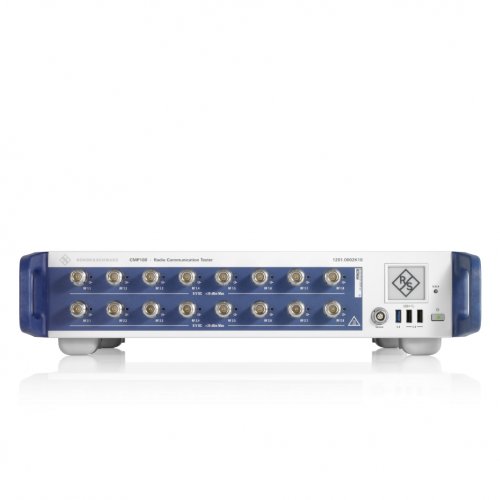
The CMP180 supports many cellular and non-cellular technologies including Wi-Fi 8.
Rohde & Schwarz, a leading supplier of test and measurement equipment for wireless applications, and NETGEAR, manufacturer of advanced networking technologies and leading-edge Wi-Fi 7 products, collaborate to get the next generation Wi-Fi 8 products ready for the market.
Wi-Fi 8 is the next generation Wi-Fi based on the upcoming IEEE 802.11bn standard. With the focus on ultra-high reliable (UHR) WLAN, this new technology will improve the wireless user experience at homes, offices and factories: high-speed connectivity under all conditions with low latency for gaming, learning and working applications which will use augmented reality (AR) and virtual reality (VR) to provide an immersive user experience.
Design validation of Wi-Fi 8 access points requires test solutions which support the latest Wi-Fi 8 features like distributed resource units (DRU) or unequal modulation (UEQM) with up to 320 MHz wide channels in all supported bands and highest modulation schemes (4096QAM), while providing the performance (EVM), and scalability (4×4 MIMO) required to optimize the wireless device performance.
Rohde & Schwarz provides NETGEAR with the CMP180 radio communication tester, a future-proof non-signaling testing solution for wireless devices, which can be used in research, development, validation and production. It supports many cellular and non-cellular technologies including the latest Wi-Fi 6E, Wi-Fi 7, Wi-Fi 8 and 5G NR FR1 in frequencies up to 8 GHz and bandwidths of up to 500 MHz.
The CMP180 comes equipped with two analyzers, two generators and two times eight RF ports in a single box, plus the possibility to scale up by stacking several testers. This makes it a cost-efficient test solution with best-in-class performance, addressing current and future test demands.
While its fast multi-DUT testing capabilities make the CMP180 ideal for testing in mass-production test environments, test engineers can use the instrument throughout the entire development cycle: from engineering validation tests (EVT), design validation tests (DVT) and production validation tests (PVT) to mass production (MP).
Joseph Emmanuel, VP, Consumer Business Unit HW Engineering at NETGEAR, says: “Working with Rohde & Schwarz enables us to bring our Wi-Fi 8 products on the market with the expected high quality and extremely high performance for the best multi-gigabit Wi-Fi experience everywhere at home.”
Goce Talaganov, Vice President Mobile Radio Testers at Rohde & Schwarz, says: “We are grateful for the close collaboration with NETGEAR on the latest Wi-Fi 8 technology. Our experience in wireless device testing and early cooperation with Wi-Fi 8 chipset and device vendors helped us to improve our test solution for the upcoming broad Wi-Fi 8 market.”
9, Mar 2026
kyron.bio Announces Strategic Partnership with Servier to Advance Precision Glycosylation in Antibody Therapeutics
Paris, 9 March, 2026 – kyron.bio, a biotechnology company pioneering precision glycoengineering for antibody therapeutic development, today announced a strategic partnership with Servier, an international pharmaceutical group governed by a Foundation.
Under the terms of the agreement, kyron.bio will use its technology to glycoengineer an antibody selected by Servier, who will fund the associated research activities. Servier will have the option to further explore antibody engineering and development opportunities based on the outcomes. Financial details are not disclosed.
kyron.bio’s proprietary glycoengineering platform can enhance therapeutic performance of antibodies by enabling precise control of the glycan structures to improve efficacy, safety, and scalability. In this partnership kyron.bio will seek to demonstrate clear glycan control on the Servier antibody of interest for a specific pre-determined N-glycoform.
To date, engineering of glycans have been under-exploited, due to technical challenges, limiting the use of glycan engineering in drug design. kyron.bio is changing that. The company has developed a scalable, proprietary method to achieve comprehensive control over glycosylation, unlocking the possibility to use precision glycosylation in next generation drug design.
Dr. Emilia McLaughlin, founder and Chief Executive Officer of kyron.bio said,
“We are delighted that Servier has chosen to explore the potential of our glycoengineering platform. Servier has deep expertise in therapeutic development and combined with our precision glycosylation technology, this partnership provides a powerful opportunity to unlock new levels of antibody performance and deliver better outcomes for patients.
“Precision glycosylation represents a transformative approach in biologics development. By engineering defined glycan profiles, therapeutic antibodies can be optimized for improved immune engagement, pharmacokinetics, and reduced variability.”
In 2024, kyron.bio was the winner of the Servier Golden Ticket award which has provided invaluable support and mentorship through the company’s early translational phase and has developed a foundation for understanding the potential of kyron.bio’s technology.
Dr. Emmanuel Nony, Director of External Innovation Europe at Servier said,
“Meeting kyron.bio as a winner of Servier’s Golden Ticket award has enabled our scientists to develop an understanding of the kyron.bio glycan engineering technology and its exciting possibilities in antibody drug design. This collaboration is opening new frontiers for antibody derivatives as well. Together, we are exploring innovative pathways to optimize drug design and production, with a shared commitment to bringing safer and more effective therapies to patients.”
kyron.bio’s strategy is to form strategic drug design partnerships with pharmaceutical and biotech companies working on next-generation antibody therapeutics, alongside in house therapeutic development programs.
A successful company creation from the French Entrepreneur First Scheme, in 2025 kyron.bio raised €5.5m in a seed round from an experienced syndicate of venture investors including HCVC, Verve Ventures, Entrepreneurs First and Saras Capital, as well as private angel investors and the European Innovation Council. It has established an R&D base at the biotech hub Paris Biotech Santé in the Cochin Hospital.
9, Mar 2026
NHAI and IHMCL to Honour Safe Truck Drivers at ‘Vishisht Saarthi’ Ceremony in Hyderabad
Hyderabad, March 09: To promote road safety on National Highways and recognise commercial vehicle drivers who demonstrate exemplary driving behaviour, a “Vishisht Saarthi Felicitation Ceremony” will be organised tomorrow, March 10, at 10:00 AM at the Muthangi Truck Parking facility on the outskirts of Hyderabad.
The event is expected to be graced by Santosh Kumar Yadav, Chairman of National Highways Authority of India (NHAI); Vishal Chauhan, Managing Director of Indian Highways Management Company Limited (IHMCL); and Mudit Agarwal, CEO of IHMCL, as disclosed by Ajay Bhandari, Founder of the Hyderabad-based logistics platform Loadsor.

The National Highways Authority of India (NHAI) is a government agency responsible for the development, maintenance, and management of India’s National Highway network. Indian Highways Management Company Limited (IHMCL) is a government company responsible for implementing and managing digital toll collection and intelligent transport systems on India’s National Highways.
The programme is being organised by the National Highways Authority of India (NHAI) and the Indian Highways Management Company Limited (IHMCL) in collaboration with logistics technology platforms TruckSuvidha and Loadsor, which actively work with driver communities across the country to promote responsible and safer driving practices.
Vishisht Saarthi is a driver welfare and recognition initiative aimed at supporting and empowering truck drivers and transport workers in India. The programme focuses on improving drivers’ skills, enhancing road safety awareness, promoting better health and welfare practices, and recognising drivers who demonstrate professionalism and responsible behaviour on highways.
The initiative trains, supports and honours professional truck drivers to improve road safety and their working conditions. Launched under the leadership of Nitin Gadkari, Union Minister for Road Transport and Highways, the programme seeks to encourage safe and efficient driving practices, raise awareness about health and welfare issues affecting drivers, and recognise those who consistently follow safety standards and traffic norms.
Referring to the crucial role played by truck drivers in the country’s logistics ecosystem, Union Home Minister Amit Shah in the past, at the time of its launch nationally) described drivers as “Saarthi,” meaning guide or driver, acknowledging their vital contribution in keeping India’s economy and supply chains moving.
To implement the Vishisht Saarthi programme across the country, the Ministry partnered with five digital logistics platforms, including Hyderabad-based Loadsor and New Delhi-based TruckSuvidha, along with three others. The Hyderabad event is being organised in collaboration with TruckSuvidha and Loadsor, which help conduct driver training sessions, awareness programmes, and welfare initiatives.
These platforms were selected because they operate extensive digital freight networks connecting truck drivers, fleet owners and shippers across India. Through these networks, they help conduct driver training and skill-development programmes, promote road safety awareness, support driver welfare and recognition initiatives, and reach thousands of drivers across the country.
The programme to be held tomorrow at Muthangi aims to honour truck drivers who consistently follow traffic rules, maintain lane discipline, and contribute towards making highways safer for all road users. During the event, selected drivers will be felicitated with the “Vishisht Saarthi” recognition certificate for their commitment to safe driving and adherence to highway safety norms.
The event will also feature an awareness session for drivers highlighting important road safety practices and information about emergency assistance available to drivers on National Highways.
Through this initiative, the organisers aim to highlight the vital role played by truck drivers in ensuring safe and efficient transportation across the country, while encouraging the wider driver community to adopt responsible and disciplined driving practices on National Highways. With millions of truck drivers in India facing challenges such as long working hours, health concerns and limited formal training opportunities, programmes like Vishisht Saarthi seek to professionalise the trucking industry and enhance safety on highways.
—
9, Mar 2026
K&L Gates Among First Law Firms Globally to Earn ISO/IEC 42001:2023 AI Governance Certification
The certification establishes a formal framework for the responsible development, deployment, and oversight of artificial intelligence systems. Following a comprehensive independent audit, the certification confirms that K&L Gates’ AI program operates with robust controls around accountability, risk management, ethics, transparency, data protection, and regulatory compliance.
This milestone validates that governance principles are embedded across K&L Gates’ AI lifecycle—from evaluation and implementation to ongoing monitoring and improvement. As regulatory scrutiny and client expectations surrounding AI continue to evolve globally, the certification reinforces K&L Gates’ leadership in responsible AI adoption within the legal industry.
“This certification reflects our commitment to combining innovation with accountability,” said Stacy Ackermann, Global Managing Partner of K&L Gates. “Clients are embracing AI to transform their businesses, and they expect their law firms to responsibly do the same. Achieving ISO/IEC 42001:2023 certification demonstrates that we have built a governance framework that prioritizes risk management, transparency, and trust while enabling us to deliver valuable insight and legal services to our clients.”
Harpreet Suri, Chief Technology Officer of K&L Gates, added: “As organizations across industries implement or evaluate AI technologies, they increasingly expect the same discipline and transparency from their legal advisers. Achieving ISO/IEC 42001:2023 certification is a direct result of the dedication and rigor of our technology, security and information governance teams, whose work ensures that AI is deployed responsibly, securely, and in alignment with our professional obligations. This certification enables K&L Gates to provide enhanced confidence in how AI is thoughtfully and responsibly integrated into our client service delivery.”
In 2023, K&L Gates established a cross-disciplinary AI Solutions Group to guide its firmwide AI strategy, advising clients on developing, deploying, and investing in AI technologies. The firm also implemented a comprehensive Generative AI Policy and AI Forward℠ framework that mandates approved platforms, transparency with clients, verification of AI outputs, and mandatory training, all guided by principles of responsible innovation and human-centric excellence.
As an early adopter of generative AI, K&L Gates employs centralized governance to oversee AI deployment across its global platform, ensuring alignment with confidentiality obligations, data-governance requirements, and professional standards. AI enhances legal research, drafting, contract review, due diligence, and discovery through vetted AI platforms including Legora, Vincent, Westlaw Precision AI, Relativity Analytics, CoCounsel, and Microsoft 365 Copilot.
Firmwide adoption is supported by role-specific training with AltaClaro, as its first law firm partner, and Hotshot Legal, emphasizing AI literacy, prompt engineering, and partner supervisory oversight. The firm’s leadership extends beyond internal operations through the K&L Gates Endowment for Ethics and Computational Technologies at Carnegie Mellon University in 2016 and a founding sponsor for the AI Access to Justice Summit. In 2025, K&L Gates was named an “Innovation Icon” by BTI Consulting Group for integrating AI into its global client-service strategy.
9, Mar 2026
Comau’s Hyperflex wins the Solution Award – Robotics Innovation Award at MecSpe 2026
9, Mar 2026
Hon’ble Union Minister Shri Piyush Goyal to Inaugurate 40th Edition of AAHAR 2026 on March 10
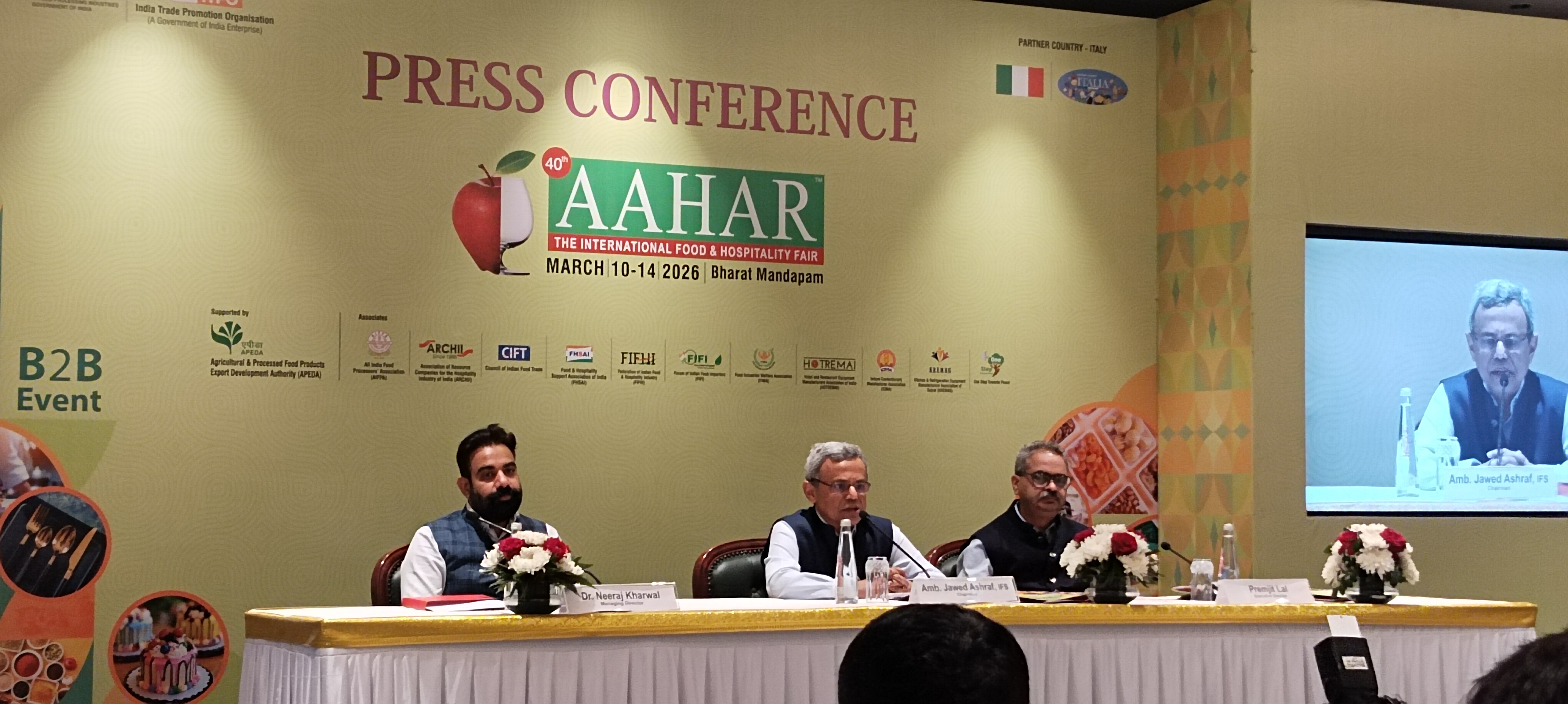
New Delhi, Mar 09: The Hon’ble Union Commerce & Industry Minister Shri Piyush Goyal will inaugurate the 40th edition of AAHAR 2026, one of the world’s premier B2B trade platforms for the food and hospitality industry, on March 10 at Bharat Mandapam, New Delhi.
9, Mar 2026
DGMS, Vedanta & the Workers Union Join Hands at the Tripartite Safety Committee Meeting
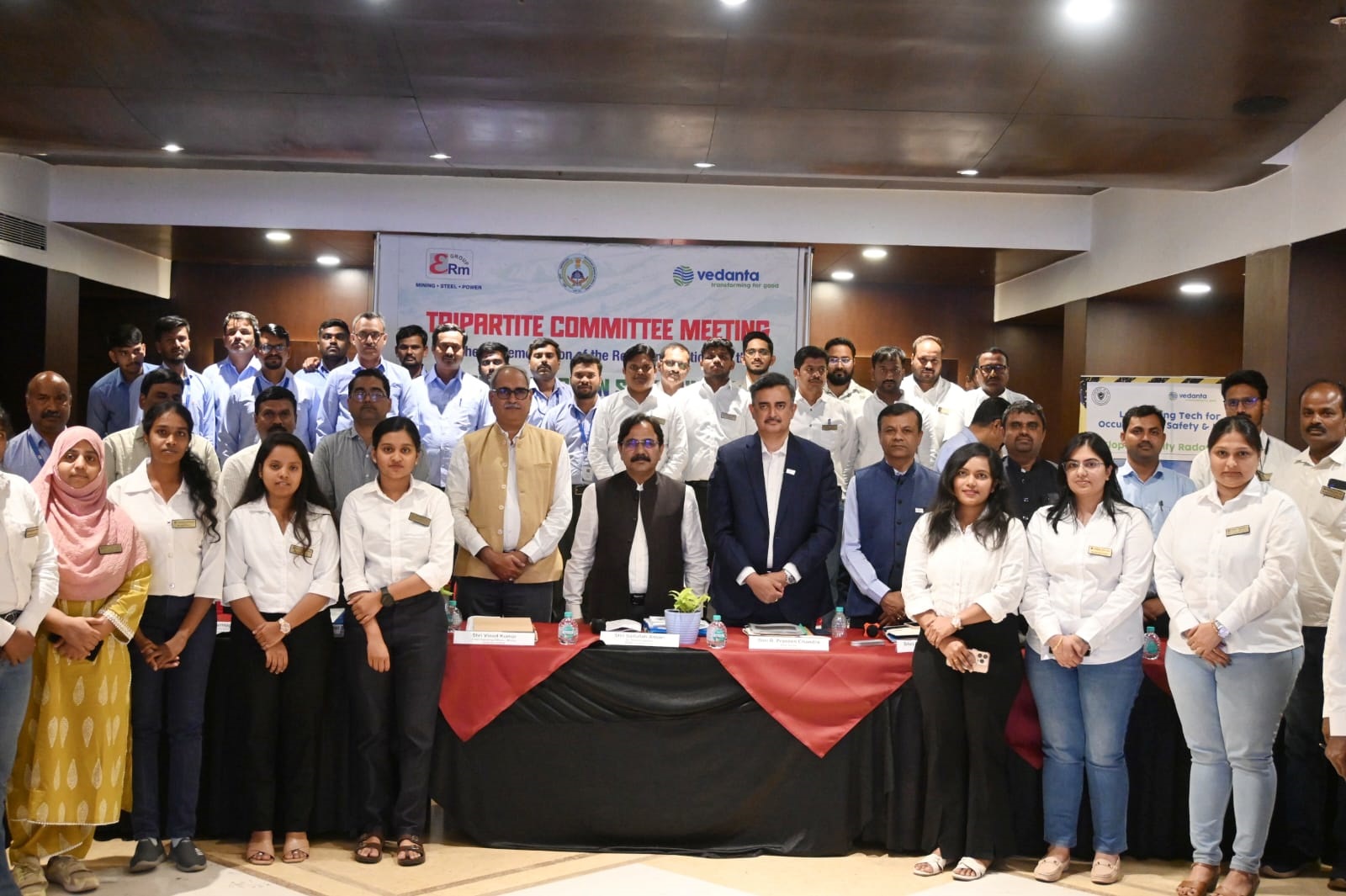
Bengaluru, Karnataka Mar 09: Reinforcing commitment to safe mining practices, and proposing effective measures that contribute to a safer working environment in the mines, Vedanta Sesa Goa – Iron Ore Karnataka, along with ERM Group and under the aegis of the Directorate General of Mines Safety (DGMS) hosted the Tripartite Safety Committee Meeting in Bengaluru, Karnataka.
The event is a significant forum for coordination for key stakeholders including representatives from the DGMS, Worker’s Union and the Mine Management of A. Narrain Iron Ore Mines of M/s. Vedanta Limited and John Mines of M/s. R. Praveen Chandra. The primary objective of the Tripartite Safety Committee Meeting is to deliberate on issues pertaining to further improvement of safety in mines and to propose effective methods, and processes that contribute to a safer working environment in mines across the country.
The event was graced by Shri. Saifullah Ansari, Deputy Director General of Mines Safety, Southern Zone, Bengaluru, Shri. Saket Bharati, Director of Mines Safety, Bengaluru Region, Bengaluru, Shri. M. Arumugam, Director of Mines Safety (Mechanical), Southern Zone, Bengaluru, Shri. G. Narasimha Rao, Director of Mines Safety (Electrical), Southern Zone, Bengaluru, Shri. Yerikala Balakrishna, Deputy Director of Mines Safety (Mining), Bengaluru Region, Bengaluru, Shri. Ajay Kumar Rathore, Deputy Director of Mines Safety (Electrical), Southern Zone, Bengaluru, Shri. Nitin Kamlakar Raut, Deputy Director of Mines Safety (Mechanical), Southern Zone, Bengaluru, along with Shri. Vinod Kumar, COO-Mining, Vedanta Sesa Goa, Shri. Shrishaila Gouda, CEO, Vedanta – Iron Ore Karnataka, Vedanta IOK Workers’ Union, along with other Company & Union functionaries.
Shri. Saifullah Ansari, Deputy Director General of Mines Safety, Southern Zone, Bengaluru said, “The Tripartite Safety Committee Meeting plays an important role in strengthening the dialogue between regulators, industry, and workforce on critical aspects of mine safety. The prime objective of the meeting is to deliberate on safety performances & progress of implementation of Company’s policies on safety & health and of recommendations of the National Conferences on Safety in Mines. At DGMS, our foremost priority is to ensure strict compliance with safety standards and to foster a culture where the well-being of every individual is non-negotiable.
Addressing the gathering as part of the Welcome Address, Shri. Vinod Kumar, COO-Mining, Vedanta Sesa Goa said, “At Vedanta Sesa Goa, safe & responsible production is at the core of operational philosophy. We prioritise Occupational Safety & Health as a collective responsibility. The Tripartite Safety Committee Meeting has served as a constructive forum to deliberate on safety practices and to reaffirm our collective responsibility towards building a safer and more sustainable mining ecosystem.”
The Directorate General of Mines Safety affirmed its dedication to working closely with all stakeholders to develop and implement policies that prioritize the safety and well-being of miners across the nation.
9, Mar 2026
This Women’s Day, Good Flippin’ Burgers and Bombay Teen Challenge Celebrate Women’s Creativity with Handcrafted Tote Bags
This Women’s Day, Good Flippin’ Burgers, India’s most loved burger brands, is marking the occasion with an initiative that goes beyond the usual celebrations. Across its 60+ outlets, customers will find more than burgers. Each outlet will feature limited-edition tote bags handcrafted by women at Bombay Teen Challenge, a residential empowerment center in Mumbai. The bags reflect their care, skill, and creativity, turning everyday retail spaces into platforms where talent and opportunity are celebrated.
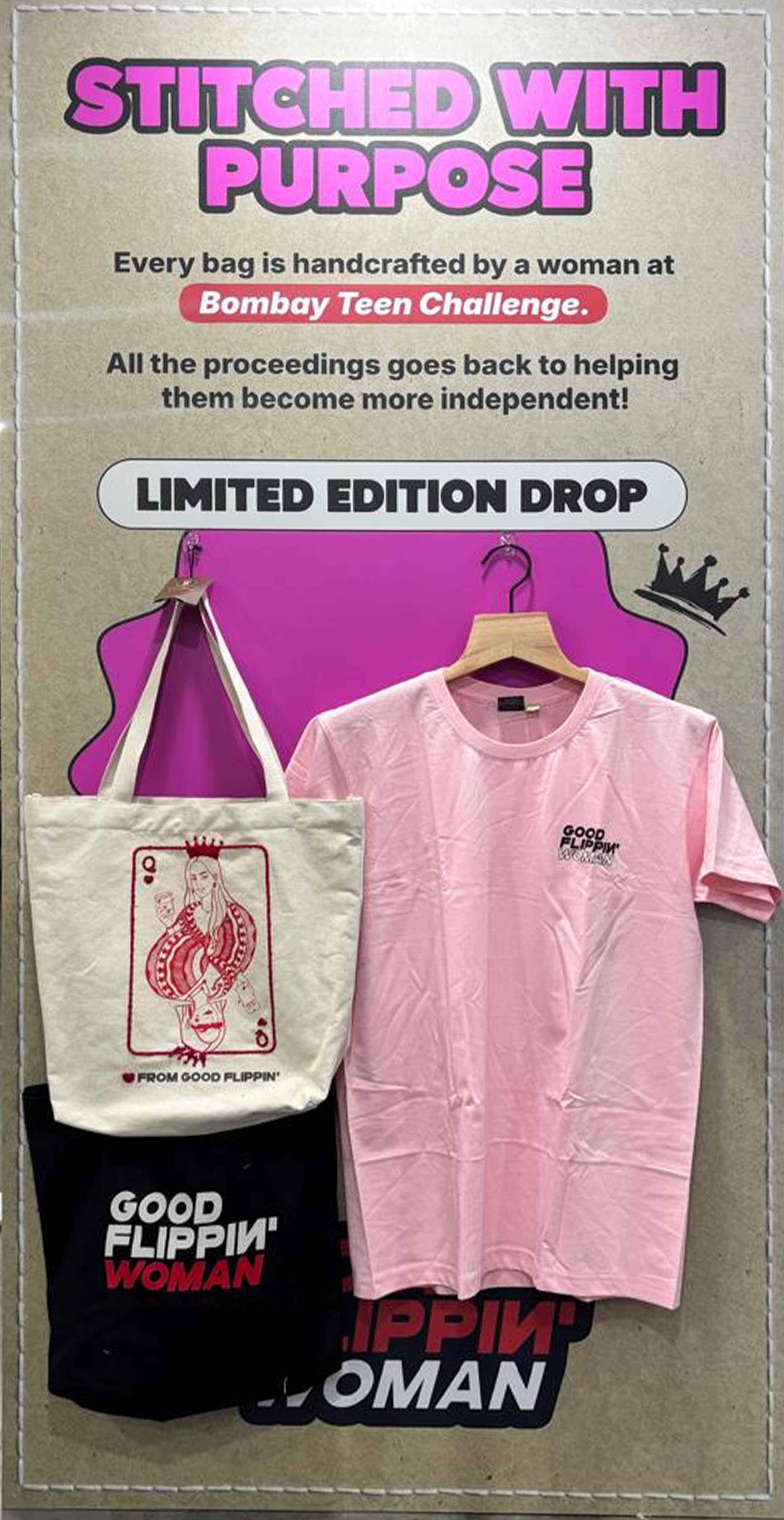
Set Beautiful Free Creations, part of Bombay Teen Challenge (BTC), provides long-term care, education, and vocational training for women who are rebuilding their lives. Its programs in tailoring, embroidery, jewelry, apparel, micro greens, and hair and beauty equip women to create work that is meaningful, visible, and valued. Through this collaboration, their craft reaches thousands of customers, giving pride, confidence, and recognition to every woman involved.
The women at Bombay Teen Challenge, trained in tailoring and embroidery, contribute focus, patience, and artistry to every bag. Priced at Rs. 695, the totes are initially available at dine-in outlets, with plans to expand to delivery and online channels. Proceeds are reinvested into producing new bags with evolving designs, ensuring the initiative continues to grow and provide meaningful opportunities over time.
“This initiative allows Good Flippin’ Burgers to transform our reach into real impact,” says Viren D’Silva, Co-founder of Good Flippin’ Burgers. “Every bag carries skill, creativity, and pride. By showcasing the work of women at Bombay Teen Challenge, we are creating a platform where talent is visible and Women’s Day becomes more than a celebration. Each bag tells a story, and our stores become a place where opportunity is tangible and recognized.”
“Good Flippin’ Burgers has created a space where our women’s talent is celebrated,” says Deborah Devaraj, Founder of Set Beautiful Free Creations. “Every tote bag represents skill, care, and opportunity. This partnership transforms creativity into something tangible, showing how brands can make a lasting and meaningful impact.”
Launching on 8th March 2026, the tote bags are available at all Good Flippin’ Burgers dine-in outlets. This ongoing initiative will continue to feature new designs, expanding both the creative possibilities and opportunities for the women at Bombay Teen Challenge. By combining scale, reach, and purpose, Good Flippin’ Burgers demonstrates how a QSR brand can create real social impact, making Women’s Day a celebration of skill, creativity, and meaningful engagement.


